
6 Print Picks That Streamline a Workplace With the 5S Methodology
A 5S rollout does not fail during the first clean-up. It fails in month three, when the standard exists only in a slide deck and nobody is scoring anything. These six printed pieces put each step on a surface people walk past, and every price here is live.
5S holds when the standard is printed and fixed in place, and six pieces cover all five steps. Red hang tags from $25.27 carry Sort, vinyl labels from $29.16 and floor decals from $34 carry Set in Order, a styrene station sign from $29 carries Standardize, and a dry-erase audit board from $47.22 with printed audit pads from $93.37 carry Sustain. Shine needs no new print. Those starting prices add to $258.02 for one area.
The picks
Six picks, from $25.27 hang tags to $844.54 pocket folders
Buy the first two if you only buy two. Tags unblock Sort on day one and labels make Set in Order visible from the aisle, which is where a rollout either becomes real or stays a meeting. Every item below can be laid out in our free online designer or started from a ready-made design template, and each price updates in the configurator as you change size, material and quantity.


Step by step
Which piece carries which S
Read this as five jobs rather than a shopping list. Each row names the step, the piece that carries it, the format to order and what the piece actually does once it is on the wall or the floor. Shine is the one step that needs no new print, because it reads the standard from the sign in step four.
| Pick | Step | Format and starting price | What it does in the area |
|---|---|---|---|
| 1. Hang tags | Sort | Card stock tag with a punched hole, roughly 2 in x 3.5 in up to 3 in x 6 in. From $25.27 | The red tag itself. Date, owner and reason printed as fields so nobody has to remember what to write on a scrap of masking tape. |
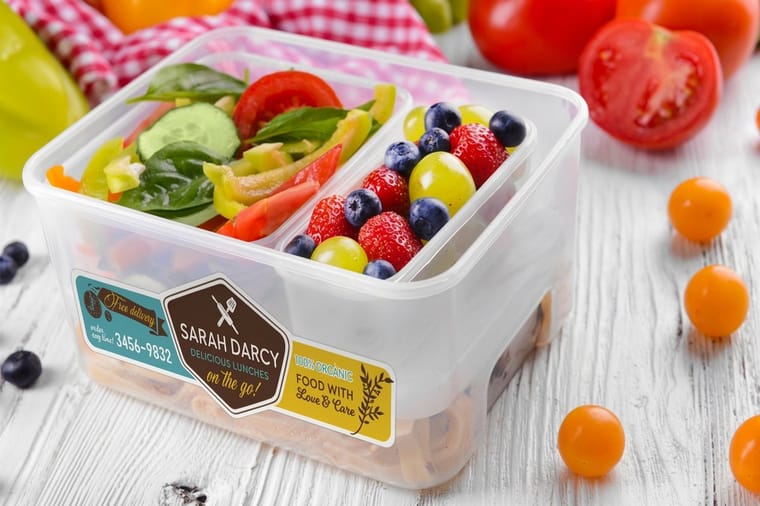
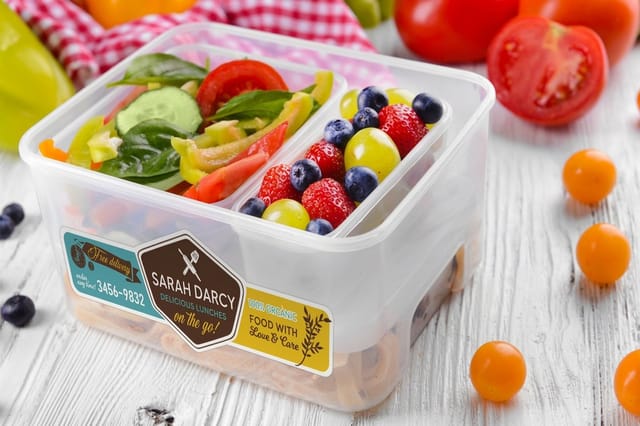
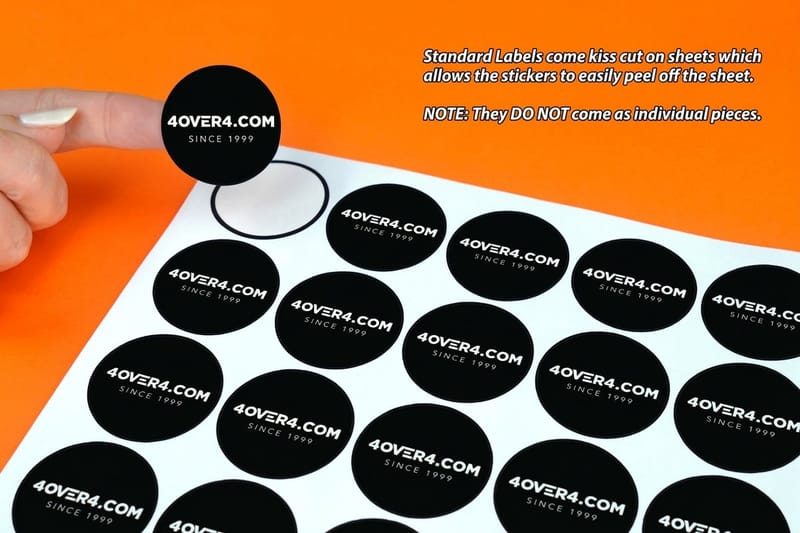
| 2. Premium vinyl labels | Set in Order | Vinyl face stock, any cut size, indoor or wipe-down duty. From $29.16 | Names the shelf edge, the bin lip and the drawer front, so a missing item leaves a labeled gap instead of an empty space nobody notices. |
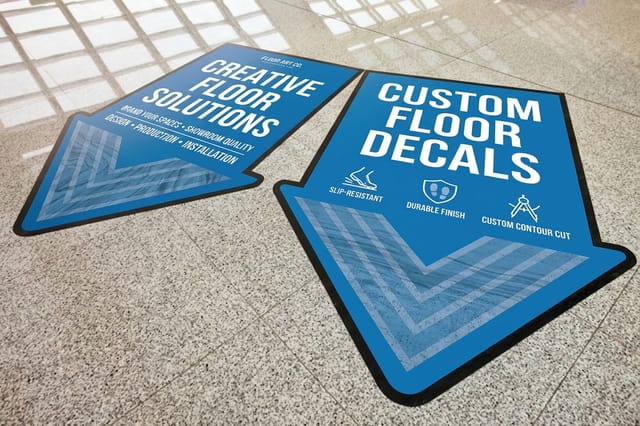
| 3. Floor decals | Set in Order | Textured non-slip vinyl with a walkable laminate, cut to shape. From $34 | Puts an outline on the floor for the cart, the pallet, the bin and the ladder, which is the only way a large item gets a home. |
| 4. Styrene signs | Standardize | Rigid styrene panel, indoor, common sizes from 12 in x 18 in up. From $29 | Holds the finished-state photo and the three steps at the station, at eye level, where the standard is actually being followed. |
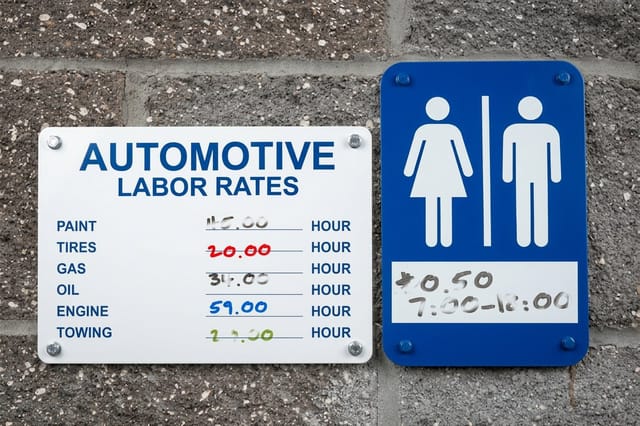
| 5. Dry-erase aluminum signs | Sustain | Aluminum panel with a dry-erase face, printed grid, hangs on a wall or a rack post. From $47.22 | The weekly score in public. Printed rows that never change, a wipeable column for this week, and a name next to each area. |
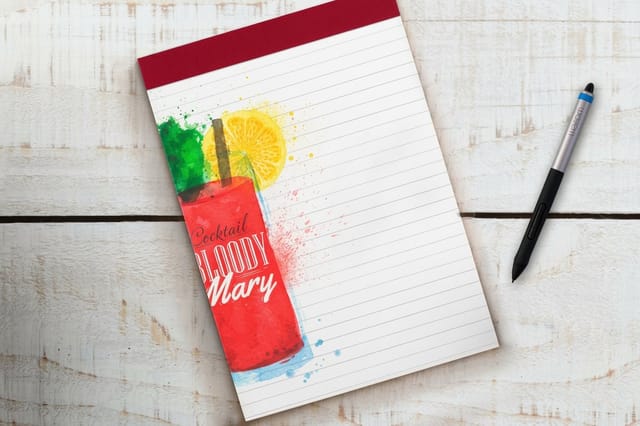
| 6. Notepads | Sustain | 25, 50 or 100 sheets glued at the head, 5.5 in x 8.5 in or 8.5 in x 11 in. From $93.37 | The audit sheet and the red-tag log on paper, so the walk happens with a pen rather than being postponed until somebody opens a spreadsheet. |
Start here
Pick one area before you print anything
A 5S rollout that starts everywhere finishes nowhere. Choose one cell, one stockroom or one van and print the six pieces for that area only. You will change the label naming scheme, the audit questions and the layout at least once in the first month, and doing that across a whole site means reprinting across a whole site. Run the loop once, let the standard settle, then repeat the print run for the next area. The reasoning behind the five steps, the red tag rule and why programs slide back is set out in our 5S methodology guide, and if the goal behind the tidy-up is really behaviour rather than housekeeping, the safety culture guide covers the part 5S alone does not fix.
1. Red hang tags end the argument in the Sort step

Sort fails for one reason more than any other. Two people disagree about whether a tool stays, nobody wants to be the one who threw it out, and the pile goes back where it was. A printed hang tag settles it by converting the disagreement into a date. The item gets tagged, moved to a holding area, and if nobody has reached for it by the date on the tag, it leaves. Tags start at $25.27.
Print the fields rather than leaving the tag blank. Item, area it came from, who tagged it, the date it was tagged, the date it gets disposed of, and a one-line reason. A blank tag with a marker on a string produces six different handwriting conventions in a week and no way to sort the holding area. A field layout gets everybody writing the same six things in the same six places. Around 2 in x 3.5 in is enough for that; go to 3 in x 6 in if you want a tear-off stub for the log.
Two limits worth knowing. Card stock tags go soft in a wash bay, a paint booth or anywhere with oil mist, so those areas want a vinyl label instead of a tag. And the string matters more than people expect: a tag tied through a hole survives being knocked off a bench, a tag taped to a machine does not. If you want the design side, how to design custom tags covers the layout, and hang tags versus stickers versus labels covers when a tag is the wrong choice.
2. Vinyl labels go on the shelf edge, not on the box
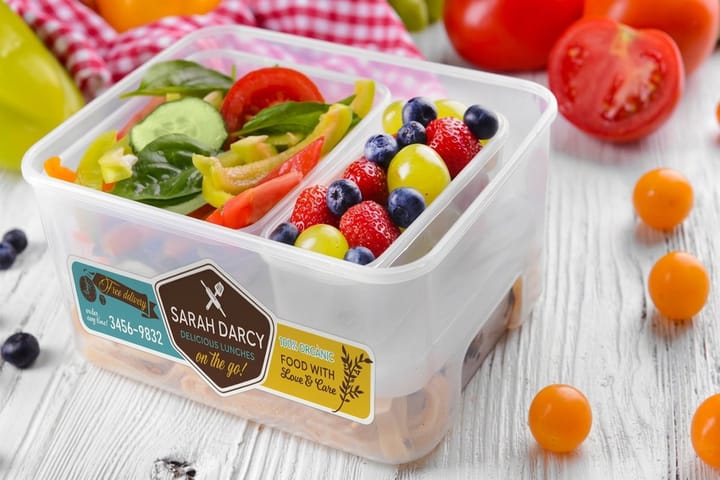
Here is the rule that decides whether Set in Order is visible or invisible. Label the place, not the thing. A label on a box moves with the box and tells you nothing when the box is gone. A vinyl label on the shelf edge stays where the item belongs, so an empty spot reads as a gap that somebody has to fill. Labels start at $29.16.
Vinyl rather than paper, for a specific reason. A paper label lifts and tears the first time somebody wipes the shelf with a solvent rag, and a shelf that gets cleaned weekly under the Shine step is exactly the shelf that gets wiped. Vinyl takes the wipe. It also takes a knuckle and a passing cart edge, which paper does not. Sizes are worth thinking through before you order, and how to choose the correct label size saves a reprint.
The honest trade-off is adhesive. A permanent adhesive on a layout you are still arguing about in week two is a mistake, because removing forty of them leaves forty gray rectangles of residue. If the layout is provisional, place the labels but expect to reprint once the arrangement settles, and budget for it. Vinyl also lifts at the corners on rough or heavily powder-coated surfaces, so clean and degrease the shelf edge before you apply. The material comparison in paper versus vinyl versus clear labels is the fastest way to pick a face stock, and inventory labeling best practices covers the naming scheme that goes on them.
3. Floor decals give the big things a home
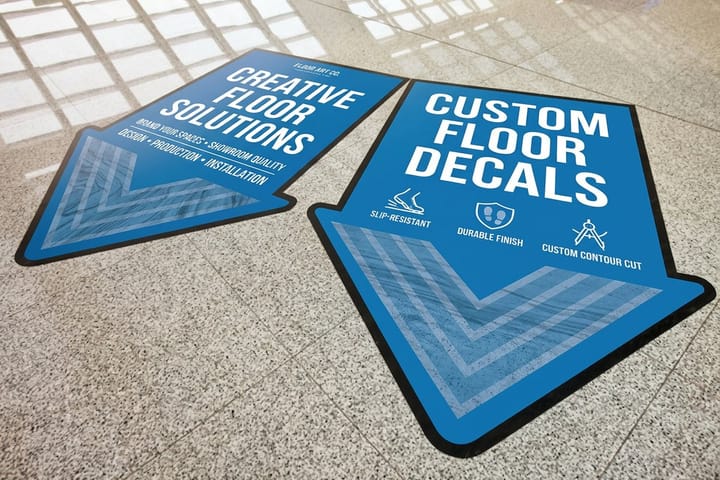
Shelving handles anything you can lift. The cart, the pallet, the bin, the ladder and the trash barrel are what actually clutter a floor, and they cannot be shelved. Floor decals give each one an outline, which turns a vague instruction like put it back into a shape that is either full or empty from thirty feet away. Decals start at $34.
Order the non-slip laminate, not a plain vinyl sticker. The walkable laminate is what carries the traction rating and what survives a boot heel pivoting on it, and the difference shows up within a fortnight. Cut the shape to the footprint rather than printing a square with a drawing of a cart on it, because an outline that matches the object is read as a target and a square is read as decoration.
The failure mode is the floor, not the decal. Freshly sealed concrete keeps releasing solvent for weeks and will push a decal off, dusty or porous concrete never grips at all, and a spot where a pallet jack turns its wheel will shear any decal off no matter how well it is applied. Sweep, degrease, let new sealer cure, and keep decals out of pivot points. The application detail is in our custom floor stickers guide, and if you are choosing between floor, wall and window placement, floor graphics versus wall graphics versus window graphics settles it. Browse more options under decals printing.
4. Styrene signs hold the standard where the work happens

Standardize means one thing in practice: the finished state is defined somewhere a person can look at it while they work. A photograph of the bench as it should be, printed on a styrene sign and mounted at the station, does that job better than any document. Signs start at $29.
Put a photo on it, not a paragraph. Take the picture after the area passes its first audit, print it at 12 in x 18 in or larger, and add three short lines underneath naming what goes where. A photo settles arguments about tidy that words never will, because tidy is subjective and a picture is not. Add the date the photo was taken so an out-of-date standard is obvious rather than quietly wrong.
Styrene is an indoor material and that is the catch. It is light, rigid and cheap, which is why it is right for a wall inside a building, but it goes brittle in cold and can bow in direct heat, so a loading bay door or an outdoor yard wants aluminum instead. The material differences are laid out in polystyrene signs explained, and if the area needs hazard or PPE messaging alongside the standard, safety signs in the workplace covers what has to be on those and where they belong.
5. A dry-erase audit board is what makes Sustain survive
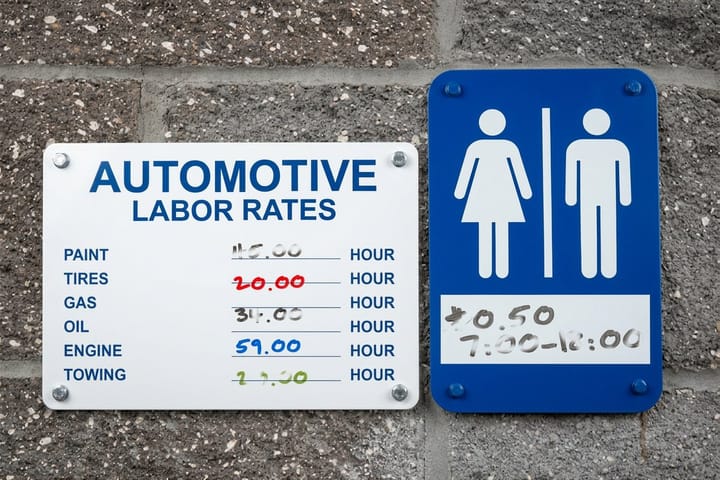
Every 5S program can do the first clean-up. The ones that look the same in month six are scoring an area every week and posting the score in public. A dry-erase aluminum sign is the cheapest way to make that visible, from $47.22, and it is the single pick on this page that decides whether the rest of the kit was worth printing.
Print everything that never changes and leave only the week to the marker. The five step names down the left, the areas across the top, the scoring rule in the corner, the owner of each area beside it. Then the only handwriting on the board is a number and a date, which takes ninety seconds on a Friday. A board that requires somebody to rule columns with a marker every week gets ruled twice and abandoned.
Two practical notes. Dry-erase ink ghosts if it sits for months, so score in a color you will actually erase and wipe the board on a schedule rather than when it looks bad. And hang it where people already walk, which is usually the way out of the area rather than an office wall. If the area is outdoors or gets washed down, aluminum is the right substrate, and aluminum signage covers thickness and mounting. For an indoor board that has to be read from a distance, indoor signage for offices and stores covers sizing and placement.
6. Printed pads get the audit walked instead of postponed
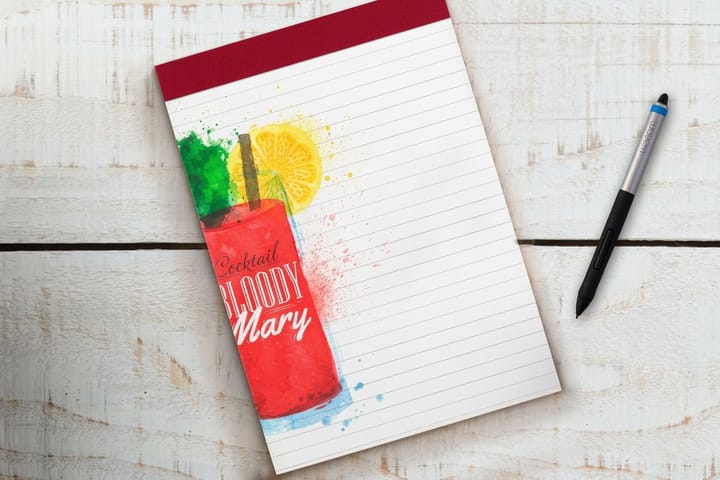
An audit that lives in a spreadsheet gets done at a desk from memory, which is not an audit. A printed notepad gets carried into the area, and the questions on the sheet decide what the walk actually checks. Pads start at $93.37, and one pad covers a year of weekly walks for several areas.
Two forms are worth printing. The audit sheet lists the five steps with two or three yes-or-no questions under each, a score box, and space for one action with an owner and a date. The red-tag log is a numbered table that matches the tags from pick one, so the holding area can be reconciled without opening anything. Keep both to one side of one sheet. An audit that takes longer than ten minutes gets skipped in a busy week, and a skipped week is how programs start sliding.
Order the sheet count for how settled your form is, not for the biggest number. A 100-sheet pad locks you into today's questions for a year, and the questions almost always change after the first two months. Twenty-five or fifty sheets is the right call while the form is still moving. The size and binding options are in standard notepad sizes, and the layout side is covered in how to design a custom notepad.
If you teach it
Four more picks for consultants who run 5S for other people
The six above are for the floor you own. If you sell 5S as a service, the print that matters is what a client keeps after you leave the site, and these four cover the session, the packet and the leave-behind.
Specs and pricing
The two you will reorder the most
Labels and audit pads get used up rather than kept, so they come back around every few months as areas move and forms change. Notepads start at $93.37 for 25 on 70# uncoated text with a 7 business day build, and labels are sized and quoted by the sheet below.


| Quantity | Price Per Unit | Total |
|---|---|---|
| 1 | $26.27 | $26.27 |
| Quantity | Price Per Unit | Total |
|---|---|---|
| 25 | $3.73 | $93.37 |
| 50 | $2.53 | $126.32 |
| 100 | $1.92 | $192.22 |
| 150 | $1.72 | $258.12 |
| 200 | $1.65 | $329.52 |
| 250 | $1.58 | $395.42 |
| 300 | $1.54 | $461.32 |
| 400 | $1.48 | $593.13 |
Wally prints the five steps
Tag it, label the place, outline the floor, post the photo, score it every Friday
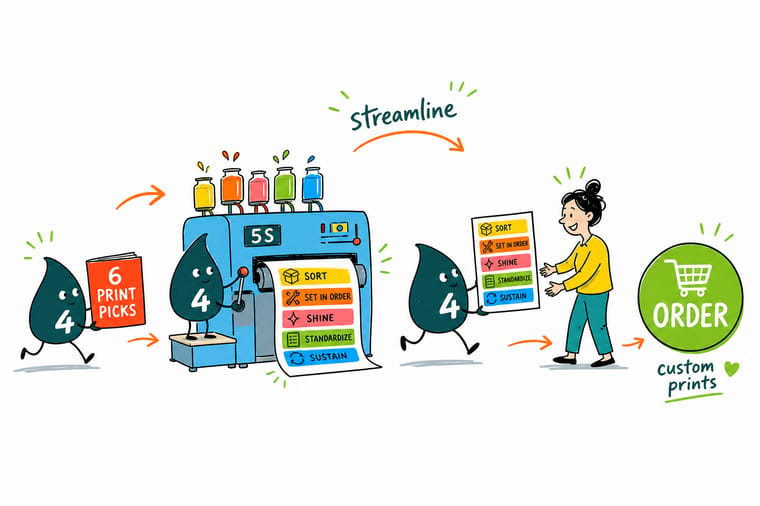
Wally tags anything he is not sure about and writes a disposal date on the tag, so the argument answers itself. He labels the shelf edge rather than the box, because a gap should be obvious. He cuts a floor decal to the shape of the cart so the cart has a home. He photographs the finished bench and prints it on a sign at the station, dated. Then he scores the area on a dry-erase board every Friday, because the week the scoring stops is the week the area starts sliding back.
Shop labels printing →See it in use
Labels plants have stuck on bins and racks
Explore more
Where to go next



By the numbers
What a shop floor standard can be printed on
Common Questions
Common questions about printing for a 5S rollout
What does 5S stand for?
Sort, Set in Order, Shine, Standardize and Sustain. Sort decides what stays in the area, Set in Order gives everything that stays one home, Shine cleans in a way that doubles as inspection, Standardize fixes the finished state so it is the same for everybody, and Sustain scores the area on a schedule so the first four hold. The full walkthrough of each step, including the red tag rule, is in our 5S methodology guide.
Which of these six should I print first?
Hang tags and vinyl labels. Tags at $25.27 unblock the Sort step immediately, because the argument about what stays is what stalls most rollouts on day one, and labels at $29.16 make the result of Set in Order visible from the aisle. Floor decals and the station sign follow once the layout has settled, and the dry-erase board plus the audit pads come in before month two, which is when programs start to drift.
Do I really need floor decals if the shelves are already labeled?
You need them for anything that cannot be shelved. Carts, pallets, bins, ladders and barrels are the items that make a floor look chaotic, and shelving does not address them. A cut-to-shape outline on the floor gives each one a footprint that is either full or empty at a glance. If your area has no free-standing equipment, skip the decals and put the money into the audit board instead.
Why print a standard when we already have it in a document?
Because nobody opens a document while they are working. A photo of the finished bench on a rigid sign at the station is read dozens of times a day by the people who have to produce that state, and a file on a shared drive is read once during onboarding. Print the photo, date it, and reprint when the standard genuinely changes. That reprint costs from $29 and takes less time than updating a procedure.
How long do floor decals last on a warehouse floor?
It depends far more on the floor and the traffic than on the decal. On clean, cured, sealed concrete away from turning points, a laminated non-slip decal holds up under foot and cart traffic for a long service life. On dusty or porous concrete it never bonds properly, on new sealer it lifts as the sealer cures, and in a spot where a pallet jack pivots its wheel it will shear regardless. Prepare the surface and choose the placement and you avoid nearly all of the early failures.
Can I use paper labels instead of vinyl to save money?
You can, and in a dry office storeroom they are fine. In any area that gets wiped down, which is most areas once the Shine step is running, paper labels lift, tear and go gray within weeks. Vinyl starts at $29.16 and takes solvent, moisture and knocks, so the reprint you avoid usually costs more than the difference. Our paper versus vinyl versus clear labels comparison sets out where each face stock genuinely belongs.
What goes on a red tag?
Six fields, printed rather than remembered: the item, the area it came from, who tagged it, the date it was tagged, the disposal date, and a one-line reason. The disposal date is the field that does the work, because it converts an argument about whether something is still needed into a deadline that answers itself. A tear-off stub for the log is worth the larger tag size if you plan to reconcile the holding area.
How do I stop the program sliding back after the first month?
Score one area every week, in public, with a name attached. That is the whole of Sustain, and it is why the dry-erase board and the audit pads are on this list even though they are less satisfying to buy than labels. Print the rows that never change so the weekly job is a number and a date, keep the audit under ten minutes, and hang the board on the route people already walk out of the area rather than in an office.
Get Started
Print the first two picks for one area this week
Red hang tags and vinyl shelf labels together start under $55 and unblock the two steps that stall most rollouts. Build the order at 4OVER4.COM and watch the price update as you set size, material and quantity.
Legal Disclaimer
Gold Standard guarantees apply to all standard orders placed through 4over4.com. Price match requires verifiable proof of a competitor's published price for an equivalent product with matching specifications and turnaround time. Satisfaction guarantee covers manufacturing defects and print quality issues. Contact support with order number and documentation. On-time delivery rate based on tracked orders 1999 to 2026. Individual results may vary based on shipping carrier performance.
