
Floor Graphics vs Wall Graphics vs Window Graphics Compared


Three products off the same roll of vinyl, sold for three different surfaces. The laminate is what really separates them, each fails somewhere, and choosing is possible without paying for the wrong one twice.
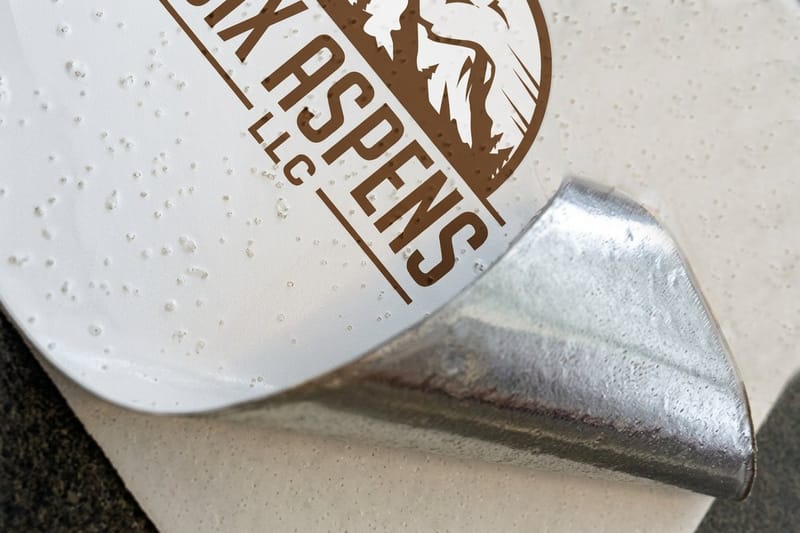
All three are printed adhesive vinyl. The difference is the adhesive class, the overlaminate on top, and which face of the surface the panel mounts to. Floor graphics carry a slip-rated textured laminate and a permanent adhesive, and they live weeks to months under traffic. Wall graphics use a removable adhesive and need a smooth, fully cured painted wall. Window graphics mount to glass inside or outside, and the inside option has to be printed mirrored.

Quick answer
One vinyl, three builds, three very different lifespans
Choose by the surface the graphic has to survive, not by the picture you want on it. A floor graphic needs a slip-rated overlaminate and a permanent bond to sealed hard flooring, and it is a campaign piece measured in weeks and months. A wall graphic needs a removable adhesive and a smooth, cured painted wall, and it stays until you take it down. A window graphic needs a decision about which face of the glass it mounts to, because the inside face protects the print but forces the artwork to be printed mirrored.
What Actually Changes Between the Three
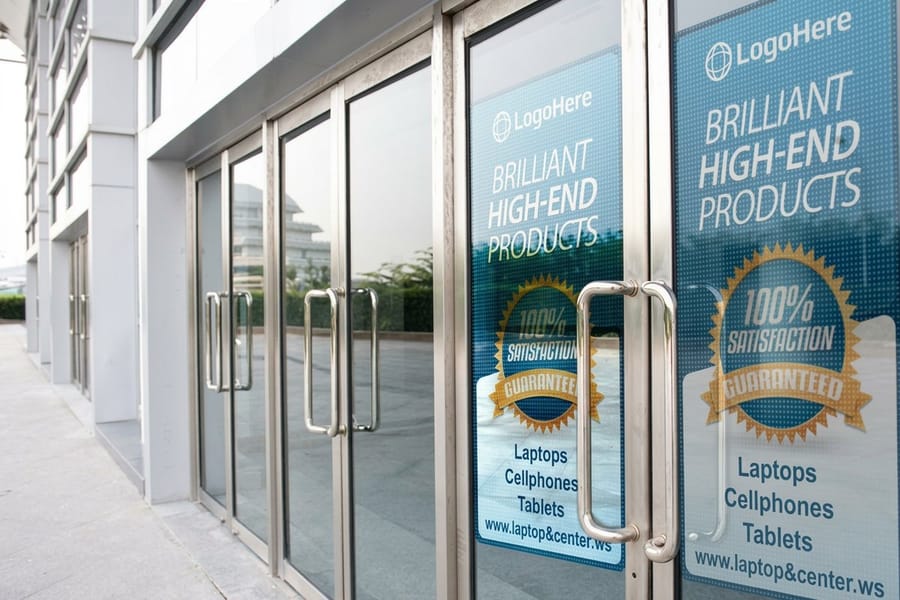
Ask a printer for a floor graphic, a wall graphic and a window graphic and the same roll of adhesive vinyl comes off the shelf for all three. The press does not change. Three things do: the adhesive underneath, the overlaminate on top, and which face of the surface the panel gets applied to.
| Graphic | Sticks to | Adhesive and top layer | Realistic life | Starts at |
|---|---|---|---|---|
| Floor | Sealed hard flooring only. Never carpet. | Permanent adhesive, plus a textured slip-rated overlaminate. | Weeks to a few months under real traffic. | $34 |
| Wall | Smooth, fully cured painted drywall. | Removable adhesive, no laminate needed indoors. | Seasons, until you want it down. | $25 |
| Window | Clean glass, inside face or outside face. | Clear adhesive or static cling. Perforated versions print onto a holed pattern. | Seasons, longer when mounted inside. | $30 |
Those starting prices are each product at its smallest stock configuration, so they tell you the entry point and nothing about your actual job. Price your real size in the configurator on floor graphics, vinyl wall graphics and perforated window vinyl before you compare them, because square footage moves the number far more than the product line does.
One more thing separates them, and it decides the artwork: viewing distance. A floor graphic is read from about six feet away by someone standing over it. A wall graphic is read across a room. A window graphic is read from the far side of a sidewalk, through glass, often by someone walking past at speed. The whole adhesive vinyl range shares a print process and shares almost nothing else.
Floor Graphics: The Only One That Gets Walked On
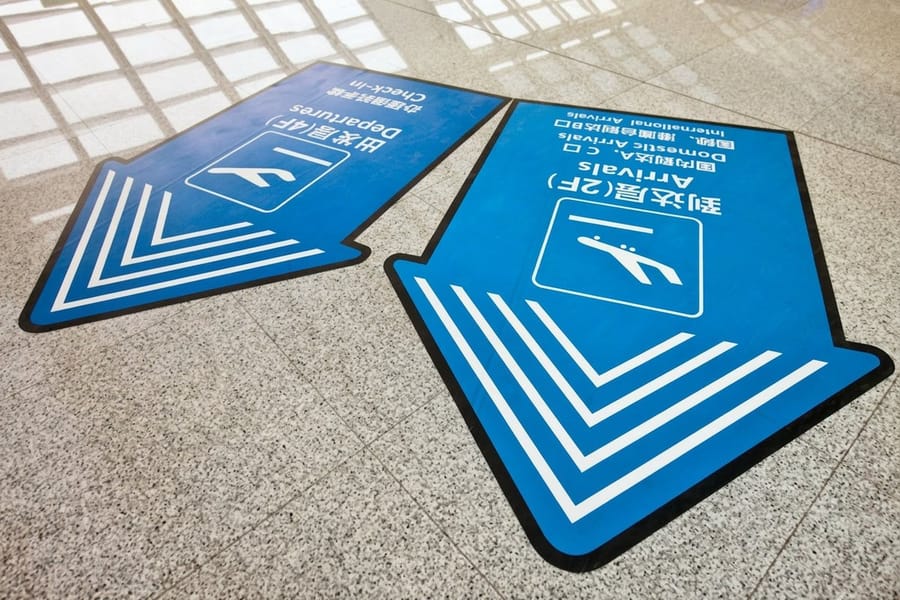
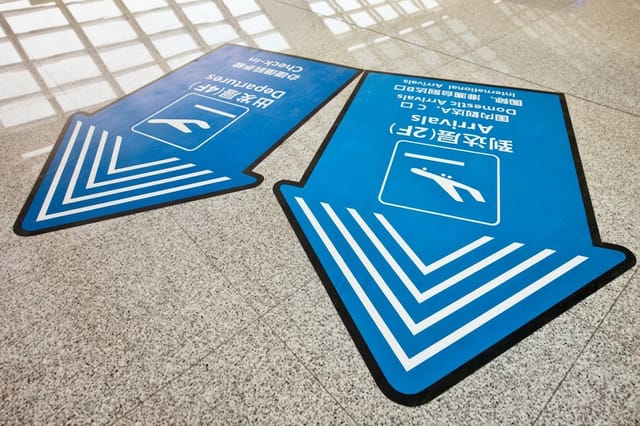
A floor graphic is the only one of the three that a person puts their weight on, and every difference in how it is built comes from that. The printed vinyl underneath is ordinary. The textured, slip-rated overlaminate bonded over it is the whole product, and it is doing two jobs at once: giving the sole something to grip, and taking the abrasion that would otherwise grind the ink to a gray smear inside a week.
Surface prep is where most failures start. Sealed VCT, polished or sealed concrete, sealed tile and smooth sealed hardwood all take the adhesive. Carpet gives it nothing to grab. Unsealed concrete is porous enough that the bond never fully forms, and heavily grouted tile leaves the vinyl bridging every grout line, which is exactly where a shoe edge finds it. Sweep, then wipe the area with a residue-free cleaner rather than a mop that leaves a film, and let it dry fully before you apply.
Then design for the edges, because the edges are what fail. A rounded corner has no lever for a shoe or a cleaning cloth to catch, and a square corner has four of them. Keep the graphic away from door mats and off the line a mop bucket travels. Above all, budget for a floor graphic as a campaign piece rather than a fixture. Floor graphics start at $34 and the whole floor advertising collection is built around messages that run for a season and get replaced, which is a feature when your promotion has a date on it.
Wall Graphics: The Wall Decides, Not the Vinyl
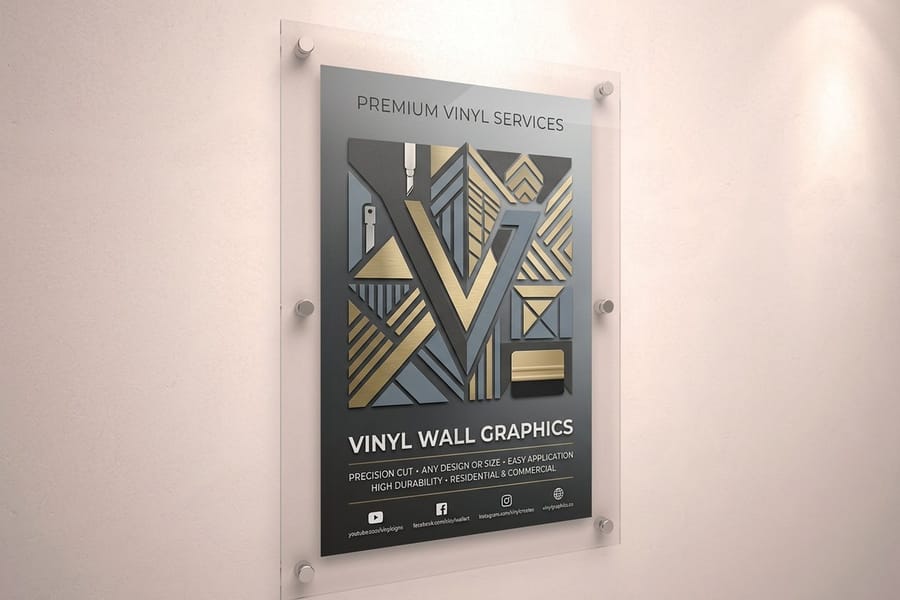
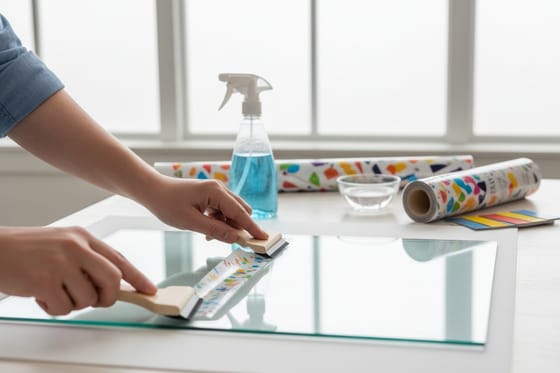
Wall graphics use a removable adhesive, formulated to hold for years and then release without taking paint with it. That promise assumes a smooth, sound, fully cured wall. Give it anything else and the same product becomes the one people complain about.
Texture is the first test. Flat or eggshell paint over smooth drywall is ideal. Orange peel and knockdown texture are not, because the adhesive only ever touches the high points, which cuts the real contact area to a fraction of the panel and lets air creep under the rest. Brick, cinder block and stucco are worse again. When the wall is textured, switch material rather than fighting it: adhesive wall fabric is thicker, conforms into the low spots, repositions while you work, and comes off in one piece.
Paint cure is the second test, and it costs more jobs than texture does. Fresh latex is dry to the touch in hours and still outgassing weeks later. Apply vinyl over it and the solvent is trapped between the two films, which either bubbles the graphic or bonds it so well that removal takes the paint. Wait until the paint has properly cured, and put a scrap of the same vinyl on a hidden corner for a day before you trust an entire wall.
Last, plan the seams. Large-format vinyl runs in fixed roll widths, so a mural wider than the roll arrives as panels that overlap by a small margin. Put those overlaps on a vertical line that already exists in the artwork rather than through the middle of a face or a logo. Vinyl wall graphics start at $25, and there is a full wall graphics range if you want to see the material options side by side. Our guide to printing any size covers how oversized artwork gets split and set up.
Window Graphics: Pick the Side Before You Design

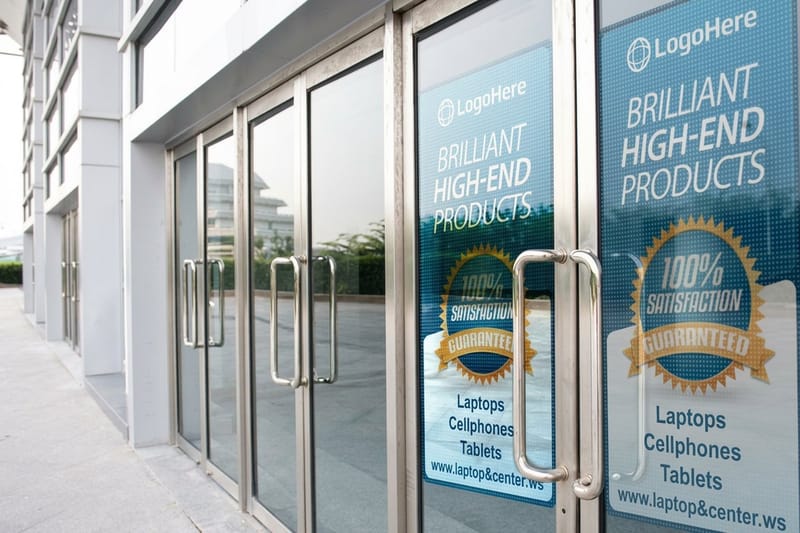
Window graphics carry a decision the other two do not: glass has two faces, and the one you choose changes the file. Mount on the outside and the artwork reads normally and the print takes the rain, the sun and anyone with a scraper. Mount on the inside, which is what most storefronts do, and the glass protects the print for far longer, but the artwork has to be printed reverse reading so it reads correctly from the sidewalk. Say which side you are mounting on when you place the order, because a mirrored file applied the wrong way round is a total loss.
Then decide how much of the view you are willing to give up. A solid decal blocks light and sight completely, which is right for a logo, a set of hours, or a panel low on the glass, and wrong across the whole storefront unless you want a dark interior. Perforated window vinyl solves that with a pattern of small holes: the image reads from outside while staff still see out. It has one honest limitation, and it catches people out constantly. After dark, with the shop lit inside and the street dark, the effect reverses. The graphic dims and the view goes inward. If your window matters most at night, light the glass from outside or use solid panels instead.
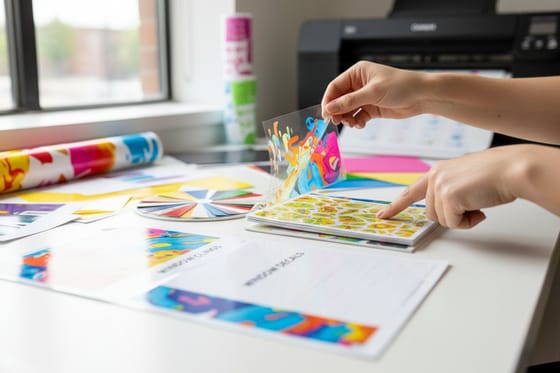
For anything seasonal, clear window clings hold by static with no adhesive, come off with no residue and go back up next year. They want smooth, clean, cool glass, and they drop off dusty or sun-baked windows, so they are a promotion tool rather than a year-round fixture. Window decals are the durable answer when the graphic has to stay. Compare the removable options in the window clings range and the printed panels in window graphics printing.
Two practical notes before artwork. Measure the visible glass, not the frame, and template the opening properly, because mullions and rubber gaskets eat more of the pane than people expect. Our window graphics measuring guide walks through it. And check the local sign ordinance: many municipalities cap the share of a storefront window that signage may cover, and that limit is worth knowing before you design full coverage rather than after it is printed.
The Verdict: Choose by the Job, Not by the Surface
Do not start from the surface. Start from who you need to reach and where they are standing when the message has to land.
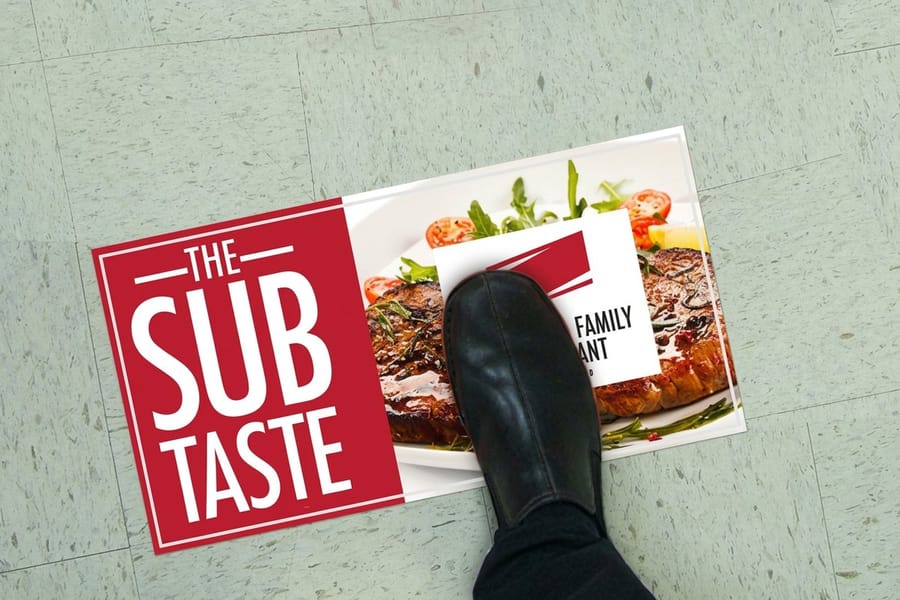
- Someone already in the aisle, deciding. Floor. It is the one graphic that appears in the path of a person looking down, which is why it works for directions, queue spacing, aisle ends and anything with a date on it. Accept the short life and price it as a campaign.
- Someone inside the space, forming an impression. Wall. This is the brand environment: a mural in a reception area, a values wall in an office, a photo backdrop in a studio. It costs the least to enter at $25, survives the longest indoors, and comes down cleanly when the brand moves on.
- Someone who has not come in yet. Window. It is the only one of the three that works on people outside the building, and it doubles as the sign a customer uses to confirm they are at the right place.
If the budget covers only one, print the window. Floor and wall graphics both talk to people who already walked in, and a window graphic is the piece that gets them there. Once traffic is coming through the door, add a floor run for the promotion and a wall piece for the space.
Whichever you pick, it does not have to stand alone. A storefront window panel paired with matching decals on the door and a sign or banner above the entrance reads as one deliberate set rather than three separate purchases. If you are still weighing printed vinyl against cut lettering, our custom vinyl lettering guide covers the point where cut letters beat a printed panel.
Wally explains the three surfaces
Same vinyl, different adhesive, different life
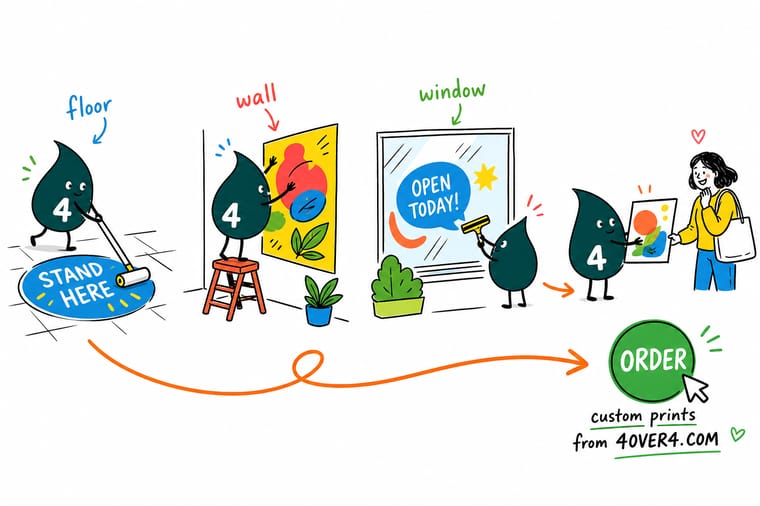
Wally prints all three off one roll. On the floor he bonds it down hard and adds a gritty slip-rated laminate, because a shoe is about to land on it. On the wall he swaps to a gentle adhesive that lets go without taking the paint, as long as the wall is smooth and the paint is cured. On the glass he asks one question first: inside or outside. Inside keeps the print safe behind the glass, and that means the artwork gets printed back to front so it reads right from the sidewalk.
Shop adhesive vinyl graphics →Specs and pricing
Floor, wall and window options with live prices
Configure each one at your real size. Square footage moves the price far more than the product line does, so compare them at the dimensions you actually need.


Print it
Order the graphic that matches your surface


Explore more
Where to go next

By the numbers
Large format graphics, 25 years and 1,000+ products
Common Questions
Your floor, wall and window graphic questions, answered
Can you put floor graphics on carpet?
Not with a standard adhesive floor graphic. The adhesive needs a smooth, sealed, non-porous surface to grab, and carpet fiber gives it nothing to hold. Sealed VCT, polished or sealed concrete, sealed tile and smooth sealed hardwood all work. Carpet, unsealed concrete, textured safety flooring and heavily grouted tile do not, because the vinyl bridges the low spots and the edges lift within days. If the space is carpeted, the honest answer is to move the message to the wall or the window instead of forcing it onto the floor.
Will a wall graphic pull the paint off when it comes down?
It can, and the paint is usually the reason rather than the vinyl. Removable adhesive is formulated to release cleanly from a fully cured surface, but fresh latex paint keeps outgassing for weeks after it looks dry, and applying over it traps solvent and bonds the two layers together. Cheap flat paint over unprimed drywall is the other risk, because the paint film itself is weaker than the adhesive. Wait until the paint is properly cured, and test a small corner in a hidden spot before you commit a whole wall.
Should window graphics go on the inside or the outside of the glass?
Inside for most storefronts. The glass shields the print from rain, sun, road grit and anyone with a scraper, and it keeps the graphic looking new far longer. The trade is that the artwork has to be printed reverse reading so it reads correctly from the sidewalk, so tell your printer which side you are mounting on before the file goes to press. Outside mounting still wins in two cases: a window that is tinted or coated on the inside, and any graphic that has to sit on a surface you cannot reach from within.
What is the difference between a window cling and a window decal?
A cling has no adhesive at all. It holds by static against smooth glass, peels off with no residue and can be put back up, which is why it suits seasonal promotions that come down and go up again. A decal is adhesive vinyl, so it stays put through weather and cleaning, and it holds finer detail and larger sizes. Clings drop off dusty, warm or textured glass, so if a graphic has to survive a summer on a sun-facing window, order the decal.
How long does each type actually last?
Floor graphics are the short one. Real foot traffic, mopping and door mats work the edges, so plan a floor graphic in weeks and months rather than years, and design it as a campaign piece you will replace. Wall graphics on a sound interior wall and window graphics behind glass both hold up for seasons, with the window one ageing mainly through sun exposure on the side that faces it. Rounded corners outlast square ones on every one of the three, because a square corner is a lever waiting for a shoe or a cleaning cloth.
Can I use the same artwork file for all three?
Only after three changes. Scale first, because a floor graphic is read from roughly six feet standing up and a window graphic is read from across a sidewalk, so the type sizes that work on one look wrong on the other. Mirroring second, if the window version is mounting on the inside face of the glass. Coverage third: perforated window vinyl prints onto a pattern of holes, so fine detail and small type break up on it in a way they do not on a solid wall graphic. Keep the brand elements, rebuild the layout for each surface.
Get Started
25 window decals cost $93.37, adhesive wall fabric runs 3 business days
Pick the floor, the wall or the glass, send us the size, and we print vinyl that holds where it should and comes off when you want it to.
Legal Disclaimer
Gold Standard guarantees apply to all standard orders placed through 4over4.com. Price match requires verifiable proof of a competitor's published price for an equivalent product with matching specifications and turnaround time. Satisfaction guarantee covers manufacturing defects and print quality issues. Contact support with order number and documentation. On-time delivery rate based on tracked orders 1999 to 2026. Individual results may vary based on shipping carrier performance.
