
15 Print Products That Win Medical Clients and Keep Them Coming Back
New patients arrive through a recommendation, a mailed introduction, a card pressed into a hand. Here are the 15 print pieces that win a patient for a medical practice, and the ones that quietly keep them won.
The medical client-winning print pack is 15 pieces that turn strangers into patients and patients into regulars: postcards, flyers, door hangers, rack cards, and medical signs get the practice discovered, the brochure, provider business cards, letterheads, printed envelopes, and waiting room posters earn the booking, and branded intake forms, appointment cards, quarterly newsletters, fridge magnets, and notepads make the first visit produce a second and keep the household won.
The picks
Fifteen patient pieces, from $16.48 postcards to $290.41 door hangers
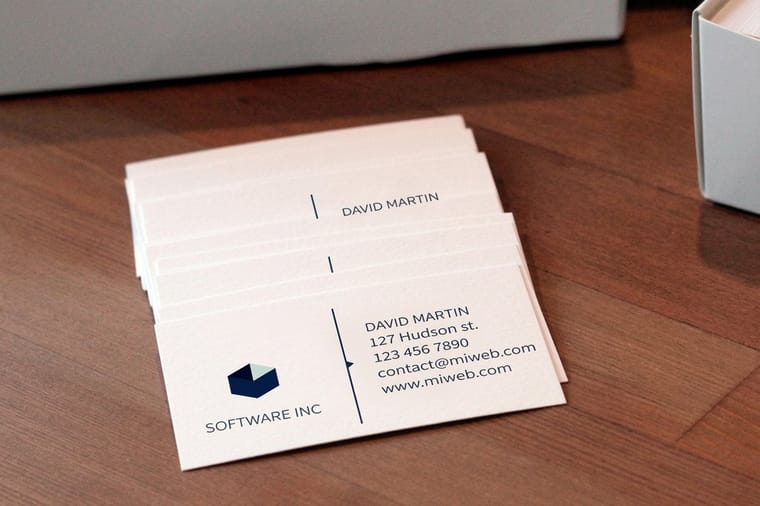
Provider cards come first: 100 standard business cards on 14pt gloss cover cost $17.57. The other 14 follow in the order a patient relationship builds, each priced live from the configurator. Keep the practice colors from business card to intake form, then read on for what each piece does.

Design and print help
Provider names and phone numbers, checked once for 15 pieces
The same provider names, credentials and booking number repeat on the card, the brochure, the letterhead, the magnet and the intake form. Build them once in the designer or from a template, check every credential on a free proof, and rush the flyers and cards when a health fair booth confirms for the weekend.
How they work together
Discovered on the street, booked at home, kept at the fridge
Five pieces get the practice discovered, five earn the booking, and five keep the patient from drifting. Print the whole sequence and all three stages keep working for the practice at once.
Introduction postcards reach new households, flyers cover health fairs and community boards, door hangers tell the surrounding streets you are accepting new patients, rack cards wait in the pharmacies and gyms where the next patient already stands, and medical signs convert the traffic passing the front door.
The brochure answers the questions between interest and booking, provider cards travel through the referral network that healthcare decisions actually run on, welcome letters on letterhead arrive in branded envelopes that get opened, and waiting room posters sell the services patients never knew you offered.
Branded intake forms make the first visit feel established, the appointment card converts it into a second one before the patient reaches the parking lot, the quarterly newsletter keeps won patients from drifting, and the magnet on the fridge and the notepad by the phone keep the booking line in the house.
1. Business cards: the trust network in your pocket
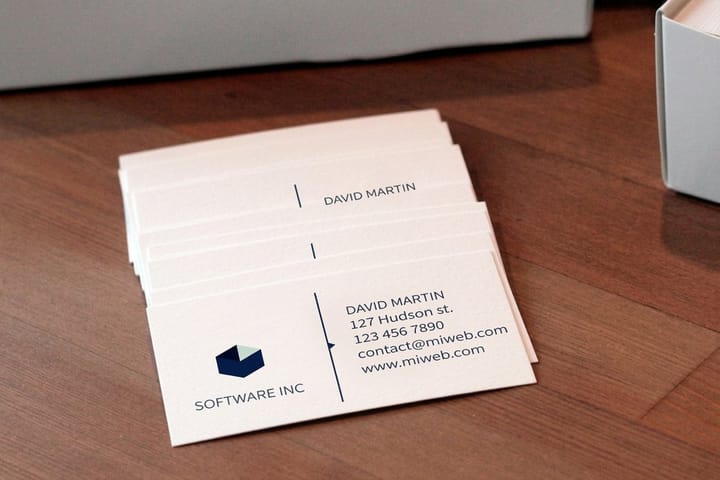
Ask new patients how they found their practice and the answer is almost always a person: a coworker, a neighbor, a pharmacist, another provider. The business card is how that conversation ends in a booking instead of a forgotten name. It is the smallest piece in this pack and the one that travels deepest into the community.
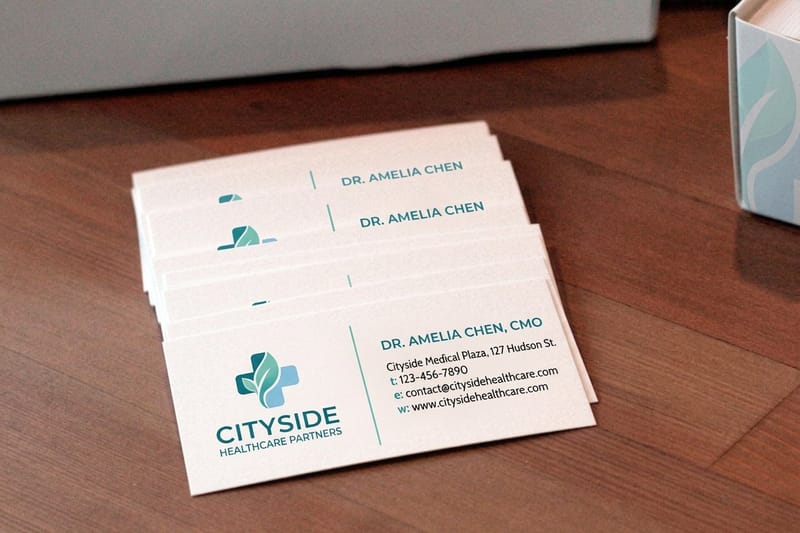
Print cards for every provider and every front-desk staffer. Name, credentials, direct line, and the practice's booking number on the front; address, hours, and insurance note on the back. Keep the design calm, because in healthcare uncluttered reads as competent. The formatting rules in business card format tips keep the layout clean, and standard business cards start under twenty dollars a box.
Put a holder at checkout and one in every exam room. The moment a patient says their sister needs a doctor is not a moment to go looking for a card.
2. Brochures: the practice, explained once and everywhere
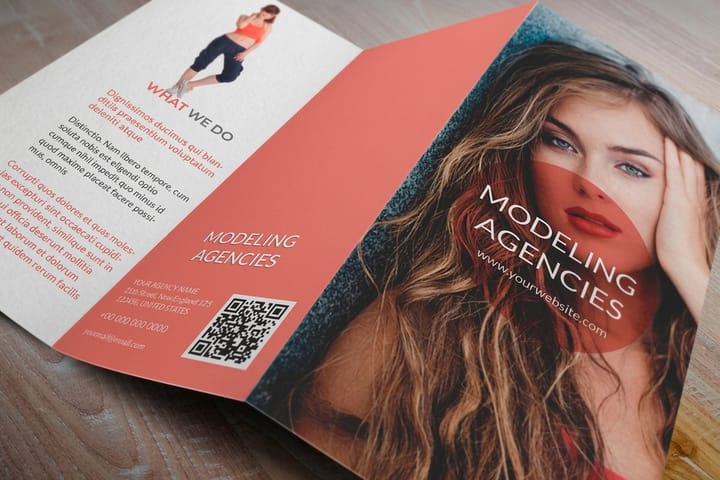
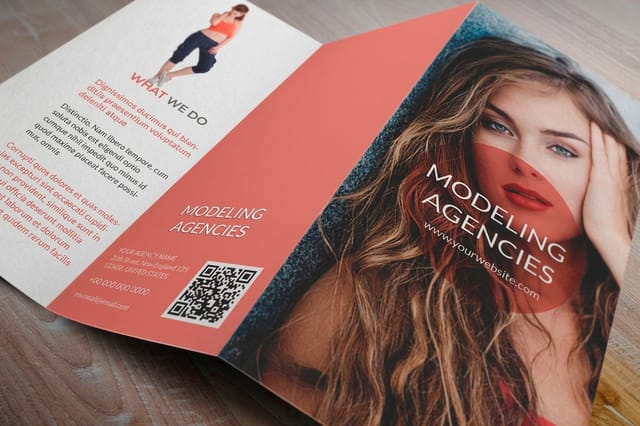
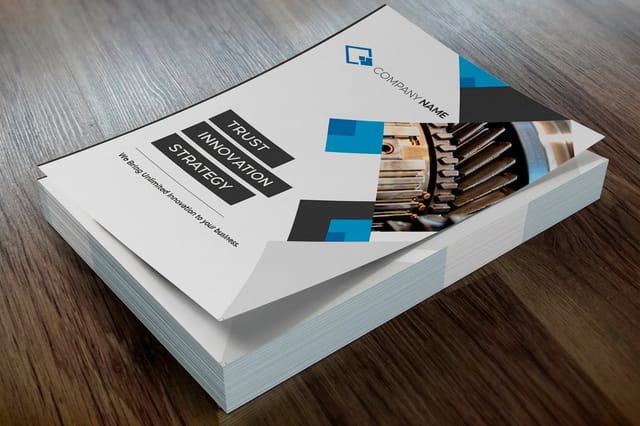
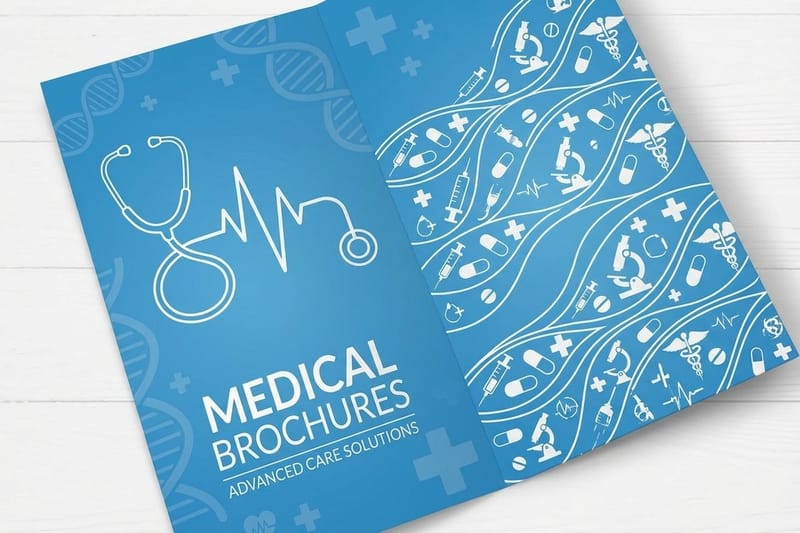
Between hearing about a practice and calling it, a new patient wants answers: which providers, what services, which insurance, what happens at the first visit. The practice brochure answers all of it identically every time, and unlike your website it can be handed over, mailed, racked in a referring office, and left on a kitchen table where the family decision actually gets made.
One panel per question, plain language throughout, and a clear booking instruction at the end. The healthcare marketing benchmarks show that informative material outperforms promotional material with patients. Print standard brochures in a rack-friendly fold and restock every location that will display them.
Give one to every new patient too. The brochure they take home recruits the household, not just the reader.
3. Postcards: the introduction and the welcome, one format
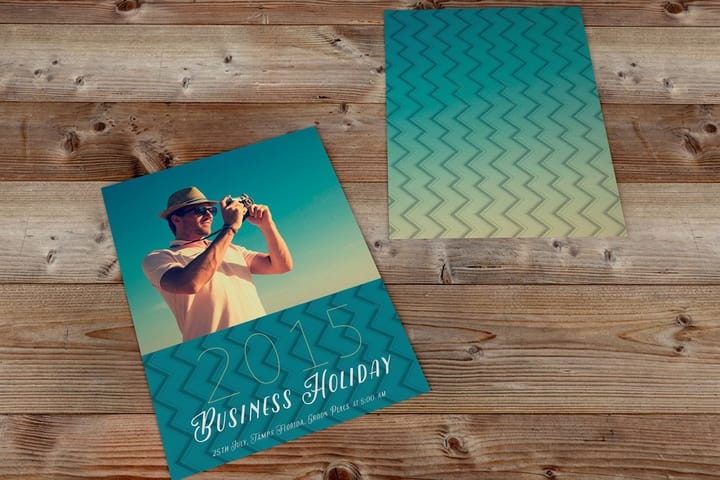
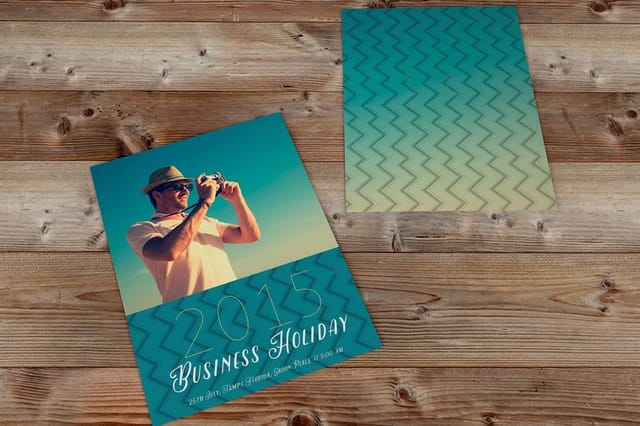
The highest-converting audience in local healthcare is the household that just moved in, with no doctor, no dentist, no habits, and a to-do list with your service on it. A 4 in x 6 in introduction postcard on 14pt gloss cover, $16.48 for 50, that arrives in their first months, plain and warm, often wins the whole family before any competitor is even considered.
The same format does a second job: the welcome card mailed after a first visit, thanking the patient and inviting them to pass the card to a friend. Both plays follow the design rules in how to design a postcard, and the direct mail benchmarks explain why physical mail keeps outperforming its reputation. Configure standard postcards for both runs at once.
One card in, one card out. The practice that mails a welcome is the practice that gets talked about.
4. Appointment cards: the second visit, secured at the first
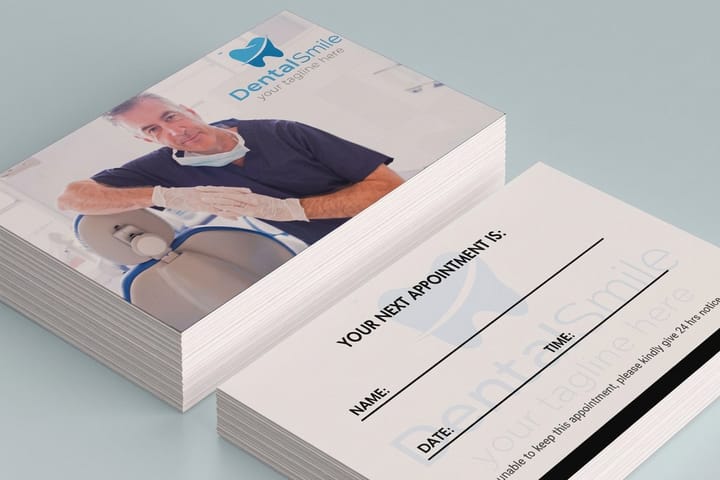
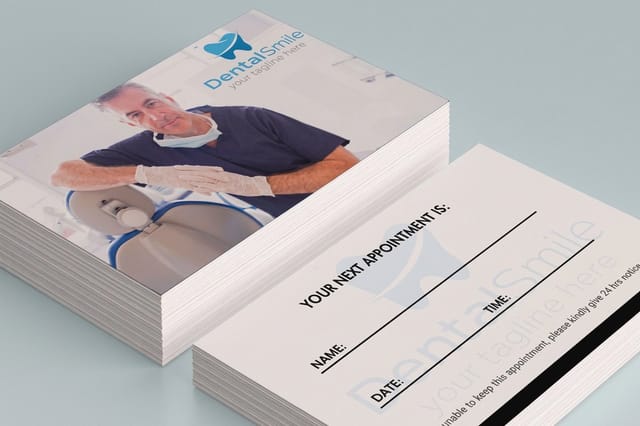
A patient won once is not won. The practices that grow are the ones where the first visit reliably produces a second, and that conversion happens in the thirty seconds at checkout while the experience is still warm. An appointment card makes it physical: the next date in writing, in the patient's hand, on the fridge by dinner.
Keep the front clean, practice name, logo, phone, with generous space for the handwritten date, and print rescheduling instructions on the back so a conflict becomes a change rather than a disappearance. Browse formats at appointment cards printing and configure the standard card in the same stock as your business cards so the desk pieces match.
It is the least glamorous piece in the pack and the one that most directly turns new patients into a patient base.
5. Business forms: the first impression on a clipboard
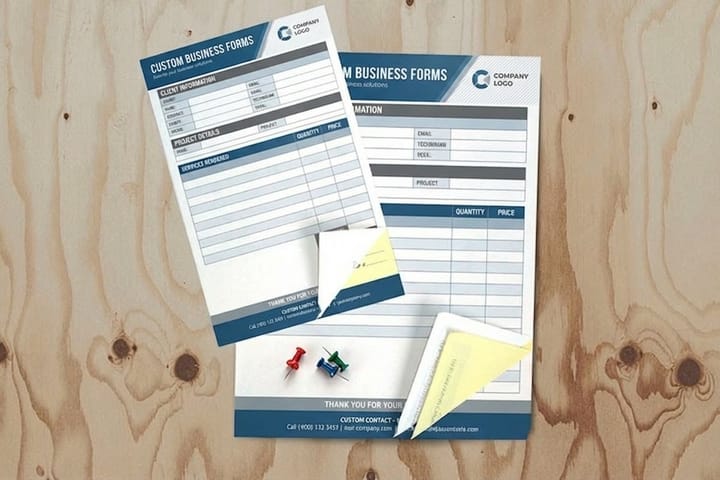
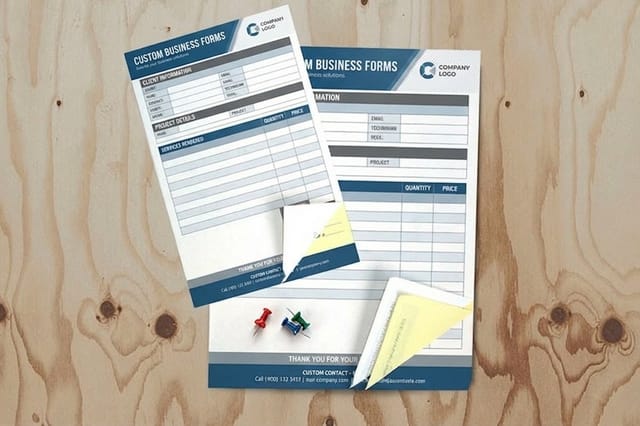
Every new patient spends their first ten minutes with your paperwork, and they read it the way guests read a kitchen: as evidence. Clean, branded, clearly laid-out intake and consent forms say organized practice before any clinician says a word. Faded photocopies with crooked margins say something else entirely, and say it to every single new patient.
Brand the header, set readable type, and use carbonless copies where the patient and the file both need a record; the primer on what carbonless forms are covers how duplicate sets work. Whatever your mix of intake, consent, referral, and superbill forms, custom business forms print them to your exact layout, numbered and padded if the workflow needs it.
Order enough to never run out. A clipboard shortage on a busy Monday undoes a month of careful first impressions.
6. Flyers: the community-event engine
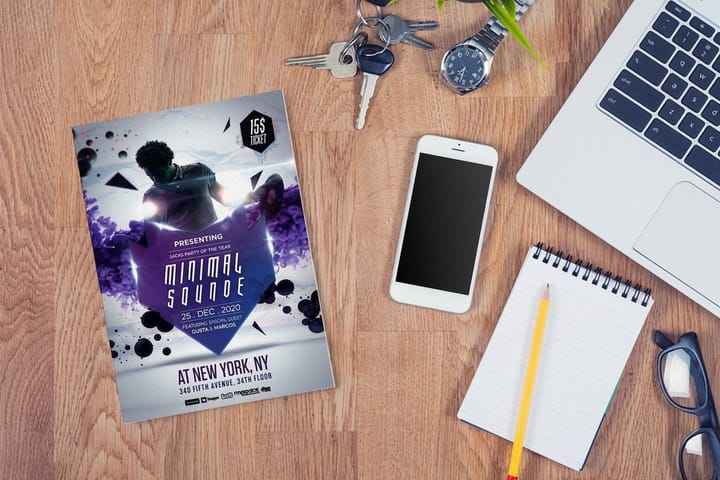
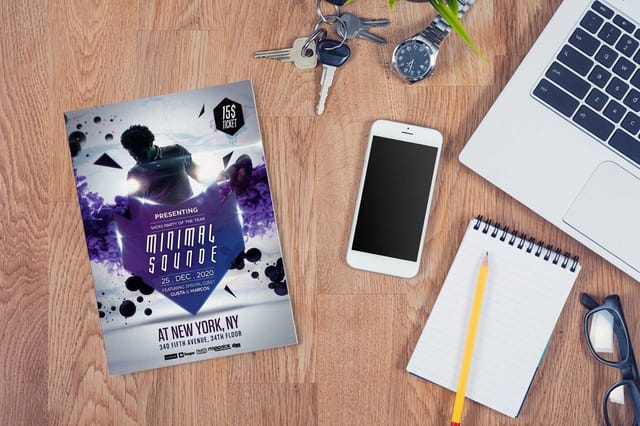
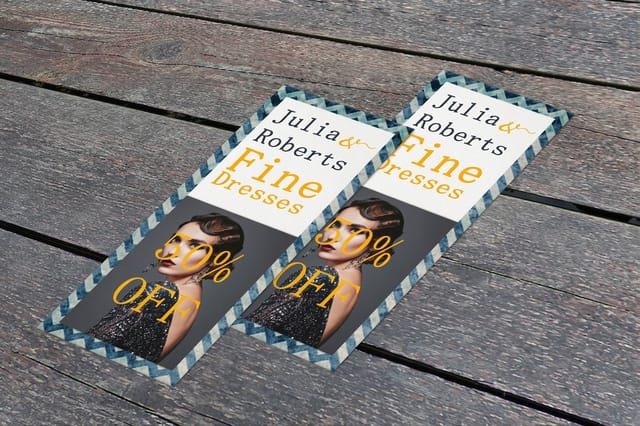
Health fairs, school events, open-enrollment sessions, practice open houses: local healthcare wins face to face, and the flyer is what gets faces in front of yours. It announces the event beforehand on every board in the neighborhood, and it works the table during, carrying the practice home in a hundred tote bags.
Build each flyer toward one action: the event in the headline, the date and time huge, the booking or RSVP line at the bottom. Our guide on how to design flyers covers the focal-point discipline that makes a flyer get acted on rather than glanced at. Print standard flyers generously; coverage is the whole point.
One community event a quarter, properly flyered, introduces the practice to more neighbors than a year of waiting for walk-ins.
7. Door hangers: now accepting new patients, said out loud
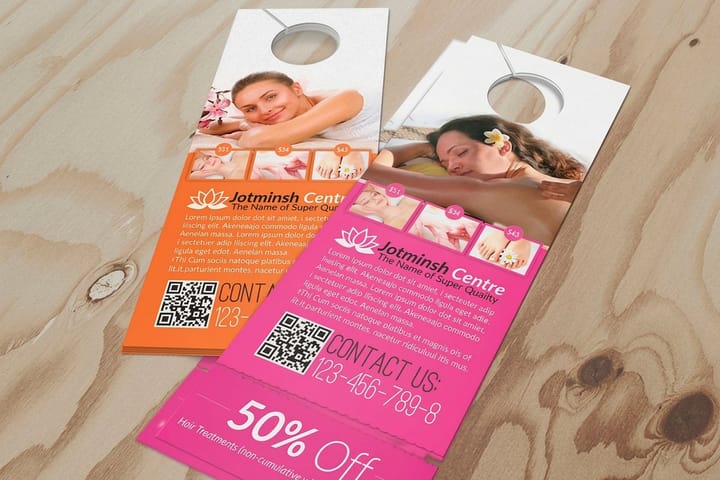
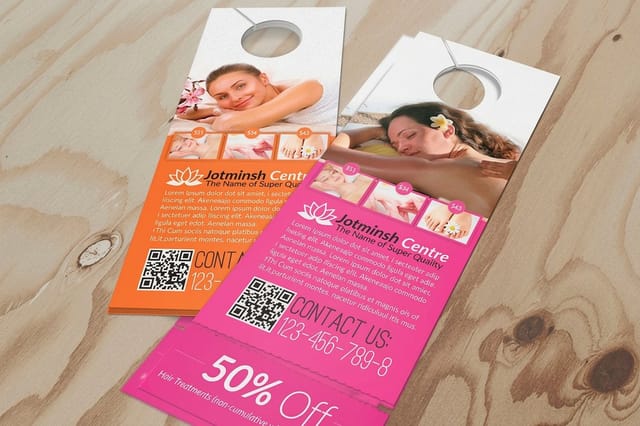
Most households near a practice assume it is full. They drive past daily and never call, because nobody told them they could. The door hanger fixes that with one sentence, now accepting new patients, delivered to every door in the radius the practice actually serves, without a mailing list or an inbox in the way.
Keep it plain: the announcement, one offer a stranger can act on, the address with a small map, and the booking line. The evidence in are door hangers effective covers where the format performs best, and door hangers configure with a tear-off card so the number survives the walk to the kitchen.
Walk one neighborhood per week. In a quarter, the whole radius has heard, politely and exactly once, that there is room for them.
8. Rack cards: the services menu where patients already stand
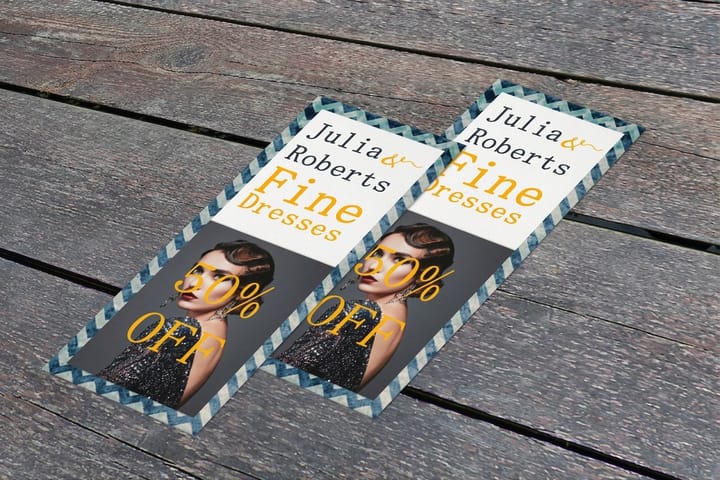
The next new patient is standing somewhere right now: the pharmacy counter, the gym lobby, the physical therapy office, the referring practice down the road. A rack card in those places is the practice's services menu waiting exactly where health decisions get made, on one narrow panel a busy person can read while they wait.
List the services plainly, the providers by name, the insurance line, and the booking number, in that order. The format primer in what rack cards are covers the standard sizes, and creating a captivating rack card design keeps the narrow canvas working hard. Print standard rack cards in the same palette as the brochure so the two pieces read as one practice.
Refresh the racks monthly. An empty slot in a pharmacy rack is a referral channel switched off, and nobody will tell you it happened.
9. Letterheads: the welcome letter that reads established
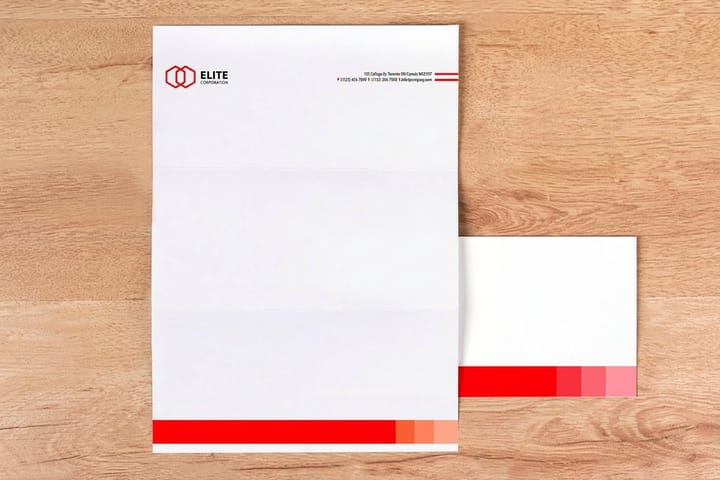
A practice writes more than it thinks: welcome letters to new patients, referral letters to specialists, records correspondence, recall notices. Each one is judged before it is read, and the judgment is made by the paper. A letter on real letterhead says established practice; a plain laser printout says something a new patient did not choose you for.
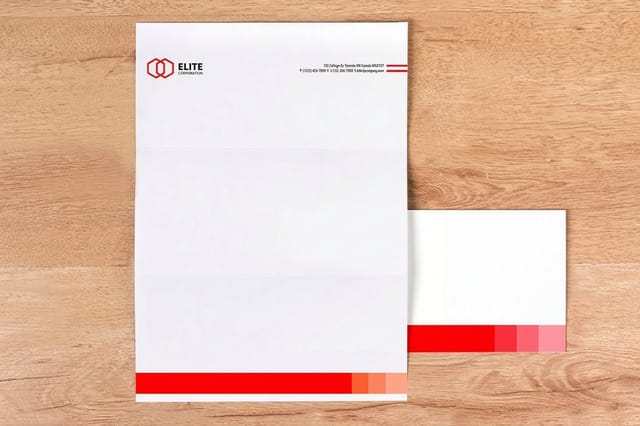
A welcome letter has to tell a new patient who their providers are and how to reach the portal, so list the providers under the practice mark and keep the address, phone, and portal line in a restrained footer. The primer on what a letterhead is covers the anatomy, and letterhead design tips gets the typography right. Print standard letterheads on a stock that feels deliberate in the hand; 50 sheets start at $99.95, and the matching #10 envelopes at $142.99 for 250.
The welcome letter mailed after a first visit is the highest use: it thanks the patient, names their provider, and quietly invites the rest of the household.
10. Printed envelopes: practice mail that gets opened
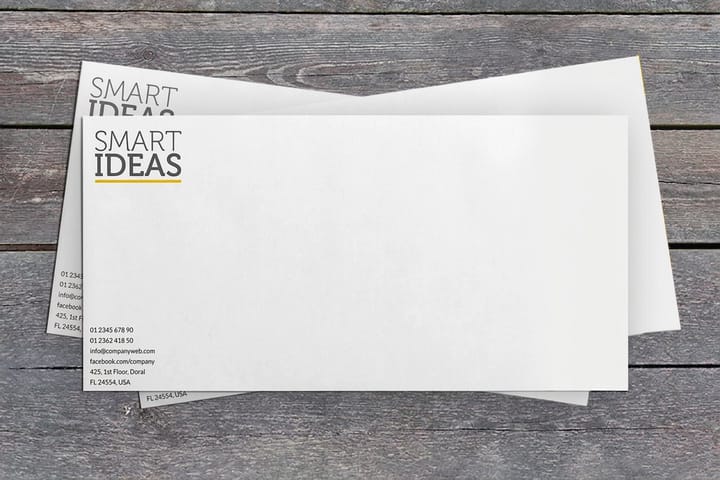
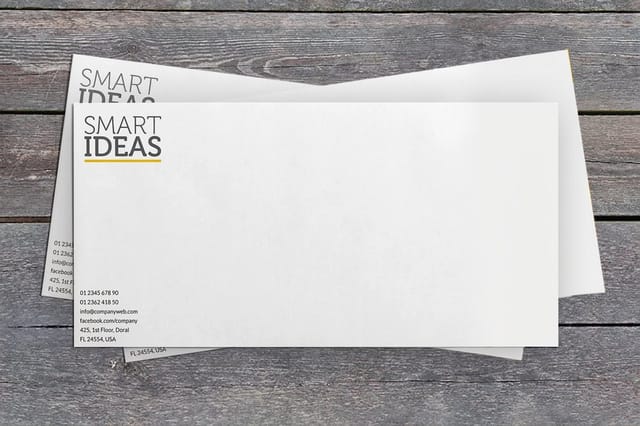
Households triage mail in seconds, and a plain window envelope from an unknown sender loses that triage. An envelope carrying the practice mark and a real return address survives it, because mail from my doctor is the one category people reliably open. Every welcome packet, recall notice, and statement should arrive wearing the practice name.
Match the envelope to the job: standard #10 for letters and recalls, larger formats for the new patient welcome packet with the brochure inside. The envelope size guide maps formats to contents in one read, and this business mail sizing piece covers the marketing formats. Configure printed envelopes in the letterhead stock and color.
The envelope and letterhead together are the practice's uniform by mail. Wear it on everything and the brand arrives before the letter is read.
11. Newsletters: the quarterly reason to stay
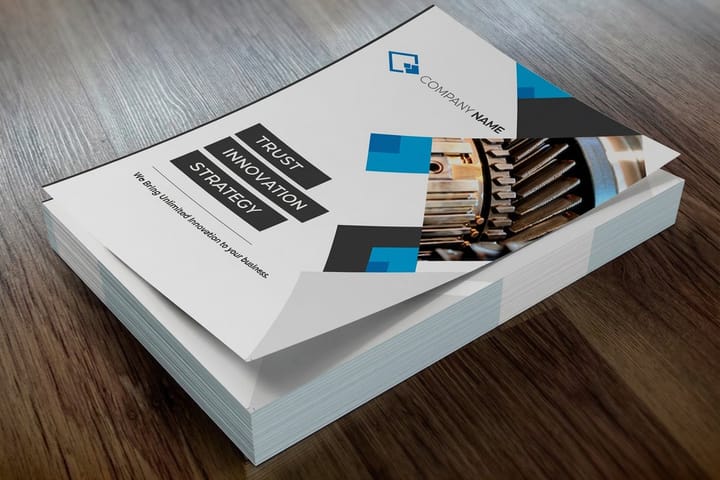
Patients do not leave practices dramatically; they drift. A year passes without a visit, a competitor's postcard lands at the right moment, and a patient you won is quietly gone. A printed quarterly newsletter is the drift-stopper: flu shot season, a new provider introduction, a health topic worth reading, and the booking line, all landing in the household four times a year.
Keep it genuinely useful and lightly branded, more clinic bulletin than advertisement. The mechanics in creating newsletters for direct mail cover format and mailing, and printed versus digital newsletters explains why the paper edition gets read in homes the email edition never reaches. Print standard newsletters per quarter and stack extras in the waiting room.
Retention is the cheapest growth a practice has. Four mailings a year is a small price for a patient base that stops leaking.
12. Posters: the waiting room that upsells quietly

Every patient spends minutes staring at your walls, and most practices waste that audience on stock art. A run of posters puts the practice's own story there instead: the services patients never knew you offered, the seasonal push for flu shots or screenings, the meet-the-providers wall that makes a first visit feel familiar.
One message per poster, readable from across the room. The hierarchy rules in how to design a poster in 8 steps keep it legible at waiting room distance, and how to hang posters without a frame gets them onto clinical walls cleanly. Print standard posters in a small rotating set so regulars always see something current.
The waiting room audience is already yours and already thinking about health. A poster that names one more service you offer is the cheapest upsell in medicine.
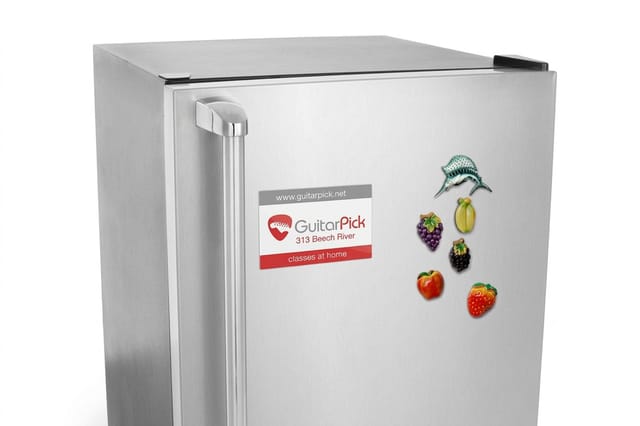
13. Magnets: the booking line on the family fridge
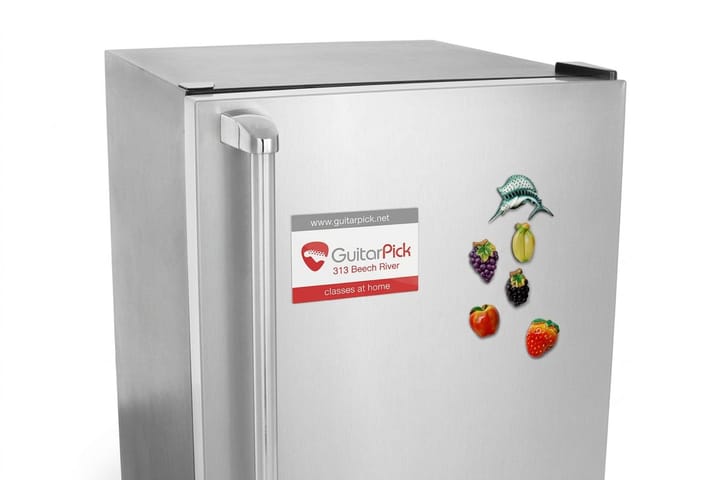
The moment a practice gets chosen again is rarely in the practice; it is in a kitchen, the evening someone in the house feels unwell and the question becomes who do we call. A magnet on the fridge answers before anyone opens a search engine, which is exactly the competitor you are trying to beat.
Print the practice name, the booking line, and the hours, nothing else, big enough to read across a kitchen. Hand one to every new patient with the welcome packet. Our how to make custom magnets covers stocks and sizes, and magnets versus stickers settles why the fridge piece earns its cost in this pack.
At under twenty dollars to start, standard magnets are the cheapest permanent ad placement a practice can buy: the one room every household visits daily.
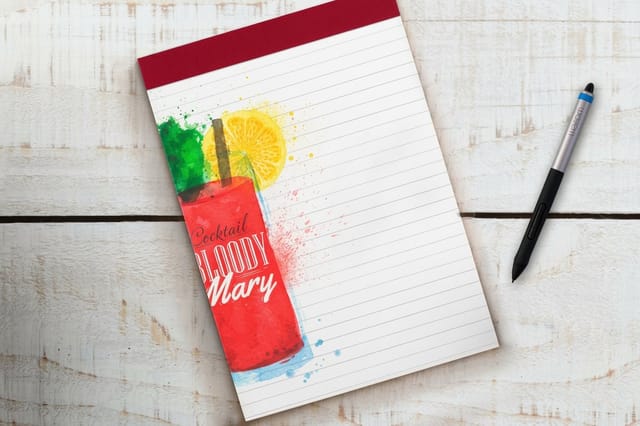
14. Notepads: aftercare notes under the practice header
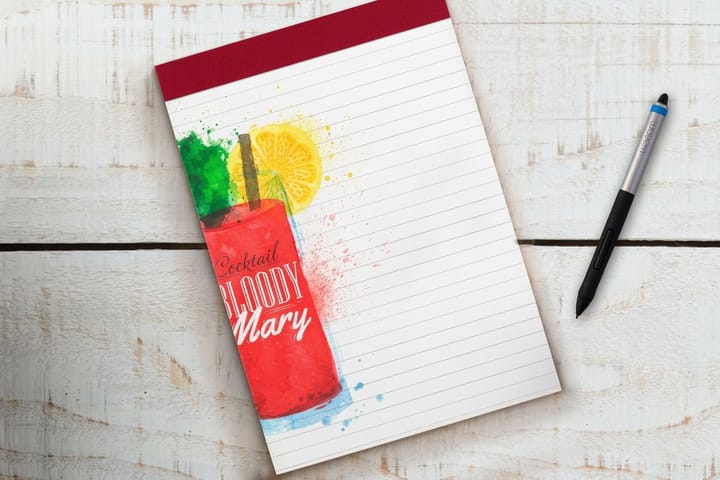
Every visit ends with something written down: the dosage change, the stretching instructions, the date to call back. Written on a branded notepad, that note goes home carrying the practice name and number, gets pinned to the fridge next to the magnet, and quietly answers the follow-up question a week later.
Print the practice mark and phone at the top and leave the rest as clean writing space; a checklist footer for common aftercare instructions saves clinicians time. The comparison in notepads versus post-its covers which formats survive real desk use. Order standard notepads for every exam room and the front desk.
Notepads also make the pack's best professional courtesy: a stack gifted to a referring office keeps your name on their desk, in their handwriting, all year.
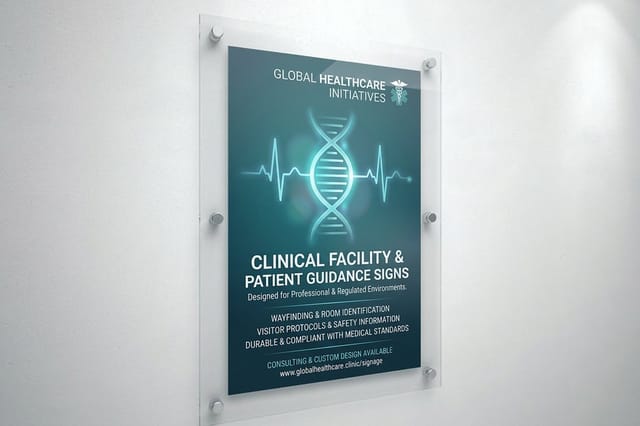
15. Medical signs: the front door that recruits
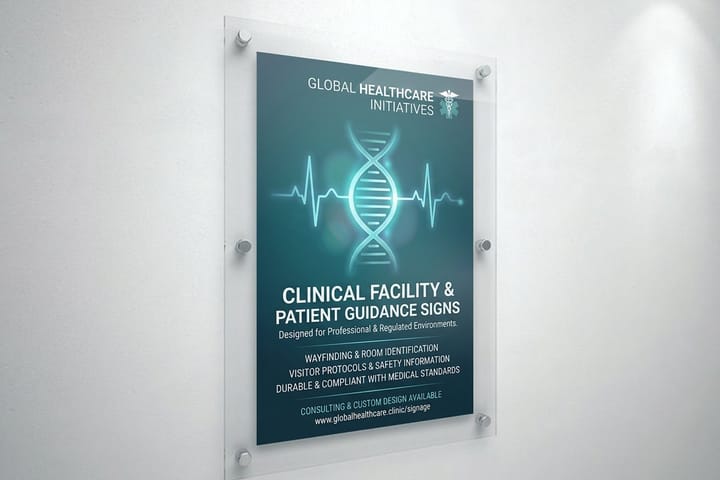
Hundreds of local households pass the practice weekly, and to most of them the building is invisible. Medical signage converts that traffic: the now-accepting-new-patients sign at the road, the clear practice identification on the facade, and the wayfinding that makes a first visit feel easy instead of stressful.
Say one thing per sign and say it big. The design fundamentals in the signage design guide keep the type readable at driving speed, and the sign permit guide covers the local rules before anything goes up. Configure medical signs for the road, the door, and the hallway in one matching run.
The sign works every day the practice is open and every day it is not. No other piece in the pack has that schedule.

Specs and pricing
Anchor the pack: business card specs and live pricing
The business card is the piece that travels furthest through the trust network, so it sets the stock and color everything else matches. Here are the live specs and price-per-unit for standard business cards at 4OVER4.COM.
| Quantity | Price Per Unit | Total |
|---|---|---|
| 100 | 17.6¢ | $17.57 |
| 200 | 11.5¢ | $23.07 |
| 300 | 9.15¢ | $27.46 |
| 400 | 7.96¢ | $31.86 |
| 500 | 7.25¢ | $36.26 |
| 600 | 6.77¢ | $40.64 |
| 700 | 6.43¢ | $45.04 |
| 800 | 6.18¢ | $49.43 |
Wally explains the pack
Fifteen pieces that turn neighbors into patients
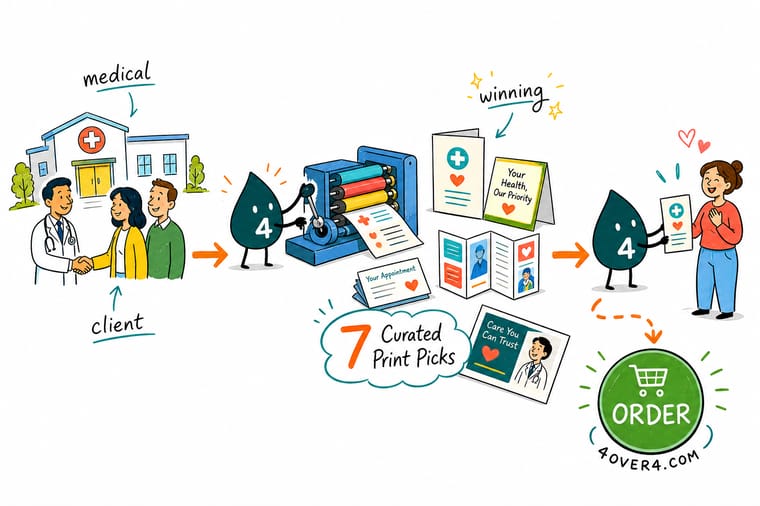
Wally sees patient-winning as a chain of small handoffs. A sign and a door hanger tell the street there is room, a postcard introduces the practice to the new family on the block, the brochure and rack card answer their kitchen-table questions, a provider card seals the recommendation, and at the first visit the branded intake forms and the appointment card quietly turn a try into a habit while the newsletter, magnet, and notepad keep the household won. Keep all 15 on one brand and every handoff wears it.
Shop medical printing →See it in use
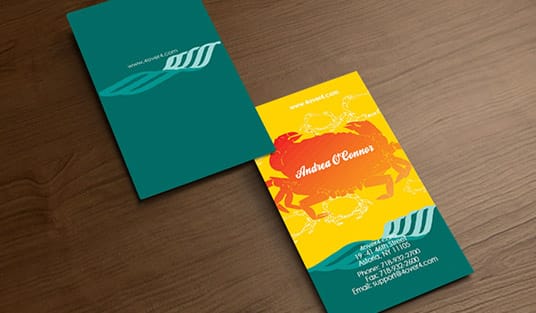
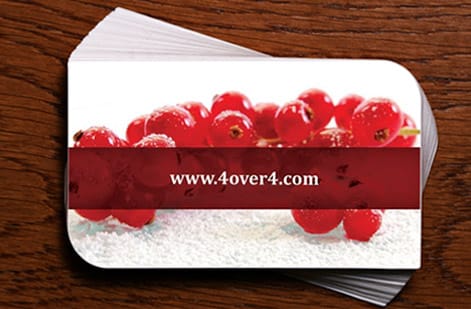
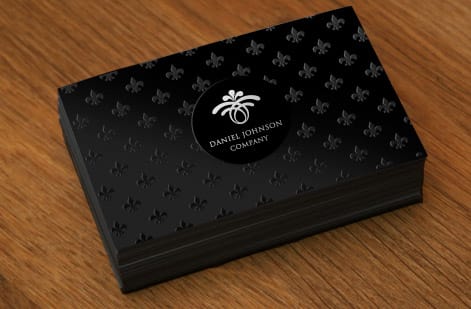
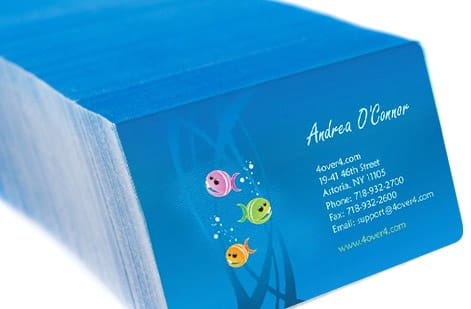
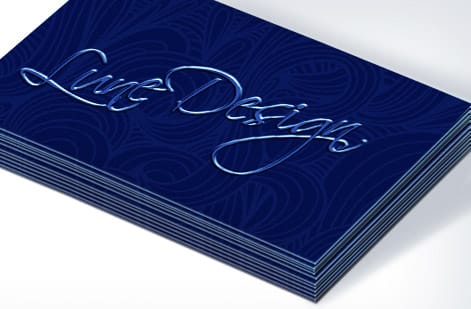
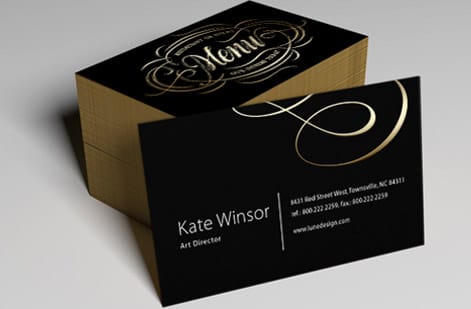
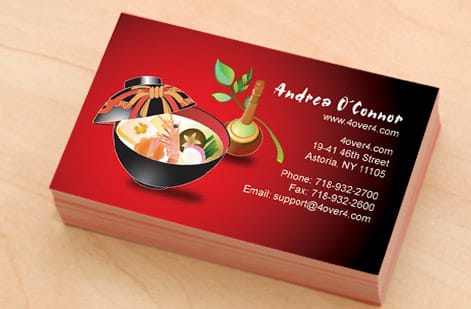
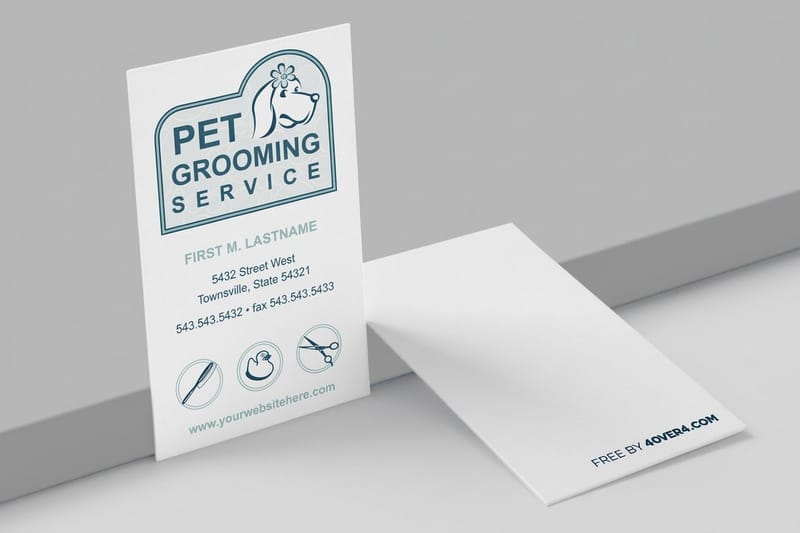
Business cards off our press

Explore more
Where to go next
By the numbers
One pack, printed to win patients
Common Questions
Common questions about the client-winning pack
What is in the medical client-winning print pack?
Fifteen print pieces that win a new patient and keep them: business cards for every provider, a practice brochure, introduction postcards, appointment cards, branded intake forms, flyers for community events, door hangers announcing that the practice is accepting new patients, rack cards for referring offices and pharmacies, letterheads and printed envelopes for welcome and referral correspondence, quarterly newsletters, waiting room posters, fridge magnets with the booking line, branded notepads for aftercare notes, and medical signs for the front of the practice.
How does a medical practice actually win new patients with print?
By putting physical objects into the trust network patients already use. People choose practices through recommendations, and a recommendation converts far better when it comes with a card, a brochure, or a mailed introduction. Print also reaches the households near the practice that never see its digital presence, which for a local practice is most of them.
What should the practice brochure include?
Everything a hesitant new patient wants to know before calling: the providers and their credentials, the services offered, the insurance plans accepted, what a first visit involves, and how to book. Write it in plain language and give it to every front desk, referring office, and community event. It answers identically every time, which the phone line never does.
Why are intake forms part of a marketing pack?
Because a new patient's first impression is formed in the first ten minutes, and those minutes are spent with a clipboard. Clean, branded, readable forms signal an organized practice before any clinician appears. They are the cheapest piece of reputation in the pack, and the one most practices neglect.
Who should the introduction postcards go to?
Two audiences. New households in the area, who have not chosen their local providers yet and convert at the highest rate of any group, and existing patients, who receive a welcome card after the first visit that doubles as a piece to pass along. One format, two jobs, both from the same print run.
Do door hangers work for a medical practice?
They solve a specific problem well: most nearby households assume established practices are not taking new patients. A door hanger that says otherwise, with one plain offer such as new-patient visits this month and a booking line, reaches every door in the practice's true radius without a list, an inbox, or an algorithm in the way.
How much does the full pack cost to print?
Starting prices run from $16.48 for 50 postcards and $17.57 for 100 business or appointment cards to $120.82 for 100 intake forms and $290.41 for 250 door hangers. One of each of the 15 pieces at its starting quantity comes to about $1,168, and the door hangers, envelopes and forms make up close to half of that. Set your quantities in each configurator and the totals update as you go.
Get Started
Ready to win the next patient?
Order the pack from 4OVER4.COM piece by piece, door hangers first. Adjust size, quantity, and finish on any product and watch the price update live.
Legal Disclaimer
Gold Standard guarantees apply to all standard orders placed through 4over4.com. Price match requires verifiable proof of a competitor's published price for an equivalent product with matching specifications and turnaround time. Satisfaction guarantee covers manufacturing defects and print quality issues. Contact support with order number and documentation.
