
Printed vs Digital Newsletters, Which Performs Better?


Emma is our prepress and print production voice, built from the knowledge of our production team, with over 20 years in printing.
The cost of printing a newsletter starts at $75.80 for 50 copies, about $1.52 each, and falls to about 42 cents a copy at 500, while an email costs close to nothing per send. For that money print earns attention and trust and digital earns speed and clicks, so compare cost per reader against cost per response, not cost per send, and the answer stops being a matter of taste.
Neither wins outright, because they do different jobs. A printed newsletter performs better for attention, trust, and shelf life, since a physical piece is read and kept at home. A digital newsletter performs better for speed, reach, and click tracking. The strongest approach runs both: print the flagship issue, email the fast updates, and link the two with a QR code.
The short answer
Which newsletter format performs better?
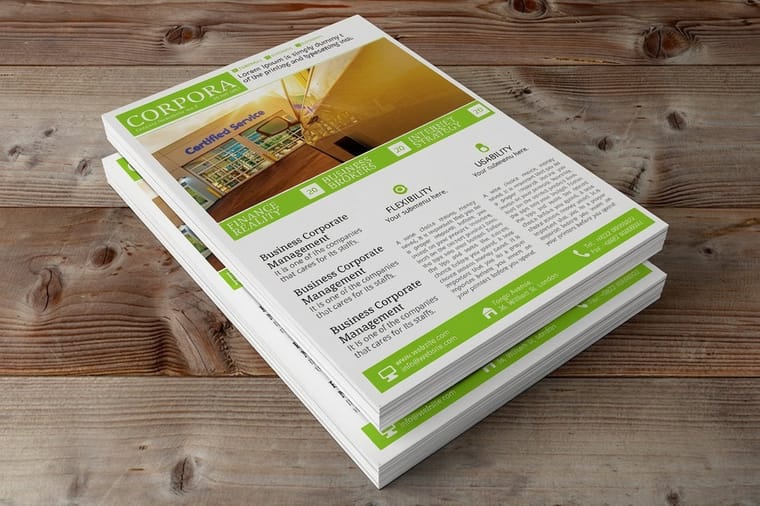
Printed newsletters perform better when the job is to be read, believed and kept, and a folded 8.5 x 11 issue costs $75.80 for 50. Digital newsletters perform better when the job is speed, reach and a click you can count. If you can only fund one, print the issue that has to be trusted, the annual report, the schedule, the fundraising ask, and email everything that only has to be seen. Print and digital win different rounds. A printed newsletter gets read more thoroughly, builds more trust, and stays in the home for days, which is why it performs better for loyalty, fundraising, and flagship issues. A digital newsletter is faster, cheaper per send, and fully trackable, which is why it performs better for breaking news and offers. 4OVER4.COM customers who print the important issue and email the rest get the best of both.
Printing cost
The cost of printing a newsletter, by run size
A folded 8.5 x 11 newsletter costs $75.80 for 50 copies, $108.75 for 100 and $207.60 for 500, so the price per copy falls from about $1.52 to about 42 cents. Those are standard newsletters on the starting stock, printed in 3 business days. Heavier stocks, larger sizes up to 11 x 25.5 and extra folds raise the total, and the configurator shows the exact figure for your issue.
Once an issue passes eight pages, a saddle stitched booklet takes over: 25 copies start at $240.55, 100 at $361.37 and 500 at $531.61, in 7 business days. Postage comes on top of either format and moves with mail class and piece weight, so price the print and the mailing together before you set the quantity.
Why the printed vs digital newsletter debate is not going away
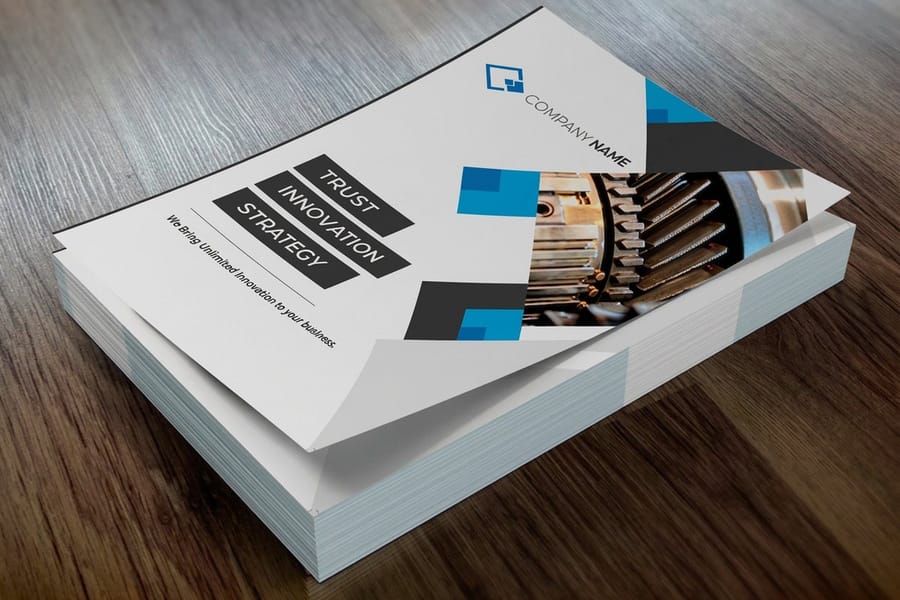
Every organization that publishes on a schedule, a church with a monthly calendar, a school with a term letter, a firm with a client update, eventually hits the same fork in the road: mail a printed newsletter to the mailbox, or send a digital one to the inbox. On paper it looks like $75.80 for 50 printed copies against an email that costs close to nothing to send. The two formats are also read in different ways, by people in different moods, and that changes the math.
Email is skimmed in seconds between meetings. A printed piece is often opened at home, set on the counter, and read properly later. That difference is the whole reason the question refuses to settle. This guide walks through where each format genuinely performs better, what a printed newsletter costs, and how to run print and digital together so they reinforce each other instead of competing. If you want to see what a well-designed physical issue looks like first, browse the newsletter design examples printed in-house at 4OVER4.COM.
What a printed newsletter actually is

A printed newsletter is a recurring physical publication that keeps an audience in the loop on a schedule, usually monthly, quarterly, or seasonally. That recurring rhythm is what separates it from a one-time brochure or flyer. A brochure sells a single idea once. A newsletter builds a relationship issue after issue.
Physically, it can be as simple as a single sheet folded in half, or as heavy as a bound booklet. Short community updates and school notes work beautifully as a folded standard newsletter. A congregation recap with photos and a calendar fits the church newsletter format. And once you cross roughly eight pages of features, a saddle-stitched booklet keeps everything neat and easy to flip. The content stays the same. The format just scales to how much you have to say. If a church issue grows into a booklet, our guide on how to design a church booklet that tells your story covers the layout.
The reason people still print them in a digital world is simple. A newsletter you can hold has weight, literally and figuratively. It does not disappear when the tab closes, and it does not need a password to reopen next week.
Printed vs digital newsletters, side by side

Line the two formats up against the four jobs a newsletter has: get opened, get read, get remembered, and get a response. A printed 8.5 x 11 issue and an email newsletter each win some rows and lose others.
The same question, settled row by row, with the trade-off written out instead of hinted at.
| Attribute | Printed newsletter | Digital newsletter |
|---|---|---|
| Reach | Every address on the list gets a physical copy, including the readers whose email you never captured. Mailing to full postal routes reaches every home on the route. | Only the addresses on your list, minus bounces, unsubscribes and anything a spam filter quietly holds back. |
| Attention time | Read sitting down, one page at a time, with nothing else on the paper competing for the eye. | Scanned in an inbox beside dozens of other unread messages, usually on a phone, usually in seconds. |
| Response rate | Only measurable if you print something countable: a QR code, a coded landing page, a coupon code, a reply card or a tracked phone number. | Measured automatically as a click, attributed to the exact link that earned it. |
| Cost per reader | Printing plus postage divided by the households reached. Standard newsletters start at $75.80 and the cost per copy drops as the run grows. | Close to nothing per send once the platform fee is paid, which is exactly why frequency is cheap and attention is not. |
| Trackability | Deliberate. You get the data you designed in, and nothing you forgot to code. | Automatic. Opens, clicks, forwards and unsubscribes arrive whether you planned for them or not. |
| Shelf life | Days to weeks. It sits on the fridge, the counter or the waiting room table and often gets read by more than one person in the household. | Minutes. Once it is scrolled past or archived it is gone unless somebody searches for it. |
| Production speed | Design, proof, print and mail, so the issue has to be planned around turnaround and postal transit. | Write it, test it and send it the same afternoon. |
Print versus email newsletter response rates, the numbers that matter
Response rate settles this argument, and you have to produce it yourself, per issue, because it swings hard by industry, list quality and offer. For a 500 copy printed issue at $207.60 plus postage, divide that total by the responses you count; for email, divide the platform fee the same way. The mechanics differ by channel: an email response is counted the moment somebody clicks, while a printed newsletter only reports back if you put something countable on the page. Give every printed issue a QR code, a short vanity URL, an offer code or a call tracking number and the two channels become directly comparable.
| Metric | Printed newsletter | Email newsletter | How to get your own number |
|---|---|---|---|
| Delivered | The mail house or post office confirms the drop, and undeliverable pieces come back and clean the list for you. | The platform reports bounces and blocks, but spam folder placement stays invisible. | Pieces actually delivered divided by pieces sent, in both channels. |
| Open or read | There is no open tracking, because a piece that lands in the home is already in front of the reader. | Open rate is inferred from a tracking pixel, and privacy features both inflate and hide it. | Treat a delivered printed piece as the equivalent of an open so you are comparing like for like. |
| Response | Counted through QR scans, coded landing pages, coupon codes, reply cards and tracked phone numbers. | Counted through clicks and replies, attributed to the exact link. | Responses divided by pieces delivered, measured over the same window for both, since mail keeps responding for weeks. |
| Cost per reader | Printing plus postage divided by households reached. Standard newsletters start at $75.80 and the per copy price falls as the quantity climbs. | The platform fee divided by subscribers, which is near zero per send. | Run both through the same spreadsheet before you compare a printed issue with an email blast. |
| Cost per response | Higher cost per piece and fewer pieces sent, so each response has to carry more weight. | Near zero cost per send across very large volumes, so responses spread thin. | Total channel cost divided by counted responses. This is the only figure worth arguing over. |
| Where to benchmark | The ANA and DMA Response Rate Report is the reference marketers quote for mail. | Your email platform publishes an annual benchmark report broken out by industry. | Read the current edition for your own industry rather than a figure quoted second hand, then check it against your own last three issues. |
Put the same offer and the same code in the printed issue and the email issue in the same month and you will have a real answer for your own audience inside one cycle, instead of borrowing somebody else's average. In practice the two channels stop competing once you measure them properly: the email reminds, and the printed issue convinces.
The chart below scores the same trade-offs at a glance.
Print carries attention, trust, and shelf life. Digital carries tracking, speed, and a near-zero cost per additional send. None of that is opinion, and the pattern shows up clearly in the direct mail versus email comparison and the response-rate benchmarks the industry tracks year over year. Physical mail tends to be opened and kept. Email tends to be counted and closed.
So the useful question is not which one is stronger overall. It is which rows matter most for the message you are sending this quarter.
When a printed newsletter performs better
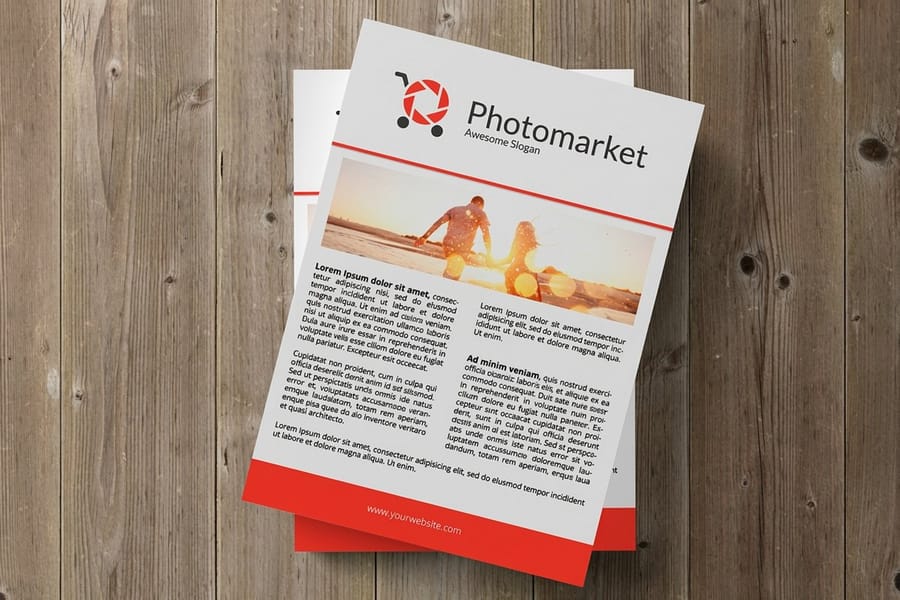
Reach for print when the goal is to be remembered rather than merely delivered, such as a quarterly issue on 100# silk text that sits on a counter for two weeks. A few situations where a printed newsletter reliably outperforms a screen:
- Loyalty and belonging. Members, donors, and long-time customers respond to something physical that says the organization invested in them. A congregation flipping through a printed church newsletter after a service is engaged in a way an unread email never manages.
- Older or offline-leaning audiences. Plenty of valuable readers do not live in their inbox. Print reaches them where email quietly fails.
- Trust-heavy messages. Fundraising appeals, annual reports, and community updates land harder on paper. The nonprofit that leaned on direct mail saw exactly this when email alone had stalled.
- Standing out by being rare. Inboxes are crowded and mailboxes are not. Showing up in print is now the contrarian move, and that scarcity is working in print's favor.
There is also the simple physics of it. A printed newsletter can sit on a counter for two weeks and get read three times. An email gets one glance, if that. When durability and repeat exposure matter, paper is doing work a screen cannot.
When digital pulls ahead, and how to run both

Digital earns its place too, and pretending otherwise wastes money. Choose a digital newsletter when speed, reach, and measurement outweigh the tactile advantages of print, such as a reminder that has to go out today, when a printed issue needs 3 business days of production plus the mail. Breaking news, flash offers, event reminders, and anything you want to A/B test all belong online, where the cost of one more send rounds to zero and every click is logged.
The best programs stop treating this as a fight. They run both and let each format do what it is good at. Send the fast, linkable updates by email, and save the flagship issue, the annual report, or the community recap for print. Then connect the two: a QR code on the printed piece walks readers to the full digital archive, and the email footer reminds subscribers the print edition is on its way.
Short-run and quick-turn newsletters, printed digitally
When you want a small batch fast with no plates and no minimums, the digital printing collection covers it. Print a test issue, hand out a few dozen at an event, or reprint a corrected page without committing to a full offset run.
Handled this way, print and digital are not rivals splitting a budget. They are two halves of one newsletter that reach people in two different moments, and each one covers the other's weak spot.
How to choose the right printed newsletter format
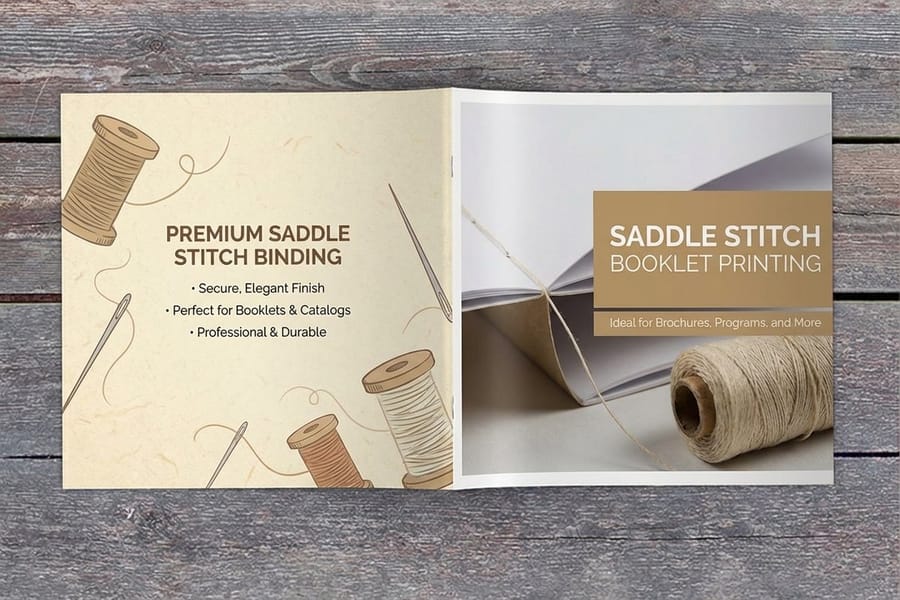
Once you commit to printing, the format decision is mostly about length and how premium the piece should feel. A quick way to decide:
- One to two pages of updates. A folded standard newsletter at 8.5 x 11 runs 50 for $75.80 in 3 business days, which suits a frequent issue.
- Three to six pages. A larger flat size or a simple fold keeps things readable without binding. Our fold guide covers how each fold changes the reading flow.
- Eight pages or more. Step up to a saddle-stitched booklet so pages stay in order and the whole thing flips cleanly. The binding guide explains when saddle stitch is enough and when to go further.
Paper does as much for perception as the words do. A lighter text-weight stock suits high-frequency, information-first issues. A heavier coated stock signals that this is the flagship. If you are unsure, the paper weight guide and the matte versus gloss comparison will save you a reprint. And whatever you choose, set images up correctly using the print resolution guide so photos stay crisp on the page.
What printed newsletter printing costs, and how the price is set
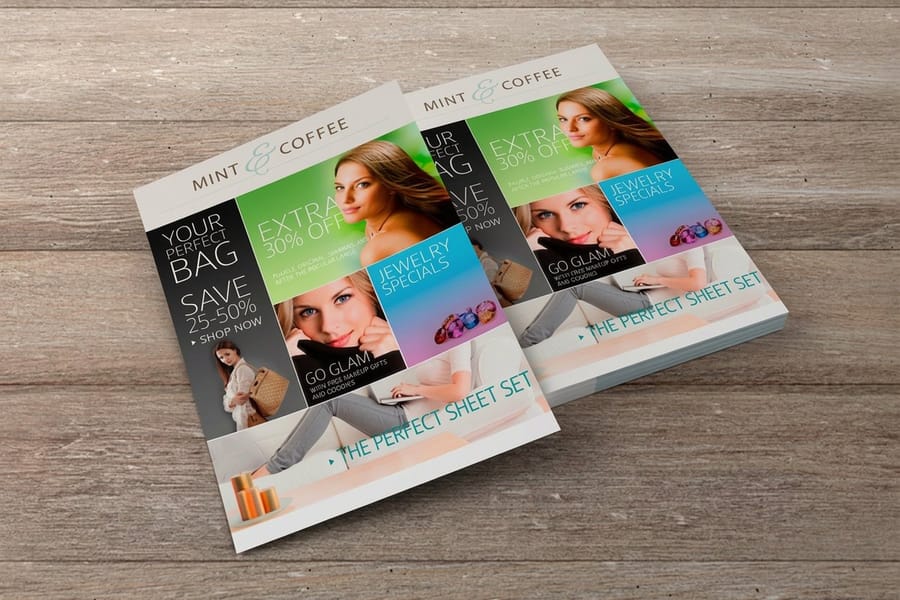
Standard newsletters at 4OVER4.COM start at $75.80 for 50 copies, and 100 copies cost $108.75. From there the price follows a handful of choices rather than a flat per-page rate:
- Quantity. This moves the price most. Printing rewards volume, so the cost per copy drops steeply as the run grows. A full mailing printed at once almost always beats a series of small reprints.
- Page count and size. More pages and larger dimensions use more paper and press time.
- Stock and finish. Coated and heavier stocks, plus matte or gloss coating, add to the piece and to the price.
- Turnaround. Standard timelines are the most economical. Tighter deadlines cost more.
The honest way to price a newsletter is to open the configurator and watch each option update the total in real time, rather than guessing from a table. Because volume matters so much, planning the whole run in advance is where the savings live, and bulk discounts apply automatically as the quantity climbs. For context on how print budgets fit a broader campaign, the local print marketing playbook is a useful companion.
Sizes, stocks, finishes, and how fast it ships
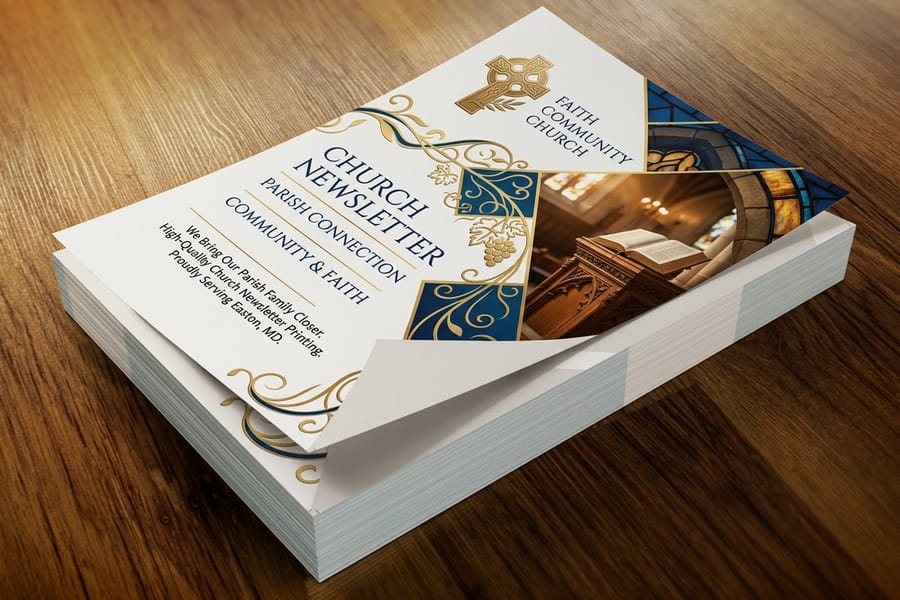
Standard newsletters print at 8.5 x 11, 8.5 x 14, 9 x 12, 11 x 17, and 11 x 25.5 inches, which covers everything from a compact monthly update to a broad tabloid-style spread. Stock options run from clean uncoated text weights to coated sheets, with matte or gloss finishing to match the tone. For longer issues, the saddle-stitched format adds tidy multi-page binding.
Not sure how a stock will feel in the hand before you commit the flagship issue? Order free paper samples first, so the final piece lands exactly the way you imagined. It is a two-minute step that prevents the most common regret in print.
Turnaround depends on the format and finishing you choose, and the estimated production time appears on the product page before checkout. Folded newsletters move fastest. Bound and specialty pieces take a little longer. When a mail date is locked in, rush delivery keeps it on schedule. The simplest way to protect the timeline is to build the file early in the online designer, so production starts the moment you approve.
Wally weighs print against digital
The winning move is usually both, not either
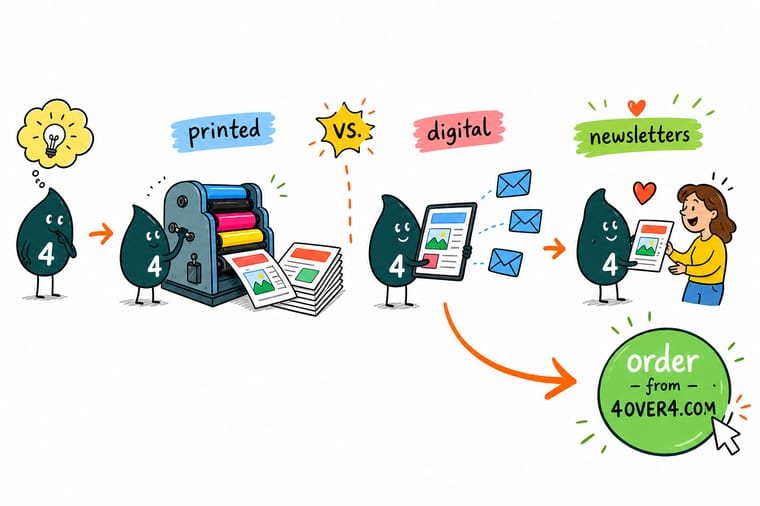
Wally treats a newsletter like a relay race: email sprints the quick updates out fast, and the printed issue anchors the trust that keeps people reading. A screen gets a glance; a printed piece gets kept on the fridge and read three times. Print the flagship issue, email the rest, and let a QR code hand readers from one to the other. When you are ready to print, 4OVER4 builds your newsletter to your exact size, stock, and page count.
Order printed newsletters →%22%2F%3E%3Ccircle%20cx%3D%2236%22%20cy%3D%2220%22%20r%3D%2231%22%20fill%3D%22%23a78bfa%22%20opacity%3D%220.15%22%2F%3E%3Ccircle%20cx%3D%2233%22%20cy%3D%2229%22%20r%3D%2210%22%20fill%3D%22%23a78bfa%22%20opacity%3D%220.1%22%2F%3E%3Crect%20x%3D%2276%22%20y%3D%2210%22%20width%3D%2221%22%20height%3D%2220%22%20rx%3D%224%22%20fill%3D%22%23a78bfa%22%20opacity%3D%220.08%22%20transform%3D%22rotate(16%2080%2030)%22%2F%3E%3C%2Fsvg%3E)
Specs and pricing
Standard newsletter specs and pricing
Standard newsletters print at five sizes from 8.5 x 11 to 11 x 25.5 on nine stocks, from 70# uncoated text to 15pt synthetic plastic, with ten fold options and optional three-hole punching, in 3 business days. The live specs and per copy prices sit below.

| Quantity | Price Per Unit | Total |
|---|---|---|
| 50 | $1.52 | $75.80 |
| 100 | $1.09 | $108.75 |
| 200 | 70.8¢ | $141.70 |
| 300 | 54.6¢ | $163.67 |
| 400 | 46.4¢ | $185.63 |
| 500 | 41.5¢ | $207.60 |
| 600 | 35.7¢ | $214.19 |
| 700 | 31.5¢ | $220.78 |
Print it
Print your next newsletter at 4OVER4
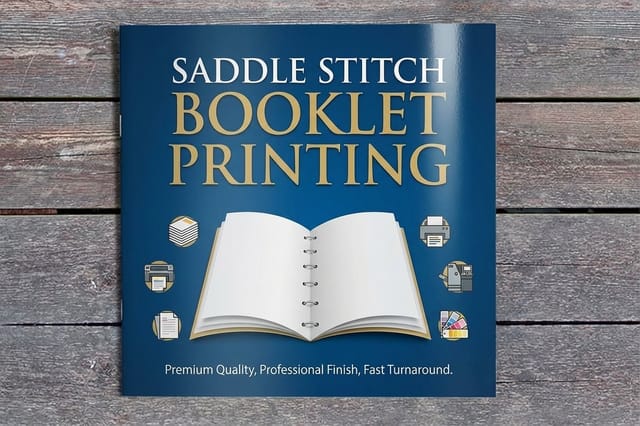
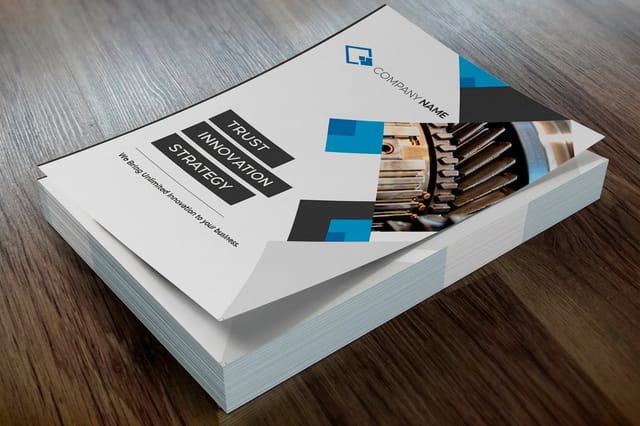
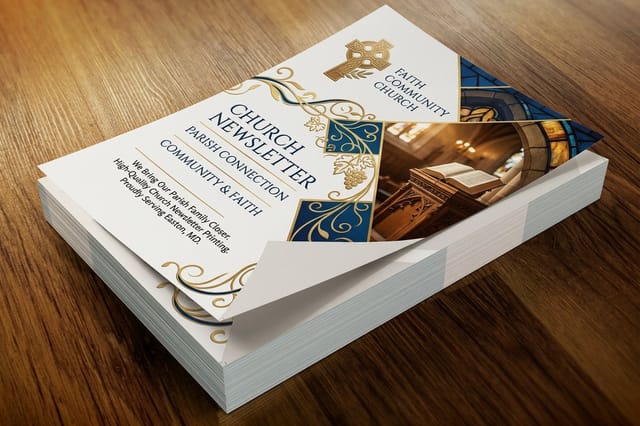
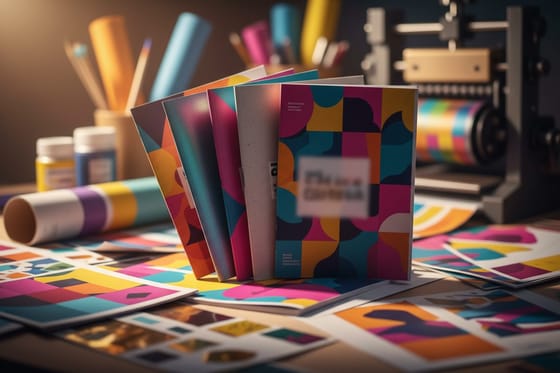
Three formats by length: a folded standard newsletter from $75.80 for 50, a church newsletter on the same sizes and stocks, or a saddle-stitched booklet from $240.55 for 25 once the issue passes eight pages.
See it in use
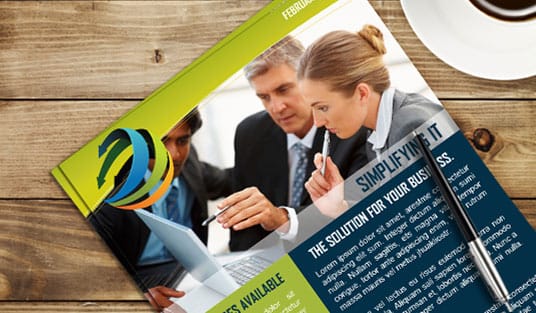
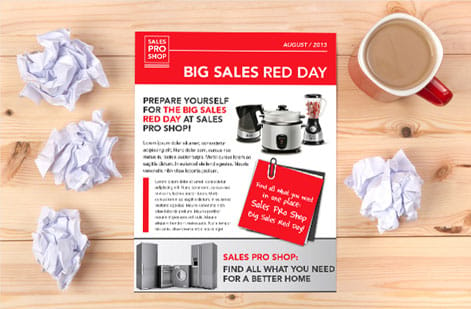
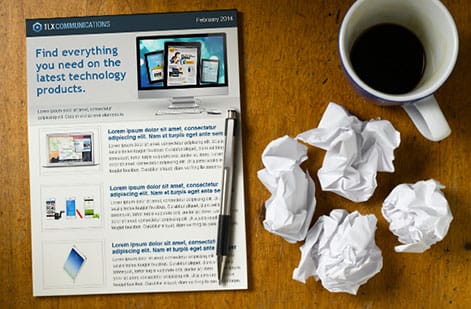
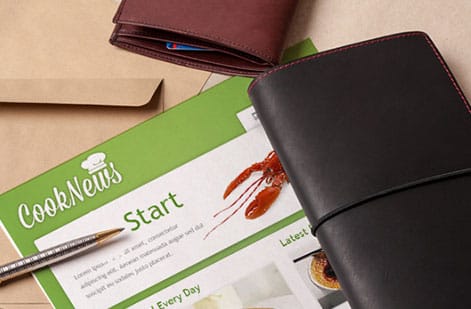
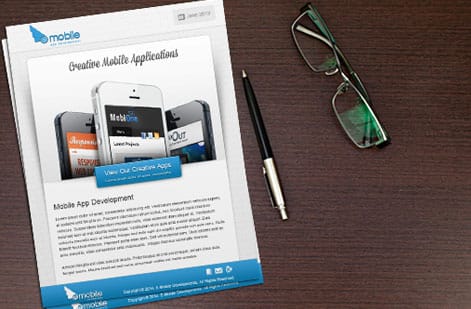
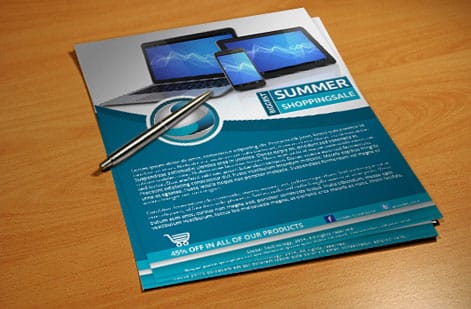
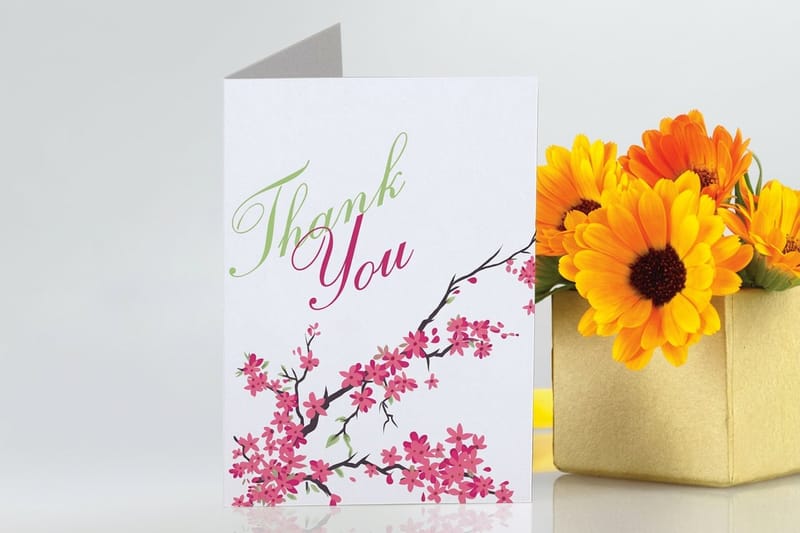
Issues we printed for churches and firms



Explore more
Where to go next

By the numbers
50 newsletters at $1.52 a copy
Common Questions
Common questions about printed newsletters
What is a printed newsletter?
A printed newsletter is a physical, recurring publication a business, church, school, or nonprofit mails or hands out to keep an audience informed. It usually runs from a single folded sheet to a short saddle-stitched booklet and mixes news, features, and offers. Unlike a one-off flyer, a newsletter arrives on a schedule, which is what turns it into a relationship rather than a single message. At 4OVER4.COM you can print one as standard newsletters, church newsletters, or a bound saddle-stitch format depending on how much you have to say.
Do printed newsletters really perform better than email?
It depends on the goal. Printed newsletters typically win on attention, retention, and trust because a physical piece sits in the home and gets read without competing against dozens of unread emails. Digital newsletters win on speed, cost per send, and measurable clicks. The honest answer most marketers land on is that print and email do different jobs, and the direct mail versus email comparison data is worth reading before you commit a budget to either one.
How many pages before a newsletter becomes a booklet?
Start with length and tone. A one or two page update reads well as a folded 8.5 x 11 sheet, while eight pages or more of features and photos belongs in a saddle-stitched booklet so it stays organized and easy to flip. Match the stock to the feel you want: a lighter text weight for frequent, informational issues, and a heavier coated stock for a flagship annual piece. Our binding guide and paper weight guide walk through the tradeoffs in plain language. Print the folded sheet or the booklet as standard newsletters, or as church newsletters when the audience is a congregation and the calendar sets the schedule.
What does a printed newsletter cost and how is the price set?
Standard newsletters at 4OVER4.COM start at $75.80, and the live price is driven by quantity, page count, size, paper stock, finish, and turnaround rather than a flat per-page fee. Larger runs lower the cost per copy sharply, which is why print rewards planning a full mailing at once instead of small reprints. You can watch every option update the price in real time in the product configurator, and bulk discounts apply automatically as the run grows. Price a run yourself on standard newsletters or on church newsletters, and if the issue is going to every home on a route rather than to a mailing list, ask about every door direct mail routes before you lock the quantity, because the postage class moves the total more than the paper does.
What is the cost per reader of a printed newsletter?
Take the full cost of the run, printing plus postage, and divide it by the number of households that actually receive it. Standard newsletters start at $75.80, and because press setup is spread across the whole run, the cost per copy falls as the quantity climbs, so one larger mailing beats several small reprints. Postage is the other half of the figure and moves with mail class, piece weight and whether you mail to a list or to full postal routes, so weigh a heavier coated stock against what it adds at the post office. Then compare that cost per reader against your email cost per response rather than cost per send, because an email nobody opens costs nothing and earns nothing.
Can you track a printed newsletter?
Yes, as long as the tracking is built into the artwork before it goes to press. Put a QR code beside each offer, point it at a landing page used by nothing else, add a coupon code or a reply-by date, and use a dedicated phone number if calls matter more than clicks. Count responses against pieces delivered over the same window you use for email, and the two channels become honestly comparable instead of an argument about open rates. The one thing print will never report is an open, because a piece that lands in the home is already in front of the reader.
How often should a hybrid print and email newsletter go out?
A rhythm that holds up for most businesses, churches and schools is a printed issue every quarter, or monthly if you genuinely have news, with email carrying the short updates in between. Print the flagship issues, the annual report, the season schedule, the fundraising ask, the offer with a deadline, because those are the ones people keep. Keep the email cadence steady enough to stay familiar without turning into background noise, and put a QR code in the printed issue that hands readers to the online version so the two lists feed each other. Whatever rhythm you pick, publish on it: a newsletter earns its value from arriving when readers expect it.
What sizes, stocks, and finishes are available?
Standard newsletters print at 8.5 x 11, 8.5 x 14, 9 x 12, 11 x 17, and 11 x 25.5 inches, on a range of uncoated and coated stocks, with matte or gloss finishing. Saddle-stitched formats add clean multi-page binding for longer issues. If you are unsure how a stock will feel, order free paper samples first so the flagship issue lands exactly the way you pictured it.
How long does a printed newsletter take to print and ship?
Turnaround depends on the format and options you pick, and the estimated production time is shown on the product page before you check out. Straightforward folded newsletters move fastest, while bound and specialty-finished pieces take a little longer. When a mailing date is fixed, rush delivery keeps a time-sensitive issue on schedule. Building your file early in the online designer is the simplest way to protect the timeline.
Get Started
Order 50 standard newsletters from $75.80
Pick your size, drop in your layout, and we print a crisp newsletter that lands in the mailbox and stays in the home.
Legal Disclaimer
Gold Standard guarantees apply to all standard orders placed through 4over4.com. Price match requires verifiable proof of a competitor's published price for an equivalent product with matching specifications and turnaround time. Satisfaction guarantee covers manufacturing defects and print quality issues. Contact support with order number and documentation.
