
How to Get Sign Permits in Every U.S. State


Tobias is our voice for cutting, binding and large format, built from the knowledge of our production team, with over 20 years in printing.
Sign permits are issued by your city or county, not the state, so the process is the same everywhere: confirm your zoning, prepare scaled drawings, submit the application, pass review, then install. The permit sets the size and height before your designer draws anything, and this guide shows how to choose the metal sign, coroplast panel or yard sign that fits it.
To get a business sign permit, apply to your local city or county planning or building department, not a state agency. Confirm the zoning district your property sits in and the sign rules attached to it, prepare a site plan and a scaled drawing of the sign, then submit the application with any engineering or electrical details for large or illuminated signs. Approval ranges from same day for simple wall signs to a few weeks when a planning board is involved.
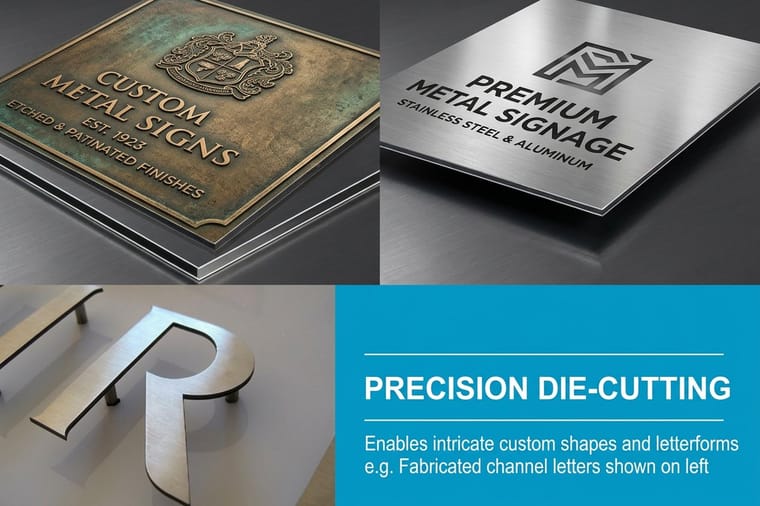
Quick tips
Quick tips for getting your sign permit approved
Confirm your zoning before you design the sign. Your district sets the allowed size, height, and illumination, and those limits shape the whole project. Prepare a clean site plan and a scaled elevation, add wind-load or electrical details for large or lit signs, and never install before the permit is in hand. 4OVER4.COM prints your sign to the exact dimensions your permit approves, so what you submit is what you mount.
Why cities require a business sign permit
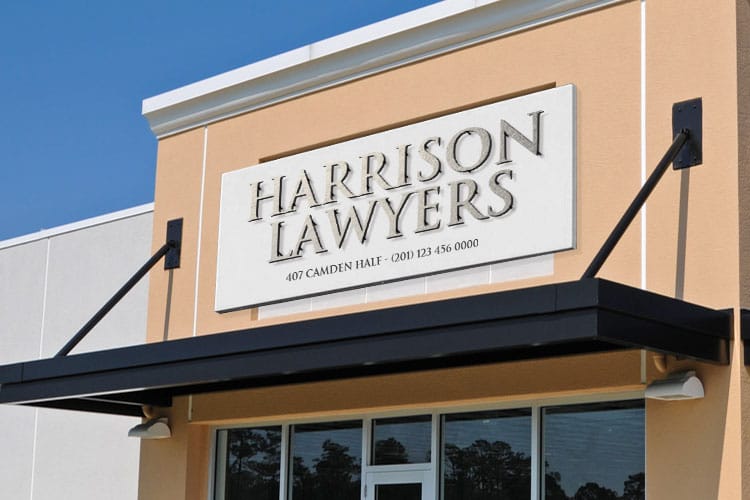
A business sign is more than marketing. It is a physical structure bolted to a wall, hung over a window, or planted in the ground, usually within a few feet of sidewalks, traffic, and power lines. That is why almost every U.S. jurisdiction asks you to get a business sign permit before it goes up. The reviewer checks the size on your drawing, so an 18 x 24 inch aluminum panel on the application has to be an 18 x 24 inch panel on the wall. Plan on a short safety and planning check.
Three concerns drive the rules. First, public safety: a large or illuminated sign has to resist wind, stay attached, and wire into local circuits correctly. Second, traffic and visibility: your sign should not block a driver's line of sight at an intersection or a curb cut. Third, scale and character: the zoning code keeps a storefront sign in proportion with its neighbors so one business does not overwhelm the block. For the bigger picture on how signage performs for local business, the signage industry data is a useful read, and the rules and regulations guides collect the compliance topics in one place.
Permanent rigid storefront signs and a temporary banner both start with the permit question. Get it right and the rest of the project, from artwork to installation, moves in a straight line.
Which signs need a permit and which are exempt

Not every sign triggers a permit, and knowing the difference saves time. As a rule of thumb, anything permanent, large, elevated, or illuminated needs approval. Anything small, temporary, or clearly protected by free-speech carve-outs is often exempt, though the exemption always comes with limits.
Usually require a permit: wall and channel-letter signs, monument and pylon signs, projecting and blade signs, awning signs, roof signs, and any lit sign. Often exempt within limits: small window lettering under a set percentage of the glass, interior signs not visible from the street, real estate yard signs during an active listing, and temporary event or political signs for a fixed number of days.
The catch is that exemptions have thresholds. A real estate sign is fine at a modest size, but oversize it and you need approval. Temporary signs are exempt for a window of days, then they have to come down. If you are planting yard signs around a neighborhood, the local ordinance sets how many, how big, and how long, and the best colors for real estate yard signs matter far less than staying inside those limits.
Who actually issues sign permits (it is local, not the state)
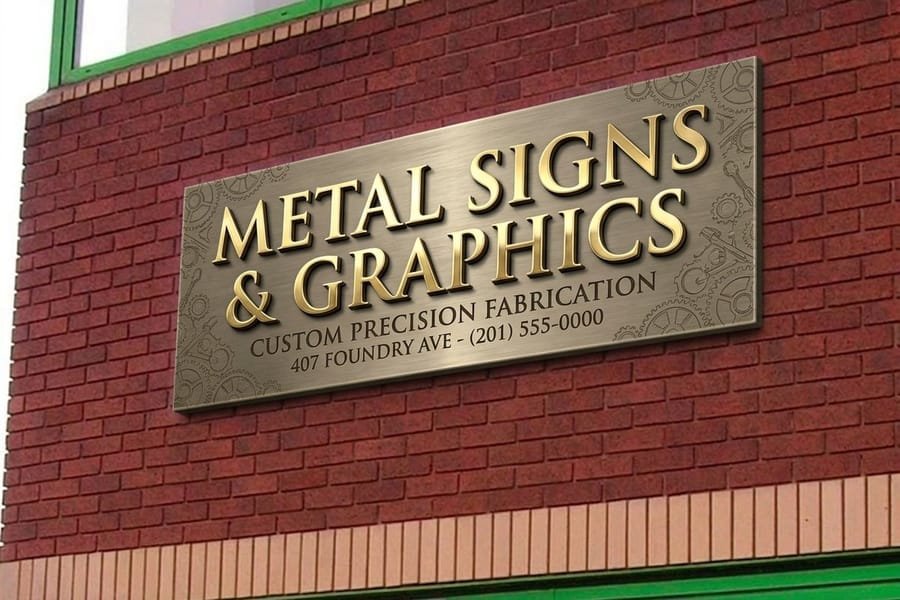
Start with the fact that trips up most owners: there is no state sign-permit office. You do not mail an application to a capital. Sign permits are issued by the city or county where the sign will stand, through its planning, zoning, or building department.
States do matter, but indirectly. A state adopts the building code and the electrical code that your local department then enforces, and a state may add wind-load or energy rules that apply statewide. When people search for "how to get sign permits in every U.S. state," what they really need is a repeatable way to find and satisfy their own municipality's rules, because the process rhymes everywhere even though the fine print changes town to town.
Finding your desk is simple. Search your city or county name plus "sign permit" or "sign ordinance," or call the planning department and ask for the sign standards for your zoning district. Unincorporated areas are handled by the county. Business districts, downtowns, and historic zones often add a design-review step. For more on how permitting fits into launching or relocating, see the business applications guides.
What your zoning district decides about your sign

Before you design anything, pull the sign standards for your zoning district. Those standards, not your logo, set the outer edges of the project. Design to fit them and approval is close to automatic. Ignore them and you will redraw the sign twice.
- Allowed sign area. Most codes tie total signage to the width of your storefront, often as square feet of sign per linear foot of frontage.
- Maximum height. Freestanding and pylon signs have height caps, and wall signs cannot rise above the roofline.
- Setback and placement. Ground signs must sit a set distance back from the property line and away from corner sight triangles.
- Illumination. Some zones ban internal illumination, some cap brightness, and lit signs almost always need a separate electrical permit.
- Number and type. Codes limit how many signs one business can post and which kinds are allowed on that street.
Materials feed into this too. A durable metal sign reads as permanent and gets reviewed as permanent, while a coroplast or banner is treated as short-term. If your design uses standoff hardware or a raised panel, the mounting method can affect the drawings you submit, which is why it helps to understand how standoff signage works before you file.
How to get a sign permit, step by step

The wording on the form changes from city to city, but the sequence is the same in all fifty states. Follow it in order and you avoid the back-and-forth that stretches a two-week job into two months.
- Confirm zoning and pull the sign standards for your district, so you design within the allowed size, height, and lighting from the start.
- Prepare your drawings: a site plan showing where the sign sits on the property, and a scaled elevation of the sign itself with dimensions, colors, and materials.
- Submit the application and fee to the planning or building department, in person or through the online portal many cities now run.
- Respond to plan review. The examiner may request a revision, an engineer's stamp for a large sign, or an electrical permit for a lit one. Turn it around fast to keep your slot.
- Install after approval, then pass the final inspection. The inspector confirms the installed sign matches the approved drawing, which closes out the permit.
Two shortcuts help at the drawing stage. The 4OVER4.COM Online Designer lets you lay the sign out at the exact size your zoning allows, and the free design templates give you a clean, print-ready starting point so your elevation looks professional to the reviewer.
The documents and drawings you will need

Most rejections trace back to a thin application, not a bad sign. Bring the reviewer a complete package and you skip a round of revisions. A typical permanent sign permit asks for these.
- Site plan. An overhead view of the property showing where the sign sits, its distance from property lines, and nearby driveways or intersections.
- Scaled sign drawing. An elevation of the sign with exact width and height, mounting height, colors, and materials called out.
- Spec sheet or mockup. A clear rendering of the finished sign so the reviewer sees what will actually be installed.
- Engineering, if required. Large freestanding or wall signs often need a stamped structural or wind-load calculation.
- Electrical details, if lit. Illuminated signs need an electrical permit and a licensed installer.
- Landlord authorization. If you lease, the property owner usually has to sign off before the city will.
Precise dimensions are the thread that runs through all of this. When your printed sign matches the drawing to the inch, the final inspection is a formality. That is also why locking your sizes early matters, and the same discipline applies when you spec a banner, so the typical banner sizes reference is worth a look before you commit to a dimension.
What a sign permit costs and how long it takes

Fees and timelines both depend on your jurisdiction and your sign. They follow a clear pattern, though, so you can budget before you call the permit desk.
Cost usually combines a flat filing fee with a second charge tied to the sign's construction value or square footage. A small wall sign lands at the low end. A large illuminated pylon that also needs an electrical permit and a structural review sits well above it. Your local building department publishes a current fee schedule, so pull it before you price the project.
Timeline tracks complexity. A simple, code-compliant wall sign is often approved over the counter or within a few business days. A sign that goes to plan review, or one in a historic or design district that needs a board hearing, can take several weeks. If a sign is denied, most cities offer a variance or appeal, which adds time but keeps the project alive.
The way to protect your schedule is to file a complete, in-spec application and to have the sign ready to print the moment approval lands. When you do need speed on the print side, 4OVER4.COM rush delivery keeps production from becoming the bottleneck.
How sign rules differ from state to state

Because the permit desk is local, the real state-to-state differences show up in the codes each state adopts and the conditions each region has to design for. A few patterns are worth knowing so you are not surprised.
Coastal and hurricane states such as Florida, Texas, and much of the Gulf and Atlantic seaboard enforce strict wind-load standards, so freestanding and large wall signs there often need engineered mounting and a structural stamp. Older cities and the Northeast lean heavily on historic and design-review districts, where a downtown storefront sign faces an extra aesthetic approval on top of the standard permit. California layers statewide energy rules onto illuminated signage, which can affect what lighting you are allowed to use.
Illuminated signs are the common thread everywhere: because states adopt a version of the national electrical code, a lit sign almost always pulls a separate electrical permit and a licensed installer, whichever state you are in. The practical takeaway is to treat "every state" as "every city," read your local sign ordinance, and design to the strictest limit that applies. When you are ready to build, the full signs and banners range and the deeper rules and regulations guides cover the material and compliance choices side by side.
Choosing the sign size, material and file your permit expects
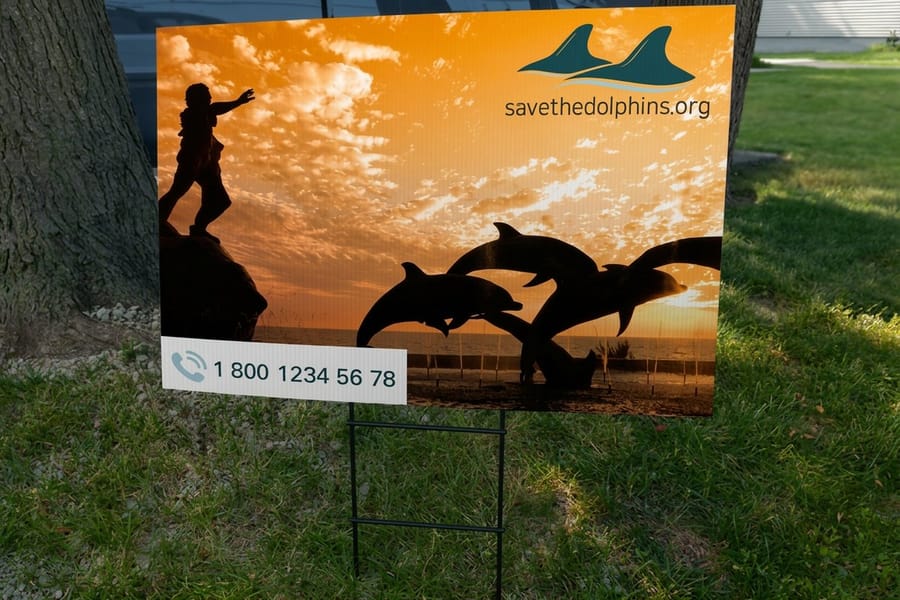
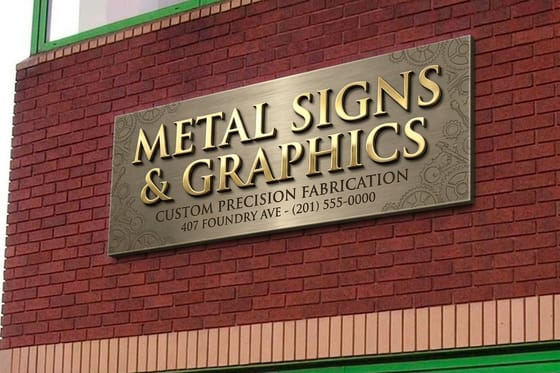
Once you know the limits, choose the printed sign that fits them. For a permanent storefront or wall sign, metal signs print on 1/8 inch aluminum panels in eight stock sizes from 11 x 17 to 30 x 40 inches, or any size from 12 to 46 inches wide and up to 40 inches tall, from $29 for one. You pick gloss or matte lamination, one or two printed sides, and drilled holes at the corners or top and bottom to match the mounting on your drawing.
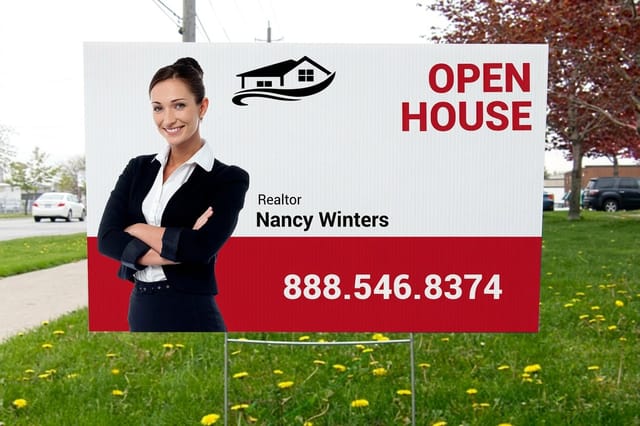
For a temporary sign, a site sign or a sign that covers a permit waiting period, coroplast prints on 4mm white board in the same stock sizes, or any size from 6 to 46 inches, from $25, with grommets or an H-stake. A real estate yard sign is 24 x 18 inches on the same board, from $29.89, with the same image or a different one on each side.
Build the file at the exact approved size, in CMYK, and keep text clear of any drilled holes or grommets. Export a PDF and attach the same file to your permit application as the elevation, so the reviewer and the printer work from one drawing.
After approval: printing a sign that passes inspection
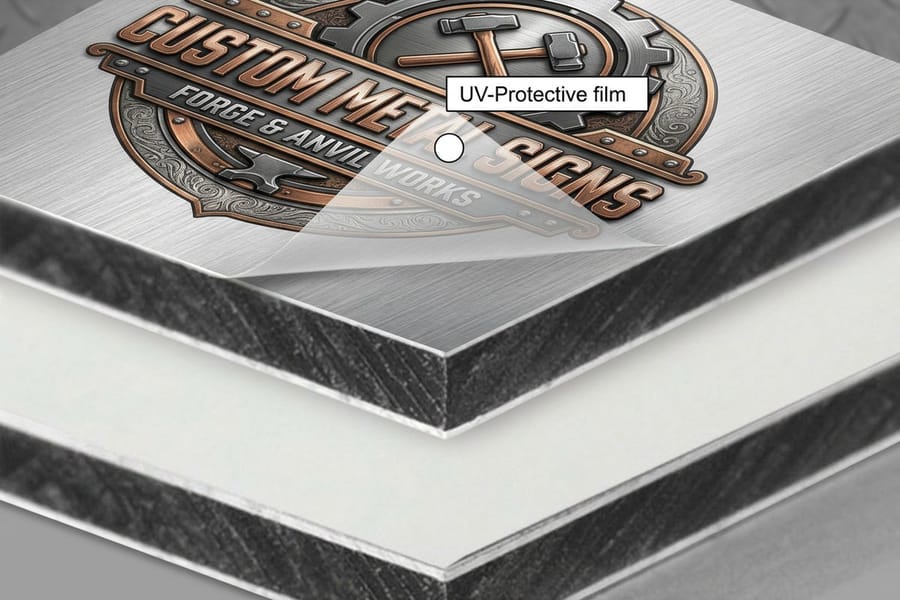
With the permit in hand, you move from paperwork to production, and the mistakes left to avoid are all ones you control when you order.
Do not install before approval, do not print a size that drifts from the approved drawing, and do not skip the electrical permit on a lit sign. Confirm landlord sign-off is on file, and use professional drawings rather than a rough sketch so the inspector sees exactly what you submitted. Small gaps here are what turn a routine inspection into a re-do.
Then order a sign built to the dimensions your permit approves. A durable metal sign holds up outdoors for years, a rigid panel keeps its shape, and a coroplast sign covers short-term and site needs at a lower cost. Browse the full rigid signs range to match material to location, and if you are weighing vendors, the Signs.com alternative comparison lays out how 4OVER4.COM measures up on quality and turnaround. Trade shows and pop-ups have their own signage needs, gathered under trade shows and events. For a booth or a temporary shop, read Pop Up Signage Explained for Trade Shows, Storefronts and Events before you size the stands and banners.
Wally explains sign permits
Permit first, then print, then mount
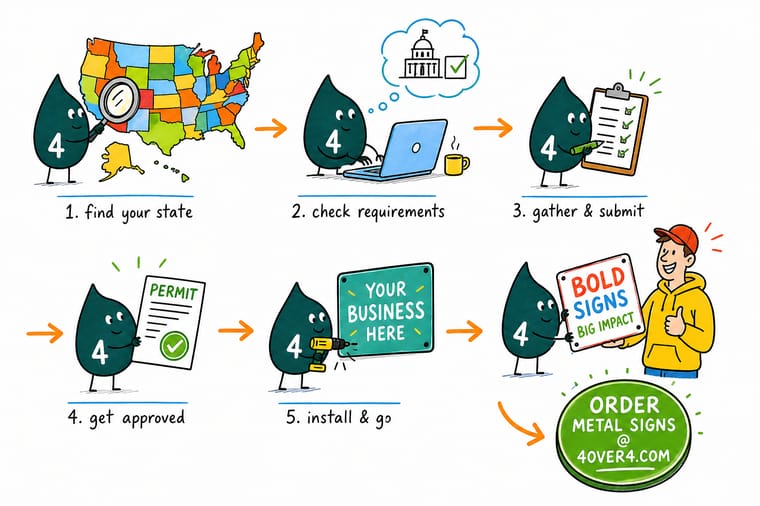
Wally treats a sign permit like a printing proof: it is the approval that says everything lines up before you commit. The part most people miss is that the permit desk is local, not a state office, so your city or county zoning sets the size, height, and lighting. Nail those numbers, get the stamp, then order a sign built to spec. 4OVER4 prints your storefront sign, yard sign, or banner to the exact dimensions your permit approves.
Order custom signs →
Specs and pricing
Metal sign specs and pricing
A metal sign prints on a 1/8 inch aluminum panel with 1/4 inch rounded corners, in stock sizes from 11 x 17 to 30 x 40 inches or a custom size up to 46 x 40, from $29 with 4 business days of standard production. The live specs and price per unit below come straight from the configurator, so you can price the exact size your permit approves.

| Quantity | Price Per Unit | Total |
|---|---|---|
| 1 | $29.00 | $29.00 |
Print it
Order signs and banners at 4OVER4
Order the aluminum sign for the permanent spot, coroplast from $25 for the site or the waiting period, and 24 x 18 yard signs from $29.89 where the ordinance allows them.
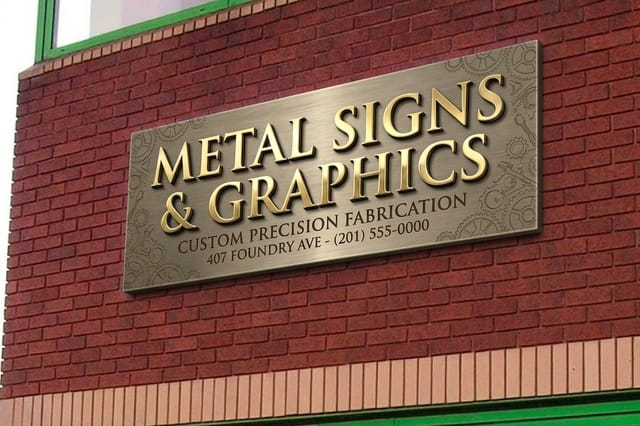
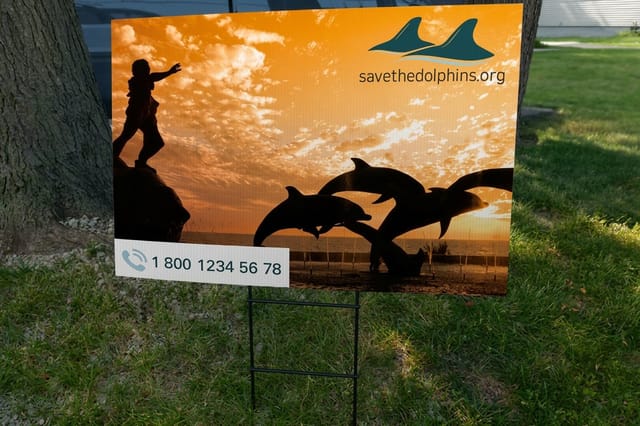
See it in use
Permitted signs we printed for storefronts
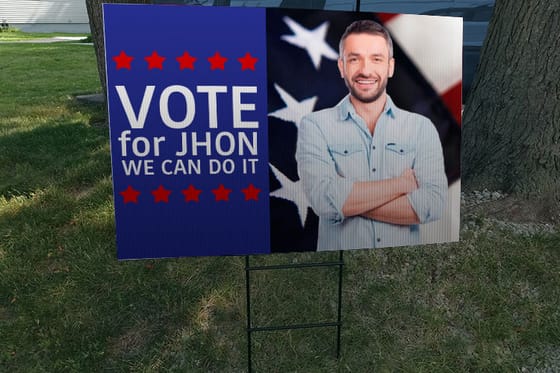



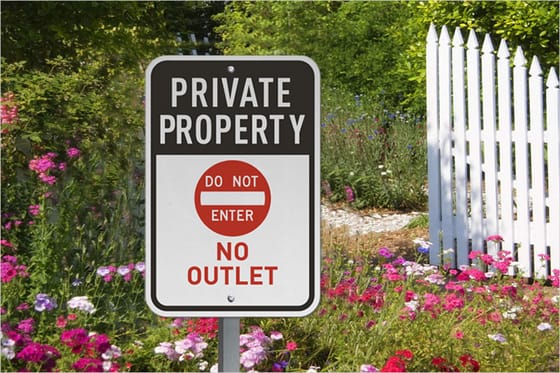

Explore more
Where to go next




By the numbers
Signs we ship into all fifty states
Common Questions
Common questions about business sign permits
What is a business sign permit?
A business sign permit is written approval from your local government to install, replace, or alter a sign. Because a sign is a physical structure attached to a building or set in the ground, often near sidewalks and traffic, the permit is how the city or county confirms it meets zoning, size, safety, and electrical rules before it goes up. Once approved, you receive a permit number that also covers the final inspection after installation.
Why do cities and states require sign permits?
The rules protect three things at once: public safety, traffic sightlines, and the character of the street. A permit review checks that the sign will not block a driver's view, will hold up in wind, will not overload local circuits if it is lit, and will stay in scale with neighboring storefronts. States set the underlying building and electrical codes, but the permit itself is issued and enforced at the city or county level.
How do I get a sign permit, step by step?
Confirm your property's zoning district and the sign standards attached to it, prepare a site plan and a scaled drawing of the sign, then submit the application with the permit fee and any engineering or electrical details. The department reviews it, may ask for a revision, and issues the permit. After you install the sign, a final inspection closes out the permit. Simple wall signs are often approved over the counter, while larger or illuminated signs go through a longer plan review.
Do temporary signs and banners need a permit?
Often yes, but under lighter rules. Many cities allow a set number of temporary banner days per year with a low-cost temporary permit, and they cap the size and how long the banner can stay up. Grand-opening banners, sale banners, and event signage usually fall here. Real estate and political signs frequently have their own exemptions within size and time limits, so always check your local sign ordinance before you assume a banner is exempt.
Does my sign need a permit at all?
The permit type follows the sign type. A permanent wall, monument, or pylon sign needs a permanent sign permit and, if it is lit, an electrical permit too. A short-term banner or yard sign usually needs only a temporary sign permit. If your sign sits in a historic or design-review district, expect an extra design approval on top. Match the application to what you are actually installing, and confirm the material and dimensions with your printer before you file.
What does a business sign permit cost and how are prices set?
Costs vary widely by jurisdiction. Most cities charge a flat filing fee, and many add a second fee tied to the sign's construction value or square footage, so a small wall sign costs far less than a large illuminated pylon that also needs an electrical permit and structural review. Expect a modest fee for simple signs and a higher, value-based fee for large or lit installations. Your local building department publishes the current fee schedule.
Can I install my sign before the permit is approved?
No. Installing before the permit is issued is one of the most expensive mistakes a business can make. Code enforcement can issue a fine, order a stop-work, and require you to take the sign down and reinstall it after approval, doubling your labor. Wait for the permit number in hand, then schedule installation and the final inspection. Ordering your sign to the exact approved dimensions keeps that inspection clean.
Get Started
Order metal signs, printed in 4 business days
Send us the exact size your city signed off on, pick your material, and we print a durable, ready-to-mount sign that matches your approved drawing.
Legal Disclaimer
Gold Standard guarantees apply to all standard orders placed through 4over4.com. Price match requires verifiable proof of a competitor's published price for an equivalent product with matching specifications and turnaround time. Satisfaction guarantee covers manufacturing defects and print quality issues. Contact support with order number and documentation.
