
11 Furniture Store Marketing Prints That Close the Long Sale
A sofa is a weeks-long decision made mostly at home. These eleven pieces pull browsers off the road, answer their questions on the floor with a priced hangtag on every piece, and then go home with them as a catalog and a salesperson's card to keep arguing your case at the kitchen table.
The furniture store bundle is eleven pieces matched to a slow, shared purchase: hangtags, banners, window clings, counter cards, catalogs, flyers, business cards, posters, postcards, yard signs, and brochures. The banner, clings, window posters, and yard signs stop the drive-by, hangtags, counter cards, and room-scene posters work the showroom floor, and the catalog, brochure, flyer, postcard, and card go home to win the kitchen-table debate that actually closes furniture sales.
The picks
Eleven products, from the window poster to the catalog
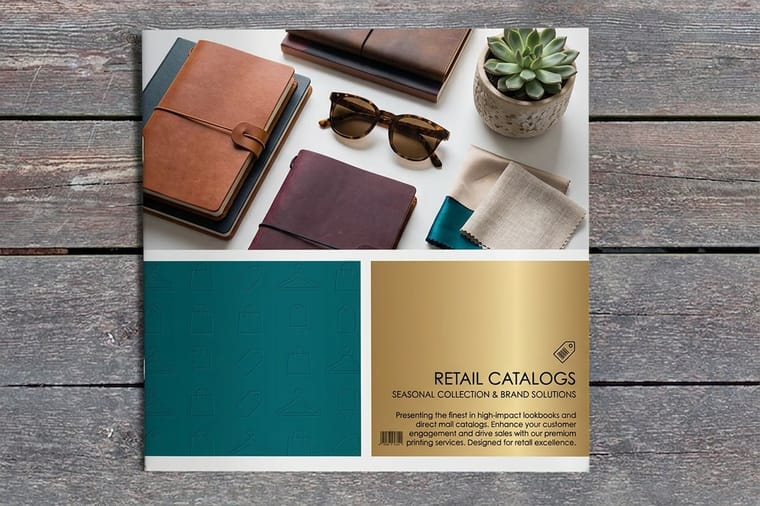
Start here. The paper pieces cost the least, 100 business cards at $17.57, 50 follow-up postcards at $16.48 and a counter card at $21.97, while showroom posters start at $108.75 for 50 and the retail catalog, the piece that goes home, at $240.55 for 25. Keep one palette from the window to the catalog, then read on for what each one does and when it earns its keep.


Design and print help
One palette from the showroom window to the hangtag
A store selling design has to look designed. Put the store palette into the online designer once for tags, flyers and catalog pages from 8 pages up, check every price, dimension and phone number on the proof, and let the bulk discount lower the per piece cost of a season of hangtags.
How they work together
Built for a decision that takes weeks
Three pieces work the road, three work the showroom floor and five go home with the browser. Run the full sequence and your store is present from the drive-by to the at-home debate to the return visit.
Furniture stores live on big windows and passing traffic. The banner announces the sale event at street scale, clings turn the glass into a rotating showcase of offers and financing, and yard signs plant the same message at the curb and along the road to point drivers into the lot.
Hangtags price and explain every piece so browsers never have to hunt for information, counter cards at the desk pitch financing and the design consultation while paperwork happens, and room-scene posters on the walls show shoppers how the collection looks styled in a real space.
The sale usually closes at home, days later. The catalog, the financing brochure, the sale flyer, and the salesperson's card go home in every browser's hands, while a follow-up postcard mailed to the delivery radius pulls the undecided back before they buy elsewhere.
1. Die-cut hangtags: every sofa becomes its own salesperson
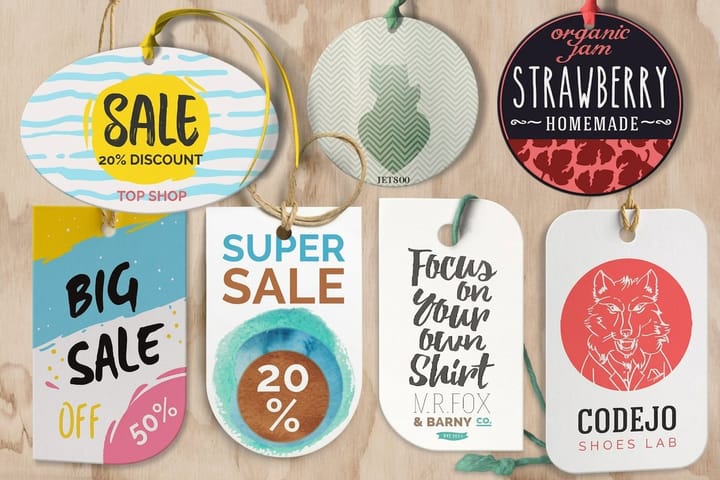
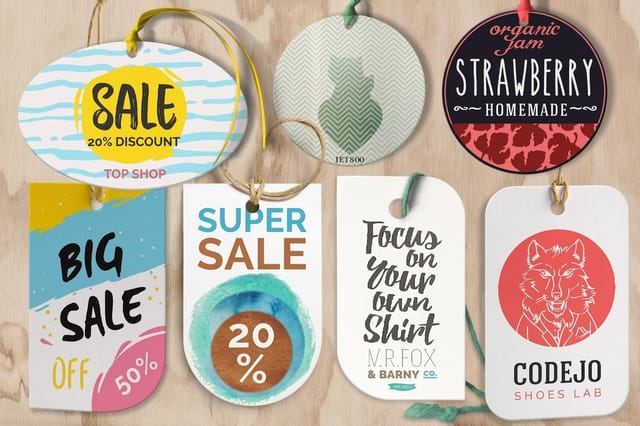
Watch browsers in any furniture showroom: they circle a piece, look for the price, and if they cannot find it in about five seconds, they drift on. On a busy Saturday, no sales team can be everywhere. Hangtags fix the silent failure by making every piece answer its own questions: price, dimensions, materials, fabric options, delivery time, monthly financing.
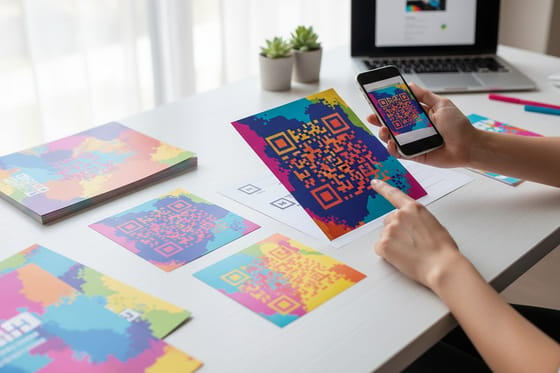
Die-cut them to a distinctive shape so the tags read as part of your brand, and use color coding the whole floor can see: one color for new arrivals, another for clearance. A QR code on each tag linking to the piece online is what lets a shopper send the sofa to their partner mid-visit; our guide on using QR codes on print covers the details that make the scan actually work.
Tags are cheap, printed in bulk, and turned over with inventory, and they raise the value of every other piece in this bundle by keeping browsers browsing.
2. Retail banners: the sale event at four-lane scale
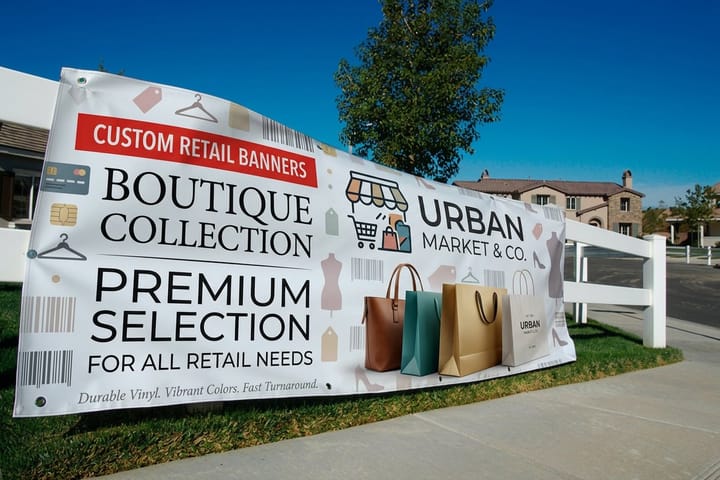
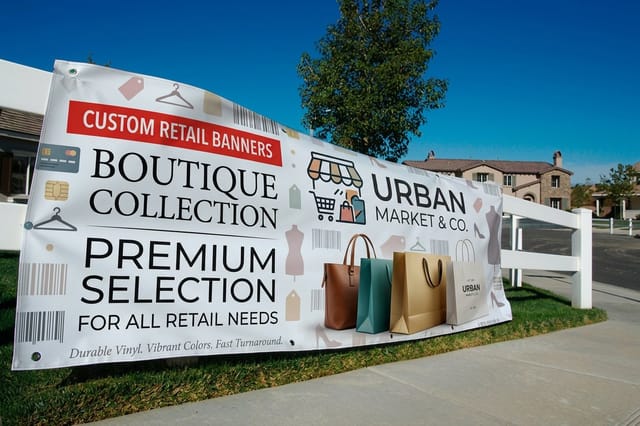
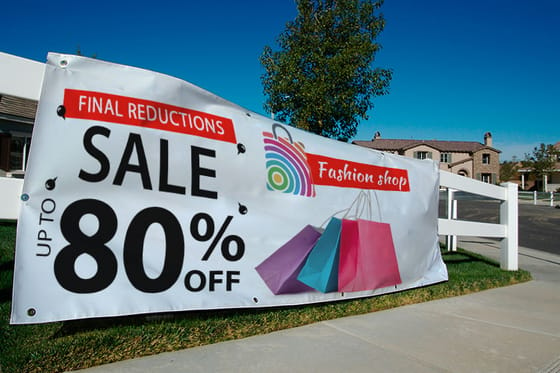
Furniture stores sit on roads people drive, not stroll, which means your biggest audience passes at forty miles an hour. A banner is the only piece of print that works at that speed. Strung across the facade for the holiday sale, the clearance event, or the new-collection launch, it turns the building itself into the advertisement.
Keep the vinyl message reusable, your store name and one giant word like SALE or CLEARANCE, and let the window clings carry dates and percentages. Size it to the frontage; a small banner on a big building whispers when it should shout. The design rules in our guide to making banners and the rigging advice in how to hang banners keep it readable and taut through a full season of events.
One durable banner, reused for every event in the calendar, is the cheapest per-impression advertising a furniture store can own.
3. Retail window clings: your glass is a rotating showroom ad
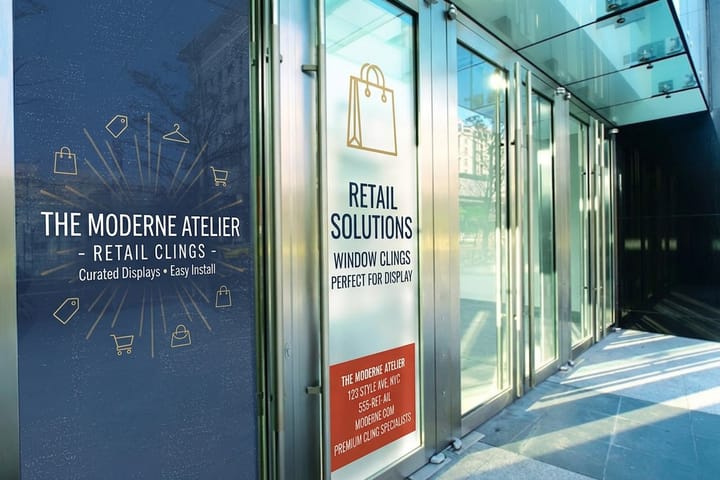
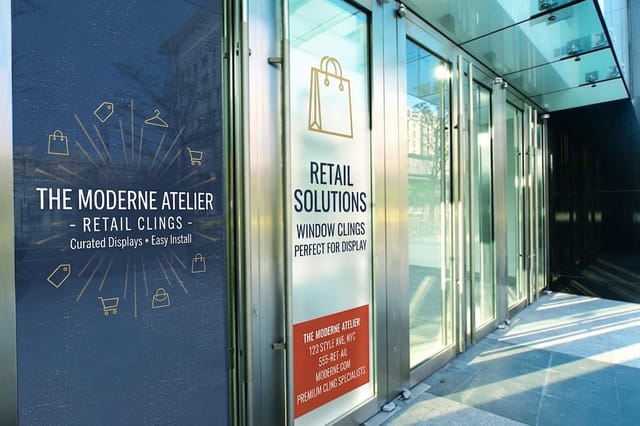
A furniture store's window is enormous, and most stores waste it. Clings put the offer directly on the glass, no interest for twelve months, floor models half off, new fall collection inside, at eye level for everyone who walks or parks in front. They apply in minutes, peel cleanly, and swap with every event in your calendar.
Two rules make them work. First, advertise the reason to come in now, not the store in general; urgency is what converts a passerby mid-errand. Second, keep sightlines open, because your actual room sets seen through the glass are the best ad you have; the cling frames the view, it should never wall it off.
Print the year's events in one run, holiday, tax season, clearance, launch, and the per-piece price drops while every event stays on brand.
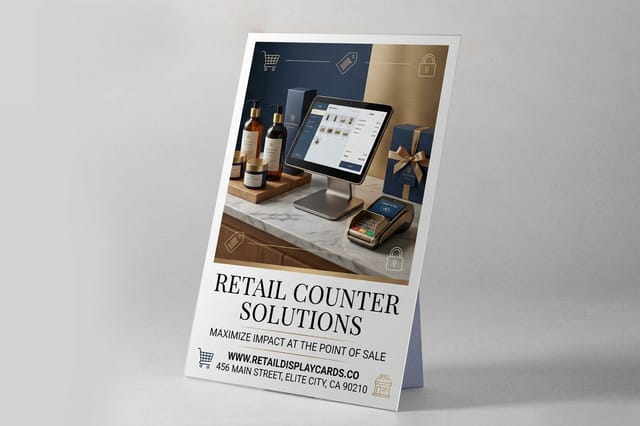
4. Retail counter cards: the pitch while the paperwork happens
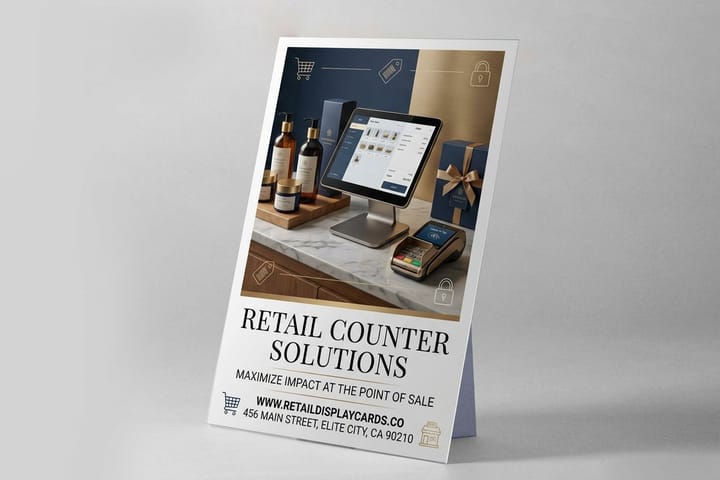
Furniture checkouts are slow: delivery scheduling, financing forms, protection plans. A counter card standing at the desk fills those minutes with the messages that grow the ticket: the fabric-protection plan, the design consultation, the referral offer, the mattress department the customer never walked through.
Give each card one job and rotate by season. During the sale event it pitches financing terms; after delivery season it pitches the review-us-and-save offer that feeds your next customers, and the local marketing benchmarks show how much those nearby recommendations drive. Type large enough to read across the desk, one action at the end.
Print counter cards on the same stock family as your hangtags so the desk and the floor read as one designed store.
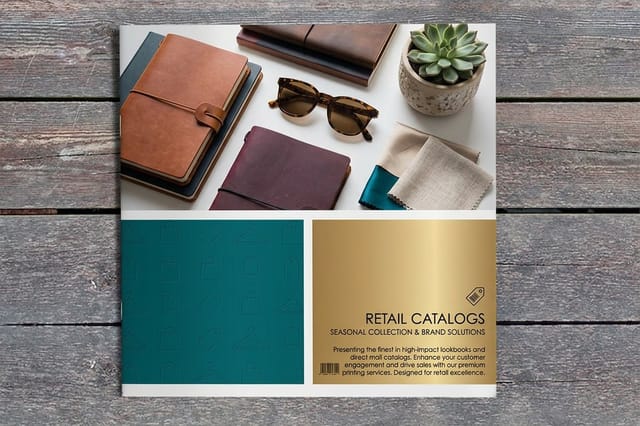
5. Retail catalogs: the closer that goes home with them
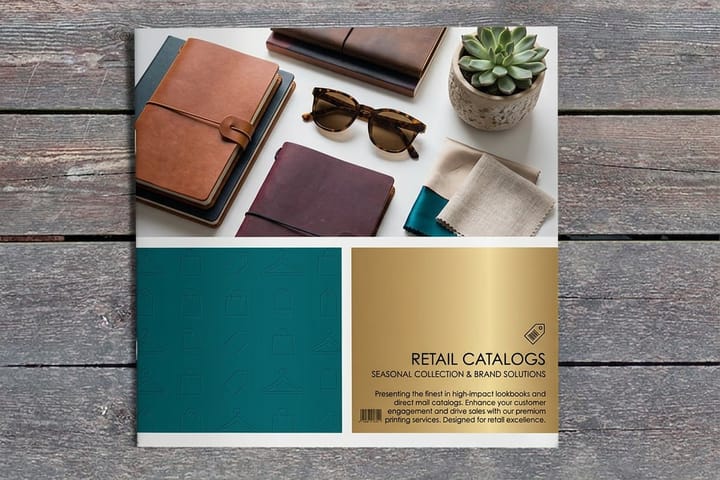
Almost nobody buys a dining set on the first visit. The decision happens at home, over days, with the other decision-maker. The catalog is the only piece of your marketing that gets to be in the room for that conversation: your collections in styled scenes, your prices, your financing, your name on the cover on their coffee table.
It does not need to be a phone book. A slim, well-photographed seasonal catalog of key collections outperforms a thick one nobody opens. Print room scenes rather than isolated products, put the monthly financing figure next to every price, and add QR codes so the piece on page nine is one scan from being shared. Hand one to every serious browser without being asked.
Refresh it once or twice a year with the collections. At production-run pricing the per-copy cost is small against a four-figure sale it keeps alive.
6. Flyers: the event piece for the neighborhood
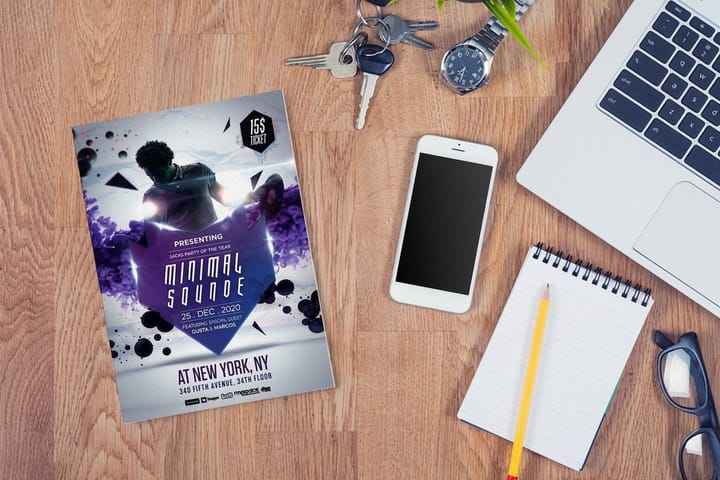
The flyer is the dated, disposable, high-volume piece of the bundle, and that is its strength. Every sale event gets its own: the dates, the discount, the hero piece at the hero price. One goes into every bag and every delivery, stacks sit at the paint store and the realtor's office, and a neighborhood drop around new housing developments reaches people who are furnishing right now.
Lead with one irresistible number, the sectional at the price that makes people check the address, and keep everything else small. The focal-point discipline in our guides on how to design flyers and how to make flyers is exactly what separates a flyer that gets kept from one that lines the recycling bin.
Print per event, in volume; flyers are cheapest in bulk and their job is saturation, not longevity.
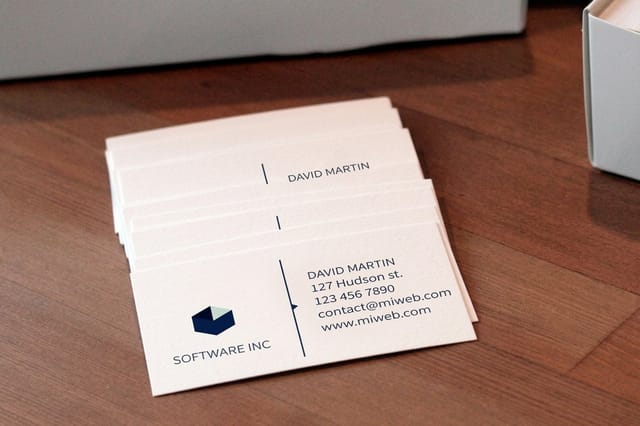
7. Business cards: the salesperson they ask for by name
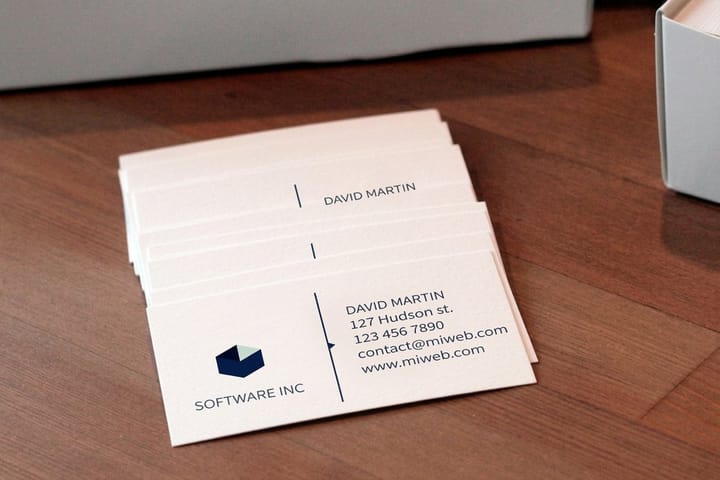
Furniture selling is personal. A browser who spent forty minutes with a salesperson comes back days later and asks for that person by name, if they can remember it. A card with the salesperson's name and direct line, handed over with the catalog, is what makes the return visit land with the person who earned it.
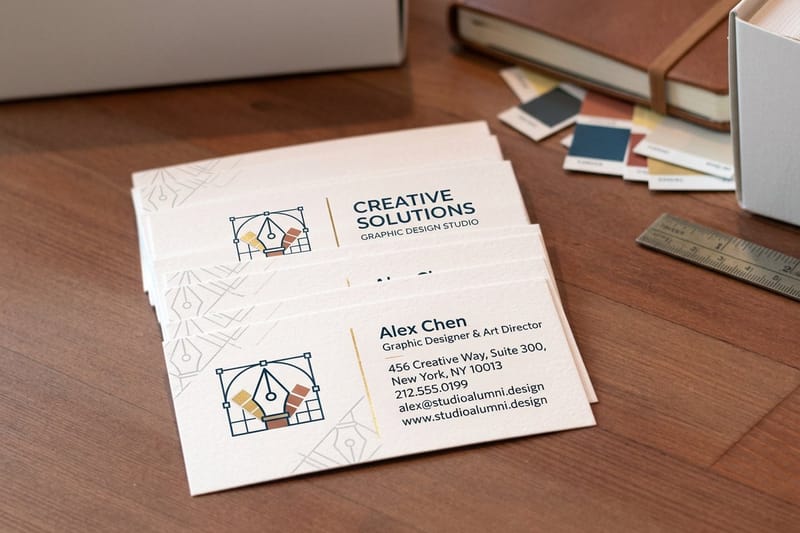
Print cards for each salesperson plus a store card with hours, map, and a QR code to the current sale page. The card rides in the catalog like a bookmark, marking the page with the piece they liked. A thick or laminated stock keeps it presentable through weeks of wallet time; compare finishes across our business card printing range and the laminated business cards guide.
It is the smallest piece in the bundle and the one that turns a stalled consideration into a named relationship.
8. Posters: the styled room that sells the whole collection

A shopper cannot picture a bare floor-model sofa in their own living room, but they can picture the room in a beautifully styled photo. Large posters do two jobs a furniture store needs: in the window they shout the event, and inside they turn blank wall space into aspirational room scenes that show the collection dressed, lit, and lived in.
Print one giant SALE or CLEARANCE poster for the glass so the message reads from the road, then print a set of room-scene vignettes, the bedroom set made up, the dining set laid for dinner, to hang above the matching floor displays. Our guide to designing a poster in eight steps keeps the hierarchy right, and how to hang posters without a frame covers mounting them cleanly on showroom walls that change with every season.
Reprint the room scenes when the collections turn over, and keep one reusable sale poster on hand for every event on the calendar.
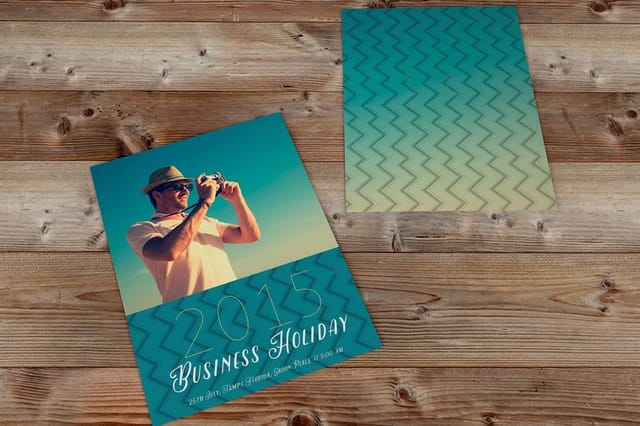
9. Postcards: the mailed nudge to the delivery radius
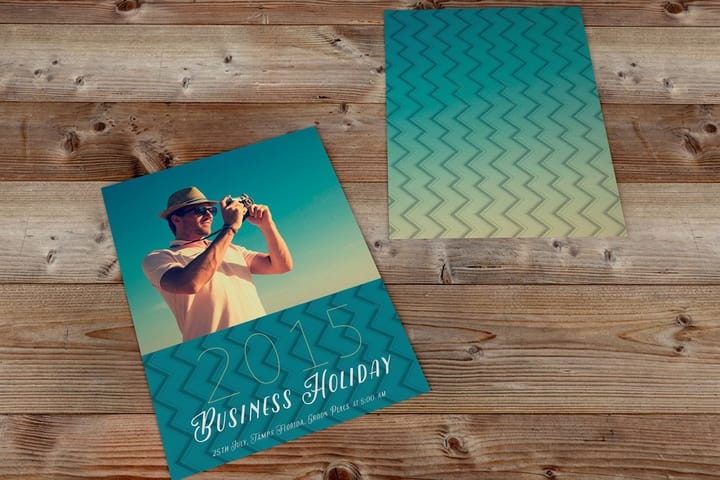
Furniture buyers live inside your delivery radius, and that makes them easy to reach by mail. A postcard is the cheapest way to put a dated reason to visit directly in the hands of every household near the store: the floor-model clearance, the new fall collection, the no-interest financing event that ends this month.
Mail one wave per event, and target the neighborhoods that fit, new housing developments and recently sold homes are full of people furnishing right now. Lead with one hero piece at one striking price and the event dates, and add a QR code to the sale page. Our guide to postcard design for direct mail covers what earns a spot on the fridge, and building a local mailing list assembles the radius file the waves need.
Starting under twenty dollars a batch, the postcard is the piece that reaches the buyer at home before they have even thought to shop.
10. Yard signs: the curb and roadside pointer to the lot
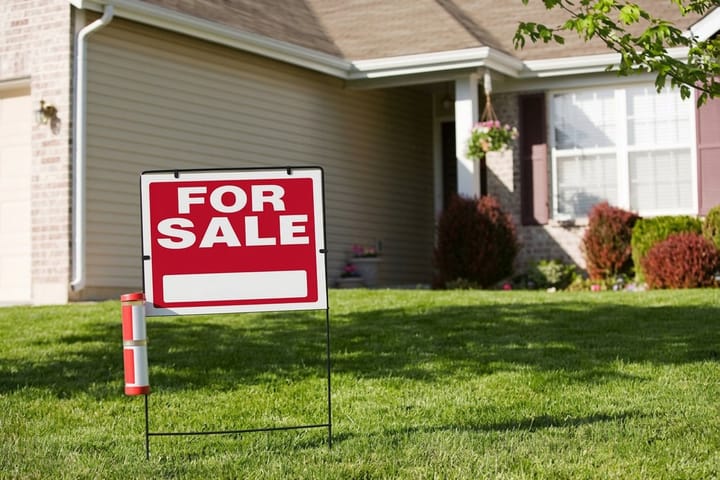
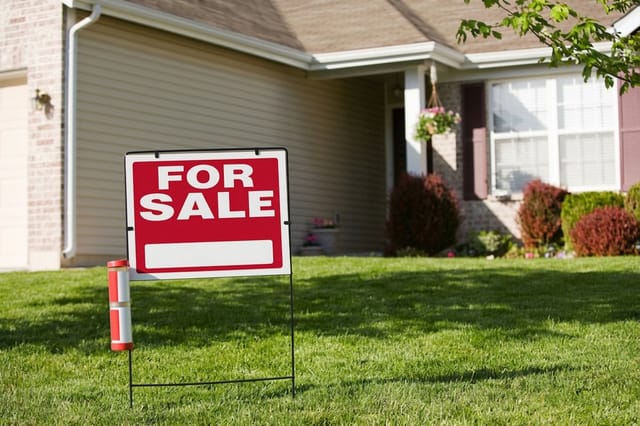
The banner works the building, but yard signs work the ground around it. Staked at the curb, along the approach road, and at the entrance to the parking lot, they catch the driver who is already close and give them the last small push to turn in. For a big-box furniture store set back from the road, they are the difference between a drive-past and a drive-in.
Print a batch that mixes messages: a bold SALE and CLEARANCE for the event, plus plain directional signs, PARKING, ENTRANCE, DELIVERY PICKUP, that keep a busy lot orderly. Our guide to making yard signs covers layout and legibility at speed, and which materials last outdoors helps you pick a stock that survives sun, wind, and a full season of events.
Cheap, weatherproof, and reusable event to event, yard signs turn the sidewalk and the roadside into free advertising space you already own.
11. Brochures: the financing and warranty answers, in hand at the register
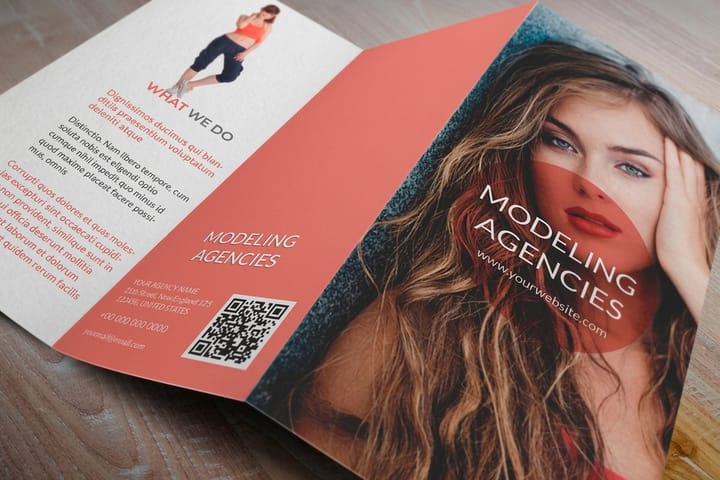
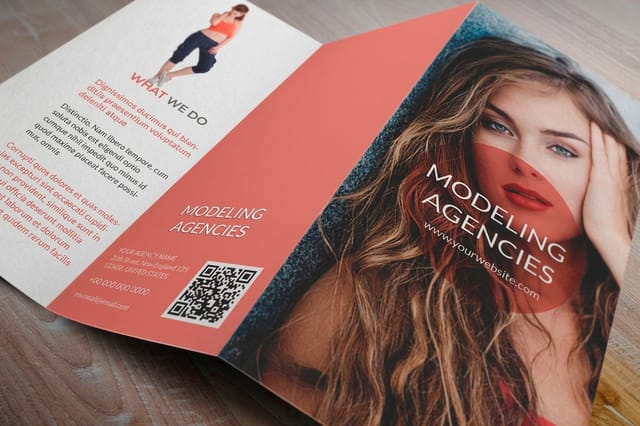
The catalog shows the furniture; the brochure answers everything that happens after they choose it. Financing terms, delivery windows, the warranty, the fabric-protection plan: these are the questions that stall a sale at the counter, and a brochure handed over at the register lets the customer take the answers home and decide without a salesperson hovering.
Give it clean panels, one for financing with the monthly figures, one for delivery and setup, one for the protection plan and warranty, so a nervous buyer can find the reassurance they need. Our walkthrough of the elements of brochure design covers panel order and hierarchy, and how to make brochures lands a fold and stock that feels like a service promise, not a flyer.
Tuck one into every catalog and every delivery, and the brochure quietly closes the gap between liking a piece and signing for it.

Specs and pricing
Anchor the bundle: retail catalog specs and live pricing
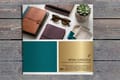
The catalog is the piece that closes sales at home, so its stock and page count deserve the most thought. Here are the live specs and price-per-unit for retail catalogs at 4OVER4.COM, straight from the configurator.
| Quantity | Price Per Unit | Total |
|---|---|---|
| 25 | $9.62 | $240.55 |
| 50 | $6.04 | $302.06 |
| 100 | $3.61 | $361.37 |
| 200 | $2.22 | $444.85 |
| 300 | $1.65 | $495.38 |
| 400 | $1.29 | $515.14 |
| 500 | $1.06 | $531.61 |
| 600 | 91.5¢ | $549.19 |
Wally explains the bundle
Eleven pieces for a sale that closes at the kitchen table
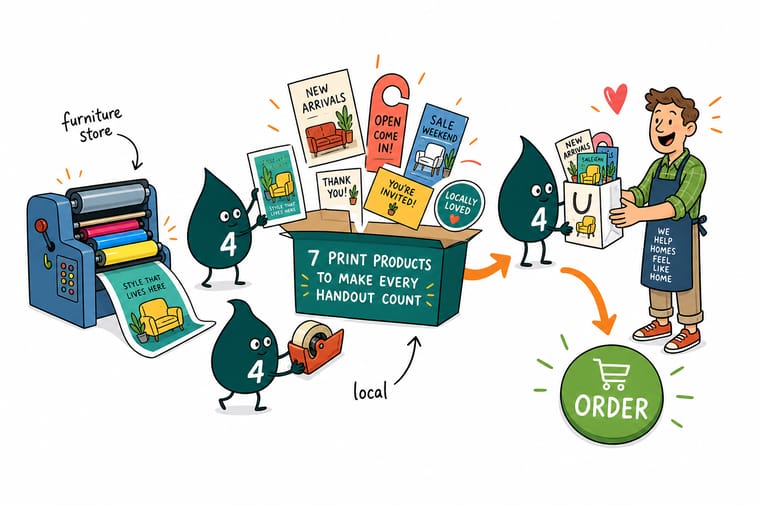
Wally knows furniture is not an impulse buy: the browser leaves, talks it over, and decides at home. So the bundle fights on both fronts. Banners, clings, posters, and yard signs win the walk-in, hangtags and counter cards answer every question on the floor, and the catalog, brochure, flyer, postcard, and card ride home to keep your store in the conversation. Give all eleven one look so everything a shopper touches matches.
Shop the retail collection →See it in use
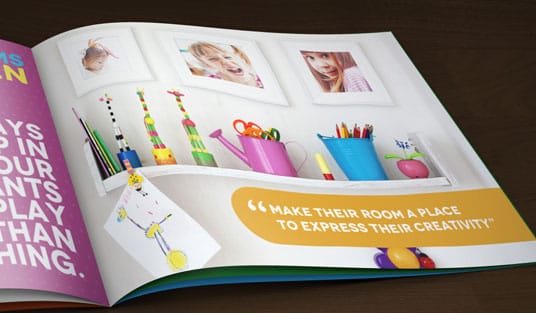
Catalog pages customers sent to press







Explore more
Where to go next

By the numbers
One bundle, printed to close slow sales
Common Questions
Common questions about the furniture store bundle
What is in the furniture store local marketing bundle?
Eleven print pieces matched to how furniture actually sells: die-cut hangtags, retail banners, retail window clings, retail counter cards, retail catalogs, flyers, standard business cards, posters, postcards, yard signs, and brochures. The street pieces, banners, clings, yard signs, and window posters, pull browsers in, the floor pieces, hangtags, counter cards, and room-scene posters, answer questions while staff are busy, and the take-home pieces, catalog, brochure, flyer, postcard, and card, keep your store in a decision that routinely takes weeks.
Why does print matter so much for furniture retail?
Because the purchase is slow and shared. A sofa or dining set gets discussed at home, compared against two other stores, and approved by a second person who never visited your showroom. Printed pieces are the only marketing that physically follows the customer into that conversation: the catalog on the coffee table, the flyer on the fridge, the card in the wallet. Digital ads disappear; the catalog stays open to the page they liked.
Which piece should a furniture store invest in first?
Hangtags, because they fix the most expensive silent failure: a browser who cannot find a price, a dimension, or a financing option walks out rather than waiting for a busy salesperson. After tags, the catalog is the highest-leverage piece for stores with repeat collections, and the banner earns its cost on the first sale event it announces.
What should go on a furniture hangtag?
The answers a browser needs to keep considering: price, dimensions, materials and colors available, delivery time, and the monthly financing figure, which often matters more than the sticker price. A QR code linking to the piece online lets couples share it instantly. Keep the tag shape and stock consistent across the floor so the showroom reads as curated, and swap tag colors for clearance so markdowns are visible from across the room.
Is a printed catalog still worth it for a local store?
For furniture, yes, and it does not need to be fifty pages. A slim seasonal catalog of your key collections, room scenes, and financing terms gives shoppers something concrete to take home, share, and return with. It anchors the at-home discussion where the decision actually happens, and handing one to every serious browser costs far less than the sale it saves. Bulk pricing brings the per-copy cost down fast.
How much does the full bundle cost to print?
Each piece is priced live on its own product page and scales with quantity, size, and stock. 100 business cards start at $17.57, one window cling at $30, one counter card at $21.97, 100 hangtags at $36.26 and 50 flyers at $39.54, and 25 retail catalogs at $240.55 are the serious line item, priced per page count and run. Configure your exact quantities on each product and the price updates as you go.
How do I time these pieces across the year?
Furniture retail runs on events: the holiday sale, tax-refund season, the floor-model clearance, the new-collection launch. Keep the banner message reusable and hang it for each event, swap the window clings and counter cards with the calendar, and reprint the flyer per event with the dates. The catalog refreshes once or twice a year with the collections, and tags turn over as inventory does.
Get Started
Hangtags are 100 for $36.26, thirty six cents each
Order the bundle from 4OVER4.COM piece by piece, catalogs first. Adjust size, stock, and quantity on any product and watch the price update live.
Legal Disclaimer
Gold Standard guarantees apply to all standard orders placed through 4over4.com. Price match requires verifiable proof of a competitor's published price for an equivalent product with matching specifications and turnaround time. Satisfaction guarantee covers manufacturing defects and print quality issues. Contact support with order number and documentation.
