
6 Print Picks That Turn Atomic Execution Into Finished Work
Breaking work into one session units is the easy half. The half that fails is keeping those units visible, capped and finished, which is a job for a wall rather than a document. These six printed pieces do it, and every price on this page is live.
Print two surfaces and one pad, and atomic execution stops being a theory. A notepad with printed fields forces every unit to name an owner, a session and an artifact. A dry erase poster gives each person exactly two marker slots. A large format poster holds the quarter plan in a form nobody can edit at midnight. A mounted board carries the weekly review, a magnetic pad holds routines away from a desk, and a Wire-O calendar blocks the work that will not divide. Four of the six start under $95.

The picks
The 6 print picks, priced live
Buy the pad and the wipeable board first. Between them they set the size of the unit and the number of units a person can hold, which is the whole method in two pieces. Each item can be laid out in our free online designer or started from a ready made design template, and every price updates in the configurator as you change size, stock and quantity.


What each one holds
The surface, the format, and the job it does
Read the middle column as a spec and the right column as a job. Every piece here holds a different part of the system, which is why buying two of them beats buying one twice as big. Tap a row to jump to the full explanation, including where each one falls down.
| Pick | Format and starting price | What it holds |
|---|---|---|
| 1. Standard notepads | 50 or 100 sheets, 4.25 in x 5.5 in up to 9 in x 11 in. From $93.37 | One sheet per atom. Printed fields force the owner, the session and the artifact to be written down before work starts. |
| 2. Dry erase posters | Wipeable surface, 11 in x 17 in up to 48 in x 72 in. From $29 | The work in progress board. Two slots per person, wiped and rewritten daily, printed lanes that never move. |
| 3. Large format posters | 11 in x 17 in through 24 in x 72 in. From $25 | The quarter map. Printed once so the plan has to be argued with out loud instead of quietly edited overnight. |
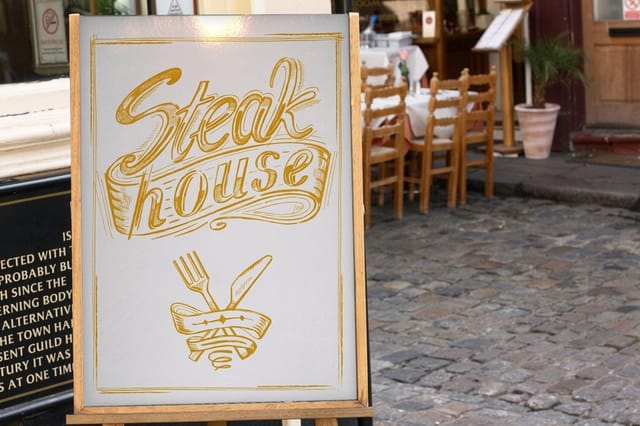
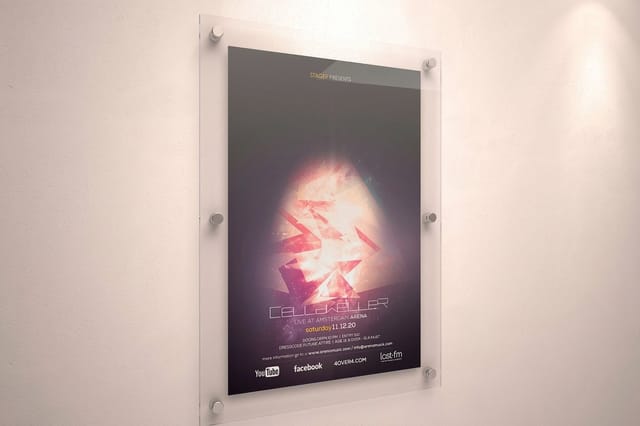
| 4. Mounted posters | Rigid mounted board, 8 in x 10 in up to 40 in x 60 in. From $39.99 | The review board that gets carried to the standup, stands on an easel and does not curl at the corners. |
| 5. Magnetic notepads | 25 sheets on a magnetic back, 4 in x 5 in up to 4 in x 9 in. From $93.37 | Checklist atoms that happen away from a desk. Sticks to the machine, the cabinet or the van door. |
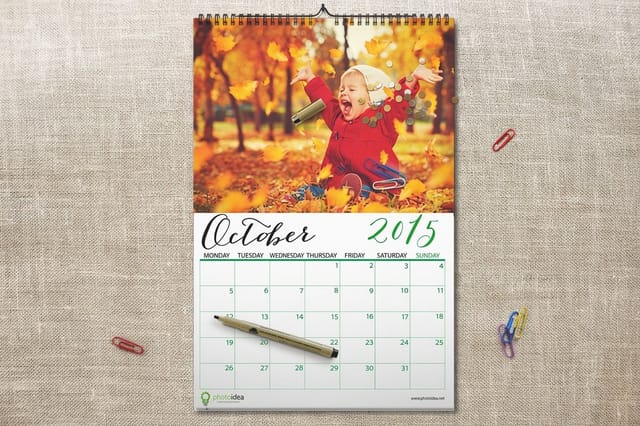
| 6. Wire-O coil calendars | 12 months, 8.5 in x 11 in up to 11 in x 17 in, 14pt cover stock. From $812.59 | The work that will not divide. Permits, lead times and print runs blocked on a month grid everybody can see. |
Start here
Get the unit right before you print anything
An atom passes three tests: one owner, one session, one artifact. If two people are needed to finish it, that is two atoms with a handoff between them. If you cannot name what exists when it is done, it is a topic and it will still be open in five weeks. Get that definition settled first, because printing a board for units nobody has defined just gives you a tidier version of the same stalled list. The tests, the batch size argument and the work in progress cap are set out in our atomic execution guide. If you are not yet sure which outcome deserves the quarter, read the simplified SWOT analysis guide first, and if the goal is to get hours back rather than ship faster, the buy back your time guide covers what to hand off.
1. Standard notepads make the atom small before anyone starts

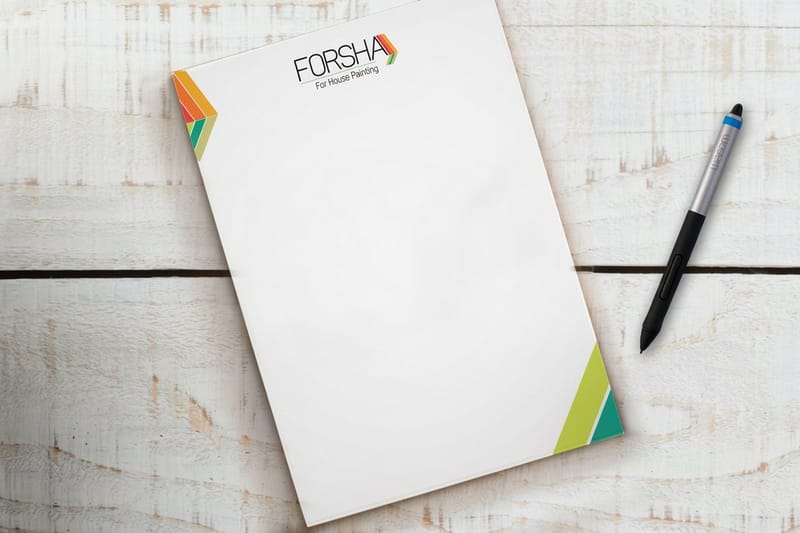
The failure that kills this method is a task list of topics. Improve onboarding sits there for five weeks because nobody can say what would exist when it is finished. A printed notepad fixes that at the cheapest possible point: print three fields at the top of every sheet, the owner, the session length, and the artifact this ends in, and a topic cannot be written down without exposing itself. Pads start at $93.37.
Sheet count is a real decision, not a preference. A 100 sheet pad is a season of work and it will still be on the counter when your process has moved on. A 50 sheet pad runs out around the time most teams want to change the fields, which is exactly when a routine should be revised. Sizes run from 4.25 in x 5.5 in, which fits a pocket and one atom, up to 9 in x 11 in for a counter pad with room for a checklist under the fields.
Here is the limit nobody mentions. A pad does not enforce anything. It will happily accept eleven atoms written by one person on a Monday, and that is precisely the state this method exists to prevent, so pair it with the board in pick two. The layout side is covered in how to design a custom notepad, and the sizes are laid out in standard notepad sizes. The thinking behind the unit itself is in our atomic execution guide.
2. Dry erase posters turn the work in progress limit into a physical slot
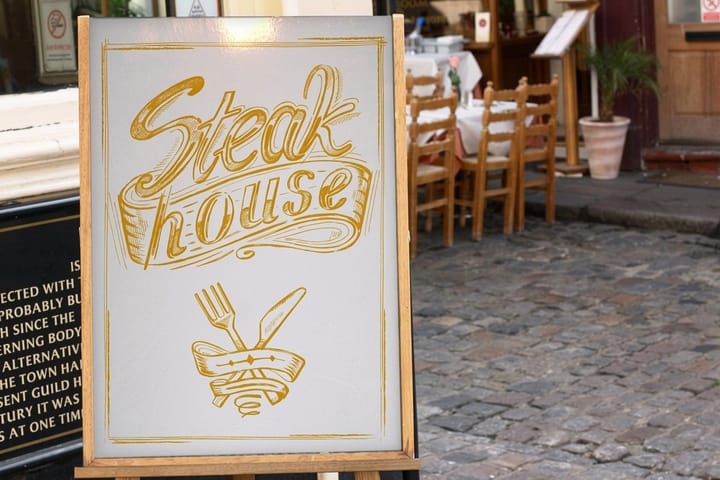
A cap of two atoms per person survives about a week as a written rule. It survives indefinitely as two drawn boxes on a wall, because a third atom has nowhere to go and everyone in the room can see where it went instead. A dry erase poster is the cheapest way to get there, from $29.
Print the structure and write the content. The lanes, the names, the two slots per person and the shipped column are part of the printed artwork, so they never drift; only the atoms are written in marker and wiped. That is the whole trick, and it is why this beats a blank whiteboard, where the grid gets redrawn slightly differently every month until the board stops meaning anything. Sizes run 11 in x 17 in for a two person team up to 48 in x 72 in for a wall the whole shop walks past.
The honest catch is ghosting. Leave marker on a wipeable surface for three weeks and it will not come off cleanly, so this piece rewards a board that gets wiped, not one that gets admired. Use dry erase markers rather than permanent, and wipe daily rather than weekly. How the coating works is explained in how dry erase printing works, and if you want the board to hold magnets as well as marker, how to choose magnetic dry erase boards covers the difference.
3. Large format posters print the plan you are not allowed to quietly edit

Digital plans have one weakness that has nothing to do with software. They can be edited at eleven at night by one person, and by Friday nobody remembers what was promised in week one. A printed large format poster cannot be edited. If the outcome changes, somebody has to say so out loud and order a new one, and that friction is the feature. Prints start at $25.
Put three things on it and nothing else: the outcome in one sentence, the atoms that lead to it in order, and the dates. Leave the daily work off entirely, because that is what the wipeable board is for. Sizes go from 11 in x 17 in for a desk wall up to 24 in x 72 in for a corridor, and the long formats suit a timeline better than a square does.
Do not print this in week zero. A plan that is still forming will be wrong within days, and reprinting weekly teaches everyone to ignore the wall. Print it once the outcome is committed, then reprint at the start of each quarter, which at $25 costs less than the hour spent arguing about a spreadsheet version. The size choice is covered in standard versus large format posters and the full dimension list is in poster sizes and dimensions. If it is going on a wall you cannot drill, read how to hang a poster damage free first.
4. Mounted posters carry the review to whichever room the team is in

Weekly review is where atomic execution either holds or quietly dies, and it dies fastest when the evidence lives on a laptop. A mounted poster is a print bonded to a rigid board, so it stands on an easel, leans against a wall, gets carried between rooms and does not curl at the corners after the third week. From $39.99.
Use it for the count that matters: atoms finished this week, atoms abandoned on purpose, and the one that keeps sliding. That last row is the useful one. A hard atom that has moved four weeks in a row is not a scheduling problem, it is usually a conversation somebody is avoiding, and it is much harder to skip past when it is printed at eye level in front of the whole team.
The trade-off is permanence. A mounted board cannot be rolled into a tube, it costs more to ship than a flat print, and changing it means reprinting rather than wiping. That makes it right for the fixed frame of the review and wrong for anything that changes weekly. Sizes run 8 in x 10 in up to 40 in x 60 in. What mounting does to a print is covered in how to print a mounted poster, and the board choice is compared in foam core versus mounted versus framed posters.
5. Magnetic notepads put the checklist where the work actually happens
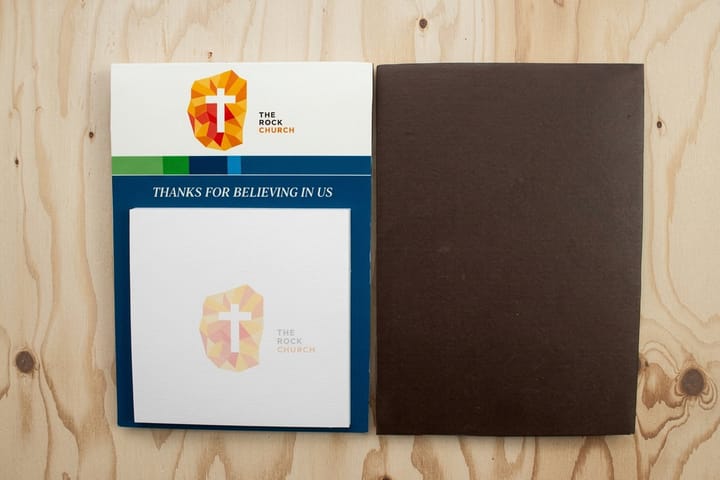
Plenty of atoms never touch a desk. Opening the shop, closing the kitchen, loading the van, resetting a machine between runs. A magnetic notepad puts the printed routine on the steel surface where the job is done, which removes the two minute walk that turns a five step routine into a three step one. Pads start at $93.37 and carry 25 sheets.
Twenty five sheets is the right number for this and not a compromise. A routine pad is torn off, marked and binned daily, so a month of sheets means the printed steps get reviewed monthly instead of being locked in for a year. Sizes run 4 in x 5 in for a short opening list up to 4 in x 9 in when the routine has ten steps and a signature line at the bottom.
One requirement people discover after ordering: the magnet needs ferrous metal. Stainless appliance doors, aluminum van panels and painted timber will not hold it, so check the surface before you buy rather than after. Where a plain pad wins and where the magnetic version earns its price is set out in notepads versus magnetic notepads, and the wider list of what a working office should keep in stock is in the office printing checklist.
6. Wire-O coil calendars hold the work that refuses to be split

Some work has a floor. A permit takes as long as it takes, a lease has a date, and a print run has a production window that no amount of splitting will shorten. Those items need a month grid rather than a task board, and a Wire-O coil calendar gives you twelve of them on a wall, printed on 14pt cover stock, in 8.5 in x 11 in through 11 in x 17 in. Runs start at $812.59.
The coil binding is the part that matters here. It lets the calendar lie flat against a wall with the current month fully open, and pages turn without tearing at the punch holes, which a stapled book does not survive when it is handled weekly for a year. Block the indivisible items first, in week one, then schedule the divisible atoms beside them rather than behind them.
Now the honest part, because the price tells you who this is for. At $812.59 a bound calendar is a run, not a single copy, so it makes sense when you are printing for a whole team or sending them to clients as a year end gift. If you need exactly one wall planner for your own office, print the quarter map poster in pick three at $25 instead and draw the blocked weeks on it. The binding options are compared in calendars versus Wire-O calendars and in the Wire-O wall calendar guide, and the run economics are in how to order bulk calendar printing.
Specs and pricing
The two you will reorder
Pads get torn off and boards get replaced when the team grows, so these are the two that come back around. Here are the live specs and the price ladders for both, straight from the configurator.


| Quantity | Price Per Unit | Total |
|---|---|---|
| 25 | $3.73 | $93.37 |
| 50 | $2.53 | $126.32 |
| 100 | $1.92 | $192.22 |
| 150 | $1.72 | $258.12 |
| 200 | $1.65 | $329.52 |
| 250 | $1.58 | $395.42 |
| 300 | $1.54 | $461.32 |
| 400 | $1.48 | $593.13 |
| Quantity | Price Per Unit | Total |
|---|---|---|
| 1 | $29.00 | $29.00 |
Wally explains the two slot rule
A cap you can see beats a cap you agreed to
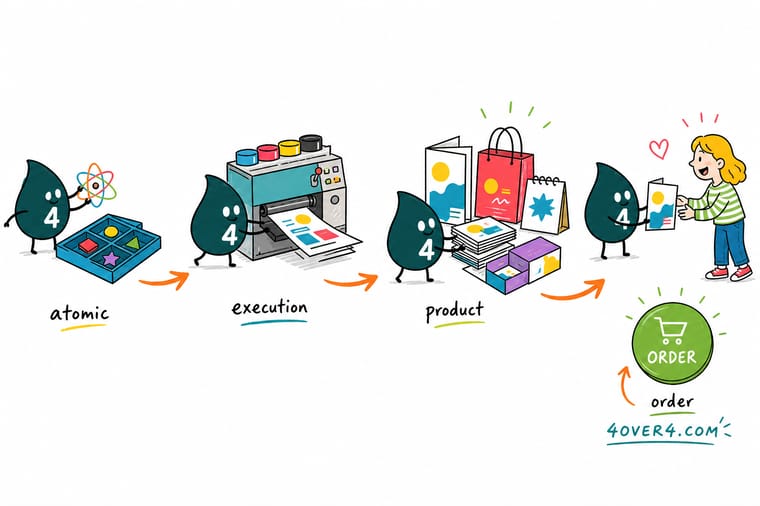
Wally writes one atom per sheet: who owns it, how long the session is, and what exists when it is done. Then he puts it in one of his two slots on the printed board. When a third job arrives it has nowhere to go, so it waits in plain sight instead of quietly joining the pile. At the end of the week the shipped column is the only thing he counts. Print the pad and the board together and the rule enforces itself.
Shop business basics printing →See it in use
Poster work from real orders







Explore more
Where to go next

By the numbers
Printing that keeps the work visible on a wall
Common Questions
Common questions about printing an atomic execution system
Which of these six should I buy first?
Buy the notepad and the dry erase poster together, because they solve the two halves of the same problem. The pad at $93.37 makes each unit small enough to finish in one session, and the board at $29 caps how many of those units a person can hold at once. Buying either one alone leaves a gap: pads without a cap produce eleven half started atoms, and a cap without a pad gives you a limit on units nobody has defined. The quarter map poster at $25 comes next, once the outcome is settled enough to be worth printing.
Why print any of this when the team already uses a task app?
Because the two surfaces get read by different people. A board on a wall is read by everyone who walks past it, including the person who was not in the meeting, while a task app is read by whoever opens it. The other difference is edit friction. A printed quarter map cannot be changed at eleven at night by one person, so a change to the plan becomes a conversation instead of a silent revision. Keep the app for detail and history, and put the cap and the commitment on the wall.
What size dry erase poster do I need for a team of five?
For five people with two slots each you want at least 24 in x 36 in, and 36 in x 48 in if you also want a shipped column and a parking lot for atoms that were deliberately dropped. Below about 24 in wide the writing gets small enough that people stop reading it from across the room, which defeats the point of putting it on a wall. Our range runs from 11 in x 17 in up to 48 in x 72 in, so measure the wall before you pick the size rather than after.
How often should the printed quarter map be reprinted?
Once a quarter, plus one reprint if the outcome genuinely changes. Reprinting more often than that trains everyone to treat the wall as a draft, and a draft on a wall carries no weight. At $25 a reprint the cost is never the reason to leave a wrong plan hanging, so the discipline is about the message rather than the money: the map changes when the commitment changes, and not because a week went badly.
What should be printed on the notepad and what should be left blank?
Print the fields that force the unit to be small: owner, session length, and the artifact that will exist when it is done. Leave the description blank, because the moment you print a list of task types people pick from the list instead of thinking. Add your phone number in the footer so a sheet torn off and handed to somebody still says who it came from. If the pad is for a specific routine such as closing or a machine reset, print the steps and leave a signature line at the bottom.
Why do the Wire-O calendars cost so much more than everything else here?
Because a bound calendar is twelve printed pages plus a cover, punched and coil bound, and the setup is paid for whether the run is small or large. That is why it starts at $812.59 while a flat poster starts at $25. It makes sense as a run for a whole team or as a client gift at year end. For a single wall planner in your own office, the poster is the right buy and the difference will fund the rest of this kit.
Can I design these myself or do I need a designer?
You can lay any of the six out in our free online designer or start from a ready made design template and drop in your grid, your names and your logo. For the board and the pad this matters more than it does for marketing print, because the value sits in the field order and the column widths rather than in the styling, and a template keeps the printed lanes square so marker writing does not drift out of the boxes.
Does a physical board work for a team that is not in one office?
Partly, and it is worth being honest about where it stops. The pad and the magnetic checklist travel fine, since they belong to one person and one routine. The wall board only works for people who walk past it, so a distributed team gets the value from the printed quarter map, which each person can hang in their own space, plus a shared digital board for the daily slots. Print the commitment, keep the daily traffic on a screen everyone can reach.
Get Started
Print the pad and the board this week
A notepad that forces every unit to name its artifact and a wipeable board that caps each person at two open atoms cost less than one stalled project week. Build the order at 4OVER4.COM and watch the price update as you set size, stock and quantity.
Legal Disclaimer
Gold Standard guarantees apply to all standard orders placed through 4over4.com. Price match requires verifiable proof of a competitor's published price for an equivalent product with matching specifications and turnaround time. Satisfaction guarantee covers manufacturing defects and print quality issues. Contact support with order number and documentation. On-time delivery rate based on tracked orders 1999 to 2026. Individual results may vary based on shipping carrier performance.
