
Atomic Execution Turns Big Goals Into Units You Can Finish This Week


How to size a unit of work so it actually finishes, how to sequence the units so the plan survives contact with reality, and the four ways this method fails in practice.
Atomic execution means breaking a goal into units small enough that one person can finish and ship one of them in a single work session. Each atom has one owner, one output, and a visible result, so nothing sits in the half-done state where it cannot be judged. The gain is not speed. It is that a wrong assumption gets caught after one week of work instead of after eight.

Quick answer
One owner, one session, one thing that exists at the end
An atom is the smallest unit of work that can be finished and judged on its own. Break the goal into outcomes, cut each outcome into atoms, cap work in progress at two per person, and ship each atom the moment it is done rather than saving them for a release. What changes is the feedback delay: eight small ships give you eight corrections, one big ship gives you one, and the effort is the same either way.
What Actually Counts as an Atom
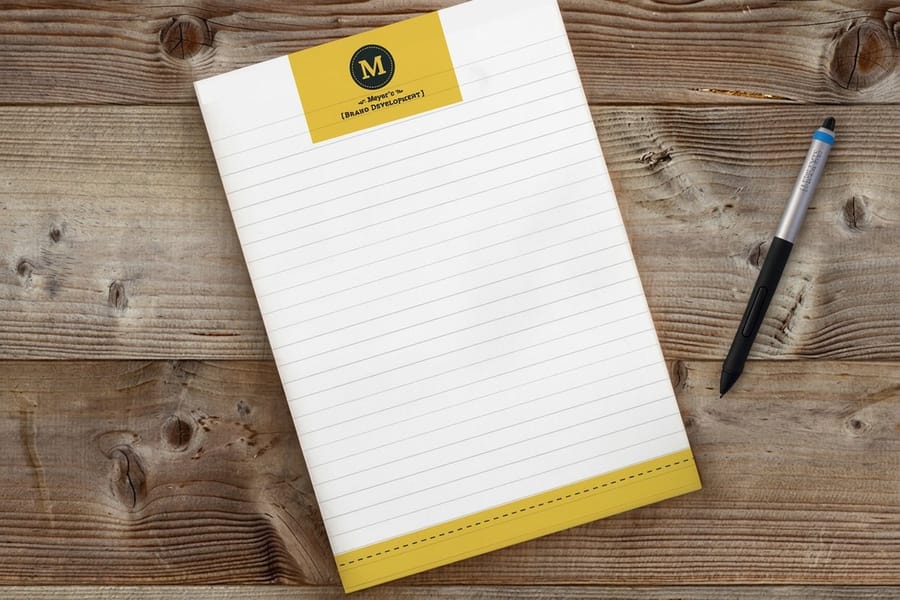
Three tests decide it, and a unit has to pass all three.
- One owner. A single named person can finish it without waiting for anyone. If two people are needed, there are two atoms and a handoff between them.
- One session. Thirty minutes to two hours, one working day at the outside. Longer than that and the work will be interrupted, put down, and picked back up at a cost.
- One artifact. Something exists afterwards that did not exist before, and you can point at it. A file, a sent message, a booked slot, a printed box on a desk.
Run those tests over a normal task list and most rows fail. Improve onboarding fails all three. Rewrite the first onboarding email and send it to the five most recent customers passes all three, and it can be done before lunch. Same intent, different size, completely different outcome by Friday.
The artifact test is the one that does the real work. It is what stops a task from being reported as almost done for three weeks, because an email is either sent or it is not. Before you break a goal down this way, be honest about which goal deserves the effort at all. A quick read on your position, the kind laid out in our simplified SWOT analysis guide, saves you from executing beautifully on the wrong thing.
Why Batch Size Decides Whether the Plan Survives

Two teams put the same eight weeks into the same project. One releases everything at the end. The other ships a piece every week. The effort is identical, and the results are not close.
The reason is feedback delay. The team that ships weekly finds out in week one that the offer confuses people, and fixes it while one week of work sits behind the mistake. The team that ships once finds out in week eight, with eight weeks of work built on top of the same misunderstanding. Discipline was never the difference. The size of the shipped unit was.
| Batch size | You learn it worked | Cost of a wrong assumption | Where it fits |
|---|---|---|---|
| One day | Same week | A few hours of rework | Copy, pricing tests, outreach, anything you can change tomorrow |
| One week | Inside the month | A week of work, one small print run | The default for most small teams and most campaigns |
| One month | End of the quarter | A month of salary and a committed spend | Work with a real setup cost, such as a physical run or a hire |
| One quarter | Often not at all | The quarter, plus the argument about whose fault it was | Almost nothing. If a plan only reveals itself at the end, cut it |
Read the third column, not the first. The question is never how fast the team is, it is how expensive it is to be wrong, and small batches make being wrong cheap. That is also why cash rhythm and execution rhythm belong on the same page: our cash flow system for small businesses covers the weekly numbers that tell you which size of bet you can carry this month.
Turning One Goal Into a Ladder of Atoms
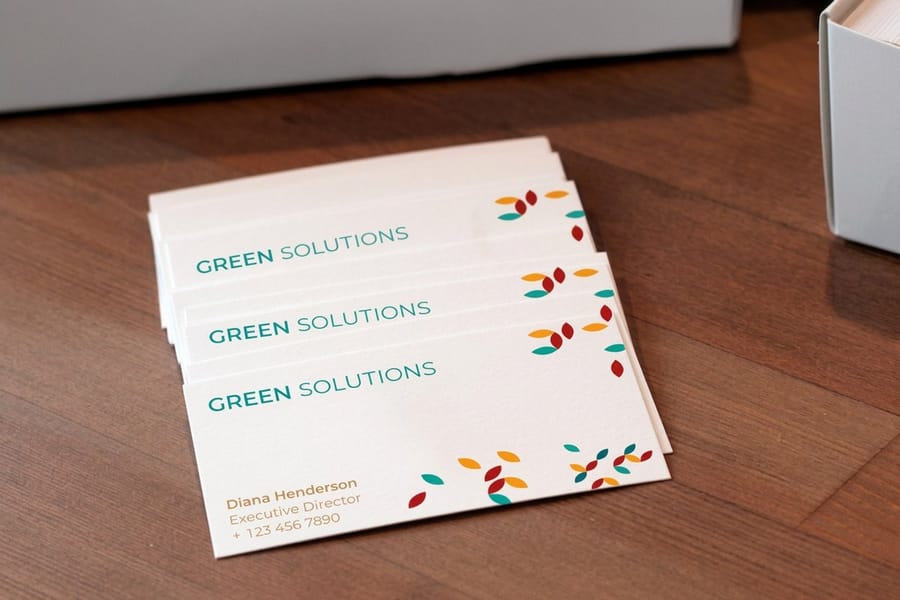
Take a real goal: a two person studio wants twenty new local clients this quarter. That is a target, not work. It becomes work through two steps down, never one.
Step one, name the outcomes. Twenty clients might come from three: fifty warm conversations at local events, a mailing to two hundred nearby businesses, and referrals from the eleven clients you already have. Three outcomes, each of which can be argued about now rather than in March.
Step two, cut each outcome into atoms. The mailing outcome is not one task. It is: pull the two hundred addresses from the county business list. Clean the duplicates. Write the offer in one paragraph. Lay it out on a 4 by 6 template. Approve the proof. Send the run. Log the replies each Monday. Seven atoms, one owner each, and every one of them finishes.
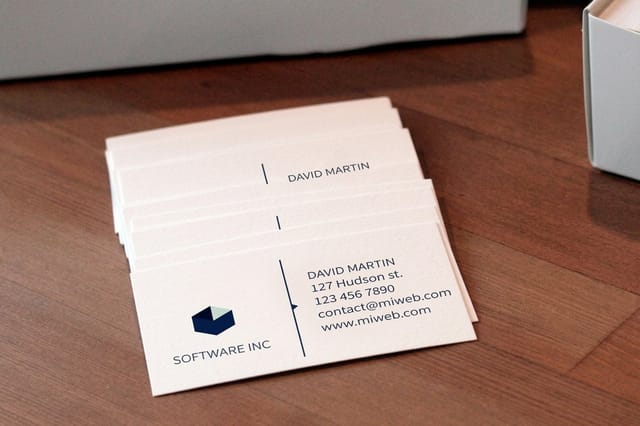
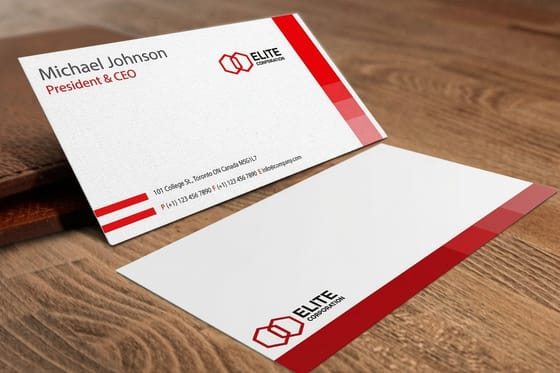
Some of those atoms end in a printed object, which is the most honest kind, because nobody can call a box of cards eighty percent done. Standard business cards start at $17.57 and cover the conversations outcome. Standard postcards start at $16.48 and carry the mailing. Standard flyers start at $39.54 for the counter drops, and standard notepads at $93.37 make a leave behind that stays on a desk for months. Browse the full set on the marketing materials page, or go straight to postcards printing when the mailing is the priority.
One caution about print atoms. They do not close in an afternoon, because a run has production days and shipping behind it. That is a scheduling fact, not a flaw: you queue them in week one precisely because their feedback comes back in days rather than minutes, and the digital atoms run beside them while the boxes are in transit.
Where Atomic Execution Breaks, and What to Do About It

Four failure modes account for nearly every version of this method that quietly dies.
Atom theater. The board fills with easy pieces while one hard atom keeps sliding to next week, and it is almost always a conversation somebody is avoiding. The method did not fail here. It drew you a map of where the project is stuck, and the fix is to schedule that atom first thing Monday, before the easy ones are available as an excuse.
Dependency chains. Atom four cannot start until atom three lands, so the team looks busy and the chain moves one link a week. Draw the chain on paper before the week starts. Anything on it gets picked up first, and anything off it can wait.
Work with a floor. Permits, leases, hiring, and print runs do not divide. A run of five hundred flyers is one unit with a quantity minimum and a production window, and no planning method shrinks it. Split what surrounds it instead, and start the indivisible piece early because it sets the calendar everything else hangs on.
Counting the wrong thing. A team that reports atoms closed will produce atoms. Report the outcome each atom served, and delete any atom that serves none. If you find yourself doing work only because it is on the list, that is the same signal covered in our guide to buying back your time: the task is not too big, it is the wrong task for you to be holding.
The Weekly Rhythm That Keeps It Running

The method needs a rhythm or it decays into a longer task list within a month. Four habits hold it together, and none of them take more than half an hour.
- Monday, pick and cap. Each person takes two atoms, in order, from the outcome that matters most. Nobody takes a third until one is finished.
- Write the definition of done next to each atom. One line, written before the work starts. Proof approved by the client counts. Proof looks fine does not.
- Friday, twenty minutes, three questions. What shipped, what did the result actually tell us, and what does that change about next week. That is the whole review.
- Keep a kill list. Atoms that survived three weeks without being picked up are not backlog, they are a decision nobody wanted to make. Delete them out loud.
The Friday review is where atomic execution earns its keep, because it is the only moment the plan can be corrected by evidence instead of opinion. If you are running this inside a services business, the same rhythm scales up through the pipeline stages laid out in our agency growth blueprint. If you are earlier than that and still deciding what to sell, creating micro products is the natural companion: a small offer is simply an atom the market is allowed to vote on.
Wally explains atomic execution
One piece, finished, out the door, then the next
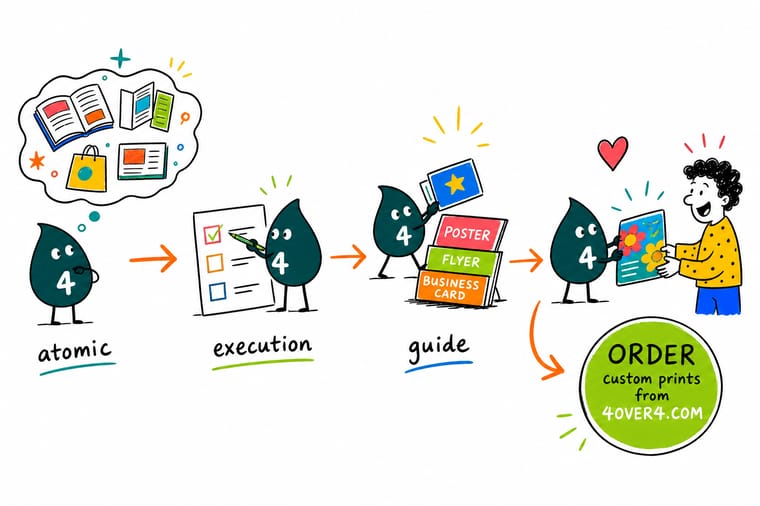
Wally takes the boulder and splits it into pieces he can carry alone. Each piece has his name on it, takes one sitting, and leaves something behind that you can point at: a proof approved, a list cleaned, a box of postcards in the mail. He never carries three at once, and he never reports a piece as nearly done. When one of his atoms ends in something printed, he queues it first, because paper needs production days and the rest of the week does not.
Shop marketing materials →Specs and pricing
The print atoms, with sizes and starting prices
When an atom ends in something physical, these are the three that come up most often in a quarter of local outreach. Sizes, options and starting prices come straight from the 4OVER4.COM configurator.



Print it
Turn this week of atoms into something you can hand over


Explore more
Where to go next




By the numbers
The printing side of your plan, handled
Common Questions
Your atomic execution questions, answered
What is atomic execution?
Atomic execution is a way of planning work in units small enough that one person can finish and ship one of them inside a single work session. Each unit has one owner, one output, and a result somebody outside the team can see. Instead of a plan that says improve onboarding, you get a plan that says write the first onboarding email and send it to the last five customers today. The point is not speed for its own sake. The point is that a finished, visible unit can be judged, and a plan made of judged units drifts far less than one made of intentions.
How small should one atom be?
Small enough to finish in one sitting, which in practice is thirty minutes to two hours, and never more than one working day. Two useful splitting tests: if the unit needs two different people to be complete, split it along that seam. If you cannot describe the artifact it produces in one short sentence, it is still a topic. There is a floor, though. Splitting past the point where the pieces become trivial creates a list that looks productive and moves nothing, which is the most common way this method goes wrong.
How is this different from running two week sprints?
A sprint is a container. Atomic execution is about the size of what goes inside it, and about shipping each item on its own rather than at the end. You can run atoms inside sprints and many teams do. The difference shows up on the last day: a sprint full of large items ends with six things at eighty percent, while a sprint full of atoms ends with eleven things finished and one abandoned on purpose. Nothing sits in the half-built state where it cannot be judged.
What do you do with work that cannot be split?
Separate the block from everything around it. A print run has a real floor: a quantity minimum plus production days, so the run itself is one indivisible unit with a lead time attached. Everything touching it does divide. Approving the artwork is an atom. Cleaning the mailing list is an atom. Proofing the address file is an atom. Start the indivisible piece first because it sets the schedule for the rest, then run the divisible atoms alongside it while it moves through production.
How do I stop this from becoming busywork?
Judge outcomes, never the count of closed atoms. Every atom on the board names the outcome it serves, and an atom that serves none gets deleted rather than done. Watch for one specific pattern: the list fills with easy pieces while the one hard atom, usually a conversation somebody does not want to have, keeps sliding to next week. When that happens the method is not failing, it is showing you exactly where the project is actually stuck.
How many atoms should one person carry at once?
Two, with a third only while a first is genuinely blocked and waiting on somebody else. The reason is simple queue behavior: the more items in progress, the longer each one takes to come out the other end, because attention gets split and every unfinished item needs to be picked back up. A person with seven open atoms is not working seven times as fast. They are paying the pick-up cost seven times a day.
Get Started
25 notepads cost $93.37 on 70# uncoated text
Pick the size, upload the layout, and we produce cards, postcards, flyers and notepads on a schedule you can plan the rest of the week around.
Legal Disclaimer
Gold Standard guarantees apply to all standard orders placed through 4over4.com. Price match requires verifiable proof of a competitor's published price for an equivalent product with matching specifications and turnaround time. Satisfaction guarantee covers manufacturing defects and print quality issues. Contact support with order number and documentation. On-time delivery rate based on tracked orders 1999 to 2026. Individual results may vary based on shipping carrier performance.
