
The Office Printing Checklist Every Business Should Reorder in Bulk


Six items, the spec to lock on each one, and the reorder rhythm that keeps an office stocked without a pallet of scrap paper in the store cupboard.
An office reorders six printed items forever: letterhead, envelopes, business cards, notepads, pocket folders and carbonless forms. Buying them in bulk off one locked artwork set is cheaper per piece because press setup is charged per order rather than per sheet. The split that matters is cycle length: brand-only stock can run a year ahead, while anything carrying a person's name or a phone number should not.
Quick answer
Six items, two cycle lengths, one artwork set
Stock letterhead, envelopes, business cards, notepads, pocket folders and carbonless forms, and reorder them from one locked file. Setup is charged per order, so a single large run beats four small ones on identical artwork. Split the list by how fast the printed detail goes stale: folders and forms carry nothing that changes and can run a year ahead, while cards and anything with a direct phone line should stay on a short cycle. Then order while the shelf still covers your lead time plus about two weeks.
The Recurring Office Print Stack
An office prints a lot of things once and six things forever. The six are the stack, and they are the only items that belong on a reorder schedule.
| Item | What it is for | Spec to lock | Typical cycle | Starts at |
|---|---|---|---|---|
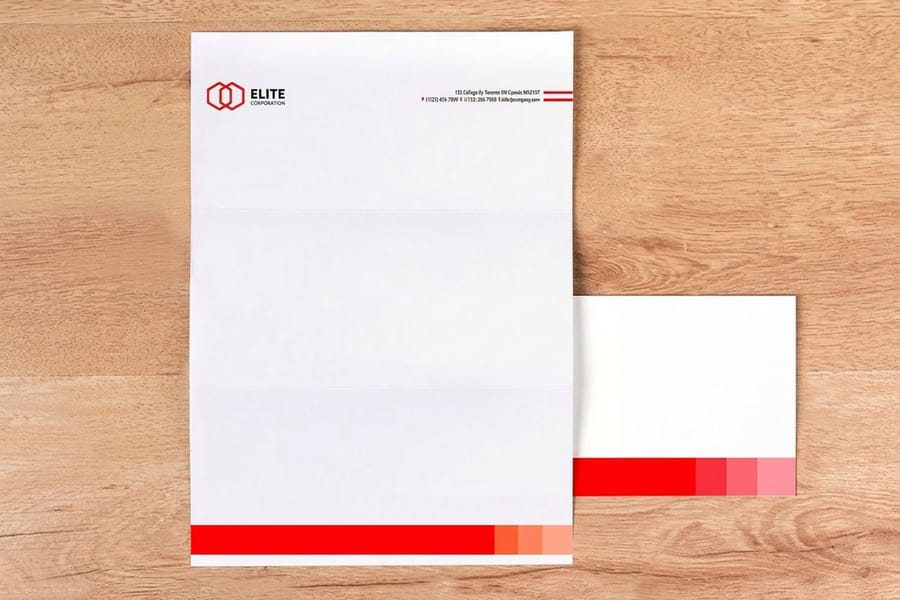
| Letterhead | Contracts, quotes, signed correspondence. | Uncoated text stock, flat finish, printer-safe margins. | Every 6 months | $99.95 |
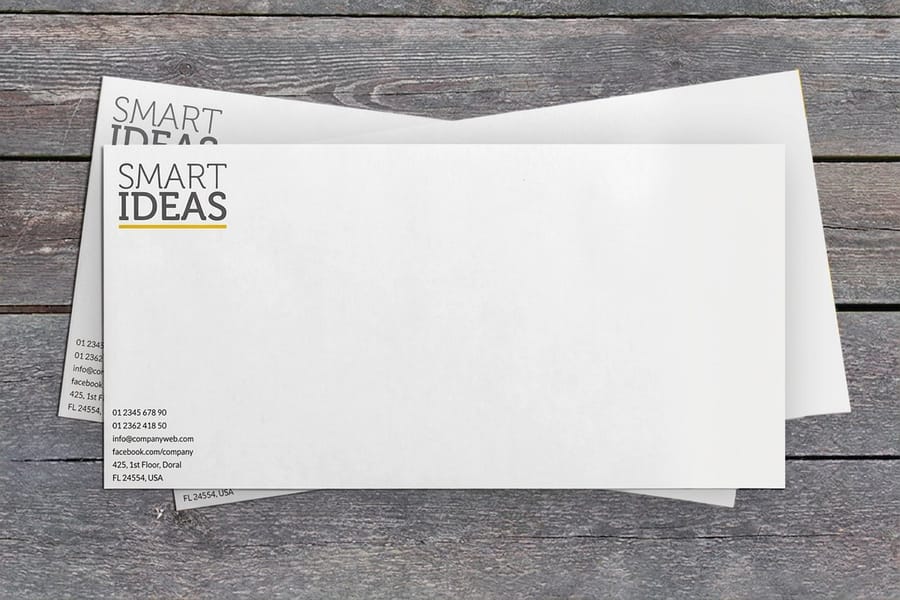
| Printed envelopes | Everything the letterhead goes into. | Size, window or no window, return address position. | Every 6 months | $142.99 |
| Business cards | Every meeting, counter and conference. | 3.5 by 2 inches, stock weight, finish. | Every 3 months | $17.57 |
| Notepads | Desks, meeting rooms, reception. | Pad size and sheets per pad. | Every 6 months | $93.37 |
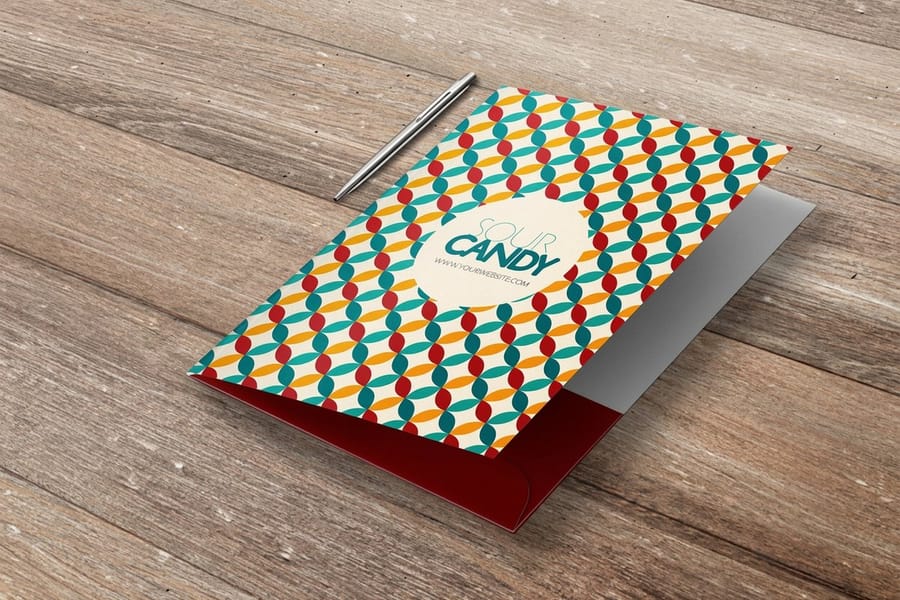
| Pocket folders | Proposals, onboarding packs, hand-offs. | Pocket depth, card slit, folder size. | Once a year | $844.54 |
| Carbonless forms | Work orders, invoices, delivery receipts. | Ply count, ply color order, numbering. | Once a year | $120.82 |
Read the cycle column next to the price column. Pocket folders carry the highest entry price on the list, which is exactly why they are an annual purchase and why nothing dated should ever be printed on one. Business cards sit at the other end: cheap enough to reprint whenever somebody joins, which is the only reason a card is worth personalising at all.
Two items get left off most checklists and then get ordered in a panic. Mailing labels, if you ship anything regularly. Appointment or reminder cards, if clients book ahead. Add them to the list if they apply, and leave everything else, the event banners and the seasonal flyers, off it. Project work does not belong on a reorder schedule.
The Specs That Ruin a Reorder
Most office stationery problems are not print problems. They are specification problems that only show up after the boxes arrive.
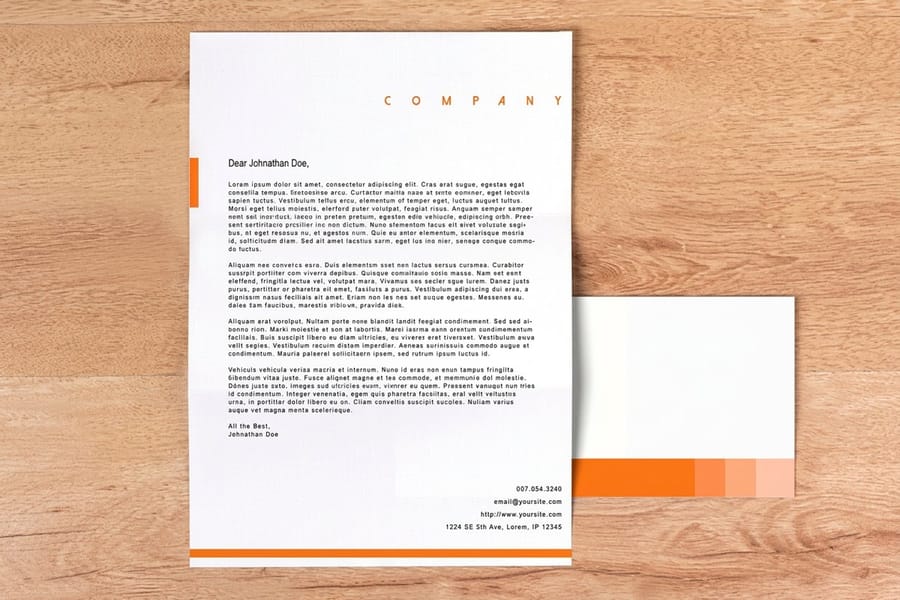
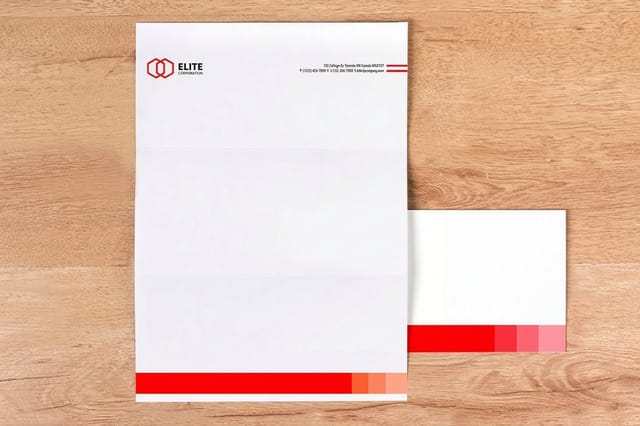
Letterhead has to survive your own printer. The sheet gets fed through a laser printer in the office, and a laser fuser runs hot. Coated stock can scuff or lift under that heat, and raised finishes soften and mark the roller. Order letterhead uncoated and flat, keep at least a quarter inch of clear margin where your printer grips the sheet, and check that your letter template does not drop body text on top of the printed logo. If you want something richer for hand-signed letters, run that as a small separate batch. Our letterhead printing guide works through the layout end of it.
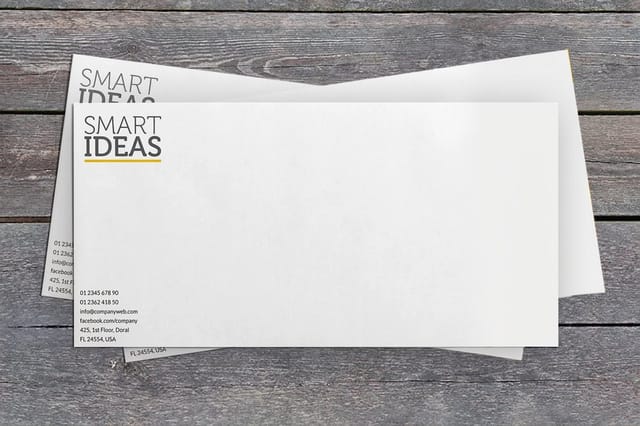
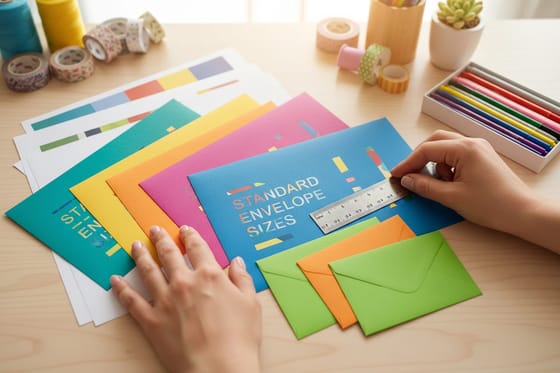
Envelope windows are not negotiable. The window sits in a fixed position, so the address block in your letter template has to line up with it after the sheet is folded. Get that wrong and every letter needs hand-checking. Decide window or no window before you order, not after, and confirm the size against the envelope size guide so the folded sheet actually fits. Envelope printing lists the sizes we run.
Carbonless forms are decided at order time. Ply count, the color order of those plies, and sequential numbering all happen during production. Numbering cannot be added to a finished pad, and a two-part set cannot become three-part later. Write the ply order down the way you want to read it: customer copy on top, file copy beneath.
Notepads are priced by pad, not by sheet. A pad of 25 and a pad of 50 look identical in a photo and land very differently in a budget. Fix the sheet count before you compare quotes.
How to Reorder the Whole Stack in Bulk
Bulk buying works because press setup is charged per order, not per sheet. Print the same file four times a year and you pay for that setup four times. Print it once and the per-piece price falls as the run grows, which is the whole mechanism behind the quantity breaks explained in our guide to how price breaks work.
The saving evaporates the moment the file changes between runs, so the discipline is boring and worth it:
- Lock one artwork set. One print-ready PDF per item, stored somewhere shared, with the version in the filename. Reorder from that file, never from a fresh export.
- Write down the full spec. Product, size, stock and weight, ink, coating, quantity, order number. That record is what makes batch two match batch one.
- Count real usage. Take what you consumed last quarter, scale it to the cycle length, add a modest buffer. Guessing high wastes cash, guessing low costs rush fees.
- Stagger the cycles. Order brand-only items for a year and name-carrying items for six months, so one staff change does not scrap a pallet.
- Set a reorder trigger. Order when the shelf still holds your production and shipping window plus roughly two weeks. That buffer is cheaper than expedited anything.
Group the items you can. Putting letterhead and envelopes on one order keeps the ink match consistent between the two, which is far harder to achieve when they are printed months apart. If you are starting from scratch rather than reordering, the branded stationery set guide covers designing the pieces as one family, and the blank template library gives you correctly sized layouts to build on. New to ordering online at all, our walkthrough of how online printing works covers the file handoff and turnaround.
What Not to Buy a Year of
Bulk pricing pushes you toward the biggest run you can justify, and that is the trap. Every printed sheet carries an expiry date somewhere on it, and the cheapest carton in the world is worthless once the number on it is wrong.
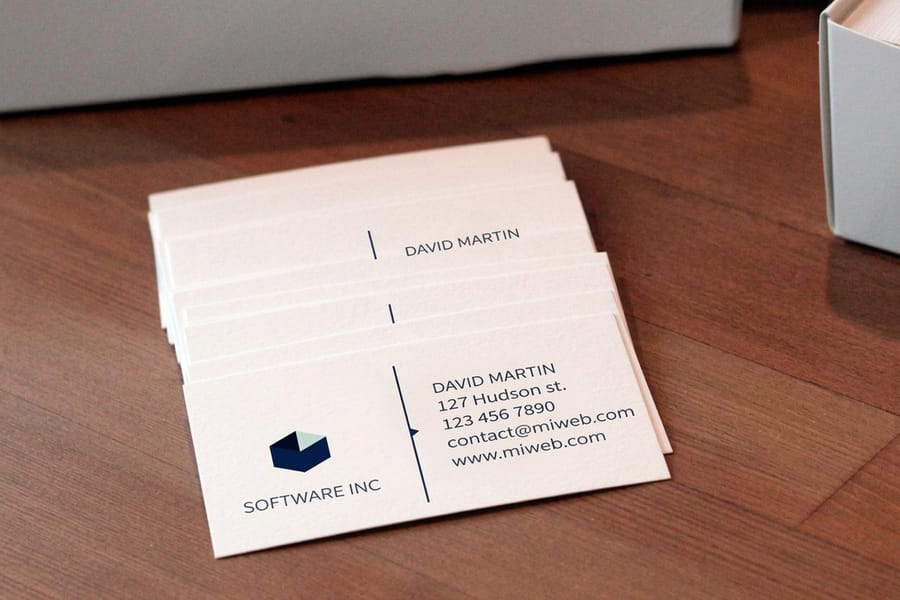
Anything with a person's name and direct line has the shortest life, because staff move. Cards are cheap enough that this rarely hurts: standard business cards start at $17.57, so a quarterly run per person is a rounding error. What does hurt is a year of letterhead ordered the month before an office move, or a pallet of folders printed with a price list inside.
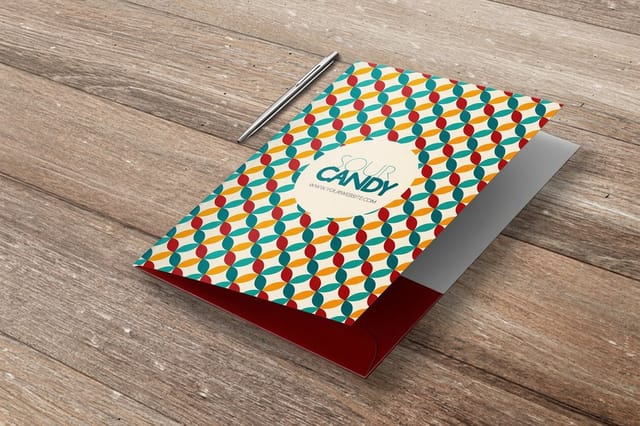
Three rules keep the waste down. Never print a price, a date or a promotion on an item you buy annually. Keep addresses and phone numbers off anything you cannot reprint quickly if they change. And keep the folder inserts loose, so a pocket folder stays a brand-only shell that lasts years while the sheets inside get updated whenever you like. That single split is why presentation folder printing works as an annual buy at all.
The other quiet cost is storage. Paper needs somewhere dry and flat, and cartons stacked in a damp corner curl at the edges, which is exactly the kind of sheet that jams an office printer. If you do not have the shelf space for a year of stock, order six months and treat the small extra unit cost as rent you did not pay.
Wally does the stock count
Six shelves, two clocks, one file
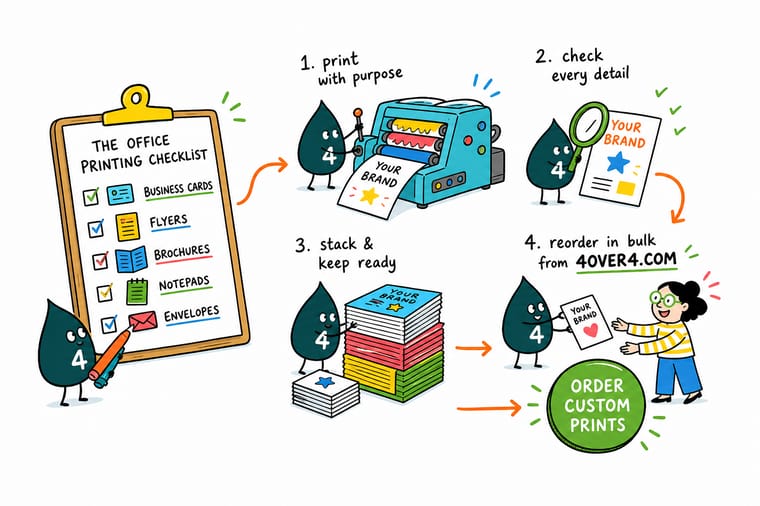
Wally counts what the office burned last quarter, doubles it for the cycle, and writes the order. Folders and forms go on the long clock because nothing on them can change. Cards and letterhead go on the short clock because names and numbers do. He reorders from the same PDF that printed the batch on the shelf, never a fresh export, and he places the order while there is still enough stock to cover production, shipping and a couple of spare weeks.
Order office letterhead →Specs and pricing
Sizes, stocks and starting prices for the core stack
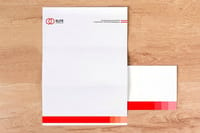
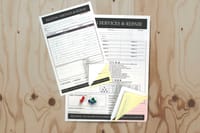
Letterhead, envelopes and carbonless forms side by side, with live configuration choices and starting prices straight from the 4OVER4.COM configurator.

Print it
Restock the office in one order
Explore more
Where to go next


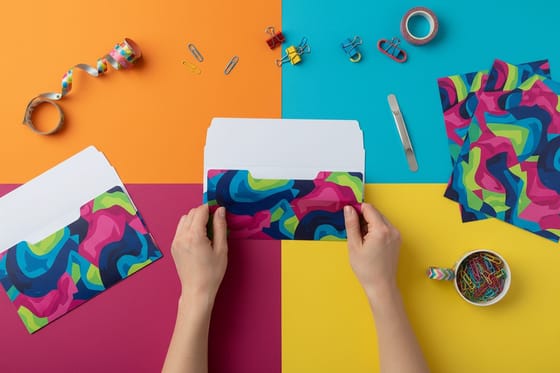
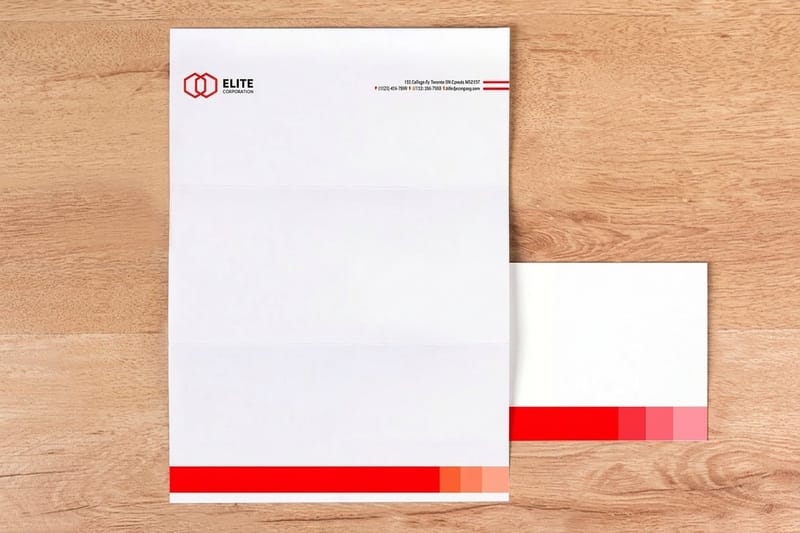
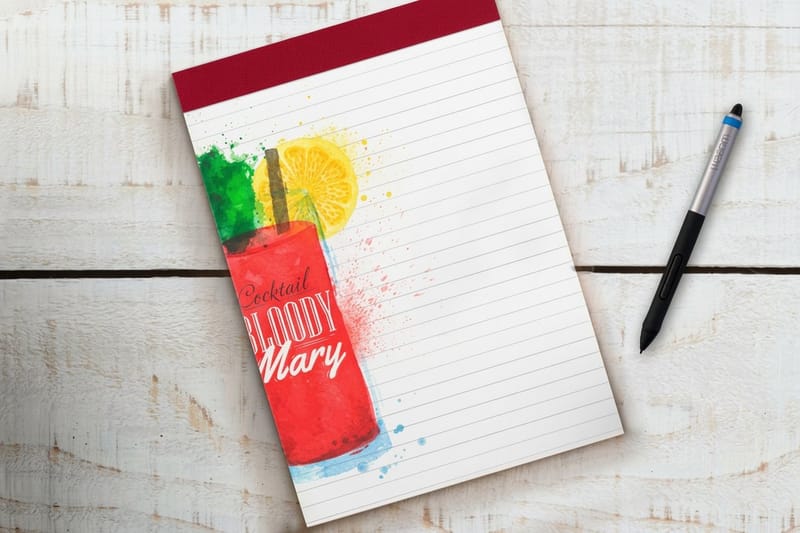
By the numbers
Letterheads, envelopes, forms and folders
Common Questions
Your office printing questions, answered
What should be on an office printing checklist?
Six recurring items cover most offices: letterhead, printed envelopes, business cards, notepads, presentation folders and carbonless forms. Add mailing labels if you ship, and appointment or reminder cards if clients book ahead. Everything beyond that list is project work rather than stock, so it does not belong on a reorder schedule at all. Write the list once with the exact size, stock, ink and quantity of each item, and the next reorder becomes a two minute job instead of a research project.
How much letterhead should I order at a time?
Order roughly six months of use, and count real usage rather than guessing. Pull the number of sheets you actually consumed over the last quarter, double it, then add a small buffer for the letters nobody plans. Standard Letterheads start at $99.95 at 4OVER4.COM, and the price per sheet keeps dropping as the run grows, so a year is usually cheaper per sheet than two half-year runs. The reason to stop at six months anyway is change: a new suite number or a new phone system turns the whole carton into scrap paper.
Can I run pre-printed letterhead through our office laser printer?
Usually yes, if you order it uncoated and flat. The fuser in a laser printer runs hot, and heat is what makes coated sheets scuff and raised finishes soften and transfer onto the roller. Uncoated text stock takes toner cleanly and feeds without curling. If you want a raised or foiled letterhead for signed correspondence, order that as a separate short run for hand-signed letters and keep a plain uncoated version for everyday printing.
Do carbonless forms have to be numbered?
No, but numbering has to be decided before the job prints, because the numbers are applied during production and cannot be added to finished pads afterwards. Decide three things at order time: the number of plies, the color order of those plies, and whether you want sequential numbering with a starting number. Two-part sets suit a customer copy plus a file copy. Three-part sets add a copy for the office. Carbonless Forms start at $120.82, and the ply count moves that figure more than the quantity does.
Is it actually cheaper to print a year of stationery at once?
On unit price, yes, because press setup and plating are charged per order rather than per sheet, and the quantity breaks keep working in your favour. The catch is cash and shelf life. A year of stock ties up money and takes real storage space, and any change of address, phone number or staff member turns the remainder into waste. The practical answer for most offices is a year of brand-only items and six months of anything with a name on it.
What do I need to keep so the reorder matches exactly?
Keep the print-ready PDF, the exact product and size you ordered, the stock and weight, the ink and coating, the quantity, and the order number. A color target from the last delivery helps too. Reorders drift when someone re-exports the file from a design app with different settings, so the safest habit is to reorder from the same file that produced the batch on the shelf, not from a fresh export.
Get Started
Carbonless forms run 100 for $120.82, folders 250 for $844.54
Set the size, stock and quantity once, keep the file, and reorder the whole office stack from the same artwork every cycle.
Legal Disclaimer
Gold Standard guarantees apply to all standard orders placed through 4over4.com. Price match requires verifiable proof of a competitor's published price for an equivalent product with matching specifications and turnaround time. Satisfaction guarantee covers manufacturing defects and print quality issues. Contact support with order number and documentation. On-time delivery rate based on tracked orders 1999 to 2026. Individual results may vary based on shipping carrier performance.
