
Product Certification Marks for Packaging and What Each One Means


A working reference to the seals on food, beauty and shipping packaging: what each one certifies, who issues it, whether you legally need it, and where it belongs on the panel.
A certification mark on packaging is a trademark owned by a certifying body, and you may only print it after that body audits you and licenses the artwork. The USDA Organic seal, the Non-GMO Project butterfly, Leaping Bunny, FSC and BPI Compostable all require an application, an audit and usually a license code printed beside the mark. Two of the most common symbols are not certifications at all: the numbered resin triangle only names the plastic, and the plain chasing-arrows loop is a recyclability claim you make yourself. The Proposition 65 warning and the CE mark have no issuer either, because you apply those to your own product.

Quick answer
Licensed seals, self-applied warnings, and symbols that certify nothing
Sort every symbol on your artwork into three piles before you send the file. Licensed seals such as USDA Organic, Non-GMO Project Verified, GFCO, the kosher agency marks, Leaping Bunny, COSMOS, FSC and BPI need an audit, a signed agreement and artwork issued by the certifier. Self-applied regulatory marks such as the Proposition 65 warning, CE, UKCA and the WEEE bin have no issuer, so you decide they apply and you carry the risk. The third pile certifies nothing: the numbered resin triangle identifies a polymer, the plain chasing-arrows loop is your own claim under the FTC Green Guides, and the Green Dot only shows a recovery fee was paid in Europe.
A Certification Mark Is a License Before It Is Artwork

Every seal in this guide is a registered trademark belonging to the organization that issues it. The sequence runs the same way each time: you apply, an auditor reviews your ingredients or your suppliers or your mill records, you sign a license agreement, and only then does the certifier send you the artwork. Skipping ahead to the artwork is what costs brands money.
What comes with the artwork matters as much as the artwork. Each program publishes a usage manual that fixes the minimum reproduction size, the clear space around the mark, the permitted color versions, whether a license number has to sit beside it, and sometimes which panel it may appear on. Those rules are enforceable. A seal reproduced at half the stated minimum is out of compliance even though the product behind it is perfectly certified.
One failure turns up on incoming print files more than any other, and it costs nothing to avoid: a seal pulled off a search results page at 72 dpi, dropped into the layout, and sent to press. It prints soft and jagged beside sharp vector type, and it is infringement on top of that. Ask your certifier for the vector EPS or AI file, then place it without recoloring or stretching it.
Plan the schedule around the audit rather than the print run. Certification can take weeks or months, artwork approval adds another round, and a label revision after approval means a new proof. If you are still shaping the design while the paperwork moves, our art director interview on product label design covers where to leave room, and premium packaging labels start at $29.16 so a short revised run is cheap insurance.
Food and Beverage Marks and When You Actually Need One
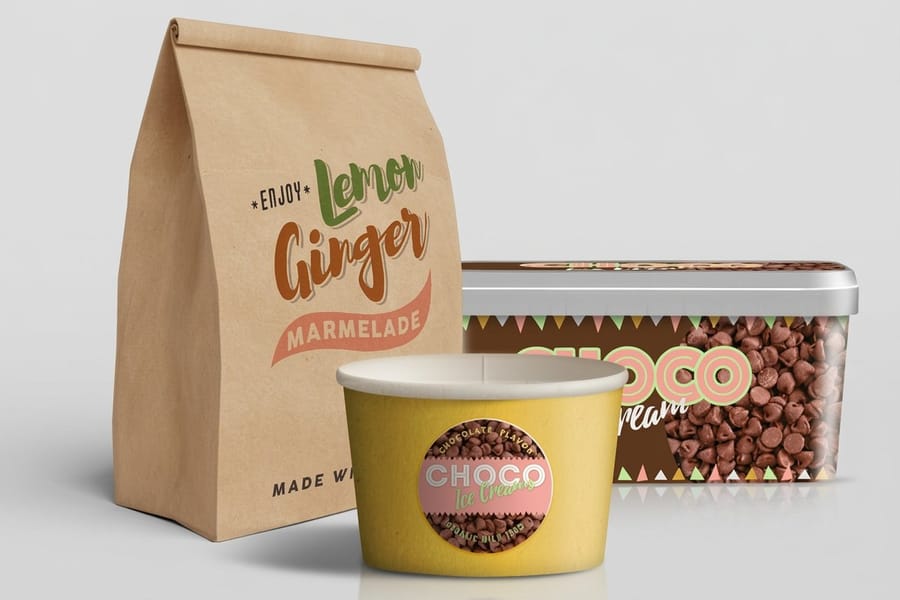
Food carries the densest cluster of marks, and most of them are optional trust signals rather than legal requirements. The exception is the certifier statement that has to accompany an organic claim.
| Mark | What it certifies | Who issues it | When you need it |
|---|---|---|---|
| USDA Organic | At least 95 percent organic ingredients under the National Organic Program. | A USDA-accredited certifying agent. | Any time you want the seal. Very small operations may call a product organic without certifying, but they still may not print the seal. |
| Non-GMO Project Verified | Inputs traced and tested against the Project standard, with a 0.9 percent action threshold on high-risk crops. | The Non-GMO Project, through a technical administrator. | Optional. It is the butterfly shoppers look for when the category has a GMO version. |
| Fair Trade | Producer price floors, premiums and labour standards along the supply chain. | Fair Trade USA and Fairtrade International run separate schemes with different marks. | Optional, and pick one. The two marks are not interchangeable and neither license covers the other. |
| Certified Gluten-Free | Finished product at or below 10 parts per million of gluten. | GFCO and a handful of other certifiers. | Only if you want the seal. The plain words gluten free are allowed under the FDA rule at under 20 ppm without any certifier. |
| Kosher | Ingredients, equipment and process reviewed by a rabbinic agency. | OU, OK, Star-K, Kof-K and other agencies, each owning its own symbol. | Optional, but it is a gate for a real slice of the grocery market. The suffix letters are part of the mark. |
| Halal | Ingredients, slaughter and handling reviewed against Islamic dietary law. | IFANCA and other halal certifiers. | Optional, and required in practice for export to several markets. |
The kosher suffix letters carry as much meaning as the symbol itself. A D beside the agency mark means the product is dairy, DE means it was made on dairy equipment though it contains none, and P means Passover, while pareve is spelled out in full. Set the wrong letter on a printed carton and the run comes back.
One line to strike from every food layout: FDA approved. The agency does not approve foods, supplements or cosmetics, it has no consumer logo, and using its seal to suggest endorsement is a violation by itself. The full panel requirements sit in our FDA food labeling guide, the panel maths is in how to create a nutrition label, and alcohol runs on its own track, covered in beer labeling and compliance. When the artwork is settled, premium food labels print from $29.16 in sheet form.
Cosmetics and Personal Care Marks, Including Two That Look Alike

Beauty buyers read seals faster than ingredient lists, which is why this category has the most lookalike marks. Two of them sit side by side on shelves and mean genuinely different things.
Leaping Bunny is the Cruelty Free International standard. You commit to a fixed cut-off date after which no animal testing occurred, you collect written declarations from every supplier down the chain, you agree to be audited, and you renew annually. It certifies the company and its brand, not one item in the range.
PETA Beauty Without Bunnies works from a signed statement of assurance given by the company, with no supplier audit built into it. Both programs publish their own criteria, and the gap between them explains why one takes months and the other takes weeks. If your marketing leans on cruelty-free positioning, know which of the two you bought.
Vegan marks split the same way. The Vegan Society trademark and Vegan Action Certified Vegan logo are separate trademarks with separate applications, and neither one certifies anything about animal testing. A product can be vegan and still tested, or cruelty free and still contain beeswax.
ECOCERT is a certifier rather than a mark, and what appears on your carton is usually a COSMOS label. COSMOS ORGANIC and COSMOS NATURAL are different tiers with different ingredient thresholds, and the certifier name has to be printed with the label so a shopper can tell who stood behind it.
The practical problem in this category is scale. Four seals on a 2 by 3 inch bottle label leave each one a few millimetres tall. Keep them vector, keep them above the published minimum, and do not reverse a fine seal out of a busy photographic background where it disappears. Clear or waterproof stock helps a small mark stay legible after the bottle gets wet, which is why premium health and beauty labels start from $29.16 with those material choices. Regulated categories run stricter still, and child-resistant packaging rules for cannabis show how far state law can push the layout.
Recycling and Sustainability Symbols, and the Three That Fool People
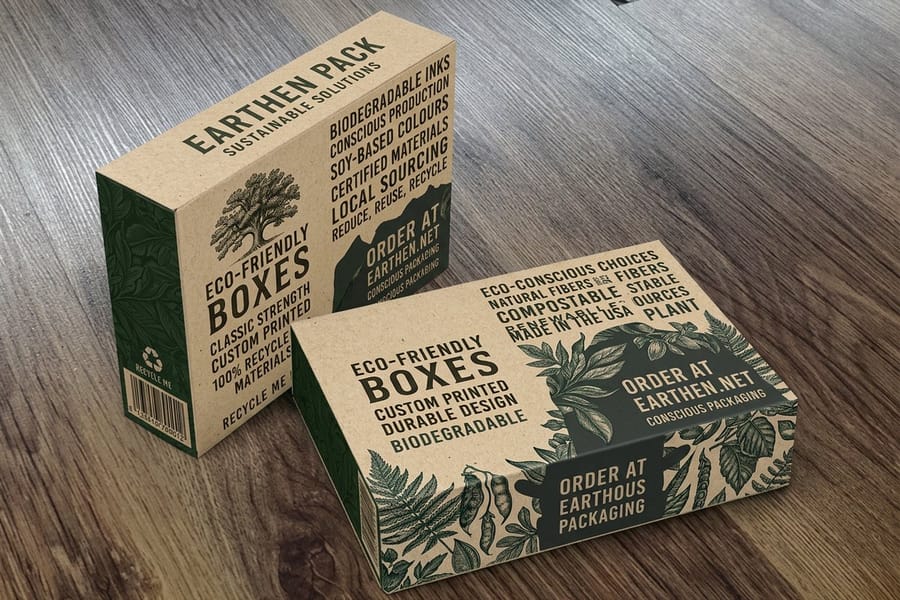
Three of the symbols in this group get printed as though someone had certified them. Nobody did, and the FTC Green Guides govern what you may claim instead.
- The plain Mobius loop. The three chasing arrows on their own are a recyclability claim you are making, not one anyone granted you. Under the FTC Green Guides an unqualified recyclable claim needs recycling facilities available to a substantial majority of consumers where the product is sold. If that is not true, the claim has to be qualified.
- The Mobius loop with a percentage inside. Different meaning entirely: it states recycled content, and the number has to be accurate for the component it sits on.
- The Green Dot. It means the producer paid into a European packaging recovery scheme. It says nothing at all about whether your package is recyclable, and printing it in a market where you hold no license is a fee dispute waiting to happen.
The genuine certifications in this group are narrower and harder. BPI certifies compostable packaging against ASTM D6400 and D6868 for industrial composting, while TUV Austria issues the OK compost marks and separates home composting from industrial. A bag certified for an industrial facility does not break down in a garden bin, and several states now restrict how the word compostable and even green tinting may be used on packaging.
Paper carries the certifications most print buyers meet first. FSC, PEFC and SFI trace fibre through a chain of custody, and the license code printed under the mark belongs to the certificate holder who made the physical package. That is the converter or the printer, not the brand, so ask for the code before you place the mark in a dieline.
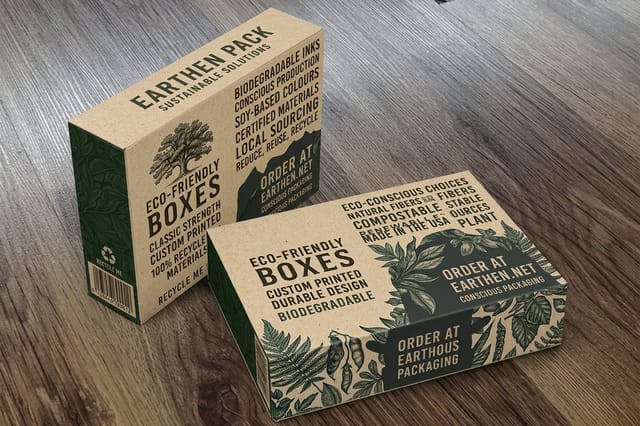
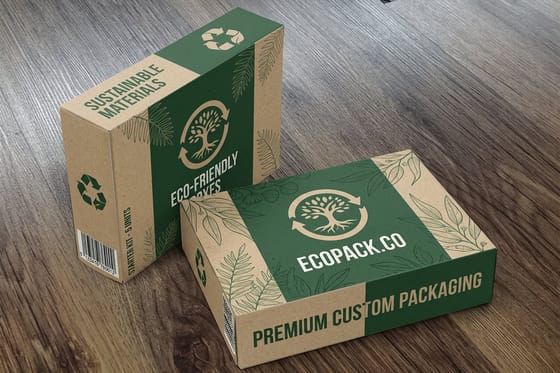
Recycled and unbleached stocks make these claims easier to support because the material carries the story. Eco friendly boxes and custom kraft boxes both start at $711.78 for a full custom run, and the wider eco friendly printing collection lists everything we run on recycled substrates. For what a printer can honestly claim on your behalf, read what sustainable printing means.
Regulatory Marks You Apply to Yourself
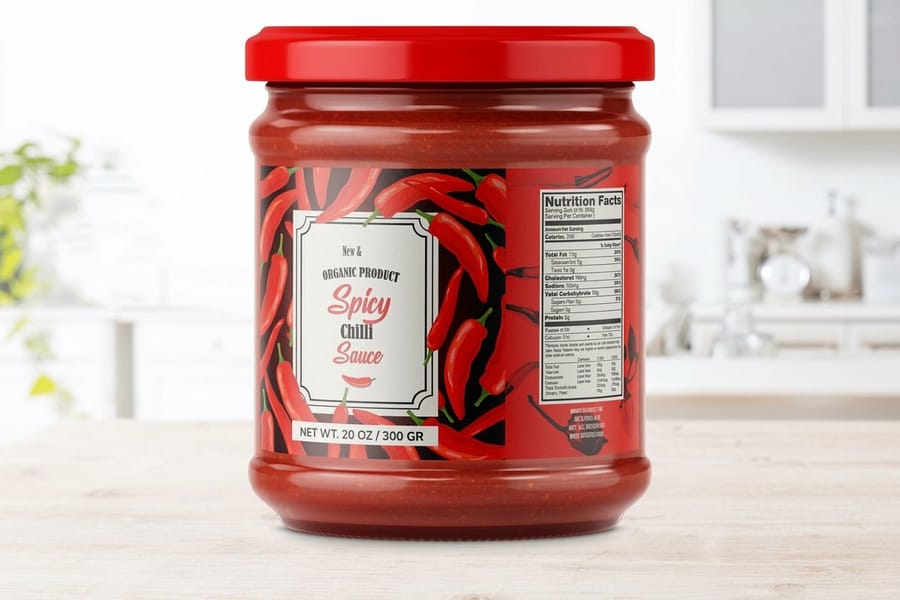
The marks in this group have no certifier at all. You determine that they apply, you print them, and you carry the liability if you got it wrong.
California Proposition 65. If your product can expose a person in California to a listed chemical above the safe harbour level, the package needs a warning. The long form uses the black triangle with an exclamation point, the word WARNING, at least one named chemical, and the P65Warnings.ca.gov address. A short form exists for small packages, and the rules around it have been amended to require a chemical name with a phase-in period, so confirm the current text before committing to a long run rather than copying a competitor. Type size is not a design choice either: the warning has to be no smaller than the largest type used for other consumer information on the package, and never below 6 point.
CE marking. American brands print this one by mistake more than any other. It says nothing about quality and it has no place on food. It is the manufacturer declaring that a product in a regulated EU category, such as toys, electronics, machinery or personal protective equipment, meets the applicable directives. You keep the technical file, you draw up the declaration of conformity, and you print the mark at a minimum height of 5 mm with its proportions intact. Great Britain now uses its own UKCA mark for the same purpose.
The crossed-out wheeled bin. This is the WEEE mark for electrical and electronic equipment sold in the EU, and it tells the buyer the item must not go in household waste. The solid bar beneath the bin indicates the product was placed on the market after the directive took effect.
The estimated sign. The small e beside a net quantity is an EU declaration that the batch meets the average-fill rules. It is not decoration and it is not available to you unless your filling process is controlled to that standard.
Warnings live or die on legibility rather than beauty, and the rules for contrast, signal words and pictograms are set out in our guide to designing compliant warning labels. For plant and equipment marking that has to survive solvents and abrasion, see custom industrial labels.
How to Place Marks So They Survive the Print Run
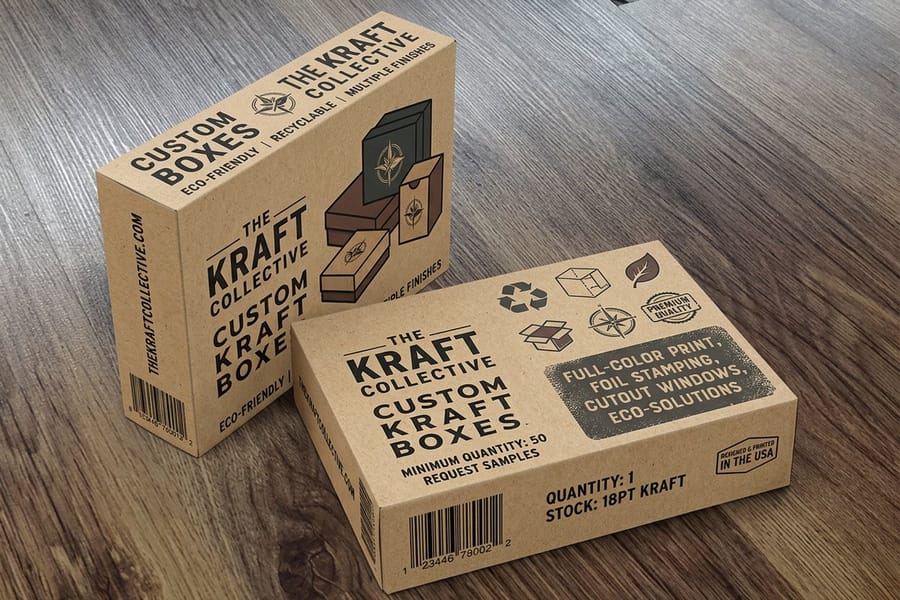
A correctly licensed seal can still fail on press. Most of the ways it fails are geometric, and all of them show up on a proof if you look for them.
Choose the panel first. The seals that sell go on the principal display panel. The paperwork that supports them goes on the information panel: the certifying agent name beside an organic claim, the recycling instructions, the contact details. The resin code belongs on the base of a container where a sorter will look for it. The Proposition 65 warning has to be readable before purchase, so it cannot hide under a flap, inside a carton or on the underside of a shrink sleeve.
Check the geometry next. Keep every mark at least an eighth of an inch clear of a trim edge, a fold score and any die-cut on a label. A seal that straddles a score cracks along the fold on the first flex and looks counterfeit. A seal that runs onto a glue flap ends up half hidden inside the assembled box. The diagram above shows the three zones and the score lines the marks have to stay off.
Take the color version they give you. Most programs publish a one-color black and a knockout white beside the full-color version, and you are expected to use them rather than invent your own. On brown kraft, use the white knockout: unbleached board pulls a green seal muddy and a light tint disappears into the fibre. On a clear label the white version needs a white underprint or it will show the product through it.
Proof it at size before you approve. A mark specified at 5 mm looks fine on a monitor at 400 percent and illegible on the shelf. Print the artwork at 100 percent on paper before you approve it, and if the run is large, order a physical sample. Start from a correctly built dieline in the blank template library, check the material choices in packaging materials, boxes, tape and labels, and if you are still deciding on the structure itself, the nine types of packaging compares the formats. Everything ready to print sits in packaging printing and label printing.
Wally sorts the seals
Three piles, and only one of them needs an auditor
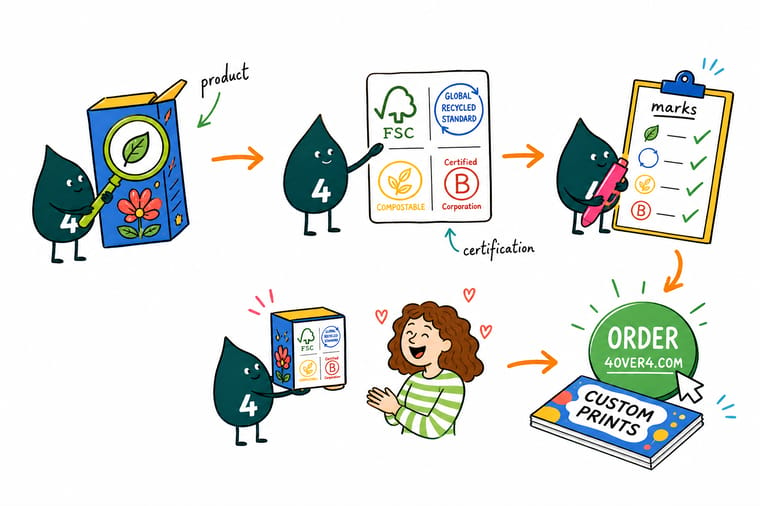
Wally lays every symbol from your artwork on the counter and makes three piles. Pile one is licensed: organic, non-GMO, kosher, Leaping Bunny, FSC. Someone audited you and sent you the file, and the license code travels with it. Pile two you apply yourself: Proposition 65, CE, the crossed-out bin. Nobody grants those, so the wording and the type size are on you. Pile three certifies nothing, whatever shoppers assume: the numbered triangle just names the plastic. Then he checks that nothing sits across a fold score, because a seal that cracks on the first flex looks fake even when it is real.
Print premium packaging labels →Specs and pricing
Label and box options, sizes, and starting prices
Compare the stocks and formats that carry certification marks well, with live configuration choices and starting prices straight from the 4OVER4.COM configurator.
Print it
Print packaging that carries its marks correctly
Explore more
Where to go next

By the numbers
Packaging print you can count on at 4OVER4
Common Questions
Your certification mark questions, answered
Can I print the USDA Organic seal if my product is 80 percent organic?
No. The seal is reserved for products that are at least 95 percent organic by weight, excluding water and salt. Between 70 and 95 percent you may say made with organic followed by up to three ingredients or food groups, but the seal cannot appear anywhere on the package. Below 70 percent, organic may only be mentioned beside individual items in the ingredient statement. Whichever tier you fall into, the name of your certifying agent has to be printed on the information panel.
Do I need certification to write gluten free on a label?
Not for the words. The FDA rule lets you state gluten free when the finished food contains less than 20 parts per million of gluten, and no third party has to sign off. The GFCO seal is a different thing: it is a licensed mark from the Gluten-Free Certification Organization with a stricter 10 ppm limit, an audit and an annual fee. Shoppers who scan for the seal are looking for that stricter number, which is the only reason to pay for it.
Is the triangle with a number inside a recycling certification?
No. Shoppers read those arrows as a recycling promise, and that is not what the symbol says. It is the resin identification code, and it only tells a sorter which polymer the container is made from, from 1 for PET to 7 for everything else. The standard was revised so the symbol is drawn as a solid triangle rather than chasing arrows, precisely because shoppers were reading the arrows as a promise of recyclability. Whether your local facility accepts a number 5 tub is a separate question the code does not answer.
Does the FDA have a logo I can put on my packaging?
No. The FDA does not approve foods, dietary supplements or cosmetics, and it does not license its logo to companies. Printing the agency seal, or any mark that implies endorsement, is a violation on its own. If your facility is registered with the FDA you may state that as plain text, because registration is a fact about your plant, not an approval of the product inside the box.
Who is allowed to put the FSC label on my boxes?
The printer or converter, not the brand. The FSC label is applied under a chain-of-custody certificate held by the company that makes the physical package, and it is valid only when that job actually runs on certified stock. The license code printed under the tick-tree mark belongs to that certificate holder. If a supplier offers you the FSC mark without naming a code, the mark is not legitimate.
What happens if I print a mark I am not licensed to use?
The reprint is the cheapest part of it. Certifying bodies register these marks as trademarks and they do send cease-and-desist letters, which means pulling stock off shelves and re-labeling by hand or scrapping the run. Where the mark backs a regulated claim, such as organic or a cruelty-free statement in a state that regulates one, you are also exposed to enforcement and to competitor complaints. Order the artwork from the certifier and keep the approval email with the print file.
Get Started
Ready to print packaging with the marks in the right place?
Send the dieline with your licensed seal artwork, pick the stock, and we proof it at full size so you can check every mark before the run.
Legal Disclaimer
Gold Standard guarantees apply to all standard orders placed through 4over4.com. Price match requires verifiable proof of a competitor's published price for an equivalent product with matching specifications and turnaround time. Satisfaction guarantee covers manufacturing defects and print quality issues. Contact support with order number and documentation. On-time delivery rate based on tracked orders 1999 to 2026. Individual results may vary based on shipping carrier performance.
