
Is Child-Resistant Packaging Required for Cannabis? What the Law Says


Jordan is our labels, packaging and sustainability voice, built from the knowledge of our production team, with over 20 years in printing.
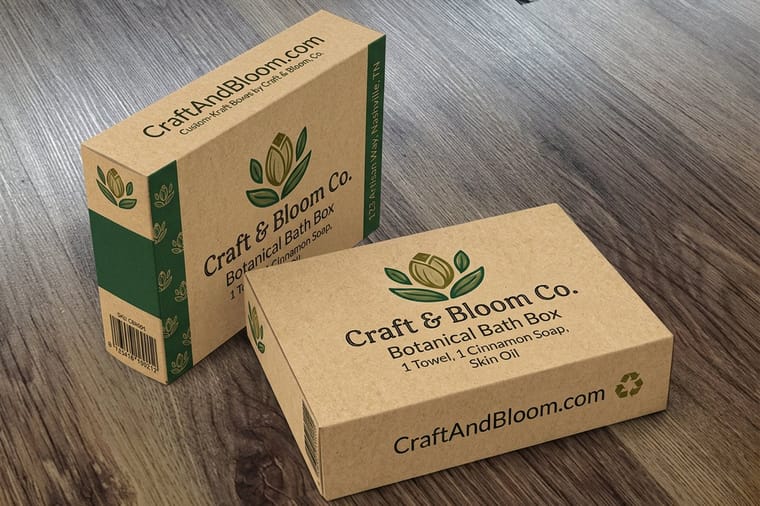
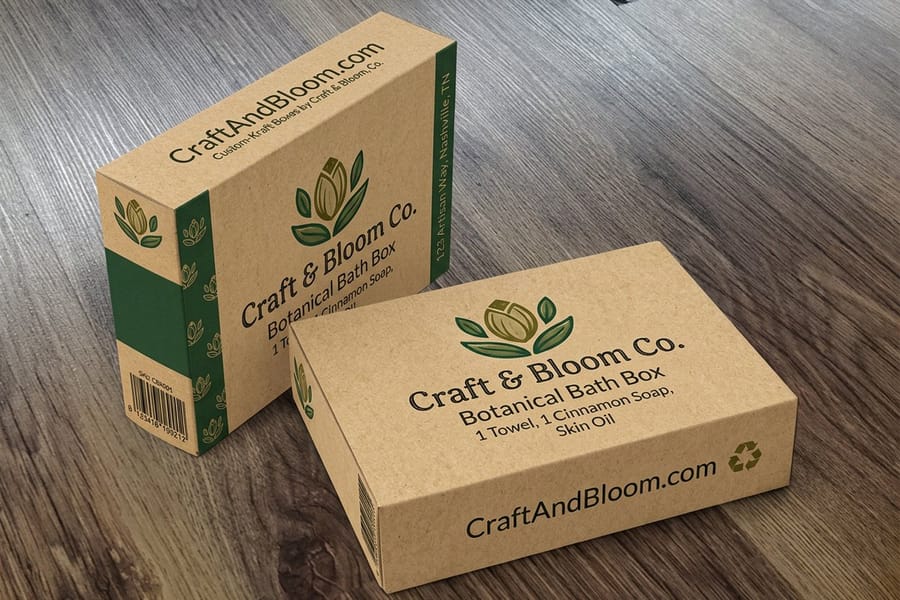
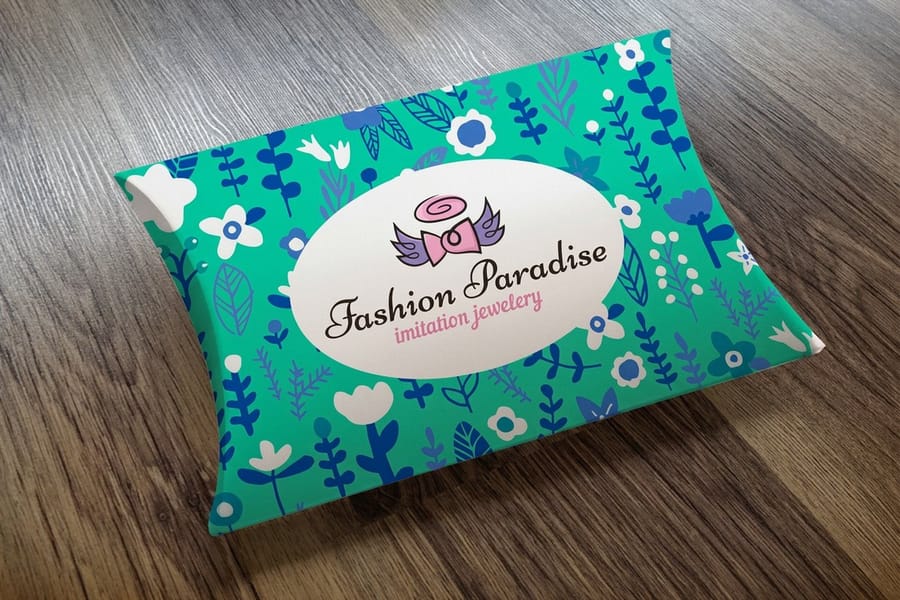
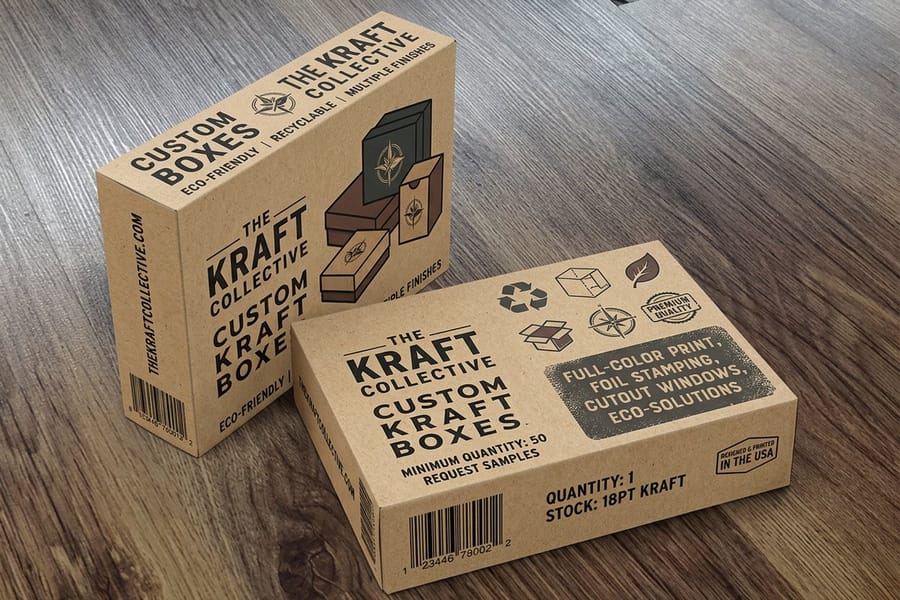
There is no single federal cannabis packaging law, yet nearly every legal state requires child-resistant packaging tested to the CPSC standard. The closure carries the certification, not the printed carton, and that order matters. The printed pieces around it, a kraft box at 5 x 7 x 1.7 or 5.5 x 5.5 x 2.625 inches, a pillow box and the label, are what this guide helps you size and order.
Is child-resistant packaging required for cannabis? In practice, yes. Cannabis is federally a Schedule I substance, so there is no national cannabis packaging law, but nearly every state that has legalized cannabis mandates child-resistant packaging on regulated products. Most states set the bar with the federal CPSC standard from the Poison Prevention Packaging Act, tested under 16 CFR 1700.20. Single-dose items can use single-use CRP. Multi-dose products need reclosable, multi-use child resistance.
Quick answer
Certified closure first, printed carton second
Child-resistant packaging is packaging tested to the federal CPSC protocol, meaning at least 80 percent of young children cannot open it and at least 90 percent of adults can. For cannabis specifically, it is required in practice in every state where cannabis is legal, even though no single federal law spells it out. States lean on the federal CPSC standard, so certified child resistance is the baseline. Choose single-use packaging for one dose and reclosable, multi-use packaging for more than one, then layer on opacity, tamper-evidence, correct labeling, and a not-attractive-to-children design. Confirm the exact rules with your state regulator before you print, and keep the certification on file.
What is child-resistant packaging, exactly?
Child-resistant packaging, usually shortened to CRP, is packaging engineered to be genuinely difficult for a young child to open while still letting an adult get in without a wrestling match. The phrase is not marketing language. It maps to a specific, testable government standard, which is exactly why it carries legal weight for a product like cannabis.
In the United States, that standard traces back to the Poison Prevention Packaging Act of 1970, administered by the Consumer Product Safety Commission (CPSC). The test protocol lives in 16 CFR 1700.20 and is mirrored by the ASTM D3475 classification. To earn the label, a package is put in front of a panel of children roughly 42 to 51 months old and a panel of older adults. It passes only if at least 80 percent of the children cannot open it in the allotted time and at least 90 percent of the adults can.
That one sentence is the whole reason this topic matters. To a toddler, a fruit gummy, a pre-roll, or a bottle of tincture can look indistinguishable from a treat, and CRP is the physical barrier that buys a caregiver time. When we talk about ordering custom packaging for a regulated product, we are really talking about hitting that 80/90 bar on every single unit that leaves the shelf.
The two primary types of child-resistant packaging
Regulators split CRP into two families, and knowing which one your product needs is the first real decision you make. Get it wrong and you either overspend on a mechanism you do not need or, far worse, ship something that fails an inspection.
Single-use, or non-reclosable, CRP. This has to be child-resistant on the first opening only. It fits products a customer consumes in one go: a single pre-roll, a single-serving edible, a sample. Once the package is torn or popped, it does not have to reseal, because there is nothing left inside to protect.
Multiple-use, or reclosable, CRP. This has to stay child-resistant across the entire life of the package, after being opened and closed again and again. Any product that holds more than one dose, such as a jar of ten gummies, a multi-gram flower pouch, or a bottle of capsules, needs reclosable child resistance, because the hazard does not disappear after the first open.
The practical rule is to count the doses. One dose can live in single-use packaging, and more than one almost always triggers a reclosable requirement. When you are unsure, the reclosable option is the safer default, because a package that stays child-resistant is never out of compliance for being too protective.
Federal law versus state law: why there is no single rulebook

Start with the part most owners get wrong. Cannabis is still classified as a Schedule I substance under the federal Controlled Substances Act, which means the federal government does not build a national packaging rulebook for a product it does not formally recognize. So there is no single federal statute that says, in plain words, cannabis must ship in child-resistant packaging. For your printed boxes and labels, that means one step before you order: build the artwork to the rules of the strictest state you sell in.
That vacuum is filled by the states. Every state that has legalized cannabis for medical or adult use writes its own packaging and labeling regulations, enforced by a state cannabis control board or an equivalent agency. And here is the twist that makes the topic manageable: rather than invent a brand new definition of child resistance, almost every one of those states points back to the same federal CPSC standard we covered above.
So the honest answer to the headline question is layered. Federally, cannabis packaging is not directly regulated. At the state level, child-resistant packaging is required almost everywhere cannabis is legal, and the yardstick they use is the federal Poison Prevention Packaging Act protocol. If you sell across state lines or in multiple markets, plan for the strictest state you operate in and you will usually satisfy the rest. For the retail side of a dispensary, our cannabis dispensary printing collection gathers the labels, menus, and packaging that regulated storefronts reach for. To choose the label itself, our comparison of cannabis stickers, cannabis packaging labels and premium product labels sets them side by side, and you can see Cannabis Labels in our product video.
State-by-state requirements: the common thread and the variables
Because the rules are written state by state, the details differ, but a clear common thread runs through nearly all of them. The one requirement you can count on almost everywhere is child resistance tested to the CPSC or ASTM standard. That is the non-negotiable core.
Around that core, the variables stack up, and this is where brands trip. Depending on the state, your packaging may also need to be:
- Opaque or light-resistant, so the contents are not visible through the package and product quality is protected.
- Tamper-evident, with a seal or feature that clearly shows if the package has been opened.
- Reclosable for a set life, meaning multi-dose products must survive a specified number of open-and-close cycles and still pass.
- Marked with a universal symbol, the state-mandated THC or cannabis warning mark, often in an exact size and color.
- Free of child appeal, so no cartoon characters, no imitation of popular candy, nothing that reads as a toy.
- Paired with exit packaging, a child-resistant bag provided at the point of sale in some markets.
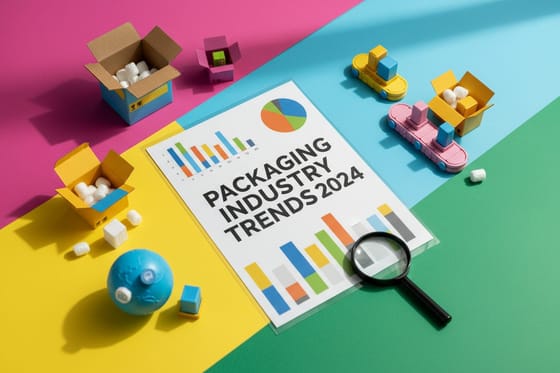
The safe workflow is simple: never assume, always confirm with your state's cannabis regulator before you print, because a rule can change between seasons. When a term on a regulation trips you up, our printing terms glossary defines it plainly, and if you want the wider market context behind all this packaging effort, the packaging industry data shows just how central packaging has become to how products are trusted and sold.
Which cannabis products actually require child-resistant packaging?
The short version is nearly all of them. If a product contains cannabis in a form a person can consume, a state almost certainly wants it in child-resistant packaging. In practice that sweeps in flower and pre-rolls, edibles and infused beverages, concentrates and vape cartridges, tinctures, capsules, and topicals.
What changes across those categories is the type of child resistance and where it lives. A single pre-roll can travel in a simple single-use tube, while a jar of edibles needs a reclosable lid rated to survive repeated openings. A vape cartridge often relies on a certified blister or a child-resistant carton rather than the cartridge itself.
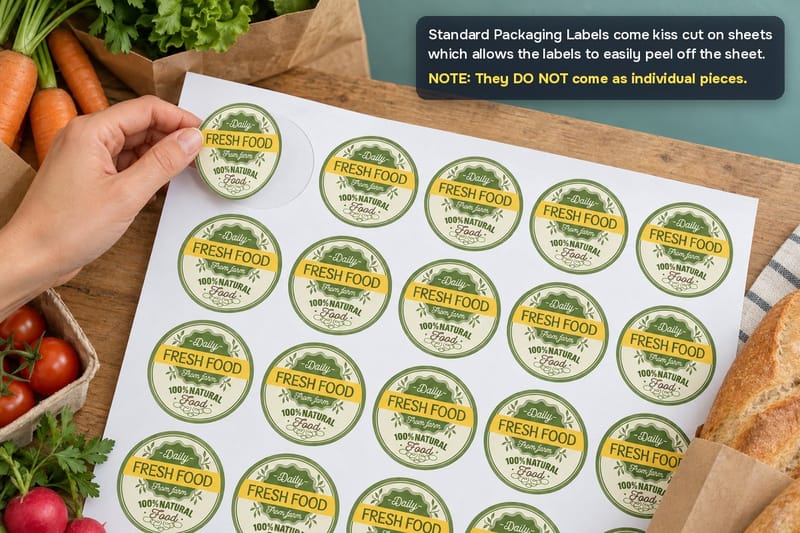
The distinction that catches people out is primary versus exit packaging. Primary packaging is the container touching the product. Exit packaging is the child-resistant bag the whole order leaves the store in. Some states require child resistance on the primary container, some on the exit bag, and some on both, so confirm which layer needs certifying before you invest. For the informational surfaces that ride alongside the product, from dosing to warnings, our packaging labels printing and broader labels printing options cover the durable, compliant materials those regulations tend to demand.
Child-resistant is only half of compliant
It is tempting to treat this as a single checkbox, but a package can be perfectly child-resistant and still fail an inspection. Child resistance is the mechanism. Compliance is the whole picture, and the other layers matter just as much. On a 5 x 7 x 1.7 inch kraft box, the warning, the batch number and the universal symbol each need a place on the dieline before the brand art goes on.
Labeling usually carries the heaviest rule set: the potency and THC content, the batch or lot number, the manufacture and expiration dates, mandatory health warnings, and the state's universal symbol at an exact size. Tamper-evidence proves the package has not been opened between the shelf and the customer. Opacity protects the product and, in some states, hides it from plain view. And the not-attractive-to-children clause quietly shapes your art direction, ruling out anything that reads like candy or a toy.
The most reliable way to get all of this right is to design the artwork around the compliant structure rather than forcing compliance onto a pretty layout at the end. An art director walks through that discipline in our guide on designing a product label, and you can see how brands balance rules with shelf appeal in the custom label showcase.
How to choose the right cannabis child-resistant packaging
With the rules understood, choosing gets practical. Work through it in the same order every time and the decision makes itself.
- Start with the product and the dose count. One dose can use single-use child resistance. More than one points you to a reclosable closure.
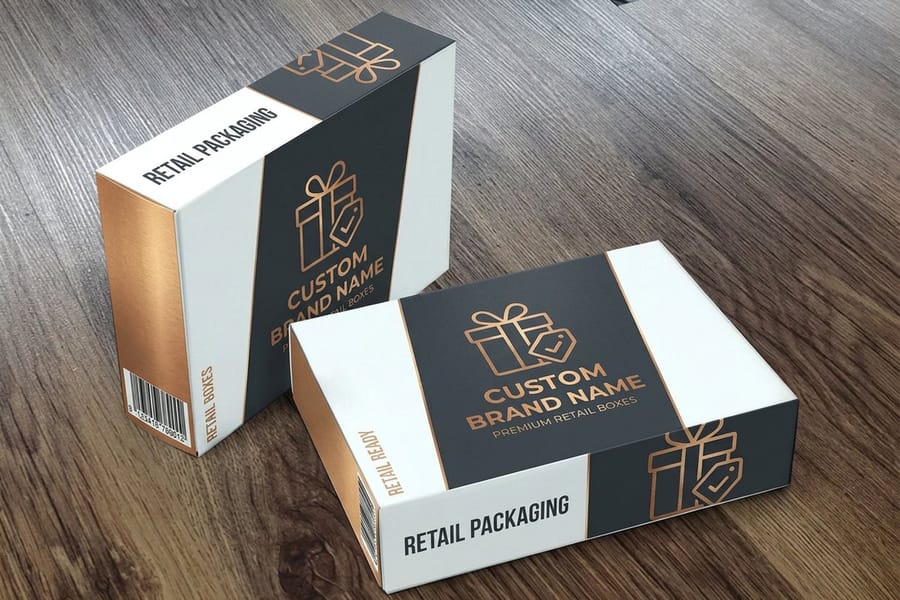
- Pick a form factor. Folding cartons and rigid boxes, mailer boxes, pouches, tins, and jars each pair with different certified closures, and the format sets the tone your brand projects.
- Match the certification to the closure. Ask the supplier for the test result that covers your exact mechanism, not a generic claim, and keep that certificate on file.
- Design around the structure. Lock the compliant package first, then lay out the print so nothing important collides with a seal, a window, or the mandatory symbol.
- Prove it with a small run. Order a short quantity and request samples before you commit to volume, so you can hold the fit and finish in your hand.
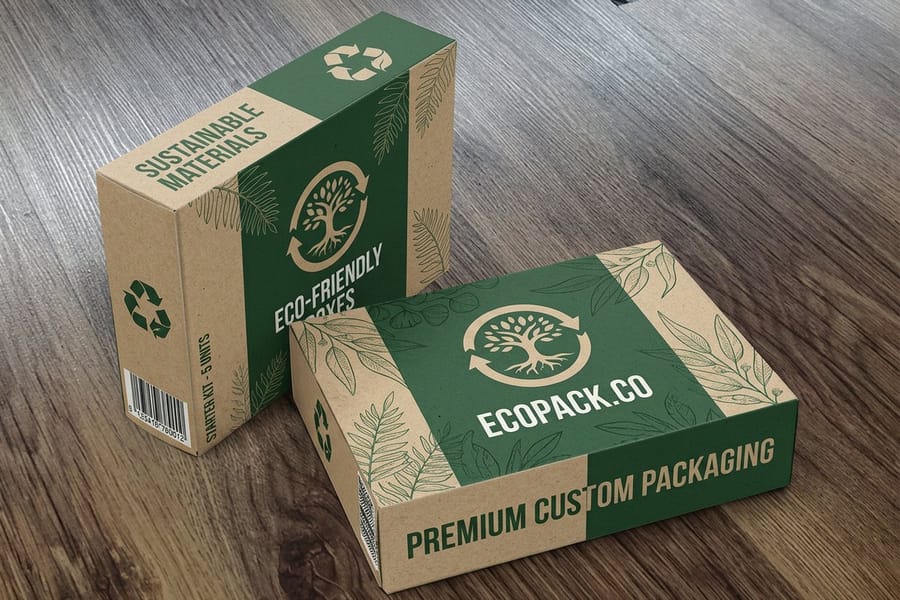
Material choice is part of the brand story too. Shoppers increasingly read packaging as a signal, so the natural, recyclable look of a kraft collection box, an eco-friendly stock, or a recycled board can do real work at the shelf. If most of your sales move through the mail, the ecommerce packaging collection is built around a protective, on-brand unboxing.
Designing compliant boxes that still sell the brand
Compliance and craft are not enemies. Some of the strongest cannabis packaging on the market is rigorously child-resistant and still looks like it belongs in a boutique. The trick is to let the structure carry the safety job and let the surface carry the brand.
A common and cost-effective route is a printed folding or rigid box paired with a certified child-resistant insert, liner, or closure. That keeps the outer carton fully yours to design, from a matte kraft finish to a rigid magnetic box for a premium tier, while the compliant mechanism does its quiet work inside. You get shelf presence and a passing test in the same package.
Lay it out in the browser with our online designer, and if you want inspiration for the natural, unfussy look many cannabis brands favor, the kraft packaging box ideas are a good starting point. Whatever direction you take, keep the mandatory copy inside a safe margin so a slight shift on the press never clips a warning or the universal symbol.
What child-resistant cannabis packaging costs, and how prices are set
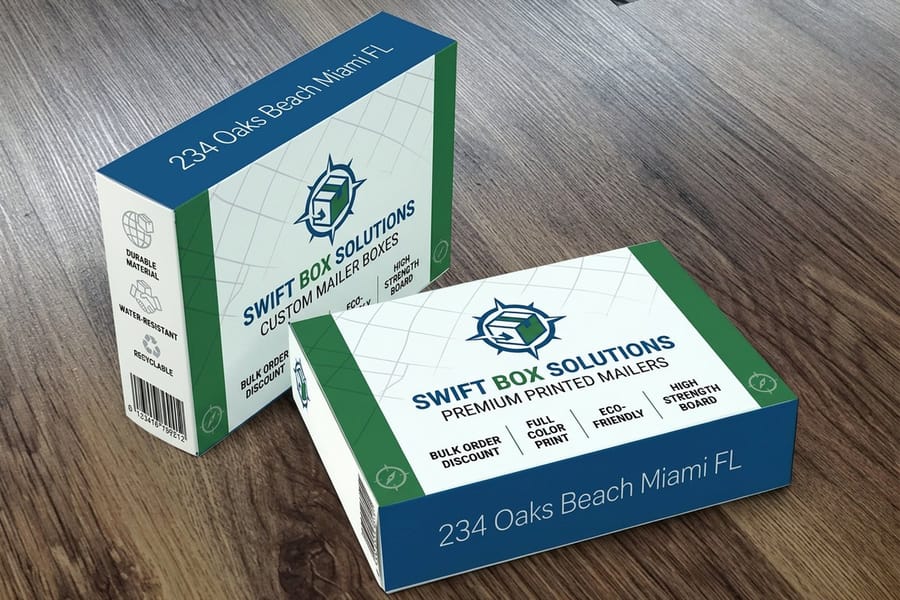
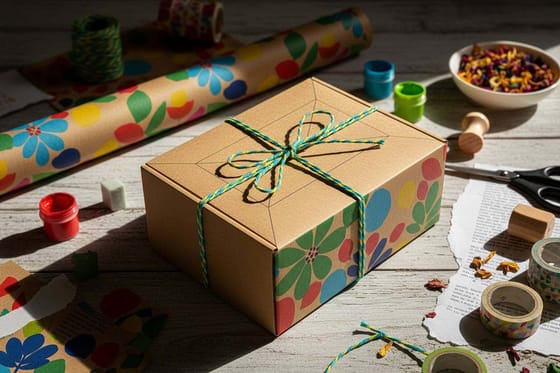
There is no single price, because cost is a stack of choices. Five drivers do most of the work. As a reference point, our printed kraft boxes start at 250 in 5 x 7 x 1.7 or 5.5 x 5.5 x 2.625 inches on 14pt uncoated or 18pt cover, and pillow boxes start at 50.
- The closure mechanism. A simple single-use structure costs less than a certified reclosable lid or a rigid magnetic closure.
- Material and board weight. Heavier board, specialty stocks, and barrier liners all add to the unit cost.
- Print and finish. Full-color printing, foil, soft-touch coatings, and spot effects raise the price but lift the shelf appeal.
- Certification. Testing and documented compliance carry a real cost, and it is money well spent when a regulator asks.
- Order quantity. Packaging is priced on a quantity ladder, so the per-unit cost falls sharply as the run grows.
That last point is the biggest lever you control. Because the ladder rewards volume, the smartest move is to match your run size to your real sell-through rather than chasing the lowest headline unit price on a run you cannot move. You can see exactly how the ladder behaves in the live specs and pricing below, pulled straight from the configurator. Before you commit, it is worth checking the bulk discount tiers and ordering free samples so you can judge the stock in person.
Wally explains child-resistant packaging
No single federal law, but the states are clear
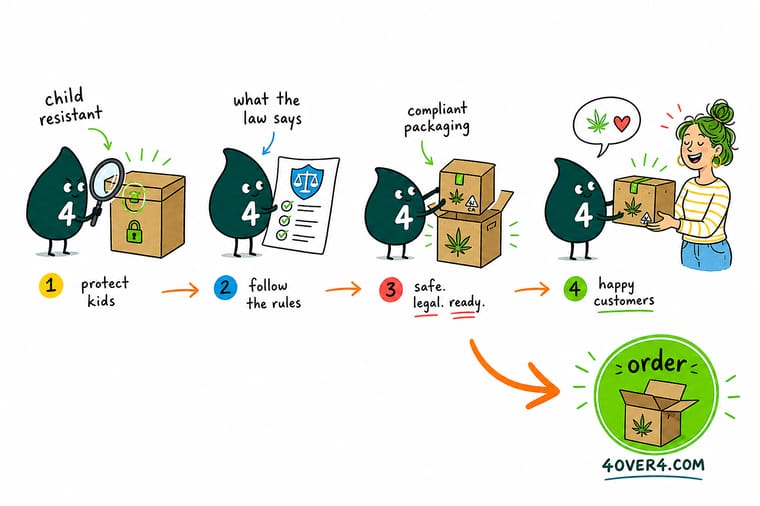
Wally puts it simply: the federal government does not write a cannabis packaging rulebook, so the states do, and almost all of them require child-resistant packaging tested to the same CPSC standard. Count the doses to pick single-use or reclosable, then layer on opacity, tamper-evidence, and clean labeling. When you are ready to make it real, design the compliant box first and let 4OVER4 print the brand on top.
Shop packaging →
Specs and pricing
Custom packaging specs and pricing
Custom kraft boxes run 250 for $711.78, which is $2.85 a box, with live specs and the price-per-unit ladder below. They come in 5 x 7 x 1.7 or 5.5 x 5.5 x 2.625 inches on 14pt uncoated or 18pt cover, gloss one side, printed in full color outside with 7 business days of production. Pair the printed carton with a certified child-resistant closure for a compliant, on-brand package.
| Quantity | Price Per Unit | Total |
|---|---|---|
| 250 | $2.85 | $711.78 |
| 500 | $1.42 | $711.78 |
| 1,000 | 79.7¢ | $797.02 |
| 2,500 | 53.5¢ | $1,338.30 |
| 5,000 | 44.6¢ | $2,231.42 |
| 10,000 | 40.4¢ | $4,044.70 |
| 15,000 | 39.0¢ | $5,844.45 |
| 20,000 | 38.3¢ | $7,657.73 |
Print it
Order boxes for cannabis-ready packaging
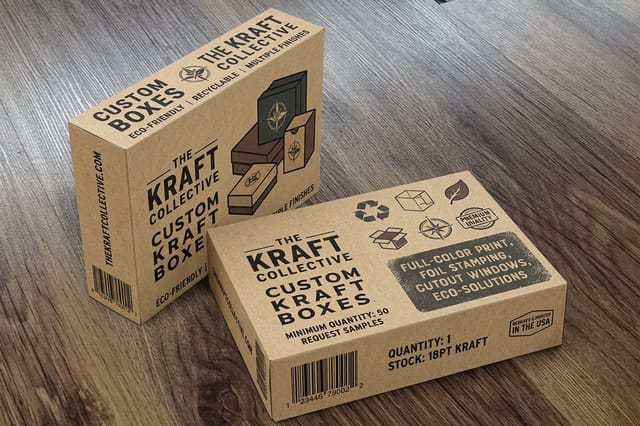
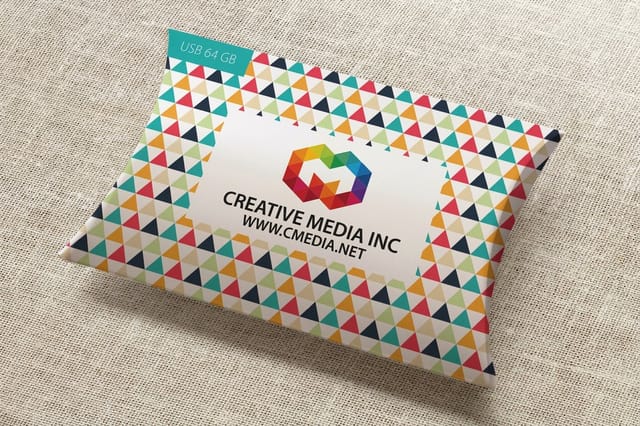
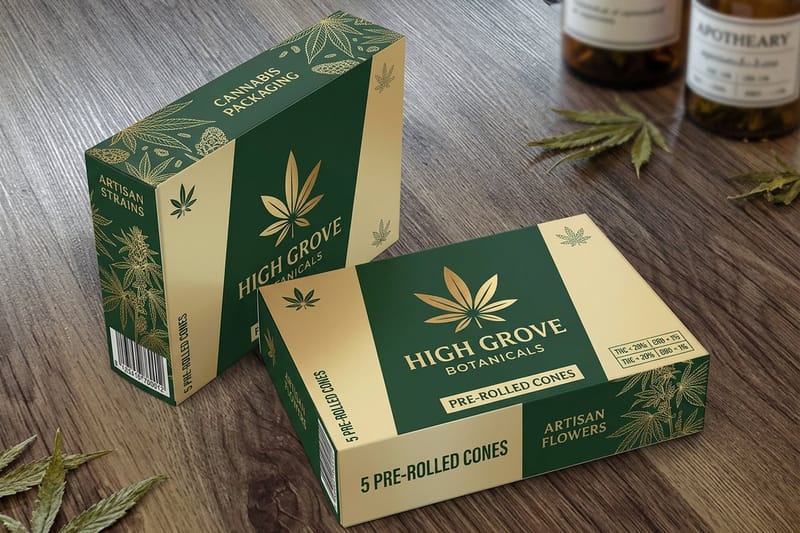
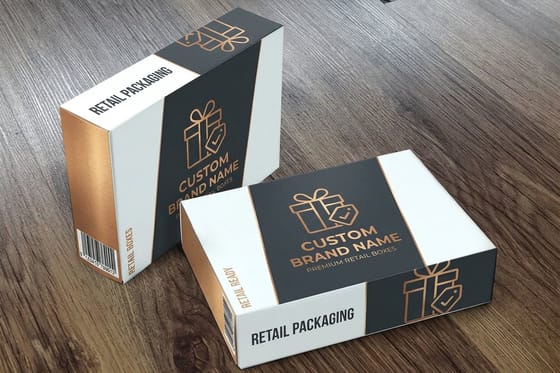
Build the printed shell around the certified closure: kraft boxes from 250 in two sizes, pillow boxes at 3.625 x 1.5 x 7.25 inches from 50, or magnet boxes from 25.


Explore more
Where to go next



By the numbers
Compliant packaging from 60+ board and paper stocks
Common Questions
Common questions about cannabis child-resistant packaging
Is child-resistant packaging legally required for cannabis?
In practice, yes, in every state that has legalized cannabis. There is no single federal cannabis packaging law because cannabis is still classified as a Schedule I substance under the Controlled Substances Act, so the federal government does not directly regulate its packaging. Instead, each legal state writes its own rules, and nearly all of them require child-resistant packaging on regulated products. Most states set the bar by pointing to the federal CPSC standard, so the practical answer is that compliant cannabis products ship in child-resistant packaging almost everywhere.
What are the two primary types of child-resistant packaging?
Single-use and multiple-use. Single-use, or non-reclosable, packaging only has to be child-resistant on the first opening and suits single-dose items like one pre-roll or a single-serving edible. Multiple-use, or reclosable, packaging has to stay child-resistant after being opened and closed repeatedly, which is what any product holding more than one dose needs, such as a jar of gummies or a multi-gram flower pouch. The simplest way to decide is to count the doses: one dose can use single-use, more than one almost always calls for reclosable child resistance.
Does cannabis child-resistant packaging have to be certified?
Yes. Child resistance is not a design opinion, it is a tested result. Under the CPSC protocol in 16 CFR 1700.20, a package is placed in front of a panel of children roughly 42 to 51 months old and a panel of older adults. It only qualifies if at least 80 percent of the children cannot open it in the allotted time and at least 90 percent of the adults can. Reputable packaging is certified against this protocol, and you should keep the certificate on file in case your state regulator asks for it.
What is the difference between primary packaging and exit packaging?
Primary packaging is the container that directly holds the product, like the jar, tube, or pouch. Exit packaging is what the product leaves the store in, often a child-resistant bag handed over at the register. Depending on the state, the child-resistant requirement can apply to the primary container, the exit package, or both. Always confirm which layer your state expects to be certified so you are not paying to make the wrong part compliant.
Which closure carries the certification I need?
Start with the product and the dose count, then pick a form factor. Rigid and folding boxes, mailer boxes, pouches, tins, and jars each pair with different child-resistant closures. Confirm whether you need single-use or reclosable child resistance, ask the supplier for the certification that matches your closure, then design the print and labeling around that compliant structure rather than the other way around. Ordering a small run first and requesting samples is the cheapest way to check fit before committing to volume.
How much does child-resistant cannabis packaging cost and how are prices set?
Price is driven by the closure mechanism, the board weight and material, the print and finish, any certification, and above all the order quantity. Simple printed folding cartons that pair with a certified insert or liner sit at the affordable end, while rigid magnetic boxes and specialty structures cost more per unit. Because packaging is priced on a quantity ladder, the per-unit cost drops sharply as volumes rise, so the real lever is ordering in the right run size for your sell-through.
What makes packaging child resistant?
A closure that needs two coordinated actions an adult can manage and a young child cannot, proven by testing rather than by design intent. Push and turn caps, squeeze and turn caps, peel then push blisters, locking sliders and pinch to open zippers all run on the same principle: one motion is not enough to get in. Under the CPSC protocol in 16 CFR 1700.20 the finished package is put in front of a panel of children roughly 42 to 51 months old and a panel of older adults, and it only counts as child resistant if at least 80 percent of the children cannot open it and at least 90 percent of the adults can, including closing it properly again on a reclosable package. Certification applies to the package as built, so changing the cap, the liner or the board means the old certificate no longer describes what you ship.
Is child-resistant packaging required by law?
For specific product categories, yes. The Poison Prevention Packaging Act of 1970 lets the CPSC require special packaging on substances that poison children, which is why prescription oral medicines, several over the counter drugs, a defined list of household chemicals and liquid nicotine all ship in child-resistant packaging. There is no equivalent federal rule for cannabis, because it is still a Schedule I substance under the Controlled Substances Act, so each legal state writes its own requirement and nearly all of them point back to the same CPSC standard. The safe reading is that child resistance is required wherever the contents can hurt a child, and that for cannabis your state, not the federal government, is the authority to confirm it with.
Get Started
Order 25 magnet boxes, printed in 5 business days
Pick your box, drop in your brand and mandatory copy, and we print a sharp, durable package you can pair with a certified child-resistant closure.
Legal Disclaimer
Gold Standard guarantees apply to all standard orders placed through 4over4.com. Price match requires verifiable proof of a competitor's published price for an equivalent product with matching specifications and turnaround time. Satisfaction guarantee covers manufacturing defects and print quality issues. Contact support with order number and documentation.
