
Information Cards Explained and Which Stock to Print Each One On


Event, church and product information cards do the same job at four different sizes. Each size fits a different use, the stock has a job, and the rack pocket rule decides your layout.
An information card is a small printed card that hands over facts, what, when, where and how to get in touch, rather than making a sales pitch. Four sizes cover nearly every use: 4 by 9 inches for a literature rack, 4 by 6 for anything mailed, 4.25 by 5.5 for a card handed to a person, and 5 by 7 for an invitation people keep. Print it on 14pt or 16pt cardstock, and leave the writing surface uncoated if anyone will add a name or a time by hand.
Quick answer
Facts on a card, at the size the reader will hold it
An information card exists to answer questions someone already has. Service times, an agenda, a warranty term, a care instruction. Choose the size by reading distance: 4 by 9 inches when it stands in a rack, 4 by 6 when it goes through the mail, 4.25 by 5.5 when it is handed over, 5 by 7 when it is meant to be kept. Then choose the stock by handling: 14pt for a card that gets read and filed, 16pt for one that lives in a rack or a wallet, and an uncoated surface anywhere a pen has to work.
What Counts as an Information Card
An information card answers questions instead of making an argument. Service times. Clinic hours. The trail map at the visitor center. Washing instructions for the shirt someone just bought. The reader already has the interest, and the card supplies the detail so nobody has to look it up.
That changes how the card is built. A marketing postcard is made to be noticed at a glance and thrown away within a day. An information card is designed to be kept, often stuck to a fridge or slid into a wallet, and reread weeks later. So the type is bigger than a designer would like, the hierarchy is boring on purpose, and the stock matters more than the finish.
Three families cover most orders we print. Event cards carry a schedule, a venue and a map, handed out at registration or left on a table. Church cards carry service times, an address and one contact route, split between a rack version at the welcome desk and a pocket version members hand to a friend. Product cards ride in the box: care instructions, warranty terms, a reorder link, a support number. Different audiences, same job.
The test for whether you actually need one is simple. If someone will ask you the same question twice, print the answer on a card. If you are trying to convince them to ask in the first place, you want a postcard or a flyer instead, and the anatomy of a postcard explains how that piece is put together.
The Four Sizes That Cover Almost Every Information Card
Pick the size from where the card will be read, not from how much you want to say. A rack card is scanned from several feet away through a pocket that hides most of it. A notecard is read at arm's length after someone hands it over. Those are different design problems, and the size is what solves them.
| Format | Size | Where it is read | What fits comfortably | Starts at |
|---|---|---|---|---|
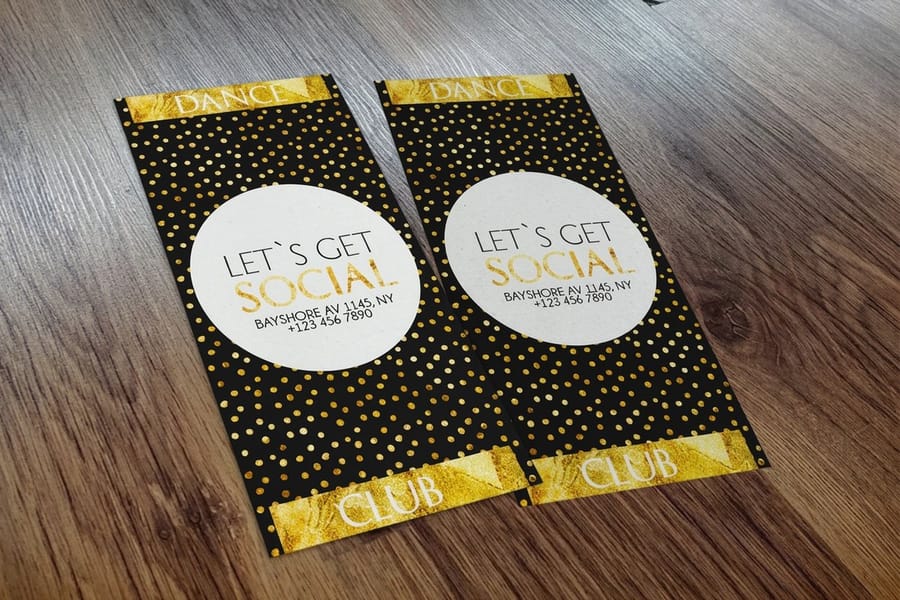
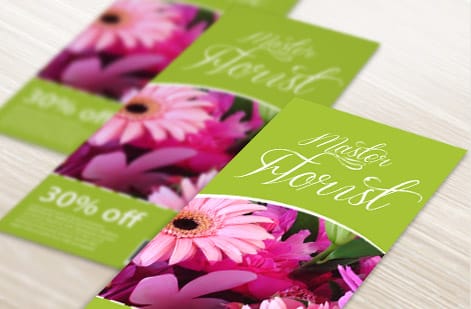
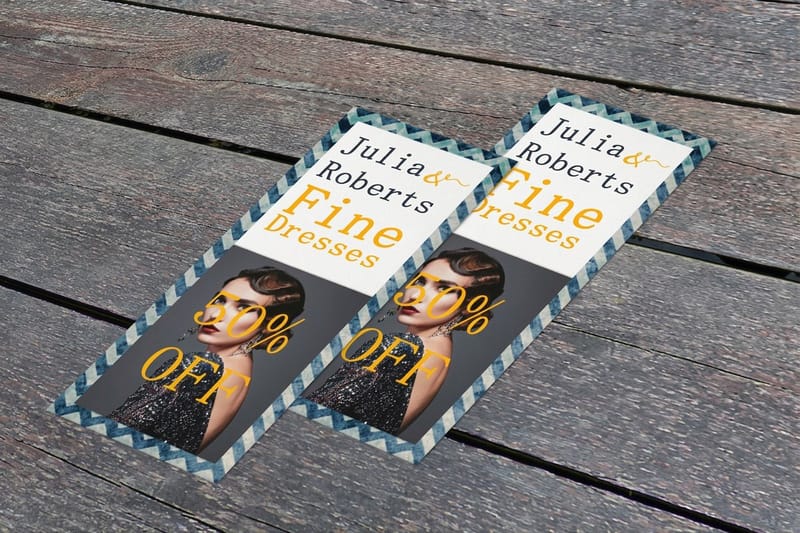
| Rack card | 4 x 9 in | Literature rack, counter stand, table display | A headline plus one supporting line in the visible top third, then roughly 120 words below | $42.84 |
| Postcard | 4 x 6 in | A mailbox, then a fridge door | One message on the front, address block plus about 60 words on the back | $16.48 |
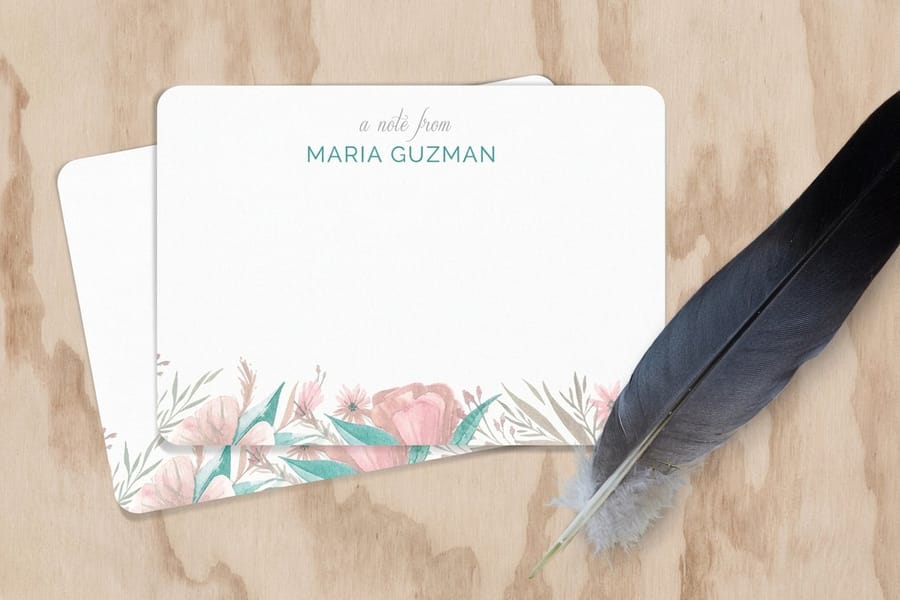
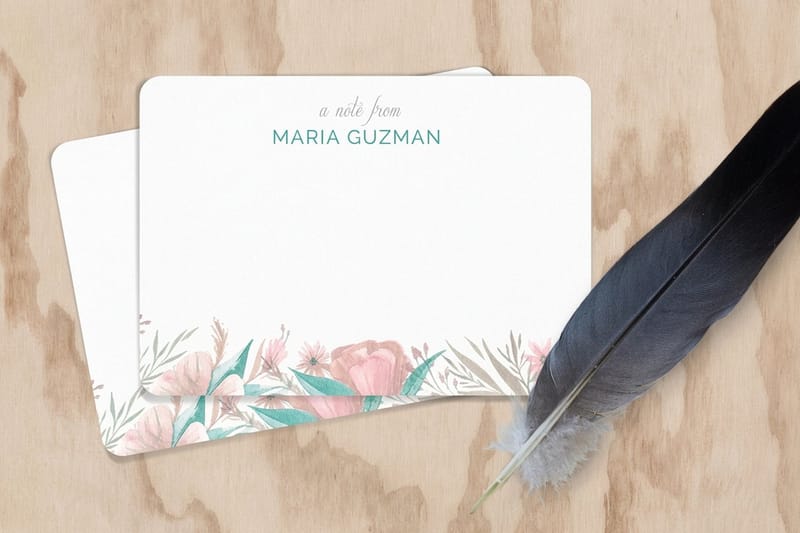
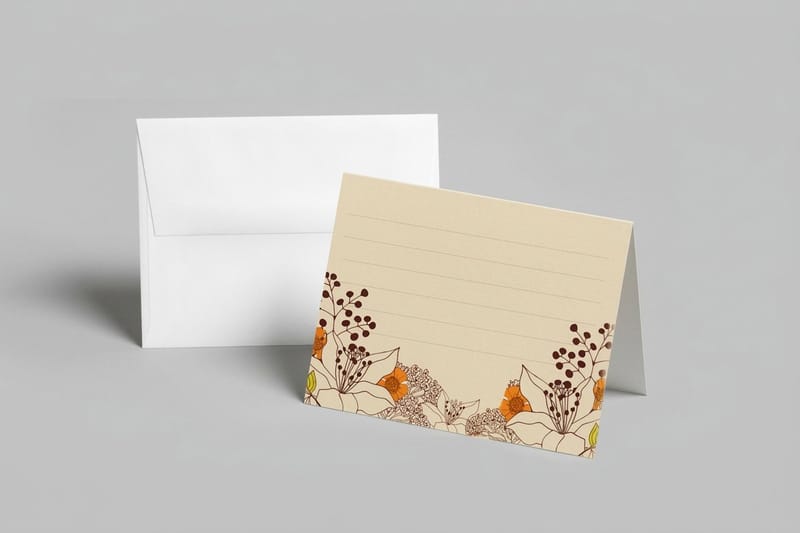
| Flat notecard | 4.25 x 5.5 in | Handed over, kept in a bag or wallet | Roughly 50 words plus contact details, both sides usable | $19.77 |
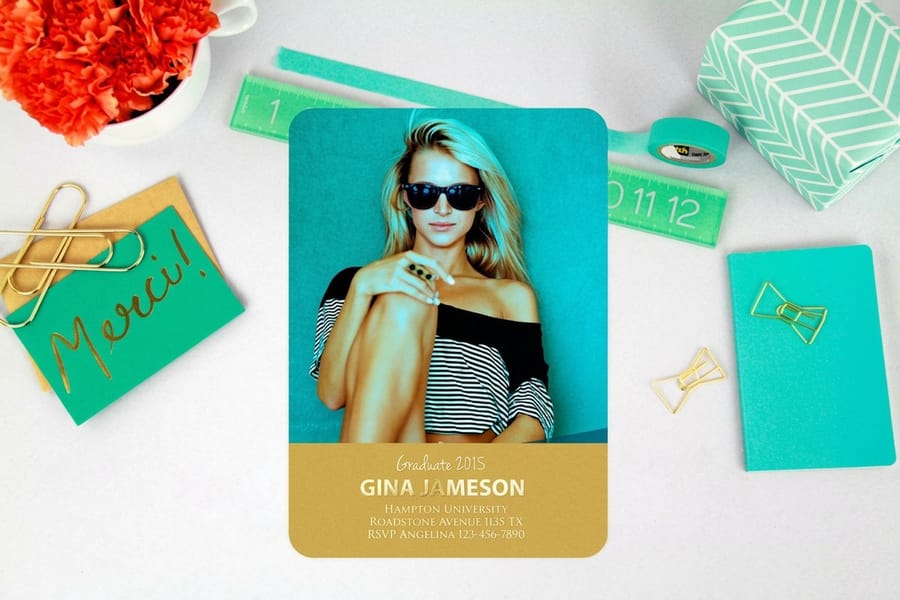
| Invitation card | 5 x 7 in | Pinned to a board or propped on a shelf | Date, time, venue and one instruction, with real white space around them | $19.77 |
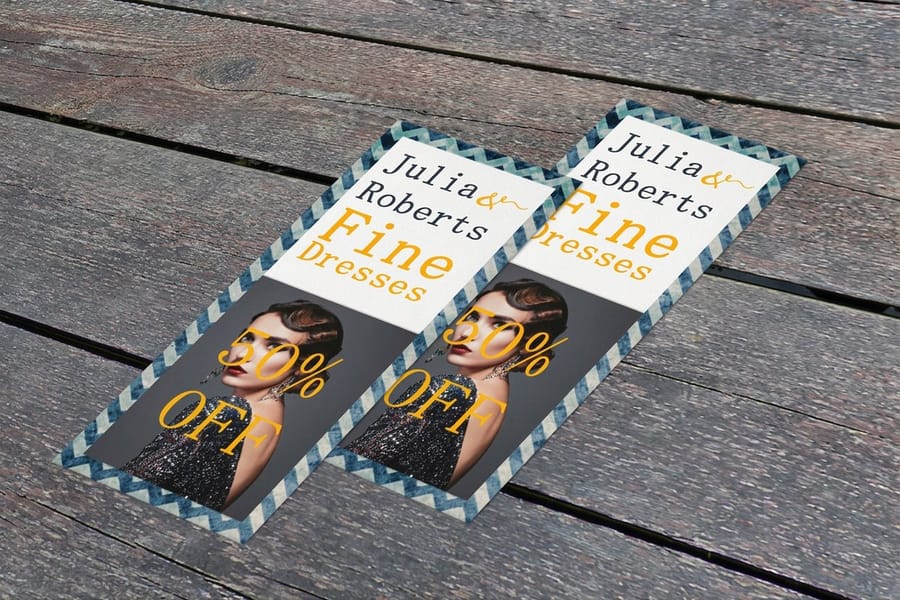
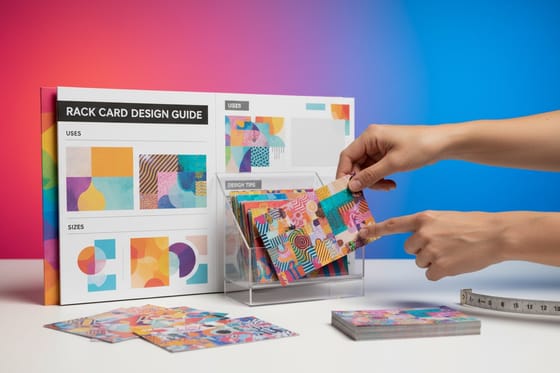
The rack card is the one people get wrong. Most literature racks hold a 4 by 9 card in a pocket whose front lip covers everything below roughly the top third, so the bottom two thirds of your layout is invisible until somebody pulls the card out. Put the organization name and the single most useful fact in the top 3.5 inches and treat the rest as the reward for picking it up. Our rack card size guide lists the less common pocket sizes if your display is not a standard one.
If the content genuinely will not fit on one panel, stop resizing and fold instead. Folded notecards at $38.22 give you four surfaces at the same footprint, and rack cards compared to brochures covers where that line sits.
Paper and Coating, Matched to How the Card Gets Handled
Stock choice on an information card answers two questions: how long does it need to survive, and will anyone write on it.
On weight, 14pt cardstock is the sensible default and 16pt is worth the difference in two situations. The first is a rack card, because a 14pt card leans forward in the pocket once the stack behind it runs low, and a leaning card reads as an afterthought. The second is anything destined for a wallet, where 16pt resists the soft crease that makes a card look months old after a week. Below 14pt you are into flyer territory and the card will curl. The cardstock weight guide puts the point ratings against calipers and gsm if you need to match an existing card.
Coating is where most reprints come from. Gloss and UV seal the surface and make photographs snap, but they also repel ballpoint ink, so a volunteer trying to write a name or an appointment time on the card leaves a smeared mess. Matte takes pen reasonably well. Uncoated takes pen, pencil and a rubber stamp cleanly and is the only honest choice if handwriting is part of the plan. When the front carries a photograph and the back carries a blank line, order coating on the front only.
Mailing adds two rules that override taste. USPS card rates apply to a piece between 3.5 by 5 and 4.25 by 6 inches, at a thickness between 0.007 and 0.016 inches, which puts 14pt and 16pt comfortably inside the window and rules out thin text stock. A 4 by 9 rack card dropped in the mail on its own is charged as a letter, not a card, which is why event organisers mail the postcard version and rack the tall one. Start from a correctly sized layout in the blank template library and the bleed and safe margins are already set.
Church, Event and Product Cards, Matched to the Right Stock
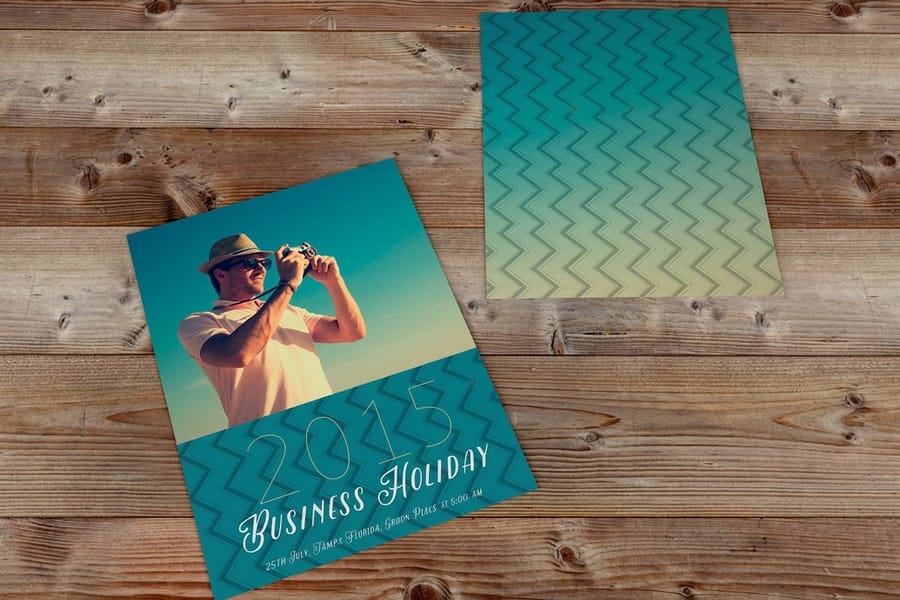
The three common uses map onto what we actually run, and the reasoning matters more than the shopping list.
Church information cards. Print two pieces, not one. A 4 by 9 rack card lives at the welcome desk and in the lobby rack, with the service times high enough to clear the pocket lip. A 4.25 by 5.5 flat notecard is the version a member hands to a neighbour, and it should be uncoated or matte so someone can write a name and a service time on the back. Both carry the same four facts. Neither needs a gloss finish. If you are writing the copy now, the church invite card guide has the wording patterns that work.
Event information cards. Schedules and venue directions belong on the rack card, because attendees pick them up from a table and refer back to them across a day. Anything going out ahead of the event goes on a 4 by 6 postcard, which keeps you inside card postage rates. For a multi-day agenda that will not compress, folded notecards give you an inside spread without moving to a full brochure.
Product information cards. Care instructions, warranty terms and reorder details go in the box on a flat notecard, sized so it does not fight the packaging. Uncoated reads best under warehouse lighting and takes a batch stamp if you track production runs. If the card doubles as a thank-you note, invitation cards at 5 by 7 give the piece enough presence to feel deliberate rather than administrative.
Whichever version you order, keep one master file with the facts in it and export the sizes from that. Cards go stale when a phone number changes on the rack version and nobody updates the pocket version. Browse everything by format in rack card printing, notecard printing or invitation printing.
Wally explains information cards
The rack lip decides your layout
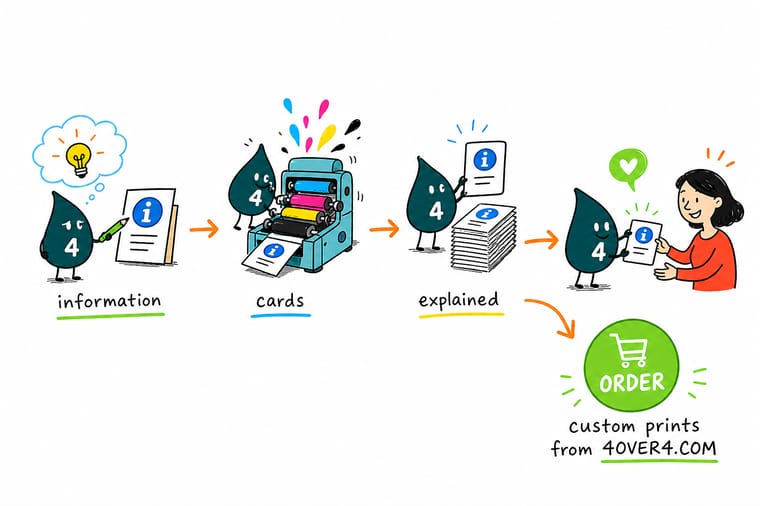
Wally slides a 4 by 9 card into a rack pocket and the lip swallows the bottom two thirds. Only the top 3.5 inches is doing any work until somebody pulls it out, so the name and the one useful fact go up there and the detail goes below. Hand the same facts to someone across a counter and the card shrinks to 4.25 by 5.5, because now it is read at arm's length. Same information, different reading distance, different card.
Order rack cards →Specs and pricing
Sizes, stocks and starting prices for each format
The three formats that cover most information cards, with live configuration options and starting prices straight from the 4OVER4.COM configurator.
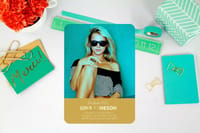
Print it
Order the card that fits where people will read it
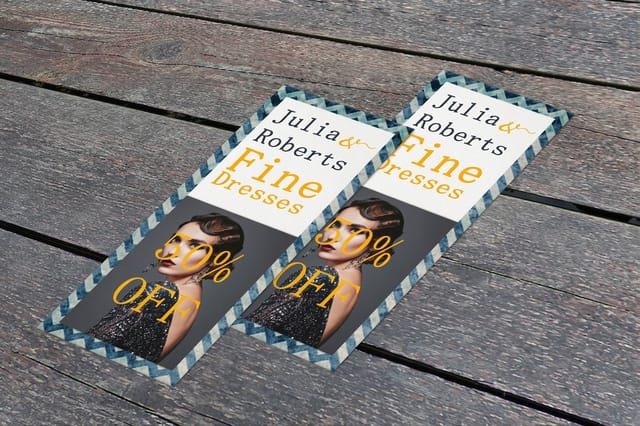
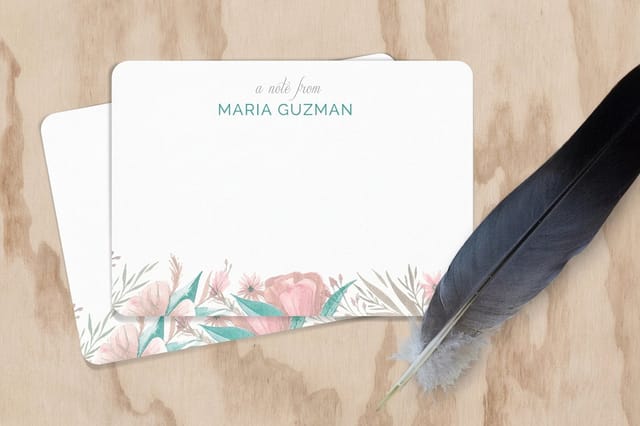
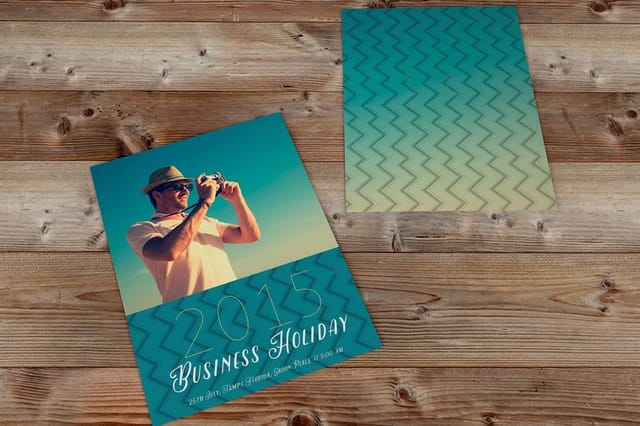
Explore more
Where to go next

By the numbers
Notecards, rack cards and postcards on one press
Common Questions
Your information card questions, answered
What is an information card?
An information card is a small printed card whose only job is to hand over facts, usually the name of a place or event, the date and time, the address, a phone number or website, and sometimes a price. Churches use them for service times and new-member details, event organisers use them for schedules and venue directions, and product sellers use them for care instructions, warranty terms and reorder details. The distinction that matters at the press is that an information card is read once and either kept or discarded, so it needs legibility and a stock that survives a pocket, not a persuasive headline.
What size should an information card be?
Start from where it will be read rather than from how much text you have. A 4 by 9 inch rack card is the right size when it sits in a literature rack or on a counter stand. A 4 by 6 inch postcard is right when it goes in the mail, because it stays inside USPS card dimensions. A 4.25 by 5.5 inch flat notecard suits anything handed directly to a person, and 5 by 7 inches suits an invitation someone will pin up. Picking the size to fit the copy is how you end up with 7 point type on a card nobody reads.
What is the difference between an information card and a rack card?
A rack card is one format an information card can take. The name describes the size and the display method, 4 by 9 inches standing in a literature rack pocket, not the content. So every rack card in a hotel lobby is an information card, but a 4.25 by 5.5 notecard with your clinic hours on it is an information card too. Order the rack card format when the piece has to compete for attention in a rack of twenty others, and read our comparison of rack cards and brochures if the content is starting to outgrow one panel.
What paper weight works best for an information card?
14pt is the working default and 16pt is the upgrade. On a 4 by 9 rack card the difference is visible rather than subtle: 14pt bends forward in a rack pocket once the stack behind it thins out, and 16pt keeps standing. For a card that lives in a wallet or a pocket, 16pt resists the soft creasing that makes a card look old. For a mailed card, stay at 14pt or 16pt because both fall inside the 0.007 to 0.016 inch range USPS accepts for card rates.
Can you write on an information card?
Only if you choose the coating for it. A gloss or UV coating seals the surface, so ballpoint ink beads and smears and pencil barely marks. Uncoated stock takes pen, pencil and a rubber stamp cleanly. The practical answer for a church or clinic card where someone writes an appointment time or a name is to coat the front and leave the back uncoated, which our configurator offers as a front-only coating option.
What should a church information card include?
Service times, the street address with a landmark or parking note, one contact method, and one next step such as a website or a text-in number. Leave the theology to the sermon and the card to the logistics. Churches usually run two versions: a rack card for the welcome desk and a smaller notecard visitors take home or hand to a friend, which is the same content set at two reading distances. Our church invite card guide covers the wording side in more detail.
Get Started
Order 50 rack cards from $42.84
Pick the size that matches where people will read it, choose 14pt or 16pt, and leave the writing side uncoated if a pen has to work on it.
Legal Disclaimer
Gold Standard guarantees apply to all standard orders placed through 4over4.com. Price match requires verifiable proof of a competitor's published price for an equivalent product with matching specifications and turnaround time. Satisfaction guarantee covers manufacturing defects and print quality issues. Contact support with order number and documentation. On-time delivery rate based on tracked orders 1999 to 2026. Individual results may vary based on shipping carrier performance.
