
Rack Cards vs Brochures


Sofia is our design and templates voice, built from the knowledge of our production team, with over 20 years in printing.
Same corner of the print shop, two very different jobs. One stands in a display and gets grabbed on the way past. The other folds open to walk a reader through the whole pitch. Format, room, cost, and distribution separate them, and the display rack decides more than the design does.
Print rack cards to get grabbed from a display, print brochures to walk a reader through the full story. Rack cards are single tall cards, sized to slot into literature racks and counter stands, and start around $42.84, which makes them the tool for point-of-sale takeaways at volume. Brochures fold into multiple panels, hold features, pricing, and proof, and start around $57.11, which makes them the tool for detailed pitches, mailers, and leave-behinds. Match the format to the job and both print beautifully at 4OVER4.COM. Rack cards also sit beside counter cards and table tents in our point of sale printing collection.
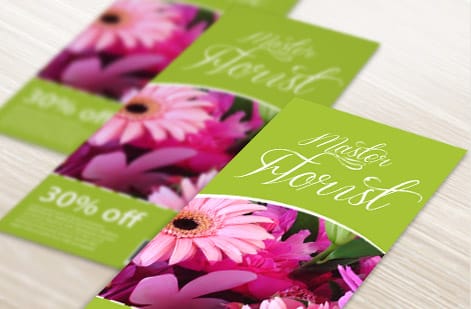
Head to head
Rack cards vs brochures at a glance
Print a rack card when the piece has to sit in a display and drive one action, and print a brochure when the pitch has several sections and the reader will give it a minute. Display or story settles most of these decisions, and the fastest way to confirm it is to read down the column that matches your goal. If you need a display-ready takeaway at low cost, your answer is on the left. If you need room to tell a full story, it is on the right. Rack cards start at $42.84 for 50 and brochures at $57.11 for 50.
| Rack cardsdisplay | Brochuresdetail | |
|---|---|---|
| Best for | Display racks, counters, and takeaway info at the point of sale | Detailed pitches, mailers, and leave-behinds with more to say |
| Format | A single tall, rigid card (about 4x9), printed front and back | A folded sheet with multiple panels (bi-fold, tri-fold, and more) |
| How it reads | Grabbed from a rack and scanned in seconds | Opened and read panel by panel, in order |
| Content room | Two sides, one focused message | Four to eight panels for the full story |
| Typical sizes | 4x9 and 3.5x8.5 | 8.5x11 and 11x17 folded to bi- or tri-fold |
| Where it lives | Wall racks, counter stands, and info displays | Handed out, mailed, or set on a table |
| Fold | None, it stays flat and rigid | Bi-fold, tri-fold, z-fold, gate, and more |
| Starts at | $42.84 | $57.11 |
| Order online | Customize rack cards | Customize brochures |
Rack cards are sized to fit standard literature racks. Brochures fold to fit an envelope or a hand and open to full width. Size and fold are distribution decisions as much as design ones.
Our picks
Three ways to print this at 4OVER4
The display-ready card, the folded pitch, and the format that adds more panels when you need them. Rack cards run on 14pt or 16pt gloss cover, brochures on 100# gloss text.
| Rack cards | Brochures | Folded brochures | |
|---|---|---|---|
| What it is | One flat card, cut long and narrow | One sheet folded into panels that open in order | The same idea with extra panels when one fold runs out of room |
| Best for | One focused action people can scan in seconds | Features, pricing and proof, each with its own panel | A longer story that still is not a booklet |
| Where it lives | Literature racks and counter stands | Handoffs, sales meetings and direct mail | Handoffs and mail, when the pitch needs the room |
| Set in the configurator | Size, stock, coating, quantity | Size, stock, coating, fold, quantity | Size, stock, coating, fold style, quantity |
Sizes offered, stocks, coatings, fold options, minimum quantity and the starting price sit live on each card below, so the numbers you compare are today's rather than a printed table that goes stale.
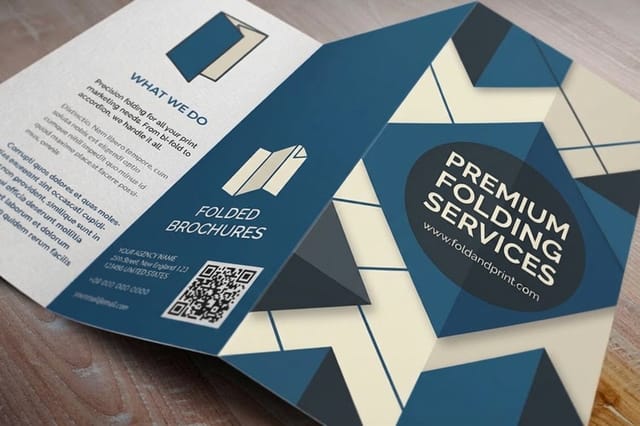
The anatomy: one tall card vs a folded sheet

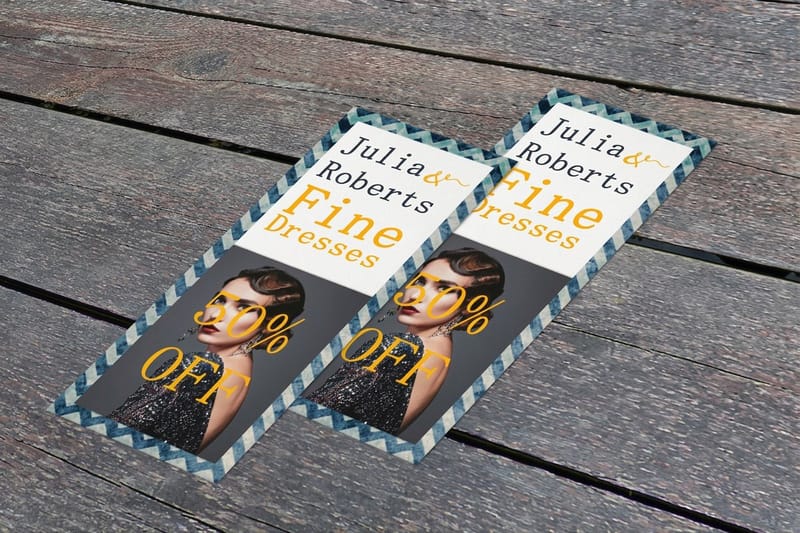
Set the artwork aside and the two pieces are built on different bones. A rack card is a single tall, rigid card, usually about 4 by 9 inches, printed on both faces. It stands up in a display rack or counter stand and get pulled by a passerby, so everything has to work in one glance, front and back. A rack card has no interior and nowhere to hide, which keeps the message tight.
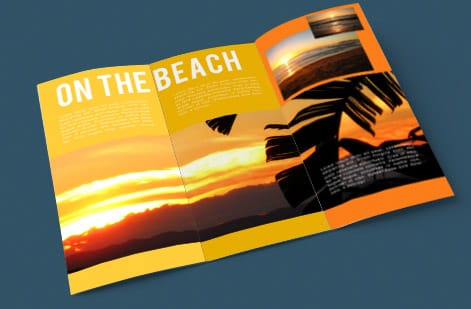
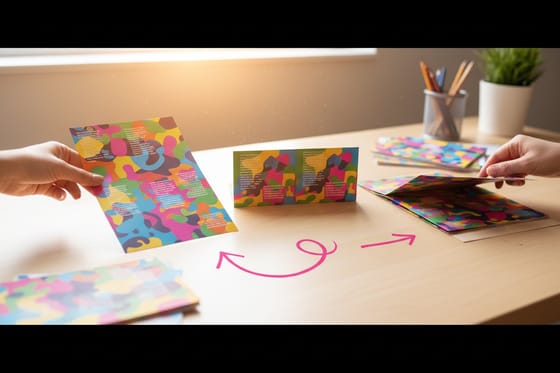
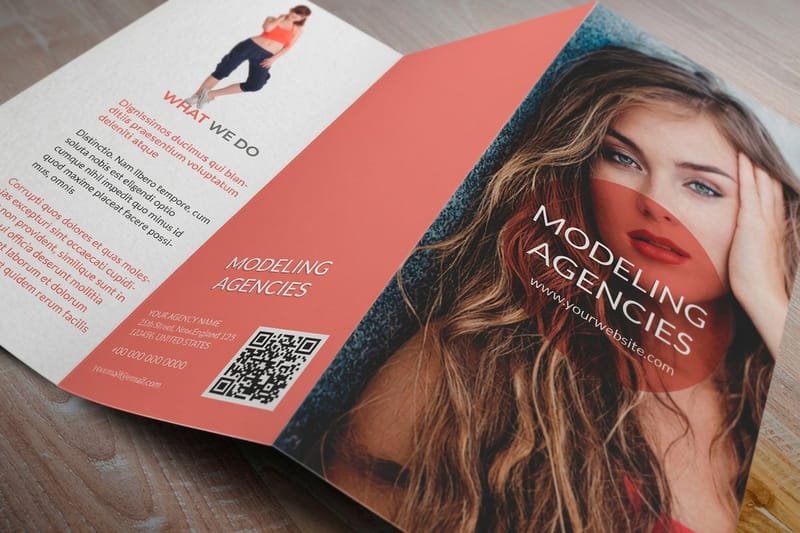
A brochure follows the opposite instinct. It starts as a larger flat sheet and folds into panels, so it unfolds into a sequence you read one section at a time. That fold buys room, and room is the whole point when you have a story with more than one beat. Bi-fold, tri-fold, z-fold, and gate folds each change how the panels reveal.
If you want the plain-language vocabulary behind panels, folds, and stocks, keep our printing terms glossary open in another tab. New to the format entirely? The primer on what rack cards are covers sizes and common uses before you commit.
Purpose and audience: grab-and-go vs sit-and-read
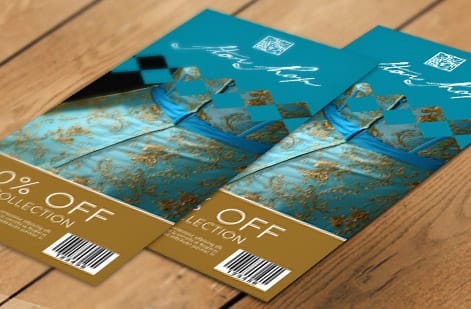
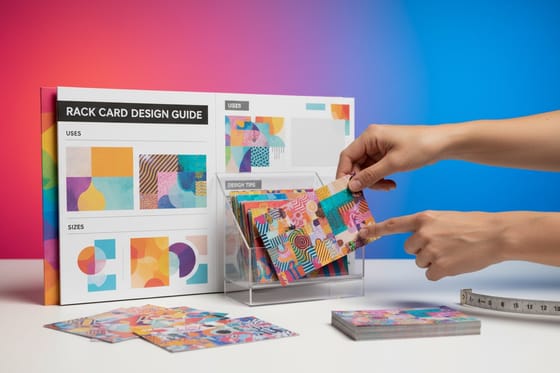
The cleanest way to choose is to ask how someone will encounter the piece. Rack cards are a grab-and-go tool. They live in a rack at a hotel desk, a clinic lobby, or a trade-show table, and they win when someone scans one action in a few seconds and takes the card with them. They print at 4 by 9 or 3.5 by 8.5 inches, the sizes literature racks are built to hold. That is why tourism, real estate, and service businesses lean on them for point-of-sale reach. Browse the full range in rack card printing. Businesses that print rack cards at FedEx Office can compare the FedEx rack cards alternative printed on rigid premium stocks.
Brochures are a sit-and-read tool. The audience has agreed to spend a minute, whether the piece is handed across a desk, mailed to a list, or set on a waiting-room table, and the goal is to walk them through several sections in order. When your pitch has features, pricing, and proof to lay out, the panels earn their keep. See the options in brochure printing.
Both formats order the same way. Lay out a 4 by 9 inch rack card or a tri-fold brochure in our online designer or from ready-made design templates, then order free paper samples to hold 14pt gloss cover against 100# gloss text before you print a full run.
Cost and quantity: what each one does to your budget
On raw print cost the rack card usually starts lower. A run of standard rack cards begins around $42.84, and because it is one flat card with no folding, the per-piece price keeps dropping as the quantity climbs. That efficiency is why rack cards are the default when you need a stack to refill a display every week.
Brochures begin around $57.11, and the gap is not markup, it is materials and finishing: a larger sheet, the fold itself, and heavier stocks that hold a crease cleanly. You are paying for more surface and a finished, foldable object, which is fair when the object has to carry a full pitch.
Both prices are live, not guesses. Set your quantity, size, stock, and fold in the configurators below and watch the number move. If you are weighing a bigger multi-piece campaign, the same quantity-is-the-biggest-lever logic from our flyers vs brochures vs booklets breakdown applies here too.
Design: one focused card vs a panel-by-panel story

The formats reward different design instincts. A rack card has to win in the sliver of space a rack allows, so the top third is prime real estate: a strong headline and image need to read while the rest of the card is hidden behind the one in front of it. The back carries the details and a single clear call to action. There is no interior, which keeps the layout honest. For a head start, the rack card design ideas roundup shows layouts that convert.
A brochure is choreographed across panels. The cover earns the open, the inside panels deliver the story in a logical order, and the back panel often carries contact details or a mailing area. Restraint and a clear reading path matter more than packing every panel full. The guide to print folding options maps which fold suits which story, and the best paper types for brochures guide keeps your stock from fighting the fold.
Finish changes feel on both. A matte or glossy coat shifts how either piece reads in the hand, so start with the job, then layer the finish that fits the mood.
Distribution: racks and counters vs handouts and mailers

This is where the two formats separate in the real world. A rack card is built for display. Its tall, narrow shape is sized to slot into standard literature racks and countertop stands, so it keeps working long after you set it down, quietly restocking demand at the point of sale. If your reach depends on people picking a card up on their own, the rack card owns that moment, and our rack brochure printing options carry the sizes, stocks and coatings that fit a standard rack.
A brochure is built for a handoff or a mailbox. It folds to a compact size that fits an envelope or a hand, then opens to full width when someone is ready to read. That makes it the stronger pick for direct mail, sales meetings, and leave-behinds where you want the whole story to travel together.
Need even more room than a single tri-fold gives? Step up to a folded brochure with additional panels, or compare the wider family in our flyers vs brochures vs booklets guide before you lock the format.
How to choose in one minute

Reach for a rack card when the piece will live in a display, the message is one focused action, unit cost matters, and you need a stack you can refill, from 50 cards for $42.84. Hotel and tourism info, service menus, appointment prompts, and counter takeaways are all rack-card territory. Browse the full range in rack card printing.
Reach for a brochure when the pitch has several sections, the reader has agreed to spend a minute, and you want the piece to travel by hand or mail. Product lineups, service explainers, event programs, and detailed price sheets all belong here. See the options in brochure printing.
Reach for a folded brochure when a standard tri-fold runs out of room and you need extra panels to carry the full story without jumping to a booklet. It is the honest step up when one more fold solves the problem.
Wally settles the debate
It is not which is better, it is which job you are hiring it for
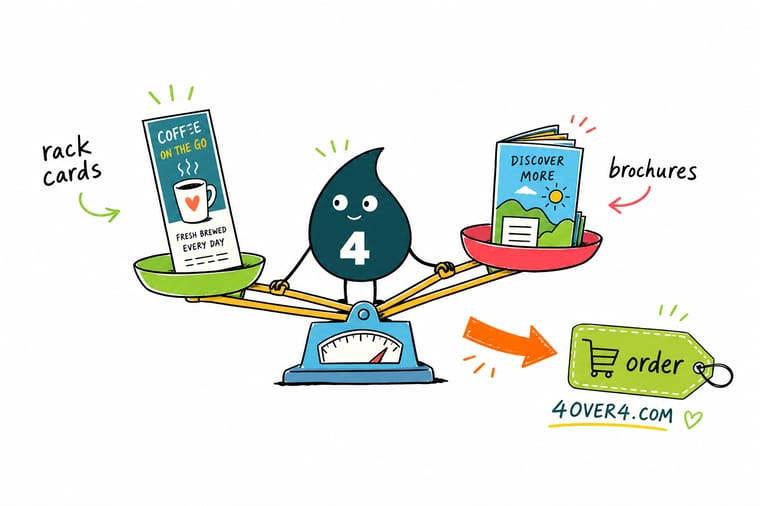
Wally holds a tall rack card in one hand and an open brochure in the other and shrugs, because both are right for different jobs. Need a piece people grab from a display and scan in seconds? The rack card stands tall and refills easily. Need room to walk a reader through features, pricing, and proof? The brochure folds open panel by panel. Pick the job first, then let 4OVER4 print it sharp on the size, stock, fold, and finish you choose.
Start with rack cards →
The trade-offs
What each format gives you, and what it asks in return
No format is free of compromise. Weigh the upside against the trade-off for the piece you actually need to print. Time is not one of the trade-offs: standard rack cards and brochures both take 3 business days at standard turnaround.
Rack cards
Where rack cards win
- Lower cost per piece, especially at volume
- Display-ready shape that fits standard literature racks
- One-glance message people grab and take with them
- Fast to design, print, and restock at a counter
- Premium coatings and heavy stocks still available
Where they fall short
- No interior and limited room for detail
- Works best only when it has a display to live in
- One message, so a complex pitch will not fit
- Easy to skip if the top of the card does not earn attention
Brochures
Where brochures win
- Multiple panels for features, pricing, and proof
- Folds compact to mail or hand off, opens to full width
- A logical reading path guides the reader in order
- Premium cover stocks and coatings for a finished feel
- Ideal for pitches, mailers, and detailed leave-behinds
Where they fall short
- Higher price per piece, with folding and heavier stock
- Needs a willing reader, not a quick glance
- Overkill for a single, one-action message
- Poor fit for an open literature-rack display
Live options
Compare real rack card and brochure options
Metallic rack cards jump to $668.92 for 500 and 7 business days, against $42.84 for 50 standard.
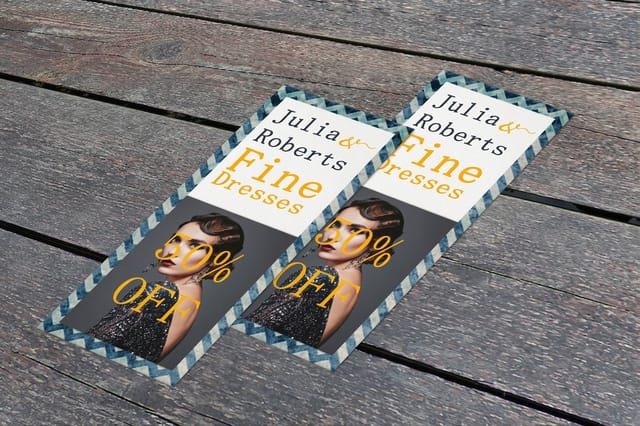 Standard Rack Cards | 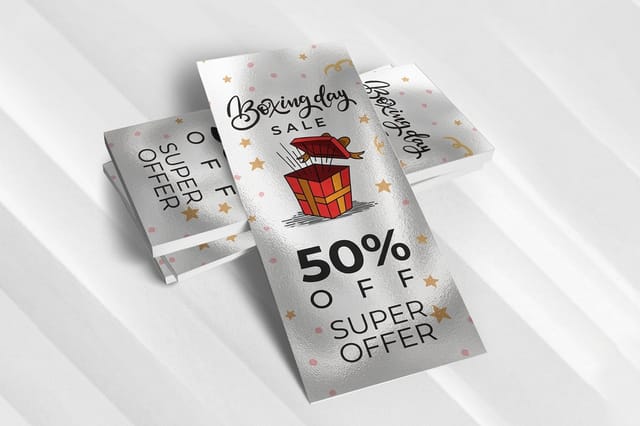 Metallic Rackcards | |
|---|---|---|
| Min price | $42.84 | $668.92 |
| Paper / stock | 14pt Gloss Cover | 16pt Gloss Cover |
| Finish | Standard Finish | - |
| Size | 3.5" x 8.5" | 4" x 9" |
| Default qty | 50 | 500 |
| Turnaround | 3 business days | 7 business days |
| Rating | ||
| View & customize | View & customize |
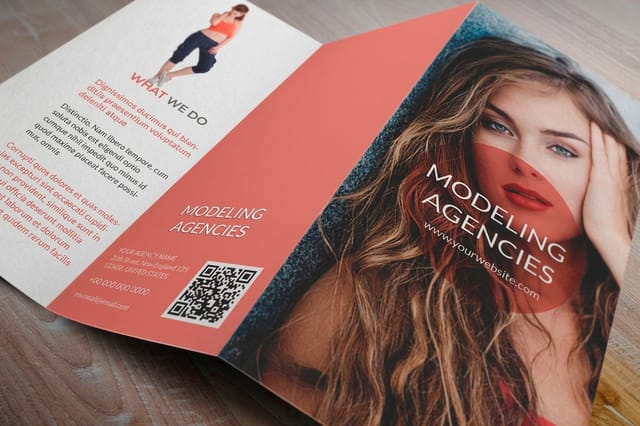 Standard Brochures | 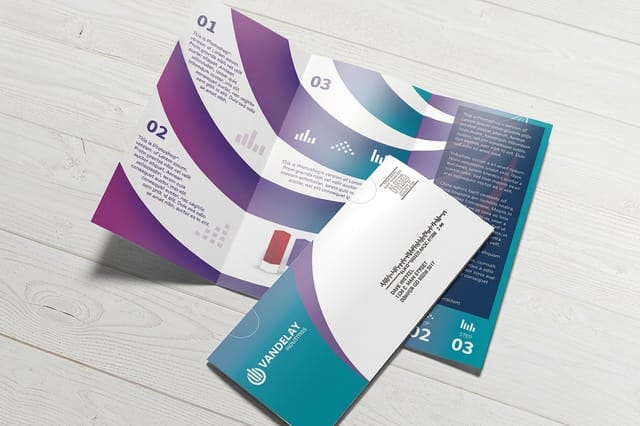 Direct Mail Brochures | |
|---|---|---|
| Min price | $57.11 | $238.73 |
| Paper / stock | 100# Gloss Text | 100# Gloss Text |
| Finish | Standard Finish | Standard Finish |
| Size | 5.5" x 8.5" | 8.5" x 11" |
| Default qty | 50 | 500 |
| Turnaround | 3 business days | 6 business days |
| Rating | ||
| View & customize | View & customize |
Specs and pricing
Live specs and pricing, side by side
When you have narrowed the choice, the decisions come down to size, stock, and fold. Here are the live specs and price-per-unit for standard rack cards and brochures at 4OVER4.COM. Rack cards come in 3.5 x 8.5 in or 4 x 9 in on ten cover stocks, and brochures run from 5.5 x 8.5 in to 11 x 25.5 in on 100# or 70# text or 14pt gloss cover.


| Quantity | Price Per Unit | Total |
|---|---|---|
| 50 | 85.7¢ | $42.84 |
| 100 | 60.4¢ | $60.42 |
| 200 | 31.2¢ | $62.40 |
| 300 | 25.5¢ | $76.45 |
| 400 | 22.6¢ | $90.51 |
| 500 | 20.9¢ | $104.57 |
| 600 | 20.5¢ | $123.02 |
| 700 | 20.2¢ | $141.47 |
| Quantity | Price Per Unit | Total |
|---|---|---|
| 50 | $1.14 | $57.11 |
| 100 | 82.4¢ | $82.38 |
| 200 | 53.3¢ | $106.55 |
| 300 | 41.0¢ | $123.02 |
| 400 | 34.9¢ | $139.49 |
| 500 | 31.2¢ | $155.97 |
| 600 | 26.7¢ | $160.36 |
| 700 | 23.5¢ | $164.75 |
See it in use
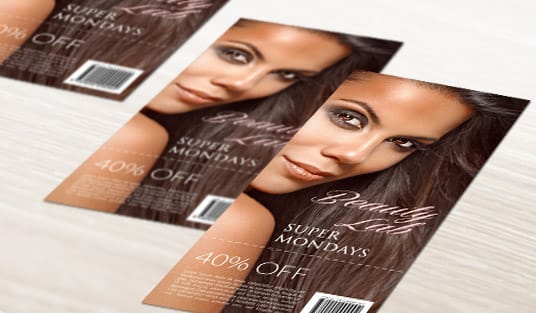
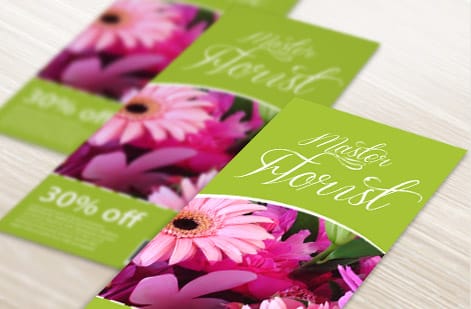
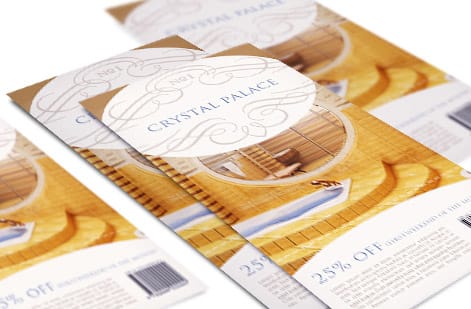
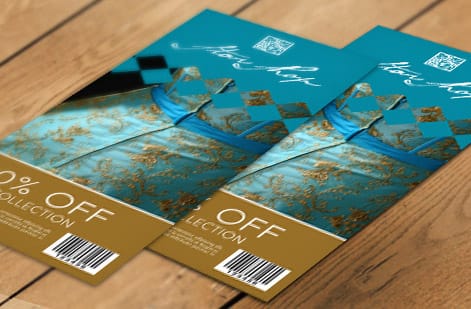
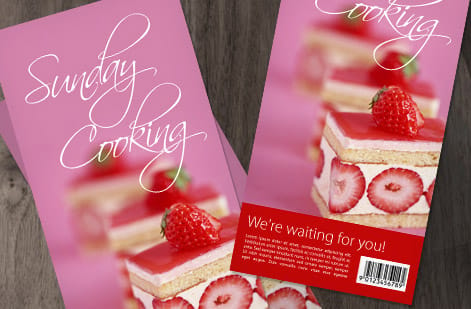
Rack card designs at 4 by 9 inches
Customer rack cards at 4 by 9 inches. The same size prints on cover stocks from 14pt to 18pt, with 1/8 or 3/8 inch rounded corners as an option.



See it in use
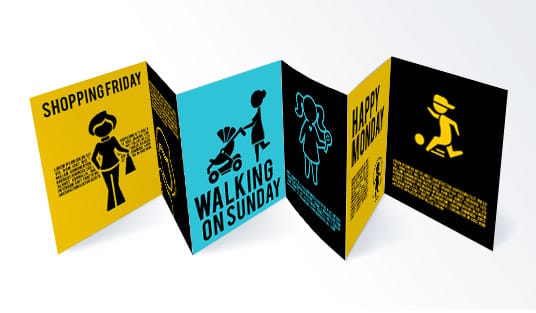
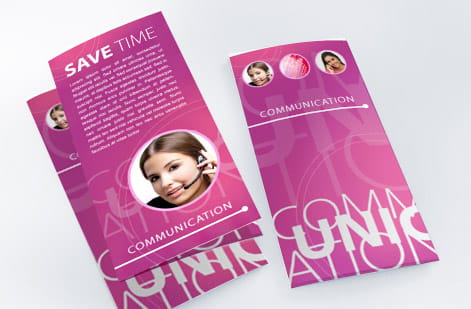
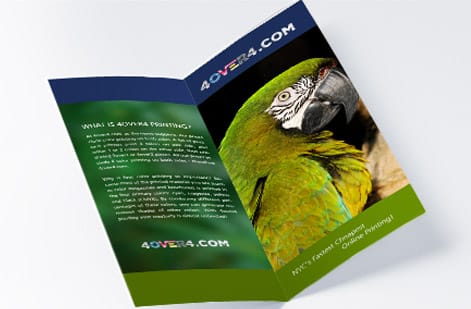
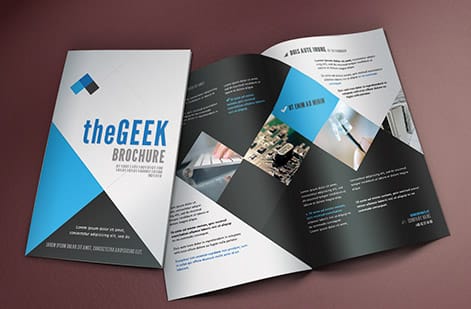
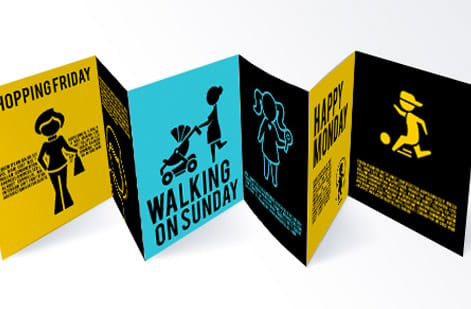
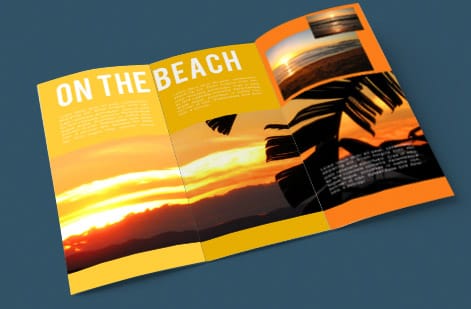
Brochure designs, bi-fold and tri-fold


The verdict
So which should you print?
Each format owns its own job. Rack cards own display and cost, with 50 cards at 4 by 9 inches for $42.84. Brochures own detail and craft, with panels for features, pricing and proof from 50 for $57.11. The ratings below follow the rack and the mailbox, not the artwork.
Rack cards, for display and reach
The right call when the piece lives in a rack, the message is one focused action, and you need a low-cost stack you can refill. Tall, rigid, and hard to beat for point-of-sale takeaways.
Brochures, for the full story
The right call when the pitch has several sections and the reader will spend a minute. The panels give features, pricing, and proof their own space, which no single card can match.
Still torn, or need more room than a tri-fold gives? Print a folded brochure with extra panels: it carries the full story without jumping all the way to a booklet, the honest step up between the two.

Explore more
Where to go next

By the numbers
Rack cards and brochures across 60+ paper types
Common Questions
Common questions about rack cards and brochures
What is the difference between a rack card and a brochure?
A rack card is a single tall, rigid card, usually around 4 by 9 inches, printed on both sides and cut to stand in a display rack or counter stand for people to grab. A brochure is a larger sheet folded into multiple panels that opens to hold far more information. Rack cards are a display and takeaway tool built for a quick scan. Brochures are a detail tool built to be read panel by panel.
Are rack cards cheaper to print than brochures?
Usually, yes. Standard rack cards at 4OVER4.COM start around $42.84, while brochures start around $57.11 because the price includes a larger sheet, folding, and heavier stock that holds a clean crease. Rack cards also use one flat card with no fold, so at higher quantities the per-piece cost tends to stay lower. Both prices update live in the configurator as you set quantity, size, stock, and finish.
What size are rack cards?
The most common rack card sizes are 4 by 9 inches and 3.5 by 8.5 inches. The tall, narrow shape is deliberate: it is sized to slot into standard literature racks and countertop stands so the top of the card stays visible even when several are lined up in a row. If you want the full rundown, our guide on what rack cards are covers sizes and common uses before you design.
When should I choose a brochure over a rack card?
Choose a brochure when your message has several sections, such as features, pricing, and proof, and the reader is willing to spend a minute with it. The folded panels give each part its own space and a logical reading order. A rack card is the better pick when the message is one focused action and the piece needs to live in a display where people grab it on the way past.
What folds can a brochure have?
Common brochure folds include bi-fold, tri-fold, z-fold, and gate fold, and each changes how the panels reveal. A tri-fold is the workhorse for a balanced pitch, a z-fold suits a step-by-step story, and a gate fold creates a dramatic reveal. Our print folding options guide maps which fold fits which story, and heavier stocks hold a crisp crease so the piece opens and closes cleanly.
Can I get premium finishes on both rack cards and brochures?
Yes, with different menus. Rack cards take gloss, silk matte, uncoated or 16pt soft touch cover, plus a high gloss UV coating and rounded corners. Brochures take 100# gloss or silk text, 70# uncoated text or 14pt gloss cover, with high gloss UV as the coating. Settle the job first, since a card in a sunny lobby rack and a mailed tri-fold want different surfaces.
Which is better for direct mail, a rack card or a brochure?
Both can be mailed, but they suit different goals. A brochure folds to a compact size, fits an envelope or mails as a self-mailer, and opens to deliver a full pitch, which makes it the stronger direct-mail piece when you have a story to tell. A rack card can be mailed too, but it shines most in a display at the point of sale. If postage and reach are your priority, weigh sizes and stocks in the live specs on this page first.
Which is cheaper to print, a rack card or a brochure?
At the same quantity the rack card is usually the cheaper piece, because it is one flat card with no folding pass and less printed surface, while a brochure adds the fold and more panels of ink. The comparison that matters is cost per message delivered rather than cost per piece: if the sale needs three panels of explanation, a stack of cheaper cards that leave the question unanswered is the more expensive option. Set your real quantity, size and stock in the live price table on this page and compare the two on your own spec.
Which rack card or brochure size fits a standard display rack?
Rack cards are cut long and narrow specifically so they slot into standard literature racks and countertop stands, which is the whole reason the format exists. A brochure fits the same pockets once it is folded, because a folded sheet lands close to the rack card footprint, while a flat unfolded sheet will not sit in a rack at all. If the piece has to live in a display, check the folded size rather than the flat size in the live specs on this page before you order.
Get Started
Print 50 rack cards from $42.84
Bring your design to 4OVER4.COM and print rack cards, brochures, or a folded brochure on the size, stock, fold, and finish that fits the job. Rack cards and brochures both finish in 3 business days, metallic rack cards in 7.
Legal Disclaimer
Gold Standard guarantees apply to all standard orders placed through 4over4.com. Price match requires verifiable proof of a competitor's published price for an equivalent product with matching specifications and turnaround time. Satisfaction guarantee covers manufacturing defects and print quality issues. Contact support with order number and documentation.
