
Church Invite Cards Wording and Design That Fills Empty Seats


Most first visits start with one person handing another person a card. This guide gives you the wording that sounds human, the layout that survives a glance, the sizes and stocks that get carried instead of tossed, and what a real print run costs.
A church invite card is a wallet-size printed invitation that a member hands to someone in person. Effective cards carry six things and nothing more: a welcoming line written to one person, the church name and logo, the service day and start time in bold type, the street address with a parking or entrance note, one line on what a visitor can expect, and a single next step such as a QR code. Print them at 3.5 by 2 inches on 16pt stock so they get carried, and give dated event cards their own separate run.

Start here
The whole method in one paragraph
Write the card as if you were speaking to one neighbor, then design it so the service time is impossible to miss. Open with a warm invitation line, name the church, set the day and start time in the largest type after the logo, add the address with an orientation note, promise one honest thing about the experience, and finish with a single next step. Print it at wallet size on 16pt stock so members carry it for months, and keep dated holiday cards in their own smaller run.
Why a printed invite card still fills seats
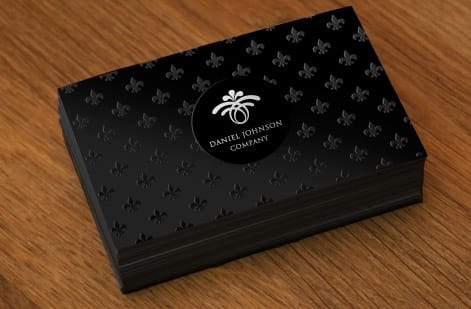
Almost every first visit to a church starts with a person, not a post. Someone brings up faith over coffee, the moment gets warm, and then it passes because nobody had anything to hand over. A printed invite card exists for that ten second window. It turns a vague "you should come sometime" into a specific day, a specific time and an address the other person can put in a pocket.
The card also lowers the cost of asking. Many members will never post an invitation online, but they will happily slide a card across a counter or leave one with a tip. Give a congregation something small and well made and the invitation stops depending on confidence. Our Church Business Cards start at $17.57, which is why churches order them by the box and refill the welcome desk every month.
Digital and print work best together. The card carries the human ask and the QR code carries the details, so the person who says yes on Tuesday can still find your address on Sunday morning without texting anyone.
The wording formula every church invite card follows
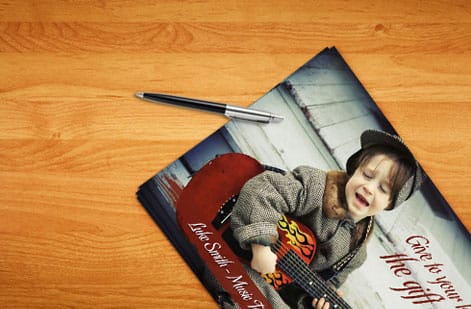
Strong invite card copy is short because the card is small and the reader is standing up. Work through six slots in order and resist the urge to add a seventh. Each slot answers a question a stranger is silently asking.
- The welcome line. One sentence written to one person. "There is a seat here for you this Sunday" beats "All are welcome" because it sounds like a person said it.
- The church name. Your name and logo, sized so it reads instantly but does not dominate the card.
- Service day and time. The single most forgettable detail, so give it the boldest type after the name. List every service time if you have more than one.
- The address. Street, city and a short orientation note such as the cross street, the parking lot or which door to use.
- What to expect. One line that removes fear. Casual dress, an hour long service, coffee before and after, kids welcome.
- The next step. One website, one phone number or one QR code. Two competing next steps means neither gets used.
Read the draft out loud. If a sentence sounds like a committee wrote it, rewrite it the way you would say it to a neighbor across a fence. That single edit does more for response than any font choice. The same discipline shows up in our guide to how to design business cards, where every line has to earn its space.
Wording examples for Sunday services, holidays and outreach
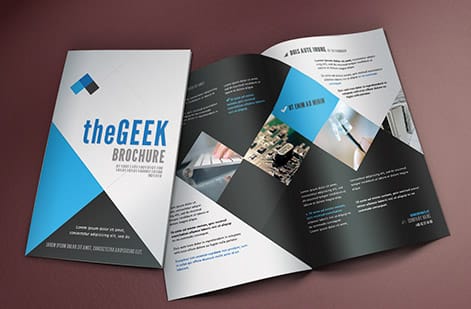
Copy a structure, not a script. Swap in your own names, times and voice so the card sounds like your congregation rather than a template. Each example below fits comfortably on a wallet-size card front and back.
Weekly service invite. Front: "Come as you are. There is a seat saved for you." Back: Grace Community Church, Sundays at 9:00 and 11:00 a.m., 214 Oak Street, parking behind the building, casual dress, coffee at 8:30. Scan for directions.
Easter or Christmas Eve. Front: "Christmas Eve at Grace, candles at 5 and 7 p.m." Back: A short line about the music, the childcare arrangement and the fact that latecomers are welcome. Dated cards should carry the year so leftovers do not confuse anyone next season.
New here card. Handed out inside the building rather than outside it, with a next step such as a welcome lunch, a small group signup or a text-to-connect number. Keep a stack at the welcome desk and another with the greeters.
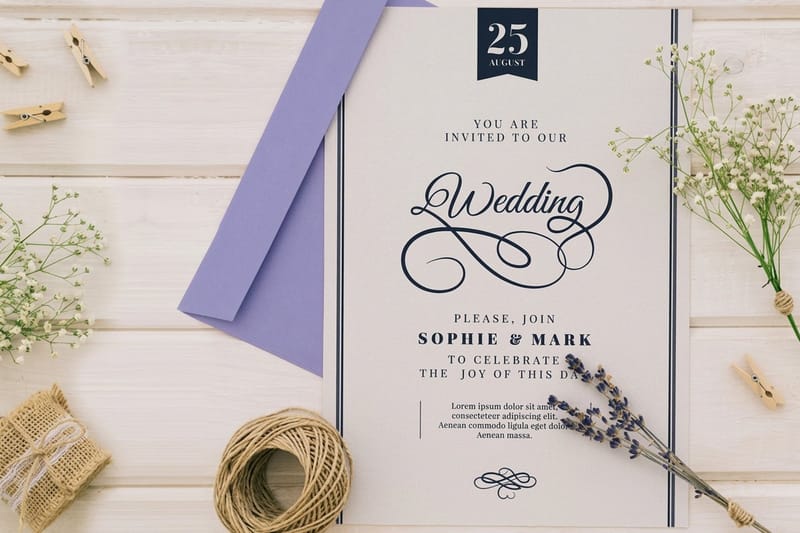
Life event invite. Baptisms, dedications, weddings and memorials call for a larger, more formal card. If your event needs a response count, borrow the response wording patterns in our guide to wedding RSVP wording with design examples, and if you are inviting to a celebration rather than a service, the structure in how to design birthday invitation cards transfers almost line for line.
Sizes and formats for handouts, mailers and pew cards
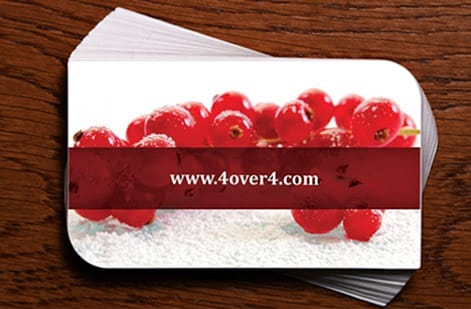
The format decides whether a card gets carried or discarded. Choose by distribution method, not by how much copy you want to fit.
3.5 by 2 inches. The everyday invite card. It fits a wallet, a phone case and a Bible cover, and it is cheap enough to hand out by the hundred. This is the size that keeps working in month three, long after the launch push is over.
4 by 6 inches. The mailer. Room for a photo, a full holiday schedule, a small map and a mailing panel. Use it for neighborhood drops around a dated service.
5 by 7 inches. The formal invitation. Baptism, ordination, banquet and anniversary events read better at this size, especially on a heavier stock with a matte finish.
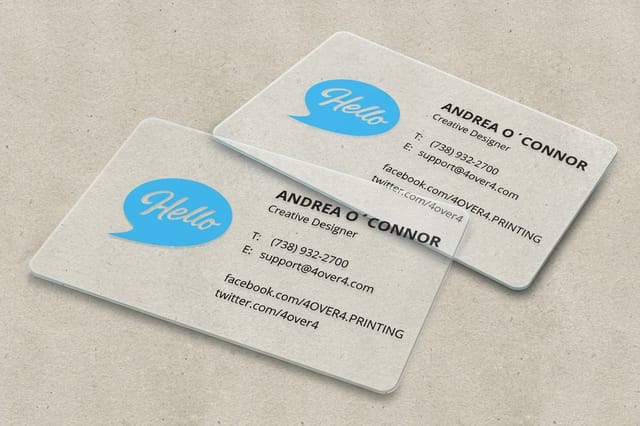
Plastic cards. For a card that has to survive a year, 30mil Clear Plastic Cards start at $529.26 for a production run and give you a translucent card that people keep because it looks like nothing else in the drawer. Churches use them for membership cards, ministry team credentials and anniversary keepsakes.
If your outreach involves product tables, resource giveaways or bagged materials, the format advice in our article on custom header cards covers hanging and bagging cards that face the same durability question.
Layout that survives a glance at arm length

Design the card for the two seconds it gets before the person decides to keep it or bin it. That means one focal point, a clear reading path and enough empty space that the important lines are not fighting for attention.
Set a hierarchy of exactly three levels. Level one is the invitation line or the event name. Level two is the service day and time. Level three is everything else, at a size that stays readable at 8 or 9 points on coated stock. Keep body type above 8 points, keep line length short, and never reverse small type out of a photograph.
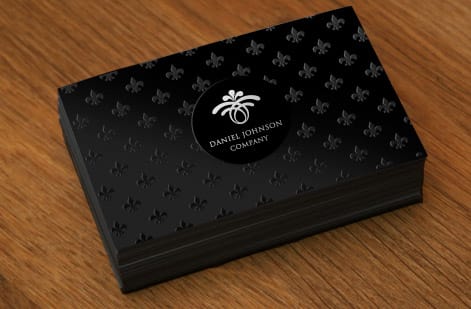
Color choice carries meaning before anyone reads a word. Warm neutrals and deep blues feel steady and traditional. Bright accents read as young and informal. A dark card can look striking and modern, though it demands more from your stock and finish, which is exactly the tradeoff covered in how to design black business cards. Whatever palette you choose, keep the church logo consistent with your signage, bulletin and website so the card is recognized before it is read.
Use the back of the card. A blank back is wasted real estate. Put service times, the address and the QR code back there and let the front stay clean enough to be beautiful.
Paper stocks and finishes that hold up in a wallet
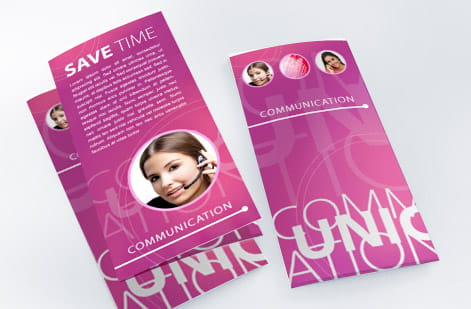
Stock is the part people feel, and feel is what makes a card get kept. A flimsy card signals a flimsy invitation, so this is the last place to save money.
14pt coated is the sensible baseline for high-volume invite cards. 16pt gives noticeably more spine for very little extra cost and is the sweet spot for cards that live in wallets. 32pt ultra thick, kraft, linen and pearl stocks turn the card into a keepsake for dated events and life milestones.
Finish should follow function. Gloss makes photography pop and repels fingerprints. Matte reads calm and premium and photographs well in a social post. Soft touch feels like suede and gets commented on out loud. Uncoated is the only right answer if greeters will write a name, a service time or a personal note on the card. Spot UV and foil should be reserved for one element, usually a cross, a monogram or the church name, because their power comes from contrast.
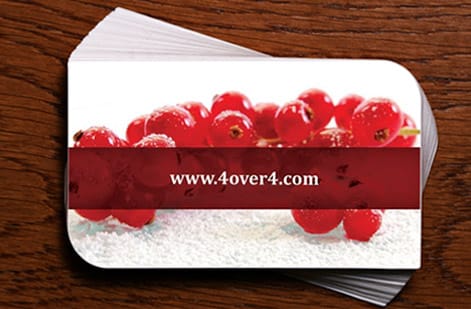
Rounded corners are a small upgrade with an outsized effect: corners are the first thing to fray in a pocket, and a rounded card still looks new after a month of carrying.
Artwork setup so nothing gets trimmed off
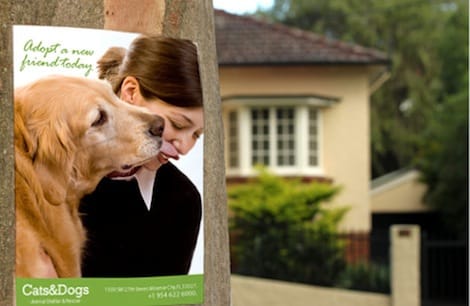
Most reprints are caused by three avoidable file problems. Fix them before you upload and the proof usually clears on the first pass.
Build the file with bleed. Extend any background color or photograph past the trim edge so a slight shift during cutting never leaves a white sliver. Keep all text and logos inside a safe margin, roughly an eighth of an inch in from the trim, so nothing critical sits near the blade.
Supply images at 300 dpi at final print size. A photo that looks sharp on a phone is often a fraction of the resolution a press needs, and no amount of upscaling recovers detail that was never captured. Convert artwork to CMYK before uploading so the color you approve is the color the press can actually reproduce, and expect vivid screen blues and neons to shift slightly on paper.
Test your QR code before you print, not after. Print a proof at true size, scan it with two different phones, and confirm the link lands on a mobile-friendly page with your service times. Leave clear space around the code and keep it at least three quarters of an inch wide. The general prepress checklist in how to make business cards applies to every card format on this page.
What church invite cards cost and how the price is set
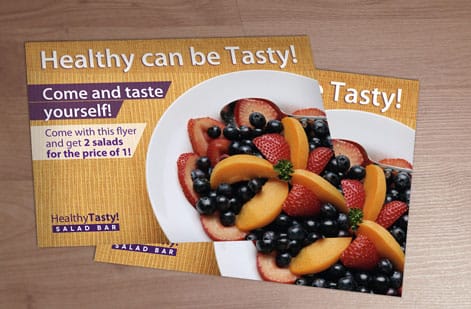
Five variables set the price of a card run: quantity, size, stock, finish and turnaround. Quantity moves the number the most, because plate setup and press makeready are fixed costs spread across the run. Doubling a quantity rarely doubles the invoice, which is why ordering a full season of cards in one run beats ordering monthly.
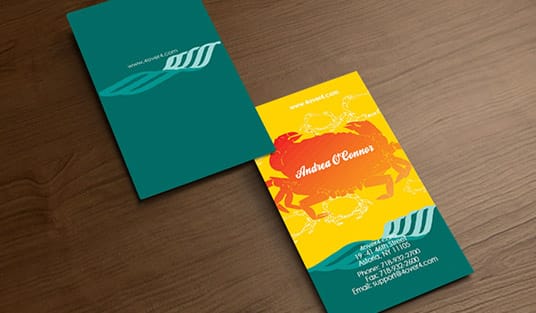
At 4OVER4, Church Business Cards start at $17.57, so a small congregation can put a stack in every member's hand for the price of a single ad. Ministry staff and volunteer leaders who want a personal card with their own name and role often print a second, more designed version; Interior Design Business Cards also start at $17.57 and give creative teams a layout style built around imagery. For long-life cards, 30mil Clear Plastic Cards start at $529.26 and sit in a different category entirely because plastic is a durable good, not a handout.
Two cost habits worth adopting. First, print the undated evergreen card in a large run and the dated seasonal card in a small one, so nothing gets thrown away in January. Second, budget the finish before the quantity. A 16pt matte card at half the volume outperforms a thin gloss card at double the volume, every single time.
How to hand them out so they actually get used

Printing the cards is the easy half. Cards that sit in a box in the church office invite nobody. Build a distribution habit and the same print run does five times the work.
Put cards where members already stand. Stock the welcome desk, the coffee station, the exits and every greeter's pocket. Refill on a schedule so the supply never quietly runs out. Give small group leaders a handful each month and make handing them out part of the group rhythm rather than a special campaign.
Model the ask from the front. Two minutes explaining how to invite a coworker does more than a year of cards on a table. Some churches include one card in every bulletin during a season so nobody has to go looking for one.
Extend the invitation beyond the card where it makes sense. Menu cards for a fellowship dinner, table cards for a community meal and small printed keepsakes all support the same welcome. Our guide to custom menu cards is a useful companion for hospitality events, and youth ministries running collectible programs often adapt the approach in how to make custom trading cards for camp and team giveaways.
Mistakes that get invite cards thrown away
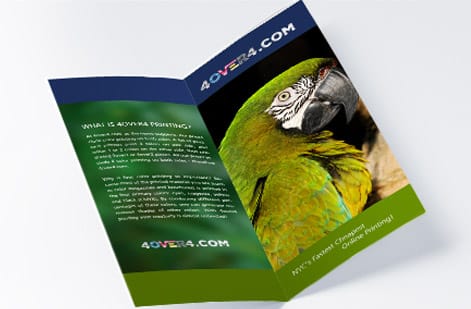
Every one of these shows up in real church card files, and every one is fixable before the file goes to press.
Too much information. Six ministries, three phone numbers and a mission statement on one card means the reader gets nothing. Cut until only the invitation, the time, the place and one next step remain.
Insider language. Acronyms, ministry nicknames and denominational shorthand tell a visitor they are outside the circle. Write for the person who has never walked in.
A missing or buried service time. If a stranger cannot find when to show up in under two seconds, the card has failed at its only job.
A dead link or an untested QR code. A code that leads to a broken page is worse than no code at all, because it teaches the reader that your church does not follow through.
Type that is too small or too low in contrast. Thin light gray at 6 points looks elegant on a screen and disappears on paper, especially for older readers.
A card that feels cheap. The stock is the handshake. Move up one weight and one finish grade and the same design reads as care rather than obligation.
Wally explains the invite card
Six lines, one ask, and a time nobody can forget
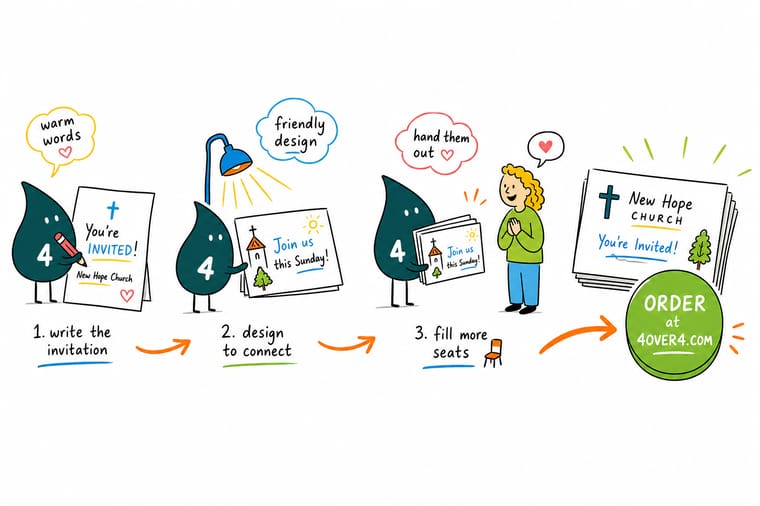
Wally has read a lot of church cards, and the ones that work all look the same from three feet away: a warm opening line, the church name, and a service time you can read without squinting. Everything else goes on the back. Pick a stock heavy enough to survive a wallet, test the QR code on two phones, and print enough that every member can carry a few without rationing them.
Order church invite cards →Infographic
The 7 elements of a church invite card
One frame, seven elements. Keep it beside you while you draft the copy, and check the card against it before the file goes to press.
Seven elements, in this order, on a card small enough to carry. Anything that does not fit one of these boxes belongs on the website, not on the card.
Specs and pricing
Church card specs and live pricing
Once the wording is settled, the print decisions are quantity, stock, finish and turnaround. Here are the live specs and current pricing so you can size the run against your budget.
| Quantity | Price Per Unit | Total |
|---|---|---|
| 100 | 17.6¢ | $17.57 |
| 200 | 11.5¢ | $23.07 |
| 300 | 9.15¢ | $27.46 |
| 400 | 7.96¢ | $31.86 |
| 500 | 7.25¢ | $36.26 |
| 600 | 6.77¢ | $40.64 |
| 700 | 6.43¢ | $45.04 |
| 800 | 6.18¢ | $49.43 |
Print it
Cards for the invitation, the team and the keepsake
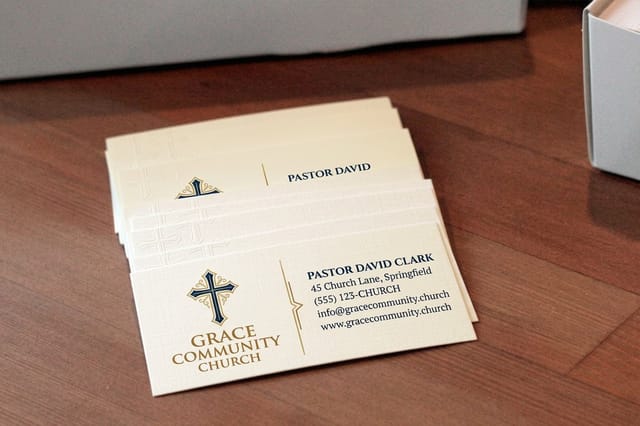
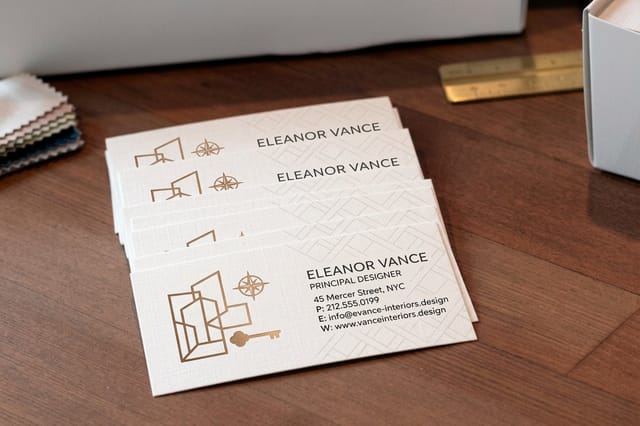
See it in use
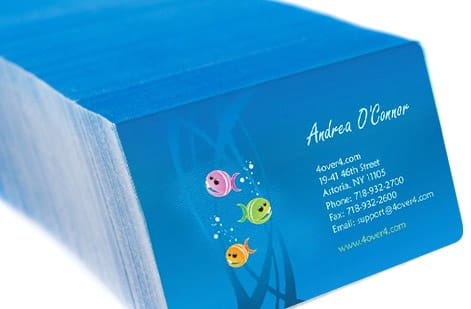
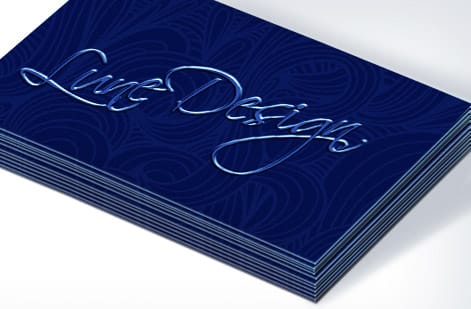
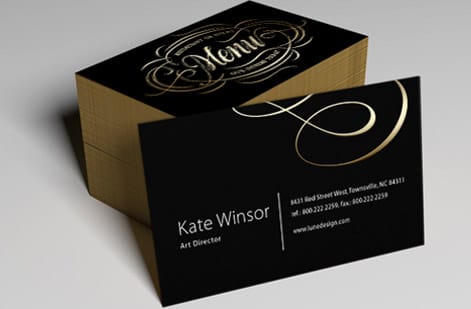
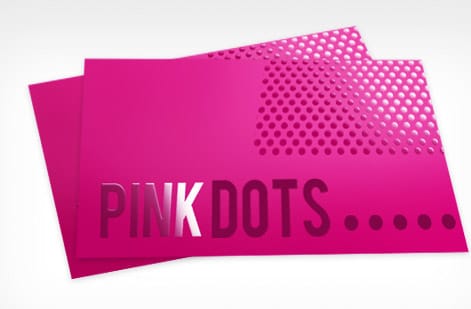
Real card designs, printed in-house
Explore more
Where to go next


By the numbers
Printing your church can count on at 4OVER4
Common Questions
Common questions about church invite cards
What are church invite cards?
Church invite cards are small printed cards that members hand to friends, neighbors and coworkers to invite them to a service or event. They carry the church name, the service day and time, the street address and one way to learn more, usually a website or a QR code. Most churches print them at business card size so every member can keep a few in a wallet, a car console or a bag and give one away the moment a conversation opens up.
How do I choose the right church invite cards?
Start with the job the card has to do. For weekly personal invitations, a wallet-size card on a sturdy stock is the right answer because it gets carried for months. For a single dated event such as Easter, Christmas Eve or a community outreach night, a larger card gives you room for a photo and a schedule. For a card that has to survive a year on a refrigerator or in a glove box, choose a plastic card. Match the format to how long the invitation stays relevant.
What should a church invite card say?
Lead with a welcoming line written to one person, then the church name, then the service day and start time in the largest readable type on the card. Add the street address with a parking or entrance note, one line about what a visitor can expect, and a single next step such as a website, phone number or QR code. Anything past that competes with the essentials and makes the card harder to read at arm length.
What size should a church invite card be?
The standard 3.5 by 2 inch business card size is the workhorse because it fits a wallet and a shirt pocket, so members actually carry it. A 4 by 6 inch card suits mailed invitations and holiday services where you need a photo, a schedule of multiple services and a map. A 5 by 7 inch card reads like a formal invitation and fits weddings, baptisms, ordinations and banquet-style events.
What do church invite cards cost and how are prices set?
Price is set by quantity, size, paper stock, finish and turnaround. Church Business Cards start at $17.57 for a starter run, and the unit cost drops sharply as quantity rises because setup is spread across more pieces. Premium touches such as heavy stock, soft touch lamination, spot gloss or foil add to the sheet cost, and a rush turnaround adds a production premium. Printing both sides usually costs far less than most people expect.
What sizes, stocks and finishes are available for church invite cards?
Sizes run from wallet-size cards through 4 by 6 and 5 by 7 invitations. Stocks range from 14pt and 16pt coated cardstock, which is the everyday choice, up to 32pt ultra thick, kraft, linen, pearl and 30mil clear plastic for cards meant to last. Finishes include gloss, matte, soft touch, uncoated writable, spot UV, foil and rounded corners. Pair a matte or uncoated finish with any card where volunteers write a name or a service time by hand.
How long does church invite card printing and shipping take?
Standard production for cards runs a few business days after your artwork passes prepress, and expedited options compress that when a holiday service is close. Shipping time depends on the distance from the production facility to your church. The practical rule is to approve artwork at least two weeks before you need the cards in hand for a dated event, which leaves room for a proof revision and keeps you off the rush schedule.
Get Started
Ready to put an invitation in every member's pocket?
Upload your artwork or start from a layout, choose a stock heavy enough to survive a wallet, and print a run your whole congregation can hand out this season.
Legal Disclaimer
Gold Standard guarantees apply to all standard orders placed through 4over4.com. Price match requires verifiable proof of a competitor's published price for an equivalent product with matching specifications and turnaround time. Satisfaction guarantee covers manufacturing defects and print quality issues. Contact support with order number and documentation. On-time delivery rate based on tracked orders 1999 to 2026. Individual results may vary based on shipping carrier performance.
