
The Direct Selling Blueprint for a Business That Outlives Your Warm Market


A build order for a direct selling business: the three models and how each pays, the reorder cycle that decides your income, the ninety days after your friends stop buying, and the checklist to work down before you order stock.
A direct selling blueprint is a build order: choose a product people reorder, check that the plan pays on retail sales rather than on recruiting, work a warm market of forty to sixty names, and take two bookings out of every demo before that list is spent. The warm market produces a burst of goodwill orders in roughly ten weeks and then stops, so the business you actually have is whatever you booked during that window. Inventory, ranks and team building come after the booking habit, never before it.

Quick answer
Goodwill fills ten weeks. Bookings fill the year
Almost every direct selling business fails at the same seam. The first forty to sixty names buy because they know you, income looks real, and then the list is spent. Nothing replaces it unless every demonstration in those ten weeks produced two more dates on the calendar. The curve below is the pattern, and the whole blueprint exists to move you from the falling line to the rising one before the two cross.
The Three Direct Selling Models and How Each One Pays

Direct selling is one label over three different businesses. Choosing the wrong one for your temperament is the most common early mistake, and no amount of effort fixes it.
| Model | How you get paid | What it demands | Where it breaks |
|---|---|---|---|
| Single level | You buy at wholesale and keep the retail margin on every unit you sell. | Steady one to one selling and a customer list you actually work. | Income stops the moment you stop selling. There is no leverage at all. |
| Party plan | Retail margin on a group demo, usually with a reward paid to the host. | A booking habit. The calendar is the business. | One cancelled party takes out a whole week of income. |
| Multi level | Your own retail margin plus a percentage on volume from people you recruit. | Recruiting, plus training people who mostly leave. | Pay tied to team volume pushes sellers into buying stock to hold a rank. |
Read the last column before the second. Every plan looks good in the recruitment slide deck, and every plan has a failure mode that the deck skips.
There is also a legal line running through all three, and it is simpler than the argument around it suggests. A plan is judged by where the money originates. When most of what participants earn traces back to product bought by real customers outside the business, the structure holds up. When it traces back to entry fees and to inventory participants buy themselves, the plan needs a constant flow of new recruits to pay the old ones, and that is the pattern regulators act on. Two questions settle it quickly. Would you still earn anything if you never recruited a single person? And does the company require a monthly personal order just to stay qualified for commission?
Pick a Product People Buy Again in Sixty Days

Two sellers can work the same hours, sell to the same number of people, and end the year with completely different incomes. The variable is how often the product runs out.
Run the arithmetic on your own line before you sign anything. A hundred customers on a skincare serum that lasts about eight weeks can place six or seven orders each in a year. A hundred customers on a set of cookware place one, and then you need a hundred new customers. Neither is wrong, but they are different jobs, and only one of them compounds.
| Product type | Typical reorder gap | Orders per customer per year | What keeps you alive |
|---|---|---|---|
| Consumable | Six to eight weeks | Six or seven | A reorder calendar and a reminder that arrives before the jar is empty. |
| Seasonal | Four to six months | Two or three | A catalog in the customer's hands ahead of each season. |
| Durable | Years, or never | One | Referrals. Every sale has to produce the next introduction or the list dies. |
The row you land on decides which tools matter. Consumables live on timing, so a dated reminder beats a beautiful brochure. Durables live on introductions, so the piece a customer can hand to a friend does the heavy lifting. A printed brochure at $57.11 works for the second case because it explains a range without you in the room, and a customer will pass one along in a way they will never forward a link.
Stock follows demand, never the other way round. If a rank requires you to hold product you have not sold, treat that requirement as a cost of the plan and price it into your decision.
The First Ninety Days and the List That Runs Out
Write down forty to sixty names from your phone. Not a target list, an actual list: people who would pick up if you called this afternoon. That group will produce a burst of orders in the first ten weeks, and almost all of it is goodwill rather than demand.
Then the burst stops. Sellers who read that spike as traction order more inventory in month two and spend month four trying to move it. Sellers who read it correctly spend those same ten weeks converting each of those goodwill orders into an introduction, a demo booking, or a reorder date on the calendar.
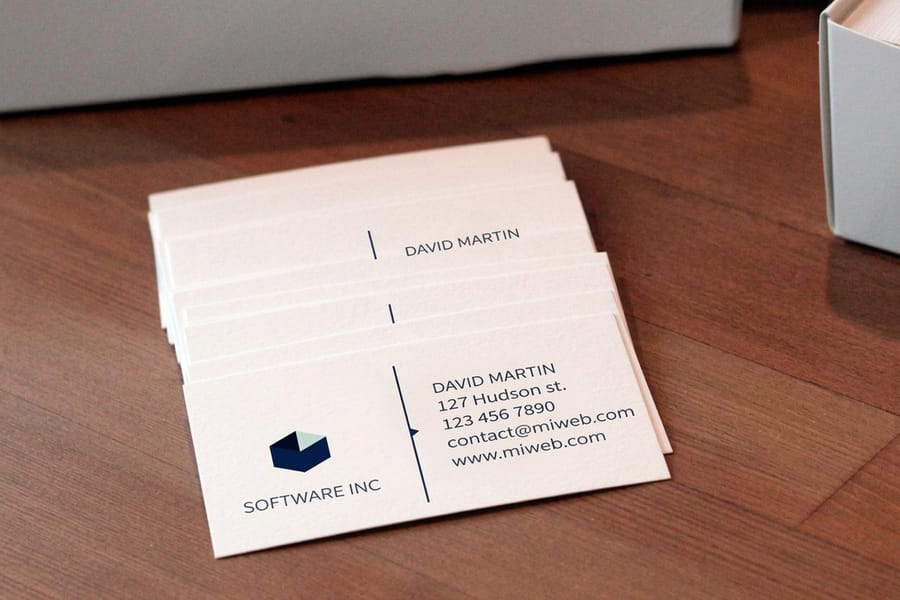
What you leave behind decides how much of that survives. Two items do almost all the work. The first is a card, because the person who liked the product at a barbecue in March needs to find you in May, and standard business cards start at $17.57 for a box that will outlast your first quarter. Write the reorder date on the back by hand. It looks personal because it is.
The second is something the customer keeps that shows the whole range. A printed booklet or catalog lets a customer choose the next product without a conversation, which is exactly what you want, since the phone call you have to make is the order that never happens. Browse the full range at booklets and catalogs if you want to compare page counts, and use a correctly sized layout from the blank template library so nothing important sits in the trim. If you would rather start from an assembled set, the solo entrepreneur print lineup covers the same ground in one order.
One warning about the leave-behind. Do not print a year of catalogs before you know your line will not change. Companies retire products and reprice them, and a stack of obsolete catalogs is expensive wallpaper. Print what you will hand out in one season.
Book the Next Two Events Before You Leave This One

Every direct selling business that lasts more than a year runs on the same mechanism: each demo produces at least two more. Miss that and you are back to cold prospecting, which is slower and much harder to sustain.
Timing is the whole trick. The ask lands while the product is still in someone's hands and the room is warm, not at the door while people are finding their coats. Offer two specific dates rather than asking whether they would like to host, because a choice between two options is an easier answer than a yes or no. And tell the host plainly what they get, in the company's own terms, so there is no ambiguity later.
Follow up on paper as well as by phone. A mailed piece survives on a fridge for weeks in a way a text does not, and it reaches the people in a household who never see your messages. Standard postcards start at $16.48 and are the right tool for two specific jobs: a host invitation posted two weeks ahead, and a reorder reminder timed to land about a week before the product runs out. Late reminders are wasted postage, because by then the customer has already bought something else at the pharmacy.
Keep the card simple. One offer, one date, one way to reply. If you want to see finishes and sizes side by side, the postcard range lists them, and the postcard and mailer guides cover addressing and postage rules that catch first-time mailers out.
Vendor Markets and Expos, the Half Most Sellers Skip

A market table is the fastest way to meet people who have never heard of you, and the fastest way to lose a Saturday if you judge it by cash taken.
Do the break-even first. Divide the table fee by your margin per unit. A $75 table against a $9 margin means nine sales before you have covered the fee, and that ignores fuel, parking, samples given away, and the eight hours you spent. Sellers who count only same-day sales quietly conclude that markets do not work.
Count the right things instead. The prize at a market is booked demos and permission to contact people again. A table that takes $60 but produces three booked dates and twenty opt-ins outperforms a table that takes $300 and produces nothing, because the three bookings each produce two more.
The physical setup matters more than it should. People walk past tables they cannot read from ten feet away, so height and one legible line of text do most of the work. A retractable banner stand at $139 rolls into a tube, sets up alone in under a minute, and reads from across an aisle. Put your category on it, not your slogan: shoppers need to know what you sell before they decide to stop. The wider banner stand range covers taller and double-sided options for corner pitches, and the farmers market vendor suite pairs a stand with the table pieces most sellers forget.
One limit worth naming. Markets suit consumables, food, and anything under about thirty dollars. High-ticket durables rarely sell to a passer-by on the day, so treat those tables purely as a booking exercise and set your expectations accordingly.
The blueprint
The 12 point direct selling checklist
Work down it in order. Each step is cheap to do and expensive to skip, and the numbering matters more than it looks: steps six and seven are what make step five affordable.
- Name the customer, not the product. Write one sentence describing who buys, how often, and what they use instead today.
- Check the reorder cycle. If the product does not run out, plan for a referral business rather than a repeat business.
- Read the compensation plan for where the money comes from. Retail margin, volume bonus, recruiting bonus. Add up which line pays the most.
- Ask the company for the buyback terms in writing. Many states require repurchase of unsold inventory in resalable condition. Know the window and the percentage before you order.
- Price the starter package against your first month of demos. If it costs more than you can realistically sell in thirty days, start smaller.
- Write forty to sixty names. Phone contacts, not aspirations. Rank them by who would answer a call from you today.
- Book three demos before you buy stock. The bookings prove the business. The stock proves nothing.
- Build one leave-behind. A card and a catalog beat a folder of loose sheets, because the second order happens when you are not in the room.
- Set the booking ask inside the demo. Ask while the product is in their hands, offer two dates, never a yes or no question.
- Start a reorder calendar on day one. Note the date each consumable will run out and contact the customer a week before, not a month after.
- Open a separate bank account and log mileage from the first trip. Reconstructing a year of driving in April is how deductions get lost.
- Write down your own rules on claims. No income figures, no health outcomes, no before and after photos unless the company supplies approved wording.
Wally explains the warm market cliff
Forty names pay once. The calendar pays every month
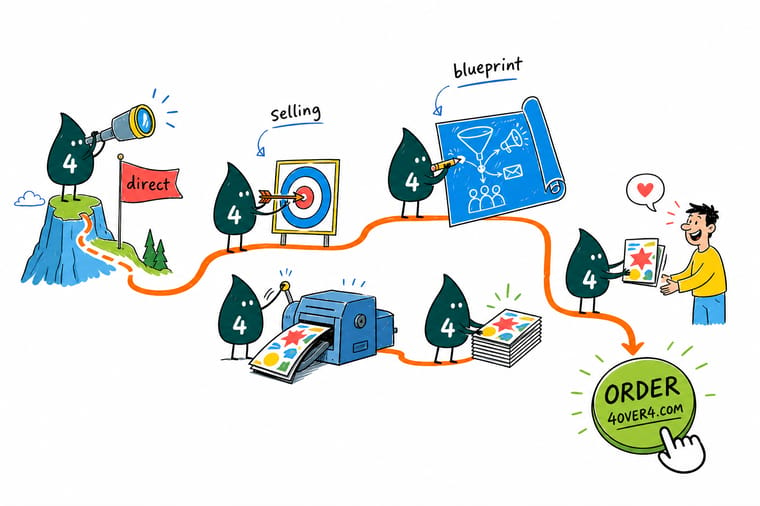
Wally starts with forty friends and a tray of samples, and for ten weeks it looks brilliant. Then the list runs out, because goodwill is a stock, not a supply. The sellers still going in month six are the ones who asked for two dates at every demo, while the product was still in someone's hands, and wrote the reorder date on the back of a card. Book first. Buy stock second.
Order business cards for your first demos →Specs and pricing
The three pieces a new seller orders first
Cards for the handover, postcards for the reorder reminder, brochures for the range. Sizes, stocks and starting prices come straight from the 4OVER4.COM configurator.



Print it
Equip the first ninety days


Explore more
Where to go next





By the numbers
The print partner behind a lot of small businesses
Common Questions
Your direct selling questions, answered
What is direct selling?
Direct selling is selling a product to a customer face to face or person to person, away from a fixed retail location. The seller is an independent contractor who buys at wholesale and sells at retail, or who earns a commission on the sale. It covers three common shapes: single level selling, where you keep the retail margin; party plan or group selling, where a host gathers guests for a demonstration; and multi level marketing, where you also earn a percentage on sales made by people you recruit.
Is direct selling the same as multi level marketing?
No. Multi level marketing is one structure inside direct selling, the one that adds pay on a recruited team. Plenty of direct selling companies are single level: you buy at wholesale, you sell at retail, you keep the difference, and there is no downline at all. Confusing the two is why people either dismiss the whole category or assume every direct selling job comes with a recruiting quota.
How do you tell a legitimate plan from a pyramid scheme?
Follow where the money comes from. In a legitimate plan the bulk of what participants earn traces back to product sold to customers outside the business. In a pyramid the money traces back to entry fees and to inventory bought by participants themselves, so the plan needs a constant supply of new recruits to pay the existing ones. Two practical questions expose it fast: would you still earn if you never recruited anyone, and does the company require you to buy stock every month to stay qualified?
How much can you actually earn in direct selling?
The honest answer is that it varies enormously and that the Federal Trade Commission, in its own guidance on multi level marketing, warns that most participants make little or no money. Treat any recruiter who quotes you a figure as a warning sign, since income claims are exactly what regulators and most company compliance departments prohibit. Do your own arithmetic instead: margin per sale, sales per demo, demos per month, minus product cost, table fees, samples and mileage.
Do I have to collect sales tax on what I sell?
In most cases the company collects and remits sales tax on the suggested retail price at the time you order, which is why your invoice shows tax on the retail figure rather than the wholesale one. That does not cover everything. If you sell at a market in another state, buy demonstration product for personal use, or set your own prices, the rules change. Ask the company for its tax handling in writing and check your own state revenue department before your first event.
What printed material do you actually need to start?
Three things carry almost all the weight. A business card so the person who liked the product at a barbecue can find you in six weeks, and 500 standard business cards start at $17.57. A catalog or booklet the customer keeps, so the second order does not depend on you being present. And postcards for reorder reminders and host invitations, starting at $16.48. Everything else, from banners to order forms, can wait until you know which events you keep going back to.
When does a vendor market pay for itself?
Work out the table fee divided by your margin per sale. If the table costs $75 and you clear $9 a unit, you need nine sales to break even before you count the drive, the setup and the samples you give away. That is why experienced sellers judge a market by booked demos and contact opt-ins rather than by the cash in the box at the end of the day.
Get Started
50 brochures cost $57.11, or $1.14 a demo
Cards for the handover, a catalog the customer keeps, and postcards timed to the reorder. Pick your stock and we print the set that carries your first ninety days.
Legal Disclaimer
Gold Standard guarantees apply to all standard orders placed through 4over4.com. Price match requires verifiable proof of a competitor's published price for an equivalent product with matching specifications and turnaround time. Satisfaction guarantee covers manufacturing defects and print quality issues. Contact support with order number and documentation. On-time delivery rate based on tracked orders 1999 to 2026. Individual results may vary based on shipping carrier performance.
