
The 3-Product Label Lineup Every Solo Entrepreneur Needs
A one-person product business does not need a hundred printed pieces. It needs the label that goes on every unit you ship, in the three formats that cover a first small batch, a retail-facing run, and the day your volume outgrows labeling things by hand.
The solo entrepreneur lineup is three product labels that cover the whole life of a one-person brand. Standard labels handle test batches, lot codes, and carton marking. Premium labels carry the stock and finish a retail shelf rewards. Roll labels arrive on a core for fast, consistent application once run sizes grow. Same artwork, three formats, one print order at 4OVER4.COM.
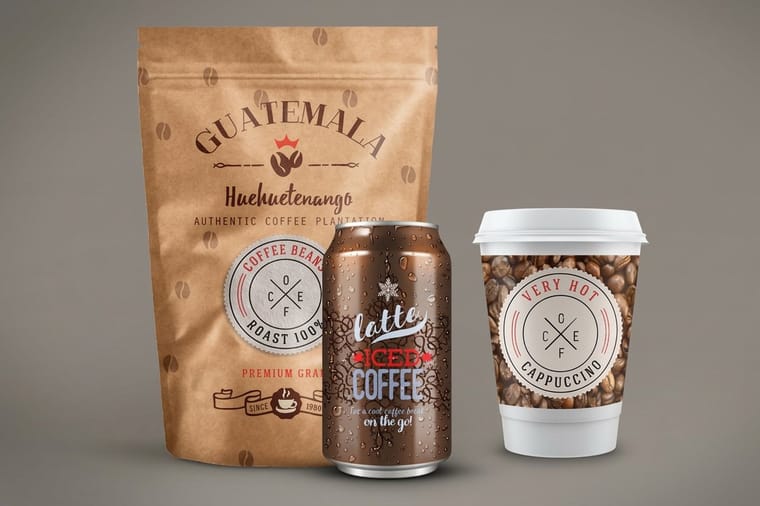
The picks
Three label formats, from $23.88 for 25 on uncoated stock
Start here. These are the three labels the lineup is built on, in the same configurator you will order from. Sheets leave in 3 business days and the roll takes six, so compare the stock, the finish and the quantity breaks before you decide which format your product has actually earned this year.
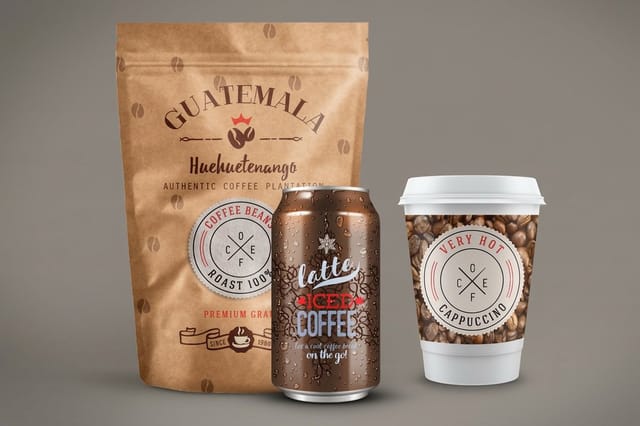
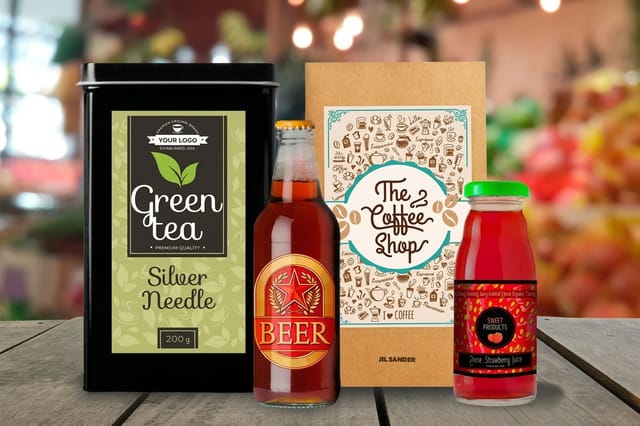
Design and print help
One product identity on sheets and rolls
A lineup only works if the three formats look like one decision. These four tools keep the artwork, the color, and the trim identical whether you are ordering fifty labels or five thousand.
How they work together
Print in the order the business grows
Each label owns a stage. One proves the product exists, one wins the shelf, and one keeps up when orders arrive faster than you can peel a sheet. Order them in that sequence and nothing gets wasted.
Small batches, honest costs. Print just enough to sell a season, learn which size and scent moves, and change the artwork without writing off a pallet of labels.
Once a buyer is choosing between you and a funded brand, the stock and the finish start doing the arguing. This is where the label earns a second look.
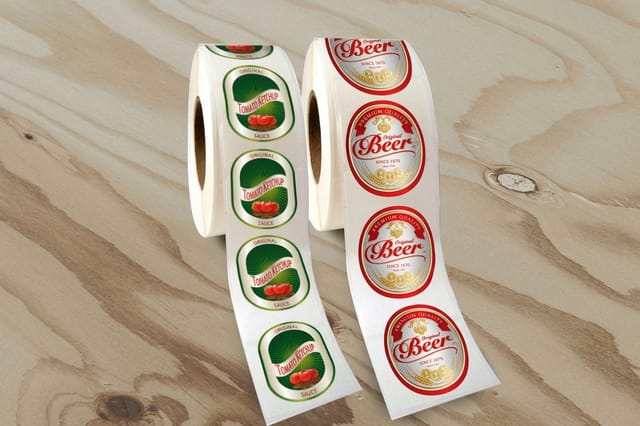
When labeling becomes an evening of work instead of a task, rolls fix the labor. Wound on a core, applied in order, placed the same way on every single unit.
1. Premium product labels: the surface a buyer judges you on
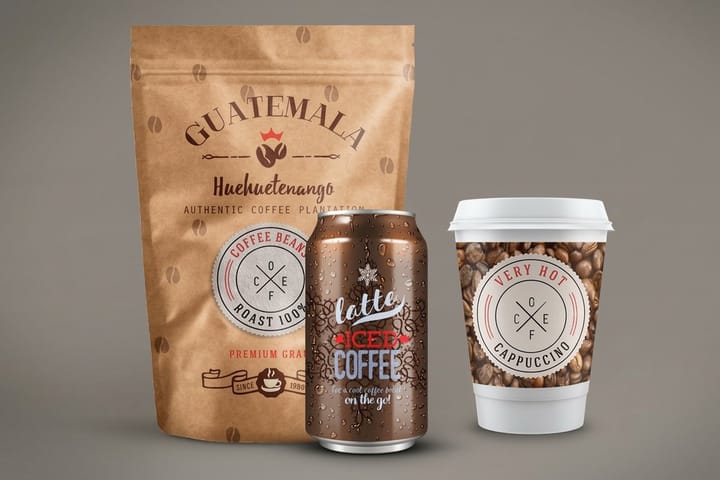
The premium product label is the part of your product a buyer touches before reading a single word. Heavier face stock, a clean die, and a finish that does not scuff inside a shipping box all say the same thing without saying it: this was made on purpose. For a solo brand with no retail team standing behind the shelf, that impression is the entire sales pitch.
Give the label a job beyond carrying your logo. Product name, weight, ingredients, batch code, and a scannable link all have to live in a space smaller than a business card, so decide the hierarchy before you touch the art. Our guide to custom branding tags works through that same squeeze, and product branding strategies is the wider frame around naming, packaging, and identity.
One good label does not build a brand. The same label repeated across every size, scent, and season is what people start recognizing from three feet away.
2. Roll product labels: the format that keeps up with a real run
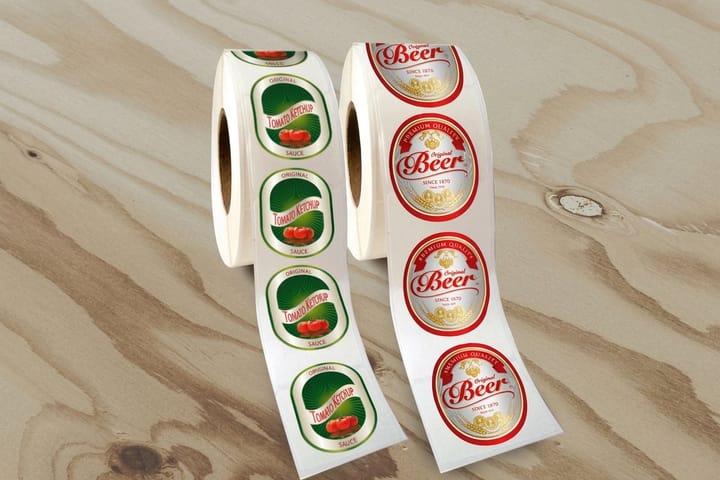
Roll labels are the format you graduate into. They arrive wound on a core in the order you will apply them, so there is no sheet to cut, no corner to pick at, and no slow drift in placement across a few hundred units. If you have ever spent a Sunday evening labeling at a kitchen table, this is the change that gives the evening back.
Rolls also force an honest conversation about run size. Ordering in the thousands changes your per-unit cost, your storage, and how long you are willing to freeze the artwork. Reading what packaging design costs before you commit is worth the ten minutes, and the box size chart by product type helps you match the label to the container it will ship inside.
A roll is not a luxury upgrade. It is what happens when labeling stops being a design decision and becomes an operations one.
3. Standard product labels: the workhorse behind everything else
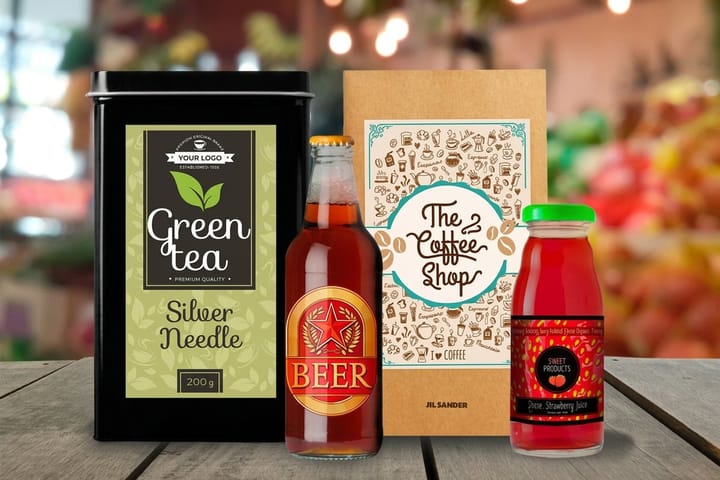
Standard product labels do the quiet work. Same press, same color accuracy, simpler stock, and a price low enough that labeling a test batch does not feel like a bet. Most solo founders should start here, sell through a season, and only upgrade the face stock once they know which product is actually moving and which one was a nice idea.
They are also the correct label for everything a customer is never meant to admire: carton markings, lot codes, seals on the outer box, and the sample jars you hand out. The guide to custom printed product tags covers the hang-tag version of the same problem, and the complete guide to custom cardboard boxes shows why the label and the box should be specified in the same sitting.
Inexpensive does not mean disposable. A standard label printed clean, trimmed straight, and applied flat still reads as a finished product.

Specs and pricing
Premium label sizes for one product line, with pricing
The premium label sets the stock, the finish, and the die everything else is matched against. Check the sizes and quantity breaks here before you lock artwork for the other two formats.
| Quantity | Price Per Unit | Total |
|---|---|---|
| 1 | $29.16 | $29.16 |
Wally explains the lineup
Three labels, one brand, printed as the business grows
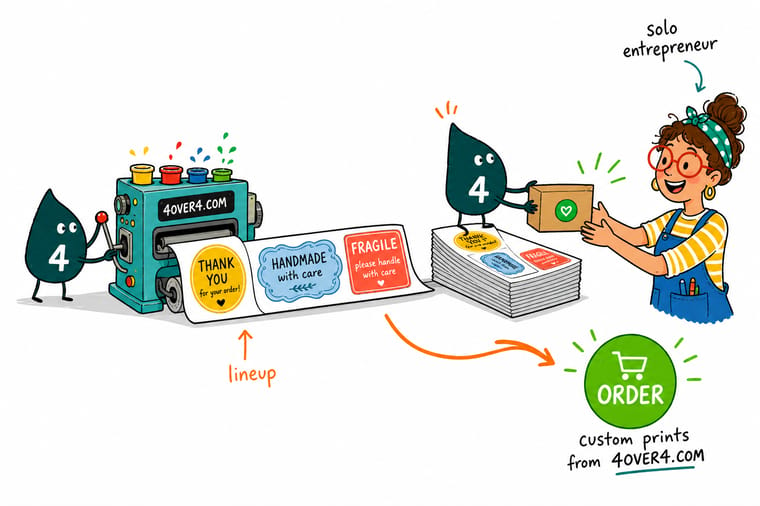
Wally has watched a lot of founders order the fancy label first and then redesign the product three months later. His advice is simple. Prove the thing sells on a standard label, upgrade the face stock once a buyer is comparing you to a funded brand, and move to rolls only when hand-labeling becomes the slowest part of your week.
Shop business basics →See it in use
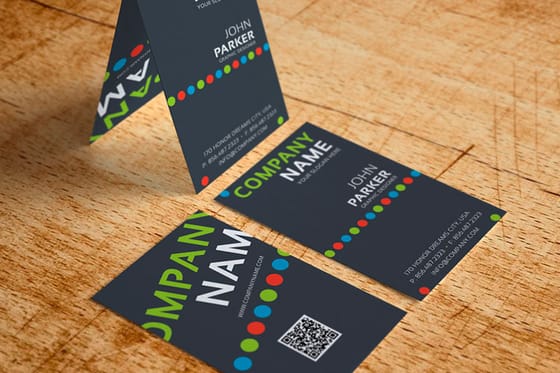
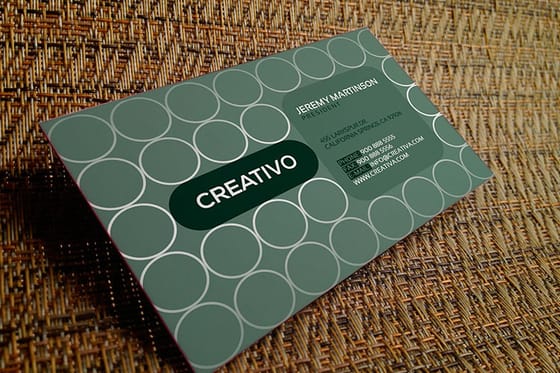
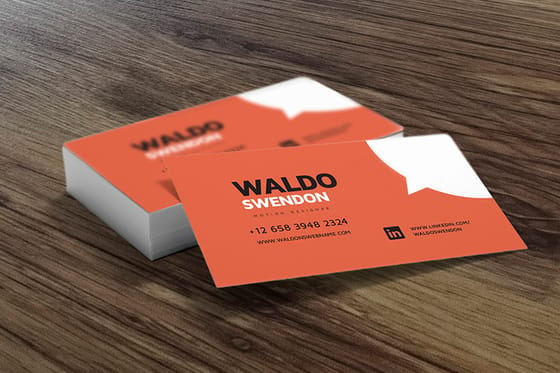
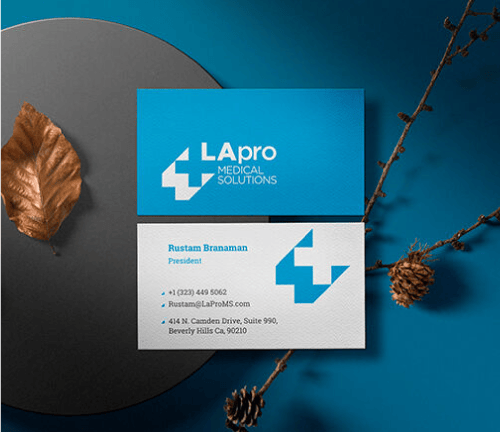
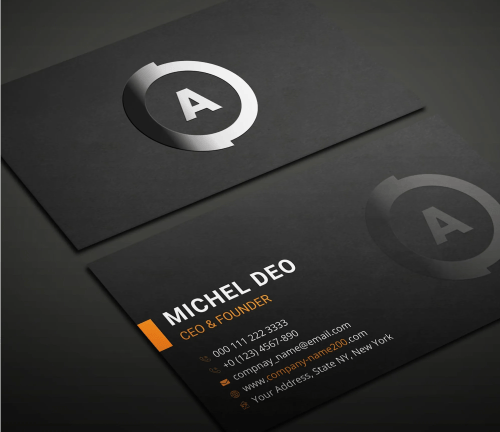
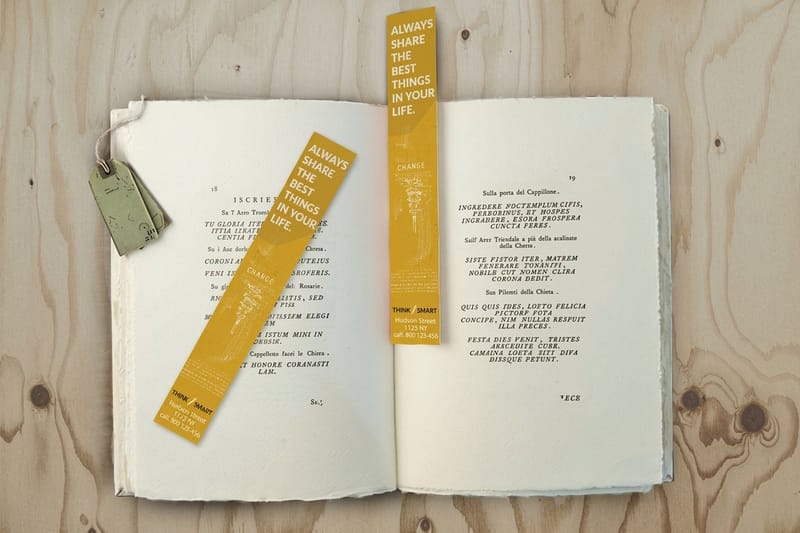
Labels one-person brands have printed
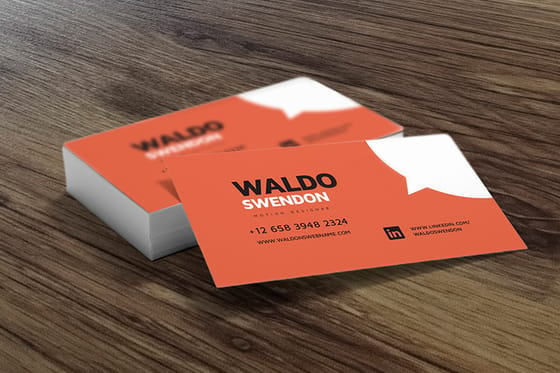
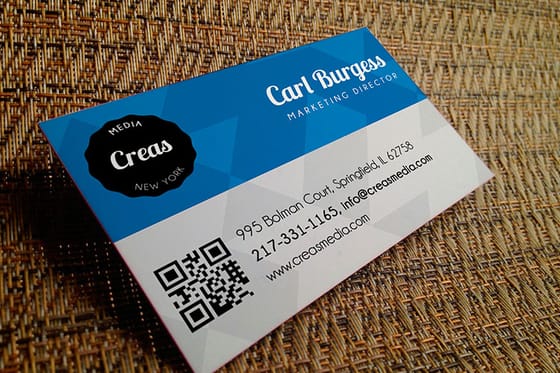
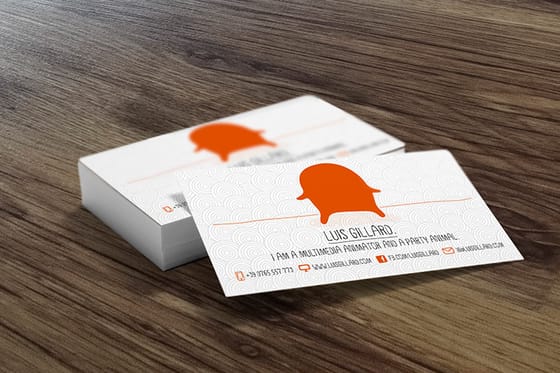

Explore more
Where to go next


By the numbers
Three labels, one brand, printed on stock you can hold first
Common Questions
Common questions about the solo entrepreneur lineup
What is the solo entrepreneur lineup?
It is a short, deliberate set of three product labels chosen for a one-person product business. Standard Product Labels cover test batches and utility marking, Premium Product Labels carry the finish a retail shelf rewards, and Roll Product Labels handle production runs applied by hand or by machine. Same artwork, three formats, one print order, so your brand looks identical as the volume changes.
Which of the three labels should I order first?
Start with Standard Product Labels from $23.88 unless you already have a confirmed retail placement. They let you print a real batch, put the product in front of buyers, and change the design after you learn something. Move to premium once a specific product is selling and the packaging is settled. Move to rolls when hand-labeling a run stops being a twenty minute job.
Do I really need all three formats?
No, and most founders will not run all three at once. The lineup describes a path rather than a shopping list. Many solo brands live on standard labels for a year, add premium for the one product that goes into stores, and never buy rolls until wholesale orders arrive. The point is knowing which format your current volume actually calls for.
How do I keep all three labels looking like the same brand?
Lock three things before you print anything: the exact logo file, two brand colors specified for print rather than screen, and one type pairing with fixed sizes for the product name and the supporting copy. Then keep the die line and the margins the same across formats. When those five decisions stay frozen, a standard label and a premium label read as one system even though the stock is different.
What is the real difference between standard and premium product labels?
The press work is the same, so your colors will match. What changes is the material and the coating. Premium Product Labels from $29.16 use a heavier face stock with a finish built to resist scuffing in transit, moisture on a bathroom shelf, and oil from handling. Standard Product Labels are thinner and lighter coated, which is perfectly sound for cartons, lot codes, and short seasonal runs.
When do roll labels make financial sense?
Roll Product Labels start at $322.98 because they are a volume format, wound on a core in the applied order with the quantity to match. The math turns in your favor when you are labeling several hundred units in a sitting or feeding an applicator. Below that, sheets are cheaper and more flexible. Above it, the labor you save and the placement consistency you gain usually cost more than the label itself would.
Can I add pieces to the lineup as the business grows?
Yes. Labels are the first surface a product business has to solve, not the last. Hang tags, outer cartons, inserts, and shipping marks all follow the same artwork once it is settled. Keep the color and type decisions from your first label order and every later piece falls in line.
Get Started
Order 100 roll product labels from $322.98 when volume arrives
Order the lineup from 4OVER4.COM and print the same artwork on standard, premium, and roll labels as your volume grows. Live pricing, real stocks, and color that holds across all three.
Legal Disclaimer
Gold Standard guarantees apply to all standard orders placed through 4over4.com. Price match requires verifiable proof of a competitor's published price for an equivalent product with matching specifications and turnaround time. Satisfaction guarantee covers manufacturing defects and print quality issues. Contact support with order number and documentation. On-time delivery rate based on tracked orders 1999 to 2026. Individual results may vary based on shipping carrier performance.
