
The Real Difference Between Marketing and Branding


Branding is who you are. Marketing is what you do to be seen. Marketing gets a customer's attention, branding is what keeps it.
Branding is your identity; marketing is the work of getting attention and driving action. Branding is long term and answers why anyone should care about you. Marketing is campaign driven and answers how you reach and convince them. Marketing wins attention, branding keeps it, and both draw from the same identity. Business cards and folders carry the brand; flyers and brochures do the marketing.
Start here
Who you are, and what you do to be seen
Branding is who you are; marketing is what you do to be seen. Your brand is the long-term identity, values, look, and feeling that stay constant. Your marketing is the active, campaign-driven push to get attention and drive action. Marketing brings a customer to the door, and branding is the reason they come back. Build the brand first, then run marketing on top of it. The comparison below places every activity and printed piece on the right side of that line.
Why people confuse marketing and branding
Marketing and branding get used as if they were the same word, and the confusion is understandable because they overlap constantly in daily work. But treating them as interchangeable leads to real mistakes: businesses run campaign after campaign with no consistent identity behind them, or they polish a beautiful logo and then wonder why nobody knows they exist. Knowing the difference is what lets you spend on the right thing at the right time.
The simplest frame: branding is who you are. Marketing is what you do to be seen. Your brand is the identity, values, look, and feeling that stay constant whether or not you are running a promotion this week. Your marketing is the active push to get attention and drive action. One is the character; the other is the performance. This guide separates the two clearly, then shows exactly which printed pieces do each job, so you can start a business card or a campaign knowing what it is for.
If you are just beginning, our companion guides on branding for small business and building a marketing plan go deeper on each side once you understand how they fit together.
What is branding?

Branding is the sum of everything that makes a company recognizably itself. It includes the visible parts, like the logo, color palette, typography, and imagery, and the invisible parts, like the values, personality, and promise a company makes to its customers. When those elements stay consistent across every interaction, they add up to a feeling people carry about you. That feeling is your brand.
Crucially, a brand exists whether you manage it or not. Every business already leaves an impression; the question is whether that impression is deliberate and consistent or accidental and scattered. Strong branding is the discipline of deciding who you are and then showing up the same way everywhere, so a customer who sees your business card, your website, and your storefront experiences one coherent identity.
Because branding is long term, it changes slowly and deliberately. You do not relaunch your identity for every promotion. Instead you build a foundation that every marketing campaign then draws from. For the how-to of that foundation, our guide on building a strong brand identity lays out the steps.
What is marketing?

Marketing is the active work of putting your business in front of people and moving them to act. It covers the channels and campaigns you use to get attention: advertising, promotions, direct mail, social posts, events, and the printed pieces that carry a specific offer. Where branding is the steady identity, marketing is the series of deliberate pushes that turn that identity into awareness, leads, and sales.
Marketing is measured and time-bound in a way branding is not. A campaign has a start, an audience, an offer, and a result you can track. You launch a seasonal brochure push, measure the response, and adjust the next one. That feedback loop is the heart of marketing: try, measure, refine, repeat, always aiming at a concrete action from a defined audience.
The reason marketing works better on top of a clear brand is simple. When every campaign looks and sounds unmistakably like you, each one reinforces the last instead of introducing a stranger. Our guide on building a marketing plan shows how to structure those campaigns around a consistent identity.
Marketing wins attention, branding keeps it
The clearest way to feel the difference is through the customer relationship over time. Marketing is a great way to get a customer's attention, and branding is a great way to keep it. A clever ad or a well-targeted flyer can bring someone to your door for the first time. But whether they come back, trust you and recommend you is the brand experience they have once they arrive.
This is why the two must not be confused when you set goals. If your problem is that not enough people know you exist, that is a marketing problem, and you solve it with more and better campaigns. If your problem is that people find you but do not remember you, do not trust you, or churn quickly, that is a branding problem, and no amount of extra advertising fixes it. Diagnosing which one you actually have saves a lot of wasted budget.
The side-by-side reference further down breaks the distinction across time horizon, goal, and where each one lives, so you can quickly place any activity or piece on the right side of the line.
How marketing and branding work together
Separating the two does not mean choosing between them. The best results come when marketing and branding run as partners drawing from one identity. Marketing without branding is noise that people forget the moment it stops. Branding without marketing is a well-dressed secret that never reaches an audience. Together, marketing gets people to notice while branding makes noticing worth something.
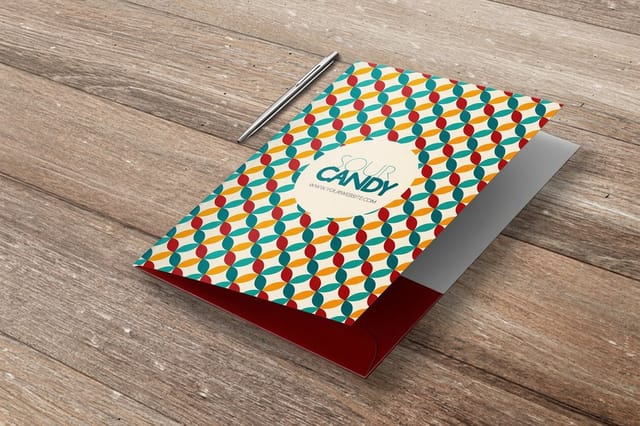
In practice, that means every marketing campaign should be built inside your brand, not beside it. A promotion still uses your colors, your voice, and your logo, so it drives a short-term action while quietly reinforcing the long-term identity. A single well-designed presentation folder handed to a prospect does both at once: it carries an offer and it makes your company feel established and trustworthy.
Print is uniquely good at this overlap because a physical piece is held, kept, and remembered. The next two sections map which printed pieces lean toward branding, which lean toward marketing, and how to make each one pull its weight.
Printed pieces that build your brand
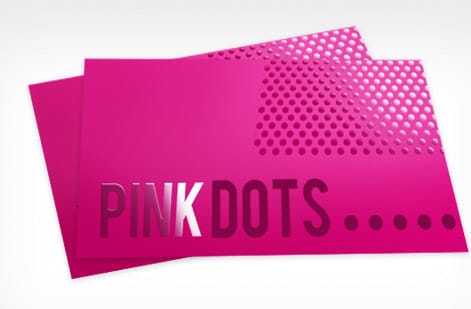
Some printed pieces exist mainly to represent who you are. Their job is not to sell a specific offer but to make every encounter feel like the same, credible company. These are the pieces where stock weight and finish matter most, because the way they feel in the hand becomes part of the brand impression.
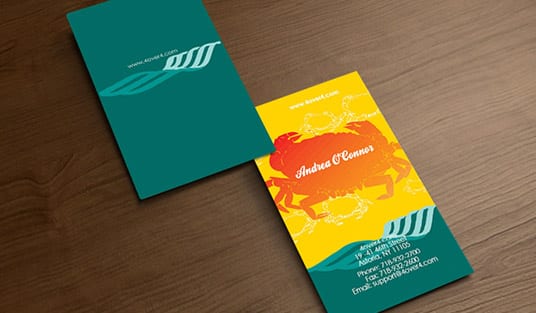
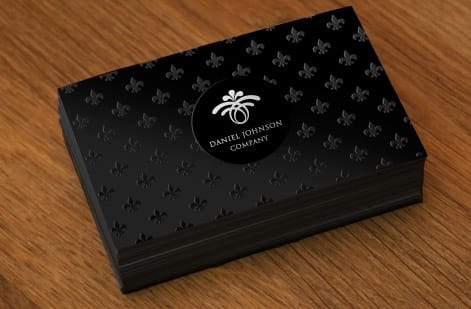
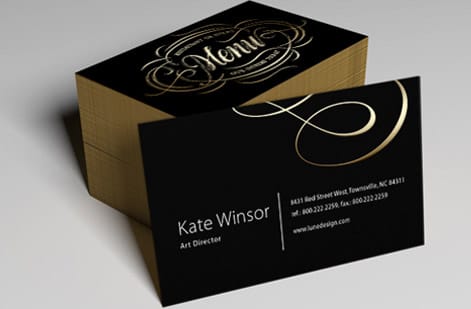
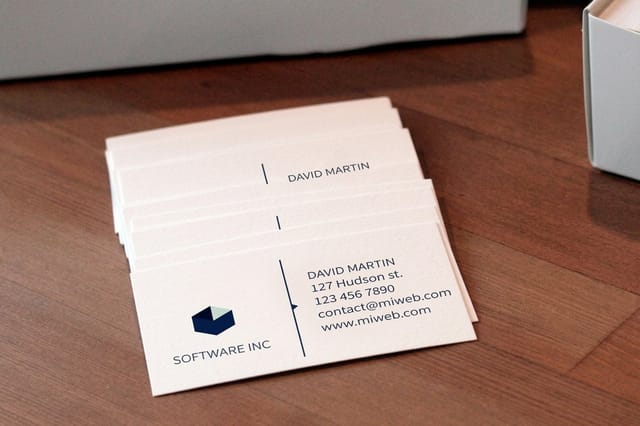
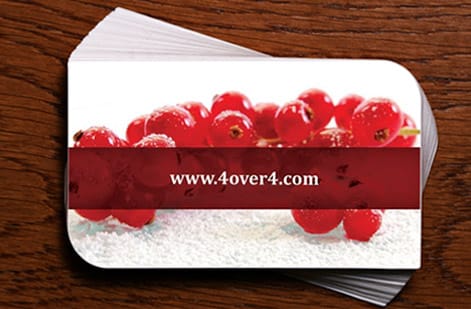
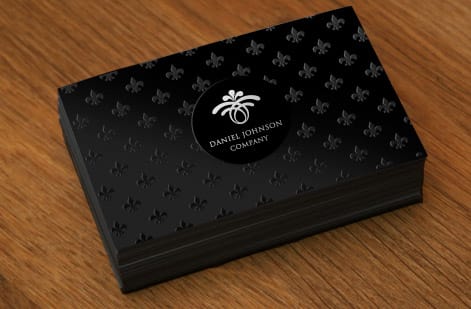
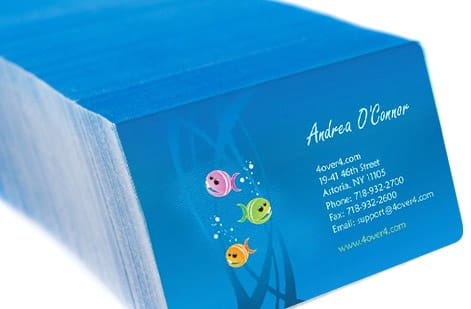
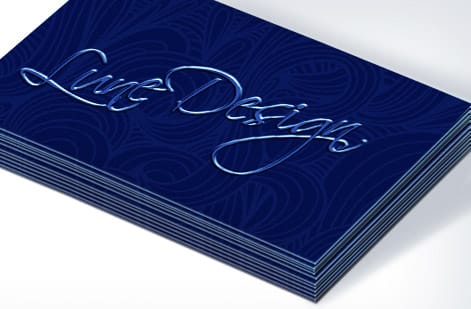
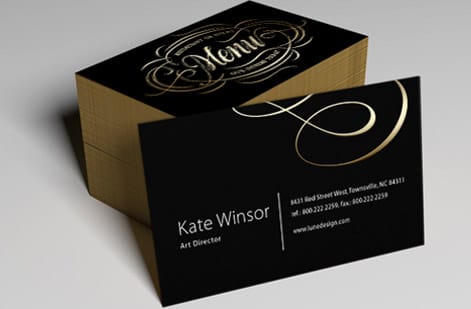
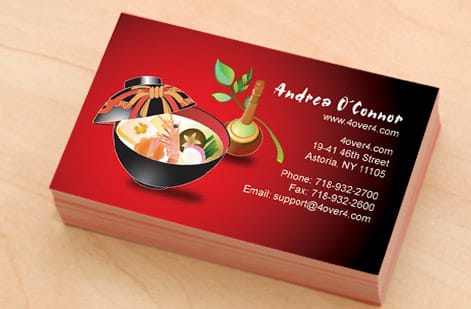
Business cards are the classic example: a card is a tiny ambassador for your identity that lands directly in a prospect's hand, so a heavier stock or a premium finish speaks before a word is read. Presentation folders and letterhead do the same job in a business setting, wrapping your proposals and documents in a consistent, professional identity. Order these as standard business cards and pocket folders to carry your brand everywhere your work travels.
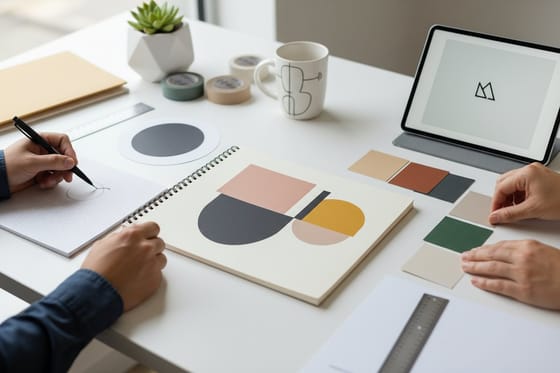
Because these pieces represent the brand, invest in the details. Choose finishes deliberately, keep the design consistent with everything else you print, and treat them as long-term assets rather than disposable handouts. Our guide on a minimal brand identity shows how restraint often reads as premium.
Printed pieces that do the marketing work
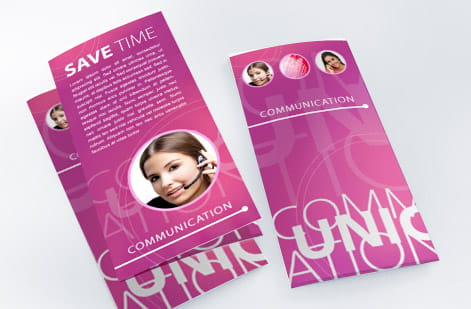
Other printed pieces exist to drive a specific action right now. Their job is to put an offer in front of the right people and prompt a clear next step, which is why they are usually produced in larger runs and distributed widely. These are the pieces that carry a campaign.
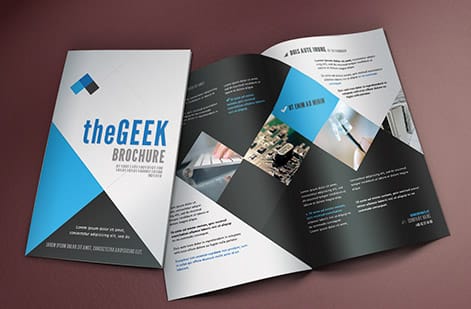
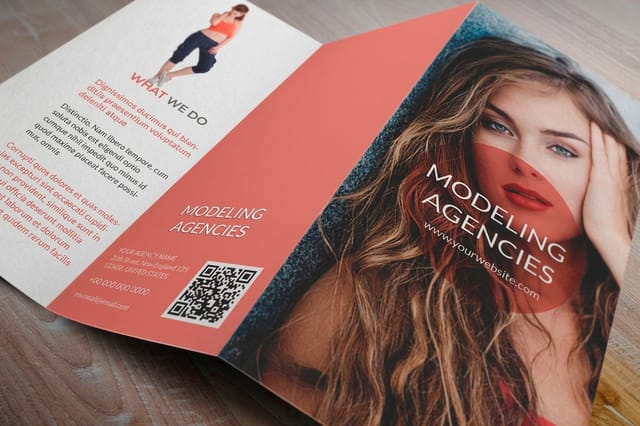
Flyers and postcards are direct and affordable, ideal for announcing a promotion, an event, or a launch to a broad audience. Brochures do a heavier lift, giving you room to explain a product or service in depth and guide a reader toward a decision. Because these pieces chase measurable response, print them in volume so the per-unit cost stays low and you can reach more people per campaign.
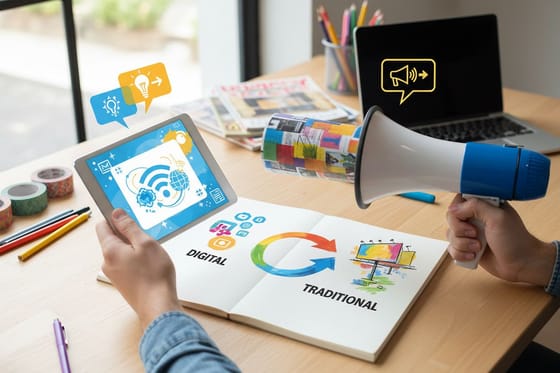
The key is that even these action-driven pieces should still look unmistakably like your brand, so each campaign compounds your recognition instead of resetting it. For planning where and how to deploy them, pair this with our guide on digital versus traditional marketing, which shows where print still outperforms online alone.
Putting it to work in a small business
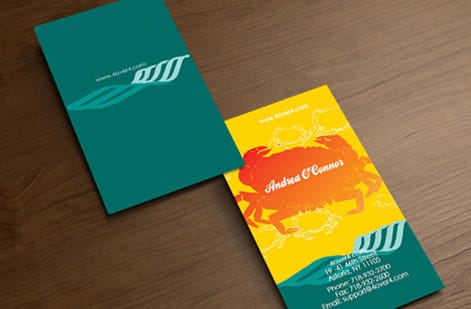
For a small business, the order of operations matters. Define the brand first, because every marketing piece you ever produce will carry it whether or not you have decided what it is. Lock a clear logo, palette, voice, and set of values, then apply them consistently to your foundational pieces. That way your very first campaign already looks like an established company rather than a startup improvising.
With the identity set, layer marketing on top. Run campaigns and offers that live inside the brand, measure what converts, and keep iterating on the marketing while holding the brand steady. Short-term promotions come and go, but they should never erode the long-term identity that makes each one work harder than the last.
When you are ready to build the physical toolkit, start with the pieces that represent you and the pieces that promote you together: order business cards, presentation folders, and brochures in one coordinated look, and use the live specs and pricing below to plan the whole set to your budget.
Wally keeps branding and marketing straight
One is who you are, the other is how you get seen
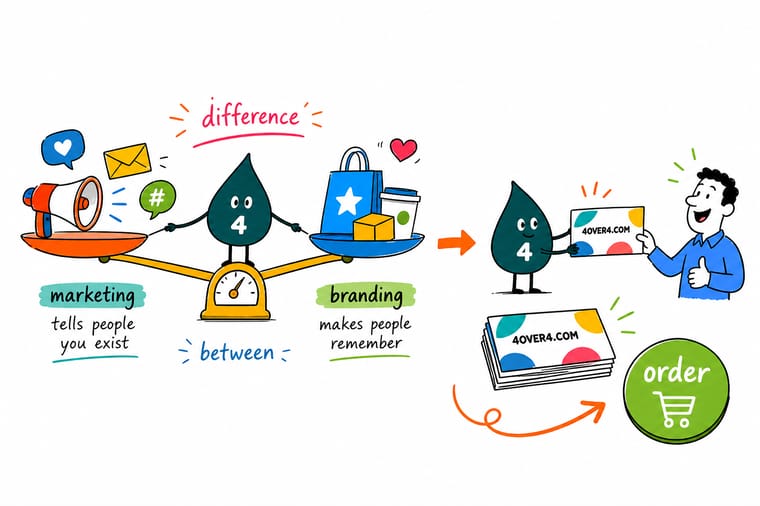
Wally thinks of it simply: branding is the character, marketing is the performance. The brand is your logo, colors, voice, and values on cards and folders that stay constant. Marketing is the campaigns, flyers, and brochures that drive action right now. Build the brand first, market on top of it, and every campaign compounds instead of starting from zero.
Order your business cards →Quick reference
Branding vs marketing, side by side
The fastest way to place any activity or printed piece on the right side of the line. Branding is the enduring identity; marketing is the active push.
| Dimension | Branding | Marketing |
|---|---|---|
| Definition | Who you are | What you do to be seen |
| Time horizon | Long term and enduring | Short term and campaign based |
| Goal | Trust, loyalty, recognition | Attention, leads, sales |
| Question it answers | Why should anyone care about us? | How do we reach and convince them? |
| It lives in | Logo, colors, voice, values | Ads, promotions, campaigns, offers |
| Changes | Slowly and deliberately | Often and by channel |
| Print that serves it | Business cards, folders, letterhead | Flyers, brochures, postcards, posters |
Step by step
Build the brand, then market it, in 6 steps
- Define the brand first Nail down who you are, what you stand for, and how you want to feel to a customer before you spend a dollar on promotion.
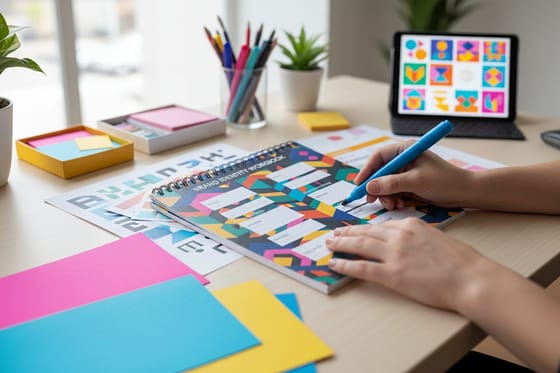
- Build the visual identity Lock a logo, color palette, typography, and voice, then document them so every piece looks like it came from the same company.
- Apply the brand to every touchpoint Carry the identity onto your business cards, folders, and letterhead so the brand shows up consistently in every hand it lands in.
- Plan marketing on top of the brand Design campaigns and offers that live inside the identity, so the promotion still looks and sounds unmistakably like you.
- Deploy marketing pieces to drive action Use flyers, brochures, and postcards to put a specific offer in front of the right people and prompt a clear next step.
- Measure and keep both consistent Track which campaigns convert while holding the brand steady, so short-term wins never erode the long-term identity.
Specs and pricing
Business card specs and live pricing
Business cards are the piece that carries your brand into every hand, at 100 for $17.57, which is $0.18 each.

| Quantity | Price Per Unit | Total |
|---|---|---|
| 100 | 17.6¢ | $17.57 |
| 200 | 11.5¢ | $23.07 |
| 300 | 9.15¢ | $27.46 |
| 400 | 7.96¢ | $31.86 |
| 500 | 7.25¢ | $36.26 |
| 600 | 6.77¢ | $40.64 |
| 700 | 6.43¢ | $45.04 |
| 800 | 6.18¢ | $49.43 |
Print it
Print the pieces that build your brand and your campaigns
See it in use
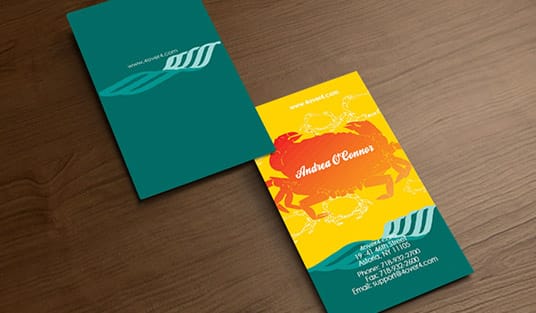
Real branded print, produced in-house
Explore more
Where to go next


By the numbers
Brand and marketing pieces across 60+ paper stocks
Common Questions
Common questions about marketing and branding
What are the differences between marketing and branding?
Branding is who a company is: its identity, values, look, voice, and the feeling it leaves with people. Marketing is what a company does to be seen and chosen: campaigns, ads, promotions, and the pieces that put an offer in front of an audience. Branding is long term and changes slowly, while marketing is often short term and campaign driven. Branding answers why anyone should care about you, and marketing answers how you reach and convince them. They are partners, not opposites, and both draw from the same core identity.
What is the difference between marketing and branding in one sentence?
Marketing is the work of getting attention and driving action, while branding is the identity that decides whether that attention turns into lasting loyalty. Put another way, marketing brings a customer to your door and branding is the reason they walk back in and bring a friend. You use marketing to win attention and branding to keep it, which is why strong companies invest in both rather than treating one as a substitute for the other.
Do I fix the brand first or start running campaigns?
Start with branding, because every marketing piece you produce will carry your identity whether you have defined it or not. Lock a clear logo, palette, voice, and set of values first, then build marketing campaigns on top of that foundation so every flyer, postcard, and ad reinforces the same recognizable company. Early on you will spend more energy on active marketing to get known, but the brand work is what makes each campaign compound instead of starting from zero every time.
What does building marketing and branding materials cost, and how are prices set?
Defining your brand costs mostly time and design effort. Printing the materials that carry it then scales with a few levers: quantity, where larger runs lower the unit price, plus size, paper stock, and finish. Branded pieces like business cards and folders are inexpensive to produce in volume, and marketing pieces like flyers and brochures get cheaper per unit the more you order. You set each option in the configurator and the price updates live, so you can plan a full identity and campaign set to your budget.
What sizes, stocks, and finishes work best for branding versus marketing pieces?
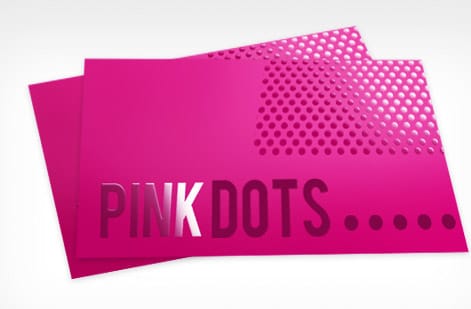
Branded pieces that represent your identity, like business cards and presentation folders, reward heavier stocks and premium finishes such as soft-touch, spot gloss, or foil, because the feel in the hand becomes part of the brand impression. Marketing pieces meant for volume distribution, like flyers and brochures, favor efficient stocks and larger runs so you can reach more people affordably. In both cases you pick the exact size, stock, and finish in the configurator, and can order free-style proofs before committing to a full run.
Get Started
Know the difference. Now print both.
Bring your identity and your campaigns to 4OVER4.COM. Print the business cards and folders that carry your brand and the flyers and brochures that drive action, all in one consistent look.
Legal Disclaimer
Gold Standard guarantees apply to all standard orders placed through 4over4.com. Price match requires verifiable proof of a competitor's published price for an equivalent product with matching specifications and turnaround time. Satisfaction guarantee covers manufacturing defects and print quality issues. Contact support with order number and documentation. On-time delivery rate based on tracked orders 1999 to 2026. Individual results may vary based on shipping carrier performance.
