
How to Rebrand a Business From Strategy to the Print Rollout


Marcus is our print marketing voice, built from the knowledge of our production team, with over 20 years in printing.
Strategy, naming and identity design are the part every rebrand guide covers. This one keeps going into the part that costs money: reprinting everything that carries the mark, in the right order. You get the five phases of a rebrand, then the reprint order for business cards, folders, brochures and letterhead, with the price each one starts at.
A rebrand runs in five phases: name the reason, settle the strategy, design the identity, roll it out, then retire the old material. Only phase four costs paper, and it works best in tiers ordered by visibility. Business cards, door signage and folders reprint first because a customer holds them. Brochures and letterheads follow on a schedule as copy is rewritten. Envelopes and internal forms are used up before they are reordered.
Quick answer
Decide, design, then reprint in order of who sees it
Phases one to three of a rebrand are decisions and cost time. Phase four is the print rollout and costs money. Settle the reason and the strategy, clear the name legally before anything reaches a press, design the identity with print rules attached, then reprint in tiers. What a customer holds goes first, what carries rewritten copy follows on a schedule, and low visibility stock is used up before it is reordered. Day one usually means business cards from $17.57, short run presentation folders from $108.75 and one vinyl banner from $79.
Why Are You Rebranding, and Is the Reason Good Enough
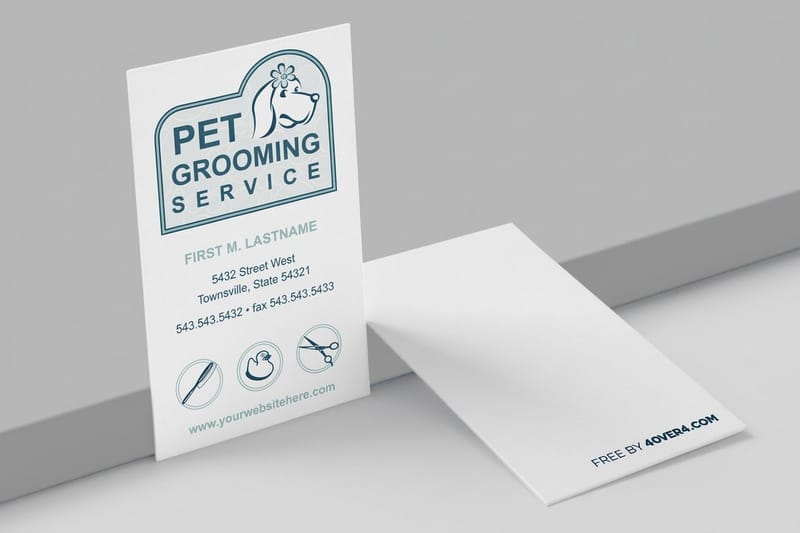
Four reasons hold up under pressure. The name no longer describes what you sell. A merger or an acquisition left you carrying two identities. The market moved and the look now reads as older than the company is. Or a trademark conflict has made the change compulsory rather than optional. Whichever of the four applies, the first reprint is the same: business cards, which start at 100 for $17.57 on 14pt Gloss Cover.
One reason does not hold up: the team is bored of the logo. Customers see your brand for a few seconds a month. You see it all day. That gap is the single most common cause of a rebrand that costs real money and returns nothing.
Before you commit, price the recognition you are giving away. If a meaningful share of your customers find you by typing the old name into a search box, or by recognizing a van at a job site, a name change means paying to be found again. That is a fair cost when the name is genuinely wrong. It is a waste when the mark simply needs redrawing. The rest of this guide assumes you have a reason from the first list, and it borrows the same craft rules covered in our guide to logo design best practices.
Rebrand or Refresh, and What Each One Costs You in Print
A refresh keeps the name and the equity attached to it, and changes how the brand looks. A rebrand changes what the brand means, and often what it is called. Both reprint the same pile of material, but only one of them forces you to rewrite the words on it.
| What changes | Refresh | Rebrand | Effect on the reprint |
|---|---|---|---|
| Name | Stays exactly as it is. | Often changes. | A name change reaches the legal lines, the invoices and the packaging, not just the logo. |
| Logo mark | Redrawn, still recognizable. | New mark, no continuity. | Every item carrying the mark reprints either way. |
| Color palette | Tuned, usually the same family. | Rebuilt from scratch. | A new palette needs a proof on each stock before the full run. |
| Typography | Same family or a close sibling. | New typeface across the system. | Every template is rebuilt before anything goes to press. |
| Positioning and copy | Same promise, clearer words. | New promise, new claims. | Brochures and sell sheets are rewritten, so they cannot be a straight reprint. |
Read the last row before you decide. Swapping a logo on a brochure is a layout job you can finish in an afternoon. Rewriting what the brochure claims, then having it approved, is what turns a two week rollout into a two month one. If the current positioning is still true, refresh, and put the saved money into better stock.
It Is Not Just a Name, So Audit Every Touchpoint First
Do the audit before the design starts, not after. Walk the customer journey from first contact to delivery and photograph every physical item that carries the mark, then write the quantity you have on hand next to each one. That second column is the part people skip, and it is the column that decides your rollout order.
- Handed over in person. Business cards, presentation folders, appointment cards, price lists.
- Correspondence. Letterheads, printed envelopes, compliment slips, invoices and quote templates.
- Sales collateral. Brochures, sell sheets, catalogs, case study leave-behinds.
- Premises and events. Door and window graphics, vinyl banners, table throws, retractable stands, vehicle lettering.
- Product and fulfilment. Die cut stickers, packaging, hang tags, care labels, packing slips, thank you cards.
- Uniform and staff. Shirts, aprons, name badges, lanyards.
Two items on that list behave differently from the rest. Vehicle graphics have a long lead time and a fitting appointment, so they get scheduled early even though they reprint late. Packaging often has a legal or regulatory element, which means the artwork needs sign off from someone outside the design team. Start both while the identity is still in review.
The Steps to Rebranding Your Business, in the Order They Work
The sequence matters more than the effort. Most rebrands that go over budget did the work in the wrong order, usually by designing before deciding or printing before clearing the name.
- Write the reason in one sentence. If it takes a paragraph, the reason is not clear enough to brief anyone with.
- Audit what exists. Every printed item, every digital surface, with quantities on hand.
- Talk to customers, not just the team. Six honest conversations beat a survey nobody reads.
- Settle the strategy. Who it is for, what you promise, what you refuse to be. Everything downstream is a translation of this.
- Clear the name legally. Trademark and domain checks happen before a single file goes to a printer. Print is the one asset you cannot roll back.
- Design the identity. Mark, palette, typography, and the rules that keep it consistent when someone else uses it.
- Proof it at real sizes. Smallest first. Then build the print-ready templates.
- Roll it out in tiers. Announce, reprint by visibility, then retire the old material on a stated date.
Step five is the one that hurts when skipped. A trademark objection after the cards, folders and signage have printed turns a rebrand into two rebrands. Step eight is the one people forget to finish: without a stated retirement date the old brand quietly survives in a drawer for years.
Choosing a Rebranding Agency Without Buying a PDF
An agency earns its fee on the parts you cannot do alone: the strategy, the naming, and rewriting the claims across every piece of collateral. A freelance designer is usually the better value for a refresh. In-house works when somebody already owns the brand and has taken files to a press before.
Whichever route you take, the contract should name the print deliverables. Ask for a primary lockup plus a stacked and a horizontal variant, a one-color version, a reversed version for dark backgrounds, a stated minimum reproduction size, CMYK values and Pantone equivalents alongside the RGB and hex values, outlined vector files, and print-ready templates at final trim with bleed. A brand book that lists only RGB and hex is a screen document, and it hands your printer a guess to make on your behalf. Our note on which Pantone colors shift most in CMYK explains what that guess can cost.
Two warning signs are worth naming. An agency that presents twenty routes is asking you to art direct the project yourself. And an agency that has never asked what you print, in what quantities, is designing for a screenshot. Ask early how the mark behaves at 8 mm, on uncoated stock, and in a single color, because those three questions cover most of what goes wrong later.
Inside the Design Process, from Discovery to Execution
The design phase splits into three, and each one has a checkable output rather than a feeling.
Discovery ends with a written brief: the audit, the customer conversations, the competitive picture, and the strategy in plain sentences. If discovery ends with a mood board and nothing else, it did not happen.
Creative ends with two or three developed routes, each one shown in use rather than centered on a white slide. A route that is only ever presented as a logo on a page will surprise you when it lands on a folder. Ask to see every candidate on a card, a letterhead and a sign before you choose.
Execution ends with files and rules: the lockup set, the color builds, the typographic scale, the clear space, and the templates. This is also where the print proof belongs. Print the chosen mark at the smallest size it will ever appear, on the actual stocks you use, before you sign anything off. Fine counters and thin strokes close up when ink spreads into uncoated fibers, and reversed type of the same weight suffers more than positive type. If you are choosing a palette at this stage, our CMYK and RGB explainer and the spot color guide cover which route to specify. Start layouts from a correctly sized blank template so the trim and bleed are right from the first draft.
Rolling Out the New Brand in Print, by Visibility
Print is the only part of a rebrand that cannot be pushed live at once, so it runs in tiers. The rule that keeps it cheap is to order by who sees the item, not by which department asked first.
| Tier | What it covers | When to order | Why it sits here |
|---|---|---|---|
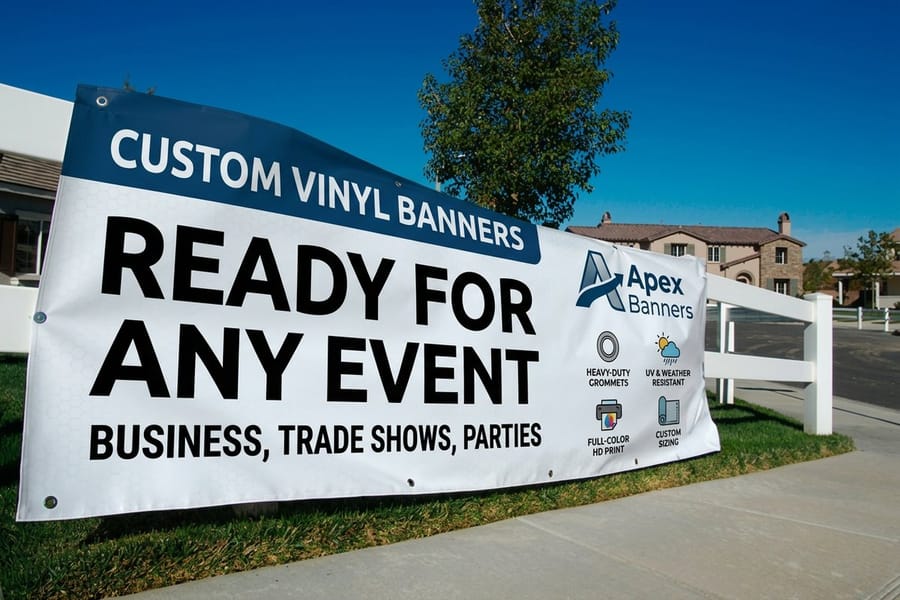
| Day one | Business cards, door and window graphics, presentation folders, one event banner. | Print before the announcement, hold until launch day. | Held or walked past by customers. An old version here makes the change look unfinished. |
| Weeks two to six | Brochures, sell sheets, letterheads, vehicle graphics, packaging and labels. | Order as copy is signed off, item by item. | Copy is being rewritten, so these are not straight reprints and should not be rushed. |
| Burn down | Envelopes, internal forms, packing slips, notepads, trade show handouts. | Reorder when the existing stock runs out. | Low visibility, already in the hands of people who know you. Binning it buys nothing. |
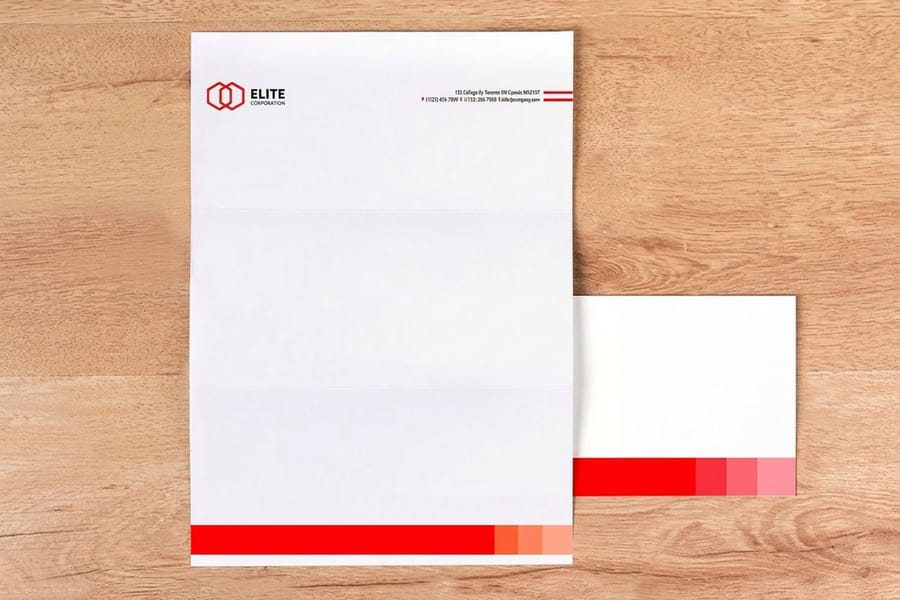
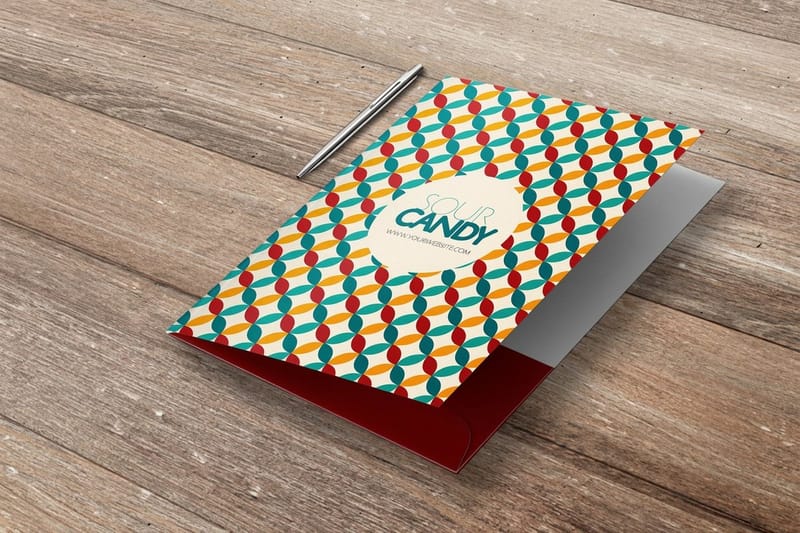
One item deserves special planning. Folders are the most expensive piece of everyday brand stationery: short run presentation folders start at $108.75, while a full run of pocket folders starts at $844.54. In the year before a rebrand, buying short runs instead of a bulk run is the difference between a small write off and a large one. Before you commit to the full run, the raised spot UV pocket folders video and the raised foil pocket folders video overview show two finished versions in hand. The same logic applies to printed envelopes, which start at $142.99 and are the item companies most reliably over-order.
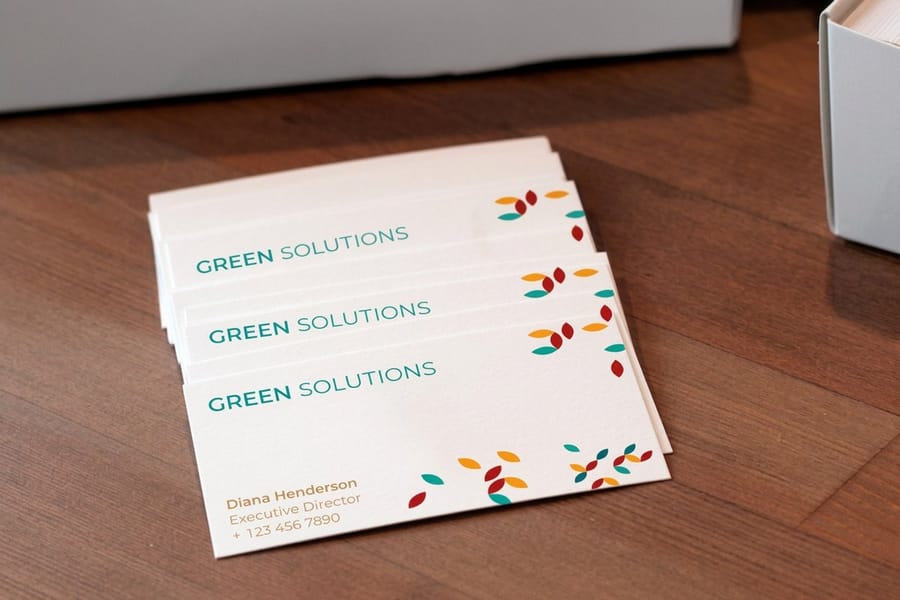
At the cheap end, standard business cards start at $17.57, so there is no argument for handing out an old card. Standard brochures start at $57.11 and vinyl banners at $79. If the rollout list runs long, ask for one quote across the whole batch rather than ordering item by item, using the custom quote route for bulk reprints, or read how instant online quoting works if you want the numbers yourself first.
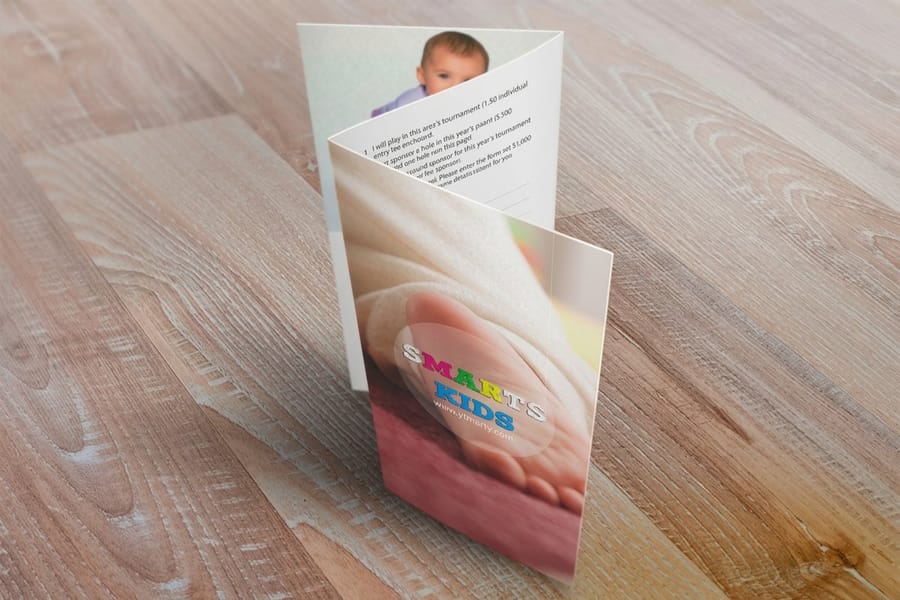
For the day one order, three choices decide how the new mark looks in hand. Card size: 2 x 3.5 in is the standard, with 2 x 2 in, 1.5 x 3.5 in and 2.125 x 3.375 in if the new identity calls for a different shape. Stock: 14pt Gloss Cover, or an uncoated cover such as 16pt Uncoated Cover to match the feel of the letterhead, keeping in mind that the same CMYK build reads slightly darker and softer on uncoated. Folders: short runs come 9 x 12 in on 14pt Gloss Cover, with card slits on both pockets or none.
The Rebrand Print Checklist
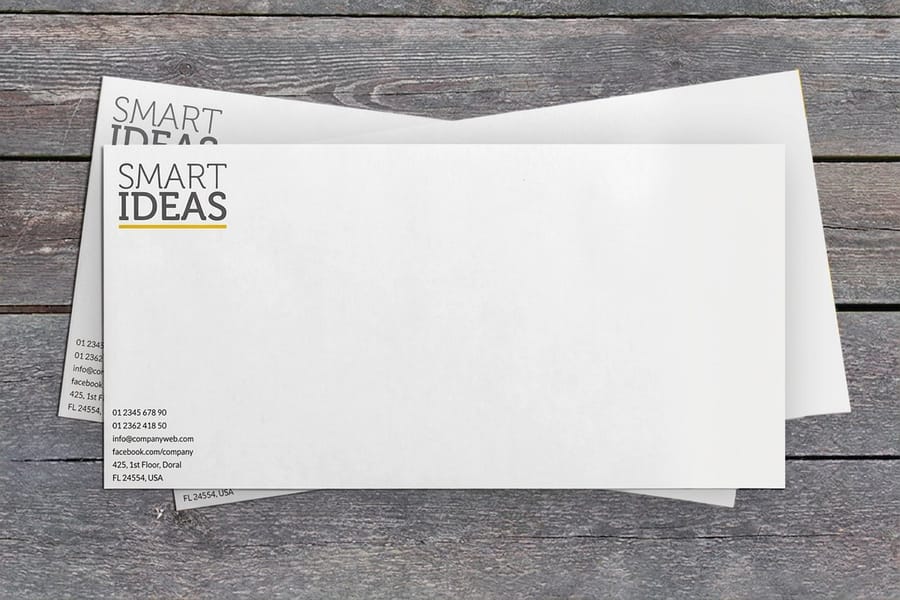
Work down this list once the identity is final. Anything unticked is an old mark still in circulation.
- Files ready. Outlined vector lockups, one-color and reversed versions, CMYK and Pantone builds, stated minimum size.
- Proofs signed. Mark printed at its smallest real size, on coated and uncoated stock, before the full run.
- Day one printed. Business cards for every customer-facing person, door and window graphics, presentation folders, one banner.
- Correspondence queued. Letterheads, envelopes, invoice and quote templates, email signature.
- Collateral rewritten. Brochures and sell sheets updated in copy, not just in logo.
- Premises covered. Signage, vehicle lettering booked with the installer, event banners ordered.
- Fulfilment updated. Stickers, packaging, labels, packing slips, thank you cards.
- Retirement dated. A written date after which no old-brand item leaves the building.
Keep the audit spreadsheet from the first section and tick items on it rather than starting a new list. It already carries the quantities, which means it also tells you what you are writing off. If you want to see the stock and finish options before you commit to a batch, compare them in business card printing, letterhead printing and presentation folder printing, or order free paper samples and hold the stock in your hand first.
Wally explains the rebrand rollout
Reprint by who sees it, not by who asked first
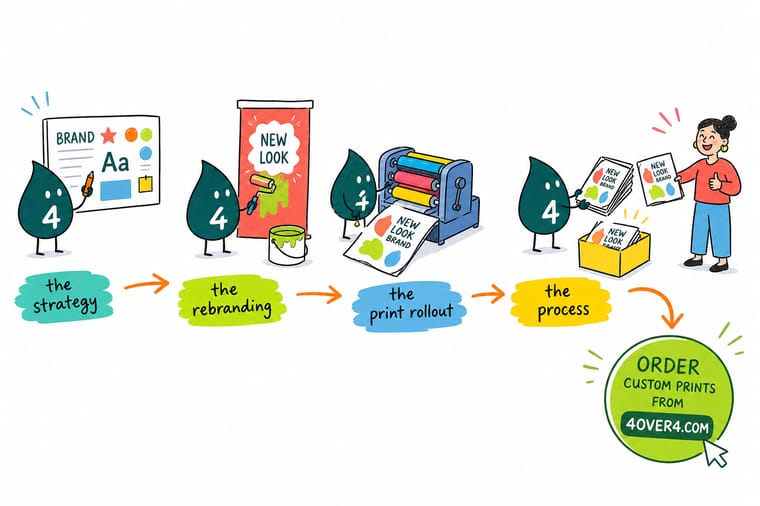
Wally puts the new mark on the cards, the door and the folders on day one, because those are the things a customer holds or walks past. Brochures and letterheads wait until the words on them are rewritten and approved. Envelopes and internal forms sit in the last pile and get used up before they are reordered. He also prints the logo at its smallest real size first, on both coated and uncoated stock, so nobody discovers at 8 mm that the fine lines have closed up.
Reprint your business cards →
Specs and pricing
The three items every rebrand reprints, with live pricing
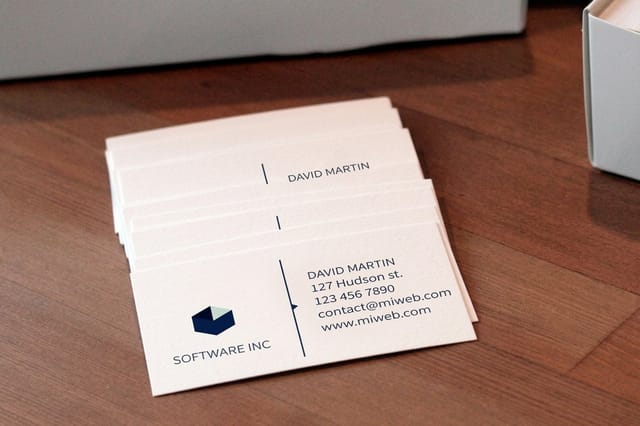
Cards, letterheads and folders carry the mark in almost every business. Standard business cards come 2 x 3.5 in or in three other sizes, on stocks that include 14pt Gloss Cover, 24pt Ultra Thick Gloss Cover and 18pt Premium White Linen, from $17.57 for 100. Letterhead is 8.5 x 11 in on 70# Uncoated Text or a 24# Royal Laid sheet, from $99.95 for 50. Short run presentation folders are 9 x 12 in on 14pt Gloss Cover, from $108.75 for 10.
Print it
Start the rollout with the pieces customers hold
All three ship in 3 business days at standard turnaround, so you can order the day one tier together and hold it until launch. Cards start at 100 for $17.57, short run folders at 10 for $108.75, and brochures at 50 for $57.11.

Explore more
Where to go next
Read the logo guide before you approve the mark at 8 mm on a card, and the Pantone to CMYK guide before you sign off a brand color. The pocket folder guide and the two category pages cover the day one pieces.

By the numbers
A print partner for the whole rollout
Common Questions
Your rebranding questions, answered
How long does a rebrand take from strategy to printed material?
For a small business, plan on six to twelve weeks before anything goes to press, then two to six more weeks to work through the reprint list. Strategy and naming take the longest because they involve decisions rather than work. Identity design usually moves faster than people expect once the strategy is settled, and the print stage is measured in production days per item, not weeks. The one thing that reliably blows the schedule is starting the reprint before the logo files are final, because every corrected version means reprinting whatever already shipped.
Should I rebrand or just refresh?
Ask whether the current brand says something untrue. If the name describes a service you no longer offer, if a merger left you with two identities, or if a trademark conflict forces a change, that is a rebrand. If the name and positioning still fit and the look is simply dated, that is a refresh: redraw the mark, tighten the palette and typography, keep the name and the recognition you already paid for. A refresh reprints the same items but does not force you to rewrite copy, which is the cheaper half of the job.
What do I reprint first after a rebrand?
Anything a customer holds or walks past. Business cards come first because they are cheap, they are handed over in person, and an old card undoes the announcement immediately. Door and window signage is next for the same reason. Presentation folders follow because they wrap everything else you hand a client. Brochures, letterheads and vehicle graphics can run on a schedule over the following weeks. Envelopes, internal forms and packing slips are last and are usually used up rather than binned.
What do I do with the old printed stock I already paid for?
Split it by who sees it. Customer-facing stock with the old mark comes out of circulation the day you announce, because using it makes the rebrand look unfinished. Low visibility stock is a different calculation: old envelopes, internal forms and packing slips carry the mark to people who are already customers, and burning through a box before reordering is a legitimate saving. What you should not do is over-order in the months before a rebrand. If a change is on the table, buy short runs until the decision is made.
Do I need an agency to rebrand?
Not always, but you do need someone accountable for the print deliverables. An agency earns its fee on strategy, naming and the messaging that has to be rewritten across every brochure. A freelance designer can handle a refresh well. In-house works when someone already owns the brand and has print experience. Whoever does it, write the deliverables into the brief: one-color and reversed versions, a stated minimum size, CMYK and Pantone builds, outlined vector lockups, and print-ready templates at final trim size with bleed.
Will my new brand color print the same on every item?
Close, but not identical, and it is worth knowing before you sign off. The same CMYK build reads slightly darker and softer on uncoated stock than on coated, because uncoated fibers absorb more ink. A Pantone color converted to CMYK can also shift, and some shades shift a lot, particularly bright oranges, deep blues and anything with a fluorescent base. Print a proof of the card, the letterhead and the folder before committing to a full rollout, and pick a brand color that survives the conversion rather than one that only looks right on screen.
Get Started
Reprint the stationery: 50 letterheads $99.95, 250 envelopes $142.99
Start with the pieces a customer holds. Pick your stock, upload the final lockup, and we print cards, folders and letterheads that match across the whole rollout.
Legal Disclaimer
Gold Standard guarantees apply to all standard orders placed through 4over4.com. Price match requires verifiable proof of a competitor's published price for an equivalent product with matching specifications and turnaround time. Satisfaction guarantee covers manufacturing defects and print quality issues. Contact support with order number and documentation.
