
Digital Marketing vs Traditional Marketing, What's the Difference?

Marcus is our print marketing voice, built from the knowledge of our production team, with over 20 years in printing.
Digital marketing reaches people on screens with instant, measurable clicks. Traditional marketing reaches them in the physical world with a piece they can hold. One is measured in clicks, the other in what survives on a counter for a week, and the second half runs on printed flyers, postcards and brochures sized and stocked for the job.
Digital marketing is measurable, traditional marketing is memorable. Digital runs on screens (search, social, email) with click-level tracking, while traditional runs on physical media (flyers, postcards, direct mail, brochures) that lasts for days and earns stronger trust and recall. They are not rivals. An integrated campaign uses digital to capture demand and print to build presence, tied together with a QR code so both are measurable.
Quick answer
The short version of digital vs traditional marketing
Digital marketing is measurable, traditional marketing is memorable. Digital reaches people on screens through search, social, email, and video, with every click and conversion tracked in real time. Traditional reaches them offline through flyers, postcards, direct mail, brochures, and signage, giving your brand a tangible presence that lasts for days and earns stronger recall. In print terms that means 500 direct mail postcards at 4 by 6 inches on 14pt cover, or 50 flyers at 8.5 by 11 inches on 100# gloss text, each carrying a QR code. The best campaigns stop treating them as rivals: they use digital to capture demand and print to build trust, then tie the two together with a QR code so a printed piece becomes just as trackable as an ad. Print your flyers, postcards, and brochures together at 4OVER4.COM and the physical side matches the brand you built online.
What is digital marketing?
Digital marketing is any promotion that reaches people through a screen. When you run a Google search ad, boost a post on Instagram, send an email newsletter, or drop a video on YouTube, you are marketing digitally. Each of those ends on a web page, and that same page address can sit as a QR code on a 4 by 6 inch postcard or an 8.5 by 11 inch flyer. The whole category runs on connectivity, and its defining trait is that almost everything is measurable the moment it goes live.
The main channels break down like this:
- Search marketing covers SEO and paid search, catching people at the exact moment they type a need into Google.
- Social media spans organic posts and paid ads on platforms like Instagram, TikTok, Facebook, and LinkedIn.
- Email marketing speaks directly to a list you own, from welcome sequences to weekly promotions.
- Content and video build authority over time through blogs, guides, and short-form clips.
- Display and retargeting follow visitors around the web with banner ads after they leave your site.
The upside is speed and control. You can launch a campaign this afternoon, watch the clicks roll in, pause what is not working, and shift the budget by dinner. The trade-off is that attention online is thin and fleeting. Your ad shares the screen with a dozen others, an inbox filters half your email to a promotions tab, and a scroll erases your message in under a second. When you need a physical anchor to make it stick, our digital printing turns the same artwork around fast so the campaign lives offline too.
What is traditional marketing?

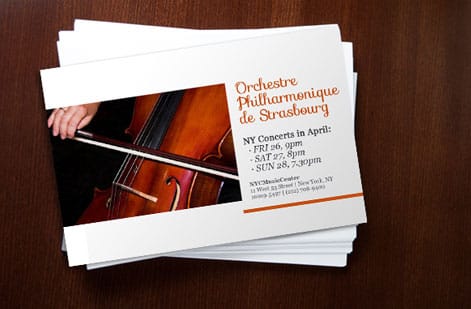
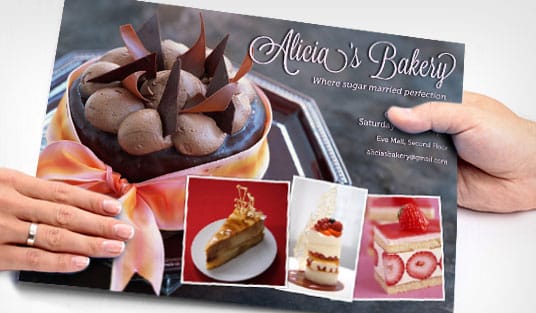
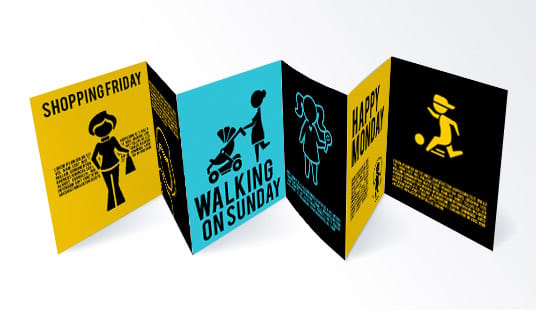
Traditional marketing is promotion that reaches people offline, through a physical object or a broadcast rather than a browser. It is the oldest form of advertising and still one of the most trusted, because it exists in the real world where nobody can install an ad blocker. In print, the everyday formats are flyers from 5.5 by 8.5 to 11 by 25.5 inches, direct mail postcards from 4 by 6 to 6 by 11 inches in runs from 500, and brochures folded to three panels.
Its core channels include:
- Print collateral like flyers, postcards, brochures, and business cards that a person can hold and keep.
- Direct mail, where a targeted piece lands in a specific mailbox with almost no competition for attention.
- Signage and out-of-home, from banners and posters to window graphics that work the street corner all day.
- Broadcast such as radio and television spots that reach a wide local or regional audience.
- Print advertising in newspapers, magazines, and local directories.
The strength of traditional marketing is presence. A postcard sits on a kitchen counter for a week, a brochure gets passed around an office, a flyer stays pinned to a community board long after a social post has scrolled into oblivion. It is tangible, it feels credible, and it reaches people who are not actively searching for you yet. The trade-off is that it takes a little longer to set up and needs a small trick, a code or a custom link, to measure directly. Browse the full lineup on our marketing materials hub to see what a physical campaign can carry.
The difference between digital and traditional marketing
Traditional marketing vs digital marketing comes down to two halves of the same job, and the two are not rivals. In a single order that looks like 500 postcards for the neighborhood and a search ad for the people already typing your service. Digital is built for intent and measurement. Traditional is built for presence and trust. Line them up and the contrast is clear.
Reach and targeting. Digital targets with surgical precision, down to a person's interests and browsing history, but that precision only reaches people already online and paying attention. Traditional casts a wider local net. A direct mail route or a stack of flyers reaches an entire neighborhood, including the people who never see your ad because they are not scrolling.
Cost and commitment. Digital has a low barrier to entry and you can start with a few dollars, though those dollars keep burning as long as the ad runs. A print run is a one-time cost that keeps working with no meter running. Once a postcard is in a mailbox, it does not charge you again for the second look.
Measurement. This is digital's home turf. Every click, open, and conversion is logged. Traditional used to be the guessing game here, but a QR code or a unique promo code closes that gap completely, turning a printed flyer into something you can track just like an email.
Staying power. A digital impression is gone in seconds unless someone saves it. A printed piece has physical staying power, living on a desk or a fridge for days. That longer life is why print keeps earning stronger recall than a banner ad most people never consciously register.
Choosing the Size, Stock and File for the Print Half

Once the digital layer is running, the print piece needs three decisions, made in this order.
- Size by the job. A 4 by 6 inch postcard carries one offer and one code. Go to 6 by 9 or 6 by 11 inches when the mailer needs a map, a menu or a before and after. For the counter, an 8.5 by 11 inch flyer, and for the longer story, a brochure folded to three panels.
- Stock by the handling. Postcards go through the mail, so pick 14pt or 16pt cover, and high gloss UV on the front if the image is a photo. Flyers that people take home work on 100# gloss text; flyers they write on work on 70# uncoated.
- File by the tracking. Give every piece its own QR code or short URL, keep it inside the safe area away from the 1/8 inch bleed, and leave the address side of a mailer clear on the right for the address block.
Order a free online proof and scan the code on screen before the run. Flyers print in 3 business days and direct mail postcards in 4, so the print half can land the same week the ads start.
Wally settles the marketing debate
Stop choosing sides, run both and connect them with a code
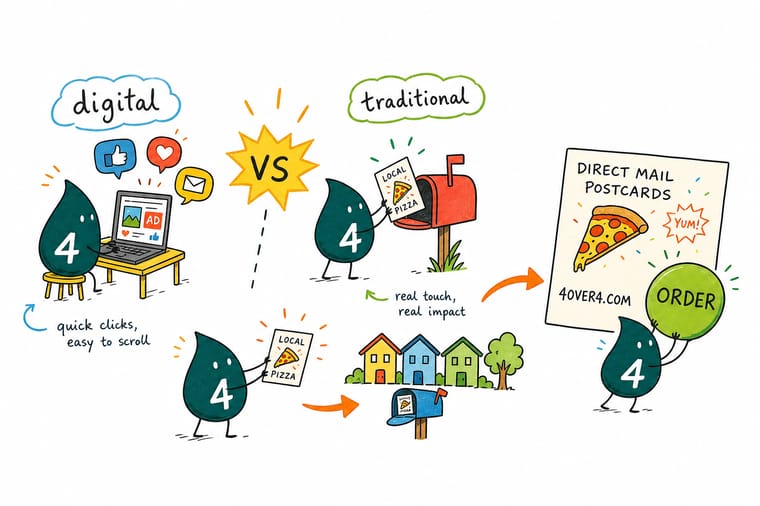
Wally thinks of it like a relay race, not a boxing match. Digital gets off the line fast and tracks every step, while print carries the baton the last stretch into someone's hands where it actually sticks. Run the ad, send the matching postcard, print a QR code on it, and now your offline piece is as measurable as a click. Print the flyers, postcards, and brochures together at 4OVER4 so the physical half matches the brand you built on screen.
Shop marketing materials →Side by side
Digital vs traditional marketing at a glance
The same campaign, seen through both lenses across seven factors, from where it lives to how long it lasts: seconds on a screen against days to weeks for a postcard on a fridge. Neither column is the winner on its own. The point is which job each one does better.
| What you are weighing | Digital marketing | Traditional (print) marketing |
|---|---|---|
| Where it lives | Screens: search, social, email, video, display | The physical world: mailboxes, hands, walls, counters |
| Getting started | Low entry cost, instant launch, easy to pause | A print run and a plan, then it works with no ad spend to keep feeding |
| Targeting | Precise by interest, location, and behavior | Broad by neighborhood, route, or foot traffic |
| Measurement | Clicks, opens, and conversions tracked to the cent | Tracked with coupon codes, QR codes, and call tracking |
| Lifespan | Seconds on screen unless it is saved or bookmarked | Days to weeks on a desk, fridge, or bulletin board |
| Trust and recall | Fast but easy to scroll past and forget | Tangible, harder to ignore, and remembered longer |
| Best for | Capturing active demand and retargeting | Building presence, local reach, and lasting impressions |
Read the table as a split of jobs. Print covers digital's blind spots, presence, trust, and staying power, while digital covers print's, precision and instant measurement. A 500 postcard mailing with a QR code plus one search campaign closes every gap.
Why the strongest campaigns integrate both

The useful question is how to make digital and traditional work together, because a message that lands on a screen and in a hand is far harder to forget than one that only does either.
Integration is simple in practice. A customer sees your social ad, then a few days later a matching postcard arrives in the mail with the same offer and a QR code. The ad created the impression, the mailer made it real, and the code carried them back online to buy. Each channel covers the other's weakness. Digital brings the tracking and the retargeting. Print brings the trust and the longer life.
A few ways to wire the two together:
- Put a QR code on every printed piece so a flyer or brochure drives a measurable visit to your site, landing page, or booking form.
- Match the design across channels so the postcard, the email, and the ad share one look. Printing your flyers, postcards, and brochures together keeps the color and finish consistent.
- Retarget the offline audience by sending mail to a list, then serving them ads once they scan the code and land on your site.
- Use print for the moments screens cannot reach, like a brochure handed across a counter or a flyer left at a local partner's front desk.
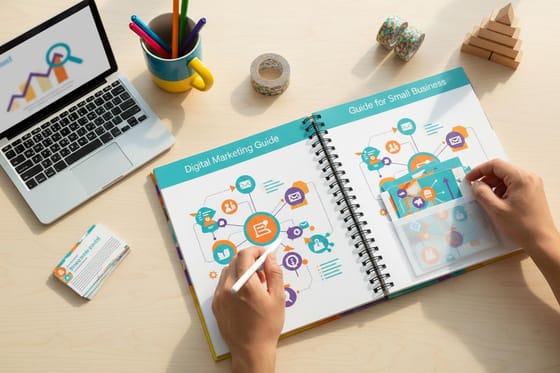
Not sure how the digital side should look on its own? Our digital marketing guide for small business covers the channels worth your time, and this page handles the print half that makes them stick.
Print the campaign
The print pieces that pull the strongest response
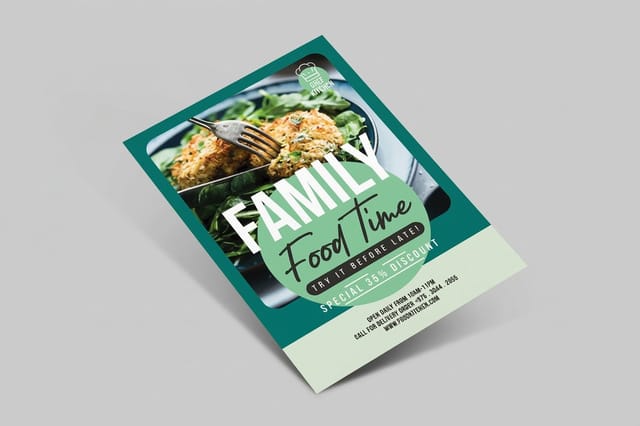
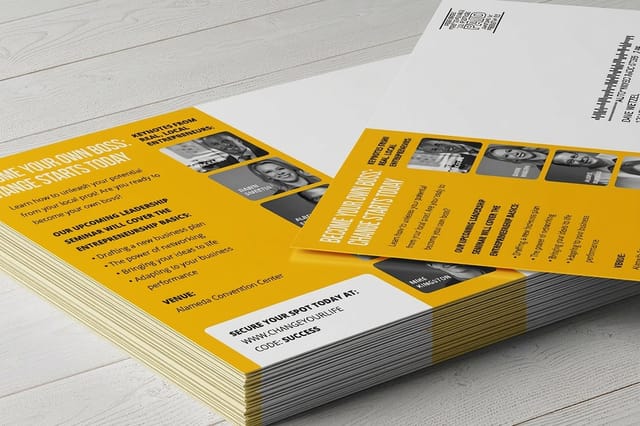
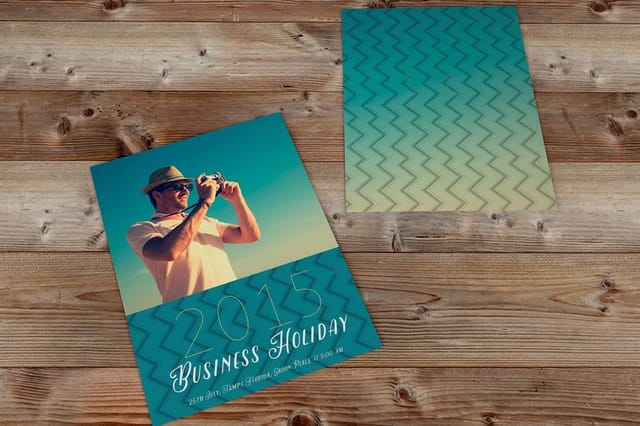
Three formats that do the heavy lifting in an integrated campaign, printed in-house so they match the brand you built online. Business flyers come in six sizes on 100# gloss, silk or 70# uncoated text, flat or folded, from 50 in 3 business days. Direct mail postcards come in nine sizes on 14pt or 16pt cover from 500, and standard postcards start at 50 for a hand-out run.
Print's tangibility and response, and why it still converts
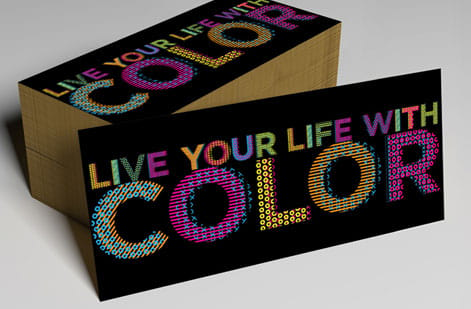
There are three things a screen cannot do: land in a mailbox that holds almost nothing else, sit on a counter for a week, or feel like a real object in someone's hands. That physical presence is traditional marketing's quiet advantage, and it is why print keeps pulling its weight in a digital-first world. The size you pick sets how much of that presence you buy: a 4 by 6 inch postcard for a single offer, a 6 by 11 inch card when the mailer has to carry a menu or a map.
Tangibility changes how a message is received. A printed piece is not competing with fifty other tabs and a notification badge. It commands a moment of undivided attention, and it does not vanish when a thumb flicks upward. People hold it, set it down, and see it again the next morning. That repeated, low-pressure exposure is what builds recall, and recall is what turns a stranger into a customer when they finally need what you sell.
Response is the part people underrate. Because a mailbox is far less crowded than an inbox, a well-targeted mailer stands a real chance of being seen rather than filtered. Add a QR code or a promo code and every response becomes countable, so the classic knock against print, that you cannot measure it, disappears. You get the trust of a physical piece and the tracking of a digital one at the same time.
The pieces that carry this best are the everyday marketing formats. A direct mail postcard reaches a local list with a single strong offer. A flyer spreads a promotion fast and cheap. A brochure tells the longer story a buyer wants before they commit. For the full direct-response toolkit, our direct mail services collection puts the mailing side and the printing side in one place.

Do it in order
How to run an integrated print and digital campaign
Five steps that put digital and traditional on the same team, so one report shows you every result.
Set one goal and one audience
Decide what a win looks like, a booking, a call, a sale, and pick the exact people you want to reach before you touch a channel.
Launch the digital layer
Stand up the search, social, or email piece that captures people already looking, and let the data start flowing so you know what resonates.
Reinforce it in print
Send a matching postcard or flyer to the same audience with the same offer and a QR code, so the message lands physically and lasts.
Track both with one code
Route every printed piece to a unique QR code or promo URL, so an offline scan is measured next to an online click in the same report.
Double down on what works
Read the numbers across channels, shift budget toward the winners, and reprint the piece that pulled the strongest response.
Specs and pricing
Flyer and postcard specs, straight from the configurator
The live options for a standard flyer, in nine sizes from 4.25 by 5.5 to 11 by 25.5 inches on seven stocks, and a direct mail postcard, in nine sizes from 4 by 6 to 6 by 11 inches on seven 14pt and 16pt covers, plus per-unit pricing on our most-ordered postcard, so you can size the print half of the campaign.


| Quantity | Price Per Unit | Total |
|---|---|---|
| 50 | 33.0¢ | $16.48 |
| 100 | 24.2¢ | $24.16 |
| 200 | 15.9¢ | $31.86 |
| 300 | 12.8¢ | $38.45 |
| 400 | 11.3¢ | $45.04 |
| 500 | 10.3¢ | $51.62 |
| 600 | 9.89¢ | $59.31 |
| 700 | 9.57¢ | $67.00 |
See it in use
The physical half of real campaigns
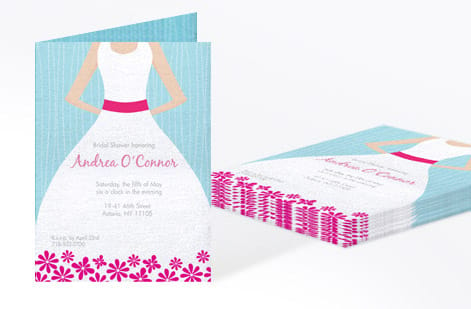
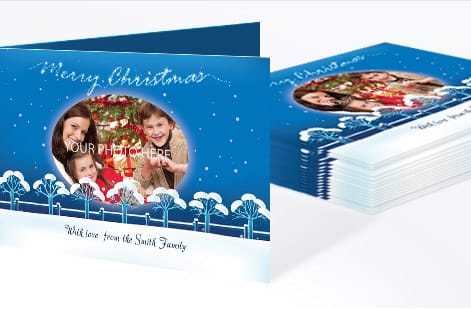
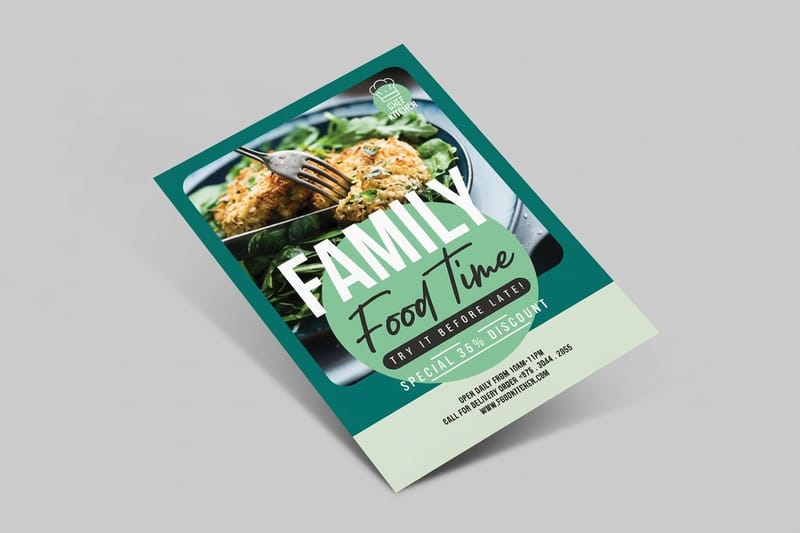
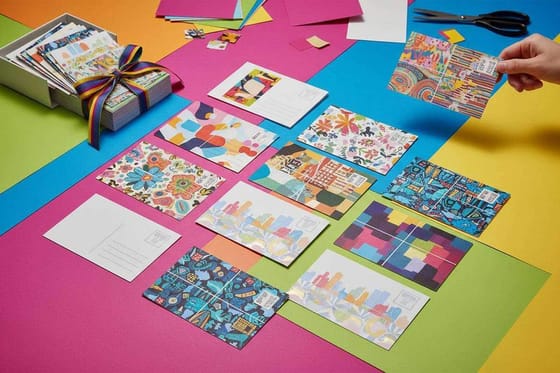
Customer postcard jobs printed in-house. Look at where each one puts the offer, the QR code and the return address before you lay out your own.







Explore more
Where to go next
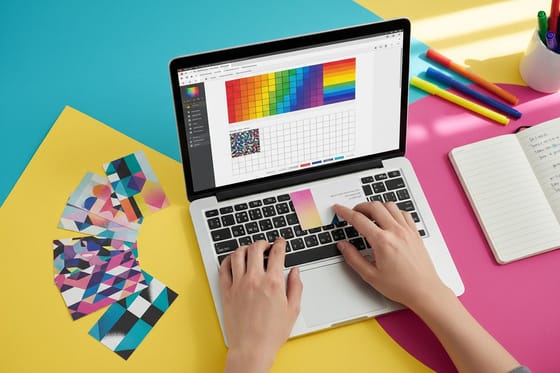
Short-run digital printing, the small business marketing checklist, where to hand out flyers, the online designer, and real postcard work.
By the numbers
The print half of your campaign, handled at 4OVER4
Common Questions
Common questions about digital vs traditional marketing
What is the difference between traditional and digital marketing?
Traditional marketing reaches people through physical and offline channels such as printed flyers, postcards, direct mail, brochures, signage, radio, and print ads. Digital marketing reaches people through screens: search engines, social media, email, video, and display ads. The core difference is the medium and how you measure it. Digital gives you instant, click-level data, while traditional print puts a tangible object in front of someone that sticks around far longer than a scroll.
What is traditional marketing vs digital marketing in plain terms?
Think of it as pull versus plant. Digital marketing pulls in people who are already searching or scrolling, so it captures active demand. Traditional print marketing plants your brand in the physical world, a postcard in a mailbox or a flyer on a counter, so it creates awareness and recall even when nobody is looking for you yet. Most strong campaigns use both: digital to catch intent, print to build presence.
Is digital marketing better than traditional marketing?
Neither is universally better, because they do different jobs. Digital is cheaper to test, faster to launch, and easy to measure, which makes it ideal for capturing demand and retargeting. Traditional print earns trust, stands out in a nearly empty mailbox, and gets remembered longer. The highest return usually comes from combining them so a customer sees your message on a screen and then holds it in their hand.
How do I choose between traditional and digital marketing for a small budget?
Start with the goal. If you need measurable leads fast and can watch a dashboard, lean digital first. If you are a local business trying to own a neighborhood, a targeted run of direct mail postcards or flyers often beats a thin ad budget spread across the whole internet. The smartest small-budget move is a hybrid: one focused digital channel plus one printed piece that carries a QR code back to it.
Does print marketing still work in a digital world?
Yes, and in many cases it works better because inboxes are crowded and mailboxes are not. Print is tangible, it does not get filtered to spam, and it does not disappear after two seconds of screen time. A well-designed flyer, brochure, or mailer gives your brand a physical presence that a banner ad cannot, and pairing it with a scannable code lets you track the response just like a digital click.
How do I measure the response from a printed campaign?
Use the same trick digital marketers rely on: a unique destination. Put a QR code, a custom short URL, or a promo code on your flyer, postcard, or brochure that appears nowhere else. Every scan, visit, or redemption is a print response you can count. This closes the loop, so your traditional pieces become just as measurable as an email open or an ad click.
What print pieces work best alongside a digital campaign?
Direct mail postcards at $0.18 a piece are the cheapest way to reach a local list, flyers spread a promotion fast and cheaply, and brochures carry the longer story a customer reads before they buy. Printed together at 4OVER4.COM, they share the same color, paper, and finish as the brand you built online, so the campaign reads as one connected piece across every channel.
Get Started
Order 50 business flyers from $57.11
Pick your flyers, postcards, or brochures, drop in your artwork, and we print a set that matches the brand you built online and mails clean.
Legal Disclaimer
Gold Standard guarantees apply to all standard orders placed through 4over4.com. Price match requires verifiable proof of a competitor's published price for an equivalent product with matching specifications and turnaround time. Satisfaction guarantee covers manufacturing defects and print quality issues. Contact support with order number and documentation.
