
11 Print Products That Launch a Tax Preparation Practice
A tax practice gets about six weeks to build its whole year. This toolkit prints that launch in order: the mail waves that land with the W-2s, the flyers that work the neighborhood, and the appointment card that books next January before this April is over.
The tax preparation launch toolkit is 11 print pieces that fill a new practice’s calendar: direct mail postcards, standard postcards, flyers, brochures, appointment cards, business cards, printed envelopes, letterheads, presentation folders, yard signs, and window clings. The EDDM waves land in January mailboxes with one dated offer, the yard sign and window clings work the street, flyers and brochures convert the neighborhood’s attention into booked seats, and the appointment card, letterhead, folder, and branded envelope turn every finished return into next season’s client. One matched look across all 11 and a first-year practice reads as a decade-old firm.
The picks
Eleven pieces from $16.48 postcards to $844.54 client folders
Eleven products launch the practice, each priced live from the configurator. Order the mail pieces in route volumes and the desk pieces in office volumes, then read on for what each one does between January and April.
Design and print help
Every mail date and reprint planned before January
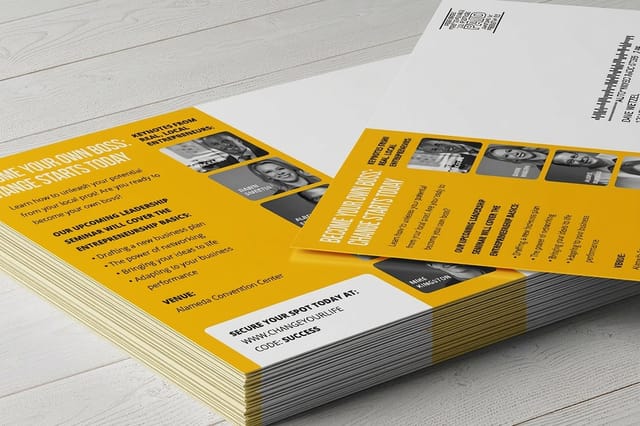
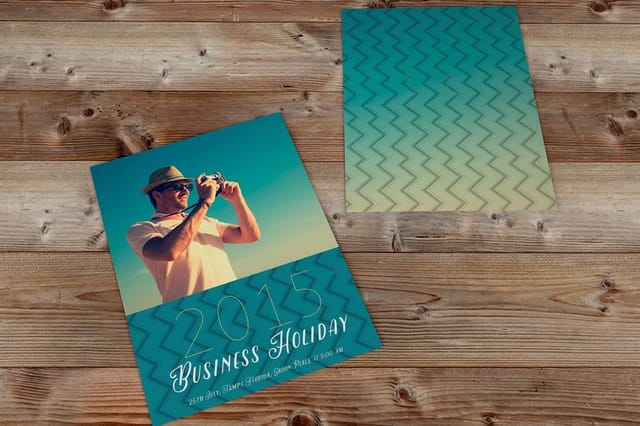
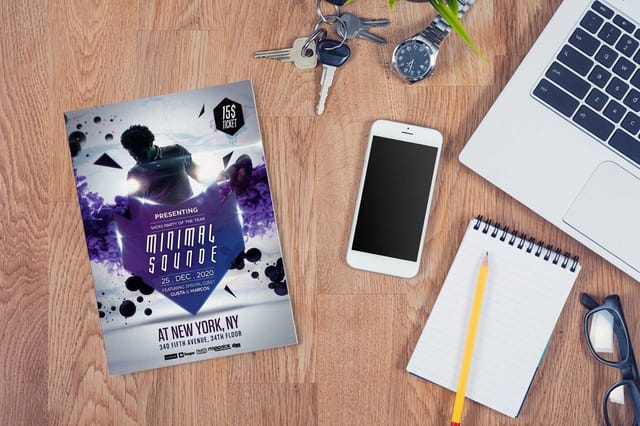
A six-week season leaves no room for reprints and missed mail dates, and the pieces build on different clocks: flyers, brochures and business cards in 3 business days, direct mail postcards in 4, appointment cards and yard signs in 5, envelopes and presentation folders in 7. These 4OVER4.COM services keep the waves landing on time and every piece on brand.
How they work together
January mail, February walk-ins, April rebooking
Each piece owns a stage of the six-week window: filling the calendar, winning the walk-in, keeping the client. Print the whole sequence before January so each stage has its piece ready.
The launch waves land in January mailboxes with one offer and one booking line, while the yard sign at the curb and the clings on the office glass announce the season to everyone who passes. EDDM routes cover the neighborhoods; the standard cards work your own list and every handout moment.
Flyers at the laundromat, grocery board, and community center catch filers deciding this week. The brochure and card turn that first conversation into a booked seat.
The finished return goes home in a branded folder and envelope, correspondence rides on letterhead all year, and next January is already written on an appointment card. Season one becomes a client list.
1. Direct mail postcards for the January wave
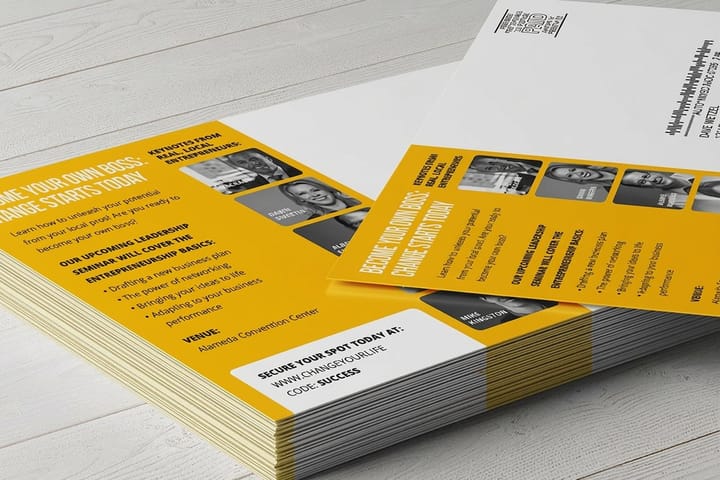
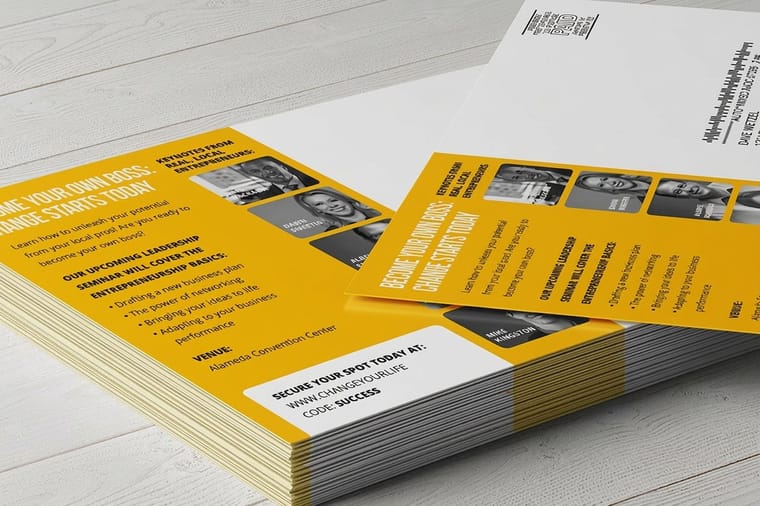
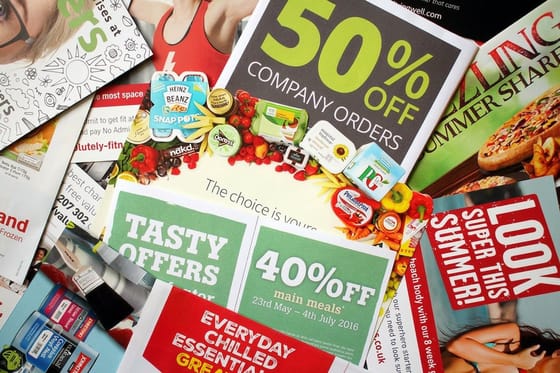
A new tax practice has no client list, no referrals, and about six weeks to build a season. Direct mail postcards are how you rent a neighborhood’s attention: EDDM routes put your offer in every mailbox around the office the same week the W-2s arrive, no list required.
Design the card around one dated offer and your street address, local beats cheap in tax preparation, and keep the same layout for every wave so recognition compounds. Our guide to EDDM postcard sizes covers the formats that qualify for every-door rates, and creating a successful direct mail campaign plans the January, February, and March waves as one system instead of three scrambles.
This is the engine of the launch. Everything else in the toolkit exists to catch what these cards set in motion.
2. Standard postcards for the list you build by hand
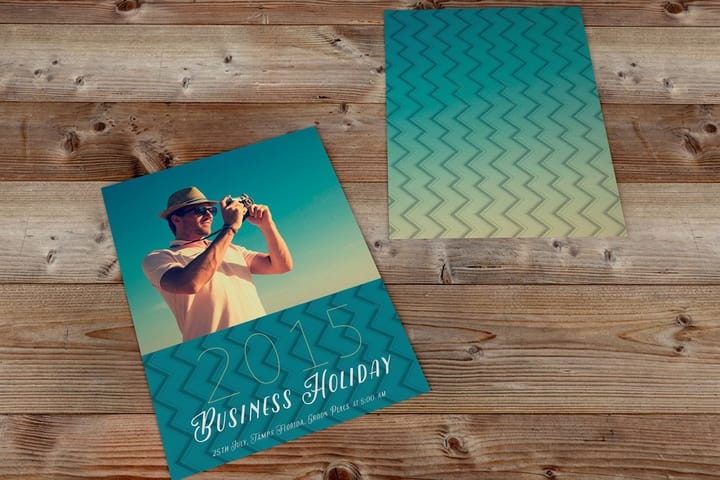
Alongside the neighborhood waves, the standard postcard works every smaller moment: the follow-up to someone who called but did not book, the thank-you with a referral offer after a return is filed, the stack on the counter of the diner that lets you leave them. It is the same format as the mail engine, at handout economics.
Keep one message per card and make the next step effortless, a phone number and a QR code to your booking page. Our guide to postcard design for direct mail covers the elements that get a card kept, and adding QR codes to postcards bridges the card to the calendar in one scan.
Starting under twenty dollars, print these generously: a card that costs cents is worth handing to anyone who mentions taxes.
3. Flyers that announce the season at street level
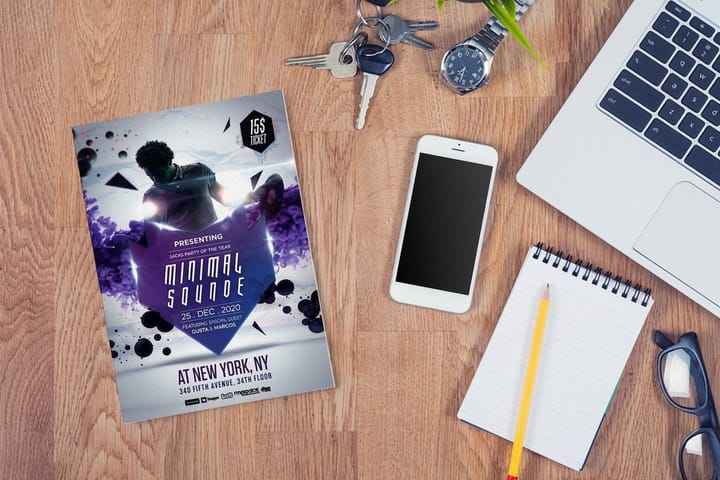
Tax filing is a neighborhood decision made in neighborhood places: the laundromat, the grocery entrance, the community center, the break room of every small employer nearby. A flyer in those spots reaches people in the exact weeks they are carrying tax documents around in their heads.
Lead with the offer and the date, add the three credentials that matter, licensed, local, fixed price, and finish with a booking line big enough to read from a distance. Our guides on how to design flyers and flyer distribution best practices cover the focal-point discipline and the placement etiquette, including asking the small employers nearby to post one in the break room.
Refresh the stack every few weeks with the current deadline and the flyer keeps selling the season all the way to April.
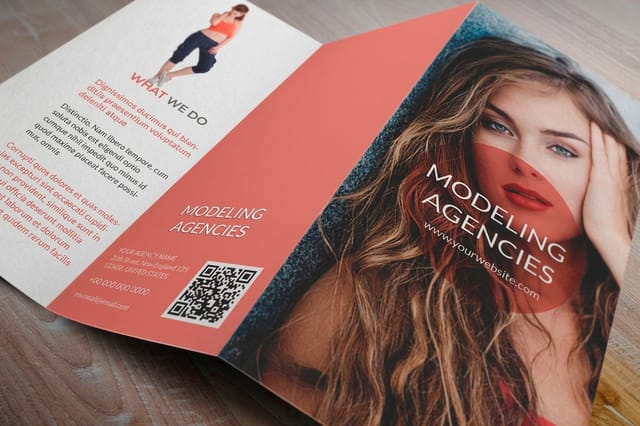
4. Brochures that answer the price question
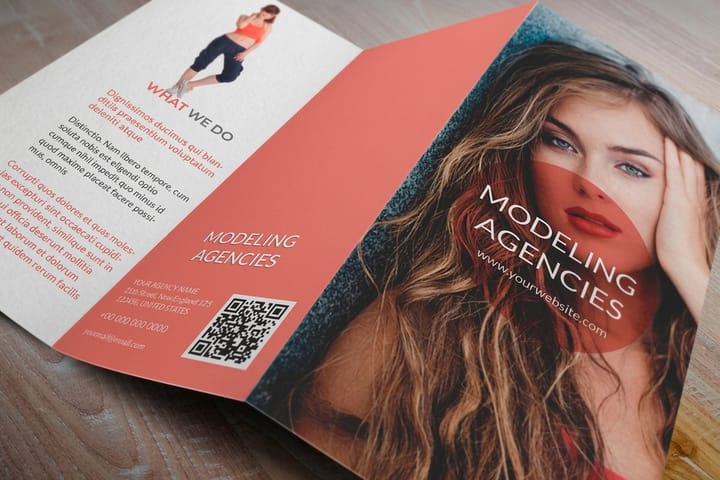
Every prospective filer asks the same three questions: what do you charge, what do I bring, and can you handle my situation. The brochure answers all three before you say a word, which is exactly what a nervous first-time client needs, and it keeps answering on the kitchen table after they take it home to think.
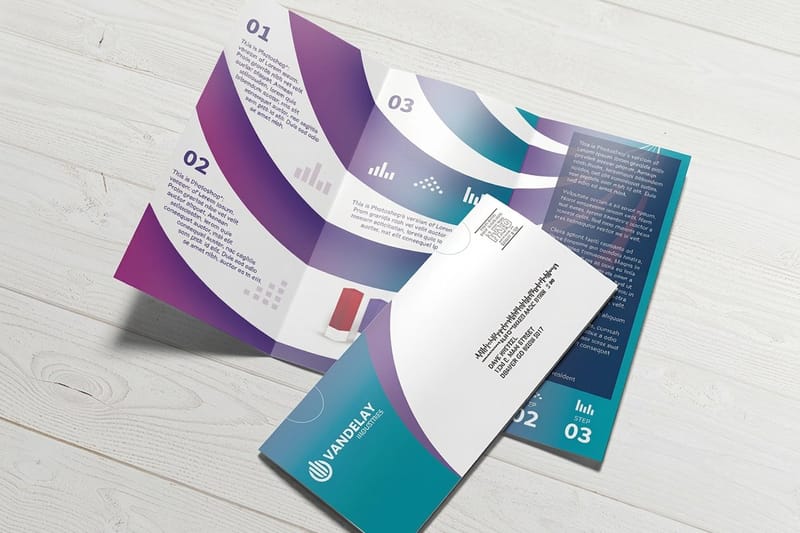
Structure it by filer type, simple W-2, self-employed, rental income, small business, with a price range for each, plus a what-to-bring checklist that makes booking feel like the easy next step. Our walkthrough of brochure design elements covers hierarchy and panel order, and how to fold a brochure matches the fold to a checklist’s flow.
Stack them beside the flyers, hand one to every caller who wants to think about it, and let the checklist do the closing.
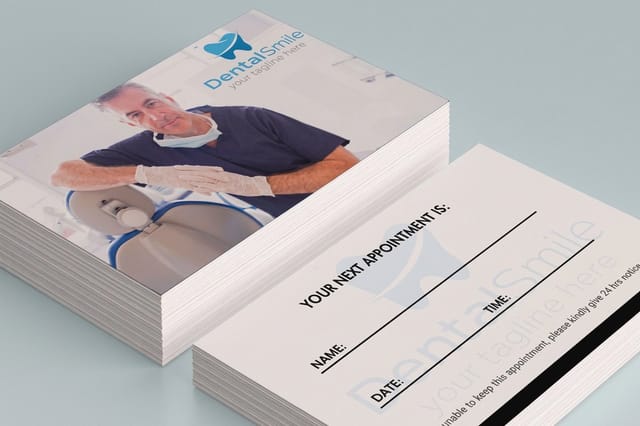
5. Appointment cards that book next January in April
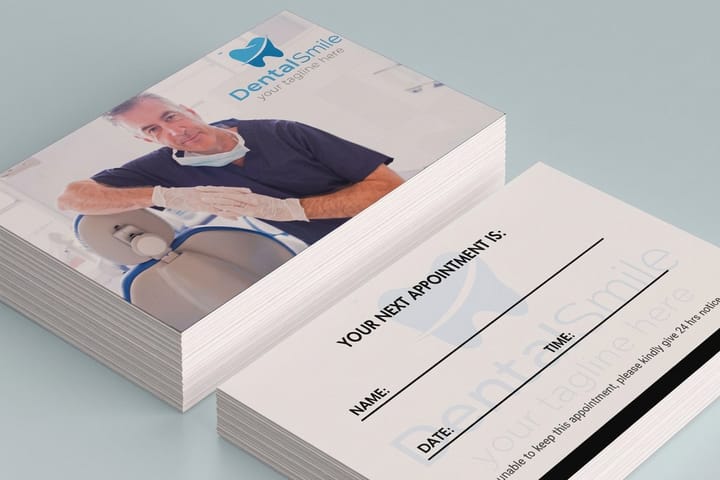
The difference between a tax gig and a tax practice is whether this year’s clients come back. The cheapest retention tool ever printed is the appointment card handed over with the finished return: "same time next year, here is your date." The client leaves with January already decided, and you leave with a season that starts pre-booked.
During the season, the same card confirms document drop-offs and pickup times, cutting the no-shows that eat a short season alive. Keep it matched to your business card, leave clear space for the date, and put your office line on the back. Order appointment cards in the same stock family so the desk set reads as one practice.
A box costs less than twenty dollars. A pre-booked January is worth more than any ad you could buy with the difference.
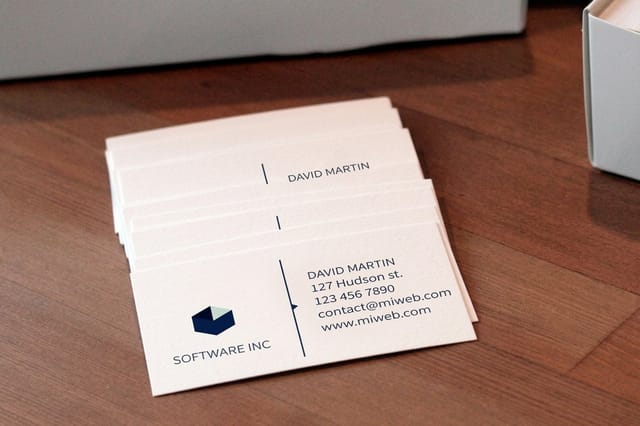
6. Business cards that carry your credentials
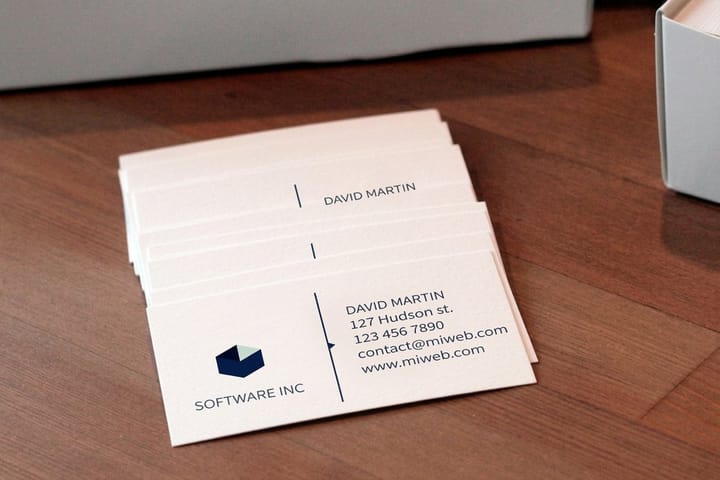
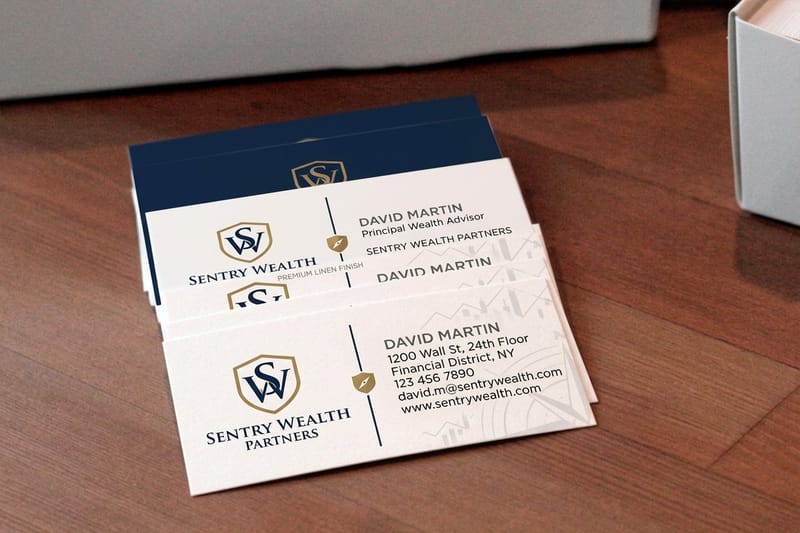
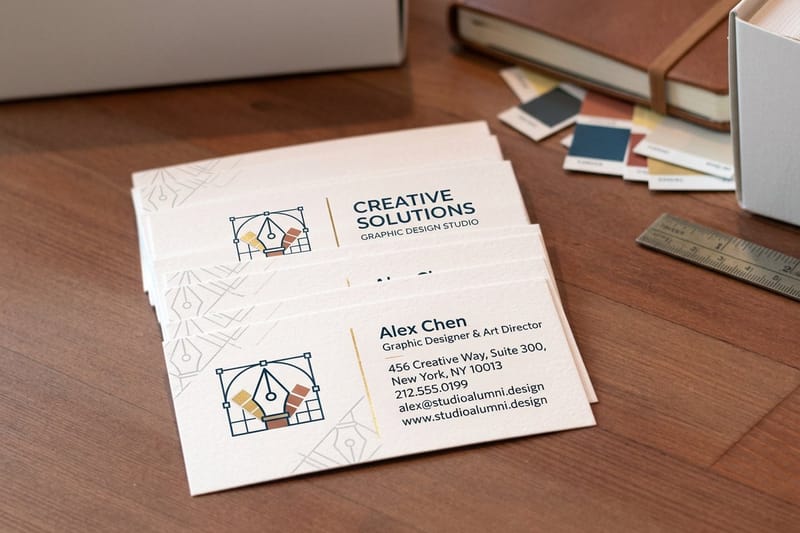
People hand their tax preparer everything an identity thief dreams of, so the card that introduces you carries more weight than most. Name, credentials, PTIN or license line, office address, and a booking number: the card is the practice’s trust argument compressed to 3.5 by 2 inches.
Print it heavy, thin card stock reads as temporary, which is the one thing a tax practice cannot afford to be. Our chart of business card paper weights explains why 16pt is the floor for a trust profession, and what to include on a business card keeps the layout disciplined.
Give two to every client at pickup: one for their records, one for the coworker who complains about their refund in the break room.
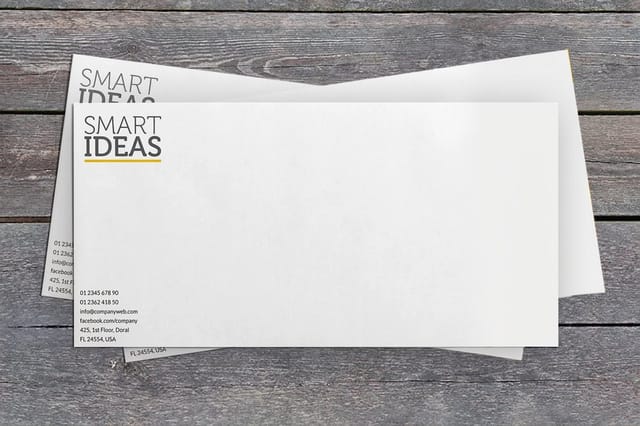
7. Printed envelopes that deliver the return like a document
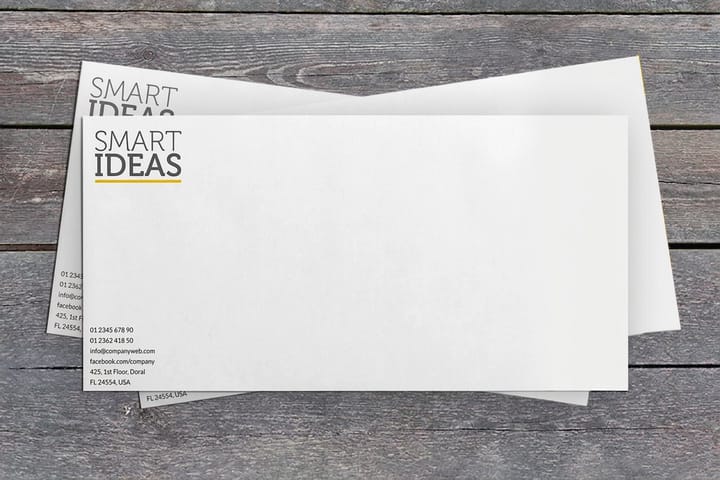
The last thing a client touches each season is the envelope their return goes home in, and a blank envelope wastes the moment. Your practice name printed in the corner turns the handoff into a small ceremony: this is an official document, prepared by professionals, and here is who to call next year.
The 9 x 12 carries a return flat; the #10 handles every letter and notice response through the year. Our guide to standard envelope sizes maps which size fits which document, and envelope sizes for business mail covers the full-color options if you want the launch offer riding on the outside of a mailing.
It is the quietest piece in the toolkit, and it is the one that makes every delivered return an advertisement for next season.
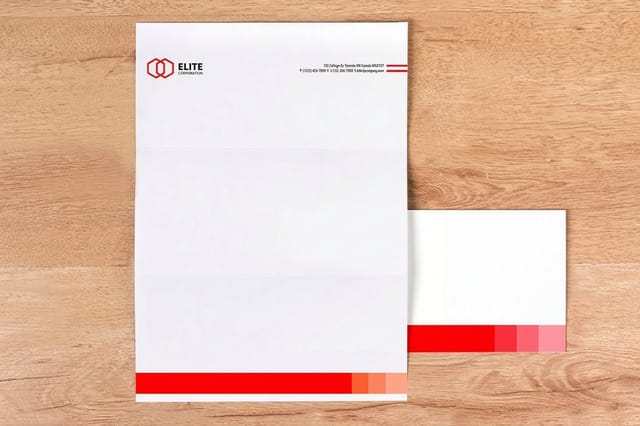
8. Letterheads that make each letter read like a firm wrote it
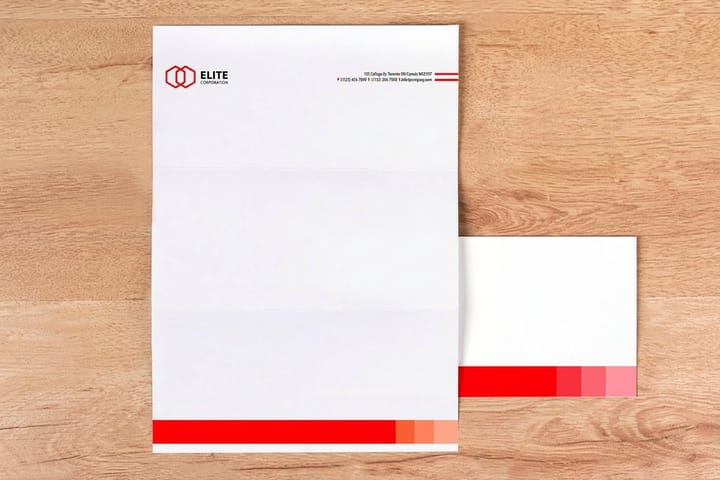
A tax practice writes more letters than almost any other small business: engagement letters, document requests, responses to IRS notices, extension confirmations. Each one lands on a desk where trust is being decided, and a letter on branded stock with your credentials in the header argues your case before the first sentence does.
Keep the header to the practice name, credentials, address, and phone, with a thin rule and generous white space; tax correspondence should look calm. Match the paper family to your printed envelopes so the letter and its carrier read as one document, and keep a version with a fax and secure-portal line for the clients who ask.
An IRS notice response on real letterhead also does something subtle: it tells the client, at the worst moment of their tax year, that a professional is on it.
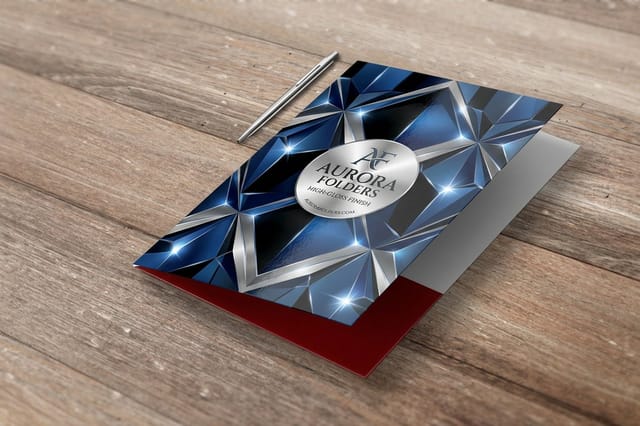
9. Presentation folders for the finished return
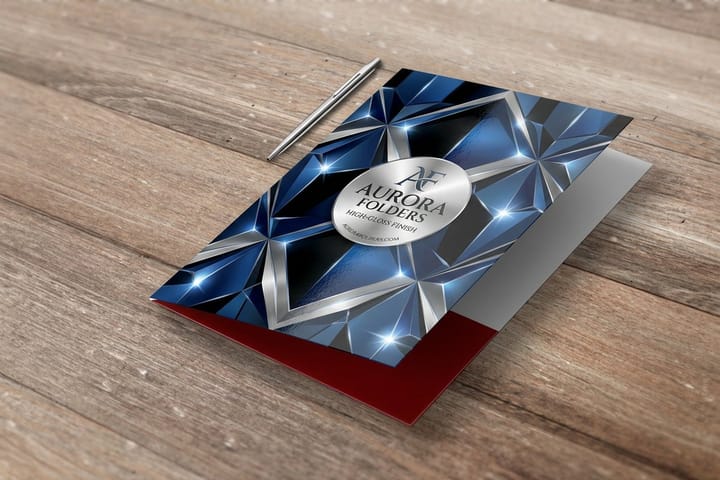
A completed return handed over loose is a stack of paper; the same return in a branded folder is a professional service, delivered. The folder holds the return, the invoice, the appointment card for next January, and your business card in its slit, which means the client walks out carrying your whole retention system in one piece.
Clients also keep folders. The one holding this year's return goes into the filing cabinet at home and resurfaces every time a mortgage application or a college financial aid form asks for tax documents, with your name on the cover each time.
Print the logo on the front, the office details on the back, and leave the inside clean. It is the most expensive piece in the toolkit per unit and the strongest argument per dollar that this practice will exist next year.
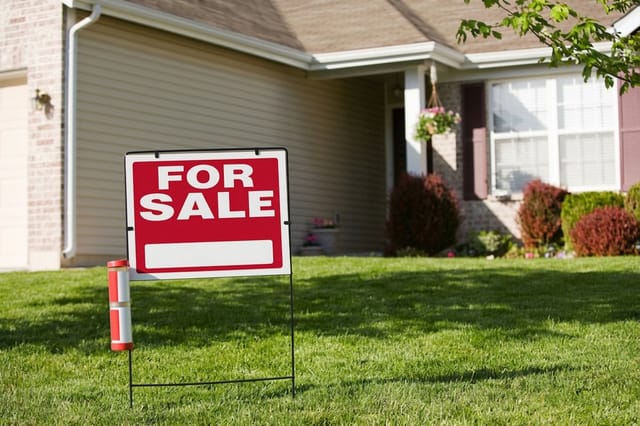
10. Yard signs that announce the season at the curb
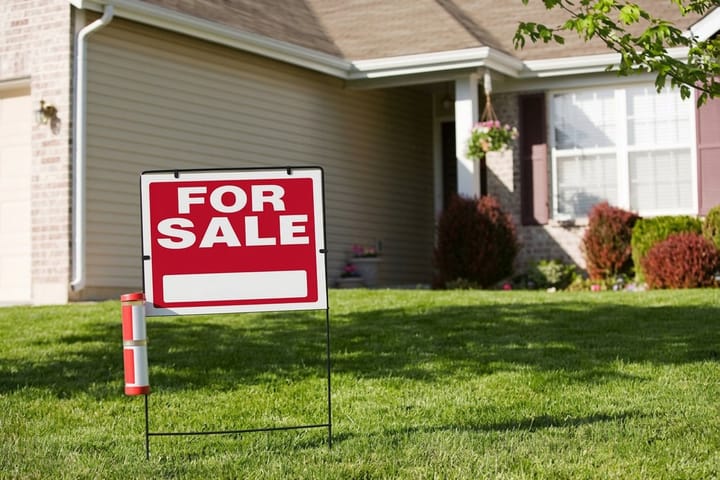
From January to April, every car that passes the office is a household with a filing deadline. A yard sign at the curb, taxes prepared here, walk-ins welcome, the deadline date, converts that traffic for twenty-five dollars, and a second sign at the busy corner with an arrow doubles the coverage.
Design it for driving speed: five words, the biggest type that fits, and the phone number only if it is readable at 30 miles an hour. The build notes in how to make yard signs cover coroplast and H-stakes, and which materials last outdoors keeps the sign standing through a slush-season sidewalk.
Swap the message in March to the deadline countdown. Urgency is the tax season's best closer, and the sign delivers it to the whole street daily.
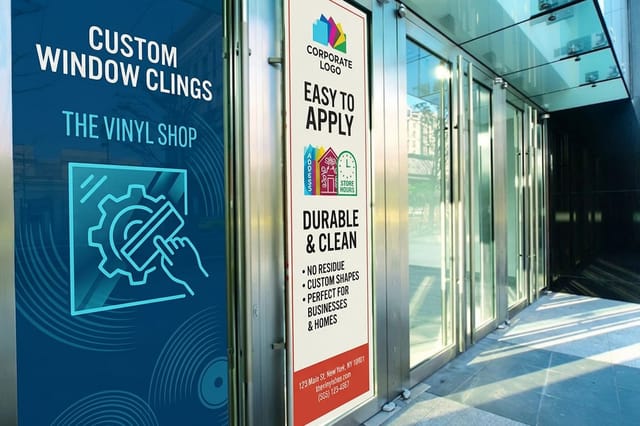
11. Window clings that put the office glass to work
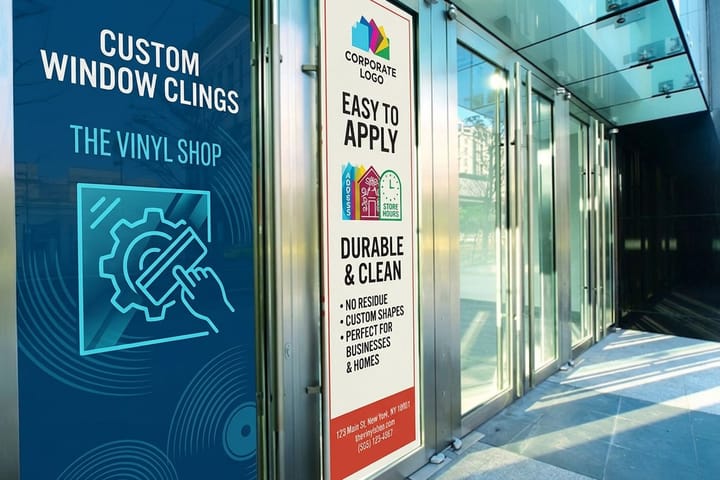
A tax office's window answers the questions a nervous walk-in is silently asking: are they open, do they take walk-ins, what do they charge. Vinyl clings put the answers on the glass, hours, the fixed-price offer, the languages spoken, e-file here, all readable from the sidewalk before anyone commits to opening the door.
Clings reposition without residue, so the January offer swaps to the February push and then to the April deadline countdown without a scraper. The explainer on what window clings and decals are covers static versus adhesive, and how to apply window clings gets them on bubble-free.
After April, peel the seasonal set and leave the hours and logo up. The glass keeps working the year-round bookkeeping side of the practice at zero additional cost.

Specs and pricing
Direct mail postcard sizes and live pricing
The mail waves are the launch’s main spend, so they set the budget. Here are the live specs and price-per-unit for direct mail postcards at 4OVER4.COM, straight from the configurator.
| Quantity | Price Per Unit | Total |
|---|---|---|
| 500 | 17.9¢ | $89.68 |
| 1,000 | 17.1¢ | $170.53 |
| 2,000 | 9.35¢ | $186.95 |
| 3,000 | 6.84¢ | $205.13 |
| 4,000 | 5.58¢ | $223.31 |
| 5,000 | 4.83¢ | $241.51 |
| 6,000 | 4.56¢ | $273.85 |
| 7,000 | 4.37¢ | $306.18 |
Wally explains the launch toolkit
11 pieces racing a six-week season
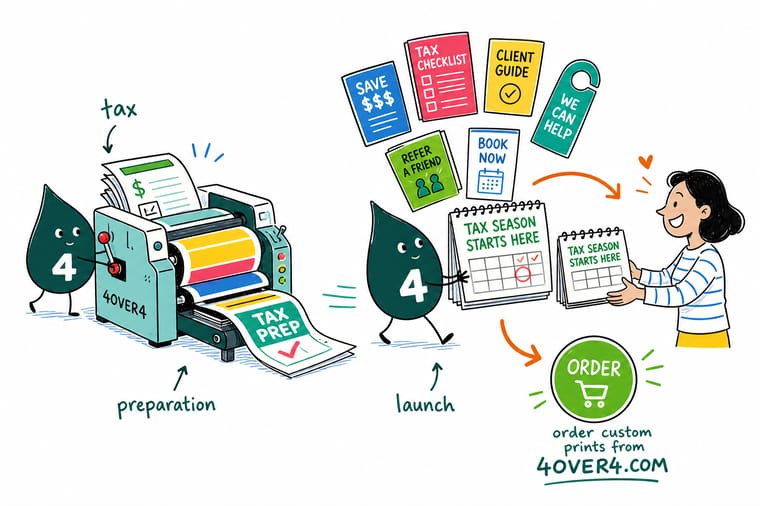
Wally treats a tax season like a rocket window: the launch happens in January or it does not happen. His sequence is printed before December ends, postcard waves timed to the W-2s, flyers on every neighborhood board, a brochure that answers the price question, and an appointment card that books next year during this year’s handshake. Print the whole toolkit at 4OVER4 in one matching order and open the season already moving.
Shop the financial collection →See it in use
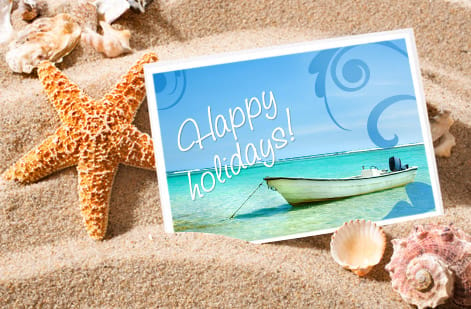
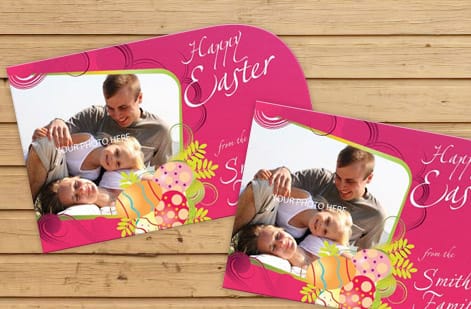
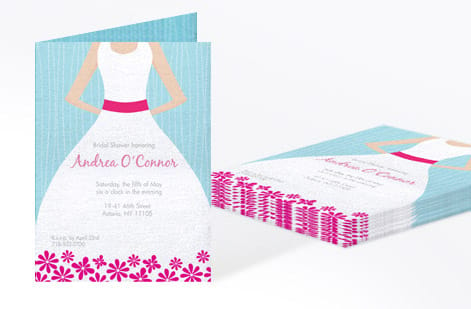
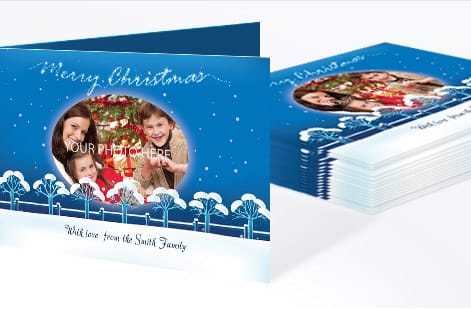
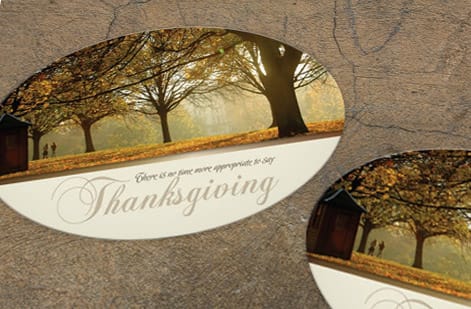
Postcard printing, design options shown




Explore more
Where to go next

By the numbers
One toolkit, printed before the window opens
Common Questions
Common questions about the tax launch toolkit
What is in the tax preparation launch toolkit?
11 print pieces that take a new tax practice from unknown to fully booked: direct mail postcards, standard postcards, flyers, brochures, appointment cards, business cards, printed envelopes, letterheads, presentation folders, yard signs, and window clings. The mail waves, flyers, yard sign, and window clings fill the January calendar, the brochure and card convert the first conversations, and the appointment card, letterhead, folder, and envelope turn season-one filers into returning clients.
When should a new tax practice start its print marketing?
Earlier than feels natural. The first mail wave should land the first week of January, when W-2s start arriving and filing becomes a household topic, which means printing in early December. A second wave in mid-February catches the procrastinators, and a final push in late March reaches the deadline-panicked. A practice that starts printing in February has already missed the biggest booking window of its year.
Why lead with direct mail postcards instead of online ads?
Because January is the one month the mailbox wins. Tax offers flood every digital channel at the start of the season, and a local practice cannot outbid national franchises for attention there. A printed card with a neighborhood address, a real offer, and a booking line lands in a context with almost no competition, and EDDM routing lets you blanket the exact zip codes around your office for postage that costs less than a click in a competitive auction.
What offer should the launch postcard make?
One clear, dated offer for new clients: a fixed-price simple return, a discount for booking before February 15, or a free review of last year’s filing. The date matters more than the discount, it converts "I should deal with taxes" into "I should call this week." Put the offer on the front in large type, the credentials and booking line on the back, and repeat the same layout every wave so the practice becomes recognizable by the third card.
How does a first-year practice look trustworthy enough for tax work?
Consistency does most of the work. When the card handed across the desk, the brochure in the waiting area, and the envelope the return goes home in all share one logo and one palette, the practice reads as established, because assembling that coherence is exactly what fly-by-night operations never bother to do. Add your credentials, PTIN, enrolled agent status, CPA, wherever your name appears, and let the paper make the argument.
How much does the launch toolkit cost to print?
The desk pieces cost little: 100 business cards and 100 appointment cards at $17.57 each, 50 standard postcards at $16.48, a yard sign from $25 and a window cling from $30. Flyers and brochures start at $57.11 and letterheads at $99.95 for 50, while the office-volume pieces cost more up front: 250 #10 envelopes at $142.99 and 250 gloss presentation folders at $844.54. The direct mail waves are the main seasonal spend and scale with how many routes you cover; set the quantities in each configurator and the totals update as you go.
What should the practice add after the first season?
Once there is a client list, retention gets cheaper than acquisition: deadline reminder mailings through a mailing service, referral postcards for the clients who send coworkers, and larger EDDM coverage as the service radius grows. Browse the financial printing collection at 4OVER4.COM to keep every addition matched to the launch set, and reorder any piece in a few clicks before the next season.
Get Started
Presentation folders are 250 for $844.54 and take 7 business days
Order the full launch toolkit from 4OVER4.COM and print all 11 pieces on matching stock, in one turnaround. Adjust size, finish, and quantity on any product and watch the price update live.
Legal Disclaimer
Gold Standard guarantees apply to all standard orders placed through 4over4.com. Price match requires verifiable proof of a competitor's published price for an equivalent product with matching specifications and turnaround time. Satisfaction guarantee covers manufacturing defects and print quality issues. Contact support with order number and documentation.
