
12 Accounting Print Essentials That Make a Small Practice Look Big
A small accounting practice cannot outspend the chains, but it can out-process them. These twelve pieces are that process in print: the intake form that makes the first meeting orderly, the appointment card that books the next one, and the folder that sends every finished return home looking like the work of a firm.
The accounting client-winning essentials are twelve print pieces that make a small practice operate like a firm: business cards, appointment cards, custom intake forms, spot UV presentation folders, letterheads, postcards, flyers, brochures, printed envelopes, notepads, greeting cards, and calendars. The intake forms print as 2, 3 or 4 part carbonless sets, appointment cards come in 72 stocks so they can match the business card, and the folder is 9 by 12 inches with spot UV on the outside and pockets. One restrained look across all twelve and the practice reads as meticulous before the first return is filed.
The picks
The twelve pieces, priced live
Start here. Each card opens the product's own configurator with its live price. Order them together so the logo and colors match from the business card to the letterhead, then read on for the exact job each piece does in the practice.
Design and print help
Keep all twelve pieces on brand
A practice that sells carefulness cannot hand out mismatched print, so settle the palette and the type before anything prints. These 4OVER4.COM services hold the whole set to one look, and take the seasonal mailing off your desk.
How they work together
Print in the order an engagement runs
Four pieces book the meeting, three run the engagement and five deliver the work, from the business card that answers a referral to the calendar that sits on the client's desk all year. Print the whole sequence and every client experiences the same orderly practice.
The flyer works the chamber board and local businesses, and the reminder postcard brings last year’s clients back before the season opens.
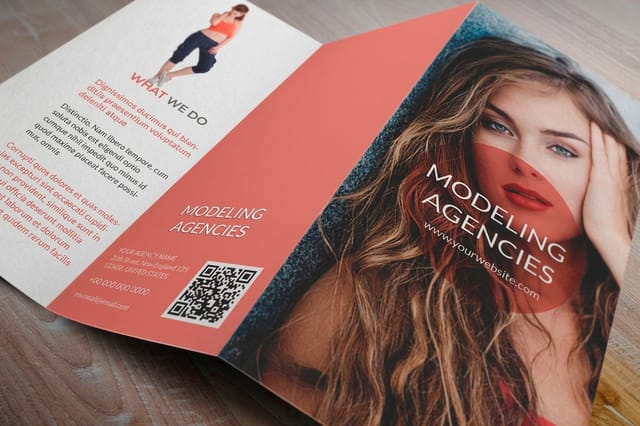
The card answers the referral, and the services brochure explains the practice while prospects wait.
The intake form makes every new client the same orderly process, the finished return goes home in a branded folder, and the appointment card sends each client home with the next meeting in writing.
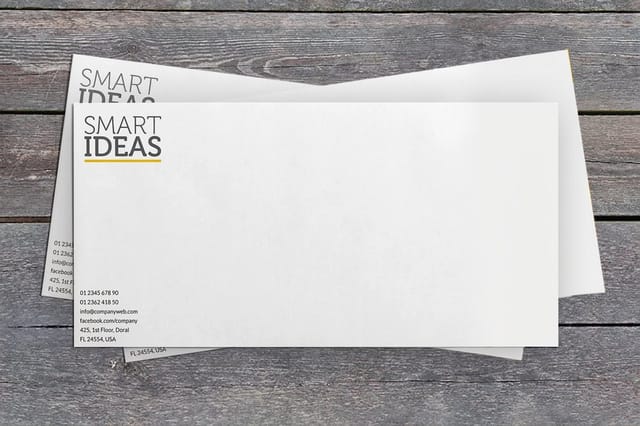
The engagement letter arrives on real letterhead in a printed envelope with the practice name in the corner.
The branded notepad, the holiday card and the wall calendar keep the practice in front of the client all year.
1. Business cards: the referral, answered on the spot
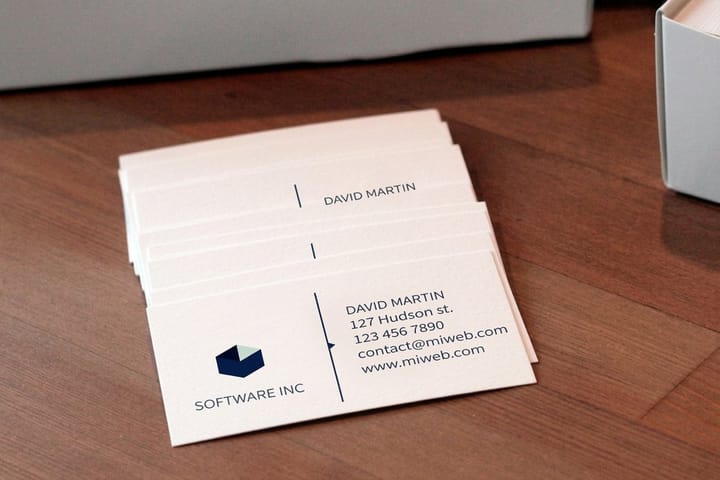
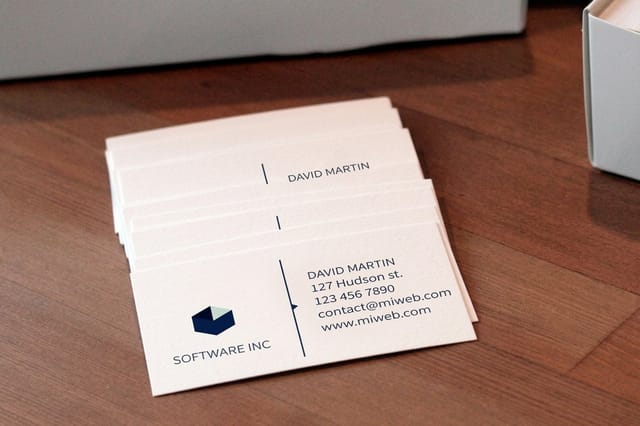
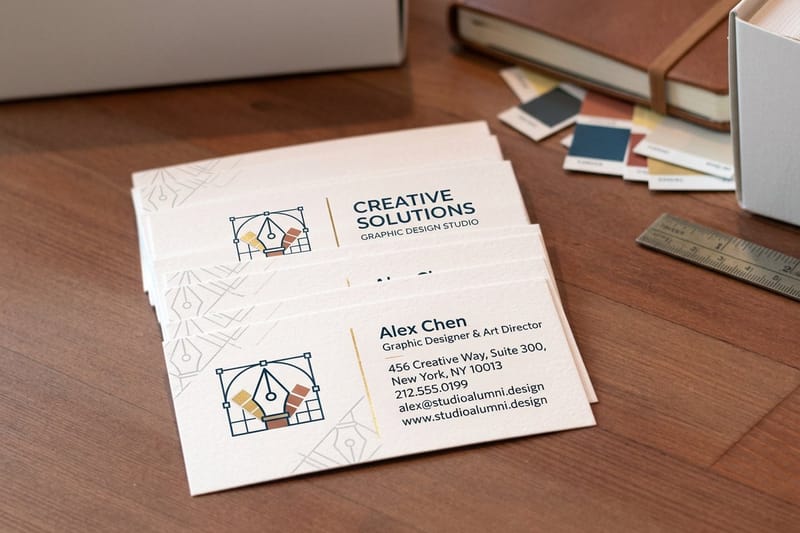
A small practice grows by referral, and referrals happen in rooms you are not in. The card is what your clients carry into those rooms: the restaurant owner recommending you to the caterer, the landlord mentioning you to the property manager. Without a card, the referral arrives as "some accountant, I forget the name."
Put your designations where they can be seen, CPA or EA on the front, and use the back for one plain sentence about who you serve. Stock weight does real work in this profession; our chart of business card paper weights explains why 16pt reads as established, and what to include on a business card keeps the layout disciplined.
Hand two to every satisfied client in April. The second card is the one they can pass on.
2. Appointment cards: the next meeting, in writing
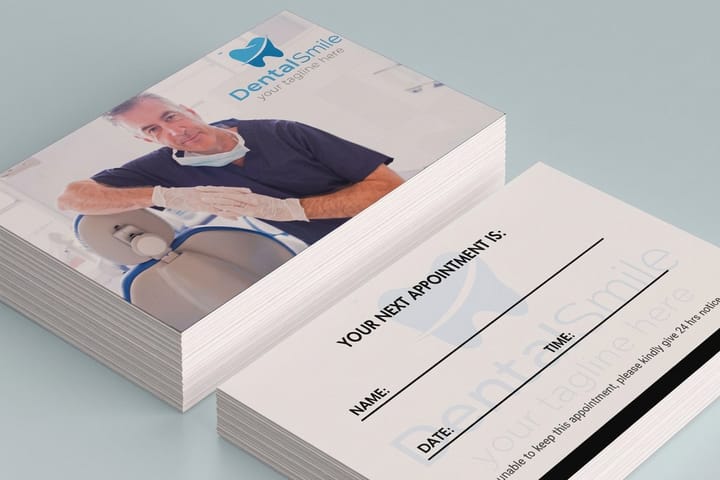
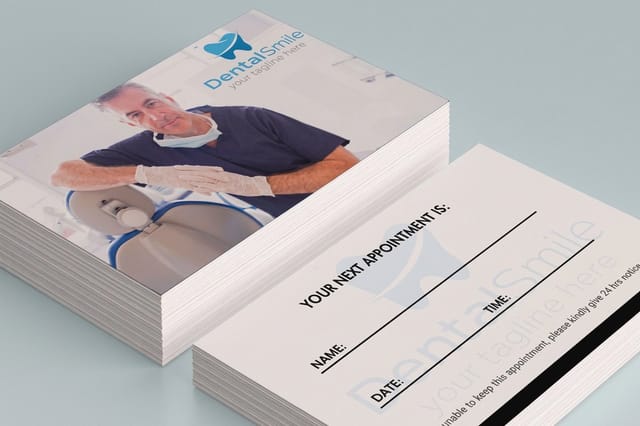
The most useful sentence at the end of a meeting is "let’s get the next one on the calendar now." Quarterly reviews, planning sessions, document drop-offs: every recurring meeting a client leaves with in writing is revenue that does not depend on them remembering to call during their busiest month.
An appointment card makes the habit effortless. Write the date while the client is standing there, hand it over, and the card rides home in the same wallet as your business card. Keep the front matched to your other stationery, leave a generous space for date and time, and print your office line and rescheduling note on the back. Order appointment cards in the same stock family as your business cards so the desk set feels deliberate.
It is the least glamorous piece in the essentials, and it turns a good meeting into the next booked one.
3. Business forms: the intake that makes you look meticulous
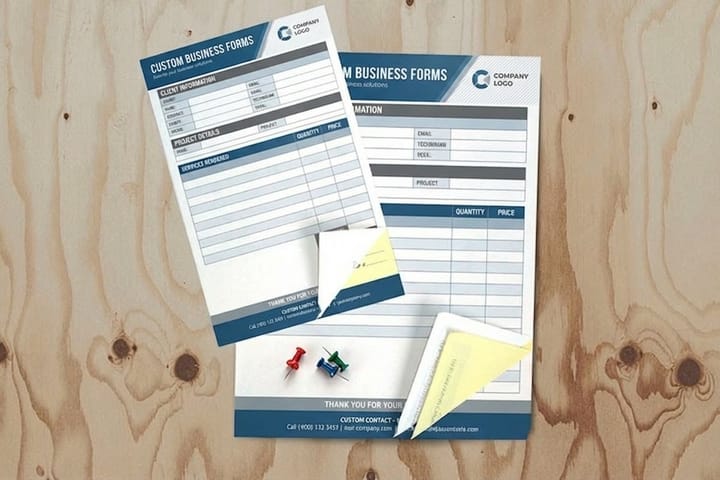
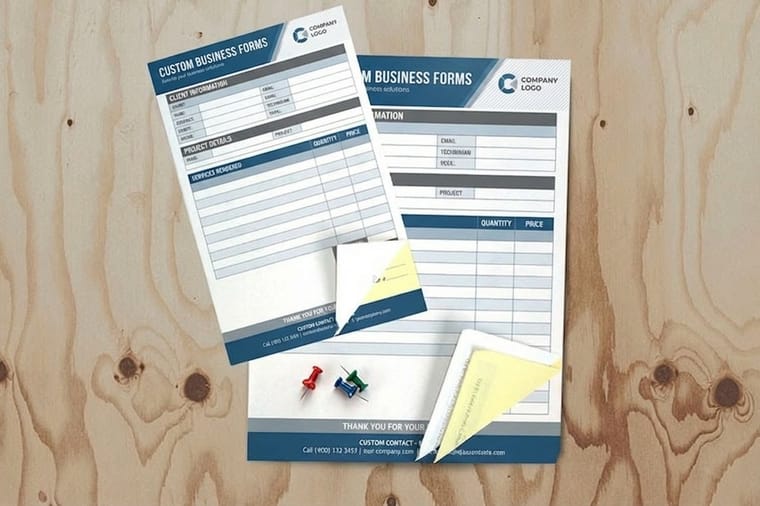
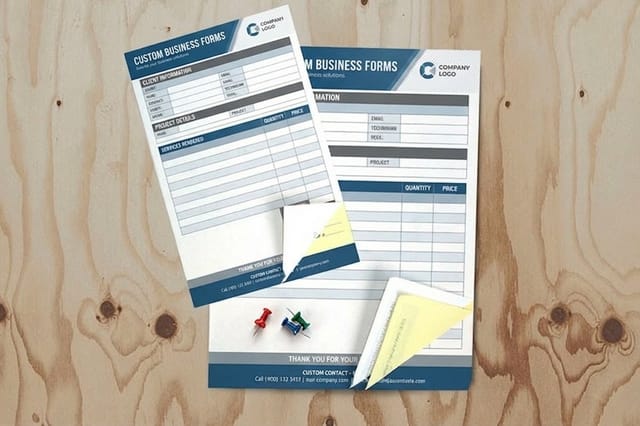
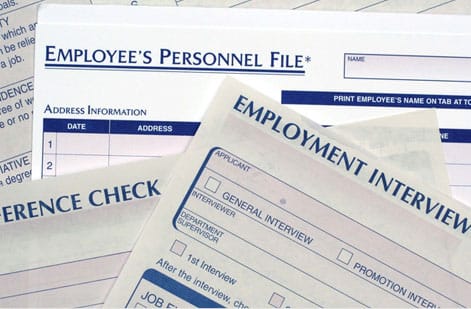
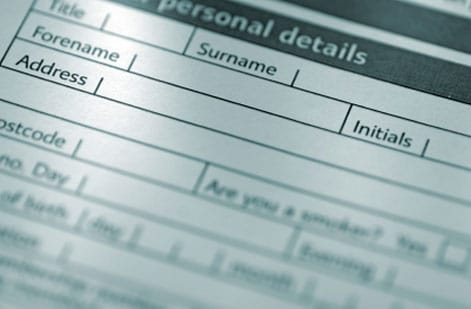
A client judges how you will handle their numbers by how you handle their paperwork. A branded intake form, entity details, income sources, a document checklist, a signature line, turns the messy first meeting into a process, and a process is what someone with a shoebox of receipts came to you for.
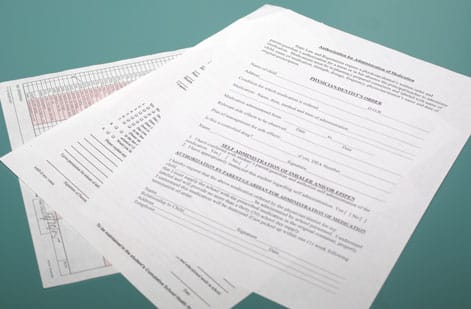
Print the set carbonless: the client keeps a copy of everything they submitted, your file keeps the original, and nothing waits on a scanner. Our explainer on what carbonless forms are covers how the copies separate, and the sets come in 5.5 by 8.5, 8.5 by 11 or 8.5 by 14 inches, glued at the top, left, right or bottom edge.
The form also travels: the client fills it out at their kitchen table, your logo at the top the whole time.
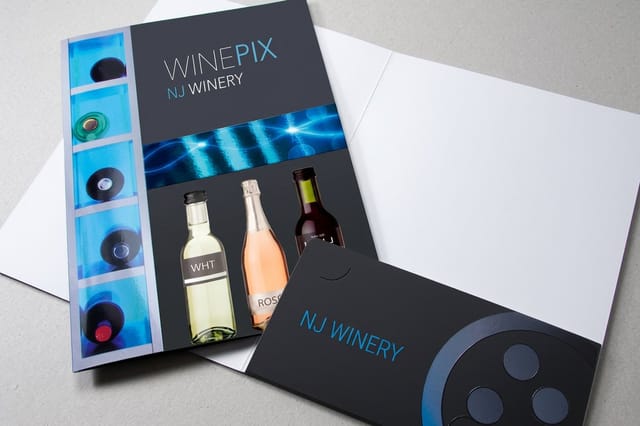
4. Spot UV folders: the handoff that closes and keeps
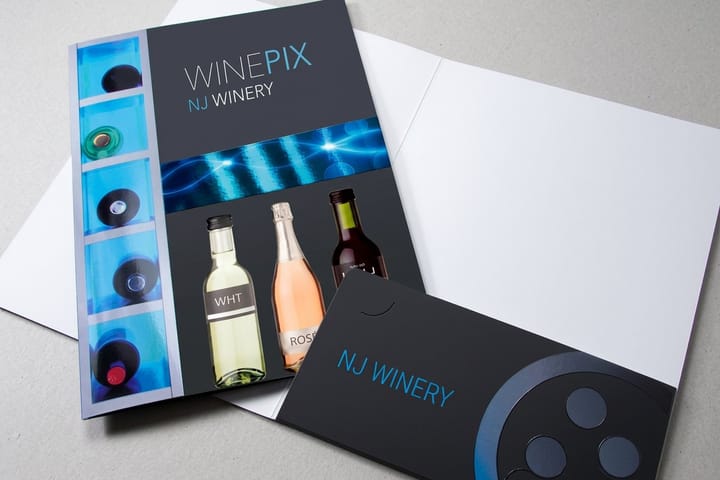
Twice a year, the folder is the whole practice. At the proposal, it carries your quote, your card in the die-cut slot, and a blank intake form, and the package reads as "this is what hiring us feels like." At delivery, the finished return goes home inside it and sits in the client’s file drawer with your name catching the light for months.
Spot UV is the right finish for a numbers practice: one clear gloss layer on the outside and the pockets, over a design you keep quiet. Our explainer on what pocket folders are covers pockets, capacity, and card slits, and standard folder sizes confirms the 9 x 12 that holds letterhead flat.
Order it in proposal and delivery volumes, not pamphlet volumes. Every folder should leave the office holding something a client paid for.
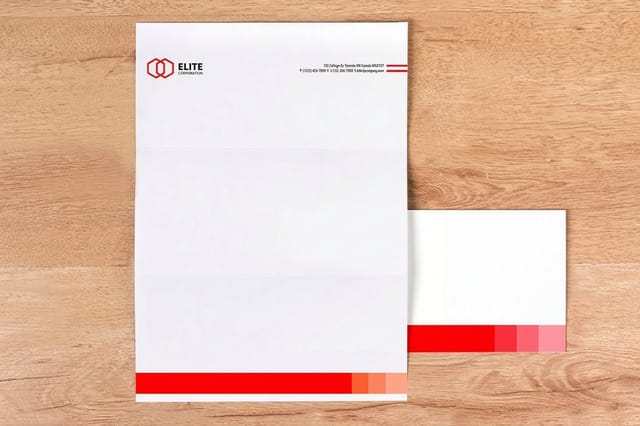
5. Letterheads: correspondence with weight behind it
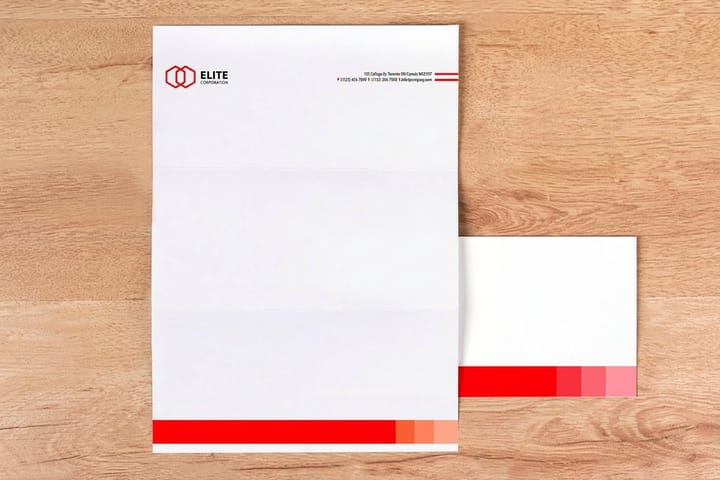
Engagement letters, filing confirmations, responses to notices: a small practice produces documents with real consequences, and consequence deserves letterhead. The same paragraph reads as an official record on a printed sheet and as a printout on blank paper.
Design it once, quietly: practice name and credentials in the header, address and phone in the footer, generous white space between. Our guide on what a letterhead is covers the anatomy, and letterhead design tips handles typography, which for an accounting practice is nearly the entire design.
Print a season’s worth per run. A letterhead drawer that runs dry in March defeats the point of having one.
6. Postcards: last year’s clients, back this year
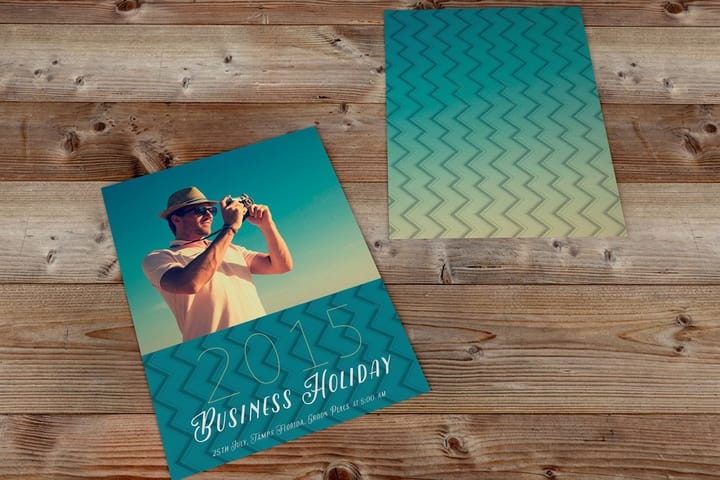
The cheapest client to win this season is the one you served last season, and the postcard is the cheapest way to reach them. One card in January, "book before February 15 and beat the rush," puts your practice on the fridge during the exact weeks everyone else is fighting for attention in the inbox.
Keep it to one deadline and one action, and let the design match your cards and letterhead so the reminder looks like it came from the same careful office. Our guide to postcard design for direct mail covers what gets a card kept, and sending direct mail postcards turns the client list into a mailed wave in an afternoon.
Starting under twenty dollars, it is the retention program a solo practice can actually run.
7. Flyers: the practice, posted where owners gather
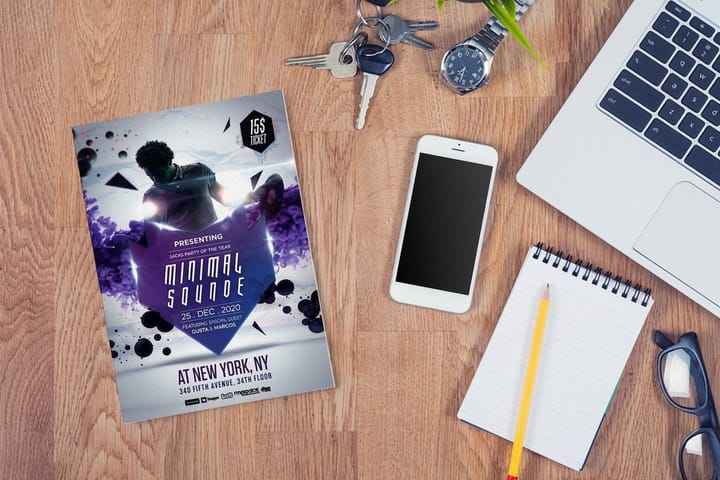
Every small business district has its bulletin boards: the coffee shop where contractors take calls, the coworking space, the chamber office. A flyer in those spots reaches business owners at the moment bookkeeping is annoying them, which is most moments.
Lead with the pain, not the practice: "Behind on the books? Year-end is closer than it looks," then one offer for a first consultation and an obvious way to book. Our guides on how to design flyers and flyer distribution best practices cover the focal-point discipline and the etiquette of the boards, ask first, refresh monthly.
A short stack, placed well, introduces the practice to the exact rooms where your next ten clients already gather.
8. Brochures: the services, explained while they wait
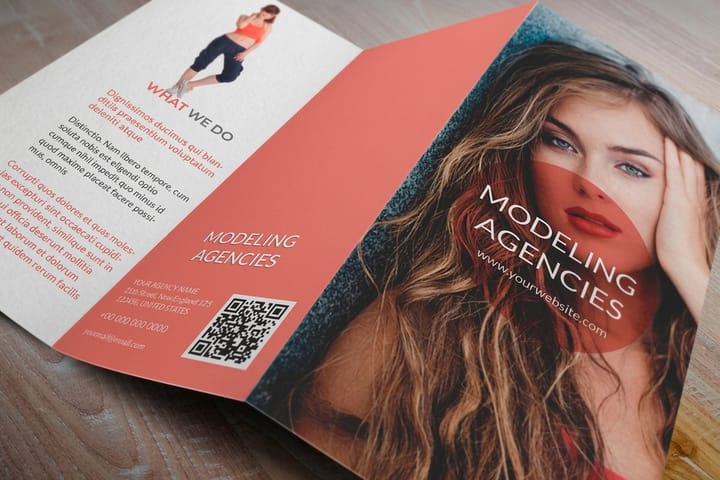
Every prospect sits in your waiting area, or someone else's, with five unscheduled minutes. A half-fold brochure fills them with the answers that close engagements: the services by entity type, what a monthly bookkeeping relationship includes, what to bring to the first meeting, and what clients say about the practice.
Give each panel one job and keep the tone as measured as the letterhead: services, process, credentials, contact. Our explainer on what a brochure is settles the folds, and the stocks at brochure printing match the rest of the stationery family so the rack reads as one office.
Leave stacks with the bankers and attorneys who refer you. A brochure in their lobby answers the question their client just asked.
9. Printed envelopes: the letterhead, finished properly
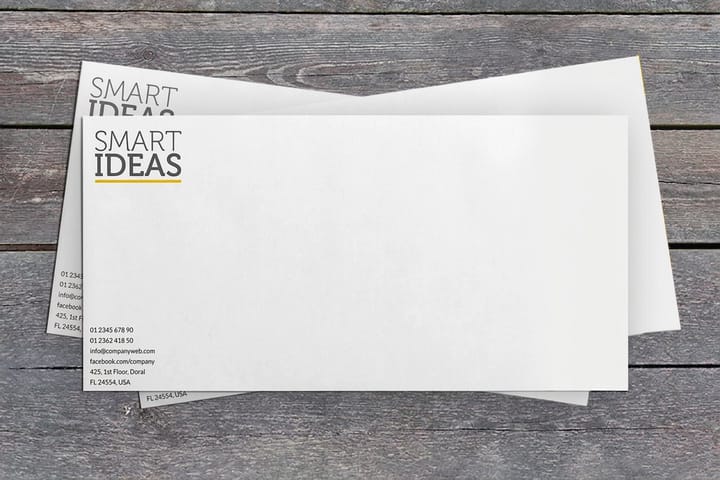
An engagement letter on real letterhead loses half its weight arriving in a blank drugstore envelope. The printed envelope finishes the thought: the practice name and return address in the corner, the same type as the sheet inside, and a client who knows before opening it that this piece of mail matters.
In a profession where documents carry deadlines and consequences, the envelope also does practical work: a return address the client knows keeps organizer packets and filing confirmations from looking like junk mail. Match the stock family to your letterhead and browse formats at envelope printing, from standard #10s to document sizes.
Order a year of envelopes at a time. They do not expire, and the price per envelope drops as the run grows.
10. Notepads: every worksheet under the practice mark
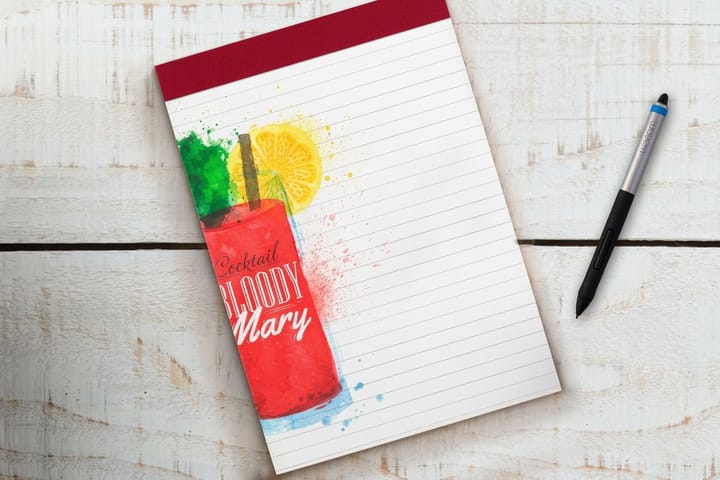
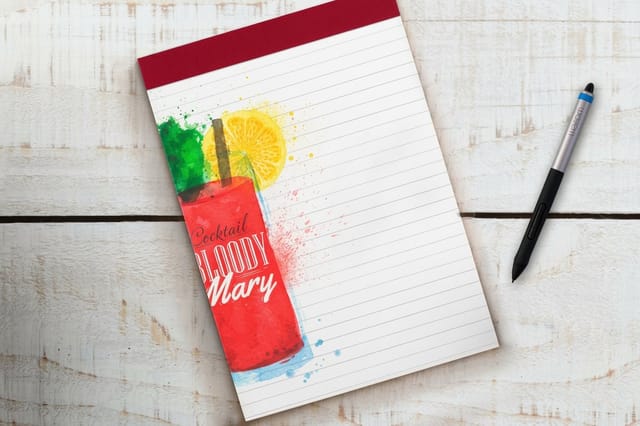
An accountant writes all day: the document checklist for the client, the quick estimate sketched in a meeting, the follow-up list stapled to a file. A branded notepad puts the practice mark on every one of those scraps, and the sheets you hand across the desk leave the office with the client.
Print the mark and phone number in the header and leave the rest of the sheet clean, ruled or blank by preference. Give pads away deliberately: one to every new business client keeps your name next to their planning notes all quarter, which is where the "call the accountant" thought actually happens. Formats and stocks live at notepad printing.
It is the cheapest piece of stationery here per impression, because a fifty-sheet pad is fifty small deliveries of the brand.
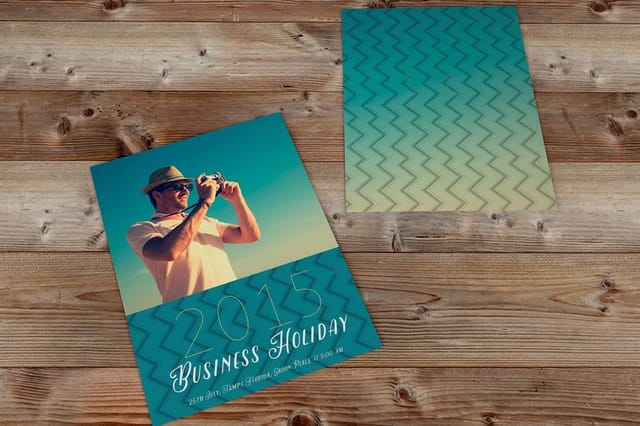
11. Greeting cards: the thank-you that keeps the client
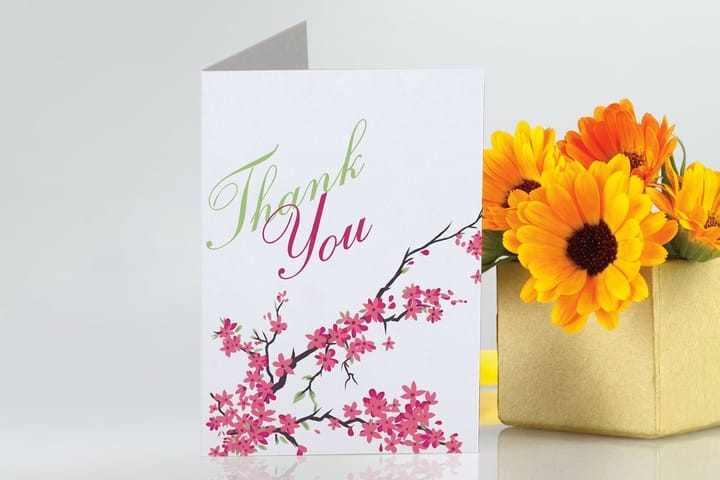
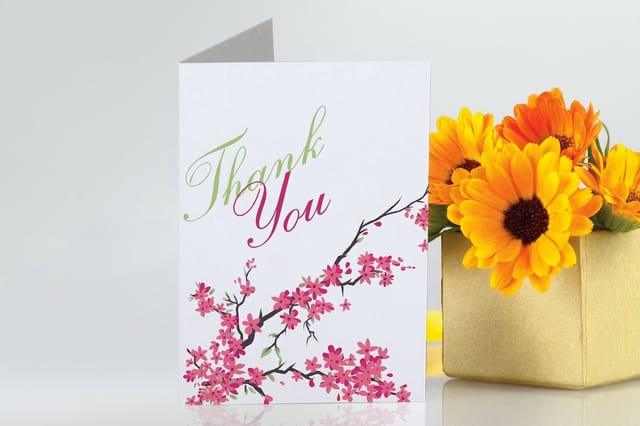
A card in the mail keeps a client relationship warm between filing seasons. A thank-you after filing season, a holiday card in December, a congratulations when a client's business hits a milestone, each one is a personal touch no portal notification can imitate.
Print a practice card with a restrained cover and a blank interior, because the handwriting is the point. A folded card on real stock reads as considered; the setup details are in how to make greeting cards, and the formats at greeting card printing include matching envelopes.
Write five a week after April 15. Greeting cards start at 50 for $56.02, folded to 4.25 by 5.5 or 5 by 7 inches with white wove envelopes as an option.
12. Calendars: the practice on the client desk, all year
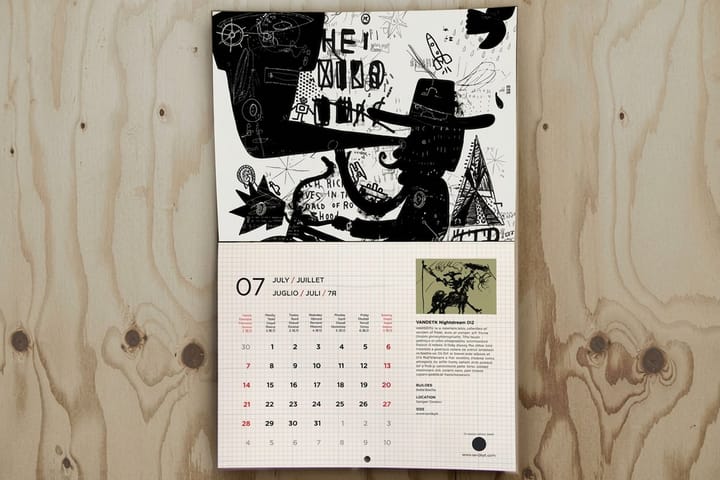
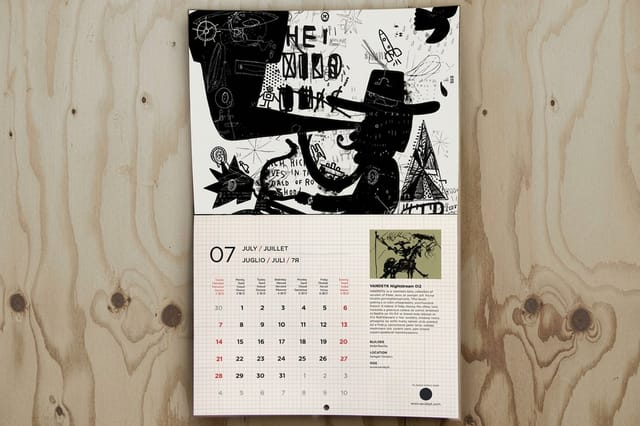
The best gift an accountant can give a client is the one that does the accountant's job: a printed calendar with the estimated-tax dates, filing deadlines, and 1099 cutoffs already marked. It hangs in the client's office for twelve months, your name above every month, quietly preventing the late filings you would otherwise untangle.
Brand it lightly, the practice mark and phone on every page, and let the deadline annotations be the feature. Delivered with the finished return in December or January, it lands as service rather than promotion, the same logic covered in marketing with online printing. Formats live at calendar printing.
Order one per client household, not per person. Pick 24 or 28 pages and a drilled hole if it hangs on a nail.

Specs and pricing
Anchor the essentials: business form specs and live pricing
The intake form is the piece that makes the practice a process, so it anchors the set. Here are the live specs and price-per-unit for custom business forms at 4OVER4.COM, straight from the configurator.

| Quantity | Price Per Unit | Total |
|---|---|---|
| 100 | $1.21 | $120.82 |
| 200 | 63.7¢ | $127.41 |
| 300 | 44.3¢ | $132.91 |
| 400 | 35.7¢ | $142.79 |
| 500 | 30.8¢ | $153.78 |
| 600 | 27.5¢ | $164.75 |
| 700 | 25.1¢ | $175.74 |
| 800 | 23.3¢ | $186.73 |
Wally explains the essentials
Twelve pieces that make a small practice run like a firm
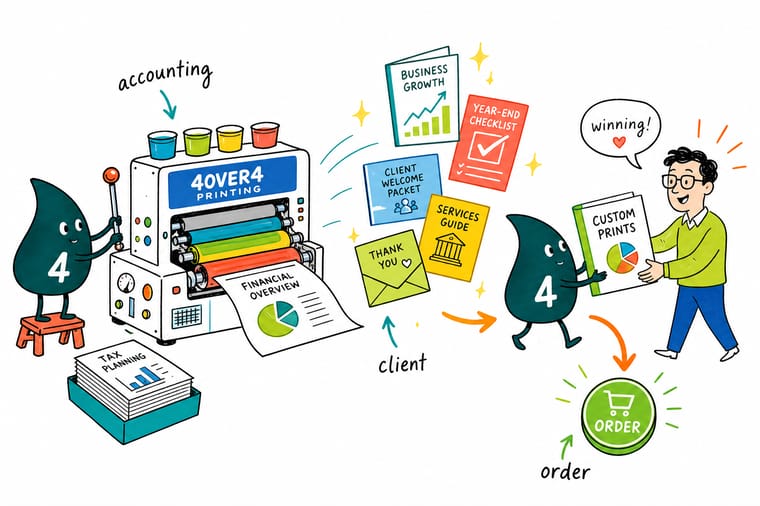
Wally thinks the secret of a great accountant is visible before any math happens: the intake form that turns a shoebox of receipts into a checklist, the appointment card that books the next meeting on the spot, the folder that sends the finished return home looking official, and the letterhead, envelope, and deadline calendar that keep the practice on the client's desk all year. Print all twelve essentials from 4OVER4 in one matching order and every client meets the same meticulous practice.
Shop the financial collection →See it in use
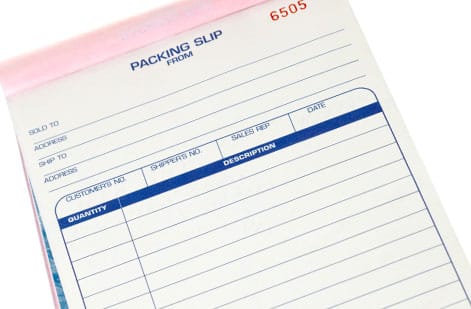
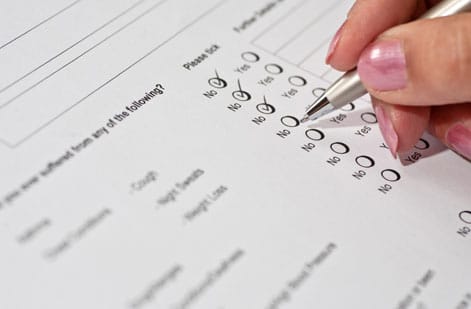
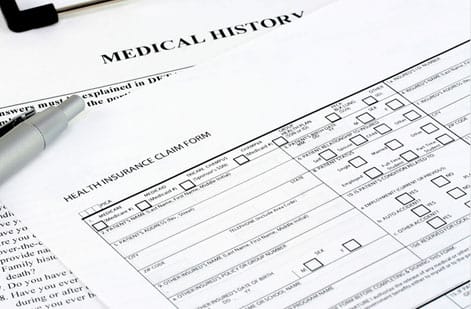
Carbonless invoice and receipt forms in use


Explore more
Where to go next
By the numbers
One set of essentials, printed to win clients
Common Questions
Common questions about the client-winning essentials
What is in the accounting client-winning essentials?
Twelve curated print pieces for a small or growing accounting practice: standard business cards, appointment cards, custom business forms, spot UV presentation folders, letterheads, postcards, flyers, brochures, printed envelopes, notepads, greeting cards, and calendars. The cards, flyers, postcards, and brochure book the meetings, the forms, appointment cards, and notepads run each engagement in an orderly way, and the folder, letterhead, envelopes, greeting cards, and calendar deliver the finished work like a firm many times the size and keep the practice on the desk all year.
How is this different from a full accounting stationery suite?
This kit is chosen for practices that need every piece to earn its place, and it leans on two pieces that are easy to overlook: appointment cards that lock in the next meeting, and carbonless intake forms that standardize every engagement from day one. The stationery basics, letterhead, matching envelopes, brochures, and notepads, are included so the office reads as one house, while the greeting cards and calendars add the year-round retention layer. Every piece is a standard product, so you can drop the calendars or the folders and order the rest.
Why do appointment cards matter for an accountant?
Because the review meeting that never gets booked is revenue that never gets billed. A client who leaves with "we should talk again after Q3" has no date; a client who leaves with a card reading September 12, 10 a.m. has one in writing.
What should the client intake form include?
Contact and entity details, income sources, a document checklist the client ticks off as they gather, and a signature line for the engagement terms. Print it as a two-part carbonless set so the client keeps a copy of what they submitted and you keep the original, no scanner required. Pick 4 part sets if the bookkeeper, the file and the preparer each need a copy.
Is a spot UV folder worth it for a small practice?
It is the one piece where spending like a big firm pays off directly. The folder is what the prospect carries out of the proposal meeting and what the client keeps their return in for months, meaning it is your logo’s longest-running appearance in their home or office. The folder prints on 14pt or 16pt gloss cover with spot UV on the outside and the pockets, so the logo catches the light every time the folder is opened. Order in proposal volumes; every one should end up on a desk that signs checks.
How much do the essentials cost to print?
Each piece prices live on its own product page and scales with quantity, stock, and finish. At the starting prices, 50 postcards cost $16.48, 100 business or appointment cards $17.57, 50 flyers $39.54, 50 brochures $57.11, 25 notepads $93.37, 50 letterheads $99.95, 250 envelopes $142.99 and 25 calendars $812.59, while 500 spot UV presentation folders cost $2,194.56. Configure each product and the totals update as you choose.
What should I add once the practice grows?
The natural next pieces are booklets for year-end tax guides, rack cards for the chamber office and coworking lobbies, and deadline mailings through a mailing service once the client list is big enough to batch. Browse the financial printing collection at 4OVER4.COM to keep every addition consistent with the essentials, and reorder any piece in a few clicks when the front desk runs low.
Get Started
Order 50 client brochures for $57.11
Start with the brochure that explains the practice, then add the rest of the essentials on each product page at 4OVER4.COM, with one logo and one palette across all twelve.
Legal Disclaimer
Gold Standard guarantees apply to all standard orders placed through 4over4.com. Price match requires verifiable proof of a competitor's published price for an equivalent product with matching specifications and turnaround time. Satisfaction guarantee covers manufacturing defects and print quality issues. Contact support with order number and documentation.
