
High-Converting Landing Page Frameworks and the 5 Print Pieces That Feed Them
Every framework worth using is an argument about which of five slots goes first. Paper has room for three of them, four on a flyer, so a printed piece runs the opening and hands the visitor to the page. These are the five pieces that do it, starting at $16.48 for 50 postcards.
PAS, AIDA, BAB and the 4 Ps all rearrange the same five slots: promise, problem, proof, offer, one action. A printed piece can carry three of those, four at 8.5 by 11 in, so its job is to open the argument and send the reader to the page that finishes it. Five products do that work at 4OVER4.COM: direct mail postcards from $89.68 for a test with a real denominator, standard flyers from $39.54 for the full framework at full size, standard postcards from $16.48 for the warm scan, standard business cards from $17.57 for the promise and the code, and table tents from $554.39 where people actually sit down. Four of the five start at $163.27 together.
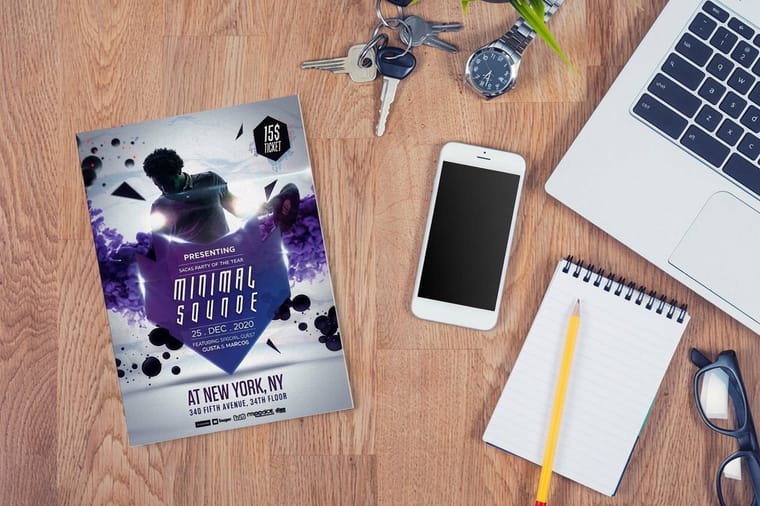
The picks
Five pieces, from $16.48 postcards to $554.39 table tents
Buy them in this order rather than all at once. Cards and counter postcards are cheap enough to be wrong about. The mailing is where the framework gets graded, and table tents only make sense once there is a room full of seats to put them on. Prices come from the configurator and fall per piece as the quantity climbs.
Direct mail postcards from $89.68
The only piece here that arrives with a known denominator. You mailed 500, so whatever comes back is a rate rather than a feeling, which is the only way one framework ever beats another on evidence.
Standard flyers from $39.54
At 8.5 by 11 in it is the one format with room for the problem, the offer and the action together. No postage, which is why it is cheap, and no list, which is why it cannot be measured.
Standard postcards from $16.48
The counter card and the box insert. Its reader already knows who you are, so it skips the problem slot entirely and spends the space on the offer and one scannable code.
Standard business cards from $17.57
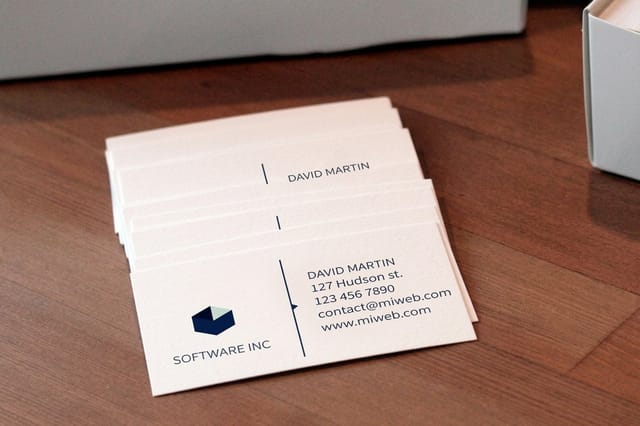
Two slots fit on 3.5 by 2 in and that is it: a promise and one action. Treat the blank back as the ad rather than as leftover paper and the card starts earning its keep.
Table tents from $554.39
The only surface anybody stares at for minutes rather than seconds, and the only one with a fixed reading distance you can size a code against. Also the most expensive start in the kit by a wide margin.
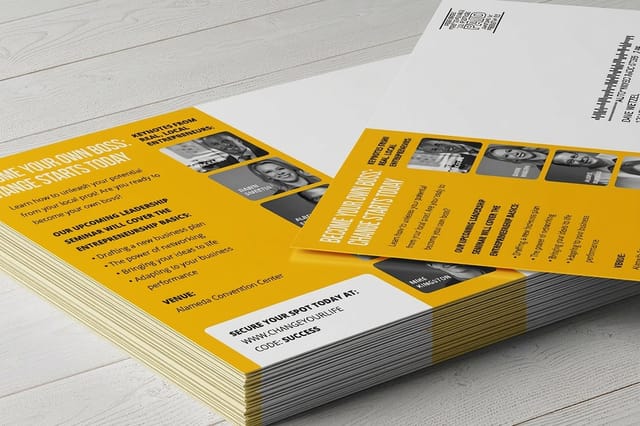
What survives the trim
Which slots fit on which format
A landing page has as much vertical room as you want. A printed piece has a trim size, and the trim decides which parts of the framework make it onto paper at a size a stranger will read.
Proof is the slot that gets cut first, and it is the one people fight hardest to keep. A row of logos at 6 pt is not proof, it is decoration; a testimonial trimmed to four words stops sounding like a person. Let the page carry the proof, where a quote can run three lines and a photo can be large enough to look real, and let the paper carry the promise and the action that gets somebody there. The frameworks guide walks through what each of the five slots is doing and why the order changes with traffic temperature.
The second thing the trim decides is type size. Once you have chosen the slots, set the smallest text on the piece and read it at the distance it will actually be read from, standing up, in the light it will live in. Anything you have to lean in for is not on the piece, it is just taking up room. That test kills more copy than any editing pass, and it is the reason a card ends up with two slots instead of four.
Bleed and safety are the last constraint and the least negotiable. Give every edge 0.125 in of bleed if color runs off the trim, keep every word and every QR module 0.125 in inside it, and build artwork at 300 ppi at final size rather than scaling a screen graphic up and hoping. A code clipped by the cutter does not fail gracefully, it simply stops scanning.
Piece by piece
What each of the five pieces carries, and where the scan happens
Each piece meets its reader in a different mood and at a different distance, which is what decides how much of the framework it can hold. Read the row, tap the piece to jump to its section, and start with whichever job you are currently doing on a screen only.
| Piece | Slots it carries | Where the scan happens | Starts at |
|---|---|---|---|
| Direct mail postcards | Promise, problem, offer, action on a 6 by 4 in or 6 by 9 in face | At the kitchen bin, in the seconds between the mailbox and the recycling | $89.68 |
| Standard flyers | The full framework minus proof, at 8.5 by 11 in | In the hand, on a counter, or pinned to a community board | $39.54 |
| Standard postcards | Promise, offer, one action, plus a labeled code | At a counter or inside a shipped box, by someone who already bought | $16.48 |
| Standard business cards | Promise and one action, nothing else fits | Later, from a pocket or a wallet, with nobody watching | $17.57 |
| Table tents | Promise, problem, offer, action, and a proof line if you earn it | Across a table at roughly arm reach, during a wait or a meal | $554.39 |
1. Direct mail postcards: the framework test that has a denominator
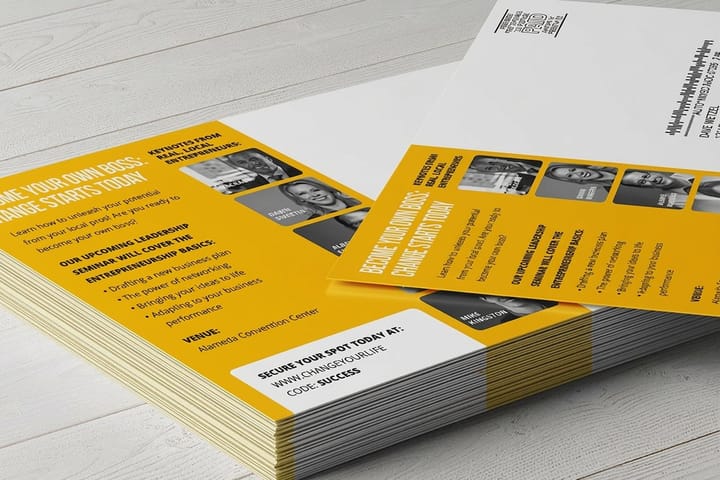
You cannot tell whether PAS beat BAB on a page that had 40 visitors. Direct mail postcards from $89.68 fix the arithmetic, because mail is the one print channel where the bottom of the fraction is known. You sent 500. Whatever comes back is a rate, and a rate can be compared to the next one.
Run the comparison as a split. Cut one list in half at random, mail version A to one half and version B to the other, and change a single element between them. Problem-first against promise-first is a real test. Problem-first with a new offer and a new photo is two changes and a wasted mailing. Both halves go out the same week, or payday and weather do the deciding for you. Our walkthrough of how to run a direct mail campaign covers list sourcing and timing in more detail.
Two layout constraints come from the post office rather than from design. Cards mail at USPS card prices from 3.5 by 5 in up to 4.25 by 6 in; anything larger, including the popular 6 by 9 in mailer, is priced as a letter or a flat, so check postage before the layout is final. The address panel then takes the right side of the back and the barcode clear zone along the bottom, which leaves the front and the left third of the back to carry the whole framework. That is less room than most people plan for. The element checklist in designing a postcard for direct mail is the fastest way to see what has to go.
Cold mail wants the problem slot early, because the reader has no reason to care about your promise yet. Name the thing already annoying them, then the offer, then one action and one short URL that belongs to this mailing alone.
2. Standard flyers: the whole framework at full size
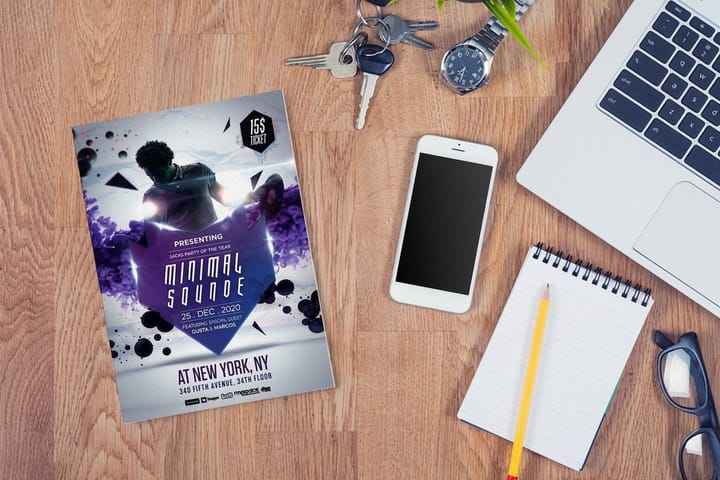
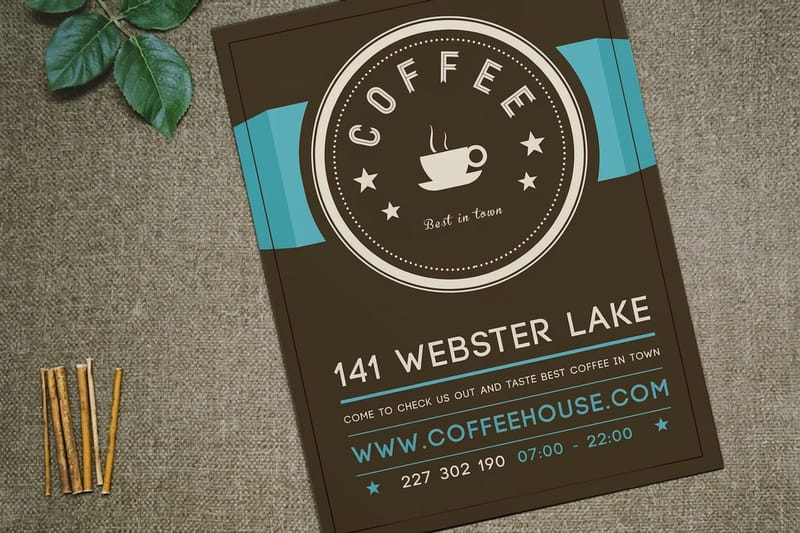
Standard flyers from $39.54 are the closest paper gets to the page itself. At 8.5 by 11 in there is room for the headline, the problem said back in the reader's own words, the offer with its catch named, and one action repeated at the bottom. That is four of the five slots, which no smaller format can hold.
Use the space on hierarchy, not on more words. One element has to be clearly the largest thing on the sheet, the offer second, the action third, and everything else quiet enough to skip. A flyer with three competing headlines reads as a menu, and a menu is exactly what a landing page framework exists to prevent. There is a practical breakdown in our guide to visual hierarchy, and dozens of single-offer layouts to start from in our design templates.
The trade is measurement. No postage means no list, and no list means you never learn how many sheets were actually read. A flyer can tell you that something worked, never why or how often, so it belongs after an offer has already proven itself in the mail or face to face. Keep the artwork at 300 ppi at final size with 0.125 in of bleed on every edge, and if the offer is tied to a date, same-day printing is what keeps a Thursday decision on the street by Friday.
3. Standard postcards: the warm scan on a counter
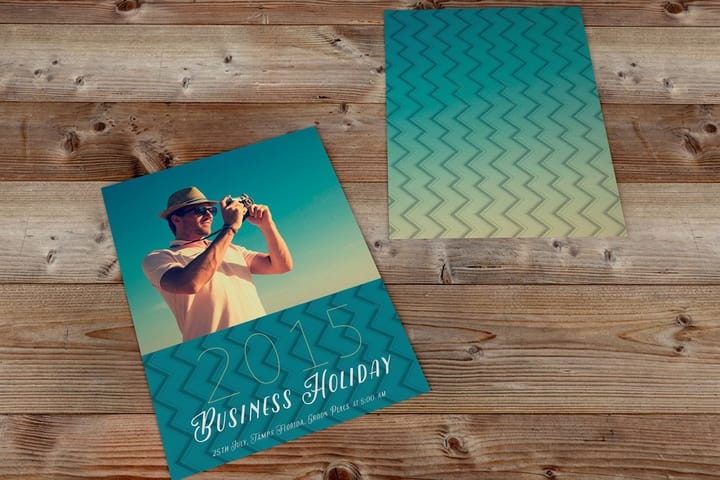
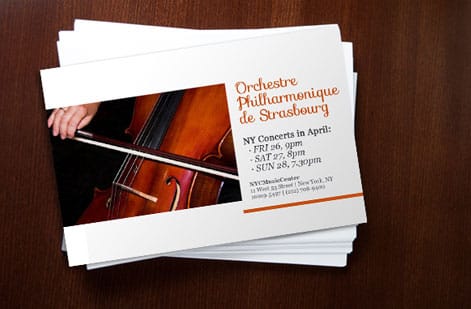
Standard postcards from $16.48 are the cheapest piece in the kit and the one with the friendliest audience. Whoever picks it up at your counter, or finds it in a shipped box, already bought something or already walked in. The problem slot is wasted on them. Spend the space on the offer and on making the scan obvious.
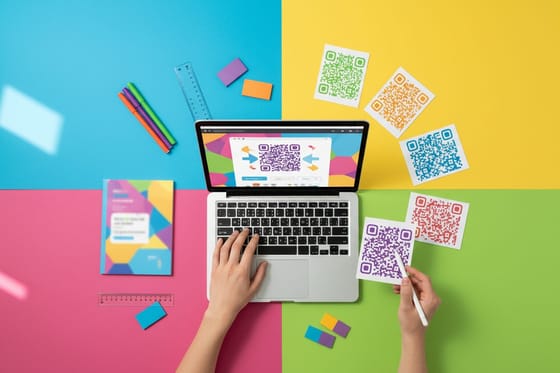
Label the code. A bare square asks the reader to gamble on where it goes, and a line as plain as "scan to book Tuesday's class" removes the gamble for the cost of five words. Keep the quiet border around the code clear of artwork, print it at 1 in or larger for a piece held in the hand, and test the printed proof with two phones before the full run. Our steps for generating QR codes in InDesign cover the export settings that keep the modules sharp.
Give this card its own URL, not the one on the mailer. Same landing page, different path, and the hit counts tell you whether the counter or the mailbox is producing the visits. That single habit is worth more than any framework argument, and it costs one redirect rule. The wider version of the same thinking sits in our small business marketing plan guide.
4. Standard business cards: two slots and a blank back
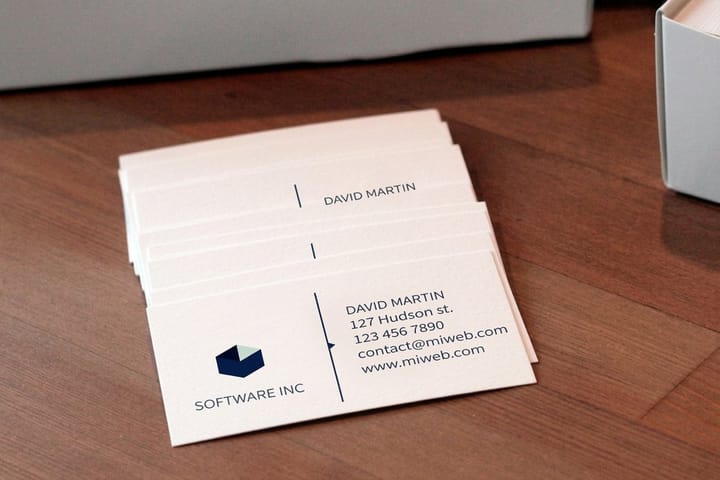
Everything on a landing page has to survive down to 3.5 by 2 in, and almost none of it does. Standard business cards from $17.57 hold a promise and one action. Front carries the name and the promise, back carries the code and the sentence that says what the scan does. Nothing else fits without shrinking type below the point where a stranger will bother.
The back is the part most businesses waste. Left blank it is half the card doing nothing, and a card doing nothing is the reason people take one and never look at it again. Print a code that lands on your booking page, or on the one page you would want a stranger to read, and keep it 0.125 in inside the trim with its quiet border intact so the trimmer cannot clip a corner module.
Say the same thing here that the page says at the top. When the card promises one outcome and the page opens with another, the visitor spends their first two seconds checking they are in the right place instead of reading. Our notes on brand messaging for small business deal with keeping one promise across every surface.
5. Table tents: the only piece with dwell time
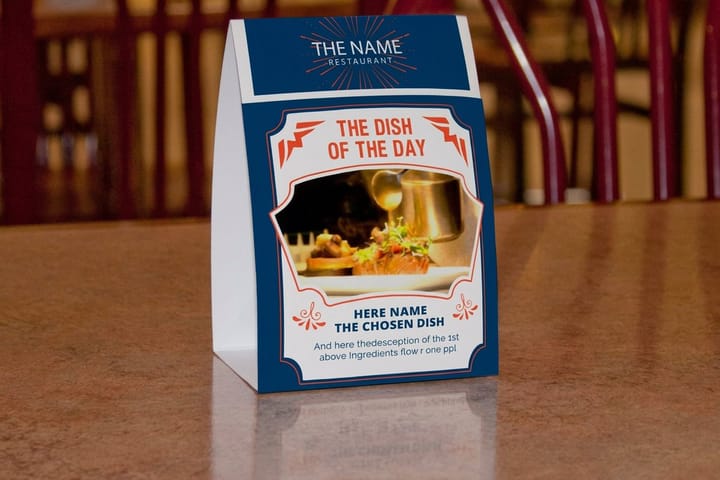
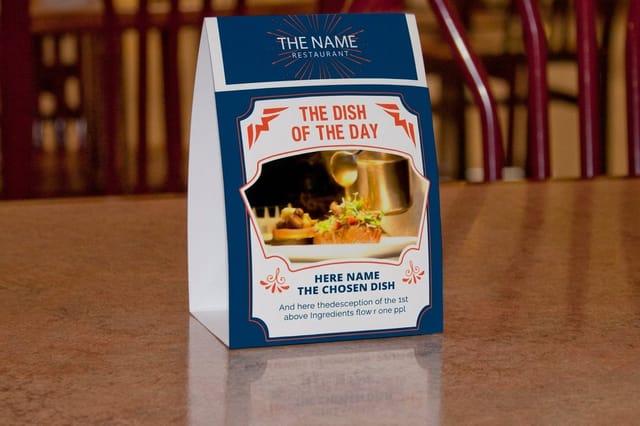
Every other piece here gets a glance. A table tent gets a whole wait. Table tents from $554.39 sit in front of a seated person for the length of a coffee or a service appointment, which is the only situation on paper where a longer framework earns its space. You can state the problem, make the offer, add a proof line, and still not lose them.
The fixed distance is the other advantage. A code read at arm reach across a table is about 20 in from the phone, and at roughly ten times its own width a code needs to be about 2 in across to read cleanly at that distance. Face the offer at the seat rather than at the aisle, and use both panels: one for the offer, one for what happens after the scan.
Now the catch, and it is a real one. $554.39 is more than the other four pieces put together, so a table tent is not a starter piece. It makes sense in a cafe, a waiting room, a salon or a taproom where people sit, and nowhere else. If your customers stand at a counter, put the money into postcards and mail instead, and come back to tents when there are tables to put them on. Everything else that fits a seated audience is in our business basics printing collection.
Specs and pricing
The two pieces you will reprint most, side by side
Flyers and counter postcards are the pair that gets reordered whenever the offer changes, and they are the two where quantity moves the per-piece price the most. Here are the live specs and price ladders from the configurator.

| Quantity | Price Per Unit | Total |
|---|---|---|
| 50 | 33.0¢ | $16.48 |
| 100 | 24.2¢ | $24.16 |
| 200 | 15.9¢ | $31.86 |
| 300 | 12.8¢ | $38.45 |
| 400 | 11.3¢ | $45.04 |
| 500 | 10.3¢ | $51.62 |
| 600 | 9.89¢ | $59.31 |
| 700 | 9.57¢ | $67.00 |
| Quantity | Price Per Unit | Total |
|---|---|---|
| 50 | 79.1¢ | $39.54 |
| 100 | 57.1¢ | $57.11 |
| 200 | 37.3¢ | $74.69 |
| 300 | 28.6¢ | $85.68 |
| 400 | 24.4¢ | $97.76 |
| 500 | 21.8¢ | $108.75 |
| 600 | 18.7¢ | $112.03 |
| 700 | 16.5¢ | $115.33 |
Wally cuts the framework down to fit
Three slots on paper, all five on the page
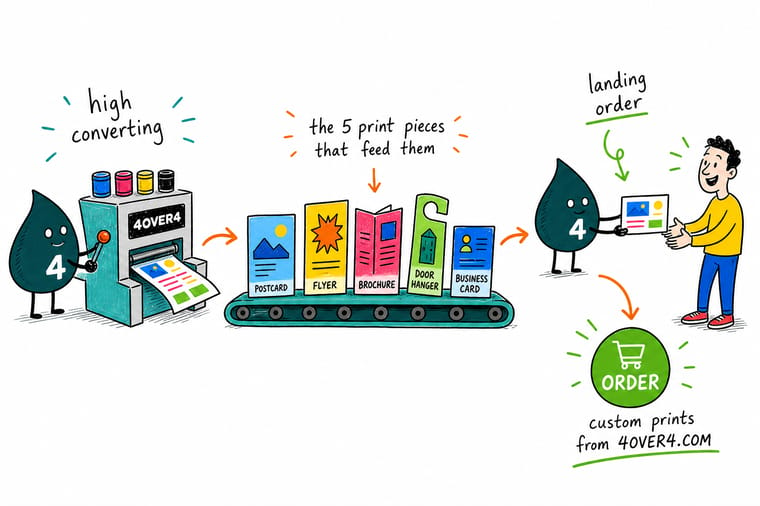
Wally tried to fit a whole landing page onto a business card once. The promise, the problem, two testimonials and a five-line offer, all at 5 pt, and nobody read a word of it. Now he lets the paper open the argument and the page finish it: promise and one action on the card, the offer added on a postcard, the problem added on a flyer, and the proof kept where a quote has room to sound like a person. Every piece points at the same page through its own short link, so he knows which one is doing the work.
Shop the business basics collection →See it in use
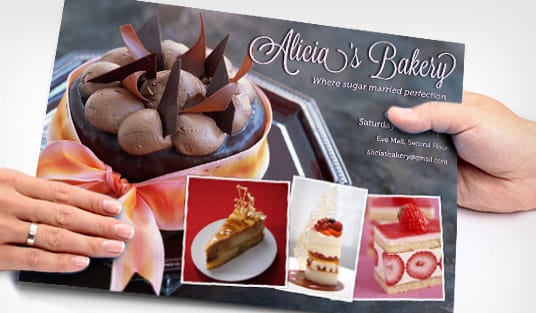
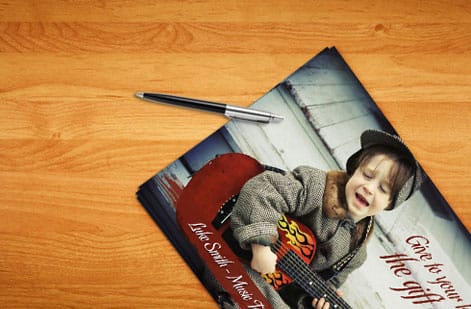
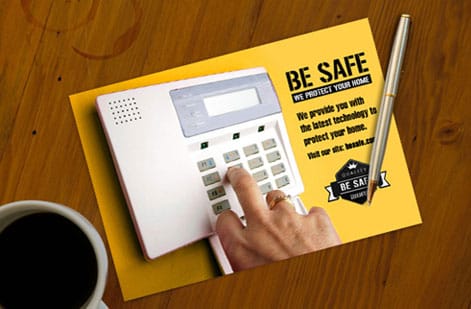
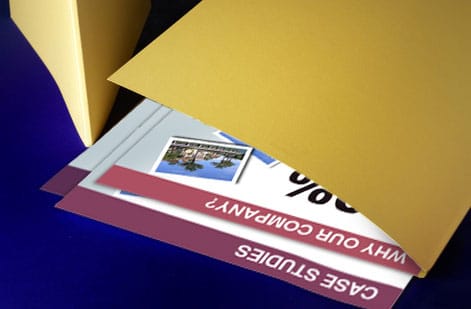
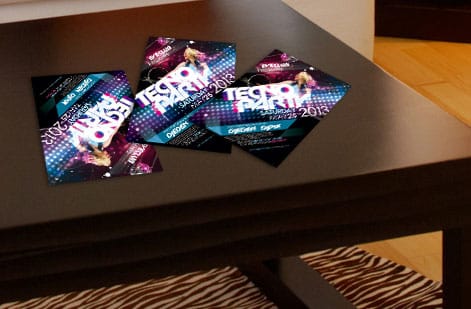
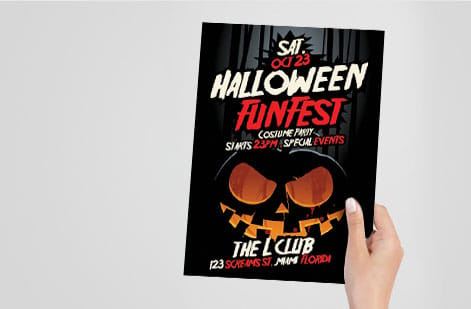
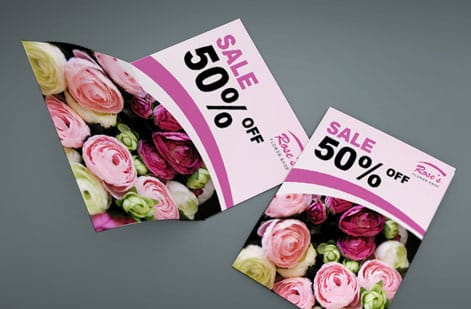
Flyers printed to carry one offer
Explore more
Where to go next


By the numbers
The catalog behind a framework you can hand over
Common Questions
Common questions about frameworks in print
Which landing page framework should a printed piece use?
Match it to how cold the reader is. A mailed postcard reaching someone who has never heard of you does better leading with the problem, because a promise means nothing yet, which is what PAS is for. A counter postcard or a business card handed to somebody who already walked in can skip straight to the offer and the action, closer to BAB or the 4 Ps. The framework matters less than the decision about what goes first, and on paper you are choosing which slots to drop, not which order to write in.
How large does a QR code need to be on a printed piece?
A code reads at roughly ten times its own width, so work back from the distance. A card or postcard held in the hand at about 10 in is fine with a 1 in code. A table tent read across a table at arm reach wants about 2 in. Leave the quiet border around the code free of artwork, keep it at least 0.125 in inside the trim so the cutter cannot clip a module, and scan the printed proof with two different phones before you approve the run.
Should every printed piece point at the same landing page?
Yes, and each one through its own address. One page, five short paths on your own domain that all redirect to it, and the hit counts tell you which piece produced the visit without asking anybody how they heard about you. Sending each piece to a different page splits your traffic and means none of the versions gets enough visitors to compare.
Does a postcard larger than 4.25 by 6 inches cost more to mail?
It prices differently. USPS card prices apply to pieces from 3.5 by 5 in up to 4.25 by 6 in within the thickness limits, and anything bigger is rated as a letter or a flat instead. A 6 by 9 in mailer gives you far more room for the framework and moves off the card price to get it, so decide which matters more for that campaign before the layout is signed off.
What does this five-piece kit cost to start?
The five starting prices add up to $717.66 at 4OVER4.COM: direct mail postcards from $89.68, standard flyers from $39.54, standard postcards from $16.48, standard business cards from $17.57, and table tents from $554.39. Leaving the table tents out brings the other four to $163.27 together, which is where most businesses should begin. Every price drops per piece as the quantity climbs, and the configurator updates live as you change size, stock and finish.
Can the whole framework fit on a business card?
No, and trying is what produces the cards nobody reads. A 3.5 by 2 in card holds a promise and one action at type sizes a stranger will actually read. Add the problem, the proof and a second offer and everything drops to a size that gets glanced at and pocketed. Let the card carry the promise and the code, and let the page do the rest of the work.
How do I test one framework against another without much traffic?
Test it in the mail rather than on the page. A split mailing of 500 gives you a fixed denominator and a result in about two weeks, where a page with a few dozen visitors a week needs months to say anything. Change one element between the two versions, give each version its own path and its own printed response code, and send both halves in the same week so season and payday hit them equally.
Get Started
Print the pieces that feed the page
Order the five-piece kit as one branded set at 4OVER4.COM. Standard postcards start at $16.48 for 50 on 14pt gloss cover in 3 business days, and each other piece is configured for size, stock and finish on its own page.
Legal Disclaimer
Gold Standard guarantees apply to all standard orders placed through 4over4.com. Price match requires verifiable proof of a competitor's published price for an equivalent product with matching specifications and turnaround time. Satisfaction guarantee covers manufacturing defects and print quality issues. Contact support with order number and documentation. On-time delivery rate based on tracked orders 1999 to 2026. Individual results may vary based on shipping carrier performance.
