
The Power of SMS Marketing Explained for Small Business Owners


What a text really costs per send, the written consent rules that sit behind every message, and the printed pieces that build the list in the first place.
SMS marketing is short promotional texting to people who agreed in writing to receive it, and its power comes from the lock screen rather than from clever copy. A message lands in seconds and is read as a personal notification, which is why it beats email on anything with a deadline and fails badly on anything that needs explaining. The constraints are the whole craft: 160 characters per billable segment, written consent under the TCPA before the first send, carrier registration before your traffic is delivered, and a frequency low enough that people stay.
Quick answer
Permission first, 160 characters second, everything else after that
SMS marketing works because it interrupts, and it survives because it is permission based. Collect the number with a written opt in, register the sending number with the carriers, then send short offers with a deadline and one link. The economics run on segments, not messages: 160 characters of plain text is one segment, and a single emoji cuts that to 70. The failure modes are predictable. Too many sends and the list leaves. No registration and the messages are filtered without an error. No printed recruiting piece and the list never gets big enough to matter.
What a Text Actually Costs You, Character by Character
Every SMS platform bills by segment, and a segment is not a message. That single fact decides more about your budget than the per message rate you were quoted.
Plain text written in the GSM-7 alphabet fits 160 characters in one segment. Go past that and the platform splits the message, but each part now holds only 153 characters, because seven characters of each segment are spent telling the handset how to stitch them back together. So a 170 character message is not one and a bit segments, it is two full ones.
The trap is encoding. One emoji, one curly apostrophe pasted out of a word processor, one accented letter in a customer name, and the entire message switches to UCS-2. A single UCS-2 segment holds 70 characters. A multipart one holds 67. The offer you wrote at 158 characters now costs three segments instead of one, and nothing in the interface warns you loudly enough.
Two habits fix it. Type straight quotes, and count the link. A shortened URL still eats characters, and public shorteners are a second problem: carriers filter shared shortener domains heavily because spammers use them, so a branded short domain is worth the setup. Budget the tail as well, since your business name and a STOP instruction take roughly 25 characters before you have said anything.
The Consent Rules That Decide Whether the Channel Is Worth Building
SMS is the most heavily regulated channel a small business is likely to run, and the rules are the reason it still works. Everything that reaches the lock screen got there because someone said yes in writing.
In the United States the Telephone Consumer Protection Act requires prior express written consent before a marketing text. The word doing the work is written. The person has to have actively agreed at that specific number, and you have to be able to produce the record later. A number handed over at a counter is not consent. A pre ticked box is not consent. Texting your keyword to your number is, because the message itself is the record.
Damages under the statute run at $500 per offending message and $1,500 where the violation is wilful, which is why the risk grows with the size of the list rather than the size of the campaign. This page explains the mechanics, it is not legal advice, and the opt in wording is the one part of a program worth putting in front of a lawyer.
Three operational rules follow from that. Honor STOP and HELP instantly and automatically, on every keyword variation. Send only inside the quiet hours window of 8 a.m. to 9 p.m. in the recipient local time, which means a national list needs time zone aware sending rather than one push at nine in the morning. And register for A2P 10DLC before your first campaign, because unregistered business traffic on a ten digit number is filtered silently rather than bounced, and the symptom looks exactly like a bad offer.
Where the List Comes From, and Why Print Recruits Better Than a Pop Up
The platform is a commodity. The list is the asset, and it is built one number at a time from people who are already in front of you. A printed piece does that better than a website overlay because it catches someone with idle attention rather than someone trying to get somewhere.
The pattern that works is short: a keyword, a number, and a specific reward. Text JOIN to a number for a stated offer beats sign up for our updates by a wide margin, because the second one asks for a phone number and promises nothing. Put that line where the customer already looks.
| Printed piece | Where it collects | What it does well | Starts at |
|---|---|---|---|
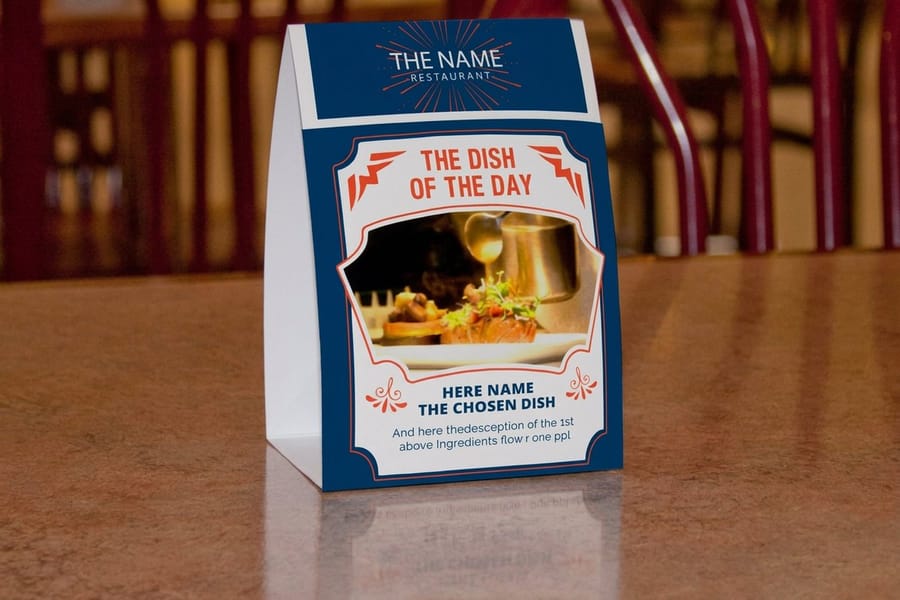
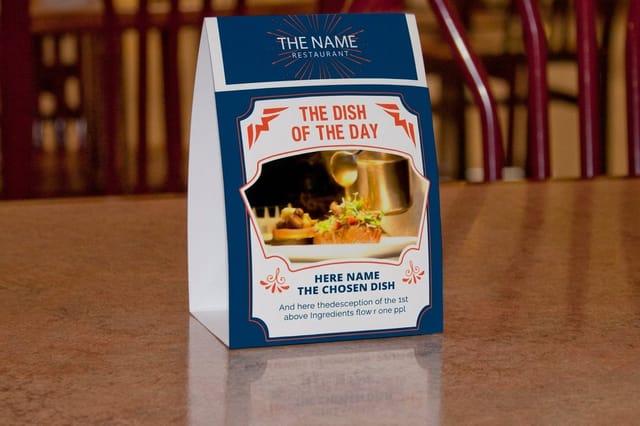
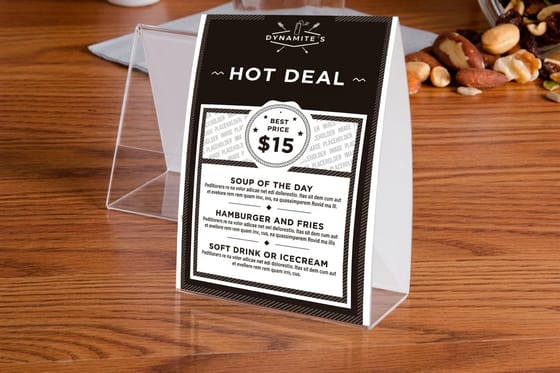
| Table tents | Seated customers, restaurants, bars, waiting rooms | Holds attention for the length of a meal, which is the longest window you will get | $554.39 |
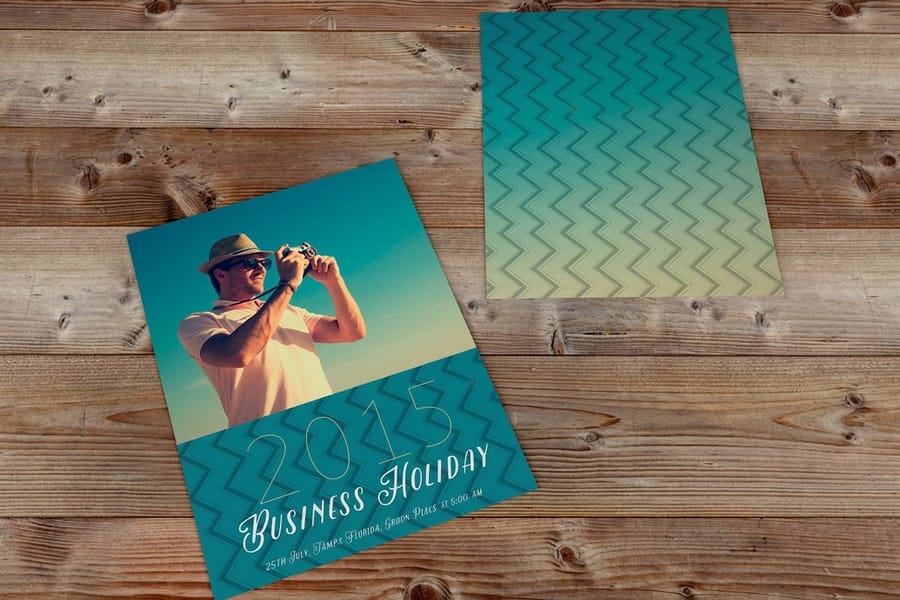
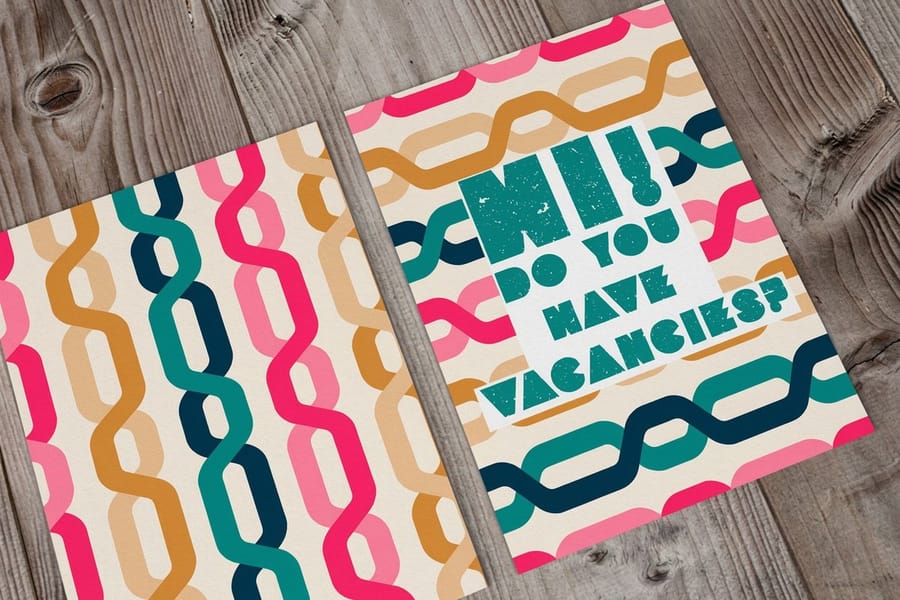
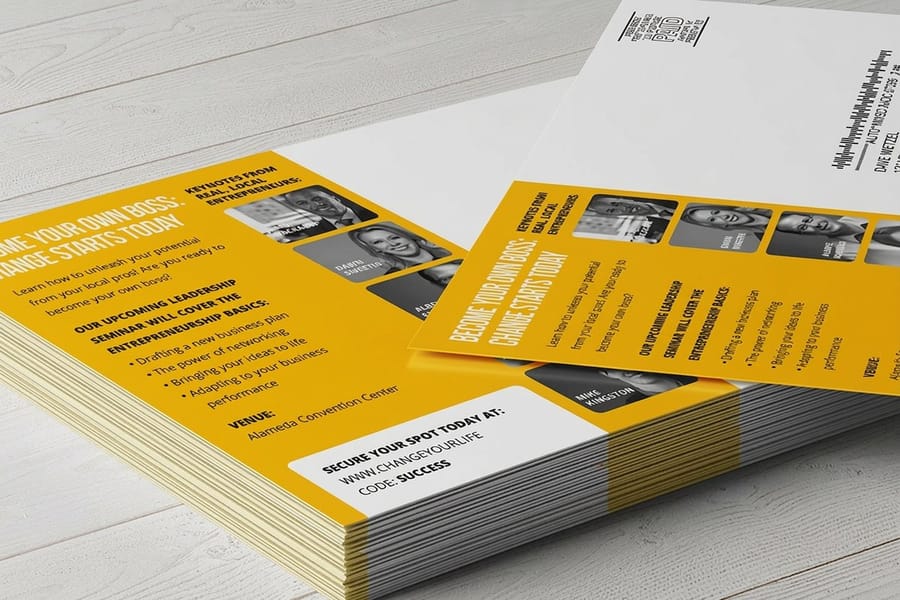
| Standard postcards | In the bag, at the counter, in an order | Cheapest way to test three different keywords and offers against each other | $16.48 |
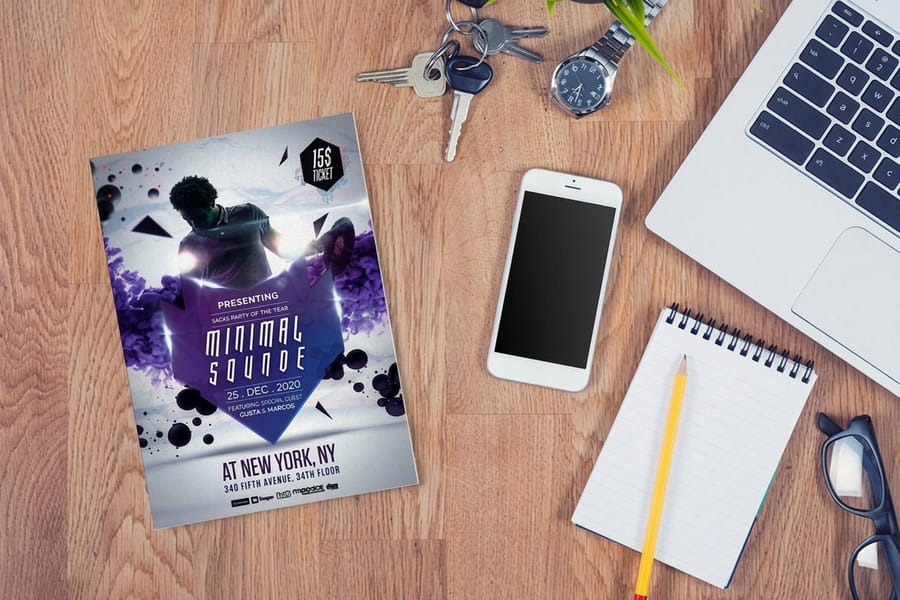
| Standard flyers | Handed out at events, markets, doors | Room for the offer, the terms, and the message frequency disclosure in one place | $39.54 |
| Premium stickers | Registers, laptop lids, packaging, windows | Stays visible long after the visit, so it keeps collecting | $29.16 |
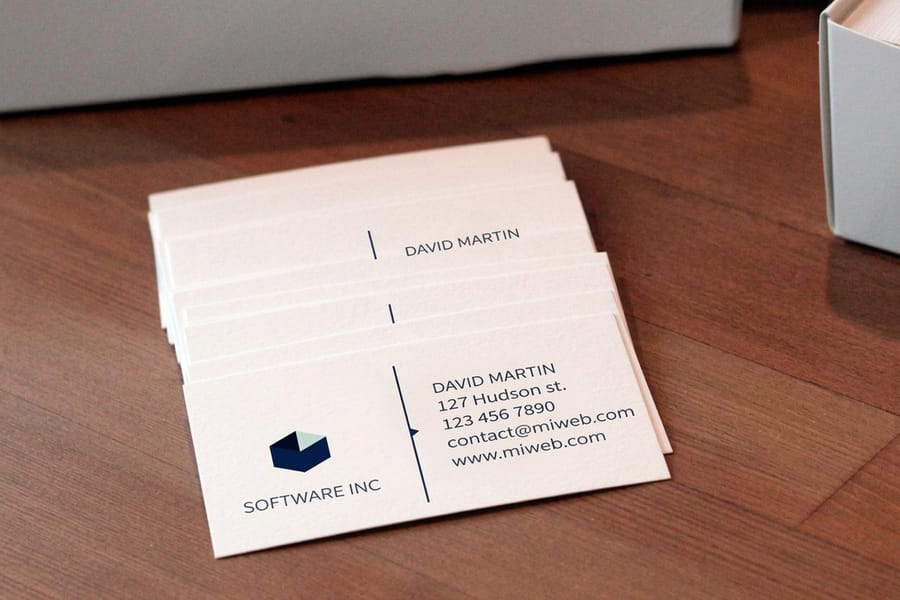
| Standard business cards | Every hand your staff shakes | Turns the back of a card into an opt in line at almost no extra cost | $17.57 |
Read the price column against the collection window. Table tents cost the most to get started and earn it back because a seated customer has ten minutes and nothing to read. Postcards cost the least, which makes them the right place to run the test: print three versions with three keywords, see which one people actually text, then commit the budget to the winner. Our postcard marketing guide covers the offer structure in detail, and adding a QR code to a postcard gives people who dislike texting a second route in.
For a cold audience rather than an existing one, direct mail postcards start at $89.68 with the mailing handled, which puts the keyword in front of households who have never walked past your door. Whatever the piece, the whole marketing materials range can carry the same keyword so the number is collected everywhere, not just at the till.
What to Send, and How Fast You Can Lose the List
A marketing text has room for four things and no more: who it is from, what the offer is, when it ends, and one link. Anything else is a second segment.
Lead with the name, because an unknown number reads as spam and gets deleted before the offer is read. Then the offer in plain terms, with a number in it. Then a deadline, since the reason SMS outperforms email on time limited promotions is that the message is seen in minutes rather than hours. Then one link, and only one. A message with two links splits the response and tells you nothing about which one worked.
Cadence is where programs die. Email tolerates a weekly rhythm because an ignored email costs nothing. A text interrupts, so the tolerance is far lower and an opt out is final. Start at two sends a month. Watch the opt out rate on each individual send rather than the monthly average, because one badly judged message shows up as a spike that an average hides. Add a third send only when the second is still converting.
Divide the work between channels rather than duplicating it. SMS is for the thing that expires: the flash sale, the appointment reminder, the back in stock alert, the two hour queue at the new location. Long explanation, storytelling and product education belong in an email nurture sequence, and the broader argument about where each channel earns its budget sits in our comparison of digital and traditional marketing. If you are building the whole plan rather than one channel, start with how to create a marketing campaign.
The Launch Checklist, in Order
Work through these in sequence. Each one blocks the next, and the two most commonly skipped, registration and the printed recruiting piece, are the two that quietly decide whether the program works.
- Pick the sending number first. A registered ten digit number for most small programs, toll free if you send high volume from day one, a short code only if you have the budget and the weeks to provision it.
- Complete A2P 10DLC brand and campaign registration. Have your legal business name, tax ID and sample messages ready. Do this before you print anything, because the number goes on the print.
- Write the opt in language and get it reviewed. It names the business, states the message frequency, says message and data rates may apply, and explains STOP. The same wording goes on the printed piece and in the confirmation text.
- Build the confirmation reply. This is the message that turns a keyword into a documented consent record, so it carries the full disclosure, not a thank you.
- Choose the keyword and the reward. One word, easy to spell out loud, and an offer specific enough to be worth a phone number.
- Print the recruiting pieces. Test three offers on postcards before committing to a full table tent run, and put the keyword on the back of every business card your staff carry.
- Set the send window and time zone handling. 8 a.m. to 9 p.m. local for every recipient, not for your office.
- Send one message and read the opt out rate before you plan the second. That number, not the click rate, tells you whether the list will still exist in six months.
Once the loop runs, the offers themselves are the variable worth working on. Our guide to building a marketing offer that rewards loyal customers and the loyalty card guide both cover the repeat purchase mechanics that a texting list is best at driving.
Wally explains SMS marketing
The keyword goes on the print, the offer goes in the text
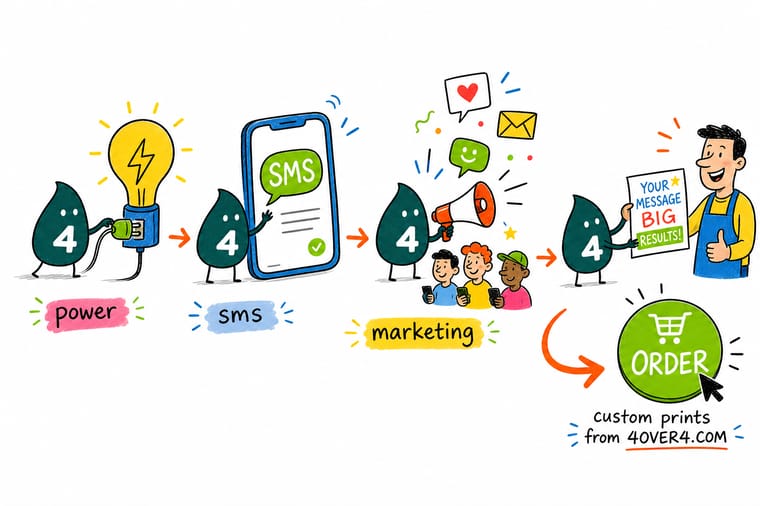
Wally puts a keyword on a table tent, a postcard and the back of a business card. A customer texts it, gets a confirmation message back, and that reply is the written consent record. Now Wally can send one short offer with a deadline and a single link. He keeps it under 160 plain characters, because the emoji he wanted to add would have cut the limit to 70 and cost him two segments. He sends twice a month, not weekly, because an unsubscribe from a text list never comes back.
Print postcards with your keyword →Specs and pricing
The recruiting pieces, sizes and starting prices
Configure the printed pieces that carry your keyword, with live options and starting prices straight from the 4OVER4.COM configurator.


Print it
Put your keyword where customers already look
Explore more
Where to go next


By the numbers
Print that backs the campaign, from 4OVER4
Common Questions
Your SMS marketing questions, answered
What is SMS marketing?
SMS marketing is sending short promotional or transactional text messages to people who gave you their mobile number and agreed in writing to receive them. It runs on the same network as personal texting, which is why it lands on the lock screen instead of a filtered promotions tab. In practice a program has four parts: a way to collect numbers, a platform that sends and records consent, a sending number that carriers recognize as a business, and a message calendar that respects how intrusive the channel is.
Do I need written permission before I text a customer?
Yes, for marketing messages in the United States. The Telephone Consumer Protection Act requires prior express written consent, which means the person actively agreed to receive marketing texts at that number and you can prove it later. Texting a keyword to your number counts, ticking an unticked box on a form counts, and a number scribbled on a raffle entry does not. The statute sets damages of $500 per violating message, rising to $1,500 where the violation is wilful, so the exposure scales with list size. Treat this page as an explanation, not legal advice, and have counsel review your opt in language before the first send.
How many characters fit in one text message?
One hundred and sixty, if every character sits in the GSM-7 alphabet. Once a plain message runs past 160 characters the platform splits it, and each part of a multipart message holds 153 characters because the rest is used to reassemble it on the handset. Add one emoji, one curly apostrophe, or one accented letter and the whole message switches to UCS-2 encoding, where a single segment holds 70 characters and a multipart one holds 67. Carriers bill by segment, so one curly apostrophe pasted in from a word processor can double the cost of a send to a large list.
What is A2P 10DLC and do I have to register?
A2P 10DLC is the framework US carriers use for application to person messaging sent from a standard ten digit number. You register your business as a brand, register each campaign with its use case and sample messages, and get assigned throughput. If you skip it, messages are not rejected with a clear error, they are quietly filtered, and the first sign is a campaign with almost no clicks. Short codes, the five and six digit numbers, sit outside 10DLC but are leased at a much higher monthly cost and take weeks to provision, which is why most small programs start on a registered ten digit or toll free number.
How often should I text my list?
Start at two sends a month and treat that as the ceiling until the data says otherwise. SMS interrupts, so the tolerance is much lower than email, and the cost of getting it wrong is permanent because an opt out is not recoverable the way an ignored email is. Watch the opt out rate per send rather than the average, since one badly timed message will show up as a spike. Time sends inside the legal quiet hours window, 8 a.m. to 9 p.m. in the recipient local time zone, and remember your list is not all in one time zone.
How do I get people onto an SMS list in the first place?
Ask them where they already are, and give them a reason worth a phone number. The reliable pattern is a short keyword and a specific offer printed on something the customer is holding or looking at: a table tent on the table, a postcard in the bag, a sticker by the register, a line on the back of a business card. Print does the recruiting because it reaches people mid visit rather than mid scroll. Keep the ask to one line, name the reward, and make the confirmation message do the legal work with your business name, the message frequency, and the STOP instruction.
Get Started
Table tents run 250 for $554.39 on 14pt Gloss Cover
Print the postcards, table tents and stickers that carry your keyword, and give people a reason to text you before they leave.
Legal Disclaimer
Gold Standard guarantees apply to all standard orders placed through 4over4.com. Price match requires verifiable proof of a competitor's published price for an equivalent product with matching specifications and turnaround time. Satisfaction guarantee covers manufacturing defects and print quality issues. Contact support with order number and documentation. On-time delivery rate based on tracked orders 1999 to 2026. Individual results may vary based on shipping carrier performance.
