
How to Create a Marketing Campaign That Wins Customers


One goal, one audience, one offer, one deadline. This guide walks the eight steps that turn a marketing idea into a campaign you can launch, print, distribute, and actually measure, with the print layer that makes a local push impossible to ignore.
To create a marketing campaign, set one measurable goal with a deadline, define a single audience, build an offer worth interrupting them for, write one message and repeat it across every piece, choose two or three channels and concentrate the budget there, produce and distribute the print layer before launch day, then track every touchpoint against a baseline so the next campaign starts from evidence.

Start here
The whole method in one paragraph
A marketing campaign is one message, aimed at one audience, run across chosen channels inside a fixed window, to move one number. Set the goal and the date first, then describe the audience until you can picture a single person, then build an offer that lowers their risk. Write one sentence they should remember and repeat it on every piece. Concentrate the budget in two or three channels with print holding the physical position. Produce everything in a single run, launch on one day, and instrument each touchpoint so you know what worked before you plan the next one.
Why most marketing campaigns fail before the first ad runs

Most campaigns do not fail in market. They fail in the planning document, where the goal is written as "raise awareness", the audience is written as "everyone in the area", and the budget is split evenly across six channels so no channel ever reaches the frequency it needs. By launch day there is nothing to measure and nothing to defend, so the campaign quietly becomes a pile of assets nobody can evaluate.
A campaign that works is embarrassingly specific. One audience, one offer, one deadline, one number you are trying to move. That constraint is what lets you say no to the tenth good idea and put the budget behind the first one. It also makes the creative brief write itself, because every decision has an obvious test: does this help the named audience take the named action before the named date?
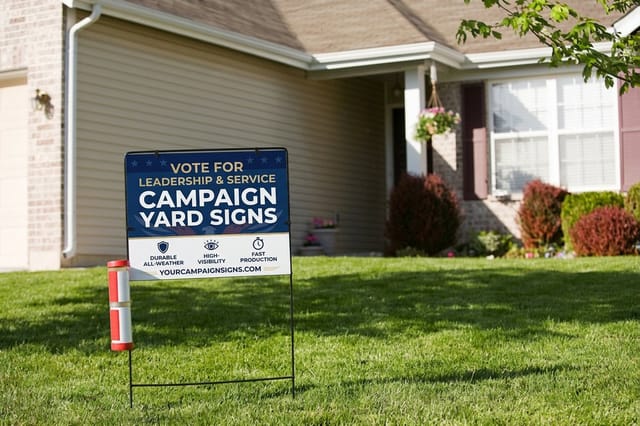
Print is where that discipline shows up fastest. A campaign yard sign gives you roughly six words and three seconds, so a vague message has nowhere to hide. If your idea survives a yard sign, it will survive a landing page. The small business marketing plan guide covers the annual layer this campaign should ladder up to.
What a marketing campaign actually is

A marketing campaign is a coordinated push of one message, to one audience, across chosen channels, inside a fixed window, aimed at one measurable outcome. Ongoing marketing keeps the lights on. A campaign concentrates attention. The difference matters because concentration is what creates recall, and recall is what makes the third exposure convert when the first two did nothing visible.
Every campaign has the same seven working parts: the goal, the audience, the offer, the message, the channel mix, the launch plan, and the measurement. Skip any one of them and the rest wobble. Skip measurement and you will run the same campaign again next year with no idea which half worked.
Scale is flexible. The same seven parts run a neighborhood sticker drop and a statewide field program. A sticker marketing campaign and a sports marketing launch differ in budget and media, not in structure.
Step 1: set one goal with a number and a date

Write the goal as a sentence a stranger could grade. Not "grow the brand" but "book 120 free estimates between March 1 and April 15" or "collect 2,000 pledge cards before the primary". The number forces a budget conversation and the date forces a production schedule, which is exactly the pressure a campaign needs to stay honest.
Then work backwards through the math. If you need 120 bookings and your landing page converts at four percent, you need 3,000 relevant visits. If a yard sign in a busy intersection produces a known trickle of scans, you now know how many signs you need in the ground, and how early they must be printed and staked.
Pick one primary metric and no more than two supporting ones. Secondary metrics like impressions and reach are diagnostics, never the goal. When the primary number is unambiguous, mid-campaign decisions get easy, because you shift money toward whatever moves it.
Step 2: define the audience narrowly enough to picture one person

Describe the audience until you can picture a single person: what they do on a Tuesday, what problem they already know they have, what they currently do instead of buying from you, and what would make them hesitate. That description does more work than any demographic table, because it tells the copywriter what objection to answer in the headline.
Get geographic where it helps. Local campaigns win by saturating a defined footprint rather than sprinkling across a metro. Choose the streets, the events, the storefronts, and the routes your audience actually passes, then plan placement counts per location before you plan creative.
Write the audience into the brief in plain language and keep it visible on every review call. When the campaign starts drifting toward what the team finds clever, the audience sentence is the thing that pulls it back.
Step 3: build an offer worth interrupting someone for
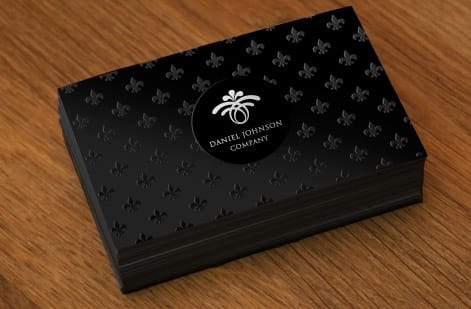
An offer is the reason to act now. Free estimate, first month included, bundle pricing, a sample kit, an event invite, early access. Without one, your campaign is a reminder, and reminders convert at a fraction of the rate. The strongest offers reduce risk rather than cut price, because a discount trains people to wait for the next discount.
Test the offer against three questions. Is it valuable enough that the audience would tell a friend about it? Is it specific enough to fit on a sign? Is it profitable at the volume you are targeting? If the answer to any of those is no, fix the offer before you spend a dollar on media.
Structure matters as much as generosity. The guide to building a marketing offer covers how to reward existing customers without eroding margin on new ones.
Step 4: write one message and repeat it without mercy

Pick the single sentence the audience should remember and repeat it everywhere. Same claim, same words, same colors, same visual mark on the sign, the sticker, the handout, the email, and the counter card. Teams get bored of their own message roughly ten times faster than the audience notices it, and rewriting it mid-campaign resets the recall you paid to build.
Cut the message to its shortest defensible form. Lead with the benefit, follow with the proof, close with the action. On a printed piece that usually means a six-word headline, one supporting line, and a call to action tied to your tracking method. Everything else belongs on the landing page.
Design carries the repetition. Lock one color pair, one typeface family, and one layout rhythm across the whole set, then let the format change while the system holds. That is what makes eight different pieces read as one campaign instead of eight separate ads.
Step 5: choose a channel mix with print at the center

Choose channels by where the audience already is, then concentrate rather than spread. Two channels at high frequency beat six at low frequency almost every time. A typical local mix is signage for presence, stickers and handouts for takeaway, a landing page for conversion, and one paid or email channel to retarget the people who already saw the physical layer.
Print earns its central place because it holds a position nobody can outbid. A sign at a busy corner works every day for the length of the campaign at a fixed cost. Stickers travel on laptops, water bottles, toolboxes, and car windows, turning supporters into distribution. Neither one disappears when the daily ad budget is spent.
For campaigns with a mailing list, add mail. The direct mail campaign guide covers list, format, and timing, and local print campaigns shows how the physical layer compounds with the digital one.
Step 6: plan production so nothing arrives late

Build the calendar backwards from launch day. Artwork locked, proofs approved, production window, transit time, distribution day, then launch. Most campaigns that miss a date miss it because approvals slipped, not because printing was slow, so put names and deadlines on each approval step in the schedule.
Order the whole campaign in one run wherever you can. Unit cost falls with quantity, color matching stays consistent across pieces, and you avoid the scramble of a reorder in week three when the good locations turn out to need twice the signs you estimated. Add ten to fifteen percent overage for damage, replacements, and the locations you did not plan for.
Prepare files properly the first time. Full-bleed artwork, correct trim, high resolution images, and text kept clear of the trim edge prevent the reprints that eat both budget and schedule. Order free paper samples before you commit if the stock choice is not obvious.
Step 7: launch loudly and distribute deliberately

Launch on one day rather than trickling assets out over two weeks. Concentration is the whole point: the audience should encounter the message several times in a short span so it registers as a real thing happening rather than background noise. Put the signs up, drop the stickers, send the email, and switch the landing page live together.
Distribution deserves a plan of its own. Map placements by location, assign owners, photograph what went where on day one, and schedule a check at the midpoint so damaged or removed pieces get replaced. A campaign with a third of its signage missing by week two is not the campaign you budgeted for.
Seasonal timing helps a launch land, because the calendar supplies the deadline for you. Ideas built on seasonal marketing hooks and holiday promotions give the audience an obvious reason to act now.
Step 8: measure the result and price the next campaign from evidence
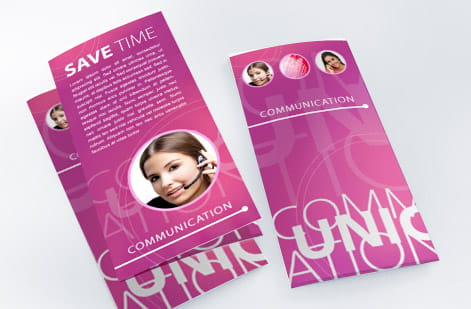
Instrument every touchpoint before launch, not after. Give each channel its own tracking so print gets credit it otherwise loses: a vanity URL on the sign, a QR code carrying campaign parameters on the sticker, a promo code spoken on the handout, or a dedicated phone number for the field program. Compare the campaign window against a matched baseline period rather than your best-ever month.
Then hold a short review while the details are fresh. Which channel produced the cheapest qualified action, which creative variant pulled, which locations outperformed, what broke operationally. Write it down. Campaigns compound only when the next one starts from last one's evidence.
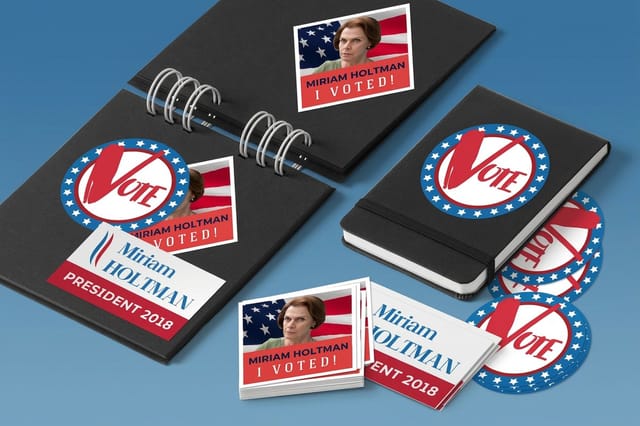
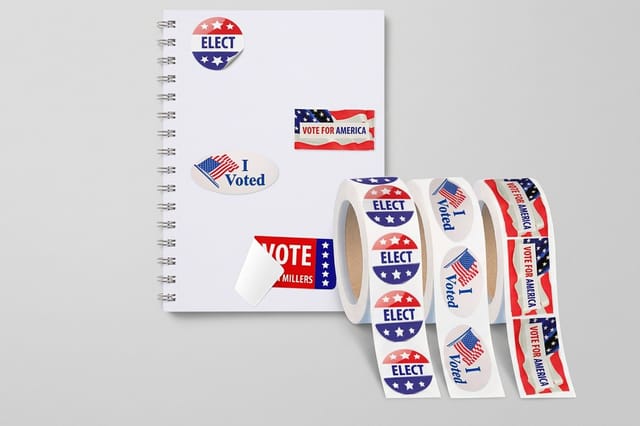
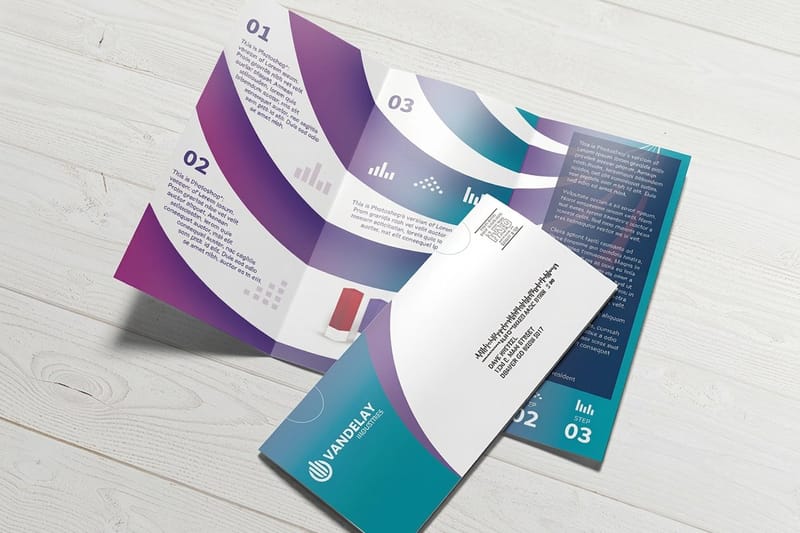
Budget the print layer with real numbers: campaign yard signs start around $25, premium campaign and political stickers start around $29.16, and roll campaign and political stickers start around $322.98 for high-volume handout programs. Configure quantity and turnaround to see live pricing, or browse marketing materials for the rest of the set.
Wally explains campaign planning
A campaign is a promise with a deadline
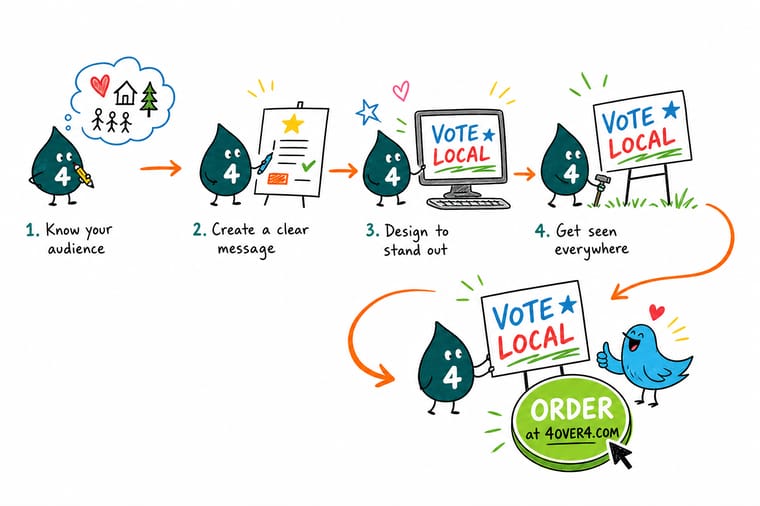
Wally plans every campaign on one page: the number to move, the person to move it, the offer that earns the interruption, and the date it all ends. Then he prints the whole set in a single run so the sign, the sticker, and the handout say exactly the same thing. Lock your message this week, order the print layer next, and put it in the ground before launch day.
Order campaign yard signs →Infographic
The 7 building blocks of a marketing campaign
One frame, seven building blocks. Save it, share it with the team, and use it as the checklist before any campaign gets a budget.
The blocks only work in order. A brilliant message aimed at a vague audience underperforms a plain message aimed at a sharp one, and neither survives a launch that nobody measured.
Specs and pricing
Campaign yard sign specs and live pricing
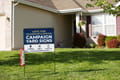
When the message is locked, the print layer is the fastest part of the campaign to put in motion. Check the specs, then set quantity and turnaround to see live pricing.
| Quantity | Price Per Unit | Total |
|---|---|---|
| 1 | $25.00 | $25.00 |
Print it
The print layer of your campaign at 4OVER4
See it in use
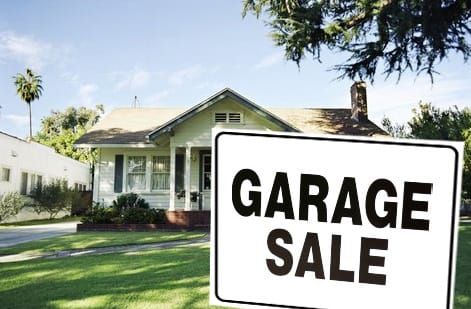
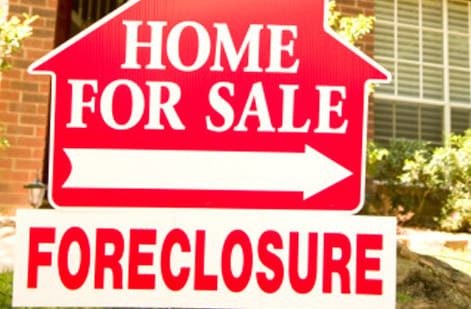
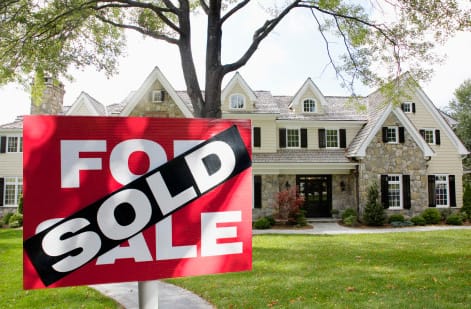
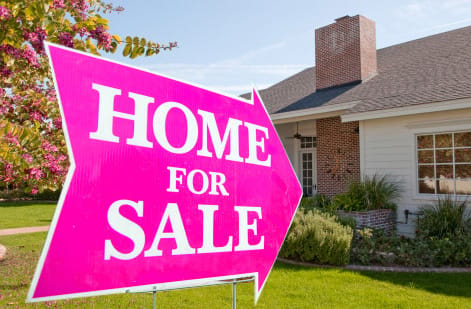
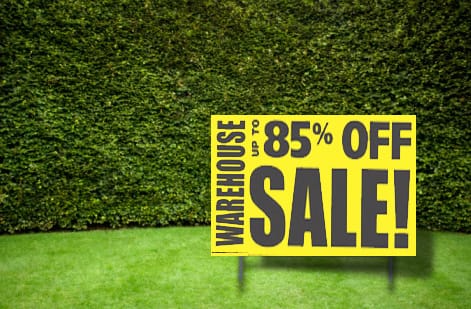
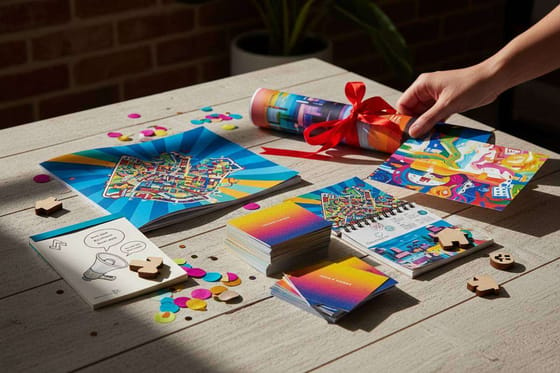
Real campaign signage, printed in-house



Explore more
Where to go next




By the numbers
Campaign printing you can count on at 4OVER4.COM
Common Questions
Common questions about creating a marketing campaign
What is a marketing campaign?
A marketing campaign is a coordinated set of messages pushed through chosen channels over a fixed period to reach one measurable goal. It is not the same as ongoing marketing. A campaign has a start date, an end date, a named audience, a single offer, and a number you are trying to move, whether that is signups, foot traffic, votes, or orders. Everything inside the campaign, from the headline on a yard sign to the subject line of an email, exists to serve that one number.
How do I choose the right campaign type for my business?
Start from the goal and the buying cycle. If you need volume fast in a defined area, run a local awareness campaign built on signage, stickers, and handouts. If you sell something considered and expensive, run a nurture campaign that trades value for contact details first. If you are launching something new, run an announcement campaign with a hard date. Match the media to where your buyers already spend attention rather than to the channel you personally enjoy.
What does a marketing campaign cost and how are prices set?
Campaign cost is creative plus media plus production. Print production at 4OVER4 is priced by quantity, size, stock, and turnaround, so a run of Campaign Yard Signs starts around $25 and Premium Campaign and Political Stickers start around $29.16. Unit cost drops sharply as quantity rises, which is why most teams print the full campaign in one order instead of reordering weekly.
What sizes, stocks, and finishes work best for campaign print?
Outdoor pieces need weatherproof substrate and bold contrast, so 4mm corrugated plastic in 18 by 24 inches remains the workhorse for yard signs. Stickers come in die-cut shapes, kiss-cut sheets, and rolls, on white vinyl, clear vinyl, or paper, with gloss, matte, or laminate finishes. Indoor handouts run on 14pt to 16pt coated stock. Order free samples if you need to feel the stock before committing a full run.
How long does campaign printing take to produce and ship?
Standard production on most campaign items runs two to four business days after proof approval, with faster turnarounds available on many products and transit time added on top. Build backwards from your launch date: approve artwork at least a week before the first piece needs to be in the ground or in a hand, and add buffer if you are shipping to multiple field offices or event sites.
How long should a marketing campaign run?
Most campaigns land between four and eight weeks. Shorter than three weeks and frequency never builds, so the audience sees the message once and forgets it. Longer than ten weeks and the creative fatigues, response rates sag, and the team stops paying attention. Run in defined waves with a review at the midpoint so you can shift budget toward whatever is actually converting.
How do I measure whether the campaign worked?
Decide the success metric before launch and instrument every touchpoint. Give print its own tracking: a vanity URL, a QR code with campaign parameters, a promo code stated on the sticker, or a dedicated phone number. Then compare the campaign window against an equivalent baseline period, not against your best month. Record cost per acquisition per channel so the next campaign starts from evidence instead of instinct.
Get Started
Ready to put your campaign in the ground?
Lock the message, pick the quantity, and let 4OVER4.COM produce the signs, stickers, and handouts that carry it. Printed in-house and shipped in time for launch day.
Legal Disclaimer
Gold Standard guarantees apply to all standard orders placed through 4over4.com. Price match requires verifiable proof of a competitor's published price for an equivalent product with matching specifications and turnaround time. Satisfaction guarantee covers manufacturing defects and print quality issues. Contact support with order number and documentation. On-time delivery rate based on tracked orders 1999 to 2026. Individual results may vary based on shipping carrier performance.
