
How to Launch an Online Business and Get Paid in the First Month


A launch plan in the order that works: prove the offer with money, price so the unit can pay for a customer, gather the list before the store, then open in a week rather than a moment.
Launch an online business in four moves: take real payments before you build, price upward from the full cost of delivering one order, collect an email list while the store is still unfinished, then open to that list first and go public a week later. The step almost everyone skips is the pricing arithmetic, and it is the one that decides whether advertising is affordable at all. Everything else can be fixed after launch.
Quick answer
Money first, price second, audience third, store fourth
A launch works in that order, and reversing it is what makes most first attempts expensive. Take deposits or presales to prove demand, then build the price up from landed cost, packaging, shipping and fees so you know what is left to spend on winning a customer. Collect names from day one, open quietly to that list, ship those orders by hand, and only then spend on traffic. The diagram below shows where a single order really goes, and why the last block is the number that governs the whole plan.
Prove Someone Will Pay Before You Build Anything
The cheapest launch strategy is the one that finds out early that nobody wants the thing. Most founders do the opposite: three months of building, one afternoon of selling.
Validation only counts when money changes hands. Friends will tell you an idea is good, and they mean it, but their enthusiasm has no cost attached. A deposit does. Put up one page that describes exactly what you will ship and when, ask for a real payment, and watch what happens. Twenty strangers paying is a business. Two hundred people saying they would buy is a hobby with a mailing list.
Presales carry a cost of their own, and it is worth naming. Once someone has paid, you owe them the product on the date you promised, and if your supplier slips you are refunding people who trusted you first. Keep the promised window generous, keep the first run small, and write the refund terms on the page before you take a cent.
The other honest test is standing behind a table. A market stall or a partner shop counter puts you in front of people who have never heard of you, and their first three questions tell you what your product page should say. Take names while you are there. Our product research guide covers how to pick what to test in the first place, and the ecommerce store guide picks up once the offer is proven.
Set a Price That Can Still Pay for a Customer
Almost every launch that stalls has the same defect: the price was copied from a competitor instead of built from the cost of delivering one order. Build it upward, and the number the launch actually runs on becomes obvious.
Add the landed cost of the product, the packaging around it, the shipping you absorb, card processing at roughly three percent, and a reserve for the orders that come back. Subtract all of it from the price. What is left is contribution, and contribution is the entire budget for advertising, plus your profit. Not the price. Not the margin your supplier quotes. That one number.
| Offer shape | Price | Cost to deliver one order | Left per order | What that buys |
|---|---|---|---|---|
| Single low-price item | $18 | $14 | $4 | Nothing. Paid traffic is out of reach, so this only works through organic reach or a bundle. |
| Single mid-price item | $40 | $25.50 | $14.50 | Room to test ads carefully, and to keep something if the test works. |
| Starter bundle | $78 | $41 | $37 | A real acquisition budget, because shipping and fees are paid once across more units. |
Read the fourth column and the launch plan writes itself. Thin contribution is not a marketing problem, and no amount of clever copy fixes it. Raise the price, raise the basket, or lower the cost of delivery.
Packaging belongs in that arithmetic, and it is smaller than people expect. A run of premium product labels starts at $29.16, so spread across a first run of 250 units it lands near twelve cents a unit. That is real money, but it is not the reason a price fails. The reason is usually shipping you swallowed and never counted. Our pricing strategies guide goes deeper on the number itself, and the price and profits guide works through what is left at the end of a month.
Collect the Audience While You Build the Store
A launch is only as loud as the audience listening on the day. This is the part founders defer, because building a store feels like progress and asking a stranger for an email feels like nothing. It is the opposite.
Start with a one-page site that says what the product is, who it is for, and when it ships, with an email field and a reason to use it. Early access counts. A founding-customer discount counts. A useful thing you made counts. A newsletter that nobody asked for does not. Sixty people who chose to be on that list will outperform six thousand scraped addresses, every time, and the scraped list will damage your sending reputation on top of it.
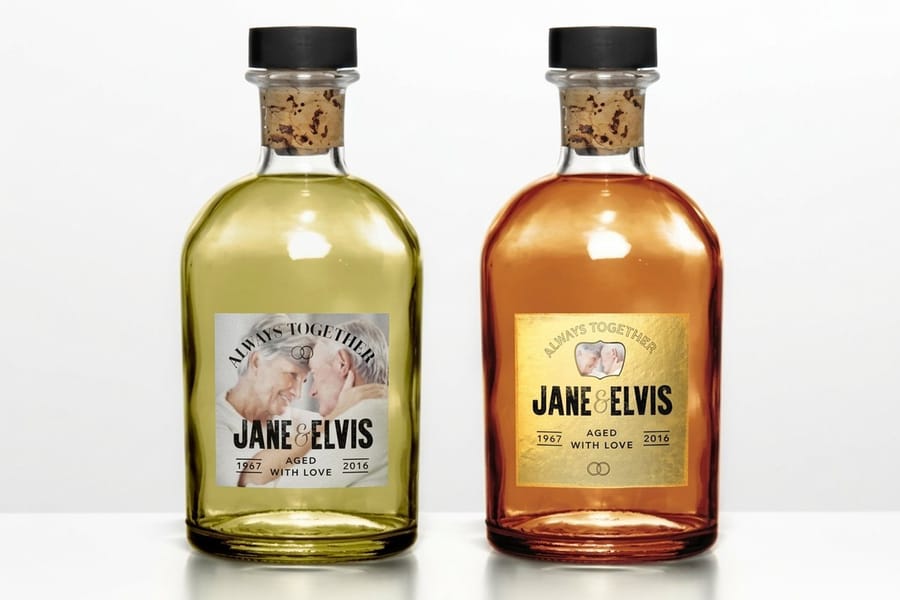
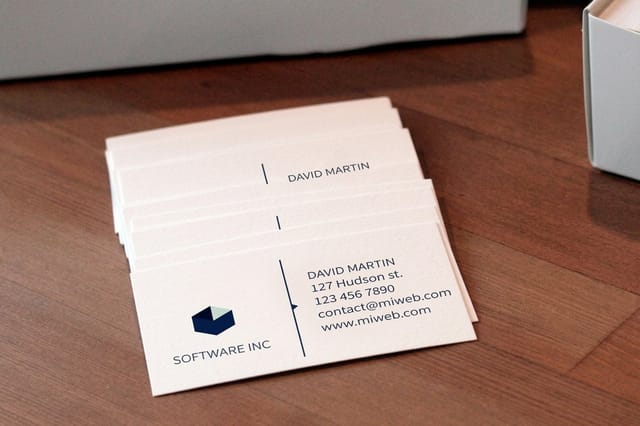
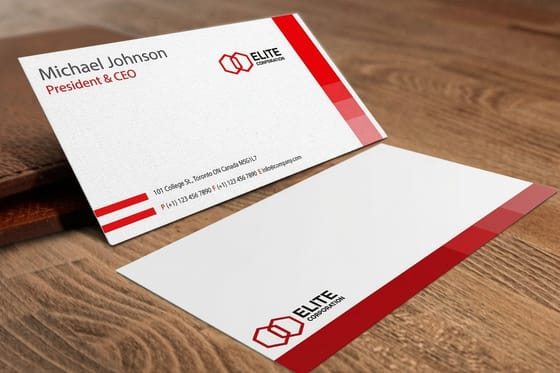
Print is the piece of this that people forget because it feels analog. It works because it is. When you are in a room, a card in a hand is the only way the conversation survives the walk to the car. Standard business cards start at $17.57 for a box, which is a rounding error next to the cost of the same number of clicks. Put the offer on the back, not just the logo, and put a short URL that goes to the signup page rather than the homepage.
If your first customers are local, or you have a list from a previous venture, standard postcards start at $16.48 and land in a hand rather than a spam folder. Set the artwork up correctly the first time from the blank template library, and compare finishes and quantities on the business card printing pages before you commit to a run. For the online half of the same job, the organic social growth guide and the email nurture guide cover what to send once the names are in.
Run Launch Week, Then Work the First Ninety Days
Treat launch as a week with an order to it. Open quietly to your list first, at a price that thanks them for waiting. Ship those orders yourself, pack them on your kitchen table, and pay attention to everything that goes wrong, because it all will.
What you learn in that quiet week is worth more than the revenue: which product option people actually pick, where checkout confuses them, how long packing really takes, what the shipping cost turns out to be once boxes have weight. Fix those, then go public. Going wide first means broadcasting the broken version to the largest audience you will ever have for free.
Hold the ad budget until you have shipped by hand and know your numbers. Advertising multiplies the economics that already exist, so if an order loses two dollars, ads buy you more losses faster. The signal that you are ready is boring and specific: you can state your cost per order, your conversion rate, and how many customers came back.
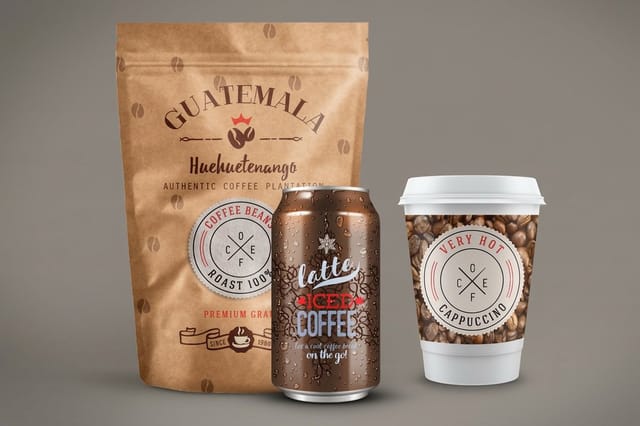
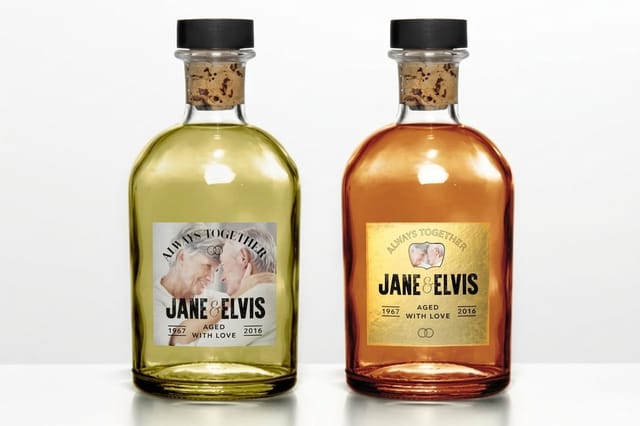
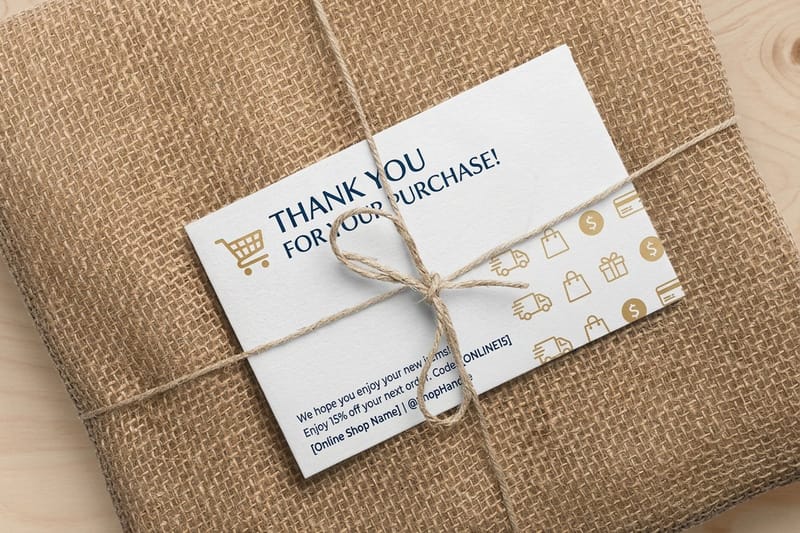
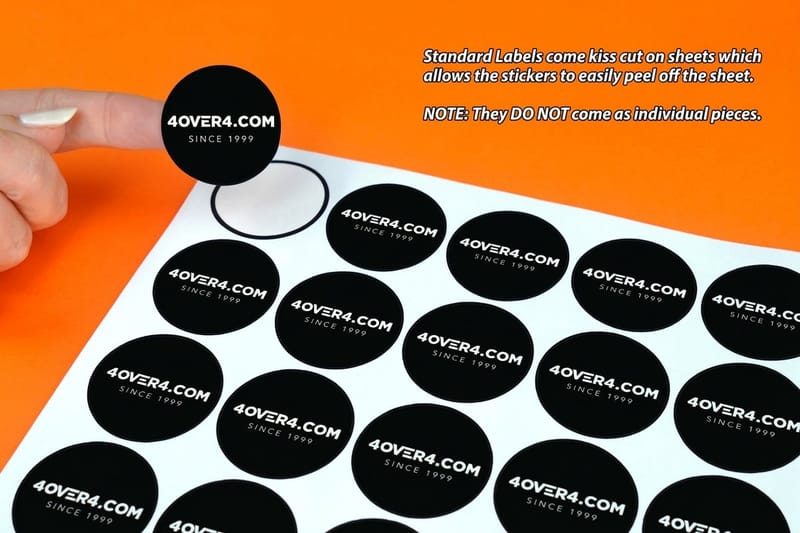
Then work retention, because you only pay for a customer once. A product that arrives labeled, sealed and with a card inside gets remembered and photographed. Premium stickers start at $29.16 and do double duty as a parcel seal and a giveaway, and the packaging insert card guide covers what to actually print on the card that ships in the box. If you would rather order the launch set in one go, the brand launch essentials kit collects the pieces, and label printing lists every size and material for the product itself.
Wally explains the launch order
Take money first, build the store last
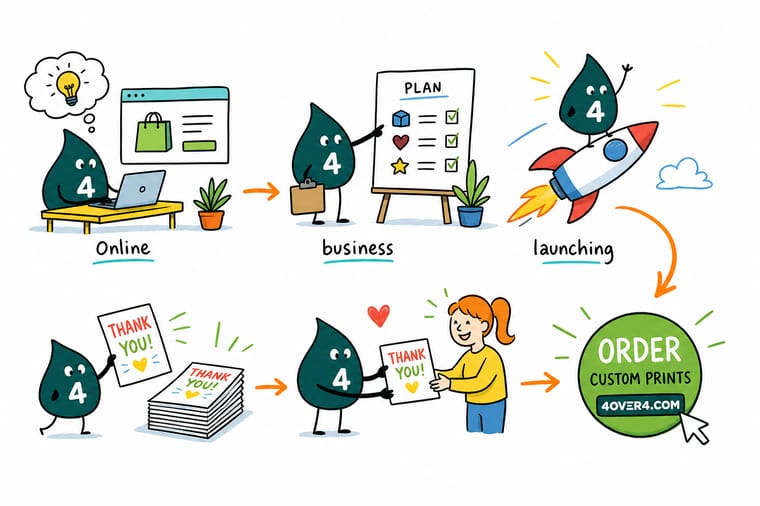
Wally starts with one page and a payment link, because a deposit tells him what a survey never will. Then he builds the price upward from what one order actually costs to deliver, so he knows exactly how much he can spend to win a customer. While the store is half finished he is already collecting names. On launch week he opens to that list, packs the first orders by hand, and fixes what breaks before anyone else sees it. The cards, labels and stickers come along for the ride, because a parcel that looks deliberate is the cheapest reason to be remembered.
Print your launch business cards →Specs and pricing
The launch print set, sizes and starting prices
Cards for the room, labels for the product, postcards for the list you already have. Live configuration choices and starting prices straight from the 4OVER4.COM configurator.


Print it
Order the three pieces a launch actually needs
Explore more
Where to go next
By the numbers
The printer behind a lot of first orders
Common Questions
Your launch questions, answered
Should I build the store first or build the audience first?
Build the audience first, or at least in parallel. A store with no traffic tells you nothing, and every week it sits empty you learn less than you would from one conversation with a buyer. Put up a single page that explains the offer and captures an email, then spend the build time collecting names and taking presale deposits. When the store opens you have people to open it to, which is the difference between a launch day with orders and a launch day spent refreshing analytics.
How do I know if my price is high enough?
Work it from the bottom. Add the landed cost of the product, the packaging and label, the shipping you absorb, roughly three percent for card processing, and a reserve for returns and replacements. Subtract that total from the price. What remains is everything you have to spend on advertising, and everything you get to keep. If that number is under about a fifth of the price, the launch has no room to buy customers and the offer needs a higher price, a bigger basket, or a cheaper way to deliver.
What is the fastest way to get the first ten customers?
People who already know you, then people who can see you in person. Message everyone who fits the offer directly rather than posting and hoping. Then get in front of a room: a market stall, a trade night, a partner shop counter. Hand a card, take a name, follow up within two days. A box of standard business cards starts at $17.57 at 4OVER4.COM, which is less than one day of ad spend and converts far better at the start, because early buyers need a person more than they need a brand.
How much money do I need to launch an online business?
Less than most launch plans assume, if you keep inventory small. The costs that are hard to avoid are the domain and store platform, a first production run, packaging, and a reserve for the orders you will get wrong. The cost that ruins launches is a large first inventory buy made before anyone has paid for the product. Order the smallest run your supplier will accept, sell it out, then reorder with money that came from customers rather than from savings.
Do I need a limited company before I take the first order?
Rules differ by state and by what you sell, so check your own state and any licensing that applies to your category, particularly food, cosmetics and anything regulated. What is true everywhere is that sorting the legal structure is not what is holding the launch back. Many founders spend a month on formation paperwork and zero days on finding a buyer. Do the paperwork in the background and keep selling.
What printed pieces does an online business actually need at launch?
Three, and only three. Something that identifies the product on the shelf or in the box, which is a product label. Something that seals the parcel and makes the unboxing feel deliberate, which is a sticker. Something you can hand to a person, which is a business card. Premium product labels start at $29.16 and premium stickers start at $29.16 at 4OVER4.COM, so the whole set is well under a hundred dollars. Everything else, from brochures to signage, can wait until you know what sells.
When should I start running paid ads?
After you have shipped orders by hand and know your numbers. Ads multiply whatever your unit economics already are, so pushing traffic at a page that converts poorly, or at a product that loses money after shipping, just spends the budget faster. Wait until you can say what an order costs you to fulfil, what fraction of visitors buy, and how many people come back. Then start small, on one product, with a spend cap you would be willing to lose.
Get Started
100 business cards cost $17.57, or 18 cents each
Print the cards you hand over, the labels that go on the product, and the stickers that seal the box, all from one place and on your launch timeline.
Legal Disclaimer
Gold Standard guarantees apply to all standard orders placed through 4over4.com. Price match requires verifiable proof of a competitor's published price for an equivalent product with matching specifications and turnaround time. Satisfaction guarantee covers manufacturing defects and print quality issues. Contact support with order number and documentation. On-time delivery rate based on tracked orders 1999 to 2026. Individual results may vary based on shipping carrier performance.
