
How to Size, Finish and Label Custom Vape Boxes


A vape carton is a folding box with a legal layout baked into it. Here is how to size one to the hardware, which board to print it on, and how much panel the warning takes before your logo gets a say.
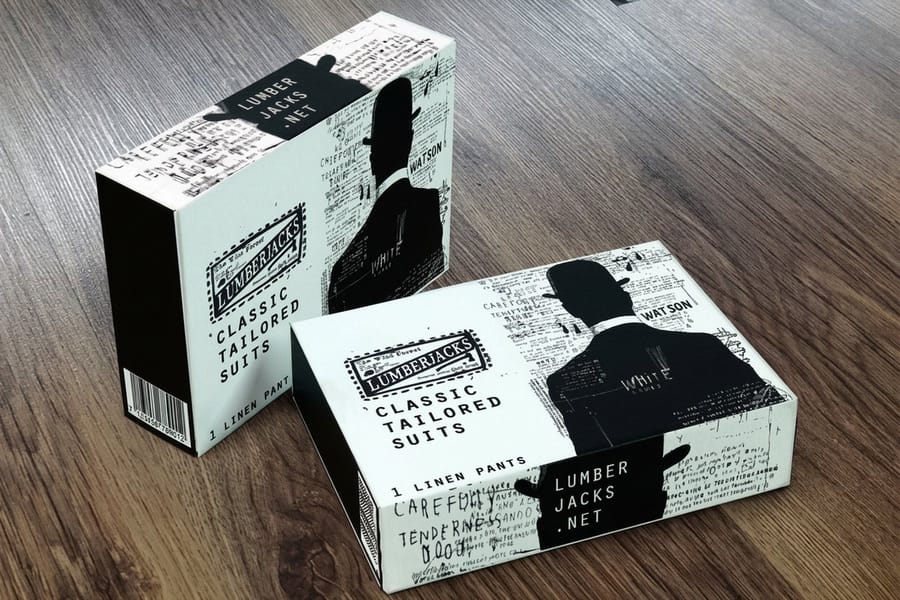
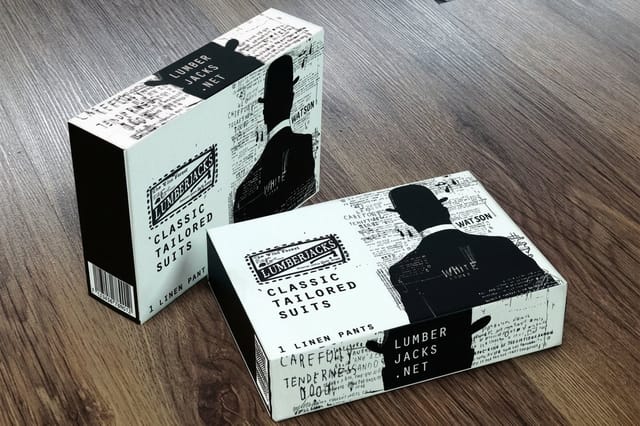
A custom vape box is a printed folding carton sized to the exact device plus about a sixteenth of an inch of clearance, with a warning band reserved on both display panels before any artwork is placed. For nicotine products, 21 CFR 1143.3 requires that band to fill 30 percent of each principal display panel, which is 10.5 square inches on a 5 by 7 inch face. At 4OVER4.COM the packaging carton runs on a 5 by 7 by 1.7 inch die from $711.78 per run, in coated white or kraft board, and the batch and lot data belongs on an applied label from $29.16 rather than in the carton print.
Quick answer
Measure the device, reserve the warning, then design
The order of operations decides whether a vape carton works. Measure the hardware with its cap and any lanyard loop attached, add roughly a sixteenth of an inch of clearance per dimension, and pick a die that fits. Reserve the warning band next: 30 percent of both principal display panels for nicotine products under 21 CFR 1143.3, or the state text for cannabis, which often runs longer. Only then place the logo. Choose coated white board if the brand color is fixed, kraft if the box gets handled and an unbleached look suits the brand, and keep every number that changes between runs on an applied label instead of in the carton print.
Size the Box Around the Hardware, Not the Brand
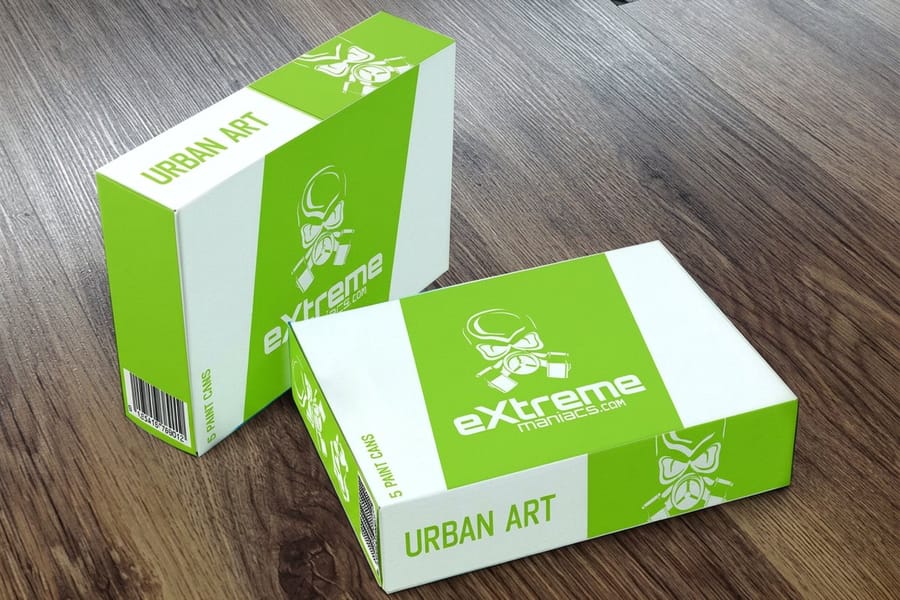
Every vape carton problem starts as a measuring problem. Take the device, put the mouthpiece cap on, hang the lanyard loop if it ships with one, and measure the longest, widest and deepest points as it will actually sit in the box.
Then add clearance. About a sixteenth of an inch per dimension is enough for a cartridge to slide in without a fight and without rattling. Skip it and the assembler forces the product through a tuck flap that tears; overdo it and the device shifts in transit and the printed face arrives creased. If a foam or paperboard insert holds the device, measure the insert, not the device, because the insert is what has to fit.
Rough starting points before you measure your own: a single 510 cartridge lands near 1 by 1 by 3.5 inches, a disposable near 1 by 2 by 4.5 inches, and a starter kit with a charger, a spare pod and a card needs a tray and a depth closer to an inch and a half. Multi-piece kits and retail two-packs are where our roll end tuck top boxes at 5 by 7 by 1.7 inches fit naturally. A single cartridge in that carton looks lost, and a pillow box at 3.625 by 1.5 by 7.25 inches is the closer match.
Work the numbers before you commit, because packaging is priced per run. The box size chart by product type gives common dimensions to sanity-check against, and how to measure a box and calculate cubic inches is the method for turning a device into a carton spec.
The Warning Band Is a Layout Constraint, Not an Afterthought
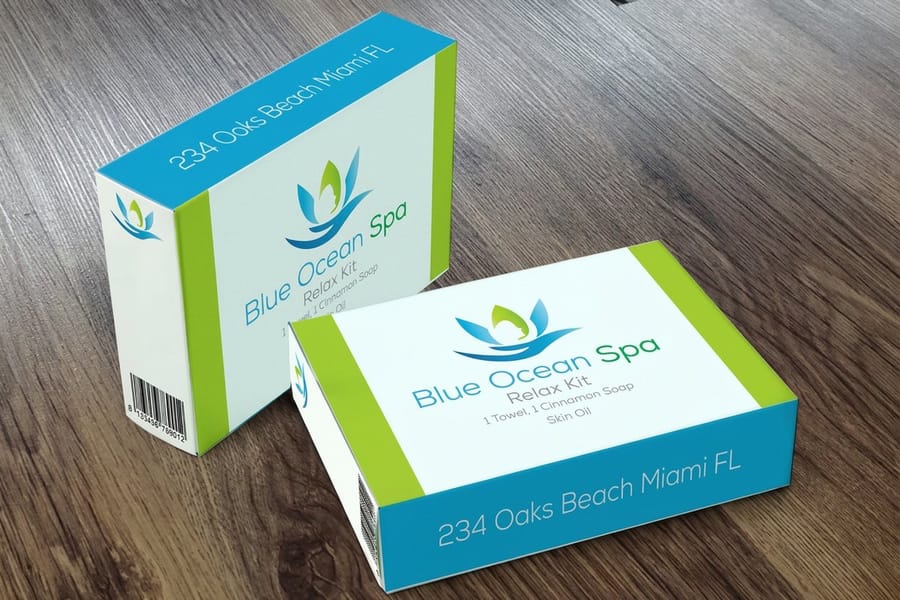
This is the part that sends artwork back for a redo more often than color, bleed and folds combined. For nicotine vape products, 21 CFR 1143.3 sets the exact warning wording, requires it on at least 30 percent of the two principal display panels, and calls for a minimum 12 point type set to stand out against its background.
Thirty percent of a 5 by 7 inch face is 10.5 square inches. Run that as a full-width band and it takes about 2.1 inches of the panel's 7 inch height, on the front and again on the back. Reserve that space in the layout first and design underneath it. Designers who place the logo first and drop the warning in at the end usually discover the mark is now half its intended size on both faces.
Cannabis vape products follow state warning text instead, which is frequently longer than the federal nicotine statement and sometimes prescribes its own minimum type size and panel coverage. Two states can demand two different blocks of copy for the same product, which is why brands shipping across state lines often keep the carton generic and vary the applied label.
| Panel | Width on a 5 x 7 x 1.7 in carton | What it carries | The trap |
|---|---|---|---|
| Front | 5 in | Brand, product name, and the warning band across the top. | Logo gets squeezed if the band is not reserved before layout. |
| Back | 5 in | Second warning band, ingredients, net contents, contact. | Counted as a display panel too, so the band repeats here. |
| Sides | 1.7 in | Flavor or strain, nicotine strength, barcode. | Too narrow for the warning block, and a barcode needs quiet zone. |
| Tuck flap | 5 in | Lot number, fill date, COA link or QR code. | The data changes per run, so keep it on an applied label. |
Build the flat file from a real dieline rather than a rectangle you drew. Start from the blank template library and follow how to prepare files for packaging products for bleed and panel mapping, then keep live copy off the crease lines, because board folds crush ink and a logo that straddles a fold reads as broken.
Kraft or Coated White, and What Each One Does to Your Ink
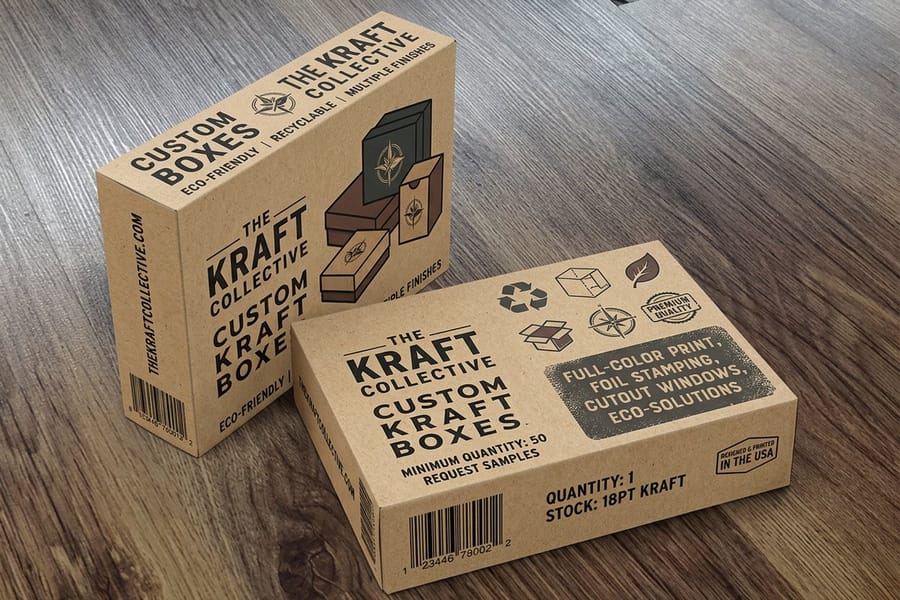
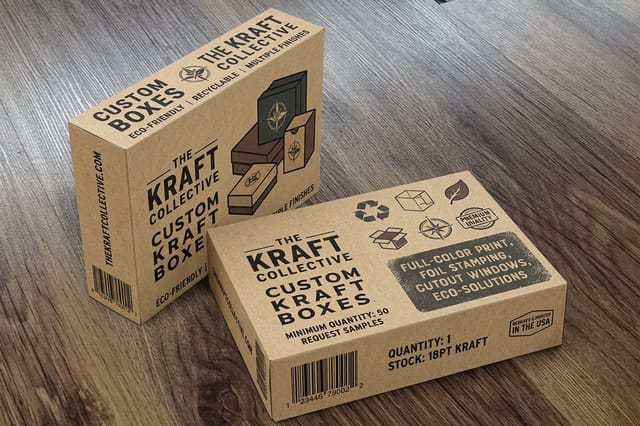
Our packaging die offers two paper types, and the choice changes color more than most brands expect. Coated white board holds ink where you specified it, which matters if the brand color is a locked value and a dispensary shelf will show your box next to a competitor's. Kraft board is unbleached, so every ink laid on it sits over brown: a cool teal turns muddy, a clean white simply is not available, and pastels disappear.
Kraft earns its place anyway. It reads as unbleached and low-intervention, which suits a lot of cannabis and botanical branding, and the textured surface hides the scuffing that boxes pick up in a display case. Gloss-coated white does the opposite, holding color exactly and showing every fingerprint the moment someone behind a counter handles it. Neither is better; they fail in opposite directions, and the right answer depends on whether your box gets handled or just looked at.
Both stocks fold on the same die, cost the same to run, and accept the metallic accent option if you want a foil-style highlight on a logo mark. Custom kraft boxes and the coated version both start at $711.78 for a run. If you are still deciding between a folding carton and a corrugated shipper for the outer pack, cardstock versus corrugated covers where each material stops being the right call.
Print the Box Once, Change the Label Every Run
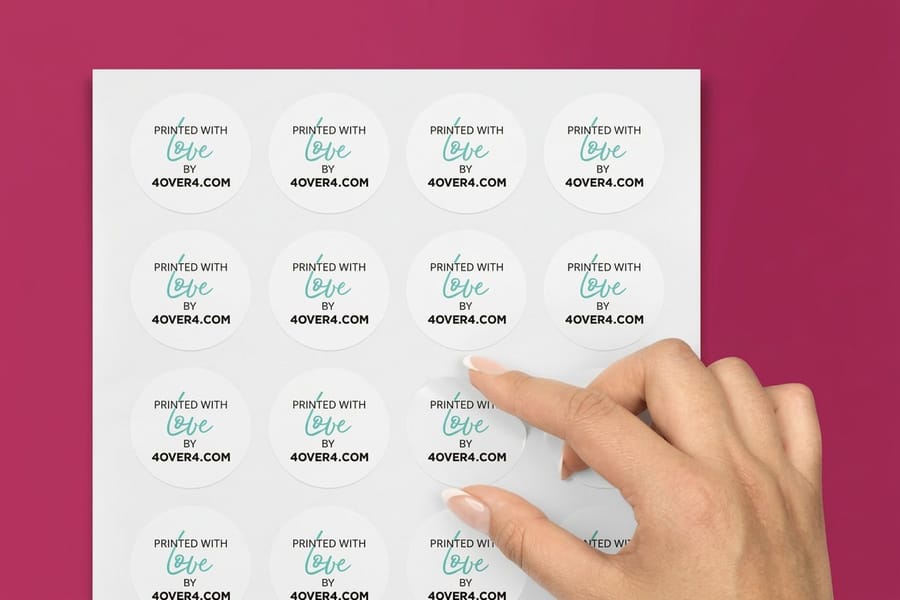
Packaging is priced per run, not per unit, so a carton reprint is expensive in a way a label reprint never is. That single fact should decide what gets printed where.
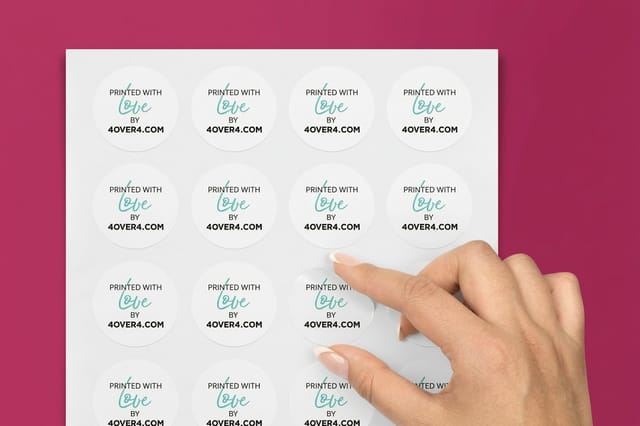
Put the permanent things on the box: brand, product name, the warning band, ingredients, net contents, contact details. Put everything that moves on a label: lot and batch number, fill or test date, the certificate-of-analysis QR code, and any state-specific warning that differs from the market you print the main carton for. Premium product labels start at $29.16 and run in 2 by 2, 3 by 3, 4 by 4 and 3 by 5 inch sizes across 23 stock choices, and die-cut labels start at $93.37 when you need a shape that follows a logo rather than a rectangle.
There is one honest limit worth stating plainly. A printed paperboard carton is not a certified child-resistant package. Where a state requires child-resistance for a cannabis or nicotine product, the closure itself has to pass a tested standard, and the usual arrangement is a certified inner container sitting inside a printed carton that carries the branding and the copy. Whether child-resistant packaging is required for cannabis sets out where that line falls.
When the layout is settled, order proof options with the run and read the flat proof against the dieline. How to check a packaging print proof lists what to look at, and the whole packaging printing collection shows every die we run alongside label printing for the variable data.
Wally packs a vape box
Ruler first, warning band second, logo last
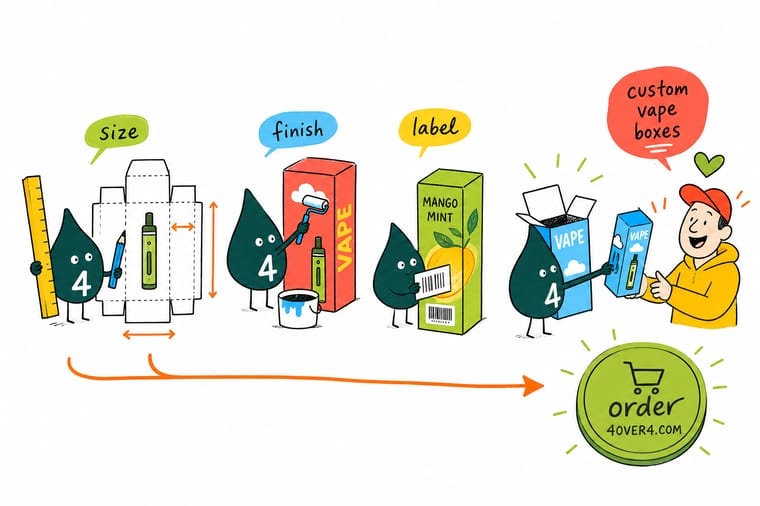
Wally measures the device with its cap on, adds a sixteenth of an inch so it slides instead of jamming, then tapes off the top of the front and back panels because the nicotine warning has to fill 30 percent of each one. Whatever is left is where the logo goes. He prints the brand and the warning on the board, and sticks the lot number on a label, because the batch changes every run and a carton reprint does not come cheap.
Configure a printed packaging carton →Specs and pricing
Carton dies, label sizes and starting prices
The packaging die, the kraft version of it, and the product label that carries your batch data, with live configuration options and starting prices from the 4OVER4.COM configurator.

Print it
Order the carton and the labels that go with it
Explore more
Where to go next


By the numbers
Packaging you can count on at 4OVER4
Common Questions
Your vape packaging questions, answered
What size should a custom vape box be?
Start from the hardware, not from a catalog size. Measure the longest, widest and deepest point of the device with any mouthpiece cap or lanyard loop attached, then add roughly a sixteenth of an inch per dimension so the product slides rather than jams. A single 510 cartridge usually lands near 1 by 1 by 3.5 inches, a disposable near 1 by 2 by 4.5 inches, and a starter kit with a charger and a spare pod needs a tray and a depth closer to 1.5 inches. The packaging carton at 4OVER4.COM runs on a 5 by 7 by 1.7 inch die, which suits multi-piece kits and retail two-packs; single cartridges are usually better served by a pillow box or a sleeve.
Does the FDA nicotine warning have to be printed on the box?
Yes, for any vape product covered by 21 CFR 1143.3 it goes on the package itself. The rule sets the exact wording, requires the statement to occupy at least 30 percent of the two principal display panels, and specifies a minimum 12 point type in a conspicuous, contrasting layout. Practically that means you reserve a horizontal band across the top of both the front and the back panel before you place a logo. On a 5 by 7 inch panel, 30 percent is 10.5 square inches, so the band eats about 2.1 inches of the 7 inch height on each face. Cannabis products follow their own state warning text instead, which is often longer and needs even more room.
Are custom vape boxes child resistant?
A printed paperboard carton is not, on its own, a certified child-resistant package. Child-resistance is a tested closure performance standard, and where a state requires it for cannabis or nicotine products the container itself has to pass, not the printed sleeve around it. The usual arrangement is a certified inner container inside a printed carton that carries the branding and the required copy. Our guide on whether child-resistant packaging is required for cannabis walks through where that line falls state by state.
What paperboard do vape cartons print on?
The packaging die at 4OVER4.COM offers two paper types, a coated white board that holds color accurately and a kraft board with a natural brown surface. Coated white is the safer choice for a brand with a specified color, because kraft warms every ink laid over it and pulls a cool teal or a clean white toward beige. Kraft wins where the brand wants an unbleached look and where boxes get handled a lot, since the surface hides scuffing that a gloss coat makes obvious. Both fold on the same die and cost the same to run.
Should batch and lot numbers be printed on the box or on a label?
On a label, almost always. Batch numbers, fill dates and certificate-of-analysis links change with every production run, and printing them into the carton means a new print run each time. Print the stable brand artwork and the warning copy on the box, then apply a small die-cut or product label to the tuck flap or the back panel with the variable data. Premium product labels start at $29.16 and die-cut labels at $93.37, which is a small fraction of a carton run.
How much do custom vape boxes cost at 4OVER4.COM?
Roll end tuck top boxes start at $711.78 for a run on the 5 by 7 by 1.7 inch die, and custom kraft boxes on the same die start at the same price, because the board choice does not change the tooling. Packaging is priced per run rather than per unit, so the first box costs what the whole run costs and the hundredth is close to free. That is the single biggest reason to settle the size and the warning layout before you order, and to keep every changing number on a label instead.
Can I get a dieline before I design the artwork?
Yes, and you should design into it rather than resizing afterward. Pull the flat template from the blank template library, place your artwork on the correct panels, and keep live copy clear of the crease lines where the board folds. Fold lines crush ink and a logo that straddles one will look broken on a finished box. Our file-preparation guide for packaging products covers bleed, panel mapping and the proof options, and every packaging order includes proof options in the configurator so you can see the flat before it goes on press.
Get Started
Ready to put your vape line in a box that fits?
Pick the die, choose coated white or kraft board, reserve the warning band, and order proof options so you see the flat before it runs.
Legal Disclaimer
Gold Standard guarantees apply to all standard orders placed through 4over4.com. Price match requires verifiable proof of a competitor's published price for an equivalent product with matching specifications and turnaround time. Satisfaction guarantee covers manufacturing defects and print quality issues. Contact support with order number and documentation. On-time delivery rate based on tracked orders 1999 to 2026. Individual results may vary based on shipping carrier performance.
