
How to Design Custom Folding Cartons That Print and Fold Right


Pick the closing style, pick the caliper, then draw the dieline. This is the order a packaging printer works in, and the reasons behind each choice.
Design a custom folding carton in three decisions: the closing style, the board caliper, and the dieline. Style comes first because it sets where the panels sit, roughly 18pt board is the retail default, and the dieline goes on its own overprinting spot-colour layer with solid lines for cuts and dashed lines for scores. Add 0.125 in bleed past every cut, keep type 0.125 in inside every fold, and leave the glue flap free of ink so the adhesive can grip bare board.
Quick answer
One flat blank, one glue seam, three decisions
A folding carton is cut and creased from a single sheet, so every dimension you change moves the whole blank. Choose the closing style first, because it fixes where the panels and flaps sit. Choose the caliper second: 14pt for light goods, 18pt for general retail, 24pt and up for weight. Then draw the dieline, with cuts solid, scores dashed, 0.125 in bleed past every cut edge, 0.125 in of safety inside every fold, and a glue flap with no ink on it at all.
Choose the Carton Style Before You Draw Anything
The closing style decides the dieline, and the dieline decides where your artwork can go. Settle it first and the design work goes quickly. Settle it last and you redraw the panels.
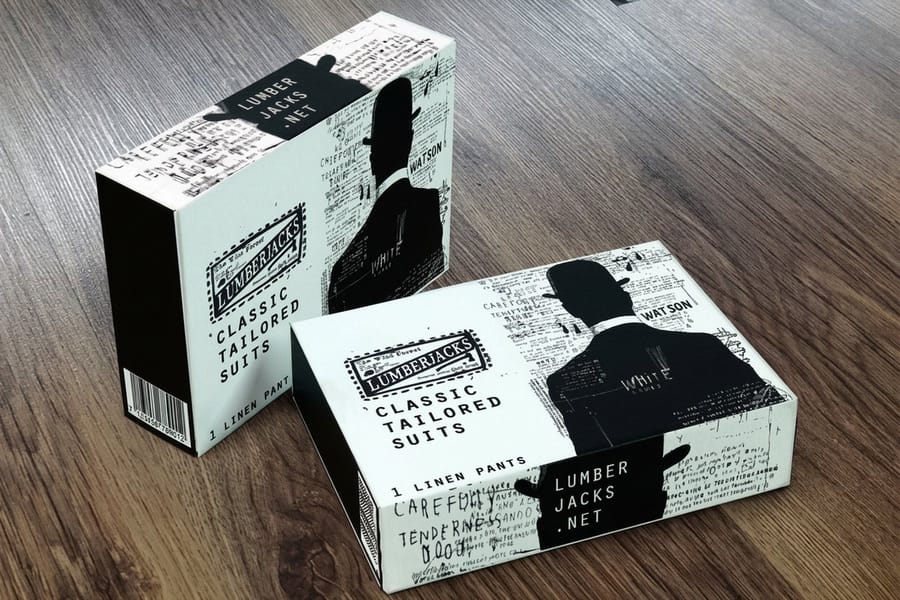
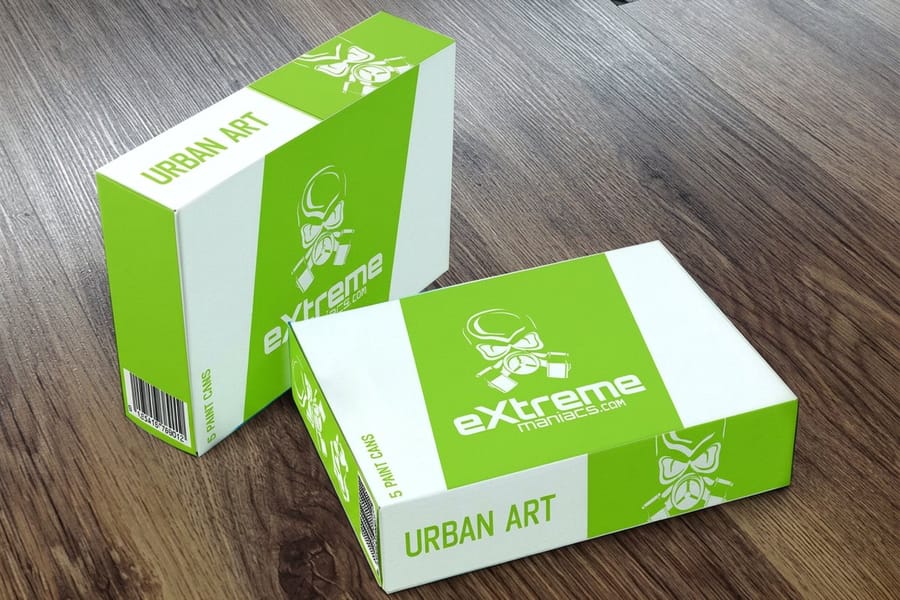
Straight and reverse tuck ends. The two flaps tuck into the body. Cheap, quick to fold by hand, right for light goods that will not be thrown around: soap, cosmetics, supplements, small toys. On a straight tuck both flaps hinge off the back panel, so the front face is uninterrupted. On a reverse tuck they hinge off opposite panels, which nests the blanks tighter on the sheet and saves board.
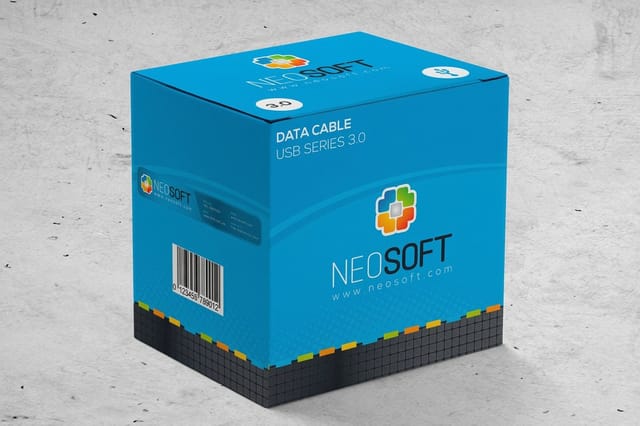
Roll end tuck top. The side walls roll over on themselves, which doubles the wall thickness and squares the box off. This is the style that survives being shipped on its own rather than inside a shipper, and it is what most subscription and ecommerce boxes use. Roll end tuck top boxes start at $711.78 and are the sturdiest carton in our range.
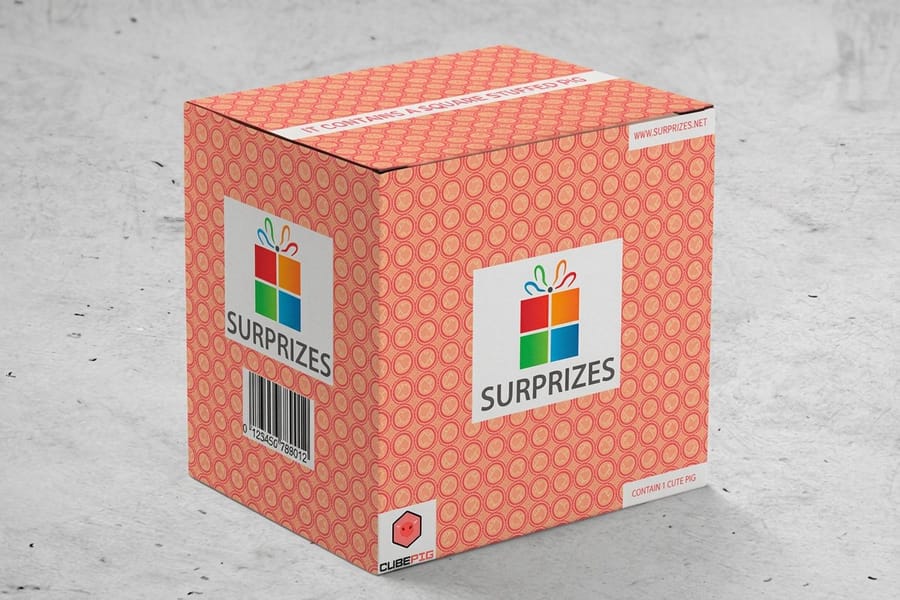
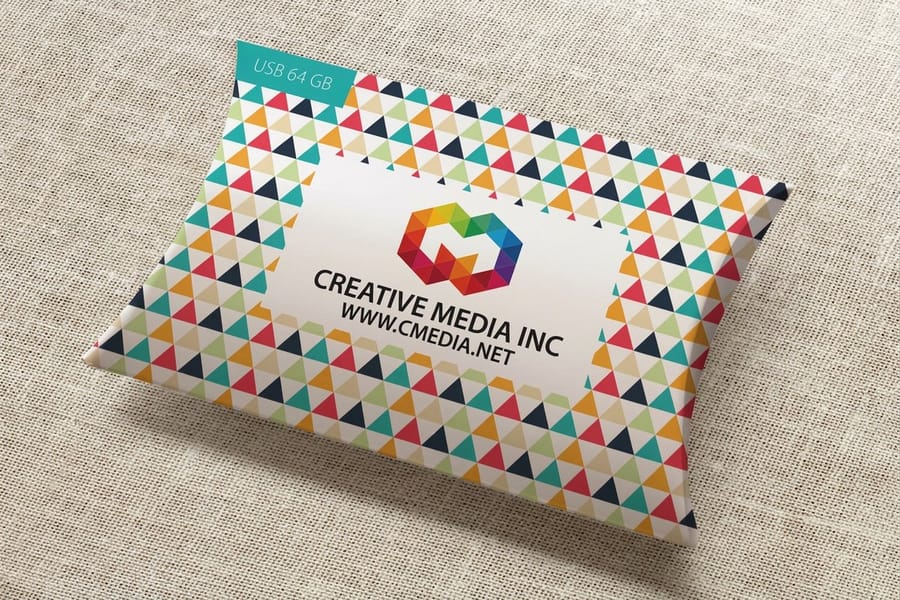
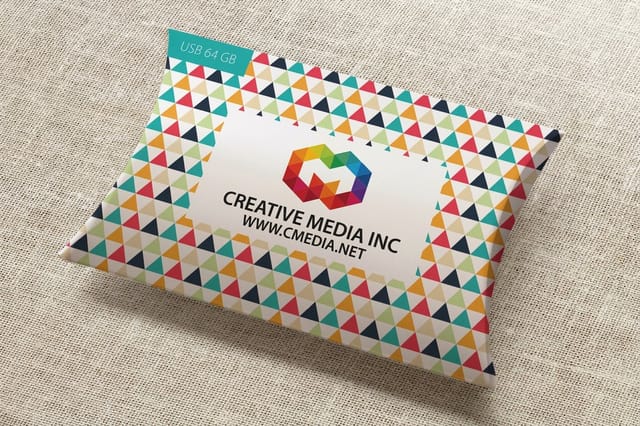
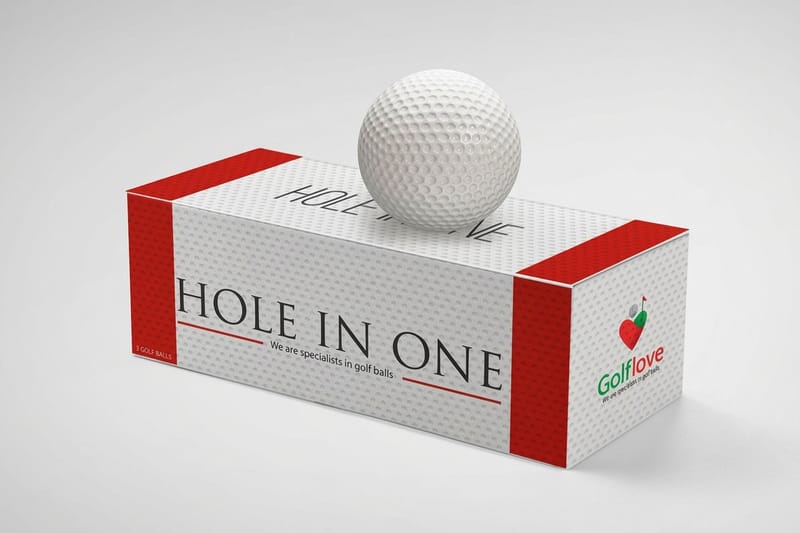
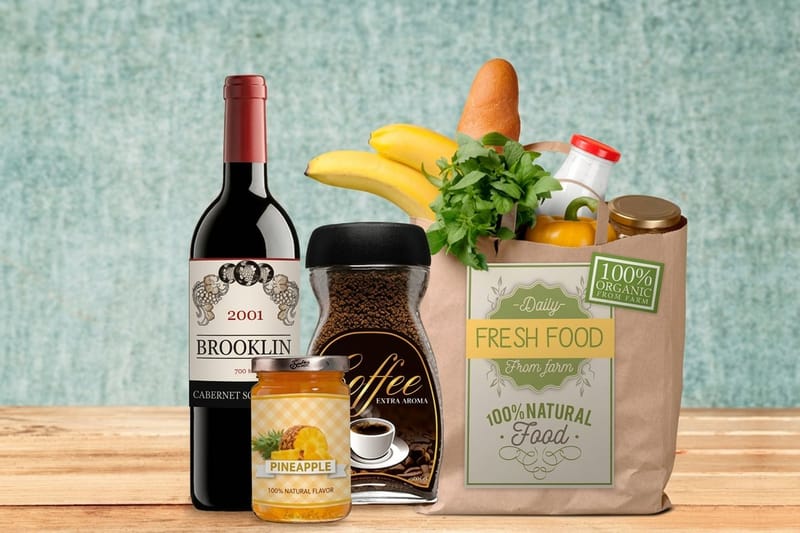
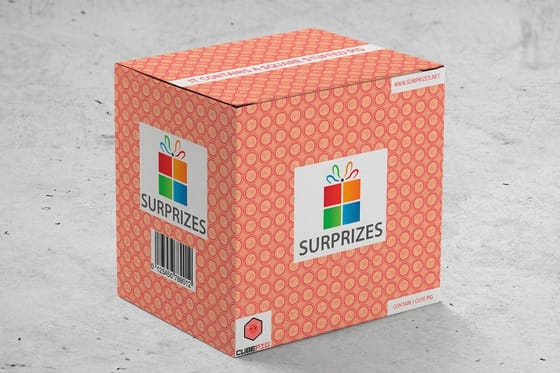
Cube. Equal panels all round, so the blank is simple and the box reads as a gift rather than a package. Cube boxes start at $213.09 and are the cheapest way into a printed carton. Pillow. Curved ends that lock without glue, flat to store, fast to pack. Shaped and product-specific. Wine boxes and golf ball boxes are cartons whose proportions were fixed by the object they hold, which is exactly what a custom dieline does for your own product.
Two questions settle the choice. Does the box ship alone or inside something else? And does the customer open it once, or open and close it repeatedly? Repeated opening rules out anything with a tear strip and rewards a tuck that still grips on the tenth fold. The whole range sits on the custom box printing page if you want to see the shapes next to each other.
Board, Caliper and What Each One Costs You

Board is specified by material and by caliper. Caliper is measured in points, and one point is one thousandth of an inch, so 18pt board is 0.018 in thick. Nobody in packaging says thick or thin, and a quote that does is a quote that has not been thought about.
| Board | What it looks like | Where it works | The catch |
|---|---|---|---|
| SBS | Bright white both sides, smooth clay-coated print surface. | Cosmetics, food, pharma, anything where colour has to be accurate. | The most expensive of the three, and it shows every scuff. |
| CCNB | White printable face, grey recycled back. | High-volume retail cartons where nobody looks inside. | The grey interior reads as budget the moment the box is opened. |
| Kraft | Natural brown, visible fibre, strong. | Craft, outdoor, food to go, brands leaning on a natural look. | Ink shifts colour on brown, so bright shades need a white underprint. |
Then the caliper. Roughly 14pt handles a light carton for sachets or a single bar of soap. 18pt is the everyday retail number and the one to default to when you are unsure, because it still feels solid when a shopper picks the box up and sets it back down. 24pt and heavier is for glass, candles, and anything where a soft box would undercut the price on the shelf.
Here is the limit nobody mentions. Heavier coated board cracks more readily along a fold, and the crack shows worst through a dark solid printed across the score. Two fixes: keep dense colour off the fold where you can, and if the design will not allow it, plan a slightly wider score. Our cardstock and corrugated comparison covers the point where a carton stops being enough and a fluted box takes over.
Setting Up the Dieline So It Cuts Where You Meant
A dieline is a technical drawing dressed up as vector art. Get the conventions right and a prepress operator will never call you. Get them wrong and the file comes back.
Draw the dieline on its own layer, in a named spot colour, set to overprint so it does not knock a hole in your artwork. Solid lines are cuts. Dashed lines are scores and folds. Keep them as separate paths, not one merged outline, because the die maker needs to tell them apart. The dieline layer stays in the supplied PDF, and it never prints on the finished carton.
The measurements that matter, in order of how often they are missed:
- Bleed 0.125 in past every cut line, all the way round the flaps and tucks, not just the outer rectangle of the blank.
- Safety 0.125 in inside every fold. Type sitting on a score creases straight through the middle of a letterform.
- Glue flap free of ink and coating. Adhesive grips board, not varnish. This is the single most common cause of cartons that pop open.
- Barcode away from folds, with its quiet zone intact and printed dark on light. A barcode across a score will not scan once the box is up.
- Dimensions are inside dimensions. Quote the space the product occupies, not the outside of the finished box, or the fit comes out tight by two board thicknesses.
Mind the artwork orientation too. Once the blank is folded, the back panel is upside down relative to the front on some tuck styles, and pasting a design flat across the whole blank without checking will hand you a box with inverted copy on one face. Fold a paper proof before approving anything. If you would rather start from a correct layout than draw one, the blank template library gives you sized files, and bleed and trim explained covers the margins in more depth.
Designing for the Shelf and Sending the File
A carton is seen from one angle in a shop and from every angle at home. Design the front panel to be read at arm length: brand mark, product name, the one detail that decides the purchase. Everything else goes on the side and back panels, where a shopper who has already picked the box up will look for it.
Panels are not equal. The tuck top is what a buyer sees when a carton lies flat in a drawer, and it is worth putting the brand mark there rather than leaving it blank. Side panels take the ingredient list, the legal text and the barcode. The back panel takes the story. Leave dense solid colour off the corners if you can, since scuffing shows most on an edge that has been slid in and out of a shipper.
Short runs and versions have a cheaper route than a second print run. Print one neutral carton and version it with premium packaging labels, which start at $29.16, so a scent, a flavour or a size change costs a label rather than a whole new box. Plenty of small brands run one carton and six labels for their first year.
When the file is ready, export a press-ready PDF with the dieline layer intact, fonts outlined, images at 300 dpi at final size, and everything in CMYK. Send the flat blank, not a mockup. Our packaging file preparation guide lists the export settings, and the wider packaging printing collection shows every carton, label and wrap we produce in one place.
Wally explains the folding carton dieline
Cuts are solid, scores are dashed, the glue flap stays bare
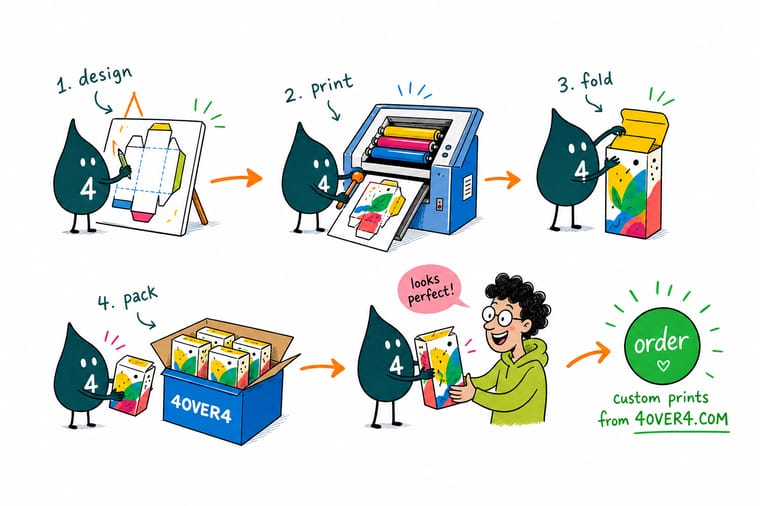
Wally flattens the box out and there it is: one piece of board with a glue flap, a front, a side, a back and another side, all in a row. The solid lines are where the die cuts. The dashed lines are where it creases. He runs the artwork an eighth of an inch past every cut so the trim never shows white, keeps the small print an eighth of an inch back from every crease so no letter folds in half, and leaves the glue flap completely clean, because glue holds onto board and slides straight off varnish.
Price a custom carton →Specs and pricing
Carton styles, sizes, and starting prices
Compare the three carton styles side by side, with live size and quantity options and starting prices straight from the 4OVER4.COM configurator.

Print it
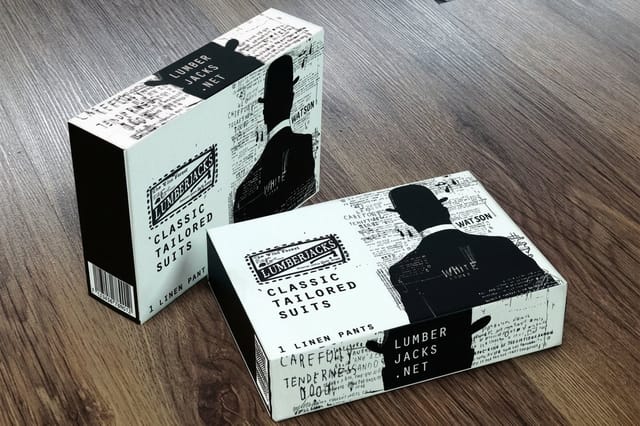
Order a carton built around your product
Explore more
Where to go next
By the numbers
Packaging printing you can count on at 4OVER4
Common Questions
Your folding carton questions, answered
What is a custom folding carton?
A folding carton is a box cut and creased from a single flat sheet of paperboard, printed before it is cut, glued along one seam, and delivered flat so you fold it up when you pack. It is the box style behind most retail shelf packaging: cereal, cosmetics, supplements, small electronics. Custom means the dieline, the board and the printing are made for your product rather than pulled off a shelf, which is what lets the carton fit the item snugly instead of being padded out with filler.
What is the difference between a folding carton and a corrugated box?
Paperboard against fluted board. A folding carton is a single layer of paperboard, usually 14pt to 24pt, and it is built to look good on a shelf. A corrugated box has a wavy fluted layer sandwiched between two liners, which makes it far stronger and far bulkier, and it is built to survive a truck. Retail cartons go inside corrugated shippers all the time. If you are choosing between the two materials for one job, the comparison in our guide to cardstock and corrugated boxes covers the strength and cost break points.
What board weight should I use for a folding carton?
Start from the weight and the shelf. Around 14pt suits a light carton for sachets, tea or cosmetics. 18pt is the general retail default and holds its shape when a shopper picks it up and puts it back. 24pt and heavier is for glass, candles, or anything where a soft-feeling box would read as cheap. The trade-off is that heavier coated board is more likely to crack along a fold, especially through a dark printed area, so the score has to be matched to the caliper.
How do I set up a dieline for printing?
Put the dieline on its own layer, draw it in a spot colour named so it is obvious, set that colour to overprint, and never place it on the artwork layer. Solid lines are cuts, dashed lines are scores or folds. Extend every image and background 0.125 in past the cut so the trim never leaves a white sliver, keep type and logos 0.125 in inside the folds, and leave the glue flap clear of ink. Supply the file as a press-ready PDF with the dieline layer included, not deleted.
How much bleed does a folding carton need?
0.125 in past every cut edge, including around the tuck and dust flaps, not just the outer rectangle. Cartons move under the die and paperboard shifts more than a business card does, so the margin is doing real work. The matching habit that saves reprints is keeping barcodes, legal text and logos at least 0.125 in away from every score line, because a barcode that straddles a fold will not scan reliably once the box is assembled.
Can I print full colour on kraft board?
Yes, but expect the colour to shift. Brown unbleached board absorbs and tints ink, so a bright red prints muddy and a pale blue nearly disappears. There are two ways round it: design for kraft with one or two solid dark colours and let the brown be part of the look, or ask for a white ink underprint beneath the coloured areas, which costs more but returns the colour to something close to what a white board would give you.
How small can a custom carton be?
Small enough is usually limited by the flaps, not the panels. Once the depth drops below roughly an inch, the dust flaps and tuck get so short that the box will not hold itself closed, and that is the point where a pillow box or a sleeve makes more sense than a tuck carton. Pillow boxes start at $284.49 and handle small, flat, gift-shaped items that a tiny tuck carton would fight.
Get Started
Ready to turn a dieline into a printed carton?
Send the flat blank with the dieline layer intact, pick your board and quantity, and we cut, crease, print and glue the carton so it arrives flat and folds square.
Legal Disclaimer
Gold Standard guarantees apply to all standard orders placed through 4over4.com. Price match requires verifiable proof of a competitor's published price for an equivalent product with matching specifications and turnaround time. Satisfaction guarantee covers manufacturing defects and print quality issues. Contact support with order number and documentation. On-time delivery rate based on tracked orders 1999 to 2026. Individual results may vary based on shipping carrier performance.
