
How Custom Plastic Packaging Really Works, From Clear Labels to Windows


Clear packaging is bought as a component, not as a container. Here is what each clear part does, what it costs, and the artwork rule that decides whether a clear label reads at all.
Custom plastic packaging almost never means a printed plastic container. It means a clear component added to a mostly paperboard or stock package: a clear label, a printed sleeve, a die cut window, a card sleeve or a vinyl cling. The container is usually bought, the clear part is what gets customised, and the one rule that decides the result is where you put white ink under the artwork.
Quick answer
The clear part is a component, and white ink decides how it reads
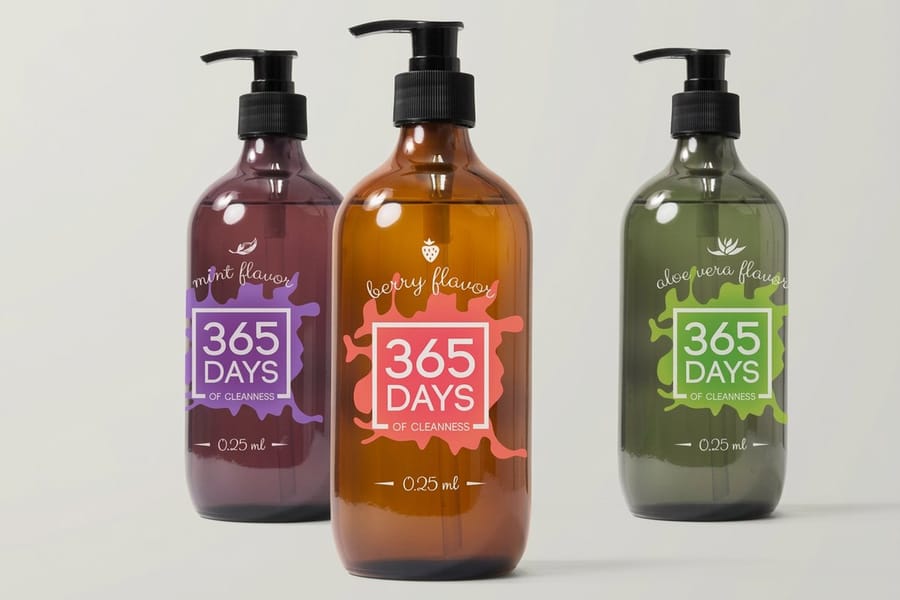
Buy the container, customise the clear component. Clear labels, printed sleeves, die cut windows, header cards and card sleeves cover almost every request that arrives described as custom plastic packaging. Each one is priced differently and fails differently, so the format choice comes before the design. Once the format is set, the decision that changes the outcome most is which artwork elements get a white layer printed behind them, because ink on clear film is translucent and anything without white sinks into the product underneath.
What the Plastic Actually Does in a Custom Packaging Job
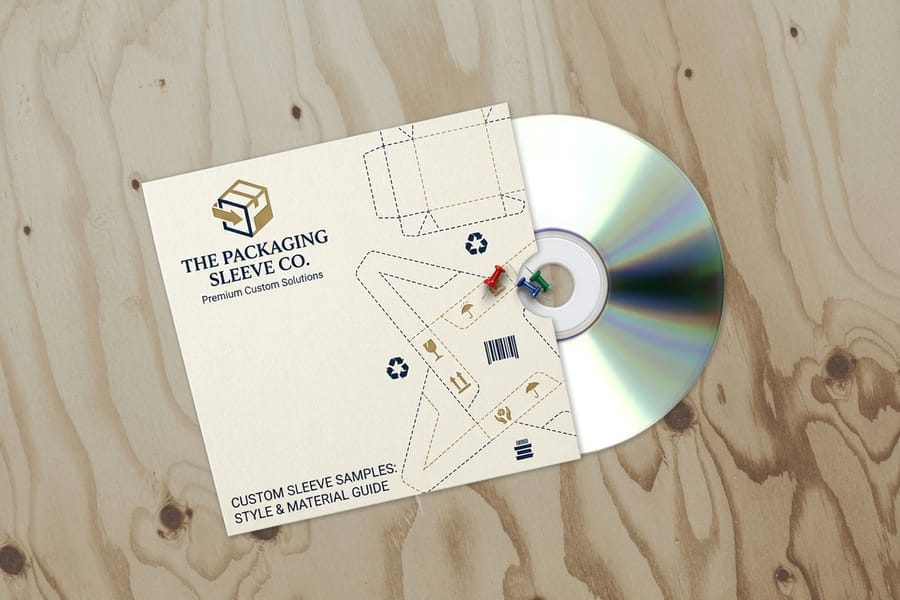
Walk through a shelf set and the clear plastic you see falls into five jobs, and only one of them is a container. Knowing which job you are buying saves a quote cycle, because a sleeve, a window and a clear label are priced and produced in completely different ways.
| Clear component | What it is | Where it wins | Where it fails |
|---|---|---|---|
| Clear label | A pressure sensitive film face with clear adhesive, printed and cut to your shape. | The no-label look on glass and PET, using containers you already stock. | Over dark or patterned product, unless you pay for a white underprint. |
| Printed sleeve | A paperboard band that wraps a plain container or a stock box. | Changing flavour, season or claim without changing the container. | It covers part of the product, and it slides on a strongly tapered shape. |
| Window in a box | A die cut opening, left open or backed with a clear film patch. | Letting the buyer see the real thing on shelf. | Open windows expose the product; filmed ones add a converting pass and cost. |
| Clear vinyl and clings | Adhesive or static clear film, printed and cut. | Glass doors, coolers, fridge fronts, storefront messaging. | It is display material, not packaging. It will not ride inside a shipping carton. |
| Card sleeve | A clear pocket a printed card slides into. | Gift cards and membership cards handed across a counter. | There is nothing to print on it, so the design work lives on the insert. |
Read the last column first. Most disappointing packaging projects are not badly printed, they are the wrong component chosen for the job: a clear label asked to carry a logo over a dark product, or a vinyl cling ordered when the piece needed to survive a shipping box. If you are still deciding on the structure itself, choosing the right packaging for your product works through the format decision before the finish decision, and the packaging printing collection lists every box style we print.
Clear Labels and the White Underprint Rule
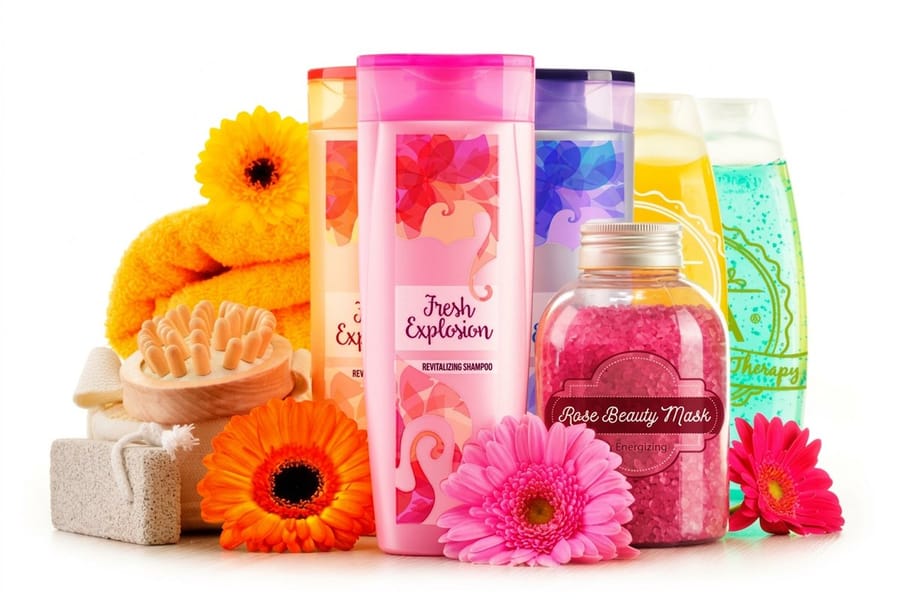
A clear label is the cheapest route to packaging that looks like it was designed as one piece with the container. It is also the one people get wrong most often, and always in the same way.
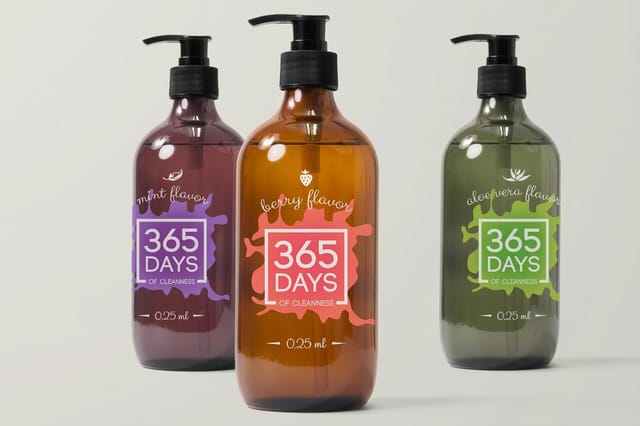
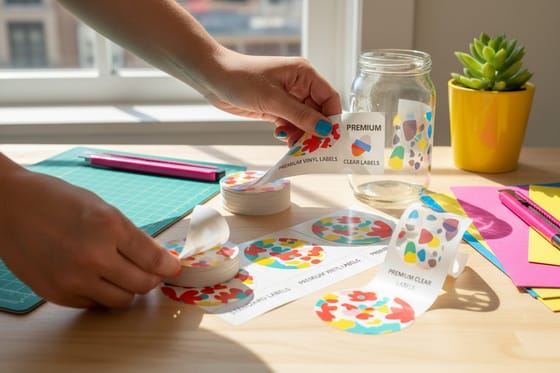
Ink is translucent. Lay teal on clear film, stick it to a dark green soap, and the teal reads as slightly different dark green. The fix is a white layer printed under the elements that need to stay solid, which is why the artwork conversation for a clear label is not about colour, it is about which shapes get white behind them and which stay see-through. Logo, product name and the legal panel usually get white. The background almost never does, because the whole point is seeing the product.
Material comes next. A film face that flexes suits a squeeze bottle; a stiffer face suits rigid glass and holds a crisper die cut. Frosted or textured containers are the hard case, because the adhesive only meets the high points of the texture and the label can read hazy rather than invisible. Paper versus vinyl versus clear labels compares the three faces side by side.
Then the format. Standard clear labels start at $40.11 and premium clear labels at $86.17, both in sheet form, which is what you want when a person is applying them. Roll clear labels start at $322.98 and exist to feed an applicator. Application itself is a skill: work from one edge with a squeegee motion rather than dropping the label flat, and never apply to a cold or damp bottle, because the trapped moisture turns into visible cloud under a clear face within a day.
Showing the Product Without Wrapping It in Plastic

Clear packaging usually gets specified because someone wants the shopper to see the product. That goal has several answers, and the plastic-heavy one is rarely the cheapest.
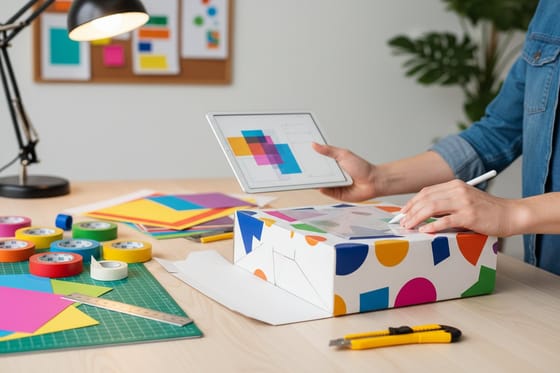
A die cut window in a paperboard box shows the product and costs almost nothing beyond the die, as long as you accept an open opening. Two rules keep it structural: leave at least a quarter inch of board between the window and any fold or glue flap, and keep large windows off the panel the box relies on for stiffness. A film patch behind the window protects the contents and adds a converting operation, so price it before you promise it to a retailer.
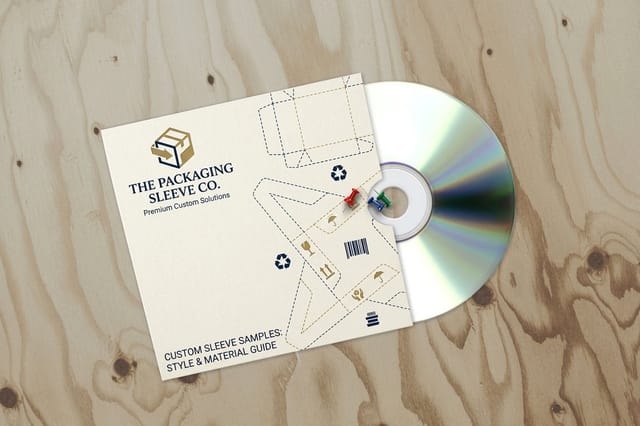
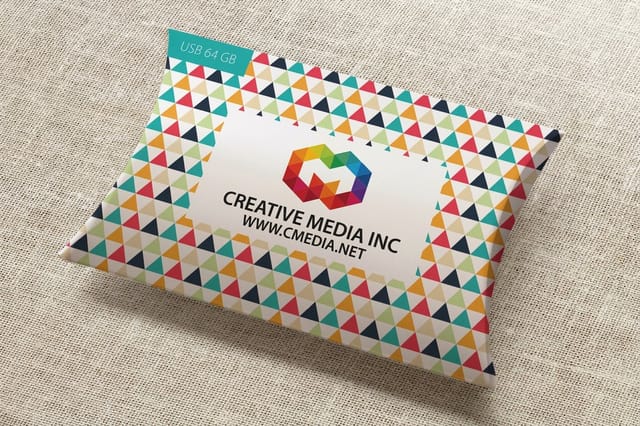
A printed packaging sleeve from $438.25 goes the other way: keep the container plain and put all the branding on a band you can reprint whenever the product changes. It is the standard answer for a maker running six scents from one box size. Header cards from $218.30 do the same job for anything in a clear bag, folding over the top with a peg hole so the product stays visible and the brand still has a face. Pillow boxes from $284.49 suit small retail items where the shape itself does the selling, and plastic card sleeves from $246.31 protect a gift or membership card at the counter.
For storefront and cooler messaging rather than packaging, clear window clings start at $30 and come off without residue. Set every one of these up from a real dieline: our packaging file setup guide covers bleed across a fold, and you can pull the right layout from the blank template library before you start designing.
Food Contact, Child Resistance and What Happens at the Recycling Plant

Three constraints decide more packaging specs than aesthetics do, and all three are easier to design around than to fix after a print run.
Food contact. Printed labels and boxes are outside packaging. A label on a sealed jar, a sleeve around a bakery box, a header card on a bag: none of them touch the food. Anything that would touch it needs a rated liner, bag or wrap in between, and grease deserves its own thought, because oil migrates into uncoated board and leaves a dark ring that no design survives. What goes on the label is regulated separately, and the FDA food labeling guide covers the panel content you are required to carry.
Child resistance. Some categories cannot be sold in ordinary packaging at all, whatever it looks like. Cannabis is the clearest case, and the rules vary by state, so read what the law says about child resistant cannabis packaging before you order artwork for it.
Recycling. This is where full plastic decoration hurts. A full body shrink sleeve can hide a PET bottle from the near infrared scanner that sorts plastics, so an otherwise recyclable bottle gets pulled as unidentified. A clear pressure sensitive label covering part of the bottle causes far less trouble, which is one practical argument for a label or a paperboard sleeve over a full wrap. Shrink sleeve labels explained covers where a sleeve is still the right call, usually a container shape no flat label can follow.
Order the label stock that matches the constraint rather than the mockup. The packaging labels range lists clear, white and vinyl faces with their sizes, and a proof goes out before anything prints, so the white underprint decisions are confirmed on screen rather than discovered on a pallet.
Wally explains clear packaging
The container is bought, the clear part is printed
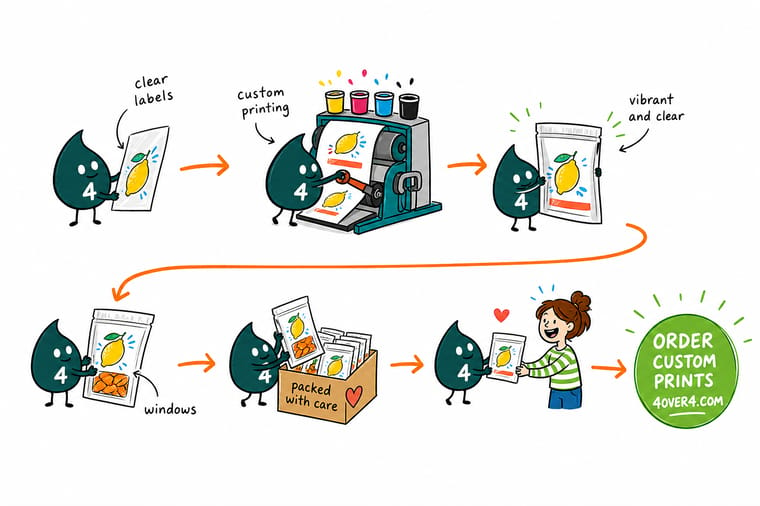
Wally does not print the bottle. He prints the label that goes on it, the sleeve that wraps it, the window in the box beside it. When the product underneath is dark, he lays a white layer behind the logo first so it does not vanish into the shampoo, then leaves the rest of the label clear so you can still see what you are buying. Tell him which parts must stay solid and which should disappear, and the label does exactly that.
Order premium clear labels →Specs and pricing
Clear labels and sleeves, sizes and starting prices
Compare the clear packaging options side by side, with live configuration choices and starting prices straight from the 4OVER4.COM configurator.

Print it
Order retail packaging that shows the product
Explore more
Where to go next

By the numbers
Packaging printing you can count on at 4OVER4
Common Questions
Your clear packaging questions, answered
Is custom plastic packaging the same thing as clear labels?
For most brands ordering print, yes, in practice. The container itself is normally bought, not printed: a stock PET bottle, a glass jar, a poly bag, a paperboard box. The custom part is the clear or plastic-faced component you add to it, which is a clear label, a printed sleeve, a window, a hang tag or a card sleeve. Injection moulded tubs and blister trays come from a moulder with tooling, and that is a different supply chain from a print run.
Do I really need white ink behind the artwork on a clear label?
You need it wherever an element has to stay legible. Ink is translucent, so a teal logo printed straight onto clear film over a dark green soap will disappear into the soap. The usual approach is a white layer under the logo, the name and the required legal text, with the rest of the label left clear so the product shows through. Sending artwork without saying which parts need white is the single most common reason a clear label comes back looking washed out.
Will a clear label stick to a squeezable or frosted bottle?
On a squeezable bottle, choose a film face that flexes with the wall rather than a rigid one, or the label lifts at the corners after a few squeezes. Frosted and textured surfaces are harder: the adhesive only touches the high points of the texture, so contact area drops and the no-label look turns into a hazy patch. If the container is frosted, a white face label usually looks more deliberate than a clear one fighting the texture.
Are your printed boxes and labels food safe?
They are printed for the outside of the package. A label on a sealed jar, a sleeve around a bakery box and a header card on a bag all sit away from the food. For anything in direct contact, put a food-grade liner, bag or wrap between the product and the printed board, and specify a grease-resistant option for anything buttery or oily, because oil migrates into an uncoated stock and leaves a dark ring within hours.
Can you print a box with a clear window in it?
A die cut opening is straightforward and it is how most bakery and gift boxes show their contents. Adding a clear film patch behind the opening is a separate converting operation, so it lifts the unit price and the lead time. Before you pay for film, ask whether the product actually needs protecting: a soap bar behind an open window is fine, a cupcake is not. Our team will tell you which way a given box style takes a window cleanly.
Should I order sheet clear labels or roll clear labels?
Sheets if a person is applying them by hand, rolls if a machine is. Standard clear labels start at $40.11 and premium clear labels at $86.17, which suits a launch run, a sample batch or a small maker applying by hand. Roll clear labels start at $322.98 because the roll format exists to feed an applicator, and ordering rolls for hand application means peeling from a reel with no easy way to reposition.
Get Started
Ready to put your brand on a clear label?
Pick the face stock, tell us which elements need white behind them, and we print labels, sleeves and boxes that show the product instead of hiding it.
Legal Disclaimer
Gold Standard guarantees apply to all standard orders placed through 4over4.com. Price match requires verifiable proof of a competitor's published price for an equivalent product with matching specifications and turnaround time. Satisfaction guarantee covers manufacturing defects and print quality issues. Contact support with order number and documentation. On-time delivery rate based on tracked orders 1999 to 2026. Individual results may vary based on shipping carrier performance.
