
How to Build a Content Funnel That Actually Converts


Four stages, one ask each, and a way to find the single handoff that is losing you the pipeline. Written for people who already have content and still have an empty calendar.
A content funnel converts when every stage asks for one thing more than the stage before it. The first piece asks for ten seconds, the second asks for an address, the third asks for time, and only the last one asks for money. Funnels stall when two consecutive pieces make the same ask, because the reader never has to decide anything. Fix the handoffs before you write more content.

Quick answer
Fewer people at every stage, a bigger ask at every stage
A funnel converts because the asks escalate, not because the content is good. Attention, then an address, then time, then money. Each stage keeps fewer people on purpose, and the ones who stay are worth more. When two stages ask for the same thing, the reader makes no decision and the funnel quietly turns into a reading list with a traffic chart attached.
What Separates a Funnel From a Pile of Content

Most content programs produce a pile, not a funnel. The pile is a set of pieces that are individually fine and that all end the same way, usually with an invitation to read something else. A funnel is a sequence where each piece hands the reader to the next one, and the handoff costs the reader something.
The four stages are easy to name and hard to keep honest. Unaware people do not know the problem has a solution or that you exist. Interested people have felt the problem and are reading about it. Comparing people have shortlisted two or three options, including doing nothing. Ready people need a price, a date and a way to say yes.
Here is the test that catches a pile pretending to be a funnel. Write down what each piece asks the reader to do, in the reader's words, not yours. If two consecutive pieces produce the same sentence, one of them is decoration. A visitor who reads an article and then gets an email that also just says "here is another article" has made no decision, and no decision means no movement. The marketing funnel model itself covers the stage vocabulary in more depth if you are building this from scratch.
The other thing that separates the two is where the depth sits. A long, technical, genuinely useful piece is wasted at the top, because a stranger will not give it fifteen minutes. Put it one step in, right after the first opt-in, and the same piece converts, because now the reader has a reason to care.
Match the Format to the Stage, Not to Your Preference
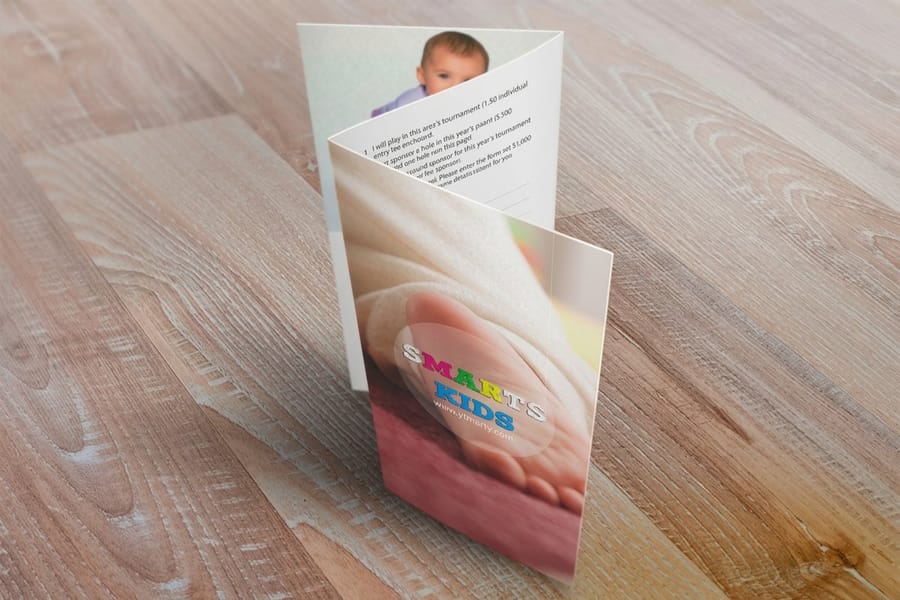
Every stage has a format that fits it, and teams get into trouble by picking the format they enjoy making rather than the one the stage needs. A video studio makes videos for a comparison stage that needs a spec sheet. A writer produces essays for a decision stage that needs a price.
| Stage | The one job | Content that does that job | What to watch |
|---|---|---|---|
| Unaware | Get ten seconds and one idea across. | Short posts, a demo clip, a handed-out flyer, a local mailer. | Reach and the rate at which people take the next click. |
| Interested | Solve one real problem for free, then ask for an address. | A deep how-to, a template, a checklist, a worked example. | Opt-in rate on that specific page. |
| Comparing | Answer the objections a shortlist creates. | Comparison pages, samples, case detail, a brochure or a booklet. | Requests for a sample, a quote or a call. |
| Ready | Make saying yes take under a minute. | Pricing, a dated offer, a leave-behind card with a direct line. | Close rate and time from ask to order. |
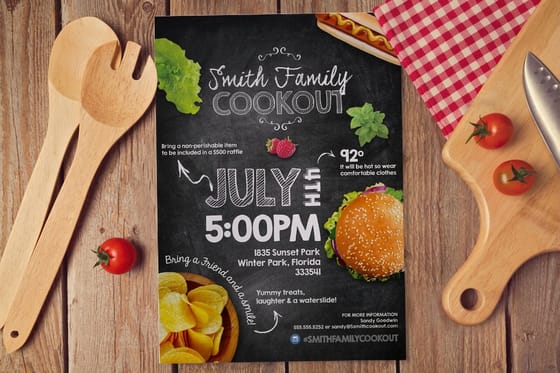
Print earns two of those rows outright. At the top, a mailed piece reaches people who never open promotional email, and a handed-out piece reaches people who were never online in the first place. Standard flyers start at $39.54 and standard postcards at $16.48, which makes a small geographic or list-based test cheap enough to run twice before you judge it. The direct mail mechanics guide covers list selection and postage, the two parts that decide whether that test means anything.
In the comparison stage, paper does something a browser tab cannot: it stays. Standard brochures start at $57.11 and standard booklets at $240.55 for longer work with real product detail. A brochure left after a meeting sits on a desk while the buyer talks to two other suppliers. If you are writing one, brochure content that makes readers act is the practical companion, and the full range sits under brochure printing.
The Handoff Is Where Conversion Actually Happens
Content does not convert. The handoff between two pieces of content converts, and the handoff is a promise plus an ask. Get the promise specific and the ask small enough to be reasonable at that point in the relationship, and the rate climbs without touching a word of the article itself.
A weak handoff sounds like "subscribe for updates". A strong one names what arrives and when: the checklist you just read about, sent as a one-page PDF, today. Same ask, different promise, and the difference usually shows up in the opt-in number within a week. The structural side of this lives on the page rather than in the copy, which is why landing page frameworks are worth reading before you rewrite headlines.
Gating is the trade-off nobody enjoys. Put a form in front of your best piece and readership drops hard, along with the links and shares that made it valuable in the first place. Leave everything open and you finish the quarter with traffic and no list, which means every future message depends on the reader deciding to come back. One gated asset per stage is the compromise most teams land on, and it is a defensible one.
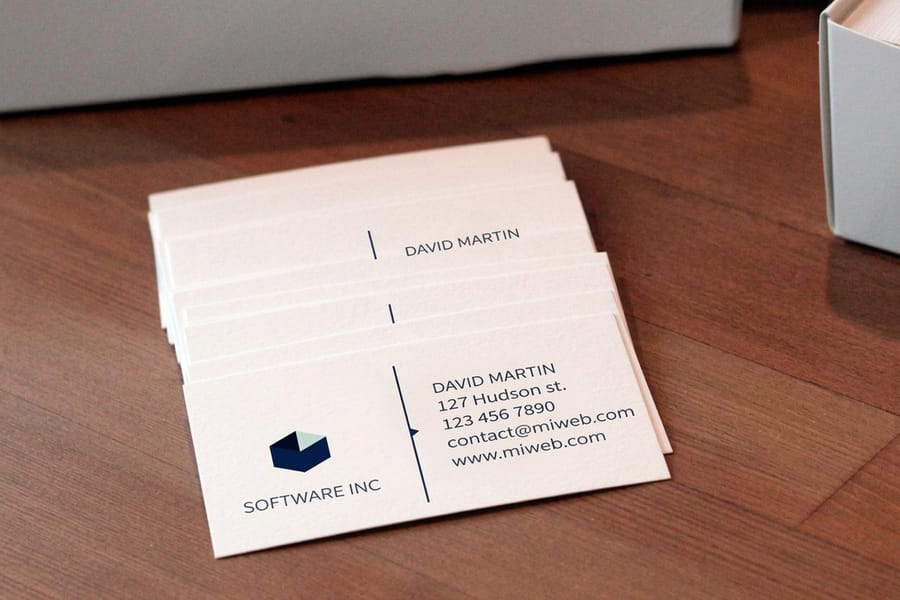
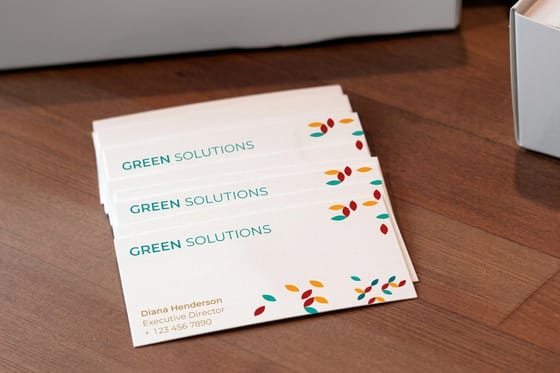
Offline handoffs deserve the same discipline. A card handed over at the end of a conversation is an ask, and "here is my card" is the weakest version of it. Write the next step on the card. Standard business cards start at $17.57, so printing a run with a specific offer on the reverse costs almost nothing against the value of one closed job. The full set sits under business card printing, and the customer experience guide covers what happens after that handoff lands.
Find the Leaking Stage Before You Write Anything New

The instinct when a funnel underperforms is to make more content. It is almost always the wrong move, because a funnel with three healthy handoffs and one broken one produces the same disappointing total as a funnel that is mediocre everywhere, and only the split numbers tell you which one you have.
Count entries and exits for each stage, then read the ratios. Say a thousand people read the top piece, forty give an email, twelve request a sample, and four buy. The four percent opt-in is the stage to fix, and rewriting the sample follow-up would waste a month. In our experience the second handoff leaks most often, and the cause is usually a vague promise rather than thin content.
Two limits are worth naming plainly. First, attribution across print and digital is imperfect, and anyone who tells you otherwise is selling something. A unique URL, a promo code or a dedicated phone number on the printed piece gets you a floor, never the true number, because people look you up by name instead of typing the code. Second, a stage with a small denominator says nothing. Thirty visitors and one opt-in is not a three percent rate, it is noise. Wait for volume or widen the window before you rebuild anything. Content marketing analytics goes deeper into which numbers survive scrutiny.
When the diagnosis points at reach rather than conversion, the fix is a new source of people at the top rather than better middle content. That is the moment a mailed test earns its place, and improving direct mail results plus the direct mail and digital comparison will tell you whether the numbers justify it for your list size. Everything printable for those tests sits in the standard printing collection.
Wally explains the converting funnel
Ten seconds, an address, an hour, then the order
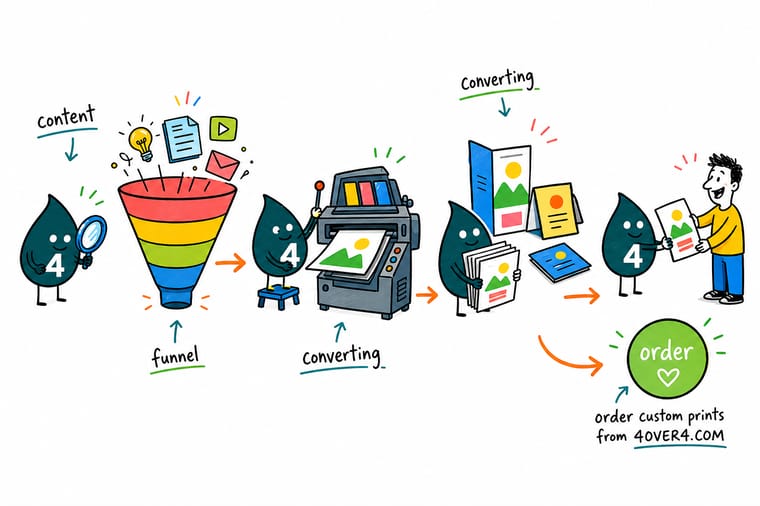
Wally hands a stranger a flyer that costs ten seconds to read. The ones who look get a real answer to a real problem, and he asks for an address in return. The ones who give it get proof, samples and a brochure while they compare him to two other suppliers. Only the ones still there get a price and a date. Every step asks for more than the last, and that is the whole trick. Ask twice for the same thing and everybody stops walking.
Print postcards for your funnel →Specs and pricing
The printed pieces a funnel actually uses
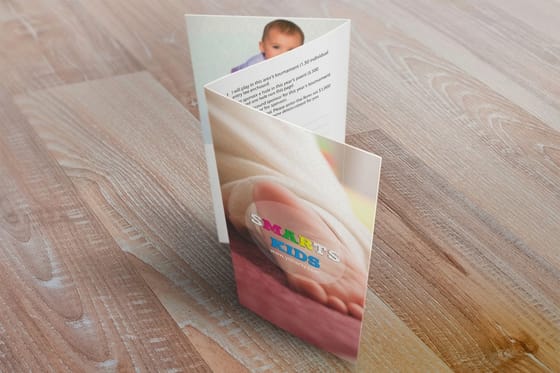
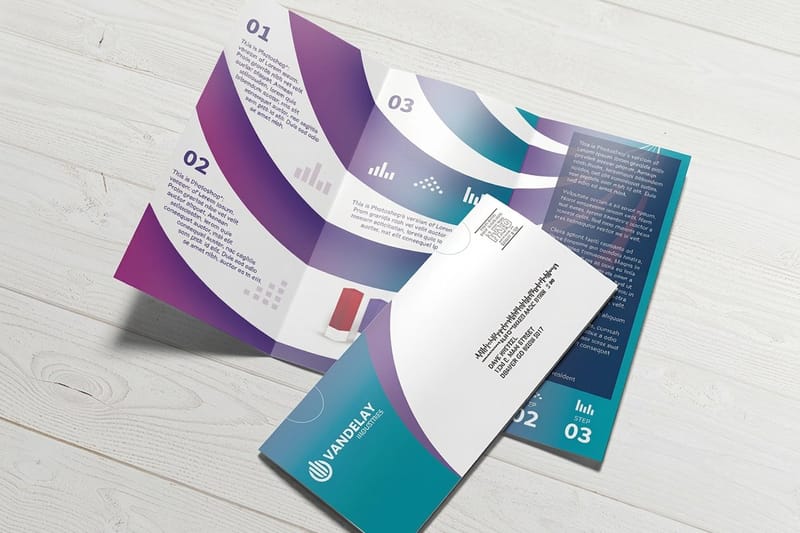
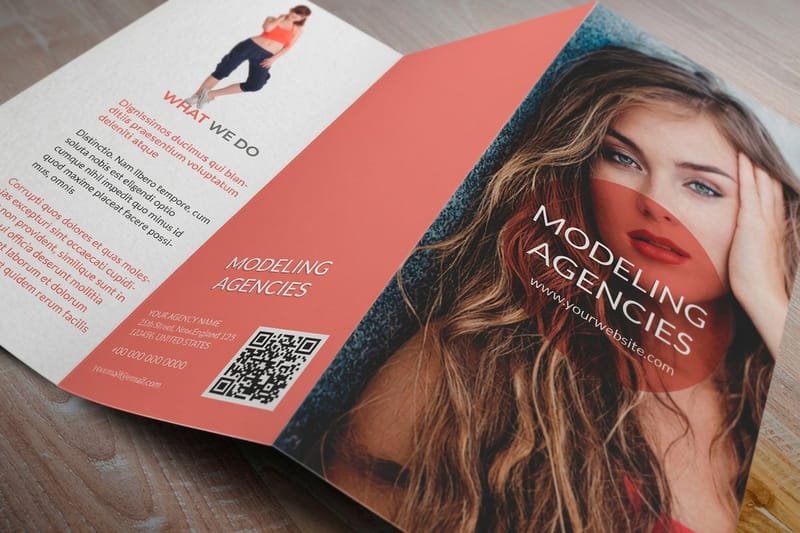
Postcards for the mailed touch, flyers for the handed-out one, brochures for the comparison stage. Live configuration options and starting prices from the 4OVER4.COM configurator.



Print it
Give a stage something the inbox cannot deliver



Explore more
Where to go next

By the numbers
The print partner behind a lot of these funnels
Common Questions
Your content funnel questions, answered
What is a converting content funnel?
It is a sequence of content pieces where each one asks the reader for slightly more than the last, and every piece has a single job. The top asks for attention, the middle asks for contact details and then for time, and the bottom asks for the purchase. What makes it converting rather than decorative is that the asks escalate. A library of good articles that all end the same way is a content library, not a funnel, because nothing in it moves a reader from one commitment to the next.
How many stages should a content funnel have?
Four is enough for most businesses: unaware, interested, comparing, ready. Some teams run five or six because their sale needs a procurement step or a trial. Adding stages only helps when each new stage carries a genuinely different ask. If you cannot say in one sentence what the new stage asks for that the previous one did not, it is a step people drop out of rather than a step that qualifies them.
Should I gate my best content behind a form?
Gate the piece that is worth an email address and leave the rest open. The trade-off is real and it goes both ways. A gate cuts readership hard, often to a fraction of the ungated number, and it kills the search traffic and the shares that made the piece valuable. But an ungated funnel gives you no list, so every future message depends on the reader coming back on their own. The usual answer is one gated asset per stage, with everything else open.
Where does print fit in a digital content funnel?
In the two places email is weakest: the first touch with someone who has never heard of you, and the follow-up with someone who already gave you their address and then went quiet. A mailed postcard reaches a person who never opens promotional email, and a brochure left behind after a meeting survives in a drawer for months. Postcards start at $16.48 at 4OVER4.COM and standard brochures at $57.11, so a middle-stage mailing to a small qualified list is a modest line in a marketing budget.
How do I find the stage that is leaking?
Count the people entering each stage and the people leaving it for the next one, then look at the ratios rather than the totals. The stage where the ratio collapses is your leak. Most of the time it is the second handoff, where a reader who liked one article is asked for contact details without being told what arrives in return. Fix the promise before you rewrite the content.
How long should a funnel take to run?
As long as the purchase takes, which you do not choose. A $30 order can close in one sitting. A $30,000 order involves other people and a budget cycle, so the funnel has to stay useful for months without becoming nagging. Build the sequence around the real decision timeline, then keep sending on a schedule the buyer can tolerate. The mistake is compressing a slow sale into a two week email sequence and calling the silence afterwards a failure of the content.
Get Started
25 booklets cost $240.55 for the bottom of the funnel
Pick a size, upload the artwork, and test a mailed postcard or a handed-out flyer against the stage that is leaking. Start from a correctly sized layout in the blank template library if you are designing it yourself.
Legal Disclaimer
Gold Standard guarantees apply to all standard orders placed through 4over4.com. Price match requires verifiable proof of a competitor's published price for an equivalent product with matching specifications and turnaround time. Satisfaction guarantee covers manufacturing defects and print quality issues. Contact support with order number and documentation. On-time delivery rate based on tracked orders 1999 to 2026. Individual results may vary based on shipping carrier performance.
