
What Goes in a Brochure and What Each Panel Should Say


Six panels, six jobs. Here is what belongs on each one, the order readers actually meet them in, and the panel widths that keep a tri-fold folding flat.
A brochure carries six things: a cover that names the reader's problem, a plain line on what you sell, two or three benefits with proof under them, one offer with a reason to act, and a contact block. On a tri-fold those map to six panels, and the reader meets them in an order the flat file does not show: cover first, then the narrow tuck-in flap, then the three-panel spread, then the back. Lay the copy out in that order and the piece reads itself.
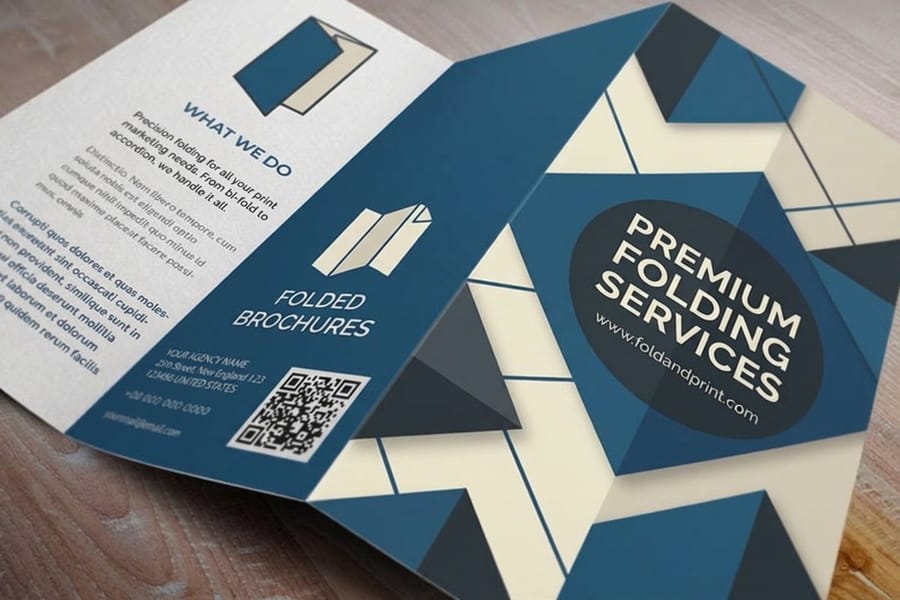
Quick answer
Six panels, and the order a reader meets them
Write a brochure panel by panel, in reading order, not as one block of copy poured into whatever space is left. The cover earns the unfold. The tuck-in flap says plainly what you sell. The three inside panels carry a benefit, a benefit with proof under it, and the offer. The back panel carries contact details, one repeated call to action, and a clear mailing area if the piece goes in the post. The diagram below shows where each of those lands on the flat sheet, and why the panel that folds in has to be cut narrower than the other two.
What a Brochure Is, and the Job Each Panel Has to Do
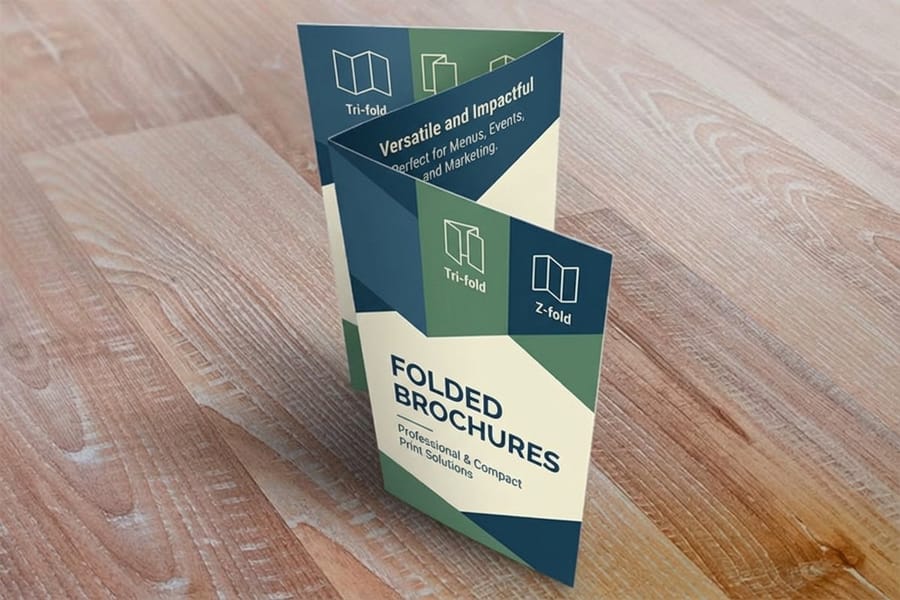
A brochure is a folded sheet, which is what separates it from a flyer and from a booklet. That fold is not decoration. It splits your message into panels the reader meets one at a time, in a fixed order, and each panel gets a few seconds before the next one appears. Write for the sequence and the piece works. Write one long block of copy and pour it into whatever space is left, and it does not.
Here is the content map for a standard tri-fold. Six panels, six assignments, in the order a reader actually meets them.
| Order | Panel | Its one job | What to put there |
|---|---|---|---|
| 1 | Cover | Earn the unfold. | A five to eight word line naming the reader's problem or the result they want. Logo small, near the bottom. |
| 2 | Tuck-in flap | Say plainly what you do. | One or two sentences: what you sell, who it is for, why you and not the other option. |
| 3 | Inside left | Lead with the strongest benefit. | A short headline, two lines of support, and one specific number rather than an adjective. |
| 4 | Inside middle | Back the claim up. | Second benefit with proof under it: a named customer, a photo of real work, a rating, a guarantee. |
| 5 | Inside right | Ask for the action. | One offer, one deadline or reason to act now, one way to redeem it. |
| 6 | Back panel | Make you findable. | Address, phone, site, hours, QR code, and a clear mailing area if the piece gets mailed. |
If your topic does not fit six panels, the fold is the wrong container rather than the copy being too long. A single unfolded side is a flyer, four larger panels is a bi-fold, and anything that needs sections and a contents page belongs in booklets. Our comparison of booklet against brochure against flyer walks through where each one stops making sense.
The Cover Panel, and Why the Logo Should Not Own It
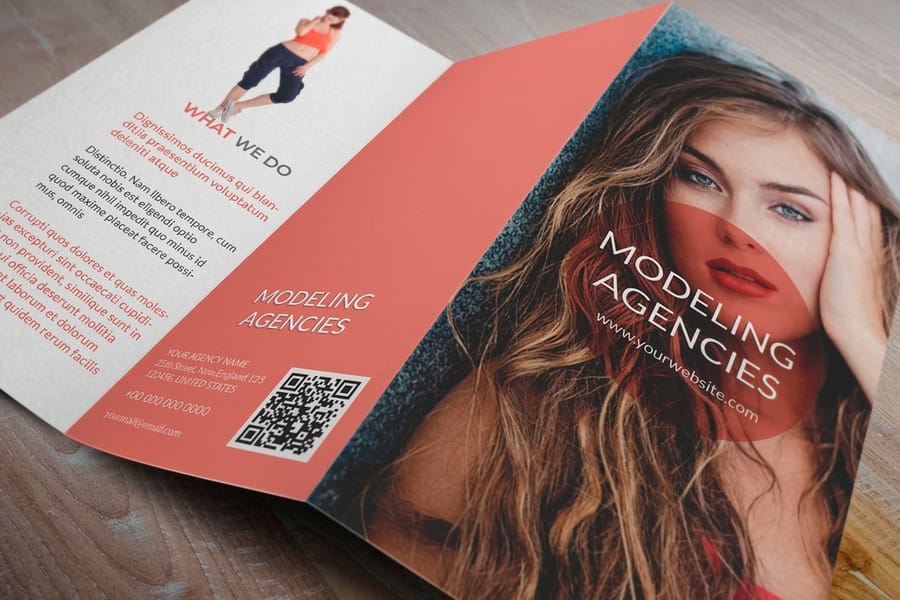
The cover is a door, not a business card. Someone picks the brochure off a counter or pulls it out of an envelope and decides in about a second whether to open it. A centered logo on white gives them nothing to decide with, because no one has ever unfolded a sheet of paper to learn a company name.
Write the cover line as a promise or a problem, in the reader's own words. "Cut your monthly print spend without cutting quality" works. "Excellence in printing since 1999" does not, because it survives having the subject swapped for any other business, which is the test for filler. Keep it to five to eight words so it reads at arm's length, set it large, and give it room. One image, one line, a small logo at the bottom: that is a finished cover.
Two things quietly ruin covers. The first is a photo with important detail near the outer edge, which the trim can shave off. The second is type running close to the fold. Keep live text at least a quarter inch inside every trim edge and fold line, and check the whole file against the bleed, cut line and safety checklist before you upload. Starting from a correctly sized folded brochure template removes both problems at once.
The Inside Spread, Where Benefits Need Proof Underneath
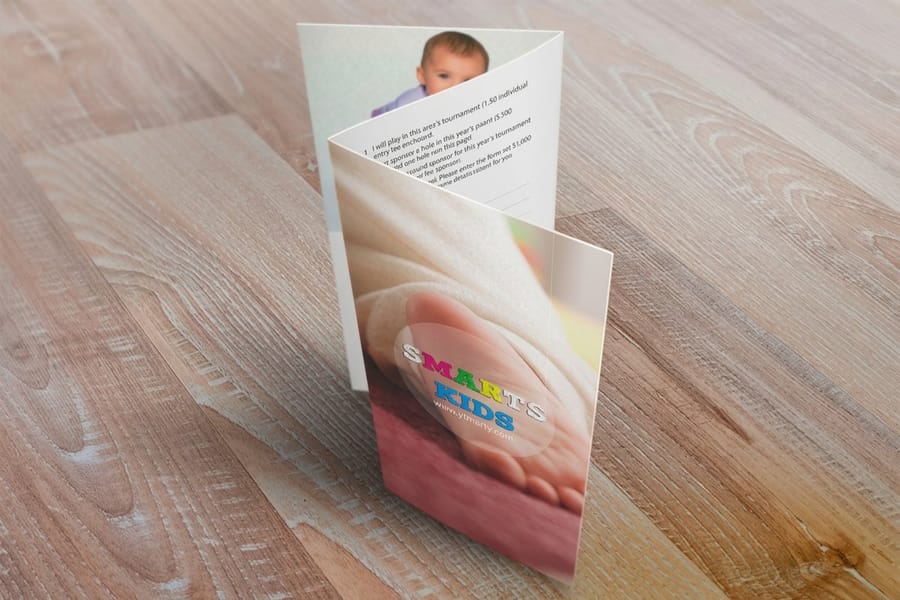
Once the brochure is fully open you have all three inside panels in view at once, and this is the only moment in the piece where a reader is giving you their full attention. Do not spend it on company history. Spend it on what changes for them.
Give each panel one idea. Panel three carries the benefit that matters most, written as a short headline with two lines under it and one concrete number in place of an adjective: a turnaround in days, a price, a quantity, a size. Panel four carries the second benefit and, directly beneath it, the proof. Proof is a named customer, a photograph of work you actually did, a rating with the count next to it, or a guarantee you will honour. A benefit with nothing under it reads as a claim, and readers discount claims automatically.
Panel five asks. One offer, one reason to act now, one route to redeeming it, and a code or QR that tells you the brochure produced the response. Point the code at the exact page the offer lives on, not the home page, and read our notes on QR codes on flyers, brochures and postcards for the minimum size that scans reliably off a folded panel.
- Cut anything that is true of every competitor. If the sentence still reads correctly with a rival's name in it, it is not selling for you.
- Write to one reader, not a market. Second person, singular. "You get proofs back the same day" beats "clients enjoy rapid proofing".
- One idea per panel. Two competing headlines on one panel means neither gets read.
The Back Panel, the Call to Action, and the Mailing Area
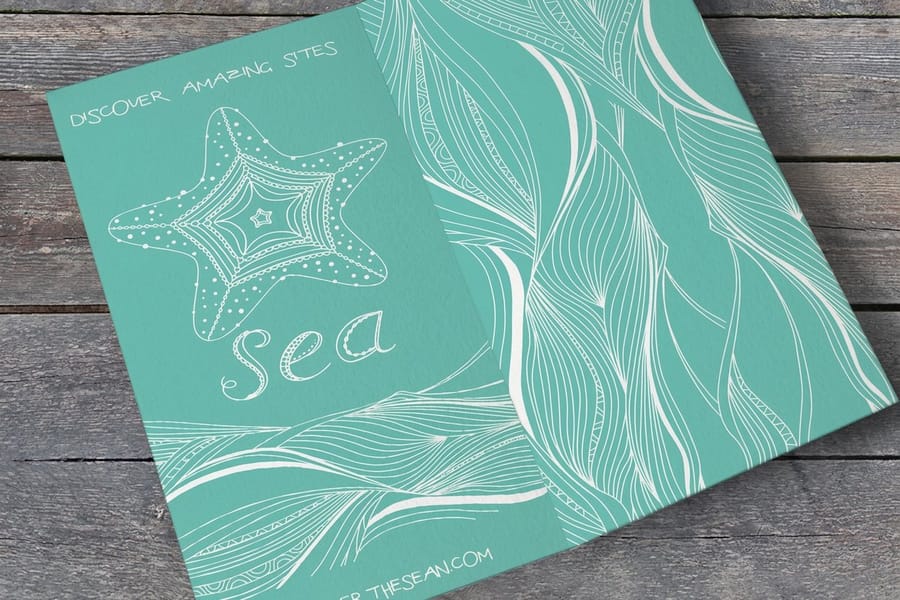
The back panel is the one people photograph, so treat it as the reference card for everything else in the piece. Company name, street address, phone, website, hours where they matter, and a QR code sized to scan from a folded panel. That is the whole list. Resist the temptation to fill leftover space with more selling copy, because a crowded back panel makes the contact details harder to find and costs you the response you already earned.
If the brochure is going in the mail as a self-mailer, the back panel becomes regulated space. The lower right of that panel has to stay clear for the address block, the indicia and the barcode, and the piece needs a tab or wafer seal so it does not open in the sorting equipment. Sizing and sealing rules are worth reading before you lay anything out, and how to mail brochures covers what the postal side expects. When a campaign is mostly about the mailing rather than the folding, postcards often deliver the same message with less to go wrong.
One habit saves reprints: put the same call to action on panel five and on the back panel, worded the same way. A reader who skims the spread and flips straight to the back should still find the ask.
Tri-Fold and Bi-Fold Read in Completely Different Orders
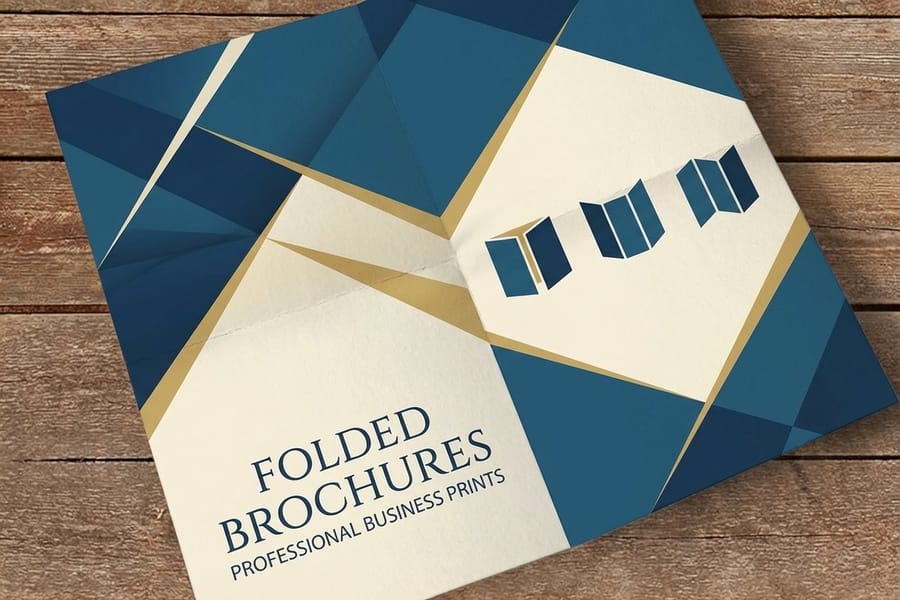
The fold you choose changes what the reader sees first, how much you can say in one view, and how the flat file has to be laid out. Three folds cover most jobs.
| Fold | Panels | What comes after the cover | Content it suits |
|---|---|---|---|
| Letter (tri-fold) | 6 | The narrow tuck-in flap, then the full three-panel spread. | A sequence: problem, benefits, proof, offer. Six short beats, one per panel. |
| Half fold (bi-fold) | 4 | A full two-panel spread straight away, no intermediate step. | One big idea, larger images, menus and price lists that need width. |
| Roll fold | 8 or more | Each panel reveals the next, one at a time. | Step-by-step processes and timelines, where order genuinely matters. |
The practical difference is the reveal. A tri-fold gives you a two-stage open, so you can hold something back for the flap panel and let the spread pay it off. A bi-fold opens flat in one movement, which suits a single strong image and a price list far better than a narrative. A roll fold rewards content that is genuinely sequential and punishes content that is not, because a reader who has to unfold four times to reach the offer usually stops at two.
Panel widths change with the fold, and so does the allowance for panels that tuck in. Both are worked out in choosing the right fold and in standard brochure sizes and folds. When in doubt, fold a blank sheet by hand and write the panel names on it before you open the design file.
Images, Type Size, and the White Space That Keeps It Readable
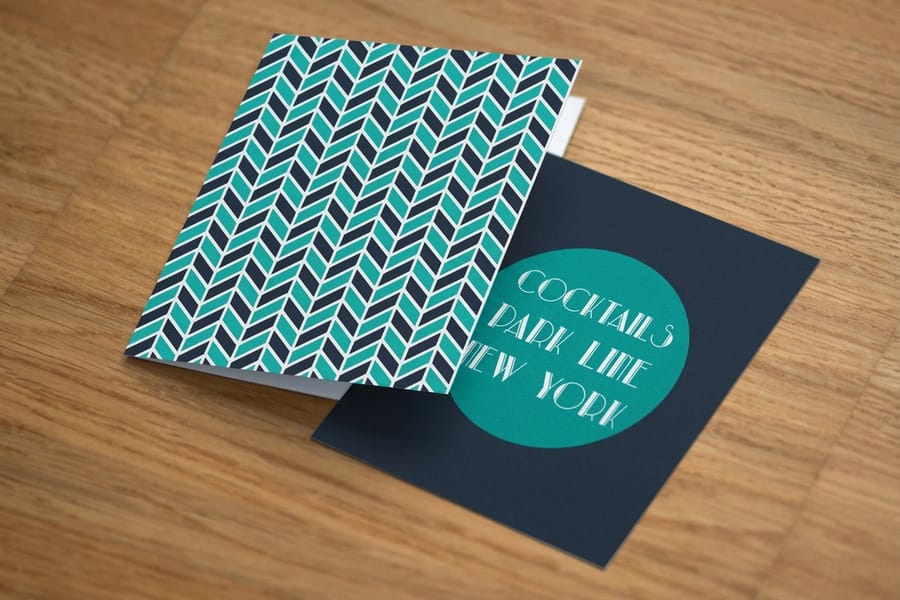
A brochure panel is narrow, so layout mistakes that survive on a poster are fatal here. Body copy below about 9 point becomes hard work on a folded panel held at arm's length, and 10 to 11 point with generous line spacing reads far better than squeezing in another sentence. Keep line length inside roughly 40 characters per line, because a full-width line across a 3.6875 inch panel with small type is uncomfortable to track.
Use fewer, larger images. One strong photograph per panel beats three thumbnails, and a photo that crosses a fold needs the important part of the subject kept away from the crease, since the fold will always land slightly off on some sheets in the run. Photographs of your actual work outperform stock, and they double as the proof that panel four needs.
White space is not wasted paper. Margins of at least a quarter inch inside the trim, a clear gap either side of every fold, and a visible break between headline and body are what make six panels feel organised rather than crammed. Stock matters here too: heavier cover stock cracks along the fold unless it is scored first, while text weight folds cleanly and mails at lower weight. The trade-offs are laid out in the best paper types for brochure printing.
Getting the File Print Ready Without Paying for a Reprint

Most brochure reprints come from three things, and all three are avoidable in about ten minutes. Type too close to a fold. Panels laid out in reading order instead of sheet order. And a tuck-in panel cut the same width as the others, which buckles at the second fold.
Work from a template with the panels and fold lines already in place, set your bleed at an eighth of an inch on every outside edge, and keep live text a quarter inch clear of both trim and folds. Convert fonts to outlines, supply artwork at full size, and export in CMYK so nothing shifts on press. Print the flat file at 100 percent on plain paper, fold it by hand, and read it in order before you upload. That paper dummy catches panel-order mistakes that no on-screen check ever will.
When the file is ready, folded brochures start at $57.11 with the fold included, and standard brochures start at the same price if you want to compare stocks and sizes side by side. The full range of folds, flat sizes and coatings sits on our brochure printing page, and the tri-fold explained guide covers the panel geometry one more time if you want to check your maths before uploading.
Wally maps the panels
Cover, flap, spread, back, in that order
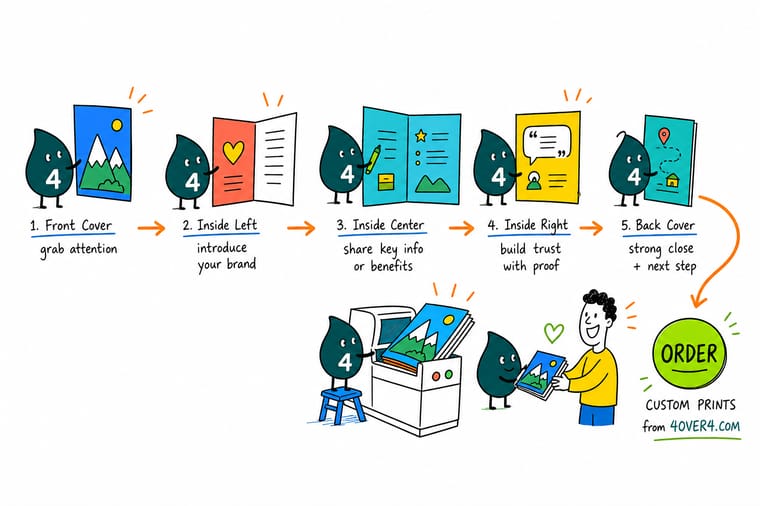
Wally folds a blank sheet before he writes a word. The cover gets one short line that makes you open it. The narrow flap underneath tells you what he sells. Open it fully and the three panels give you a benefit, then proof, then the offer. The back panel is the contact card, with the mailing corner left empty. He cuts the tuck-in panel one sixteenth narrower so the second fold sits flat instead of buckling.
Print folded brochures →Specs and pricing
Brochure formats, sizes, and starting prices
Compare the folded formats side by side, with live configuration choices and starting prices straight from the 4OVER4.COM configurator.


Print it
Print the brochure once the panels are written
Explore more
Where to go next

By the numbers
Brochure printing you can count on at 4OVER4
Common Questions
Your brochure content questions, answered
How much text actually fits in a brochure?
Less than most first drafts contain. A tri-fold panel measures about 3.6875 by 8.5 inches, and once you allow a headline, an image, and half-inch margins you are left with room for roughly 80 to 100 words at 10 point. Across six panels that is 400 to 500 words for the whole piece. If your copy runs past that, the honest fix is to cut, move to a bi-fold with four larger panels, or step up to a stitched booklet where page count is not the constraint.
What goes on the back panel of a tri-fold brochure?
Contact details and one call to action, nothing else. Company name, address, phone, website, hours if they matter, and a QR code pointing at the specific page you want people on rather than the home page. If the brochure will be mailed as a self-mailer, keep the lower right of that panel empty for the address block, the indicia and the barcode. Crowding that area is the most common reason a mailing gets kicked back.
Should the cover have the logo or a headline?
Headline first, logo small. The reader is deciding in about a second whether to unfold the sheet, and a company name gives them no reason to. A line like "Cut your monthly print spend without cutting quality" gives them one. Put the logo at a readable size near the bottom of the cover panel, where it confirms who is talking after the headline has done the work.
Why does the flat tri-fold file look out of order?
Because the panels do not print in reading order. On the outside of the flat sheet, left to right, you have the tuck-in flap, the back panel, and the cover. On the inside you have the three panels of the open spread. A reader meets them as cover, flap, spread, back. Lay the file out on the sheet, not in the order you wrote the copy, and check it against a folded paper dummy before you send it.
Do brochure panels have to be equal width?
No, and on a letter fold they must not be. The panel that folds in first has to clear the second fold, so it is cut about one sixteenth of an inch narrower: 3.625 inches against 3.6875 for the other two on an 8.5 by 11 sheet. Equal thirds produce a panel edge that catches at the crease and a fold that will not sit flat. A roll fold with four or more panels needs the same allowance, growing on each inner panel.
What do brochures cost to print?
Standard Brochures start at $57.11 at 4OVER4.COM and Folded Brochures start at $57.11, which covers a short run on coated stock with the fold included. Standard Flyers start at $39.54 if you decide the content fits on one unfolded side, and Standard Booklets start at $240.55 once the copy genuinely needs pages rather than panels. The fold itself is rarely the expensive part; quantity, stock weight and turnaround move the number far more.
Get Started
Panels written? Let us fold them.
Pick your flat size, fold and stock, upload the file, and we score and fold every sheet so the creases land where your layout says they should.
Legal Disclaimer
Gold Standard guarantees apply to all standard orders placed through 4over4.com. Price match requires verifiable proof of a competitor's published price for an equivalent product with matching specifications and turnaround time. Satisfaction guarantee covers manufacturing defects and print quality issues. Contact support with order number and documentation. On-time delivery rate based on tracked orders 1999 to 2026. Individual results may vary based on shipping carrier performance.
