
How Marketing Funnels Work and Where Print Wins


A marketing funnel maps how a stranger becomes a customer. The stages work in order, and physical print outperforms digital at the two ends where attention is hardest to win.
A marketing funnel is the path from awareness to purchase, narrowing at each stage. Digital does the middle well, but print wins at the two ends: a direct-mail postcard grabs attention at the top, and a brochure or leave-behind keeps you present at the decision. Each stage gets the physical piece built for it.

Start here
The funnel, with print at every stage
A marketing funnel narrows an audience from awareness to purchase, and each stage calls for a different message. The diagram below shows the stages and marks where print, direct-mail postcards, brochures, and leave-behinds, does work that digital cannot.
What a marketing funnel actually is
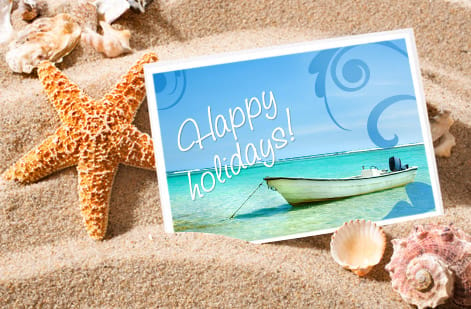
A marketing funnel is a simple way to picture how a stranger becomes a customer. It maps the path someone takes from the first moment they hear about you, through the stage where they weigh their options, to the point where they buy, and ideally to buying from you again. It is drawn as a funnel because the crowd thins out at each step.
That narrowing is the whole point. Plenty of people become aware of a business, fewer pay real attention, fewer still seriously consider buying, and a smaller group actually purchases. Knowing which stage a given person sits in tells you exactly what they need to hear next, which is the difference between a message that lands and one that gets ignored.
Print fits this model naturally. A direct-mail postcard is built to win attention at the top, while a brochure is built to persuade in the middle. Throughout this guide we will place the right physical piece at the right stage, because a funnel is only useful when each step has a job and a tool to do it.
Why funnels matter for your marketing

The single biggest reason funnels matter is that they stop you from sending the same message to everyone. A person who has never heard of you needs a reason to notice, while a prospect deciding between you and a competitor needs a final nudge. Treat them the same and you waste budget on one and lose the sale on the other.
Mapping the funnel also shows you where people drop off. If plenty become aware but few consider buying, the problem is in the middle, and that is where to focus your effort and spend. Without the map, you are guessing at which part of your marketing is leaking.
Finally, the funnel reveals where a specific channel shines. Some stages are won cheaply online, but the two ends, grabbing attention at the top and closing at the bottom, are where a physical, hard-to-ignore piece outperforms a crowded inbox. A mailed brochure that lands at home does work an email cannot.
The stages of the marketing funnel
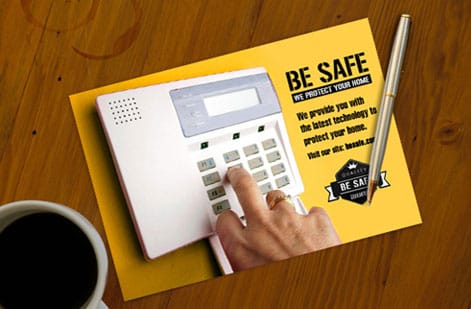
Most funnels break into a handful of stages, each defined by the question in the prospect mind. Naming them makes the whole model actionable.
- Awareness. The person first learns you exist. The job here is simply to be noticed, which is why a mailed postcard that lands physically in the home works so well.
- Interest. They start paying attention and want to learn a little more. A flyer or rack card gives them something tangible to keep.
- Consideration. They compare you against alternatives. A brochure has the room to explain your full offer and answer objections.
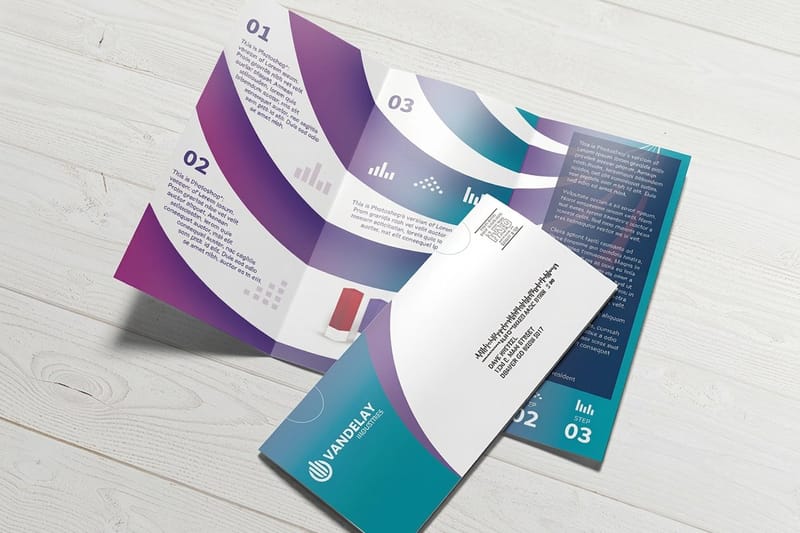
- Intent. They lean toward buying. A targeted mailed brochure reaches these warm prospects with the detail they need.
- Evaluation. They check the final details before committing. A clear, credible printed piece removes the last doubts.
- Purchase. The sale happens. A printed coupon or a leave-behind can tip the final decision.
After purchase, a loyalty stage keeps the relationship alive with follow-up mailers and thank-you cards. Each stage calls for a different message, because the person moving through it has a different thing on their mind.
Where print beats digital, stage by stage
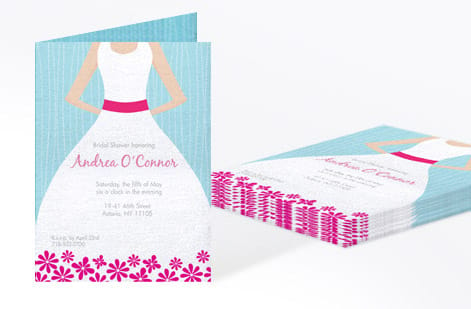
Digital marketing is fast, cheap to test, and easy to measure, and it does real work in the middle of the funnel. But it has two weak points that print is uniquely good at covering: winning attention at the very top and staying present at the very bottom.
At the top, a direct-mail postcard reaches a whole neighborhood and lands in the home, where it gets noticed in a way a cold email in a crowded inbox rarely does. It sits on a counter for days instead of vanishing with a scroll, and its physical presence signals a real, established business, which builds trust before a word is read.
At the bottom, a brochure or a card left in a prospect hand keeps you in the room after the conversation ends, exactly when the decision is being made. Digital messages compete for a distracted screen; a printed leave-behind sits on the desk as a quiet, constant reminder. Used at these two ends, print does not replace digital, it covers digital blind spots.
Print the pieces that fill your funnel
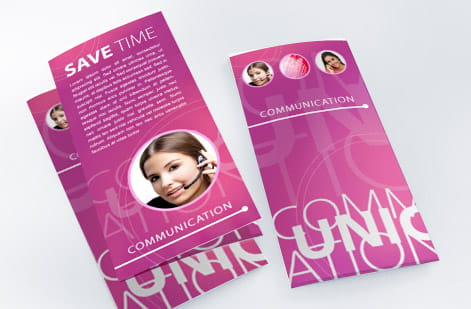
Putting this into practice is a matter of assigning one physical piece to each stage that needs it, then printing them as a set. Start where print earns the most: a direct-mail postcard to win awareness and a brochure to close consideration.
For the mailed pieces, target the list carefully, by area for broad awareness or by known prospects for warmer stages, so each piece reaches the right homes. Put a unique code, URL, or offer on every format so you can measure which stage and which piece pulls the strongest response, then reinvest where it works.
Use the live specs and pricing panel below to choose the size, stock, and quantity for each piece, and watch the price update as you go. When your funnel set is ready, order it together so awareness, consideration, and the close each have a physical touchpoint doing its job.
Wally fills the funnel with print
Digital does the middle, print wins the two ends
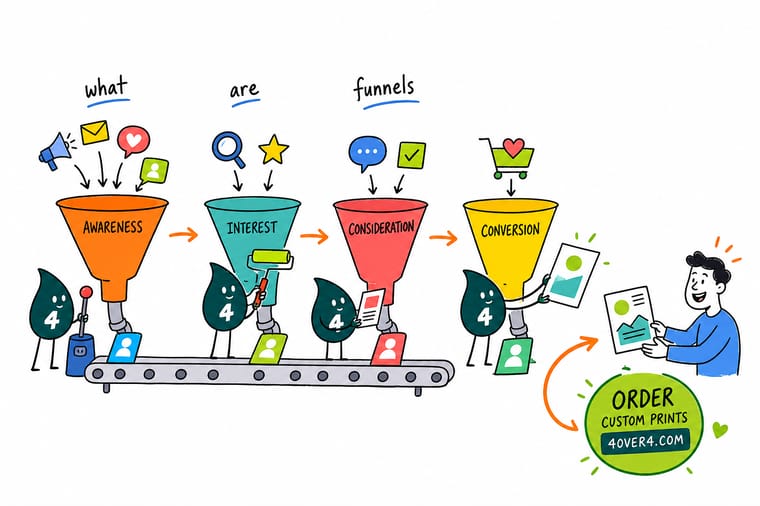
Wally knows a cold email vanishes with a scroll, so he mails a postcard to win attention at the top, hands over a brochure to explain in the middle, and leaves a card in hand to close at the bottom. Each stage gets the piece built for it, and each carries a code so he can measure the response. Order the set together and 4OVER4 prints a funnel that keeps you present exactly where digital goes quiet.
Print your direct mail →Quick reference
Funnel stage to print, at a glance
A fast map from each funnel stage to the print piece built for it, so every step has a physical touchpoint doing its job.
| Stage | Print piece | Why it wins here |
|---|---|---|
| Awareness | Direct-mail postcards | A physical mailer reaches a whole ZIP code and lands in the home, where it gets noticed far more than a cold email. |
| Interest | Flyers + rack cards | Handouts and leave-behinds give an interested prospect something tangible to keep and revisit. |
| Consideration | Brochures | A brochure has room to explain the full offer and answer objections when someone is comparing options. |
| Intent | Direct-mail brochures | A targeted mailed brochure reaches warm prospects at home with the detail they need to decide. |
| Purchase | Coupons + leave-behinds | A printed offer or a card in hand tips the final decision and stays present after the pitch ends. |
| Loyalty | Thank-you cards + mailers | A physical follow-up brings past buyers back and turns a single sale into a repeat relationship. |
Step by step
Build a print-backed funnel in 7 steps
- Map your funnel stages Write out how a customer actually moves toward you, from first awareness through interest, consideration, intent, and purchase. Name each stage in your own words.
- Identify where attention is hardest to win Find the stages where digital messages get ignored, usually the very top and the final decision, since those are where print earns its place.
- Choose a print touchpoint per stage Assign a physical piece to each stage that needs it: a direct-mail postcard for awareness, a brochure for consideration, a leave-behind for the decision.
- Target the mailing list For direct mail, define the audience by area or by known prospects so the piece reaches the right homes rather than being sprayed at everyone.
- Match the message to the stage A postcard introduces, a brochure explains, a coupon closes. Write each piece for the mindset of the person receiving it at that point.
- Print and send Order the pieces, drop the mail, and hand out the leave-behinds so each stage of the funnel has its physical touchpoint working.
- Measure and refine Track responses with a unique code, URL, or offer on each piece, then double down on the stages and formats that pull the strongest response.
Specs and pricing
Direct-mail postcard specs and live pricing
The mailer wins attention at the top of the funnel. Here are the live specs and price-per-order for direct-mail postcards at 4OVER4.COM, straight from the configurator.

| Quantity | Price Per Unit | Total |
|---|---|---|
| 500 | 17.9¢ | $89.68 |
| 1,000 | 17.1¢ | $170.53 |
| 2,000 | 9.35¢ | $186.95 |
| 3,000 | 6.84¢ | $205.13 |
| 4,000 | 5.58¢ | $223.31 |
| 5,000 | 4.83¢ | $241.51 |
| 6,000 | 4.56¢ | $273.85 |
| 7,000 | 4.37¢ | $306.18 |
Print it
Ready to print the pieces that fill your funnel?
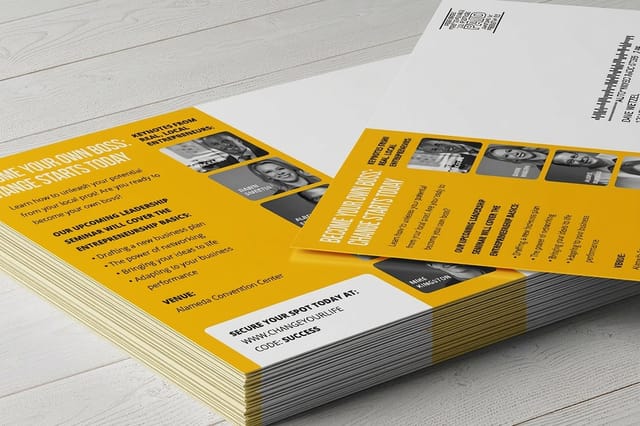
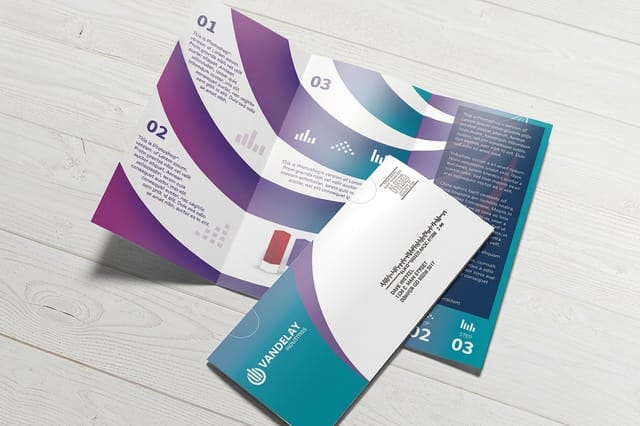
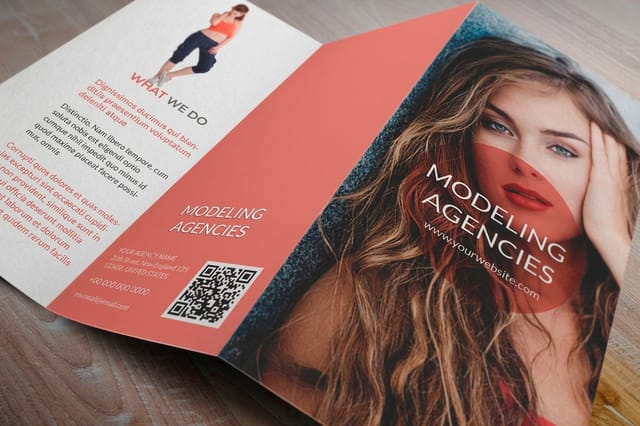
See it in use
Real direct-mail print, made in-house




Explore more
Where to go next

By the numbers
Funnel pieces from 1,000+ custom products
Common Questions
Common questions about marketing funnels
What is a marketing funnel?
A marketing funnel is a model of the path a person takes from first hearing about your business to becoming a customer, and often to buying again. It is drawn as a funnel because the audience narrows at each stage: many people become aware of you, fewer show interest, fewer still seriously consider buying, and a smaller group actually purchases. The funnel is useful because it tells you what someone needs at each point. A stranger at the top needs a reason to notice you, while a warm prospect near the bottom needs a final nudge to decide.
What are the stages of the marketing funnel?
The classic stages are awareness, interest, consideration, intent, evaluation, and purchase, sometimes simplified to top, middle, and bottom of funnel. Awareness is when someone first learns you exist. Interest is when they start paying attention. Consideration is when they compare you against alternatives. Intent and evaluation are when they lean toward buying and check the final details. Purchase is the sale itself, and many marketers add a loyalty stage after it for repeat business. Each stage calls for a different message, because the person moving through it has a different question in mind.
Why are marketing funnels important?
Funnels matter because they stop you from sending the same message to everyone. A person who has never heard of you and a person deciding whether to buy need completely different things, and treating them the same wastes budget and loses sales. Mapping the funnel shows you where prospects drop off, which tells you where to focus. It also reveals where a particular channel shines. Some stages are won cheaply online, while others, especially grabbing attention at the top and closing at the bottom, are where a physical, hard-to-ignore piece of print outperforms a crowded inbox.
Where does print beat digital in the marketing funnel?
Print wins most clearly at the two ends of the funnel. At the top, a direct-mail postcard reaches a whole neighborhood, lands physically in the home, and gets noticed in a way a cold email rarely does, which makes it strong for awareness. At the bottom, a brochure or a card left in a prospect hand keeps you present after the conversation ends, exactly when the decision is being made. Print is also trusted: a tangible piece signals a real, established business, and it sits on a counter for days rather than vanishing with a scroll.
What printed pieces work best at each funnel stage?
Match the format to the mindset. For awareness, direct-mail postcards reach a broad local audience at home. For interest, flyers and rack cards give people something to keep. For consideration, a brochure has the room to explain the full offer and answer objections. For intent, a mailed brochure reaches warm prospects with the detail they need. For purchase, a printed coupon or leave-behind tips the final decision. And for loyalty, a thank-you card or follow-up mailer brings past buyers back. Each piece is built for one stage rather than trying to do everything.
What does direct-mail and brochure printing cost, and how are prices set?
Pricing scales with quantity, size, paper stock, and finish. A larger mailing lowers the per-piece cost, a heavier stock or a special finish raises it, and a full-color brochure with multiple panels is priced differently from a simple postcard. You configure each product and the price updates live as you choose the specs, so you can size a direct-mail campaign or a brochure run to your budget. Because print earns its keep at the stages where attention is hardest to win, even a modest run placed at the right point in the funnel can pay for itself.
Get Started
500 direct mail brochures cost $238.73, or 48 cents each
Choose the size, stock, and quantity for each piece at 4OVER4.COM and watch the price update live. Order postcards, brochures, and leave-behinds together so print covers the stages digital misses.
Legal Disclaimer
Gold Standard guarantees apply to all standard orders placed through 4over4.com. Price match requires verifiable proof of a competitor's published price for an equivalent product with matching specifications and turnaround time. Satisfaction guarantee covers manufacturing defects and print quality issues. Contact support with order number and documentation. On-time delivery rate based on tracked orders 1999 to 2026. Individual results may vary based on shipping carrier performance.
