
The 14-Piece Nonprofit Outreach Suite That Launches Your Mission
A nonprofit opening its doors has one chance to introduce itself to the neighborhood. These are the fourteen print pieces that carry the introduction, in the order the mission actually moves: announce, welcome, explain, and keep showing up.
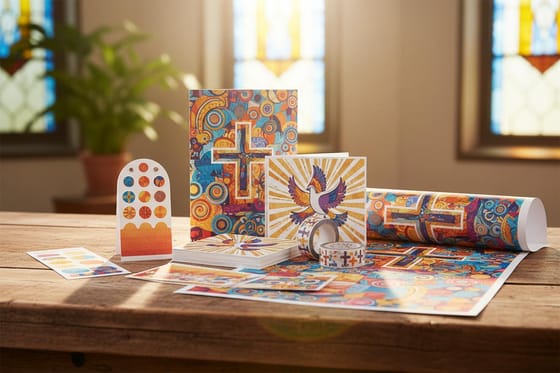
The nonprofit outreach grand-opening suite is fourteen print pieces that carry a new organization: flyers, postcards, banners, and posters announce the opening, brochures, business cards, yard signs, volunteer tees, buttons, and stickers work the opening day, event tickets sell the launch, and newsletters, branded envelopes, and letterhead turn first visits into repeat supporters and funded appeals.
The picks
Fourteen mission pieces, from $16.48 postcards to $142.99 envelopes
Postcards at $16.48 and flyers at $39.54 go out first, while the space is still being set up. These are the fourteen products in the suite, numbered in the order a new organization needs them, each priced live from the configurator. Use one logo file so your flyer matches your reply envelope, then read on for what each piece actually does.
Design and print help
The same logo on paper, vinyl, cotton and a 1.25 in button
Donors trust organizations that look organized. Lock the logo and colors once in the designer or a template, then carry them from a 4 in x 6 in postcard and an 8.5 in x 11 in letterhead to a vinyl banner, a volunteer tee and a small round button, and check the ink on a free proof before a thousand postcards mail.
How they work together
Announce, open the doors, keep showing up
Each piece owns a stage. Print the whole sequence and the announcement, the opening day, and the year of follow-up all keep working for the mission.
Announce the opening while the paint dries. Flyers and posters cover the community boards and lobbies, the banner announces the date to the whole street, and postcards reach the mailboxes of the exact blocks you plan to serve.
Every visitor leaves with the story. Brochures explain the mission, business cards connect people to a real person, tickets sell the launch event, yard signs route the crowd, and tees, buttons, and stickers turn attendees into visible supporters.
The follow-through most new organizations skip. Newsletters keep the mission in living rooms, branded envelopes carry the appeal letters that fund year two, and letterhead makes every thank-you and grant letter read as established.
1. Flyers: the announcement that works while you unpack
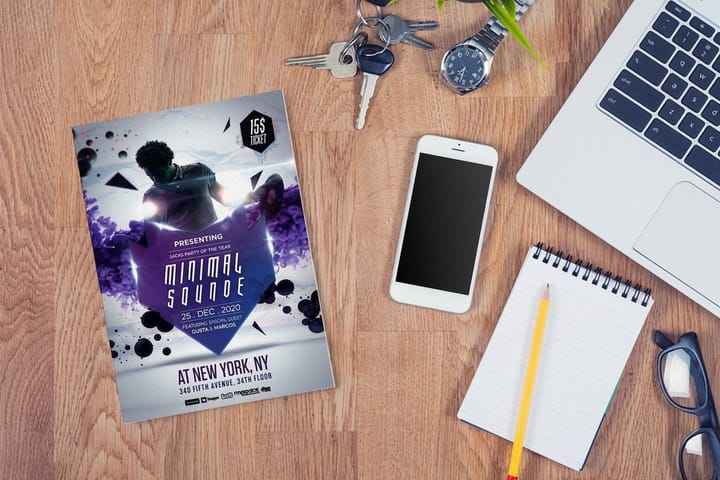
Weeks before a grand opening, a new nonprofit has no audience, no list, and no foot traffic. What it has is a neighborhood full of bulletin boards: libraries, churches, laundromats, grocery stores, community centers. A flyer on each of those boards is the least expensive introduction you will ever print, and it works around the clock while you set up the space.
Keep it to one message: what you do, when the open house is, and where. The design discipline in how to design flyers applies doubly for a cause, because a cluttered flyer reads as a disorganized organization. For placement, the rundown of where to leave flyers locally maps almost one-to-one onto nonprofit outreach.
Print more than feels necessary. Boards turn over weekly, and the flyer that stays up through opening day is the one you rehung twice.
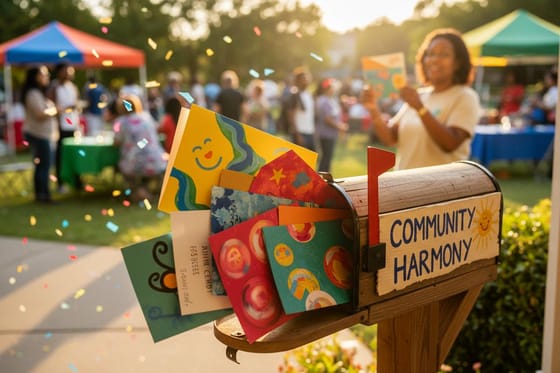
2. Nonprofit postcards: every mailbox on the blocks you serve
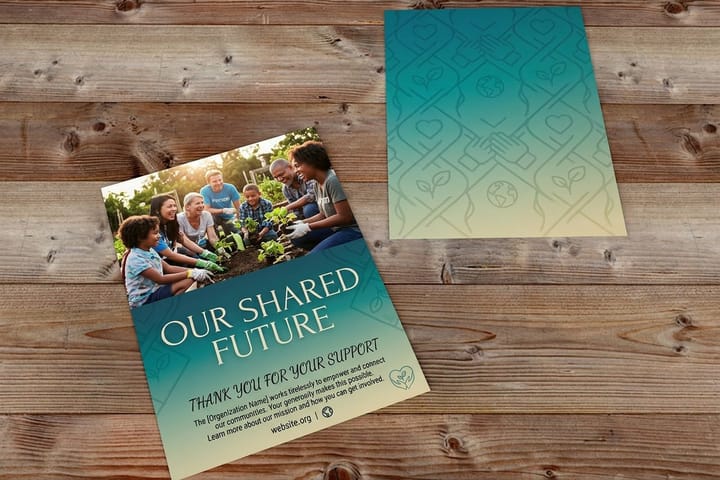
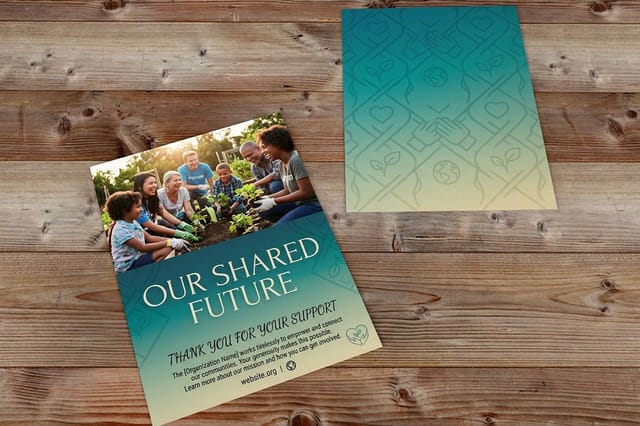
A postcard needs no envelope, no opening, no decision. The message is read in the two seconds between mailbox and recycling bin, which makes it the ideal format for a simple announcement: we are opening, here is the date, come see what we do. For the price, nothing else puts your name into that many homes before launch.
Postcards keep working after the opening too. A thank-you card to everyone who attended, a reminder before the first fundraiser, a photo card showing the mission in action. The results in how a nonprofit doubled donations with direct mail show what disciplined cards can do, and the direct mail fundraising benchmarks put numbers behind it.
One picture of a real person helped, one sentence, one date, on a 4 in x 6 in card that costs $16.48 for 50.
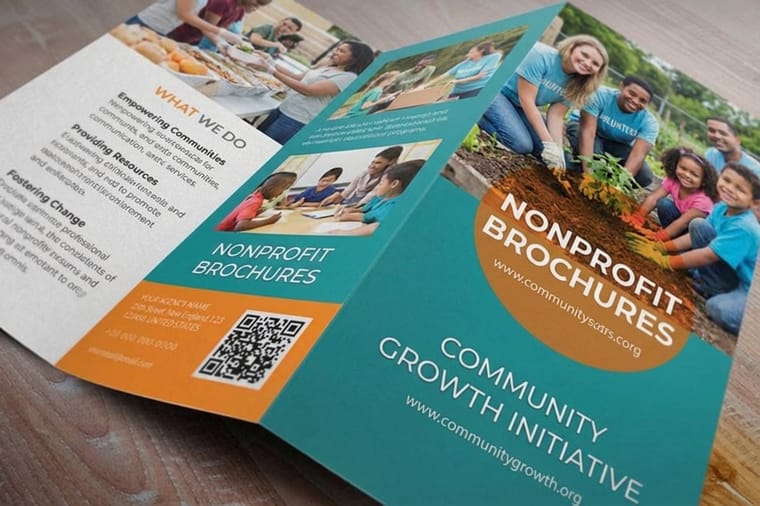
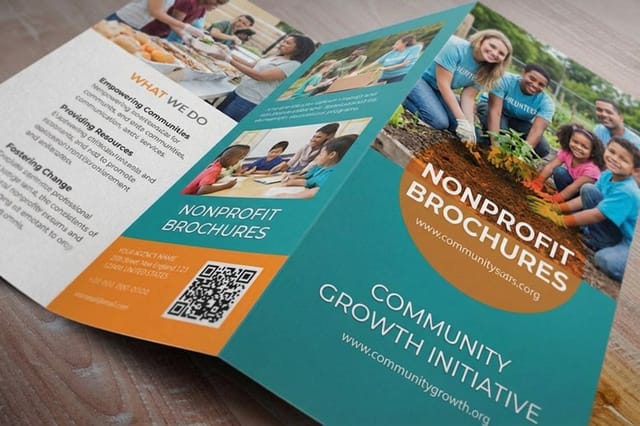
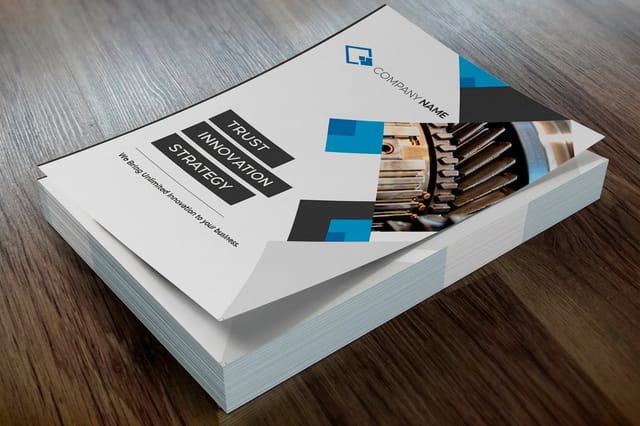
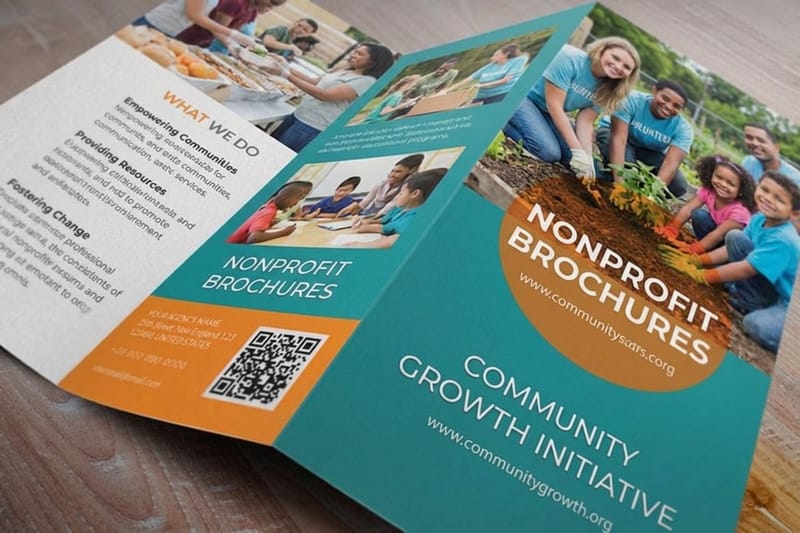
3. Nonprofit brochures: the mission, told the same way every time
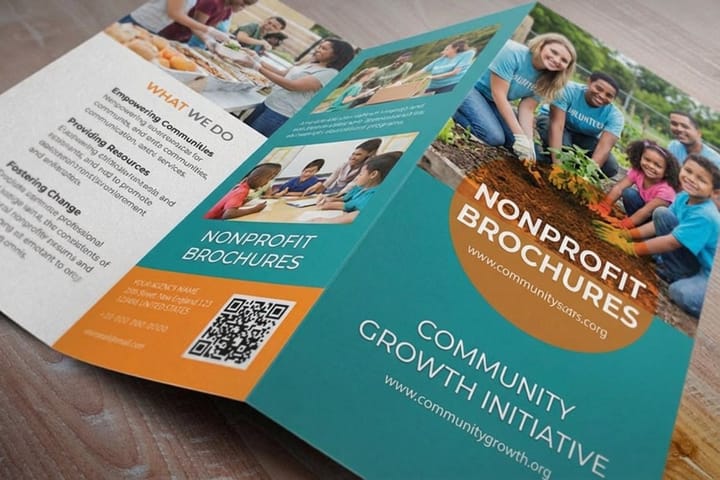
On opening day you will tell the story of your organization fifty times, and by the afternoon the tellings will drift. A brochure does not drift. It presents the mission, the programs, and the ways to help in the same order, with the same photos, to every single visitor, and then it goes home with them to be retold at kitchen tables you will never sit at.
Structure it as a walk: the problem, what you do about it, proof it works, how to join in. If you are weighing formats, flyers vs brochures vs booklets settles which piece carries which job, and the full nonprofit printing collection has companion pieces when programs expand.
Stack them everywhere a conversation ends: the welcome desk, the exit table, the partner office across town.
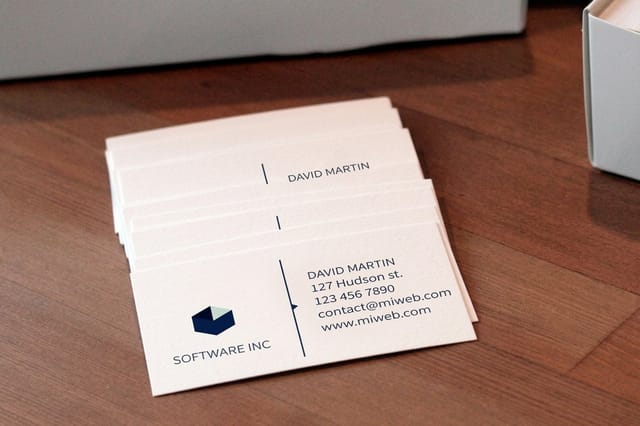
4. Business cards: a real person behind the cause
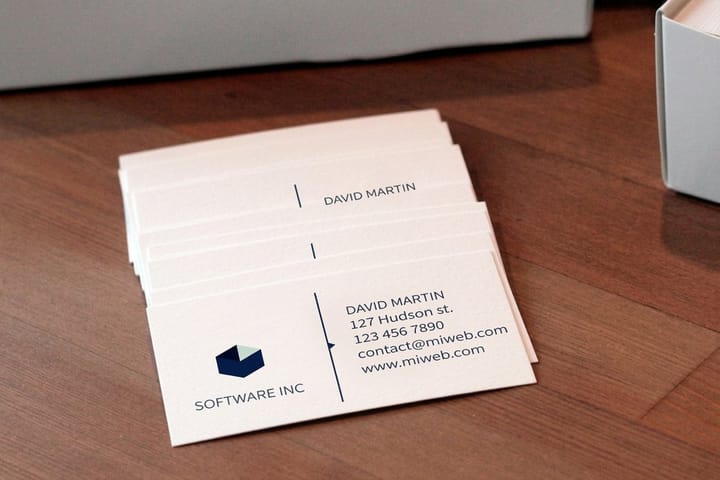
People do not give to organizations, they give to the person who looked them in the eye and explained why it matters. A business card is how that person stays reachable after the handshake. For a new nonprofit, cards for every staffer and board member multiply your presence: ten people with cards is ten doors into the community.
Print the essentials on the front, name, role, direct contact, and use the back for a one-line mission statement or a QR code to the donation page. Heavier stock earns trust here, the same way it does in business, and the options at business card printing range from plain to memorable without straining a startup budget.
Hand them generously. The card that feels wasted at a community fair is the one that comes back as a volunteer in March.
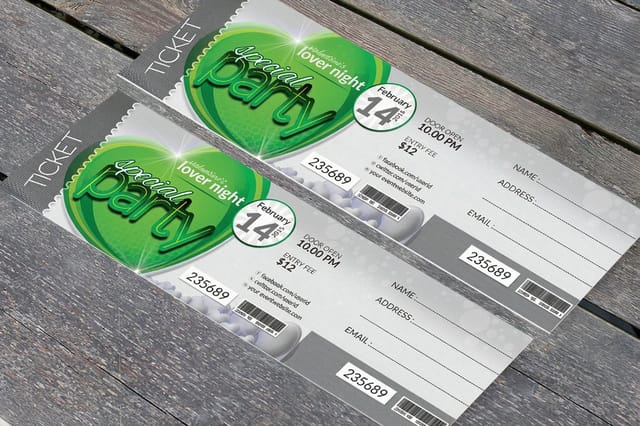
5. Event tickets: make the launch, and every fundraiser after, feel real
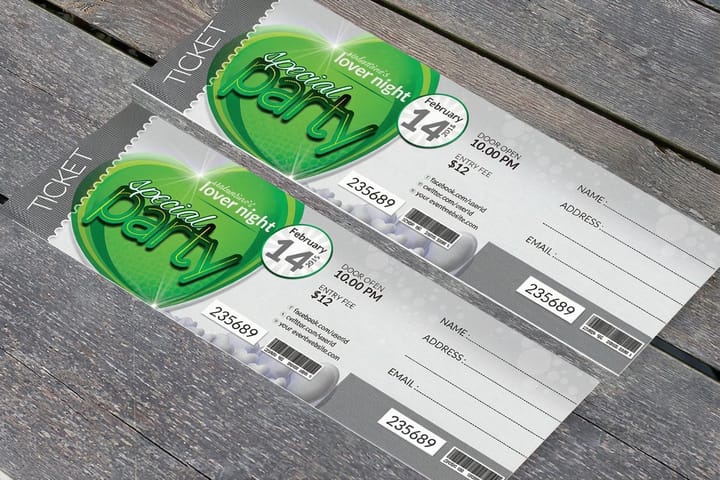
A printed ticket transforms an open house into an occasion. Supporters who hold a ticket show up at nearly the rate of people who bought one, because the physical object sits on the fridge as a commitment. For fundraisers, galas, and benefit dinners, tickets also do quiet bookkeeping: sequential numbering makes door counts, table assignments, and raffle draws simple.
Design essentials are short: event name, date, time, venue, and a stub that survives the door. The checklist in event ticket layout covers each element, and if the launch includes a drawing, how to make raffle tickets handles the numbered variant.
Sell or give them through board members and partner organizations. A ticket handed by a friend outdraws any post.
6. Newsletters: the printed update that keeps supporters close
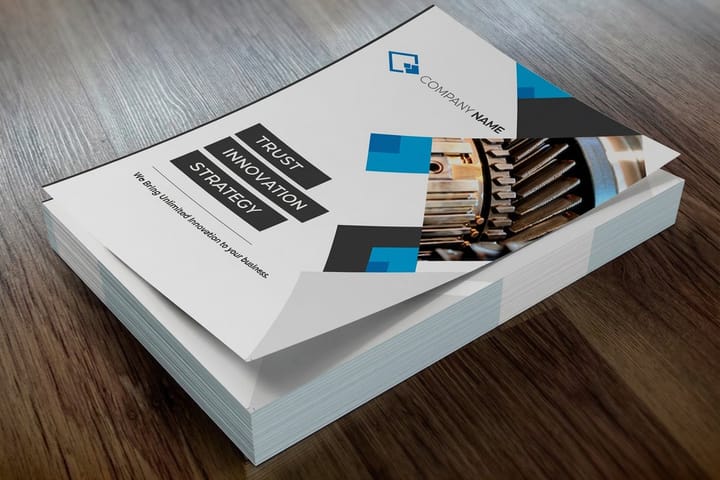
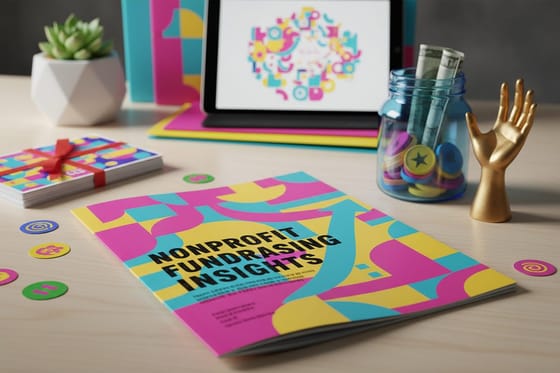
The difference between a one-time visitor and a repeat supporter is usually nothing more than being remembered. A quarterly printed newsletter does the remembering for you: program updates, a volunteer spotlight, one number that shows impact, one clear way to help next. It lands in the mailbox with no spam filter in the way and stays on coffee tables for weeks.
Keep it honest and light on polish; supporters respond to progress, not gloss. The planning walk-through in how to create newsletters for direct mail covers format and mailing mechanics, and printed vs digital newsletters helps you decide the cadence for each channel.
Four issues a year, every year, builds more trust than a burst of twelve and then silence.
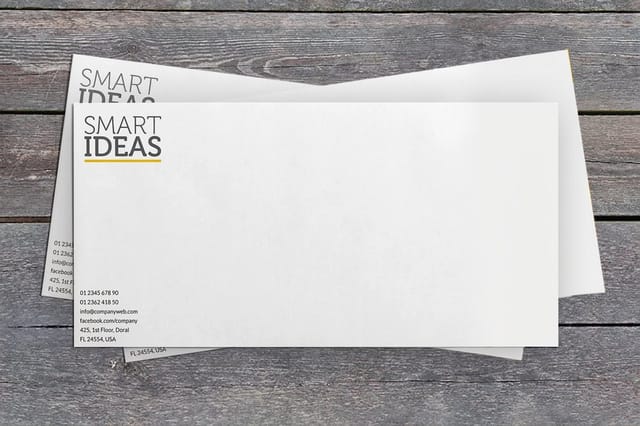
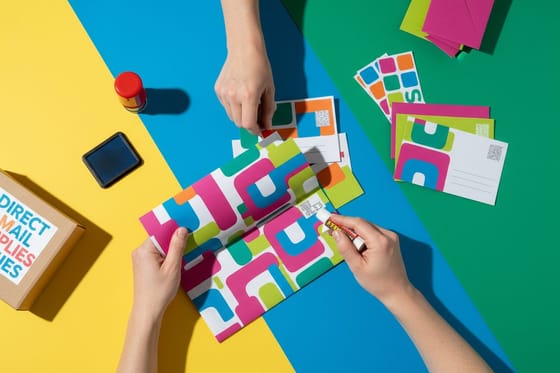
7. Printed envelopes: the appeal letter that actually gets opened
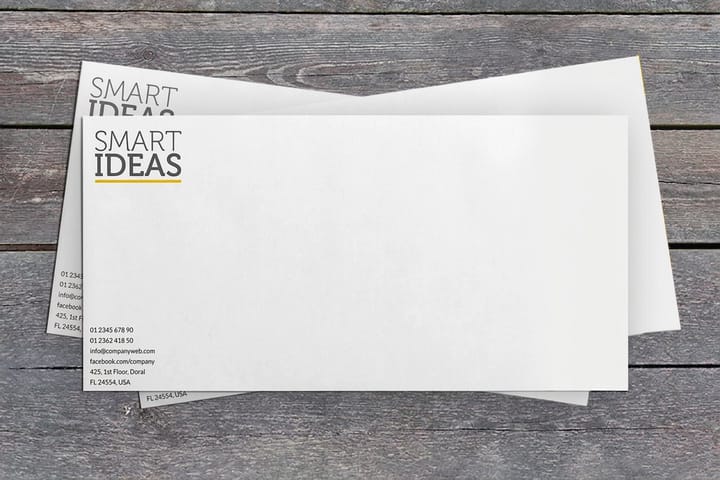
Every fundraising letter lives or dies at the envelope. An unbranded white sleeve disappears into the day's bills; an envelope carrying your logo and a real return address gets recognized by everyone who visited, took a brochure, or read a newsletter. The rest of this suite builds that recognition, and the envelope is where a donor acts on it.
Order outer envelopes for appeals and matching reply envelopes so a gift takes one step. Size questions are answered plainly in the full-color envelope size guide, dedicated donation envelopes handle the giving side, and the wider envelope printing range covers statements and receipts as the organization grows.
It is the last piece in the sequence and the one that funds the next year, so send every appeal letter in a printed envelope.
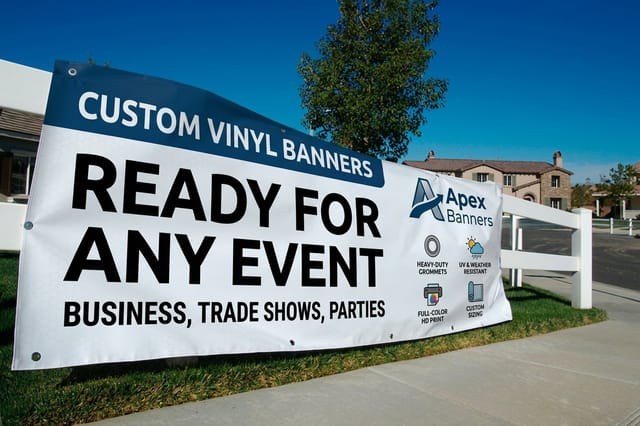
8. Vinyl banners: the opening, announced to the whole street
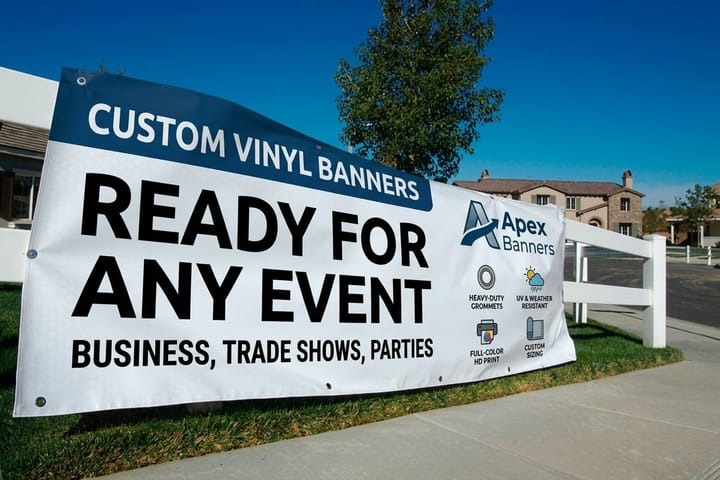
Flyers and postcards reach the people who read them. A banner across the front of the building reaches everyone else: every commuter, dog-walker, and school-run parent who passes the block twice a day. For a new organization with no name recognition, that repetition is how the neighborhood learns you exist before the doors ever open.
Say one thing in big letters: who you are, when the open house is, and that everyone is welcome. Durable vinyl handles a season of weather and comes back for the food drive, the volunteer day, and the anniversary. The readability rules in how to make banners apply directly, and how to hang banners covers grommets and placement.
Hang it two weeks before opening day and print a second, dateless version for events. A banner without an expiry works the block all year.
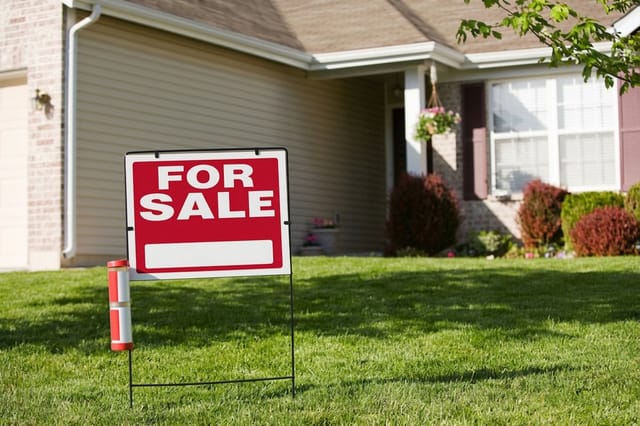
9. Yard signs: supporters, standing in their own lawns

Political campaigns learned it and nonprofits can borrow it: a sign in a neighbor's yard is a personal endorsement no billboard can match. Ask board members, volunteers, and early supporters to host one, and the mission suddenly has a physical presence on streets you could never afford to advertise on.
Yard signs also run event day. Parking this way, entrance here, registration at the tent: cheap corrugated signs do the wayfinding so volunteers can do the welcoming. Our how to make yard signs covers layout and H-stakes, and which materials last outdoors keeps them standing through a rainy fundraiser weekend.
Order a batch of mission signs for lawns and a reusable set of directional signs for events. At a few dollars each, they are the cheapest visibility in the suite.
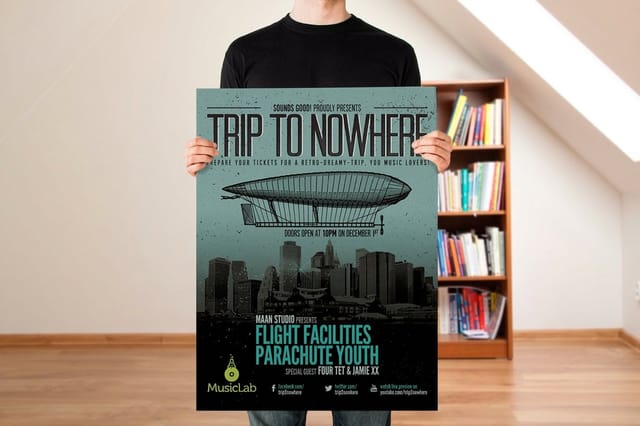
10. Posters: the mission on the walls the neighborhood reads
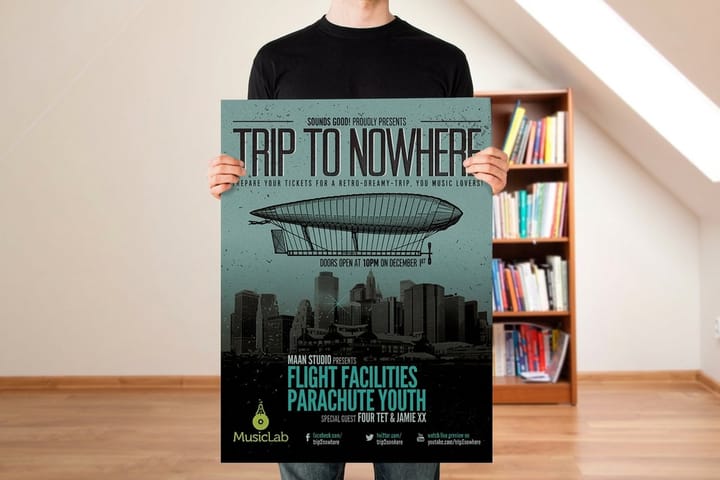
Every neighborhood has a handful of walls people actually stand and read: the library board, the church lobby, the coffee shop corkboard, the community center hallway. A poster on those walls introduces the mission every day for months, in exactly the rooms where people who volunteer and donate already spend time.
Design for two distances: the cause and one strong image readable from ten feet, the open-house date and QR code readable from two. The steps in how to make posters keep the hierarchy clean, and the poster sizes guide matches the format to each board.
Refresh them each season and note which locations generate calls. Two or three boards usually outperform all the rest combined.
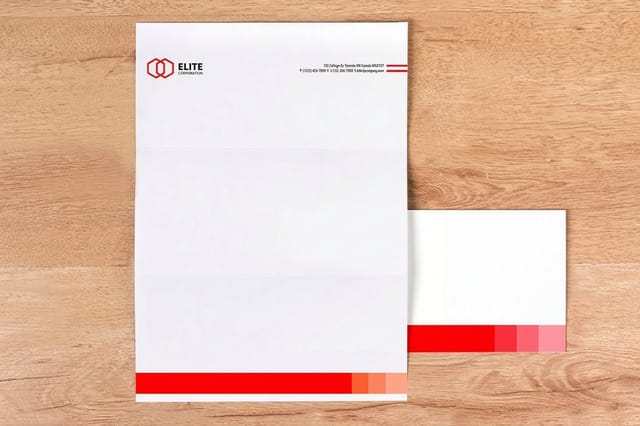
11. Letterheads: the paper that makes the organization official
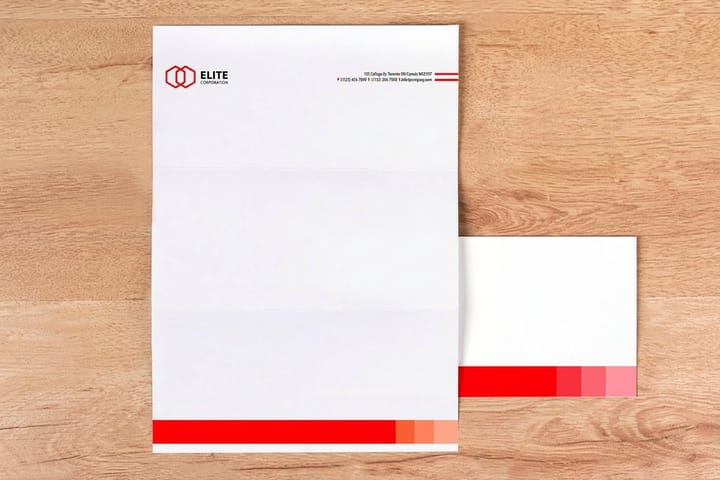
A donation receipt on plain paper reads like a favor. The same receipt on printed letterhead reads like an institution, and for a new nonprofit that difference shows up everywhere it matters: donor thank-you letters, grant cover pages, partnership proposals, and the acknowledgment letters supporters file with their taxes.
Keep the design quiet, the logo, the legal name, the address and EIN details your accountant wants on record, and let the letter do the talking. The fundamentals in what is a letterhead cover what belongs where, and letterhead design tips keep the type professional.
Print it alongside the envelopes so the outside and the inside of every appeal match. Funders notice organizations that have themselves together.
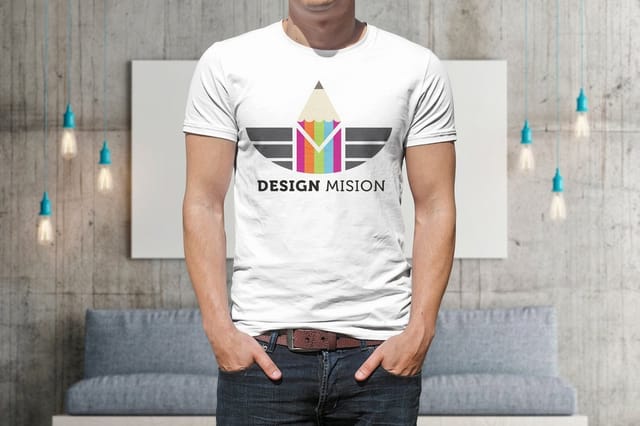
12. T-shirts: the volunteer crew, visible from across the park
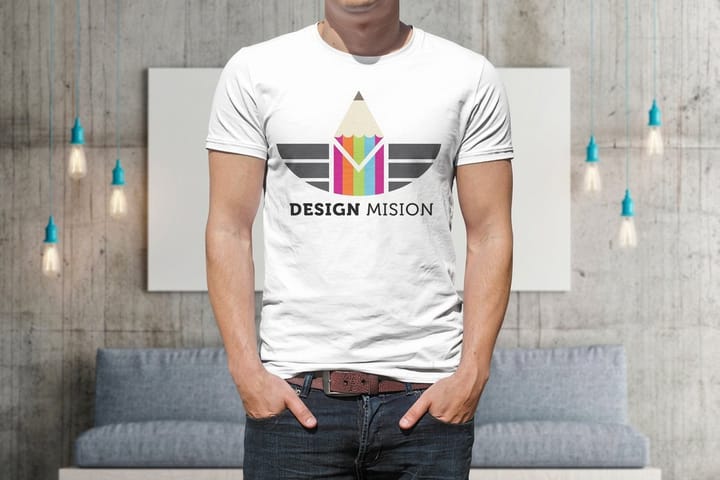
On event day, matching tees turn a scattered group of helpers into a team the public can find, trust, and ask questions of. After event day, those same shirts keep working: every volunteer who wears one to the gym or the grocery store is a walking introduction to the cause, given willingly, for years.
Put the mission mark on the front and the word volunteer or the founding year on the back, and choose colors that read across a park. Our how to make custom t-shirts walks the art setup, and the t-shirt print size guide settles how large the prints should land.
Order a size range before the launch and give a shirt to every early volunteer. It is uniform, thank-you gift, and advertisement in one line item.
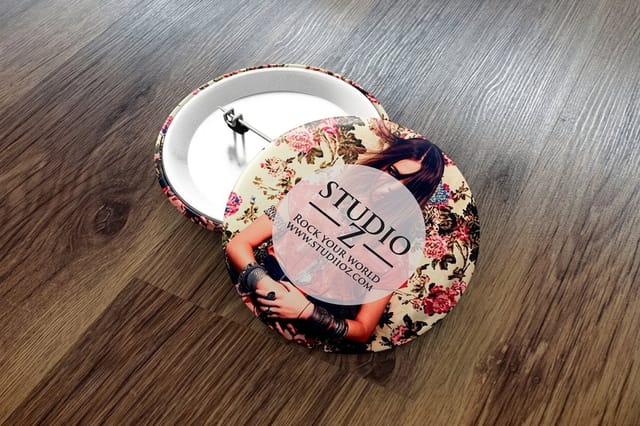
13. Buttons: the small pin that starts big conversations
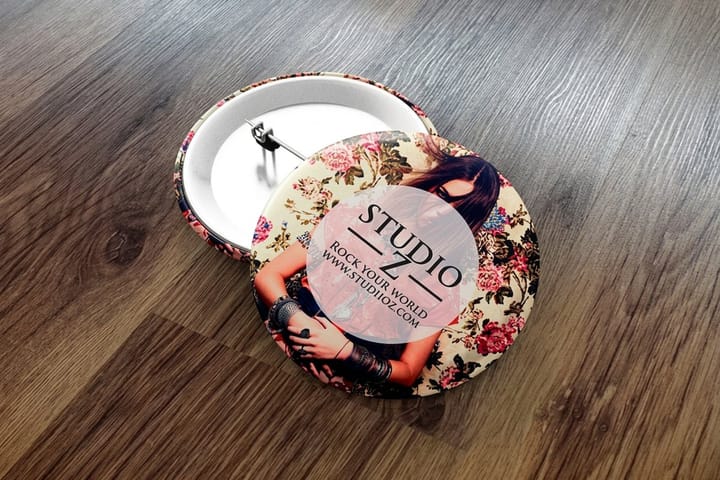
A button costs cents, weighs nothing, and does something no other piece in this suite can: it gets your cause asked about. A supporter wearing a mission pin on a jacket or tote bag fields the what-is-that question at work, at school, and in line for coffee, and every answer is a personal pitch you did not have to make.
Keep the design to a mark and three or four words at most, bold enough to read at arm's length. Hand them out at the open house, drop one in every brochure, and give volunteers a handful to share. The case in why pin-back buttons work covers what makes a button get worn instead of pocketed.
Print a generous batch. Buttons are the piece people take two of, one to wear and one to give away, which is exactly the point.
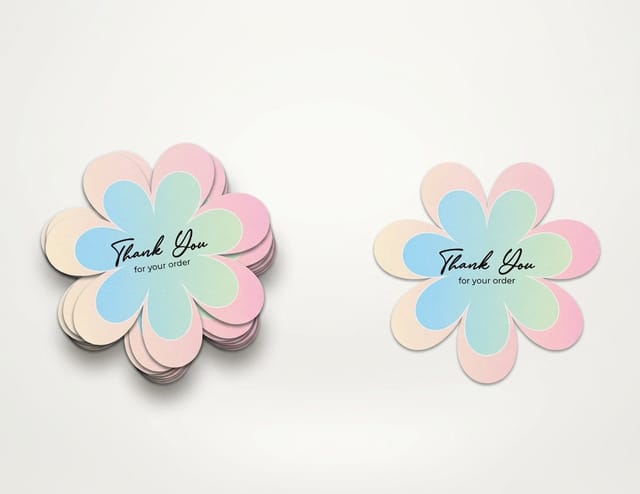
14. Die-cut stickers: the mission mark that travels town
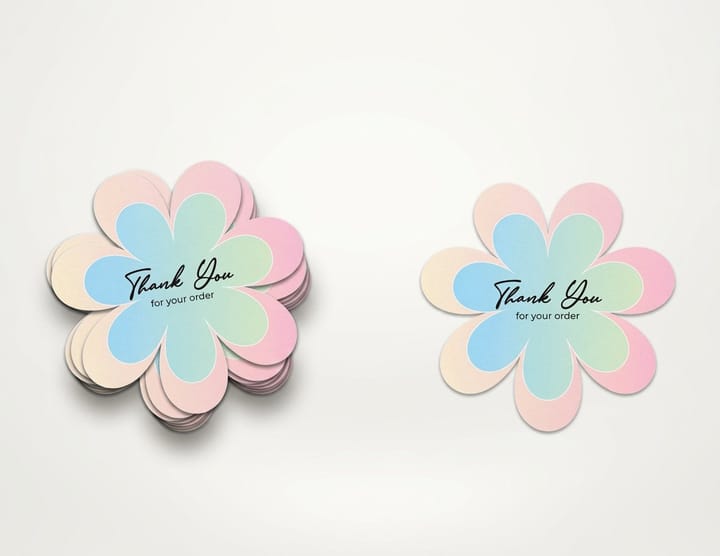
Causes spread on laptops, water bottles, and bumpers. A well-cut sticker of the mission mark gives supporters, especially younger ones, a way to fly the flag everywhere they go, and every sticker spotted around town normalizes the organization to people who have never visited. It is grassroots visibility at a cost of cents per impression.
Cut the sticker to the shape of the mark and keep it badge-clean: the logo and nothing else people would hesitate to display. Weatherproof vinyl survives bottles and bumpers alike. Prep details live in how to make stickers, and choosing the right sticker material settles the finish.
Put a bowl at the welcome desk and a sticker in every new-supporter packet. The people who love the mission will do the distributing for you.

Specs and pricing
Anchor the suite: nonprofit postcard specs and live pricing
Postcards are the piece a nonprofit reorders most, campaign after campaign, so they set the pace. Here are the live specs and price-per-unit for nonprofit postcards at 4OVER4.COM, straight from the configurator.

| Quantity | Price Per Unit | Total |
|---|---|---|
| 50 | 33.0¢ | $16.48 |
| 100 | 24.2¢ | $24.16 |
| 200 | 15.9¢ | $31.86 |
| 300 | 12.8¢ | $38.45 |
| 400 | 11.3¢ | $45.04 |
| 500 | 10.3¢ | $51.62 |
| 600 | 9.89¢ | $59.31 |
| 700 | 9.57¢ | $67.00 |
Wally explains the suite
Fourteen pieces, one mission, printed to open strong
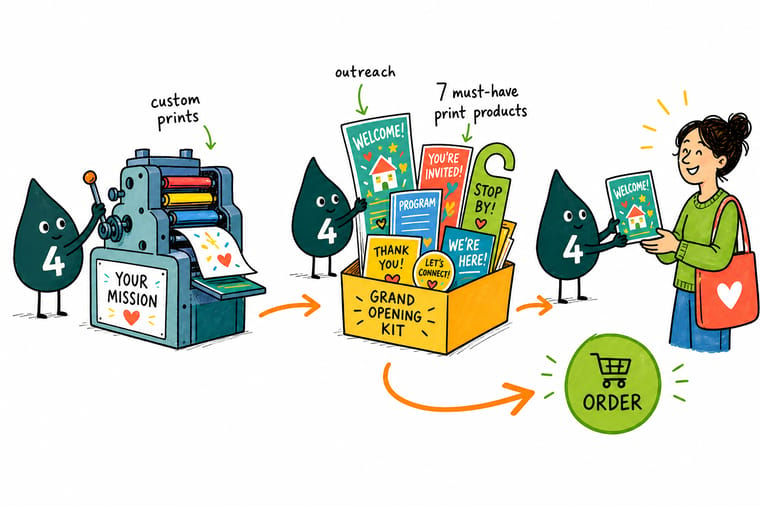
Wally sees a nonprofit launch as a relay with three legs. The flyer, postcard, banner, and poster run the first leg and bring the neighborhood in, the brochure, business card, yard signs, tees, buttons, and stickers run the second and turn visitors into visible believers, and the newsletter, branded envelope, and letterhead run the anchor leg that turns believers into repeat donors. Keep all fourteen on one palette and every baton carries the same colors.
Shop nonprofit printing →See it in use
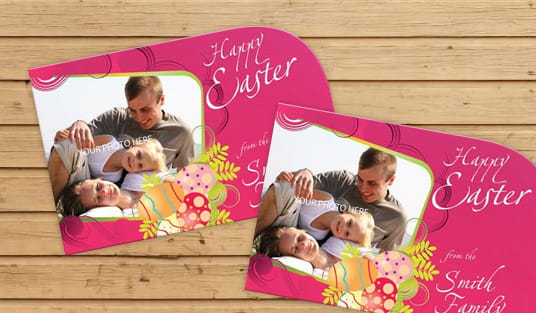
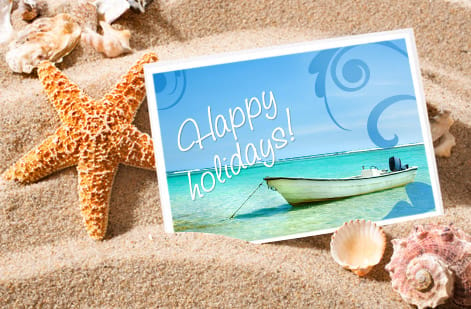
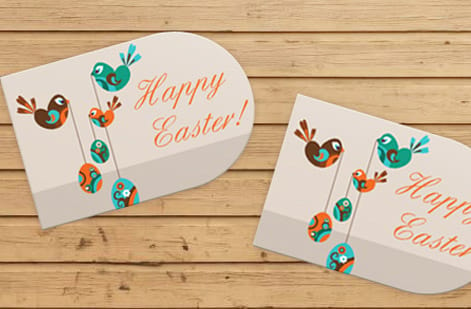
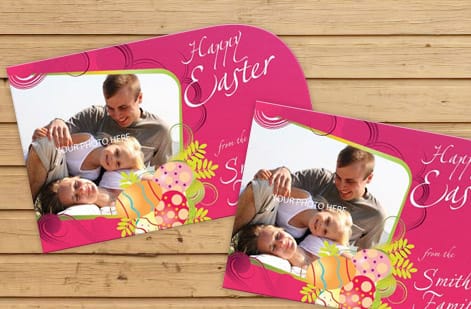
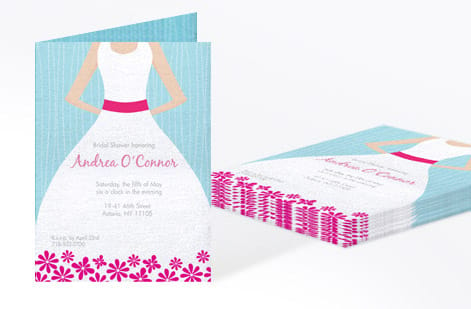
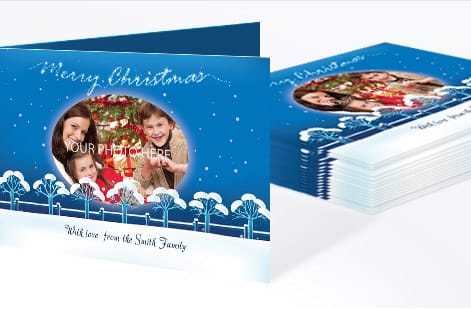
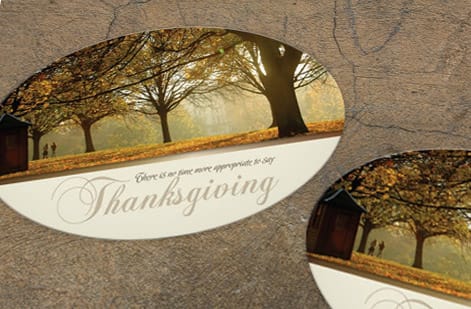
Postcards from real customer runs

Explore more
Where to go next

By the numbers
One suite, printed to serve
Common Questions
Common questions about the nonprofit outreach suite
What is in the nonprofit outreach grand-opening suite?
Fourteen print pieces that carry a new nonprofit from announcement to repeat support: flyers, nonprofit postcards, nonprofit brochures, standard business cards, event tickets, newsletters, printed envelopes, vinyl banners, yard signs, posters, letterheads, volunteer t-shirts, buttons, and die-cut stickers. The banner, flyers, posters, and postcards announce the opening, the brochures, cards, tickets, yard signs, tees, buttons, and stickers work the opening itself, and the newsletters, envelopes, and letterhead keep supporters engaged after the ribbon is cut.
What should a new nonprofit print first?
Postcards and flyers. They are the least expensive pieces in the suite and the only ones that work before you open, putting the date and the mission into mailboxes and onto community boards while the space is still being set up. Order the brochures and business cards next so they are on hand for opening day.
Why print a brochure when everything is on our website?
Because a brochure works where your website cannot: in the hand of a visitor who just toured the space, on the table at a partner organization, in the folder a board member brings to a foundation meeting. It tells the full story without a screen, and it stays in homes as a physical reminder that a browser tab never is.
Do printed newsletters still make sense for donor retention?
For many organizations, yes. A printed newsletter lands in the mailbox with no algorithm deciding whether it gets seen, and households tend to keep and share physical mail in a way email rarely matches. Our guide comparing printed and digital newsletters walks through when each format earns its cost, and many nonprofits run both.
What belongs on a nonprofit business card?
A real person. Donors and partners give to people, so print the staffer or board member by name, with the organization logo, a direct contact, and the website. A short mission line on the back turns the card into a miniature pitch. Keep every card in the suite on the same stock and colors so the organization reads as established.
How do branded envelopes help fundraising?
The envelope decides whether the appeal letter inside ever gets read. A branded envelope with your logo and a clean return address stands apart from window envelopes and bulk mail, and recipients who recognize the sender open at higher rates. Pair printed outer envelopes with reply envelopes so giving takes one step, not three.
Can we reorder single pieces as campaigns come up?
Yes. Each of the fourteen has its own configurator, so the fall appeal can be another 500 nonprofit postcards at $51.62 and the spring update another 50 newsletters at $75.80, at the same size and stock, without touching the brochures or the banner. Keep your print files in one folder and the whole suite stays consistent across campaigns, staff changes, and years.
Get Started
Order 250 donation envelopes for $617.67
Order the outreach suite from 4OVER4.COM piece by piece, envelopes first. Adjust size, quantity, and finish on any product and watch the price update live.
Legal Disclaimer
Gold Standard guarantees apply to all standard orders placed through 4over4.com. Price match requires verifiable proof of a competitor's published price for an equivalent product with matching specifications and turnaround time. Satisfaction guarantee covers manufacturing defects and print quality issues. Contact support with order number and documentation.
