
11 Print Pieces That Win Medical Billing Clients Close to Home
A medical billing firm sells precision to practices that are drowning in paperwork, and it gets judged by its own. Here are the 11 print pieces that make the firm look like the safe choice, reach the practice manager, and onboard new clients like an institution.
The medical billing local-marketing set is 11 print pieces for winning and serving practice clients: letterheads, printed envelopes, and gloss presentation folders make every report and proposal look institutional, business forms make onboarding precise, the brochure, business cards, postcards, and flyers carry the case for outsourced billing to practice managers by desk mail, conference table, and handshake, and the quarterly newsletter, branded notepads, and conference banner stand keep the firm present between pitches.
The picks
Eleven pieces, from $16.48 postcards to $844.54 proposal folders
Letterheads and envelopes come first because every report, statement and proposal travels in them. The list runs in the order a billing firm deploys the pieces, each priced live from the configurator. Keep one identity from letterhead to leave-behind, then read on for what each piece does.



Design and print help
Laid stock, matched envelopes, one proofed name block
Letterheads and envelopes both come on Royal Laid and Royal Linen stocks, so the letter and the #10 envelope can match sheet for sheet. Lay the name block out once in the designer, check every credential and compliance line on a free proof, and rush flyers and cards when a conference booth confirms late.
How they work together
Correspondence first, outreach second, onboarding third
Three pieces make the firm look like the safe choice, four reach the practice manager, and four onboard the client and keep the firm read as the expert. Print the whole sequence and all three keep working at once.
Every proposal, report, and statement leaves the office on branded letterhead in a branded envelope, and the proposal packet arrives in a presentation folder, so the firm's precision is visible before a single number is read.
Postcards land on desks that email cannot reach, flyers make the one-page case at conferences and seminars, the banner stand makes the conference booth look established, and cards close every face-to-face conversation properly.
The brochure walks a prospect through the service and the results language, printed onboarding forms make the first week of a new client feel engineered rather than improvised, the quarterly newsletter keeps the firm read as the payer-rules expert, and branded notepads keep its name on the manager's desk.
1. Letterheads: the credibility every letter borrows
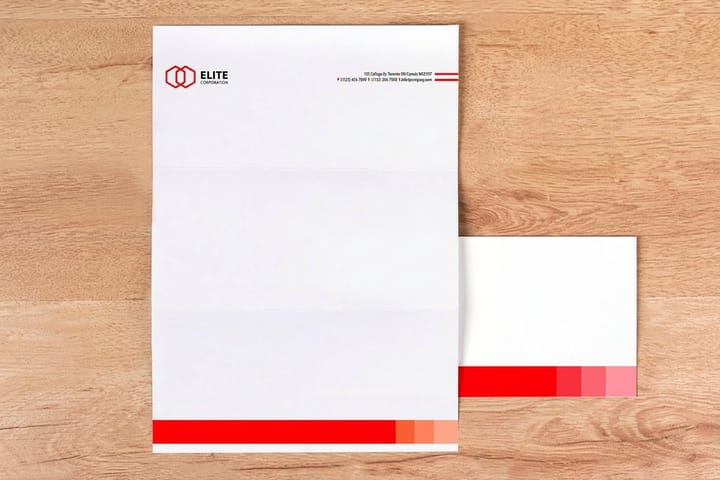
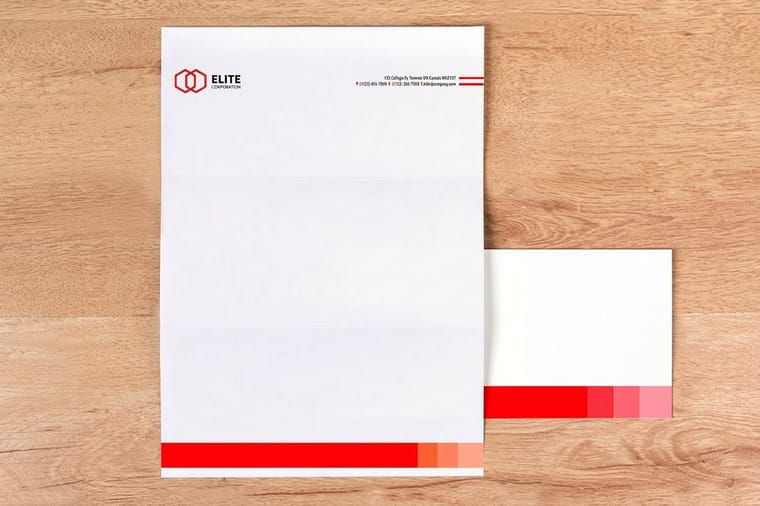
A medical billing firm writes for a living: proposals to practices, monthly performance reports, appeal letters to payers, statements that carry six-figure receivables. Every one of those documents is judged before it is read, and the judgment is made by the paper. Letterhead is what makes a letter from your firm look like it came from a firm.
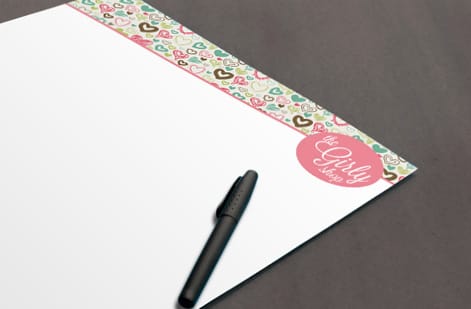
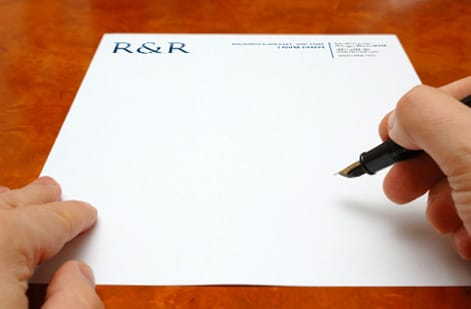
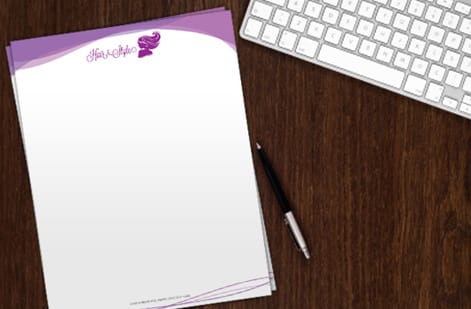
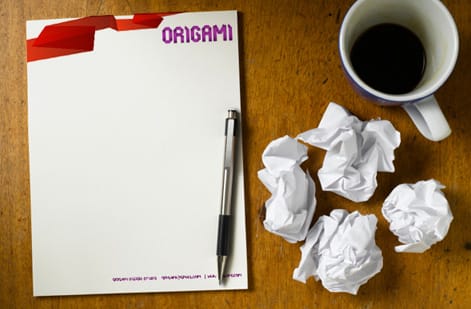
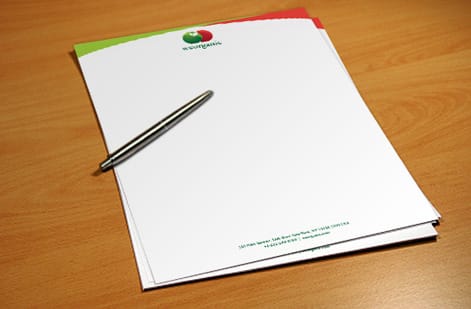
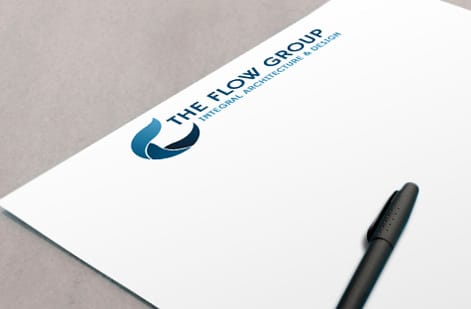
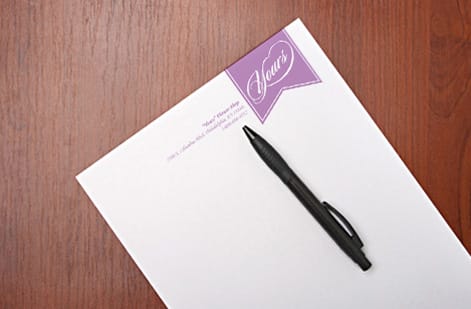
A billing firm's letterhead carries statements and appeal letters, so it needs room for a reference line and little else: logo, full legal name, address, phone, and any credentials or association memberships in a restrained footer. The primer on what a letterhead is covers the anatomy, and letterhead design tips gets the typography right. Print standard letterheads on a stock heavy enough to feel deliberate in the hand, 24# Royal Laid or 28# Royal Linen, and put the printed envelopes on the same laid or linen sheet: 250 #10 envelopes cost $142.99.
Use it for everything that leaves the office, not just contracts. In this business, consistency of correspondence is the visible half of accuracy.
2. Printed envelopes: opened by the manager, not the bin

Practice front desks triage the mail the way they triage everything, fast and without sentiment. An envelope with a clean corporate mark and a real return address survives that triage; a plain white window envelope goes to the maybe pile with the payer spam. For a firm whose proposals and reports travel by mail, the envelope is the difference between read and unread.
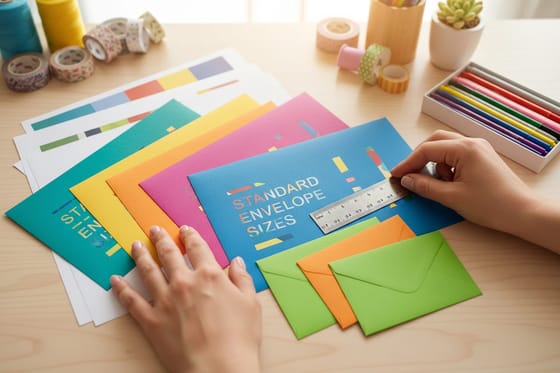
Match the envelope to the contents: standard #10 for letters and statements, larger formats for reports and proposal packets. The envelope size guide maps formats to jobs in one read, and this business-mail sizing piece covers the marketing formats. Configure printed envelopes to match the letterhead stock and color.
Send every mailing in the matched pair, and the practice manager knows who wrote before the flap is open.
3. Business forms: onboarding that feels engineered
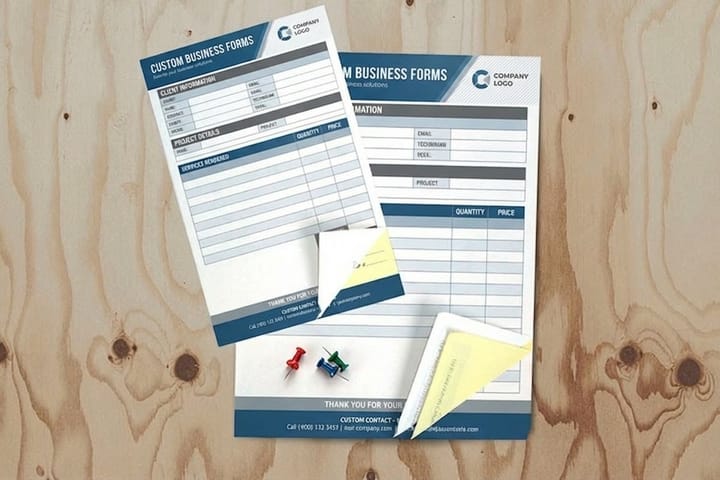
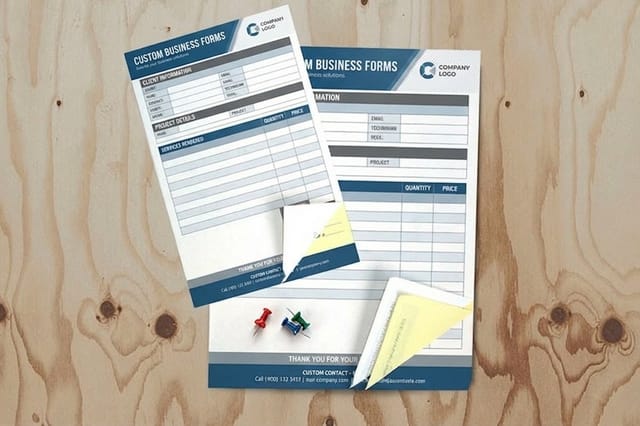
The first deliverable a new practice client ever sees from you is the onboarding paperwork: authorization forms, record-transfer checklists, superbill templates, payer enrollment sheets. If those arrive as crisp, branded, purpose-built forms, the client relaxes; the reports will clearly look like this too. If they arrive as generic printouts, doubt starts on day one.
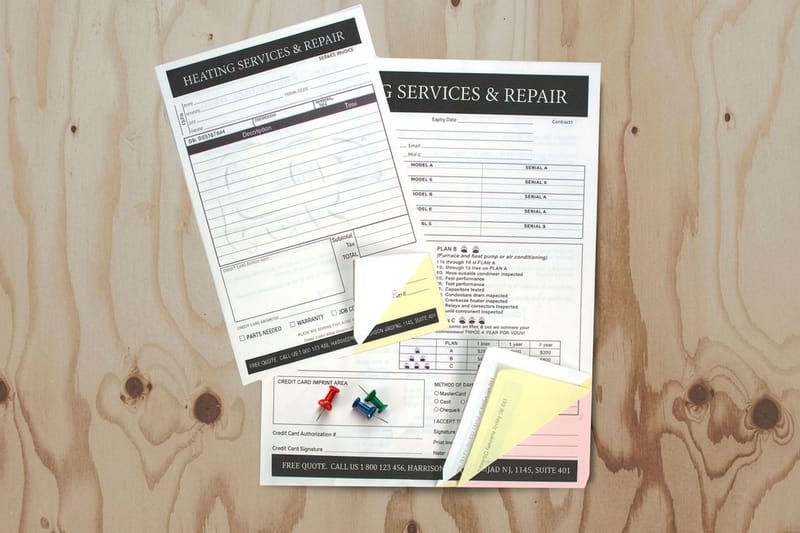
Print the recurring paperwork properly. Carbonless duplicates keep firm and client holding identical copies of every authorization, which is exactly the paper trail a billing dispute gets settled by; the primer on what carbonless forms are explains the format. Build your set at custom business forms, numbered and padded to your workflow, with the full range at carbonless forms printing.
A billing firm's brand promise is precision. The forms are where a client touches that promise first.
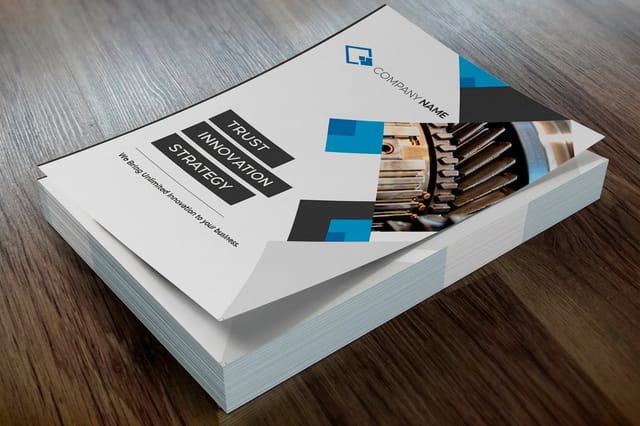
4. Brochures: the case for outsourcing, in the manager's language
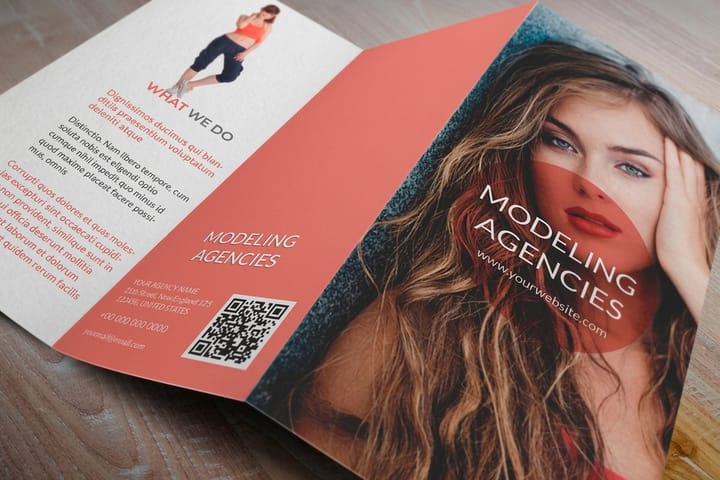
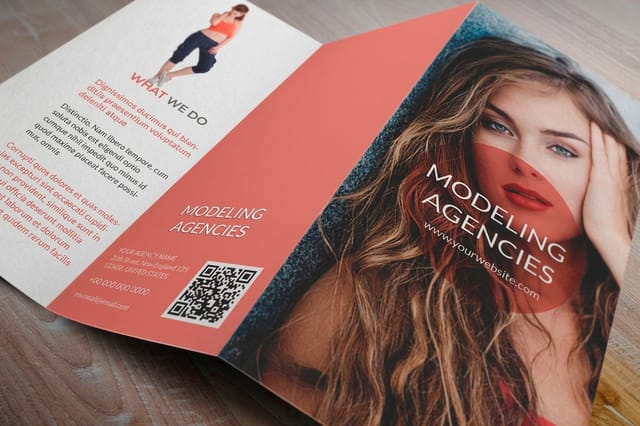
Selling billing services is selling relief from a very specific misery: denials reworked at five on a Friday, hold music, receivables aging past ninety days. The brochure makes that case in the practice manager's own language, panel by panel: what you take over, how the handoff works, what reporting looks like, and how the practice's team gets their week back.
Lead with the operational outcome, not the firm history, and close with a single low-commitment action such as a free billing review. Keep one version racked in your office, carry a stack to every practice visit, and mail one with each proposal. Print standard brochures in a fold that fits a #10 envelope so the whole correspondence system stays matched.
The brochure's real job is the internal handoff: the manager gives it to the physician-owner, and your pitch attends a meeting you were never in.
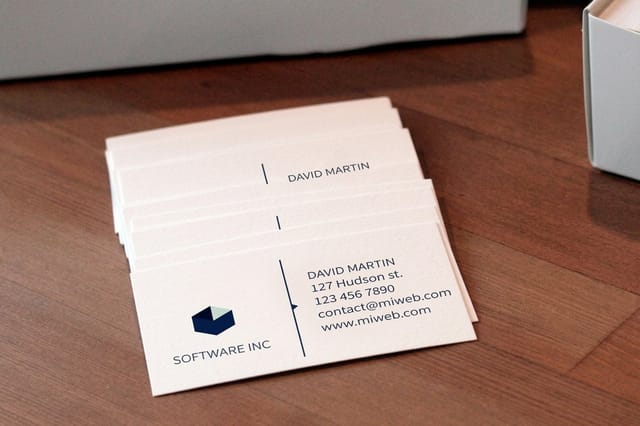
5. Business cards: the B2B handshake, still on paper
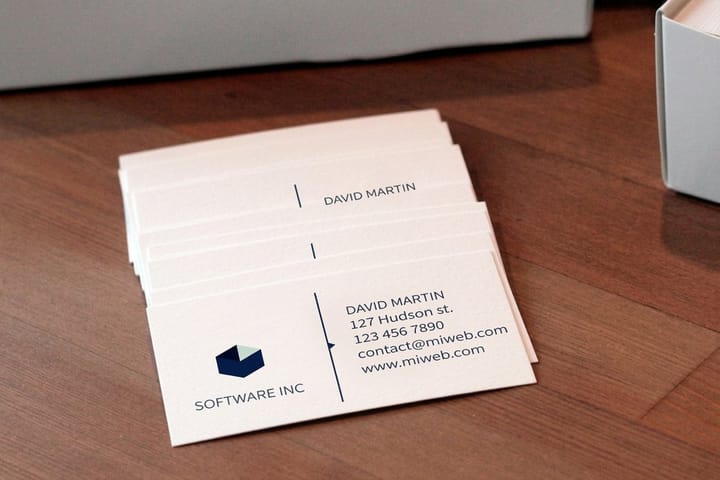
Healthcare B2B still happens in rooms: MGMA chapter meetings, payer seminars, vendor tables at practice-management conferences, and the fifteen minutes an account manager gets at the front desk. Every one of those encounters ends with a card or ends with nothing. A name badge is forgotten in the parking lot; a card rides back to the office and enters the file.
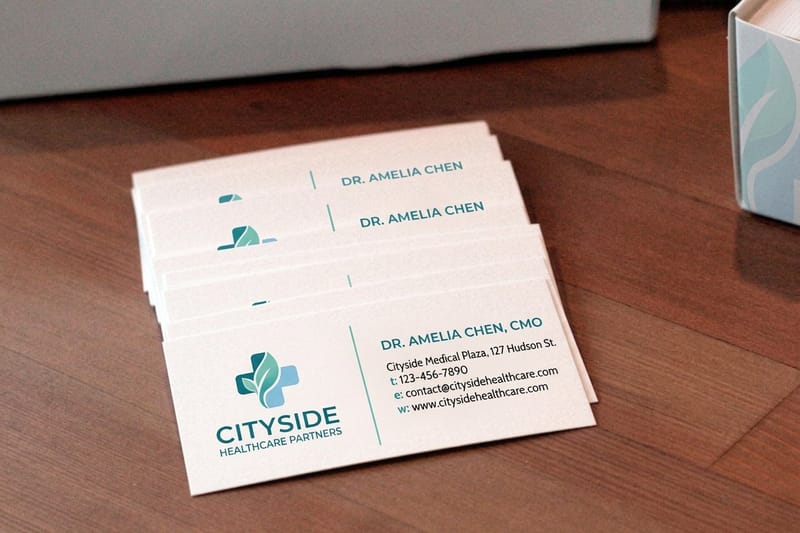
Print cards for everyone client-facing: principals, account managers, implementation leads. Name, role, direct line, and the firm's main number, with the service line in one phrase on the back. The layout discipline in business card format tips keeps it corporate. Order standard business cards in the same palette as the letterhead so the identity holds.
The card that matches the letterhead that matches the envelope: that is what institutional looks like to a practice choosing where to send its revenue.
6. Postcards: the desk mail that beats the inbox

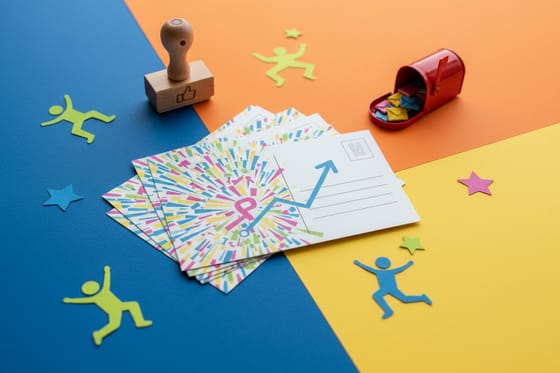
Cold email to practices dies in the filter; the desk mail still gets sorted by a human. A postcard needs no opening decision at all, which makes it the highest-certainty way to put one sharp message in front of a practice manager: a denial-rate question, a days-in-A/R benchmark, an invitation to a free billing review.
Build a territory list of practices and mail it monthly, rotating the pain point each time so the firm's name accumulates next to every problem you solve. The direct mail response benchmarks explain why physical mail keeps outperforming its reputation, and the checklist in how to design a postcard keeps each card disciplined. Configure standard postcards for the first quarter's drops in one run.
B2B mail wins by repetition, not cleverness. The practice that never heard of you in month one calls you in month eleven, the week their biller resigns.
7. Flyers: the one-page case that works the room

Conferences, payer seminars, lunch-and-learns for practice staff: wherever managers gather, the firm needs a one-page piece that survives the tote bag. The flyer is that piece, the case for outsourced billing compressed to a headline, three concrete outcomes, and a booking line for the free review.
Design it like an argument, not a menu. One question at the top that names the pain, the outcomes in plain terms beneath it, and a single action at the bottom. The focal-point method in how to design flyers applies exactly; so does its warning against saying five things at once. Print standard flyers fresh for each event so dates and offers stay current.
Leave a short stack with every practice you visit. The flyer pinned in the break room works on the staff who feel the billing pain most, and they lobby upward.
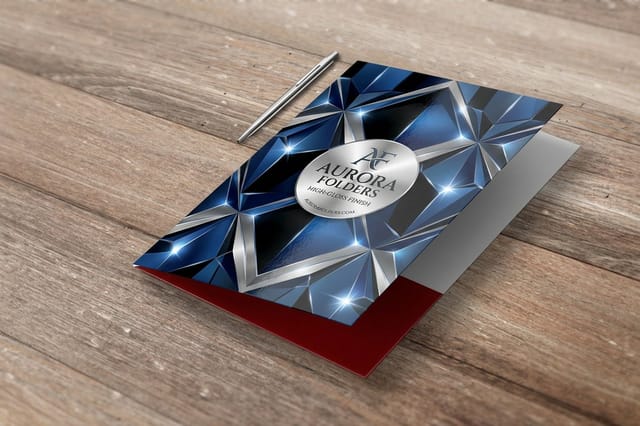
8. Presentation folders: the proposal that arrives dressed
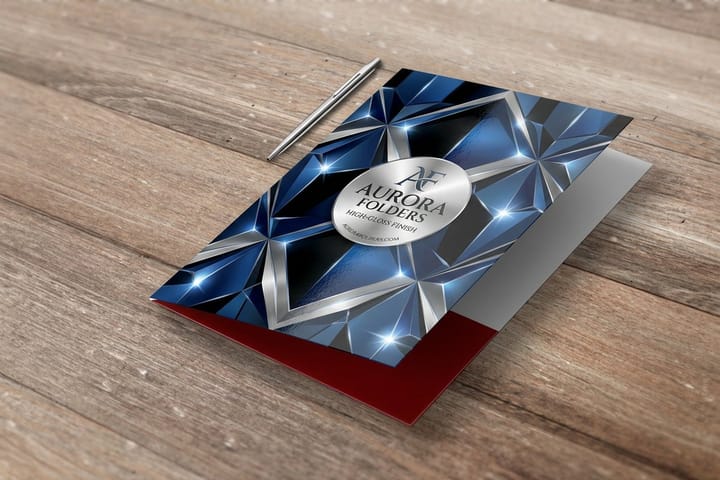
A billing proposal is a stack of serious paper: the service agreement, the fee schedule, the transition plan, the references. Handed over loose or paper-clipped, it reads as a side business; delivered in a branded gloss folder, it reads as an institution that has done this a hundred times. The folder is packaging for trust, and trust is the entire sale.
Use it twice. First for proposals, where the manager passes the folder intact to the physician-owner and your materials attend the decision meeting looking composed. Then monthly, for the performance report packet, so the ongoing relationship keeps its ceremony. The sizing primer in standard folder sizes covers capacity, and what pocket folders are explains the formats. Configure gloss presentation folders with a business card slit so your card rides in every packet.
Practices compare a two-person firm against national vendors. At $844.54 for 250, the folder costs about $3.38 a proposal and closes that visible gap.
9. Newsletters: the quarterly proof of expertise
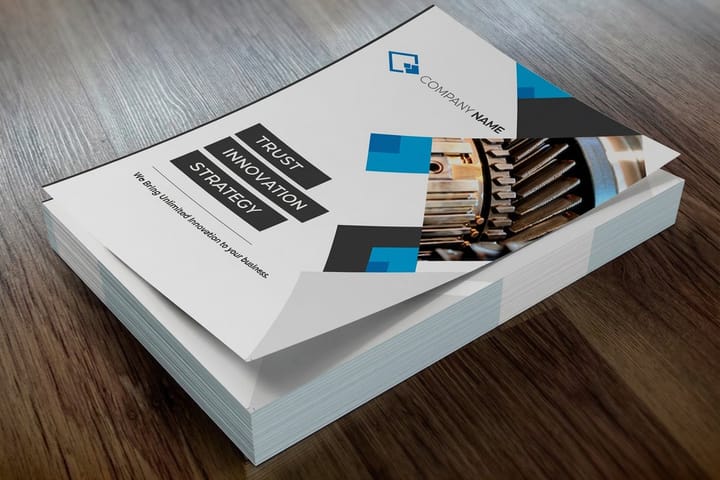
Payer rules change constantly, and practice managers live in fear of the change they missed. A quarterly printed newsletter from the billing firm, covering the coding updates, the payer policy shifts, and one plain-language tip, makes the firm the practice's standing source of answers. For clients it deepens the relationship; mailed to prospects, it demonstrates the expertise the postcard can only claim.
Keep it short, factual, and genuinely useful, one sheet folded, more briefing than brochure. The mechanics in creating newsletters for direct mail cover format and mailing, and printed versus digital newsletters explains why the paper edition survives the inbox purge that kills the email one. Print standard newsletters quarterly on the letterhead stock.
The firm that explains the rule change before the denial arrives is the firm that never has to cold-call again.
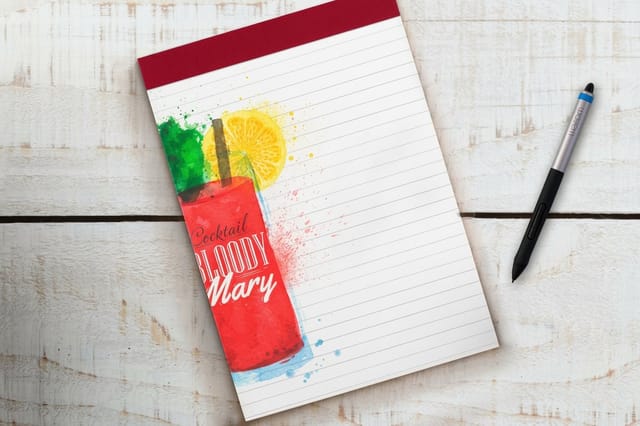
10. Notepads: the leave-behind that lives on the desk
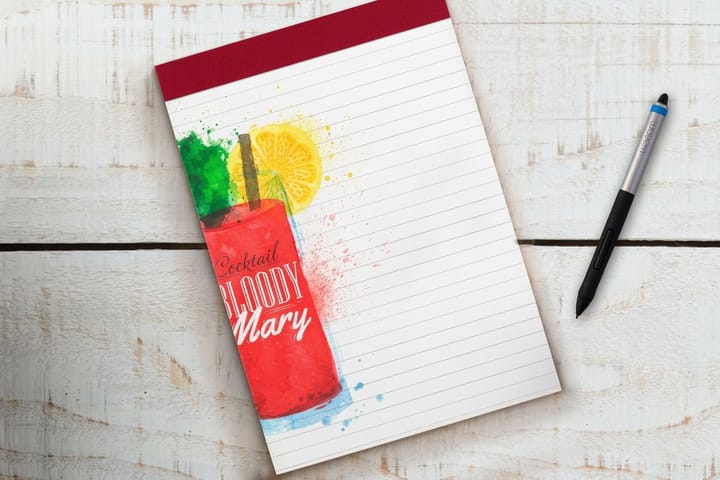
Brochures get filed and flyers get pinned, but a notepad gets used. Left with a practice manager after a visit, a branded pad sits on the busiest desk in the office and puts the firm's name under every phone message and to-do list for months. It is the only leave-behind that works daily without ever pitching.
Print the firm mark, the direct line, and one quiet line of positioning across the top, and leave the rest as clean writing space. The comparison in notepads versus post-its covers which formats survive real desk use. Order standard notepads in bulk and hand one to every practice you visit, client or not.
The day the in-house biller resigns, the manager reaches for the phone and the number is already on the desk. At $93.37 for 25 pads, that desk presence costs under $4 a practice.
11. Banner stands: the booth that looks like a firm
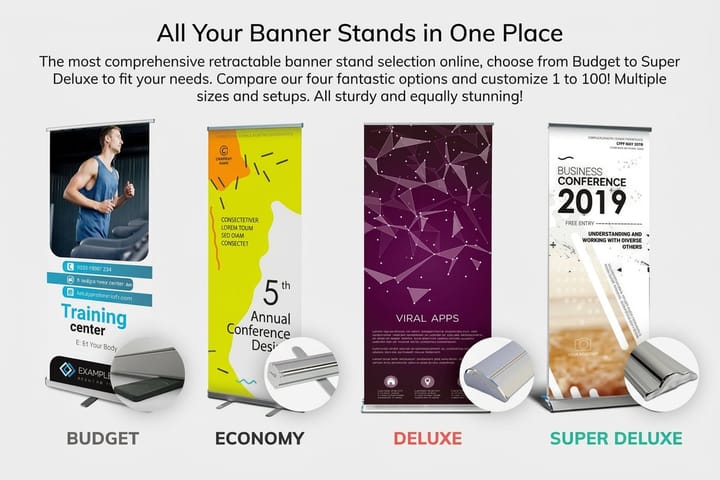
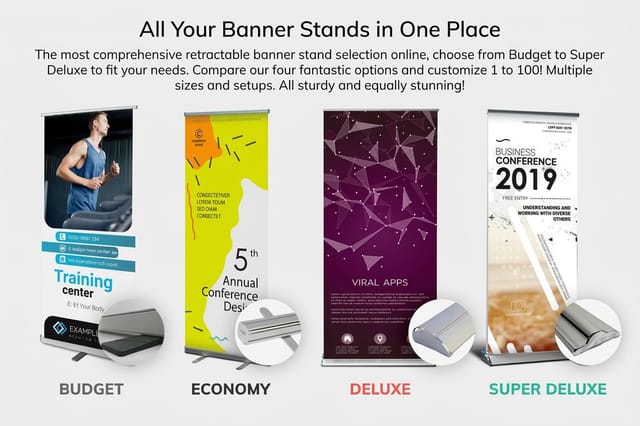
Practice-management conferences and MGMA chapter events are where billing firms meet dozens of decision-makers in a day, and a bare table with a tablecloth loses to every vendor beside it. A retractable banner stand fixes that in one minute of setup: a full-height backdrop with the firm name and one operational promise, readable from across the exhibit hall.
Put one outcome on it, fewer denials, faster collections, a free billing review, not a services list, and keep it generic enough to reuse for years of events. The setup walkthrough in setting up a retractable banner stand covers the one-minute assembly, and the top retractable banner sizes settles which footprint fits a standard booth. Configure retractable banner stands to match the rest of the identity.
It rolls into a tube, rides in a trunk, and makes a two-person firm look like the established choice at every event this year.

Specs and pricing
Letterhead specs: 50 for $99.95 on three text stocks
The letterhead carries every report and proposal the firm sends, so it sets the identity everything else matches. Here are the live specs and price-per-unit for standard letterheads at 4OVER4.COM.
| Quantity | Price Per Unit | Total |
|---|---|---|
| 50 | $2.00 | $99.95 |
| 100 | $1.05 | $105.44 |
| 200 | 58.2¢ | $116.43 |
| 300 | 43.6¢ | $130.72 |
| 400 | 34.9¢ | $139.49 |
| 500 | 29.4¢ | $147.18 |
| 600 | 25.4¢ | $152.68 |
| 700 | 22.6¢ | $158.17 |
Wally explains the set
Eleven pieces that make a billing firm look like the safe choice
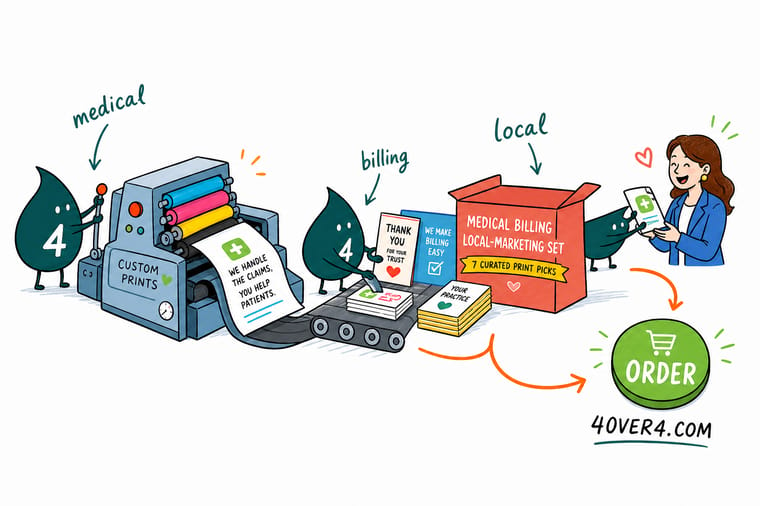
Wally knows a billing firm is hired the way an accountant is: by the evidence of its own tidiness. The letterhead, envelope, and presentation folder make every report and proposal arrive looking institutional, the postcard and flyer put one sharp operational promise on the practice manager's desk, the brochure argues the case at the staff meeting, the onboarding forms prove the precision on day one, and the newsletter, notepad, and conference banner stand keep the firm present all year. Keep all 11 on one identity and the firm's discipline shows before a single number does.
Shop healthcare printing →See it in use
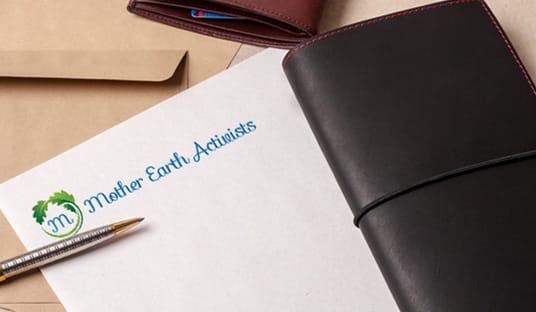
Letterhead from customer orders
%22%2F%3E%3Ccircle%20cx%3D%2249%22%20cy%3D%2220%22%20r%3D%2224%22%20fill%3D%22%232dd4bf%22%20opacity%3D%220.15%22%2F%3E%3Ccircle%20cx%3D%2254%22%20cy%3D%2227%22%20r%3D%22-3%22%20fill%3D%22%232dd4bf%22%20opacity%3D%220.1%22%2F%3E%3Crect%20x%3D%2279%22%20y%3D%22-9%22%20width%3D%2234%22%20height%3D%2220%22%20rx%3D%224%22%20fill%3D%22%232dd4bf%22%20opacity%3D%220.08%22%20transform%3D%22rotate(44%2080%2030)%22%2F%3E%3C%2Fsvg%3E)
Explore more
Where to go next

By the numbers
One set, printed with billing-grade precision
Common Questions
Common questions about the billing marketing set
What is in the medical billing local-marketing set?
Eleven print pieces that win practice clients and serve them credibly: letterheads and printed envelopes for correspondence, business forms for onboarding and authorizations, a service brochure, business cards, B2B postcards for practice outreach, flyers for conferences and seminars, gloss presentation folders for proposals and monthly reports, quarterly newsletters that keep the firm read as the payer-rules expert, branded notepads as desk leave-behinds, and a retractable banner stand for the conference booth.
Why does a medical billing company need print marketing at all?
Because its buyers are offline in exactly the ways that matter. Practice managers triage email aggressively but still open the desk mail, still take the brochure at the conference, and still judge a vendor by the quality of its correspondence. For a firm selling accuracy, the printed material is evidence, not decoration.
Who is the target audience for these pieces?
The practice manager first and the physician-owner second. The manager feels the billing pain daily: denials to rework, hold music, aging receivables. Write every piece in their language, lead with the operational relief, and give them a one-page case they can hand the owner at the next staff meeting. That handoff is how billing services actually get bought.
What should the outreach postcard say?
One operational pain, one outcome, one action. A card about denial rates that invites the manager to a free billing review will outperform a card that lists services. Mail to a defined territory of practices monthly, rotating the pain point: denials one month, days in A/R the next, staffing costs after that. Consistency builds recognition before need arises.
Why are letterheads and envelopes picks one and two?
Because a billing firm's core deliverables are letters, reports, and statements, and each one is a small audit of your professionalism. Correspondence on branded letterhead in a matching envelope reads as institutional; laser-printed plain paper in a windowed envelope reads as somebody's side business. Practices are handing over their revenue; they choose the firm that looks incapable of sloppiness.
What forms should a billing company print?
Client onboarding packets, payer authorization forms, superbill templates customized per specialty, and record-transfer checklists. Carbonless duplicates keep the client and the firm holding identical copies of what was agreed and transferred, which matters in a business where disputes are settled by paperwork.
How much does the full set cost to print?
At starting quantities: postcards $16.48 for 50, business cards $17.57 for 100, brochures $57.11 for 50, flyers $39.54 for 50, newsletters $75.80 for 50, notepads $93.37 for 25, letterheads $99.95 for 50, business forms $120.82 for 100, one banner stand from $139, and printed envelopes $142.99 for 250. Those ten come to about $803. Gloss presentation folders are the big line at $844.54 for 250. Set your quantities in each configurator and the totals update as you go.
Get Started
Newsletters are 50 for $75.80 and print in 3 business days
Order the set from 4OVER4.COM piece by piece, folders and envelopes first. Adjust size, quantity, and finish on any product and watch the price update live.
Legal Disclaimer
Gold Standard guarantees apply to all standard orders placed through 4over4.com. Price match requires verifiable proof of a competitor's published price for an equivalent product with matching specifications and turnaround time. Satisfaction guarantee covers manufacturing defects and print quality issues. Contact support with order number and documentation.
