
9 Print Products That Help You Hire Right and Keep Them Longer
Hiring is a sequence of four moments, and each one has a piece of paper that has to exist before it arrives. Here are the nine products that cover the ad, the offer, the first morning and the first anniversary, starting at $20.86 for a mug, with the trade-off on each one named out loud.
The print that helps you hire and keep people is nine items split across four moments. Flyers and posters carry the job ad, a short run presentation folder carries the offer, and a handbook booklet, a name badge, a t-shirt and a notepad make the first morning work. Mugs and numbered gift certificates mark the milestones after it. The gap that costs most companies a new hire sits between the signed offer and the first morning, so order the badge and the desk kit the week the offer is accepted.
The picks
Nine pieces, from a $20.86 mug to a $240.55 booklet run
Start with the moment you keep fumbling rather than buying all nine at once. Every price below comes straight from the configurator and drops as your quantity climbs. Each product can be laid out from scratch in the free online designer, or you can start from a design template and change the logo and the colors.



Why each one is here
The nine picks and what each one is for
Nine products, four moments. Read the row, tap the name to jump to the full write-up, and order the pieces for whichever moment is currently held together with a printer at the front desk and good intentions.
| Pick | Starts at | Why it is in the kit |
|---|---|---|
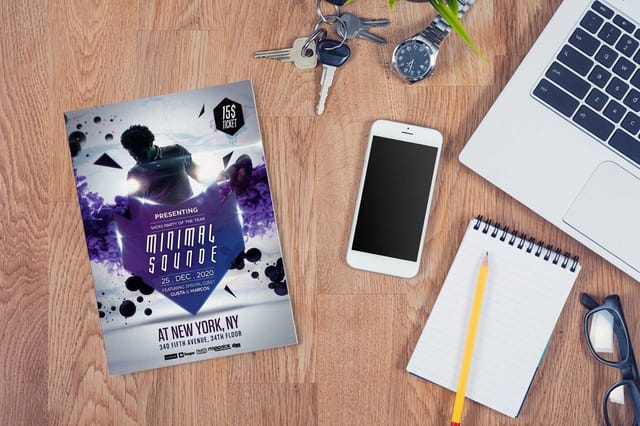
| 1. Standard Flyers | From $39.54 | The job ad you can leave somewhere. Print it uncoated so a candidate can write a shift preference on the back at a job fair. |
| 2. Standard Posters | From $108.75 | Two jobs in one product: a hiring poster in the window facing out, a values or safety poster in the break room facing in. |
| 3. Short Run Presentation Folders | From $108.75 | The offer packet. Short run means you buy 25 for this hiring season instead of a pallet you outgrow at the next rebrand. |
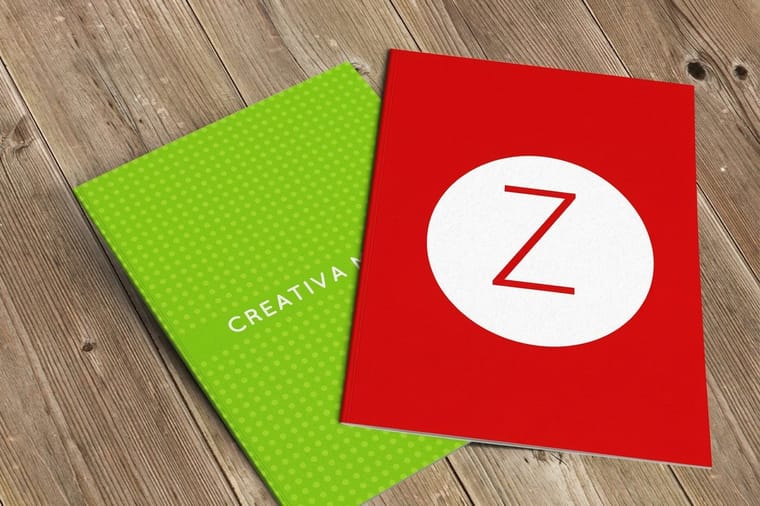
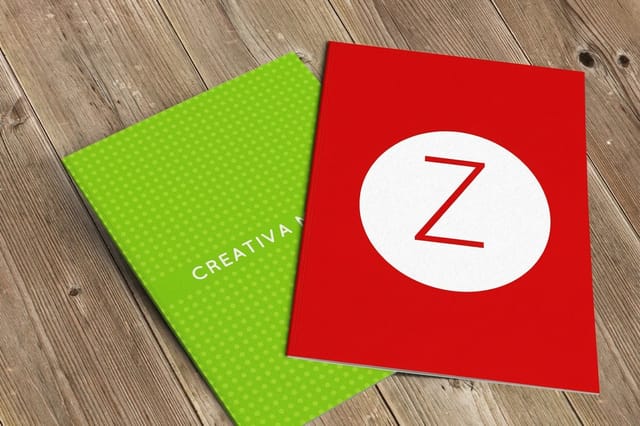
| 4. Standard Booklets | From $240.55 | The handbook. A 24-page saddle-stitched booklet at 5.5 in x 8.5 in gets read. A 60-page letter-size binder does not. |
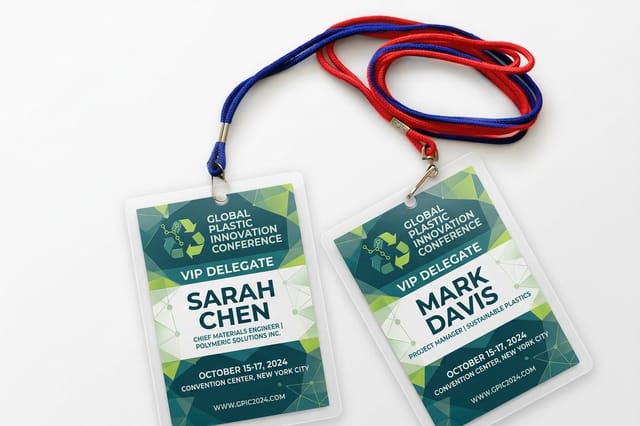
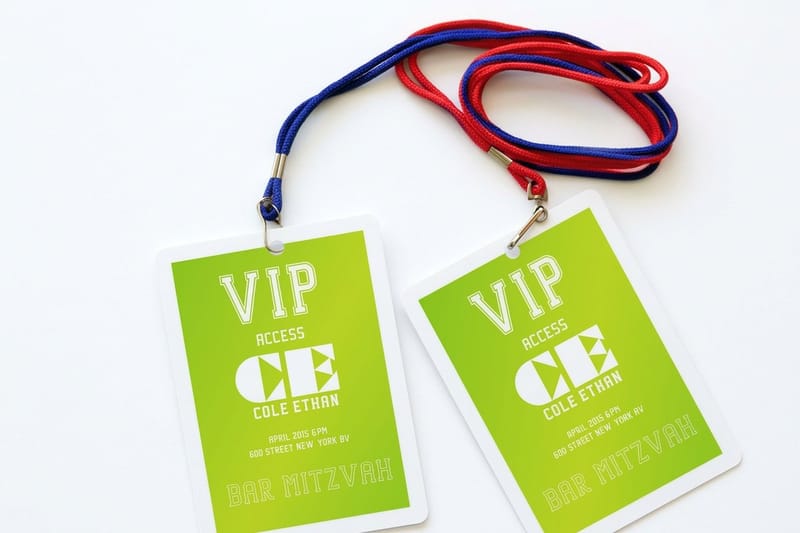
| 5. Plastic Event Badges | From $49.88 | A PVC badge survives a year on a lanyard. Order it the week the offer is signed so the name is right on the first morning. |
| 6. Premium T-Shirts | From $21.96 | The day-one shirt. Order a size run weighted to your actual team, never an even split across S to XXL. |
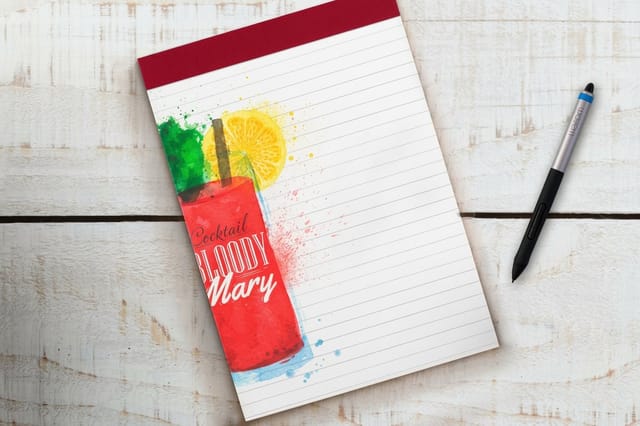
| 7. Standard Notepads | From $93.37 | The cheapest item on the desk and the one that gets touched every day. Uncoated sheets take ballpoint and pencil. |
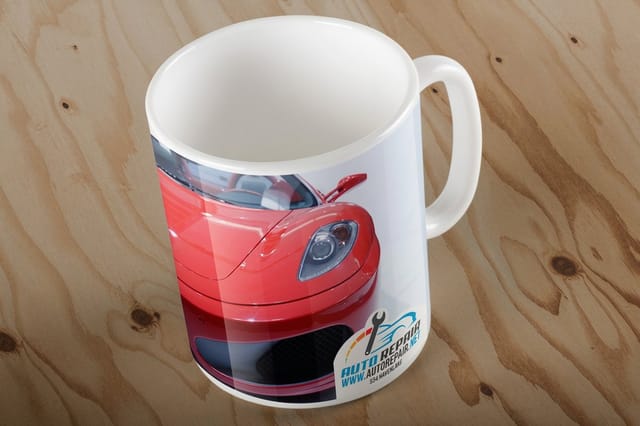
| 8. Standard Mugs | From $20.86 | The milestone marker for a first anniversary. Weak as a thank-you on its own, useful as the thing the thank-you sits in. |
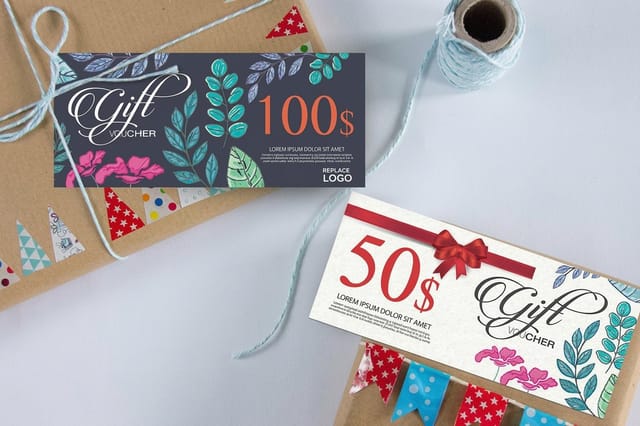
| 9. Gift Certificates | From $42.84 | Recognition with a serial number on it, so finance can match what was issued against what was redeemed. |
The timeline
Where each piece lands between the ad and the anniversary
Print for a hire is not one order. It is four small orders with different deadlines, and the one people miss is the third. The badge, the handbook and the desk kit all have to be sitting on a desk before someone walks in, which means ordering them the week the offer is accepted rather than the week the person starts.
1. Hiring flyers: the job ad that stays somewhere
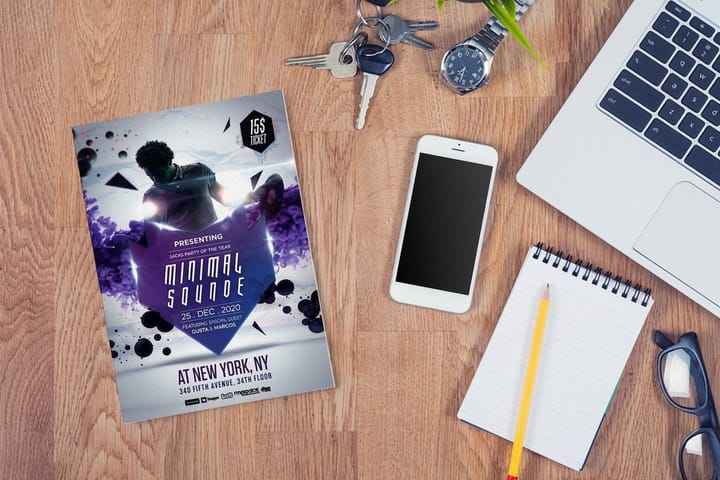
A job board post disappears the second someone scrolls. A flyer stays on a counter, a trade-school corkboard, a supplier's break room, or a job-fair table until somebody takes it. That matters most for the roles that are hardest to fill online, which tend to be the hourly and skilled-trade jobs where the good candidate is already working somewhere else and is not browsing listings at 9pm.
Pick the stock for what happens to the sheet. Gloss text looks sharper and photographs better, but a ballpoint skids off it, so a candidate at a job fair cannot write their availability on the back. Uncoated text takes pen and pencil cleanly, which is why the flyers that come back with notes on them are almost always the uncoated ones. If you are unsure how heavy to go, our breakdown of the best paper weight for flyers covers where a sheet stops feeling like a handout and starts feeling like a document.
The single change that does the most work is putting the actual pay range on the flyer. It cuts the number of calls you take and raises the share of people who show up for the interview, because everyone who was never going to accept the number self-selects out before you spend an hour with them. Add a QR code to the application form and print a half-sheet version for stacking. If you are heading to a recruiting event with a table, the job fair recruitment pack covers the banner and signage that go around it.
2. Recruiting and culture posters: one product facing two directions

A poster does two unrelated jobs in a hiring program, and it is worth being deliberate about which one you are ordering. Facing outward in a window it says you are hiring, and it only reaches people who already walk past your door. Facing inward in a break room it carries the things you want a new hire to absorb without being told twice: the safety rule, the escalation path, the four numbers the team is judged on this quarter.
Size to the reading distance, not to the wall. An 18 in x 24 in poster reads comfortably from about ten feet, which suits a break-room wall or a corridor. Go to 24 in x 36 in when the poster has to work across a lobby or a shop floor. If the wall gets wiped down, or the poster sits in a kitchen, a food-prep area, or anywhere near steam, ask for lamination or it will curl and stain inside a month.
Break-room posters go stale faster than anyone expects, and a faded poster with last year's numbers on it quietly teaches people that nothing on the wall is current. Date them in small type in a corner and replace on a schedule. For layout ideas that work in a real workplace rather than a design mockup, see our roundup of corporate poster design ideas for lobbies and recruiting.
3. Short run presentation folders: the offer packet you hand across the table
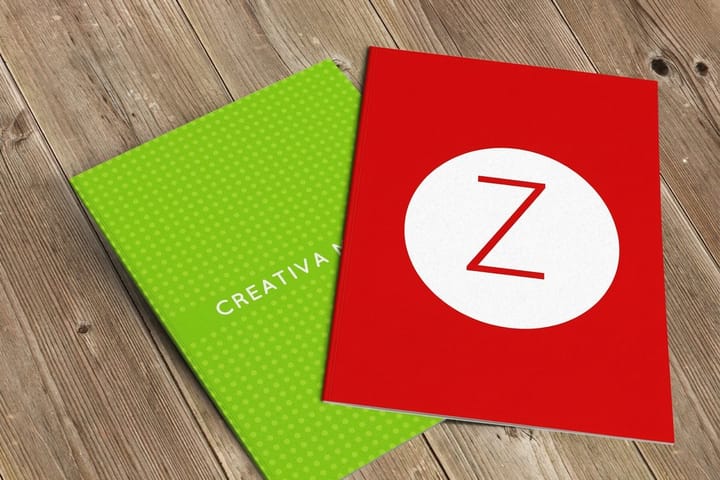
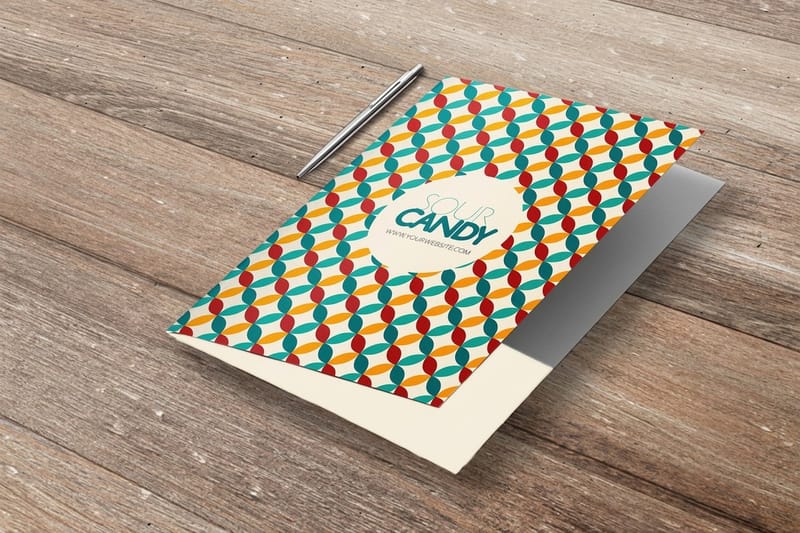
The offer is the moment a candidate is deciding between you and someone else, and a loose stack of stapled paper is a weak argument. A short run presentation folder holds the offer letter, the benefits summary, the first-week schedule and the tax forms as one object with your name on the cover. It is also the thing they take home and show somebody, which is where a lot of offers are actually accepted.
The word that matters here is short run. A standard 9 in x 12 in pocket folder is cheapest per unit at the quantities a national brand orders, and those quantities are the reason so many companies are still handing out folders with an old logo on them. Short run flips the maths: you pay more for each folder and less in total, you order twenty-five for this hiring season, and a rebrand costs you nothing but the next order. Watch the capacity too. A standard glued pocket takes roughly twenty-five sheets of text-weight paper before it bows and stops closing flat, so if your onboarding paperwork is thicker than that, split it between the two pockets or move the bulk into a booklet.
Assemble the same packet every time so nothing gets left out under pressure. Our guide on how to create the perfect employee welcome pack lists what goes in each pocket, and the wider hiring method behind this whole kit is set out in the hire right, keep them longer guide.
4. Handbook booklets: the version people actually finish

Every company has a handbook and almost nobody reads one. The reason is usually format. A 60-page letter-size document in a binder signals homework. A saddle-stitched booklet at 5.5 in x 8.5 in with 24 pages signals something a person can get through on a lunch break, and the shorter one is the one that changes behaviour on the floor.
Two production facts shape the plan before you write a word. Saddle-stitched page counts come in multiples of four, because each folded sheet makes four pages, so design to 20, 24 or 28 rather than discovering at the end that you have three blank pages to fill. And past roughly 64 pages, creep starts to matter: the inner sheets push outward as the spine thickens, the trim shaves the outer margin unevenly, and the book stops lying flat. That is the point to move to perfect binding instead. Our explainer on booklet binding methods covers where each method stops working.
The honest limit of a printed handbook is that it is a snapshot. A policy changes and every copy in the building is wrong. The fix is to split the content: print the parts that hold for a year or more, which is usually the safety rules, the values, the escalation path and the who-to-ask list, and keep the volatile parts such as benefit tiers and pay bands in one place online that the booklet points to. Then reprint on an annual cycle instead of chasing every amendment.
5. Name badges: the smallest thing that ruins a first morning

Ask anyone about a bad first day and you will hear about the badge that was not ready, or had the name misspelled, or said Contractor because that was the only blank left in the drawer. A plastic badge is a small order that carries an outsized signal: someone knew you were coming and prepared for it.
The choice is between a printed PVC card and a paper insert in a reusable holder, and turnover decides it. A PVC badge takes a year of lanyard abuse, pocket edges and door readers without softening at the corners, which suits salaried staff and anyone customer-facing. Where you cycle seasonal crews or temps every few months, a holder plus a printed insert is the cheaper answer, because you are replacing a sheet of paper and not a card. Whichever you pick, put the first name in the largest type on the badge. A customer needs to read it across a counter, and the job title is what fills the second line.
Layout rules for badges are narrow and specific, since you are working with a card about the size of a business card. Our guide on how to design corporate name tags covers hierarchy and the safe area around the punch, printed name tags types and sizing compares the formats, and name badge design ideas shows what the finished cards look like on a team.
6. Team t-shirts: order the size run, not the even split

A shirt handed over on the first morning does something a shirt handed out at a summer party does not: it makes a new person look like part of the crew before they have earned it, which is exactly when they need it most. It is also the one item in this kit that leaves the building on someone's back and gets seen by people who have never heard of you.
The mistake that wastes the most money is ordering an even split across S through XXL. Real teams are not evenly distributed, and the boxes of unworn XS and XXL sitting in a storeroom are the proof. Ask for sizes before you order, weight the run to the answers, and add two or three spares in the two most common sizes rather than one of everything. Fit matters more than the ink here, because a shirt nobody chooses to wear off site was the wrong shirt regardless of how good the print looked on screen.
Keep the front design small and the back plain, or the reverse, but not both loud. Staff wear the restrained version voluntarily and the billboard version only when they are told to. There are more ideas on what people actually keep in our list of promotional and branded t-shirt ideas.
7. Desk notepads: the cheapest daily contact you will buy
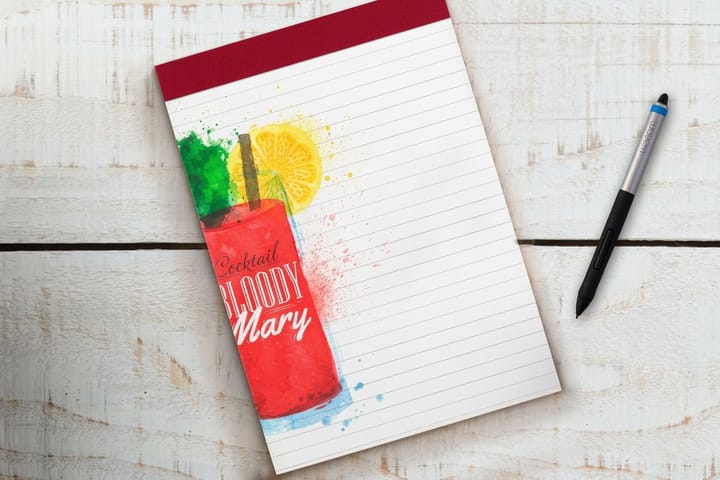
A notepad is the least exciting item in the kit and the one with the highest contact rate. It sits on a desk, it gets used in every meeting and every phone call, and the sheet with a phone number scribbled on it ends up in somebody else's hand. Nothing else in this list gets touched daily for a hundred and fifty pages straight.
Glue-bound pads come in sheet counts, and fifty is the size most people want. Twenty-five feels thin and runs out inside a quarter, a hundred is a brick that people ration. Keep the printing to a header band and a light footer, because the middle of the sheet is the product and a full-color background makes it useless for actual notes. Uncoated stock is not optional here either: ballpoint and pencil both need a surface with tooth, and a coated sheet will smear.
Order the notepad with the badge and the shirt so the desk is set on the first morning rather than three weeks later. That bundle, laid out with everything else a new hire needs on day one, is covered in welcome back to work ideas for returning teams, which applies just as well to someone arriving for the first time.
8. Milestone mugs: a marker, not a thank-you
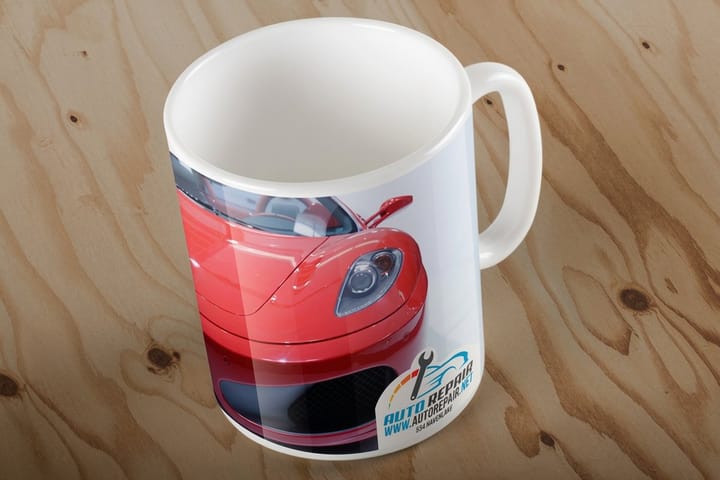
Be honest about what a mug does. Handed over on its own with a logo on it, it is the joke everybody makes about corporate gifts. Handed over on a first work anniversary with the year printed on it and a real conversation attached, it becomes the object on a desk that quietly says somebody counted. The mug is the carrier. The recognition is the thing you say while you hand it over.
Design for the dishwasher and for the handedness of the person holding it. A wrap that runs all the way around reads from both sides, which matters because a right-handed person holding a mug hides whatever is printed on the left face. Keep the artwork clear of the handle seam and clear of the rim, and expect that a mug lives in an office kitchen where it will be washed several hundred times a year.
One mug per year of service beats a shelf of them, so pick a milestone and hold to it. For the recognition that goes around the object, our roundup of employee appreciation gift ideas and the list of wellness gifts for employees both cover what people report keeping rather than what looks generous in a catalogue.
9. Numbered gift certificates: recognition finance can reconcile
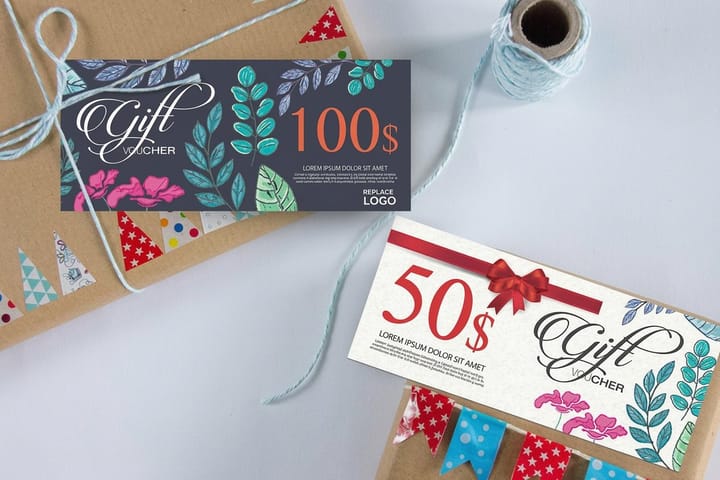
Spot rewards fall apart on the accounting side, not the motivation side. A manager wants to hand somebody a real reward the same afternoon they earned it, and finance wants to know how many went out and how many came back. A printed gift certificate with sequential numbering does both: the manager hands over something physical on the day, and every number can be matched from issue to redemption at month end.
Print them numbered even for a small program, because the number is the whole control. Without it you have a stack of identical pieces of paper, no way to tell a reissue from a duplicate, and no way to close the loop when one goes missing. Add a line for the manager's signature and a line for the reason, since a certificate that says what it was for is the one that gets pinned to a noticeboard rather than pocketed and forgotten.
Use the same stock and the same brand colors as the rest of the kit so the certificate reads as part of the same programme, not a coupon. If you want a starting layout, the dealership-ready and business-ready files in our design templates library take a logo drop and a color change without a designer. The same numbered-and-redeemable thinking works on the customer side too, which is what the customer retention mailer set is built around.
Specs and pricing
The two pieces you will reorder most: booklets and folders
The handbook and the offer folder are the pieces that come back around every hiring season, and they are the two where the specification changes the price the most. Here are the live specs and price ladders for both.


| Quantity | Price Per Unit | Total |
|---|---|---|
| 25 | $9.62 | $240.55 |
| 50 | $6.04 | $302.06 |
| 100 | $3.61 | $361.37 |
| 200 | $2.22 | $444.85 |
| 300 | $1.65 | $495.38 |
| 400 | $1.29 | $515.14 |
| 500 | $1.06 | $531.61 |
| 600 | 91.5¢ | $549.19 |
| Quantity | Price Per Unit | Total |
|---|---|---|
| 10 | $10.88 | $108.75 |
| 20 | $7.08 | $141.70 |
| 30 | $5.82 | $174.65 |
| 40 | $5.19 | $207.60 |
| 50 | $4.81 | $240.55 |
| 60 | $4.56 | $273.50 |
| 70 | $4.38 | $306.46 |
| 80 | $4.24 | $339.41 |
Wally walks the first year with a new hire
Four moments, nine pieces, one order each
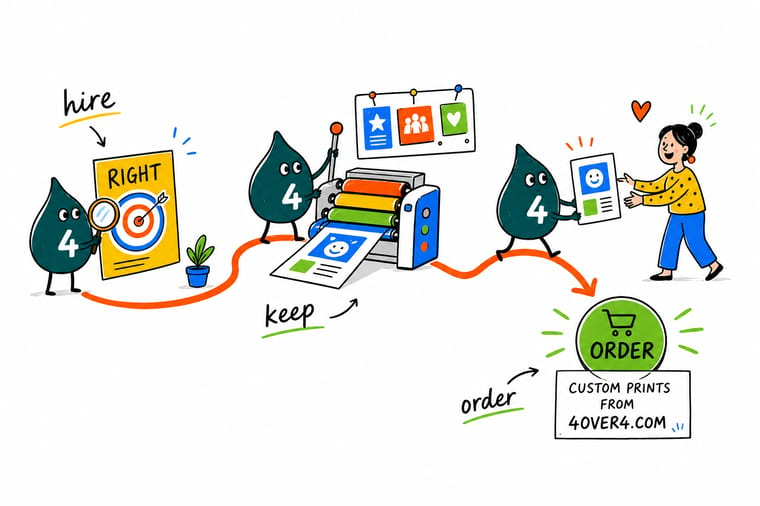
Wally starts at the job ad and finishes at the first anniversary. The flyer and the poster find the person, the folder wins the offer, and the badge, handbook, shirt and notepad make the first morning feel prepared instead of improvised. The mug and the numbered certificate come later, when there is something real to mark. Order for the moment you keep fumbling, and let 4OVER4 print the rest when the next season comes around.
Shop business basics printing →See it in use
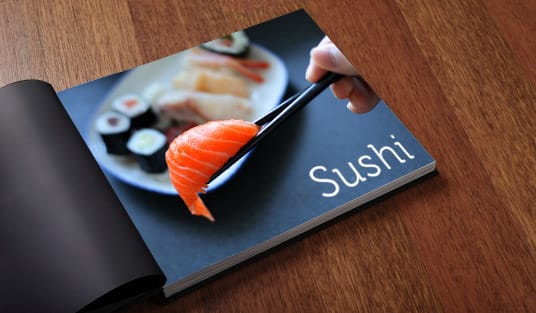
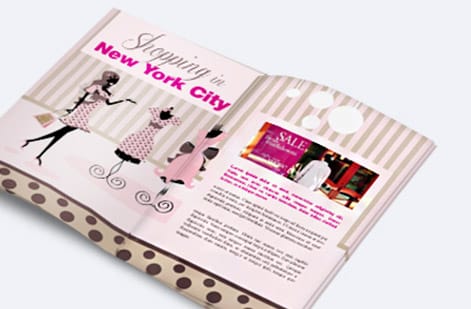
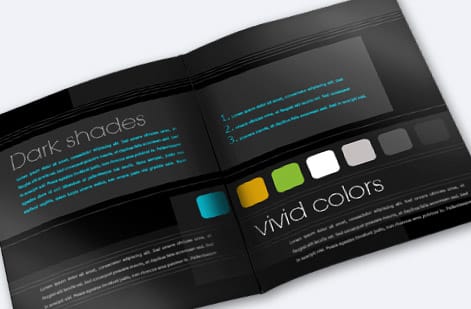
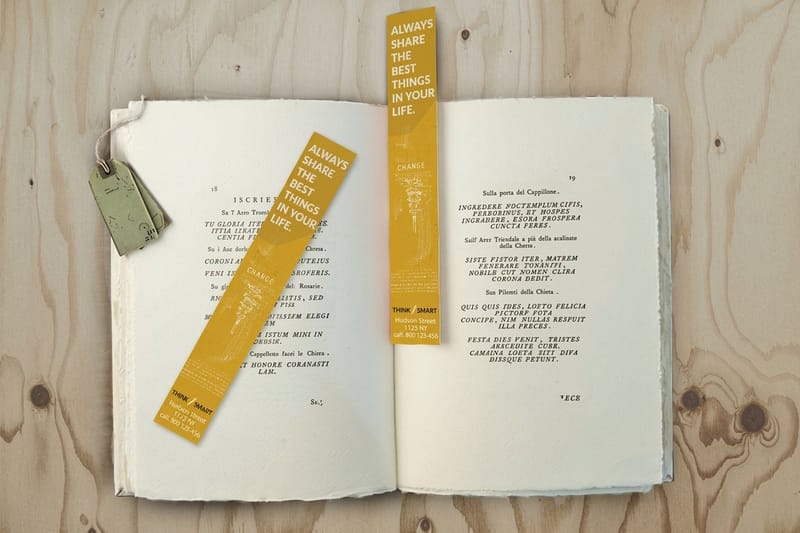
Booklets other employers have printed



Explore more
Where to go next

By the numbers
What a hiring sequence can be printed on
Common Questions
Common questions about hiring and onboarding print
What should a small company print to hire and keep staff?
Nine pieces cover the whole arc, and they split by moment rather than by department. Hiring flyers and posters carry the ad, a short run presentation folder carries the offer, a handbook booklet plus a name badge, a t-shirt and a notepad make the first morning work, and mugs plus numbered gift certificates mark the milestones after it. You do not need all nine at once. Start with the moment you keep fumbling, which for most small teams is the first morning.
How many sheets does a presentation folder actually hold?
A standard 9 in x 12 in folder with glued pockets takes roughly twenty-five sheets of text-weight paper before the pocket bows and the folder stops closing flat. Onboarding paperwork gets past that quickly once tax forms and a benefits summary are in there, so split the stack across both pockets or move the bulk into a booklet and keep the folder for the offer letter and the schedule.
Is a printed employee handbook still worth doing?
It is, as long as you accept that the print version is a snapshot. Print the content that holds for a year, which is usually safety rules, values, the escalation path and the who-to-ask list, and keep the parts that change every quarter in one place online that the booklet points to. A 24-page half-size booklet gets finished. A 60-page letter-size binder gets shelved, and an unread handbook is the same as no handbook.
Plastic badges or paper name tags for staff?
Turnover decides it. A printed PVC badge takes a year of lanyard wear, pocket edges and door readers without softening at the corners, which suits salaried and customer-facing staff. Where you cycle seasonal crews every few months, a reusable holder with a printed paper insert is cheaper because you replace a sheet instead of a card. Either way, set the first name in the largest type on the badge and put the job title on the second line.
What size run should I order for a team of twenty t-shirts?
Ask before you order and weight the run to the answers, rather than splitting twenty evenly across S to XXL. Even splits are the reason storerooms fill with unworn XS and XXL. Once you have the counts, add two or three spares in your two most common sizes for new starters and for the shirt somebody ruins in the first week.
How much does a hiring and onboarding print kit cost at 4OVER4.COM?
Every piece prices live in the configurator and the per-unit cost falls as quantity climbs. As a starting point, mugs begin around $20.86, premium t-shirts around $21.96, flyers around $39.54, gift certificates around $42.84, plastic event badges around $49.88, notepads around $93.37, posters and short run presentation folders around $108.75, and booklets around $240.55. Change the size, stock or finish and the price updates as you build the order.
Can I print a welcome pack for just one new hire?
You can, but the economics push you to batch. Short run presentation folders exist for exactly this problem and let you order twenty-five instead of a pallet, which is roughly a hiring season for a small team. Print folders, badges and notepads in a single annual or seasonal batch, then keep the per-person items such as the badge and the offer letter as the only thing you produce on demand.
Do printed pieces actually improve retention?
Not on their own, and any page that tells you otherwise is selling. Print removes friction on the first morning, which is a real cause of early departures, and it gives recognition something physical to attach to so it registers. It does not fix a wage that is below market, a schedule that changes on Fridays, or a manager nobody wants to work for. Treat the kit as the part of the job you can fully control, and fix the pay separately.
Get Started
Set the desk before the first morning
Print the nine-piece hiring and onboarding kit at 4OVER4.COM, or start with the one moment that keeps catching you out. Standard flyers start at $39.54 for 50 on 100# gloss text in 3 business days, notepads at $93.37 for 25 on 70# uncoated text, and each piece is configured on its own page.
Legal Disclaimer
Gold Standard guarantees apply to all standard orders placed through 4over4.com. Price match requires verifiable proof of a competitor's published price for an equivalent product with matching specifications and turnaround time. Satisfaction guarantee covers manufacturing defects and print quality issues. Contact support with order number and documentation. On-time delivery rate based on tracked orders 1999 to 2026. Individual results may vary based on shipping carrier performance.
