
The Complete Guide to Promotional Apparel That People Actually Wear


Jordan is our labels, packaging and sustainability voice, built from the knowledge of our production team, with over 20 years in printing.
Garment choice, decoration method, artwork prep, color on cloth, size curves, real budgets and a production calendar that survives contact with an event date. Everything you need to run a branded apparel program that keeps working long after the booth comes down. The printed side ships from us: full color t-shirts from a single shirt, cotton canvas tote bags, and promotional and events stickers for the rest of the crowd.
Promotional apparel is branded clothing given away or issued to build recognition, and it only pays off while someone chooses to keep wearing it. Choose the garment first, then the decoration method, because screen printing, embroidery, direct to garment and heat transfer each accept different artwork. Budget the blank, the decoration and the setup separately, order a weighted size curve instead of an even split, allow ten to fifteen business days after art approval, and pair the apparel with printed pieces that reach the rest of the crowd.
Start here
What a shirt has to survive to get worn twice
Promotional apparel is branded clothing you hand out, sell at cost or issue to a team so that your mark travels on a person instead of sitting on a shelf. The program works when the garment is comfortable enough to be chosen again, decorated with a method that suits the artwork and the quantity, ordered in a size curve that matches the real crowd, and delivered with a week of slack before the date it is needed. Print rounds out the reach for everyone who never takes a shirt. For a first test run, our full color tees come in white or black, sizes S to XXL, with an 8.5 x 11 inch print area on the front, the back or both.
Why promotional apparel outlives every other giveaway on the table
Most giveaways get one look and then a trash can. Apparel is different because the person decides to put it on again. A 4.3 ounce ringspun tee in the right cut, or a 6 ounce heavyweight for a crew that works outdoors, goes into the weekend rotation and keeps your name in front of a gym, a school pickup line and a grocery store for years. That decision, made by the wearer, is the entire return on the spend.
Which is also why the design brief is not really a design brief. It is a wardrobe question. Before anyone opens Illustrator, decide who wears this, in what weather, doing what. The rest of this guide walks the sequence in the order the decisions actually bind: garment, decoration method, artwork, color, sizing, budget, calendar. Alongside the apparel, the printed half of the program does the volume work, and promotional and events stickers carry the same mark to everyone who never takes a shirt.
What is promotional apparel?
Promotional apparel is any wearable item carrying a brand mark that a company gives away, sells at cost or issues to a team for visibility rather than for uniform compliance. The category covers t-shirts, polos, hoodies, quarter zips, caps, beanies, aprons, hi-vis vests, tote bags and outerwear. The defining trait is voluntary wear. Two of those print here: t-shirts in full color on white or black, and tote bags in 6 ounce cotton canvas at 14.5 x 16 inches, in natural, red or royal blue.
That separates it from workwear, which is required, and from merchandise, which is bought at full margin because the buyer wants the design itself. Promotional apparel sits in between and borrows from both. It has to look good enough that someone would have chosen it, and it has to survive the laundry cycle of a garment nobody paid for.
It also rarely travels alone. A working program pairs the garment with printed pieces sized for volume: handouts, signage and stickers. If you are new to the production side of that print, the different types of printing explains why offset, digital and screen behave so differently, and print materials and paper covers the substrates underneath them.
Choosing the garment: fabric weight, fit and the wear test

Fabric weight is the first honest filter. A 4.3 ounce ringspun cotton tee drapes softly and reads modern, which is why it wins with younger crowds and retail style designs. A 6 ounce heavyweight feels substantial and hides the ink better, which suits crews working outdoors. Tri blends are the softest and the most expensive, and they take a print with a slightly faded look that some brands love and others hate.
Fit is where most programs lose people. A single boxy unisex cut in six sizes will fail half your audience. Offering both a unisex and a fitted cut costs almost nothing at the order stage and doubles the number of people who actually wear the thing. For caps, check the closure and the crown structure, because an unstructured six panel and a stiff five panel flatter completely different heads.
Then run a wear test before you commit the budget. Order one of each candidate blank, wash them three times and look at the shrink, the collar and how the print survived. It costs under a hundred dollars and it prevents the mistake that shows up on five hundred garments.
Decoration methods: screen print, embroidery, DTG and heat transfer
Screen printing pushes ink through a mesh stencil, one screen per color. It is the cheapest method at volume, the ink lasts, and it is the standard for runs above roughly fifty pieces with a limited palette. The catch is setup: every ink color needs its own screen, so a photographic design becomes expensive fast.
Embroidery stitches the mark with thread. It reads as premium, it survives industrial laundry, and it is the right call for polos, caps, fleece and anything a client facing team wears. Pricing follows stitch count, not colors, so a dense logo with heavy fills costs more than a clean outlined mark. Fine text under about a quarter inch tall will not resolve in thread and should be dropped or redrawn.
Direct to garment sprays ink into the fibers like an inkjet. It handles full color gradients with no setup, which makes it ideal for small runs and one offs, though it works best on high cotton content and costs more per piece at scale. Heat transfer and vinyl cover the edge cases: numbers, names, small batches and performance fabrics that will not take plastisol.
Artwork that holds up on fabric, not just on screen
Cloth is a rough, stretchy, absorbent surface, and it punishes artwork built for a bright monitor. Hairline strokes disappear, tight counters in small type fill in, and a two point tonal difference that looked subtle on screen becomes invisible once the ink dries into the weave.
Supply vector art wherever you can. Screens are burned from separated vector files and embroidery is digitized from a clean outline, so a logo grabbed off a website will either be refused or rebuilt at your expense. Convert type to outlines, keep a minimum stroke of about one point at print size, and hold small text above eight points for screen printing and about a quarter inch for thread.
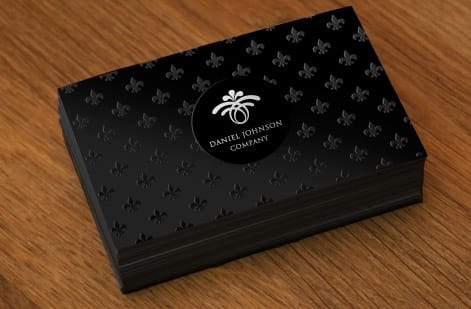
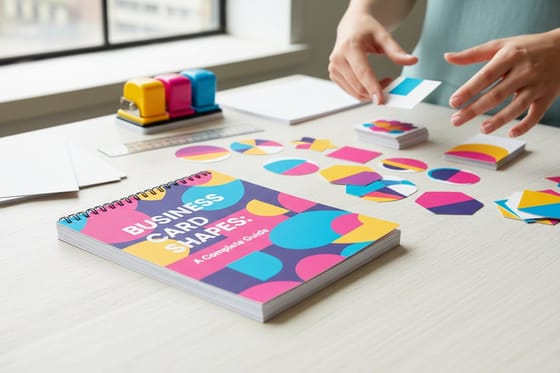
Set the print size against a physical garment rather than a screen. A common adult chest print runs eleven to twelve inches wide, a left chest mark sits around three to four inches, and a cap front is limited to roughly two and a quarter inches of height. The same discipline about outlines, minimum sizes and safe margins applies to small format print, which is why the guide to business card shapes is worth a read before you finalize any brand asset.
Color on cloth: why your brand teal changes on a navy shirt
Ink on paper sits on a bright white base. Ink on a colored garment sits on that garment. Print your teal straight onto navy and it comes out muddy and dark, because the shirt shows through the ink film. The fix is an underbase, a layer of white printed first that gives the color something to sit on. It is an extra screen and an extra pass, so it belongs in the quote from the start.
Two shortcuts keep costs down. The first is a one color print in white or a single light ink on a dark garment, which needs no underbase and looks intentional. The second is a tonal print, ink one or two steps off the shirt color, which reads as quietly expensive and photographs beautifully. Both are cheaper than a full color print and both age better through the wash.
Ask for a spec sheet that names the exact thread numbers and ink colors used, then keep it. The next reorder, possibly with another decorator, will match your first run instead of drifting a shade every year.
Sizing and quantity: order a size curve, not an even split
The most common apparel mistake is ordering the same count in every size. Real crowds are not distributed evenly. For a general adult giveaway, most decorators start from a curve weighted toward the middle, something close to five percent small, twenty percent medium, thirty percent large, twenty five percent extra large and the rest split across double and triple extra large, then adjust it for the audience in front of them.
Adjust deliberately. A tech conference skews larger than a running event. A staff order should be collected by name with an actual sign up sheet, never estimated. If you are giving away shirts at a booth, bring more large and extra large than feels right, because those go first and the leftovers are always the sizes nobody claimed.
Quantity drives price harder than anything except the blank itself. Setup is amortized across the run, so doubling from one hundred to two hundred rarely doubles the cost. Decide the total before you request quotes, and price two tiers so you can see the curve rather than guessing at it.
What promotional apparel costs and how quotes are built

Every apparel quote is three numbers stacked: the blank garment, the decoration, and the setup. Blanks are the largest and most variable piece, running from a few dollars for a basic cotton tee to well past twenty for fleece or a jacket. Decoration is priced per location per color for screen printing and per thousand stitches for embroidery. Setup covers screens, digitizing and any color matching.
The levers that move the total are simple. Cut ink colors. Cut print locations, because a back print is close to a second job. Raise the quantity. Accept a standard blank instead of a premium one where the audience will not notice. And avoid rush production, which prices as a surcharge on the whole run rather than a flat fee.
Compare per impression rather than per piece. A twelve dollar shirt worn weekly for two years is far cheaper per view than a one dollar item that gets discarded at the door. That same math is why teams building a full program budget for print alongside garments, a point the construction company marketing guide makes in detail for field based businesses.
Production and shipping: plan backwards from the load in date
A standard decorated apparel run takes roughly ten to fifteen business days after art approval, and art approval itself usually takes longer than anyone plans. Blanks have to be confirmed in stock and in every size, the proof has to come back signed, and any color match adds a round trip. Then add ground transit.
Work the calendar in reverse from the load in date, not the event date. A safe schedule looks like this: artwork locked four weeks out, blanks confirmed and proof approved three weeks out, production two weeks out, delivery target one full week before the event. That final buffer week is what saves you when a size is backordered.
Print runs on a shorter clock, which is useful. Stickers, handouts and signage can be produced and shipped in a few business days, so they are the right place to absorb a late decision. Order the apparel first and let the printed pieces catch up.
The printed half of the kit: what goes on the table with the shirts
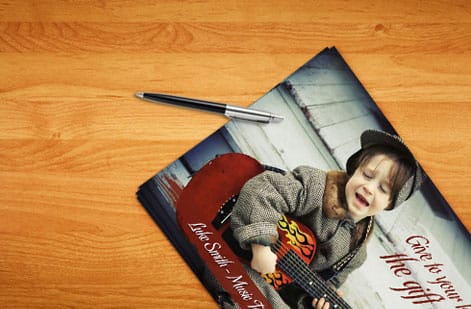
Apparel reaches the people you can afford to dress. Print reaches everyone else. A booth that gives away one hundred shirts will speak to a thousand people, and the printed pieces are what those other nine hundred take home. That is not a consolation prize, it is the volume layer of the program.
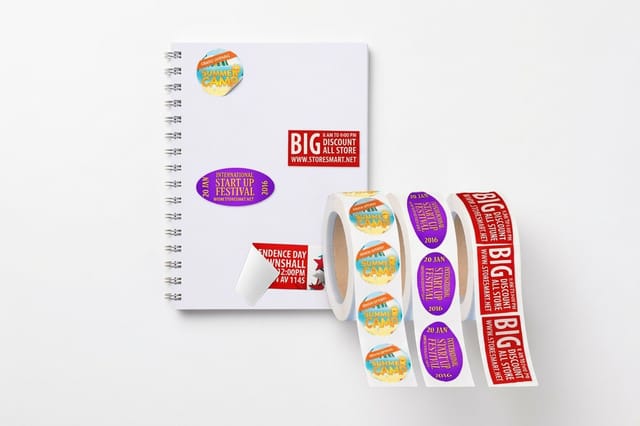
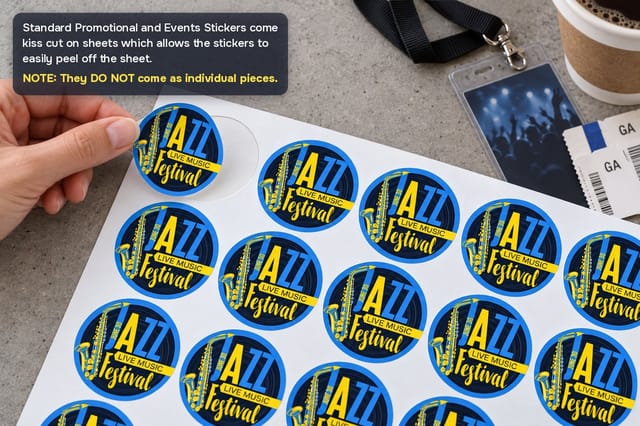
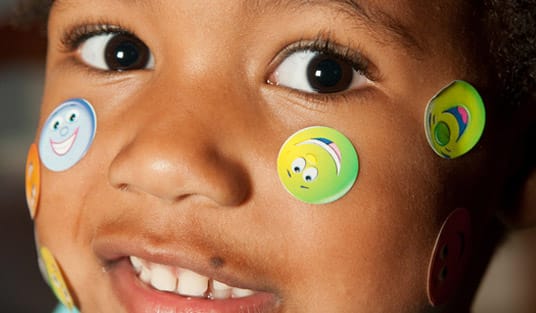
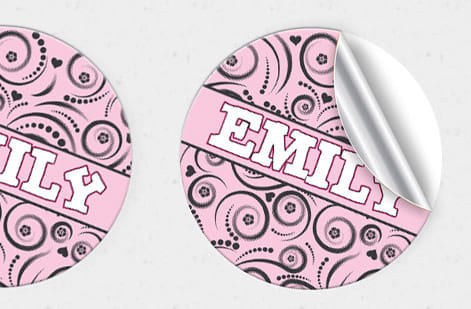
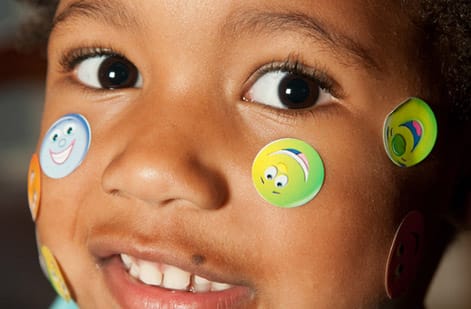
Stickers do the most work per dollar. They carry the same artwork, they cost a fraction of a garment, and people apply them to laptops, water bottles, hard hats and toolboxes where they stay visible for years. Die cut shapes get chosen more often than squares. Standard promotional and events stickers start at $23.88 for short runs, and if you are handing out thousands across multiple dates, roll stickers dispense fast from a table without anyone peeling a sheet.
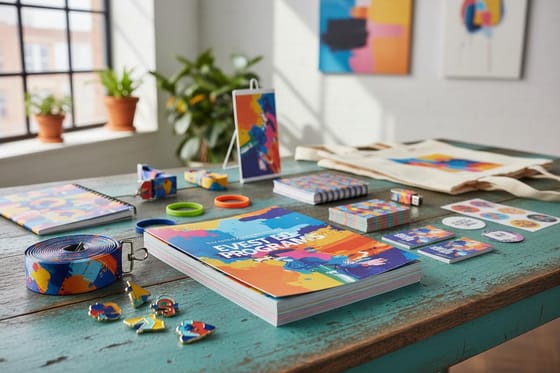
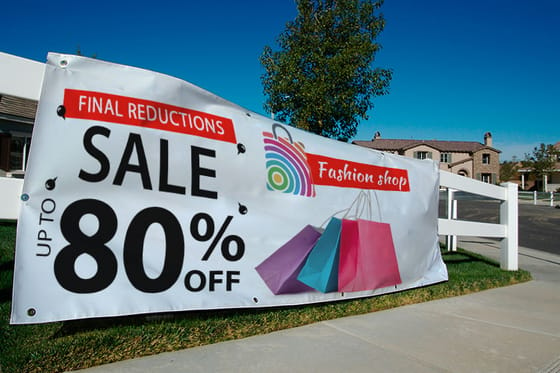
Round the table out with a handout that carries the offer and a large format piece that makes the booth findable. Custom handout flyers covers the first, banners versus signs covers the second, and promotional materials for events lays out the full checklist so nothing gets remembered in the parking lot.
Wally explains promotional apparel
A shirt only markets you while someone is willing to wear it
Wally has watched a lot of boxes get opened and a lot of shirts get left in them. His rule is simple: buy the garment you would wear yourself, decorate it with one clean mark instead of five, order more large than you think you need, and lock the artwork a month before the date. Then print stickers for everyone who walks past the table without taking a shirt.
Design and print promo stickers →
Infographic
The 7 decisions behind every apparel run
Garment, decoration method, artwork, color, size curve, budget and calendar, in the order they bind. Lock the garment weight first, from 4.3 ounce ringspun to 6 ounce heavyweight, then run the other six before you request a single quote, because changing any one of these later changes the price of all the rest.
No decision here stands alone. Change the garment color and the ink plan changes, raise the quantity and the decoration method may change with it, so settle the sequence once and quote it as a whole.
Specs and pricing
Promotional sticker specs and live pricing
While the garments are in production, the printed half of the kit can be ordered in a few business days. Here are the live specs and quantity pricing for the stickers that go out alongside the apparel.
| Quantity | Price Per Unit | Total |
|---|---|---|
| 25 | 95.5¢ | $23.88 |
| 50 | 72.9¢ | $36.44 |
| 100 | 42.7¢ | $42.72 |
| 150 | 32.7¢ | $49.01 |
| 200 | 27.6¢ | $55.29 |
| 250 | 24.6¢ | $61.57 |
| 300 | 22.0¢ | $65.97 |
| 400 | 17.6¢ | $70.36 |
Print it
Round out the promo kit at 4OVER4
See it in use
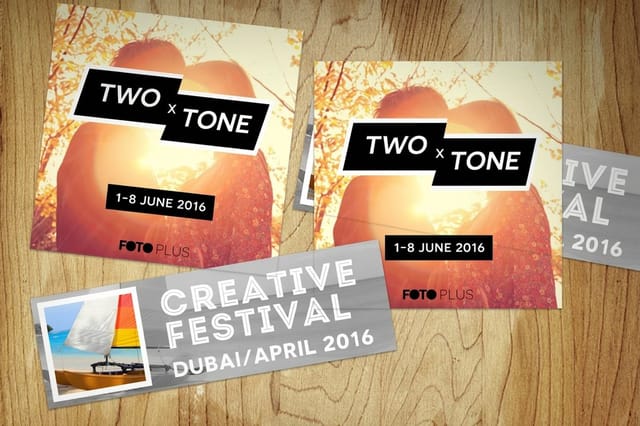
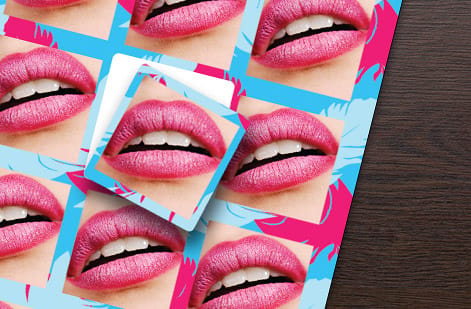
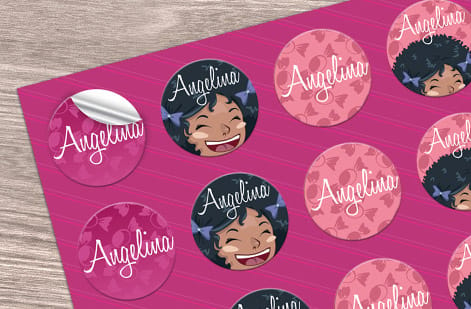
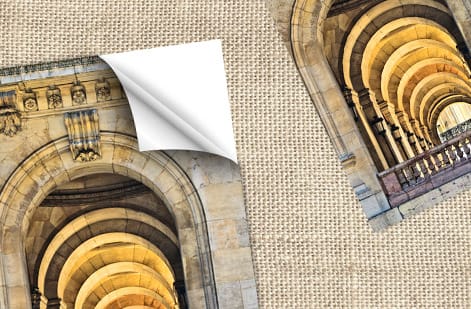
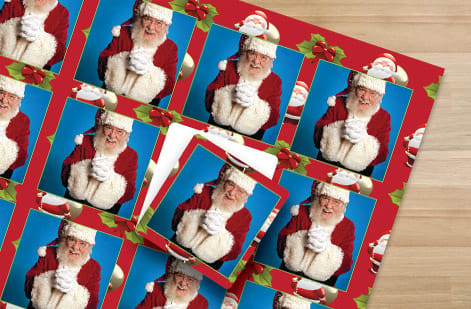
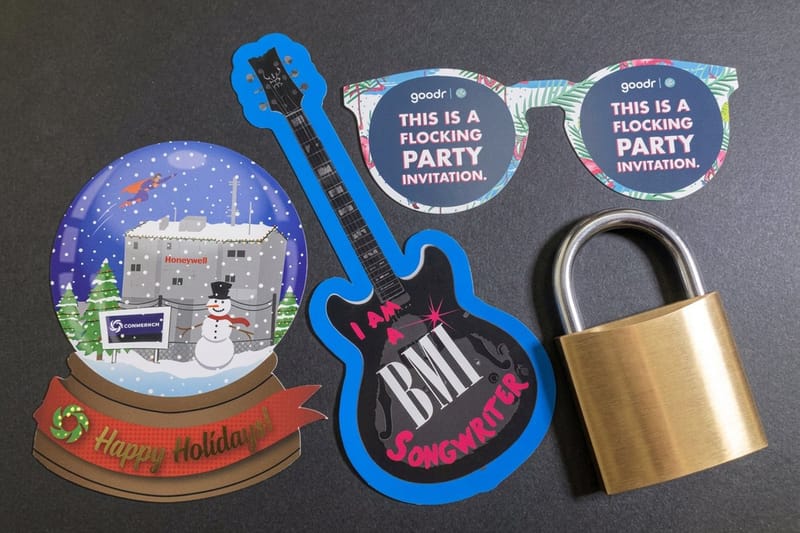
Event stickers we printed and cut in-house
Explore more
Where to go next
By the numbers
What 4OVER4 brings to an apparel order
Common Questions
Common questions about promotional apparel
What is promotional apparel?
Promotional apparel is clothing decorated with a brand mark and given away or sold to build recognition: t-shirts, polos, hoodies, caps, aprons, hi-vis vests and jackets. It differs from a uniform because the wearer chooses to keep wearing it after the event. That choice is the whole mechanism. A branded garment someone likes becomes a repeated impression for years, while one that never leaves the drawer is a sunk cost with no reach at all.
Who wears this, and where?
Start with the wearer and the setting, not the catalog. A trade show crew needs a polo that survives eight hours on a floor, a 5K field needs a light moisture wicking tee, a construction site needs a hi-vis shirt that meets the site rule. Then pick the decoration method that suits your artwork and quantity, confirm the fabric color works with your brand colors, and set a size curve that matches the real crowd rather than an even split.
What does promotional apparel cost and how are prices set?
Cost is the blank garment plus decoration plus setup. Blanks range from a few dollars for a basic cotton tee to well over twenty for a fleece or a jacket. Screen printing adds a setup charge per ink color, so a one color print on 250 shirts is far cheaper per piece than a six color print on 25. Embroidery is priced by stitch count. Every added print location is effectively a second job.
What sizes, stocks and finishes are available for promotional apparel?
Most catalog lines run adult XS through 4XL with youth sizes on popular styles, and extended sizes usually carry a small upcharge. Fabric choices run from 4.3 ounce ringspun cotton to 6 ounce heavyweight, tri blends, and polyester performance knits. Finishes include soft hand water based ink, plastisol, puff, discharge, tonal embroidery, and specialty options such as reflective or metallic thread on caps and outerwear.
How long does promotional apparel take to print and ship?
A standard decorated apparel run takes roughly ten to fifteen business days from art approval, plus transit. Add time for a physical sample, for blanks that have to be sourced from a second warehouse, and for any color match approval. If the shirts have to be on a table at a specific event, back the schedule up from the load in date, not from the event date.
Do I need vector artwork for apparel decoration?
For screen printing and embroidery, yes. Screens are burned from separated vector art and embroidery is digitized from a clean outline, so a low resolution logo pulled off a website will either be rejected or rebuilt at your cost. Direct to garment can accept a high resolution raster file at 300 dpi at print size. Keeping a proper vector master of your logo saves money on every job you ever run.
What should I hand out alongside promotional apparel?
Apparel is expensive per unit, so pair it with printed pieces that reach everyone else. Custom stickers do most of the work here: they carry the same artwork, cost a fraction of a garment, and get applied to laptops, water bottles and hard hats where they stay visible. Add a handout with your offer and a sign that makes the booth findable from across the hall.
Get Started
Promotional stickers run 100 on a roll for $322.98
Upload your artwork and get the stickers, handouts and signage that go out with the shirts, produced in house and shipped in a few business days.
Legal Disclaimer
Gold Standard guarantees apply to all standard orders placed through 4over4.com. Price match requires verifiable proof of a competitor's published price for an equivalent product with matching specifications and turnaround time. Satisfaction guarantee covers manufacturing defects and print quality issues. Contact support with order number and documentation.
