
13 Event Space Print Products That Book the Next Event
Every event your clients host is a four-hour showroom for your venue. These 13 print pieces make sure the entrance, the tables, the staff, and every guest photo carry the room’s name, not just the host’s.
The event space set is 13 print products that brand a venue at every touchpoint: a step-and-repeat backdrop for guest photos, vinyl banners for the entrance, fabric table covers, staff event badges, posters of past events for tours, invitation cards for open houses, business cards for the referral network, feather flags for the curb, a retractable lobby banner, table tents, event tickets, a venue packages brochure, and parking a-frames. Guests see the brand all night, and prospects see it on every walkthrough.
The picks
Thirteen products, from the backdrop to the badge
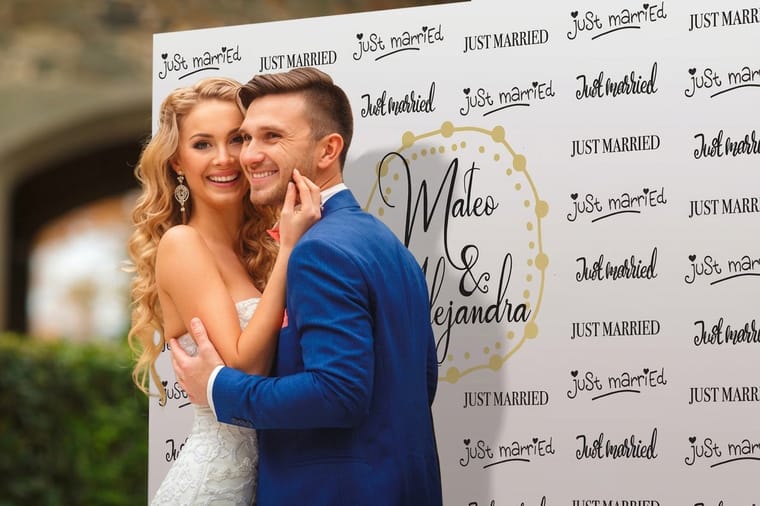
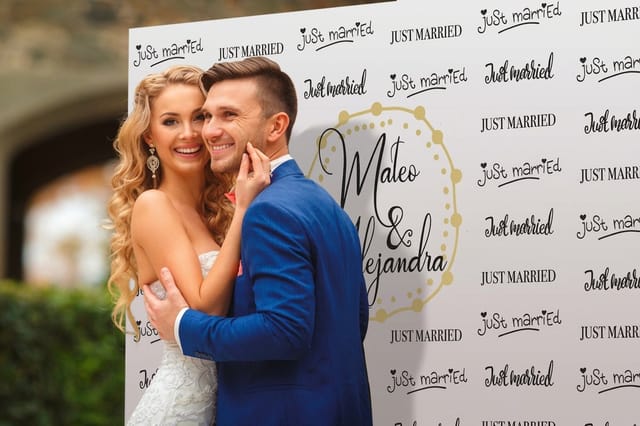
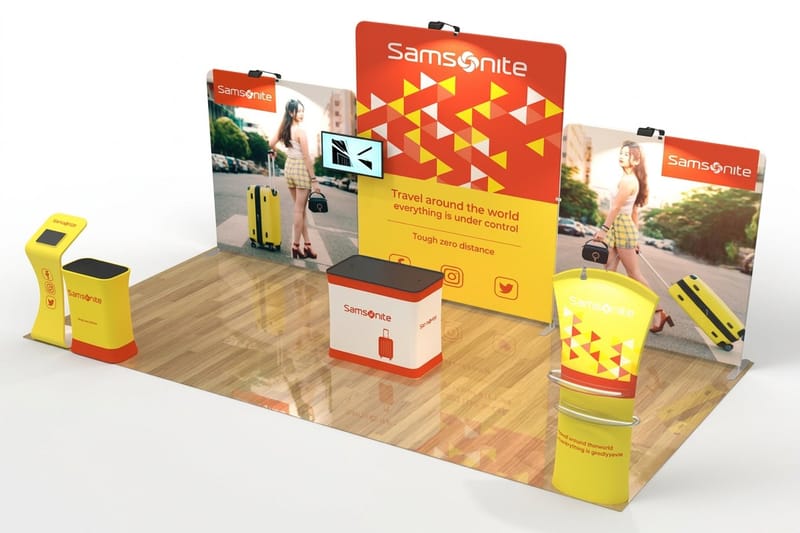
Start here. The set opens with the photo wall, an 8 by 8 or 8 by 10 ft step-and-repeat in 13oz blockout vinyl or 9oz wrinkle free fabric from $217.50. The tour pieces cost the least: business cards from $17.57 for 100, invitation cards from $19.77 for 25 and corridor posters from $108.75 for 50. Use one color value so the teal on your backdrop matches the teal on your badges, then read on for what each piece does.
Design and print help
Proof the backdrop before it prints
A venue brand only works if every piece agrees with the others. Set the logo and colors once in the online designer, check the free proof of the 8 by 8 ft backdrop and the 84 by 126.5 in table cover before they print, and rush the event-day pieces when a booking lands late.
How they work together
Tour day, event night, the photos after
Four pieces win the booking on tour day, from the 2 by 3.5 in card to the posters in the corridor. Eight dress the room on event night, from 8 to 15 ft feather flags at the curb to table tents on every table, and the step-and-repeat keeps working in the photos after. Print the whole sequence and no moment goes unbranded.
Tours and open houses sell an empty room. Posters of past events show the space alive, an invitation card lands the open house, a brochure spells out capacities and pricing to take home, and your card goes home with every planner who visits.
The curb, the entrance, the lobby, the tables, and the staff all carry the venue brand. Flags and A-frames guide guests in from the parking lot, a retractable banner greets them at check-in, table tents brief them once seated, and tickets manage the door on ticketed nights.
The backdrop keeps working when everyone has gone home. Every photo taken against it circulates with your name on it, in front of the friends and coworkers who plan the next event.
1. Step-and-repeat banners: the wall that markets you in every photo
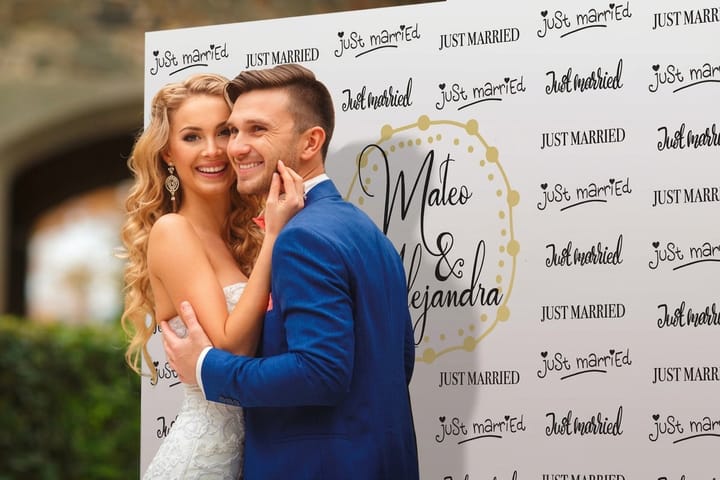
Guests at any event do one thing reliably: they take photos. A step-and-repeat backdrop near the entrance or bar decides what those photos say. Without it, the background is a fire exit. With it, your venue name repeats behind every smiling group, and those images travel to the exact people who will plan the next wedding, launch, or holiday party.
Design the grid tight. Alternate your venue logo with a second mark or your web address, angle the pattern diagonally, and size each logo around eight to ten inches so one stays readable beside every face. Choose a matte fabric or vinyl so camera flashes do not white it out; our overview of banner material types explains which surface handles flash photography best.
Set it up for every booking, not just your own events. The client gets a free photo wall, and you get a night of branded photography shot and distributed by two hundred volunteers.
2. Vinyl banners: the entrance that says something is happening here
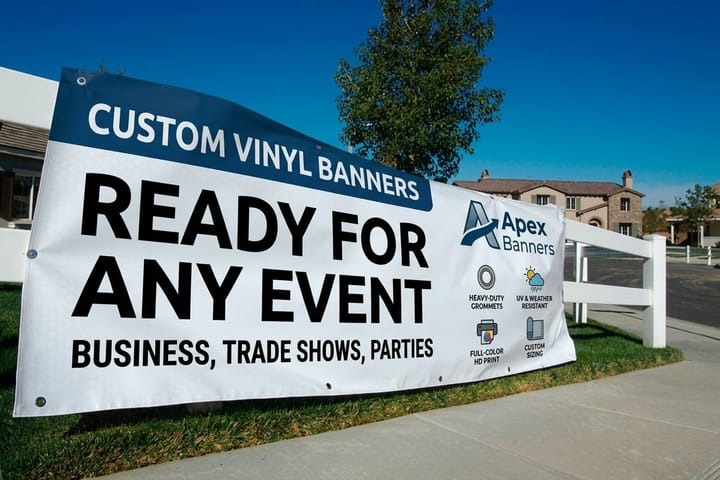
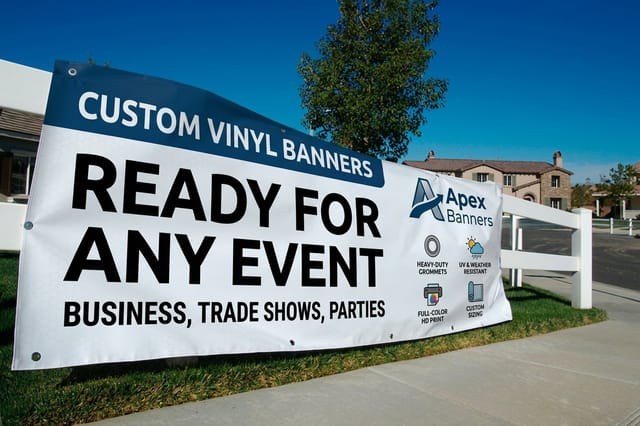
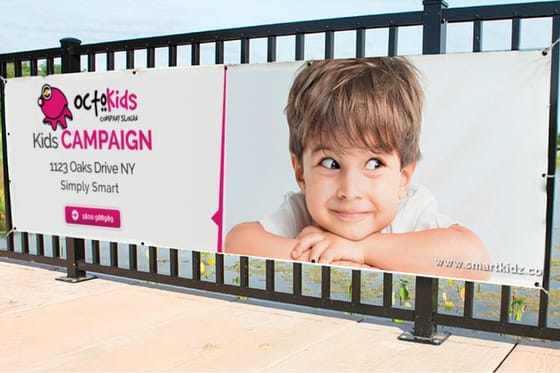
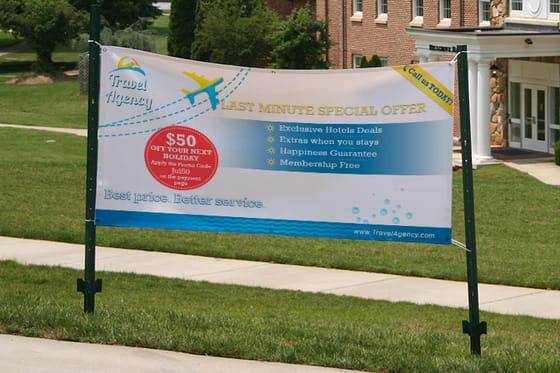
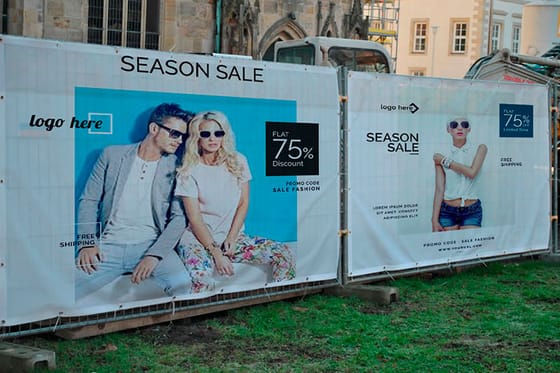
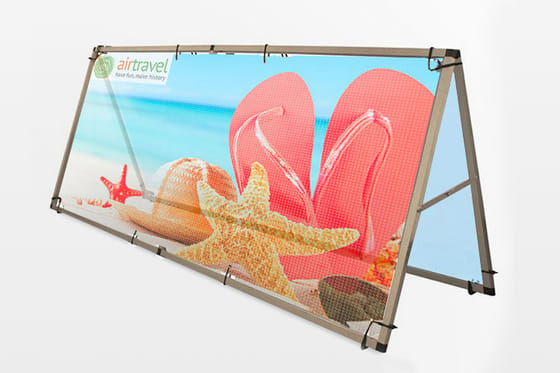
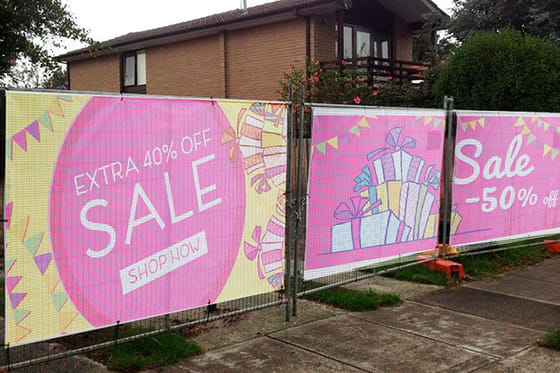
A venue with a bare front door looks closed even when it is booked every weekend. A vinyl banner over the entrance flips that: it announces the space to every car and pedestrian passing, and on event nights it tells arriving guests they are in the right place before they check their phones.
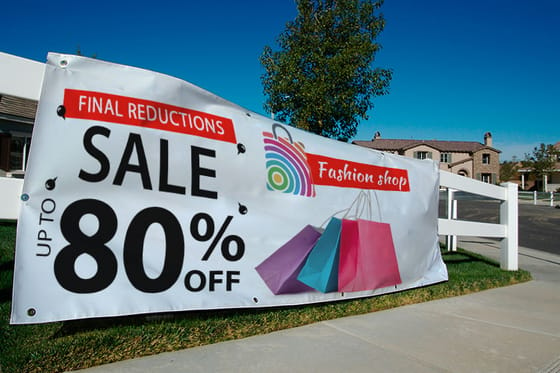
Print two kinds. A permanent banner carries the venue name and a booking line for the street. Event-night banners welcome specific gatherings, and clients will happily pay for that touch as an add-on. Vinyl shrugs off sun and rain for seasons at a time, and the walkthrough in how to make banners plus the standard banner size guide will get the proportions right for your frontage.
Keep the message short enough to read from a moving car. The banner’s job is one glance: this place hosts events, and it looks like it knows what it is doing.
3. Fabric table covers: the difference between a hall and a venue
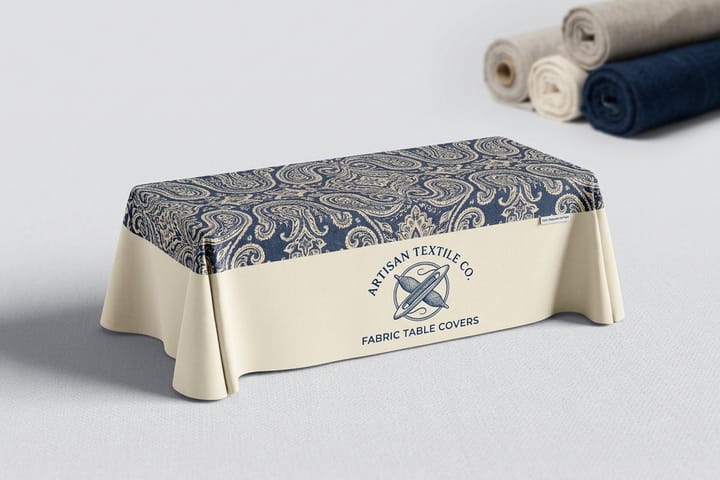
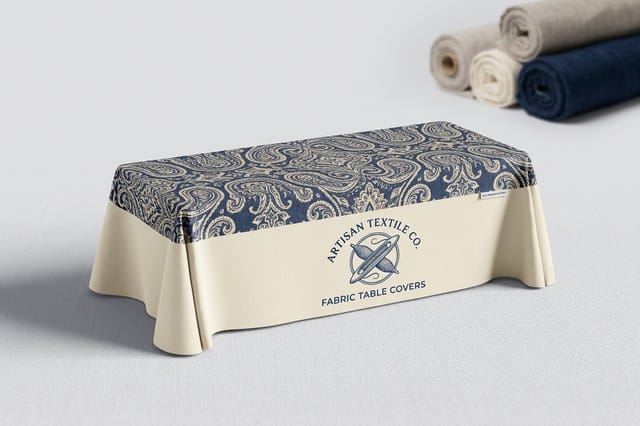
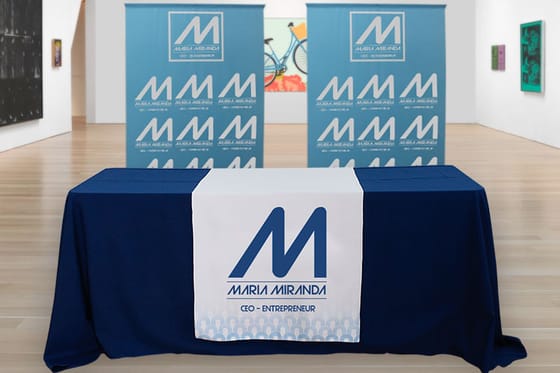
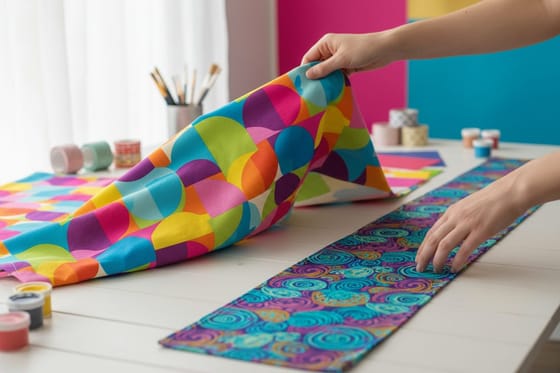
Nothing betrays a rental hall like bare folding tables. Fitted fabric covers in your brand colors turn the same furniture into part of the room’s design, and a logo on the welcome desk cover greets every guest who signs in. It is the least glamorous purchase in this set and one of the most visible.
Stretch covers stay tailored through a full night and photograph cleanly; draped covers go on faster between back-to-back bookings. The comparison in polyester vs stretch vs vinyl table covers sorts the materials, and vendor table display ideas shows how much work a dressed table can do for the welcome desk, the bar, and the gift table.
Machine-washable fabric means one set serves dozens of events. Buy covers for the tables guests photograph first, then extend to the full room as bookings grow.
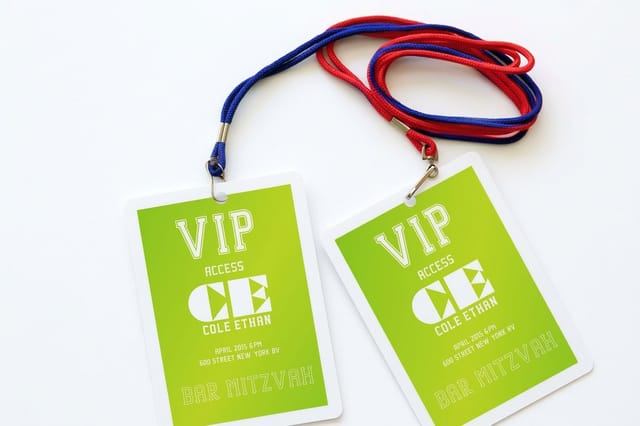
4. Event badges: staff guests can find, a brand at eye level
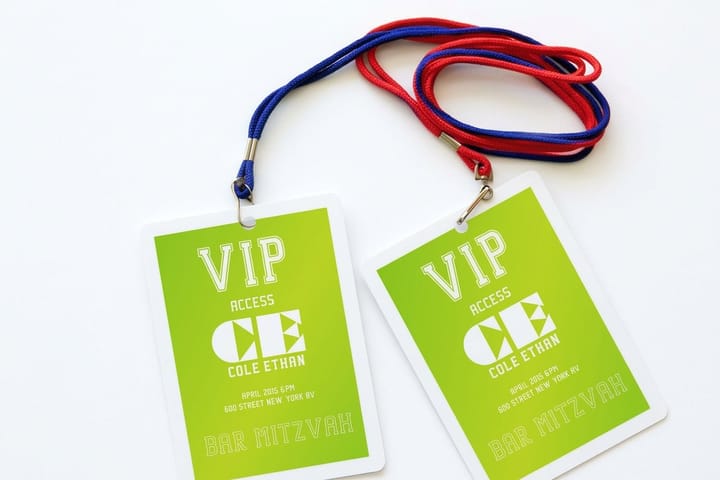
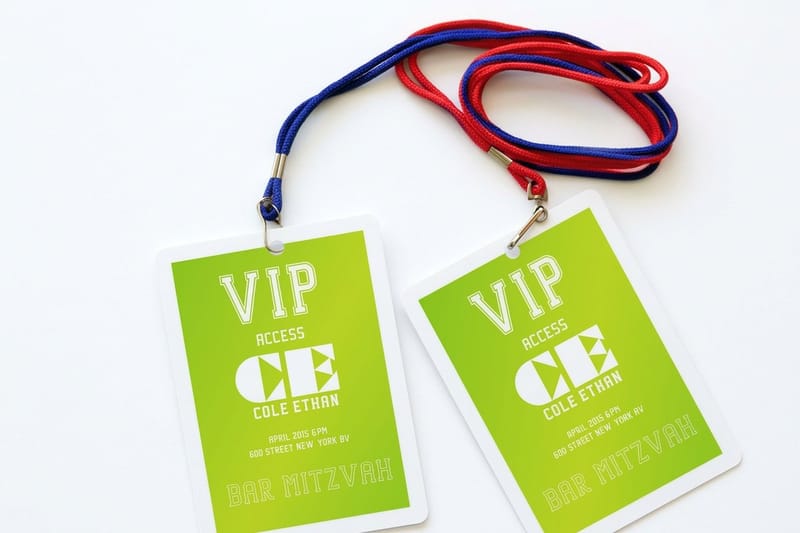
At a crowded event, guests need to know who works here. Badges answer that at a glance, and they do something subtler: every time a guest asks where the coat check is, they read your logo at eye level while being helped. Helpfulness gets credited to the brand on the badge.
Badge the whole floor team, from coordinators to bar staff, and print roles large: EVENTS MANAGER reads faster than a name. For venues that host conferences, offering custom guest badges as a paid add-on turns this piece into revenue; the ideas in designing conference badges people read apply directly to what you can sell clients.
Durable badges with clips or lanyards survive hundreds of events. One order covers the team for a year, including the seasonal staff who arrive every December.
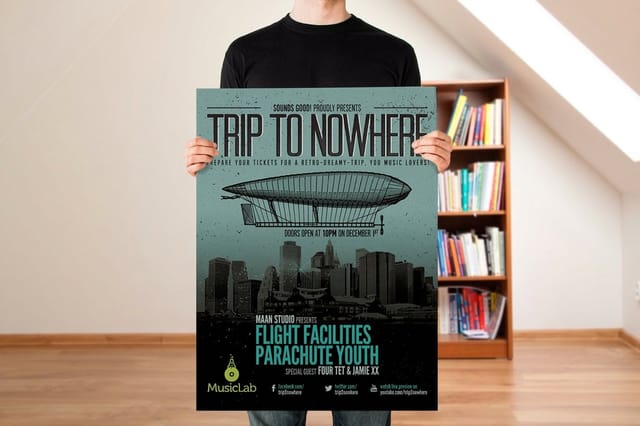
5. Posters: corridors that sell the next booking
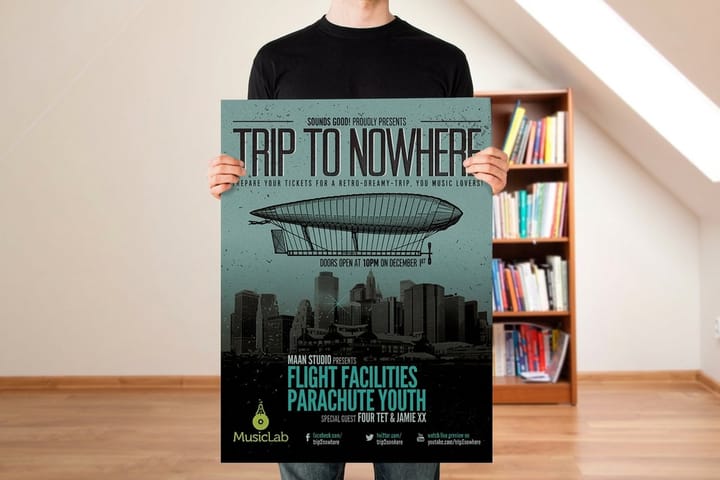
Every tour walks the same route: lobby, corridor, main room. Posters along that route are your portfolio hung where prospects cannot miss it. A gala in full swing, a wedding under the string lights, a product launch at capacity: photos of the room alive sell what an empty room on a Tuesday morning cannot.
Rotate a set of large prints, 18 by 24 inches or bigger, framed simply so the work reads as professional. Lead each poster with one line, the event type and the number of guests, so a prospect touring for a 150-person wedding sees you have done exactly that. The steps in how to design a poster keep each one to a single message, and the formats at posters and wall art include canvas if you want the lobby centerpiece to feel permanent.
Update the set twice a year. Fresh events on the walls tell repeat clients the calendar is full, and a full calendar is its own best advertising.
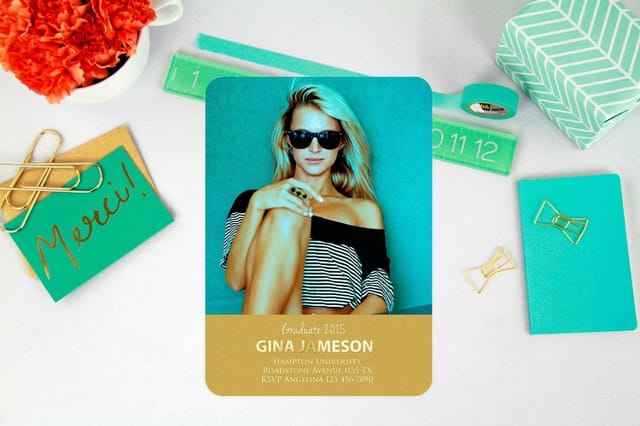
6. Invitation cards: the open house that fills the pipeline
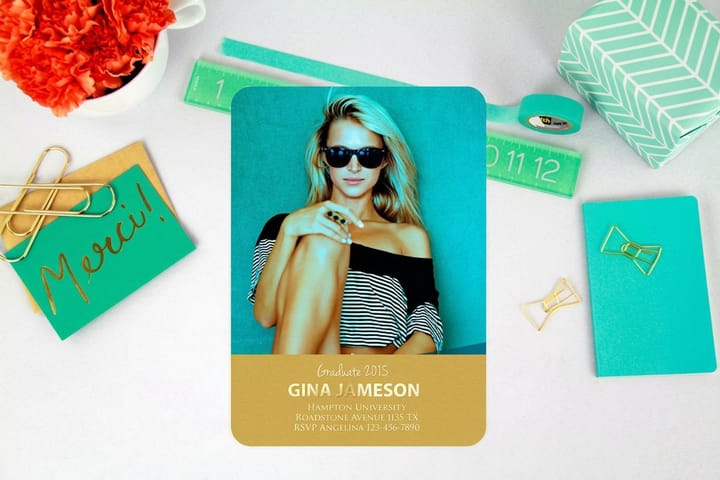
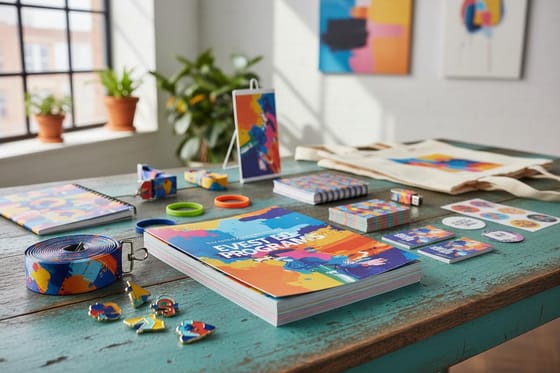
Twice a year, the smartest venues host their own event: an open house for planners, caterers, photographers, and engaged couples. A printed invitation is what separates that evening from every emailed webinar invite the same audience deletes. Heavy stock, real design, a date worth keeping on the fridge.
The invitation also works as a silent sample. Every planner who receives a beautiful card learns you can produce beautiful cards, and venues that offer printed invitations as part of their event packages close that upsell on the spot. The basics in how to make invitations cover sizing and wording, and a 5 by 7 inch card on thick stock is the safe, impressive default.
Mail them to your referral list and hand them out at every tour that does not book. The open house is the second chance at every maybe from the past six months.
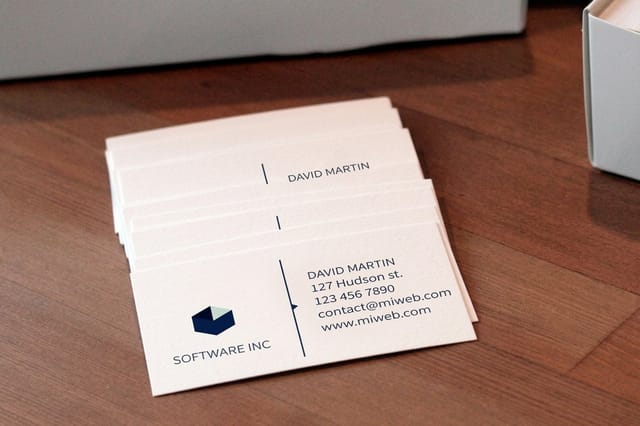
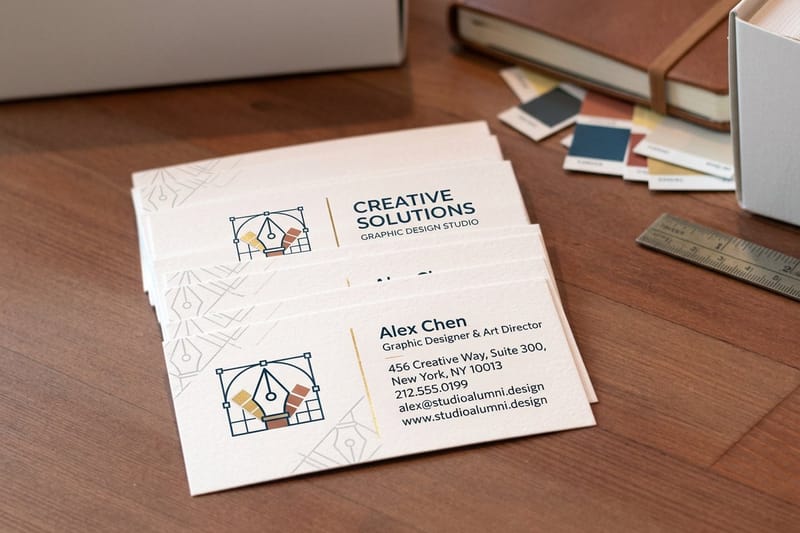
7. Business cards: the referral that leaves in someone else’s pocket
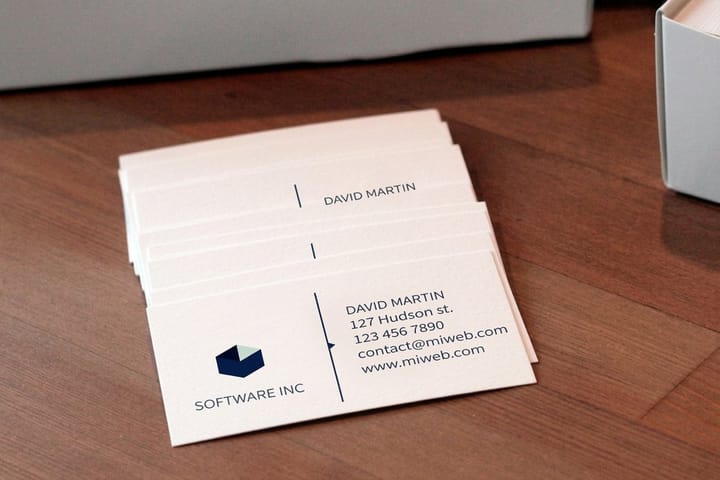
Venue bookings run on referrals. The caterer recommends you to their couples, the photographer mentions you to the corporate client, the planner keeps a shortlist. Every one of those conversations ends with someone reaching for a card, and if your card is not in their drawer, the referral goes to the venue whose card is.
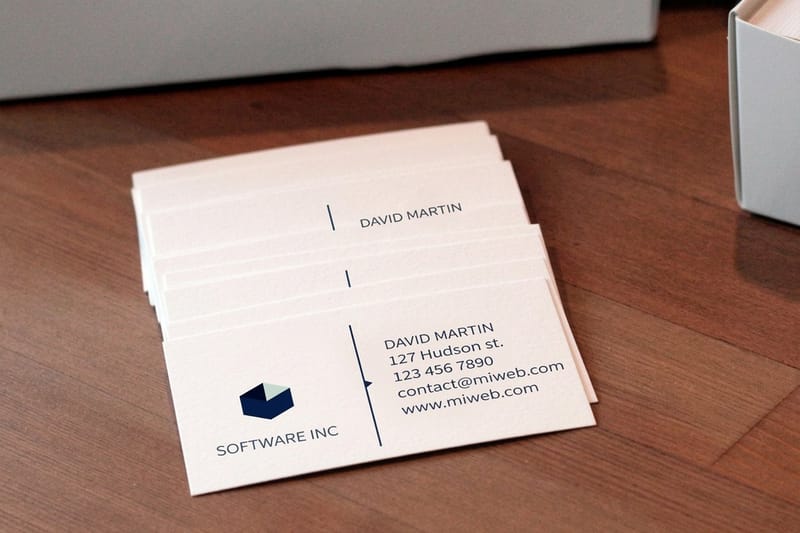
Put a photo of the main room on the back, because a venue card that shows the venue does half the tour before the visit. A QR code straight to your availability calendar removes the friction from the moment of interest. Browse stocks and finishes at business card printing, and the thinking in event planner business card ideas maps neatly onto venue cards.
Order enough to seed every vendor who works an event in your space. A box of 500 cards costs less than one hour of your room rate and can return a season of bookings.
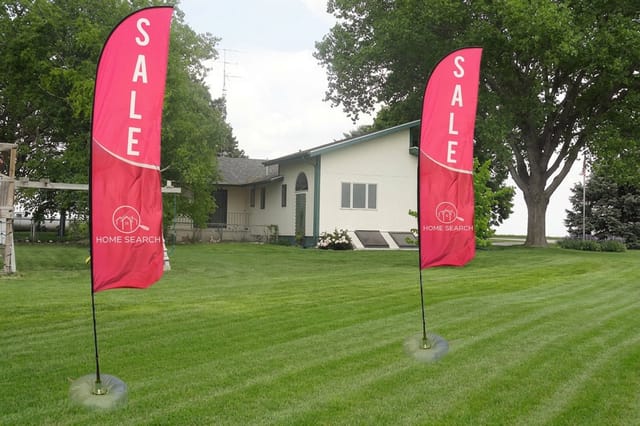
8. Feather flags: the venue reads as open the moment guests turn the corner
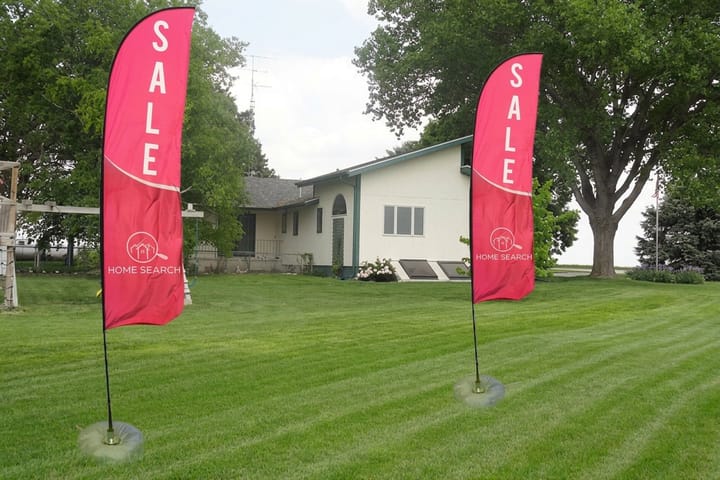
A parking lot with no signage looks the same on a dark Tuesday as it does on the night of a two-hundred-guest gala. A row of feather flags fixes that instantly: tall, moving, and visible from down the block, they tell every car pulling in that something is happening here tonight, before anyone reads a sign.
Run three or five along the curb or the walk to the entrance, alternating your venue name with a simple arrow pointing to the door. Because the bases are portable, the same flags work for a wedding this weekend and a corporate mixer next Thursday, no reprint needed. The rundown in banner types, styles, costs and tips covers how feather flags compare to the rest of your signage kit.
Store them flat between events and set-up takes minutes. It is the cheapest way in this set to make a full parking lot look like proof the venue is booked.
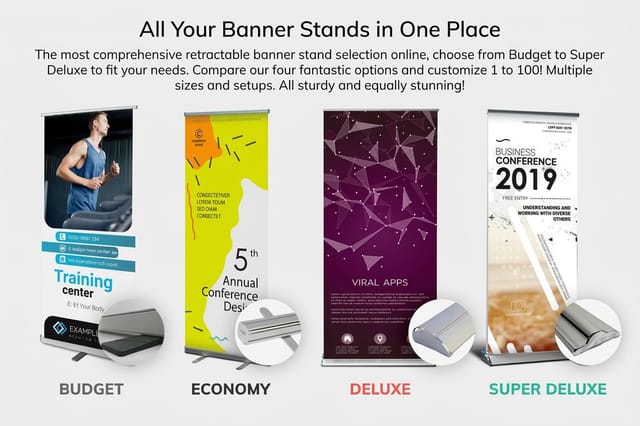
9. Retractable banner stands: a lobby that greets guests before staff can
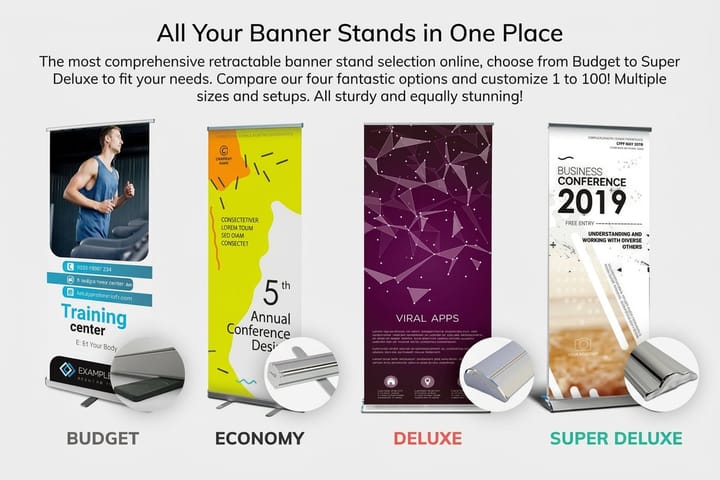
The first thirty seconds inside the door set the tone for the whole night. A retractable banner at the welcome desk does the greeting before anyone reaches the check-in table: it points guests toward the ceremony or the ballroom, welcomes tonight's specific event by name, and quietly reminds sponsors or clients who is hosting.
Because the stand pulls up in seconds and folds flat into its own case, one venue can own two or three and swap the graphic between a wedding at noon and a conference at six. The setup walkthrough in setting up a retractable banner stand in minutes gets your team faster than the guests arriving, and top retractable banner sizes and where to use them matches the size to a lobby versus a hallway.
Print a plain venue-branded panel for daily use and a second event-specific insert for bigger bookings. Either way, the lobby never looks unattended again.
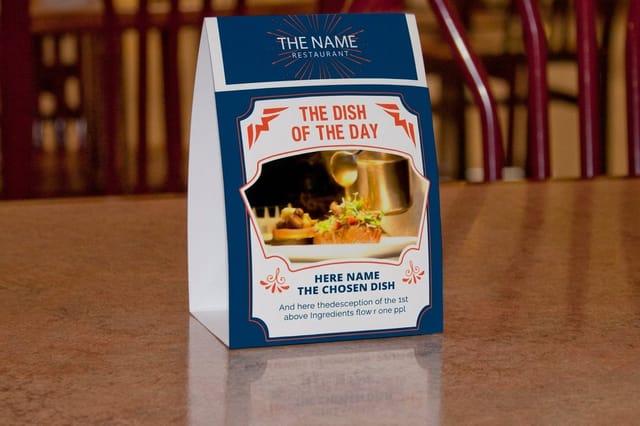
10. Table tents: the run of show, at eye level, on every table
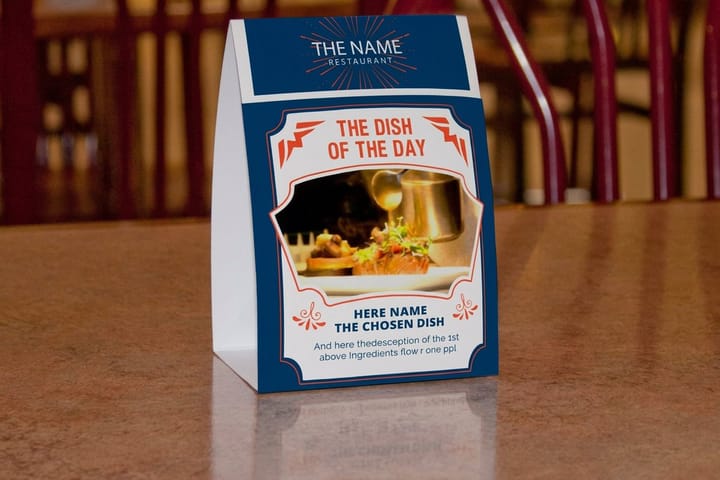
Guests ask the same three questions at every event: what time is dinner, where is the bar, and what table number is this. A table tent answers all three without a single staff interruption, printed with your venue mark in the corner so the answer also carries the brand.
Set one per table with the run of show on one face and a simple bar or drink menu on the other, and reprint just the schedule side for a private event while the venue branding stays constant. The primer in what are table tents covers the standard tent-card sizes and fold styles that hold up through a full seated dinner.
They fold flat for storage and reprint cheaply between bookings, which makes them the easiest way in this set to put your name in front of every seated guest for the length of the meal.
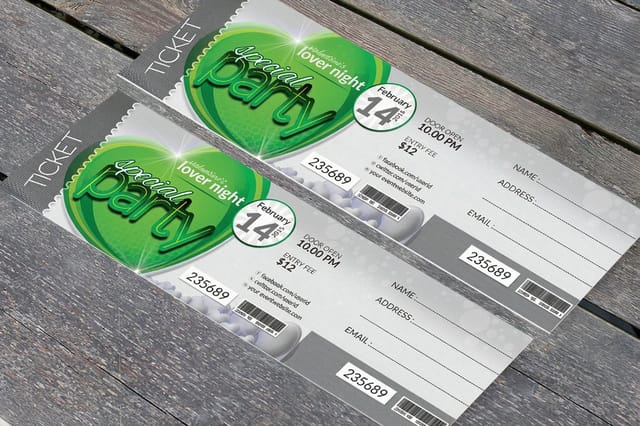
11. Event tickets: the door control that also pays for itself
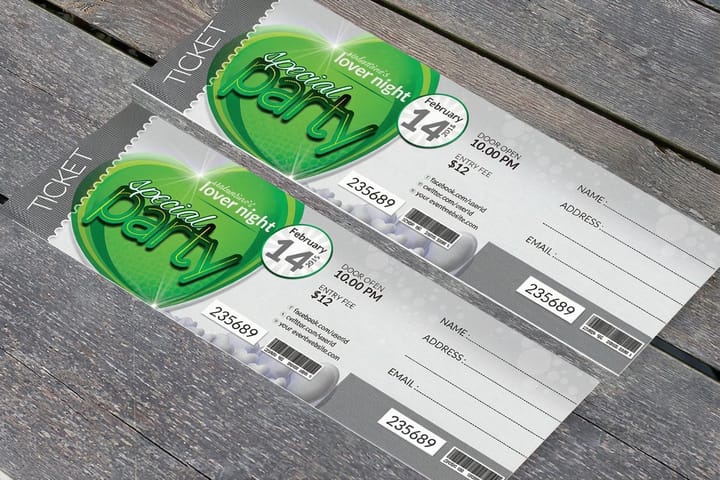
A venue that hosts its own ticketed nights, an open mic, a themed mixer, a members' party, needs a real ticket at the door: numbered, tear-off, and hard to counterfeit. It looks more legitimate than a printed list on a clipboard, and it gives you a physical count of who actually showed.
Offer the same product to clients booking your room for a fundraiser or a paid class as a line-item add-on. Sequential numbering keeps a raffle or a drink-token system honest, and the design notes in how to make raffle tickets apply directly to any numbered admission ticket. For the bigger picture of running the night around it, how to plan a corporate event is worth a read before your first ticketed booking.
Print a short run for your own calendar and a larger one to stock for clients who ask. Either way, the ticket itself becomes a small revenue line, not just a door check.
12. Standard brochures: the leave-behind that closes the tour
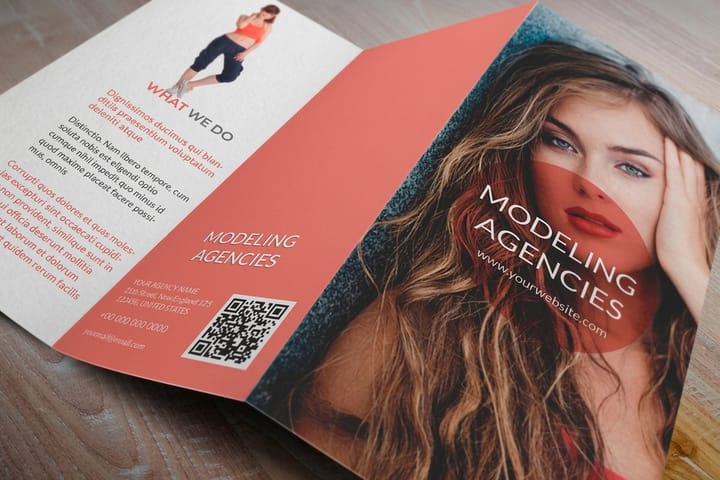
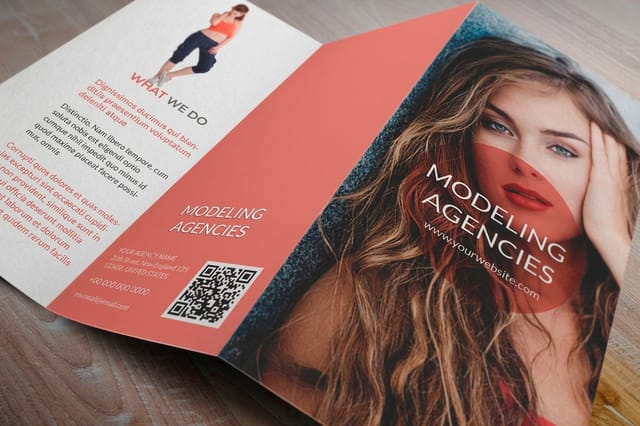
Every tour ends the same way: the prospect says they will think about it and walks out with nothing but a business card. A venue packages brochure changes that. Capacities, catering options, floor plans, and starting pricing, all in one folded piece that survives the ride home and gets shown to the co-decision-maker who did not come.
A tri-fold in landscape works for most venues, with the room photos on the cover panel and the numbers inside. The sizing and paper guidance in picking the best size and paper for your brochure and the basics in what is a brochure cover the format decisions before you design.
Print enough to hand one to every tour, plus a stack for the front desk. It is the piece most likely to be the actual reason a maybe becomes a booking.
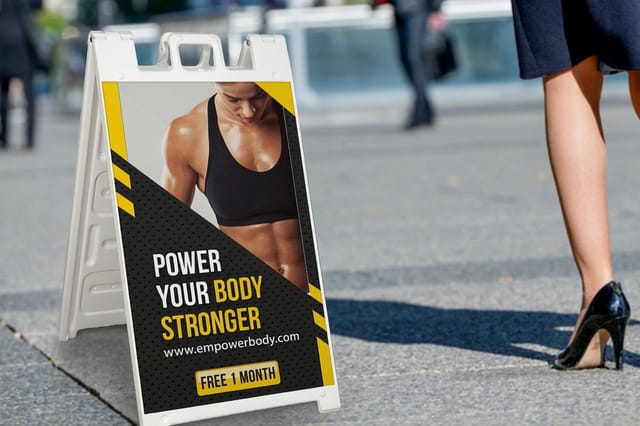
13. Signicade A-frames: the last hundred feet of wayfinding

Even a venue with a great sign gets a lost guest walking the wrong way across a parking lot. A-frames close that gap. Set one at the lot entrance, one at the sidewalk, and one pointing to the correct door, and the last hundred feet of the guest's drive stop being a guessing game.
Double-sided printing means the same sign reads correctly whether the guest is arriving or already parked and turning around, and the sturdy frame handles wind better than a yard sign on a night with a full parking lot. The comparison in signicade vs aluminum vs plastic A-frames picks the right build for outdoor use, and yard signs vs A-frames vs banners confirms an A-frame is the right call for this exact job.
Keep two or three in storage and set them out before every booking. They cost little next to a night's room rate and remove the one complaint every venue hears: we couldn't find the door.

Specs and pricing
Step-and-repeat specs: fabric, vinyl, and logo size
The photo backdrop is the piece guests interact with most, so it sets the standard. Here are the live specs and price-per-unit for step-and-repeat banners at 4OVER4.COM, straight from the configurator.

| Quantity | Price Per Unit | Total |
|---|---|---|
| 1 | $217.50 | $217.50 |
Wally explains the set
13 pieces, one venue, branded in every glance
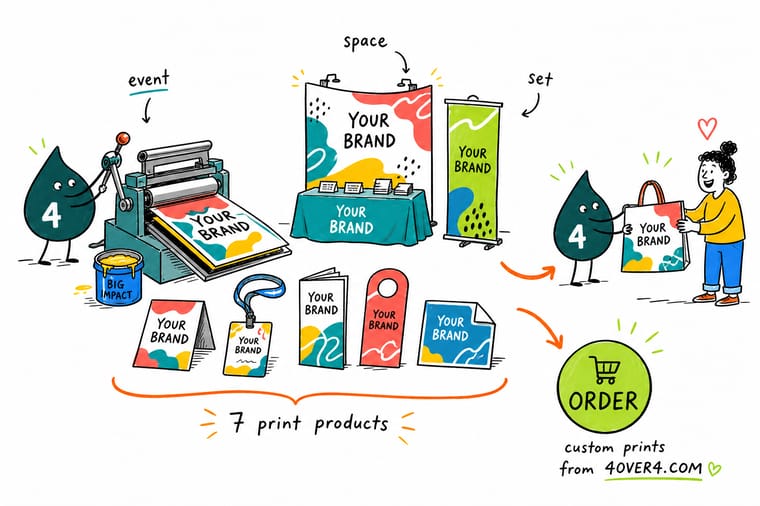
Wally sees a venue as a stage that hosts other people’s shows. The banner names the theater, the covers and badges dress the cast, the posters replay the greatest hits for every tour, and the step-and-repeat sends the audience home with branded photos. Keep one logo and palette on all 13 and the whole room speaks with one voice.
Shop entertainment printing →See it in use
Banner jobs from customer orders

Explore more
Where to go next
By the numbers
One set, printed to host
Common Questions
Common questions about the event space set
What is in the event space set?
13 print products that put a venue’s brand everywhere clients and their guests look: a step-and-repeat photo backdrop, vinyl banners, fabric table covers, event badges, posters, invitation cards, business cards, feather flags, a retractable lobby banner, table tents, event tickets, a venue packages brochure, and parking a-frames. Together they cover the curb, the entrance, the lobby, the tables, the staff, the corridors, and the photos that leave the building.
Why does a venue need its own printing if clients bring decor?
Client decor celebrates the client. Venue print sells the venue. The couple’s florals will not tell the two hundred guests where they are, but a step-and-repeat by the photo corner, a banner at the entrance, and badged staff will. Every event hosts your next prospects, and these pieces make sure they leave knowing the room’s name.
Which piece should an event space buy first?
The step-and-repeat banner. It is the one piece guests actively seek out, it appears in hundreds of photos per event, and those photos reach exactly the audience that books venues. Add the entrance banner and table covers next, because they set the tone for the whole room at relatively low cost.
What size step-and-repeat backdrop works for most venues?
An 8 by 8 foot wall suits most photo corners, and wider 8 by 10 or 8 by 12 layouts handle group shots at larger events. Repeat your logo in a diagonal grid so it stays visible over shoulders, and keep the pattern tight enough that at least one clean logo appears beside every face. The configurator prices each size live.
Are fitted or draped table covers better for an event space?
Fitted stretch covers look tailored and stay put through a full event, which suits head tables and welcome desks. Draped covers are faster to throw on banquet rounds between back-to-back bookings. Many venues keep both: stretch for the tables guests photograph, draped for the rest. Our guide comparing polyester, stretch, and vinyl covers breaks down the materials.
How do we keep 13 pieces looking like one venue?
Use one logo lockup, two brand colors, and one typeface on every piece, so the color reads the same from the backdrop to the badges. A venue whose entrance banner, table covers, and staff badges all agree with each other reads as established, and established rooms book at higher rates.
Can we reorder single pieces as they wear out?
Yes. Each product has its own configurator, so when the entrance banner fades after a year outdoors or you need forty more badges for a new events team, you reorder just that piece at the same size and stock. Keep your print files in one folder and the set stays consistent across reorders.
Get Started
Event badges are 25 for $49.88, two dollars each
Order the event space set from 4OVER4.COM piece by piece, starting with the table tents and badges. Adjust size, material, and quantity on any product and watch the price update live.
Legal Disclaimer
Gold Standard guarantees apply to all standard orders placed through 4over4.com. Price match requires verifiable proof of a competitor's published price for an equivalent product with matching specifications and turnaround time. Satisfaction guarantee covers manufacturing defects and print quality issues. Contact support with order number and documentation.
