
The Connection Code for Turning Meetings Into Lasting Business Relationships


Five stages, in order, each one handing the next something concrete. Every stage produces something, the sequence breaks in one place, and twelve people can be run through it without eating your week.
The Connection Code is a five stage sequence: be findable, meet and ask one real question, capture the specific detail in writing, follow up inside two days using that detail, then stay useful with contact that always carries a reason. Almost every failed relationship dies at stage three, when nothing gets written down and the follow up has nothing specific to say. The system is limited by capacity rather than effort, so it works on about a dozen people at a time.
Quick answer
Five stages, and the one everybody skips
Connection runs as a sequence, and every stage has to hand the next one something real. Be findable so the meeting can happen. Meet and leave with one specific fact about their situation. Write that fact down before your attention moves. Follow up inside two days using it by name. Then stay in view with contact that always carries a reason. Stage three is unglamorous and free, and skipping it is what turns a good conversation into a generic email nobody answers.
The Five Stages, and What Each One Has to Hand Over
The Connection Code is a handoff problem. Each stage produces one thing, and the next stage cannot run without it. That is the whole reason people who are warm and likeable still end up with no relationships worth counting: they run stages one and two well and drop everything after.
| Stage | What it does | What it hands over | How it fails |
|---|---|---|---|
| 1. Be findable | Puts you where the meeting can happen at all. | A name people can spell and repeat. | A brand nobody can search for after they meet you. |
| 2. Meet | Starts a conversation rather than a transaction. | One real detail about their situation. | You talked, so you learned nothing. |
| 3. Capture | Fixes the detail somewhere outside your head. | A written note tied to a name. | Nothing written, so the detail is gone by Thursday. |
| 4. Follow up | Proves you were listening. | Permission to contact them again. | Generic, late, or trying to sell. |
| 5. Stay useful | Keeps you in view for the moment they need you. | A referral, or work. | Contact without a reason, which trains them to skim. |
Read the fourth column first. Every one of those failures is cheap to fix and expensive to ignore, and none of them are about charisma. The rest of this guide takes the stages in order, and the parts where print does real work are called out where they belong rather than at the end.
Stages One and Two, Being Findable and Starting Properly
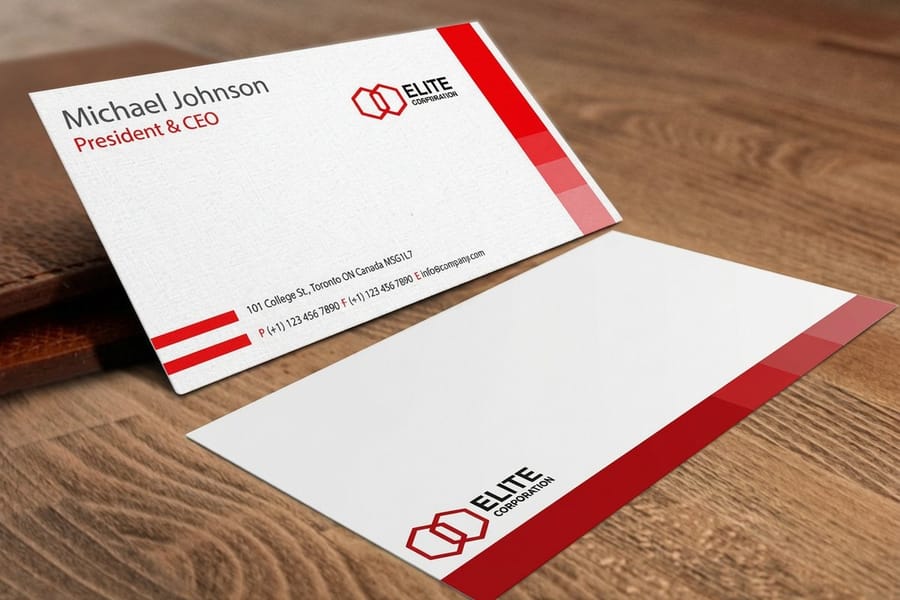
Findable is duller than it sounds and it decides more than the pitch does. If someone cannot spell your business name from hearing it once, cannot find it in a search that returns your competitors, or cannot tell from your card what you actually sell, stage one has failed and every later stage is running uphill.
Three practical checks. Say your business name out loud to someone who has never heard it and ask them to write it down. Search that spelling and see what comes back. Hand someone your card and ask what they think you do, then listen without correcting them. Most people fail at least one of the three, and the fix is usually to write plainer words, not to design harder. Our guide to brand messaging covers how to say what you do in one sentence that survives being repeated.
Stage two is the conversation itself, and the rule is simple enough to be uncomfortable. Ask one real question and let the answer run. You are not there to describe your services. You are there to leave with a specific fact about their situation, because that fact is the only raw material stage four has to work with.
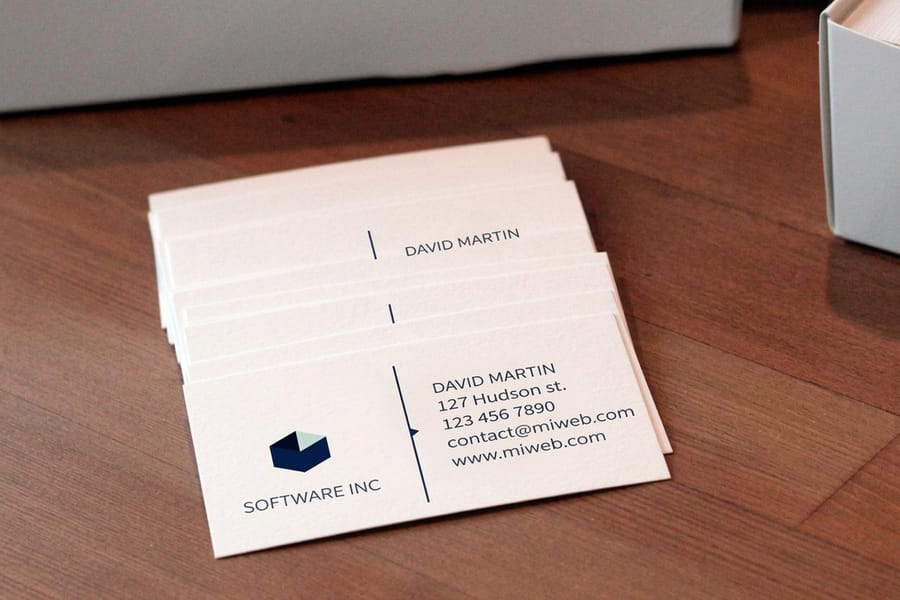
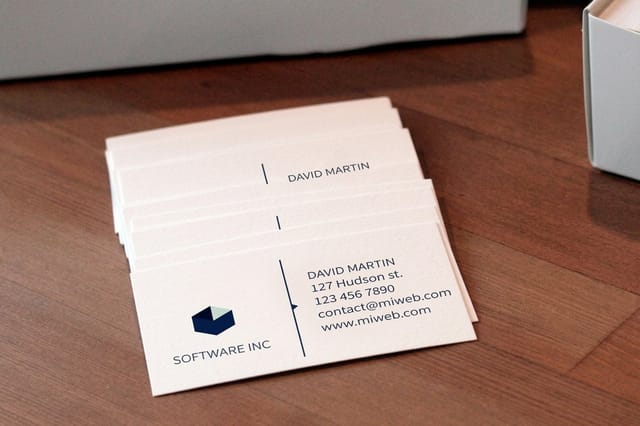
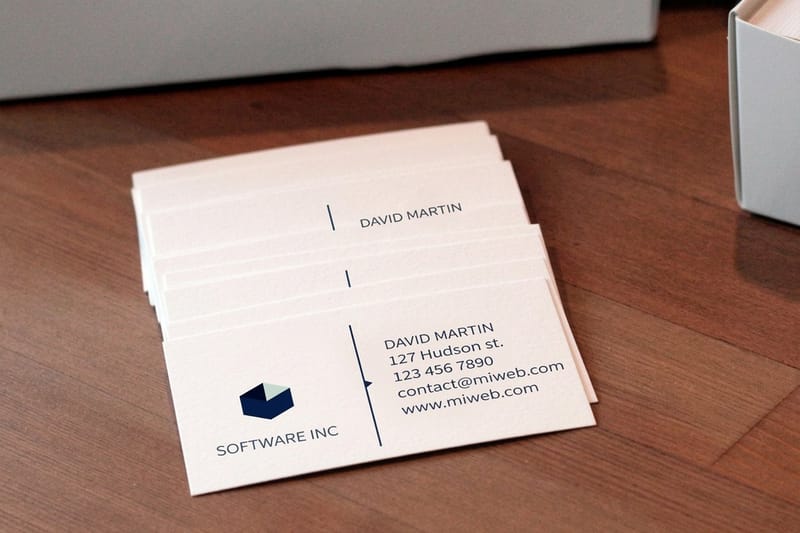
This is also where the printed card earns its place, and not for the reason people usually give. A card is not a brochure. It is a capture device that works in both directions: it survives a pocket, it does not need battery or signal, and its back is a writing surface. Leave that back mostly clear so the other person can write "wants pricing on 5,000, October" on it. Standard business cards start at $17.57 at 4OVER4.COM, and a legible card at that price does more for stage three than any app on your phone. If you want something people keep for the object itself, coaster business cards take the same idea further.
Stage Three and Four, Capture the Detail Then Use It Fast
Capture is the cheapest stage and the one people skip, so it is where the sequence usually dies. The fix takes about twenty seconds: before you talk to the next person, write one line somewhere permanent. Their name, where you met, and the specific thing they said. Phone note, index card, the back of their card, a notepad in your bag. The medium does not matter. Doing it before your attention moves does.
Then use it inside two days. The follow up has one job, which is to prove the conversation registered, and the way it proves that is by repeating a detail nobody else could have known. Compare these two openings. "Great to meet you, let me know if you ever need printing." Against: "You said the September deadline is the one that always slips. That is the supplier I mentioned, and they hold stock." The second one is shorter and it is the one that gets answered.
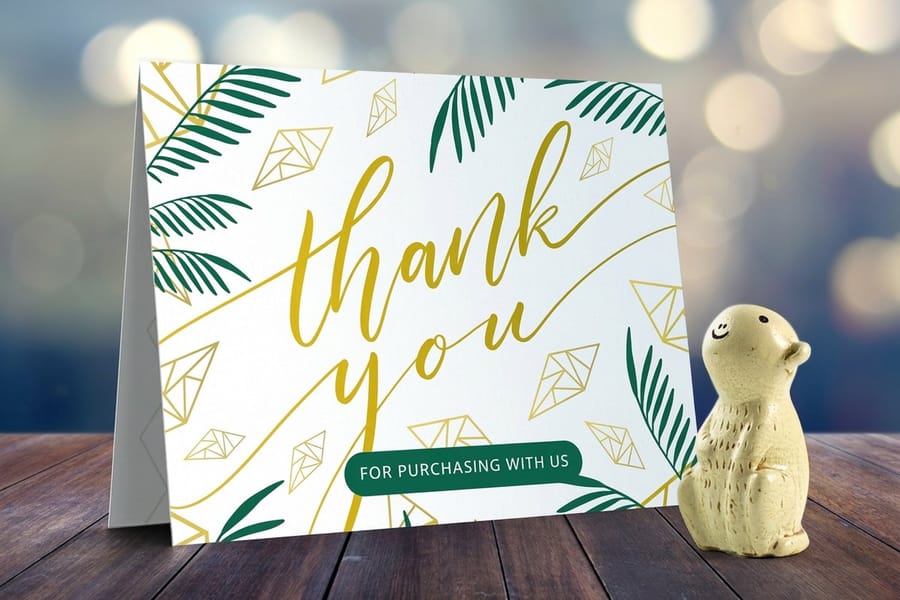
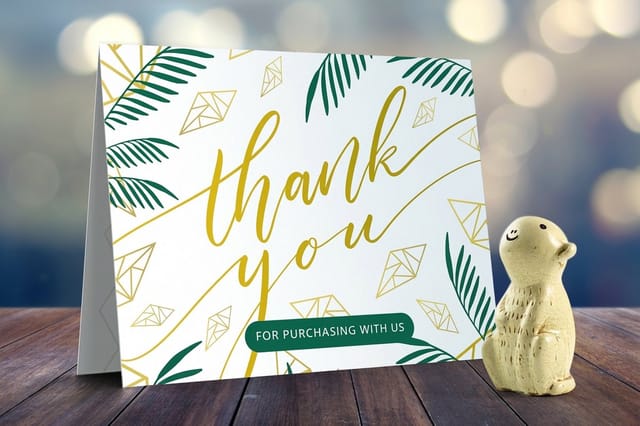
Now the trade-off, because both routes have a real cost. Email arrives the same hour, carries links and files, and costs nothing, but it lands in a stack of other email and gets read in three seconds. A written note on a printed card arrives three days later, carries nothing but words, and cannot be forwarded, but almost nobody throws one away, and the recipient knows exactly how much effort it took. Folded thank you cards start at $38.22, which is the price of about twelve deliberate notes rather than five hundred forgettable ones.
Use both, deliberately. Email for speed and for anything with an attachment. A card for the meetings that genuinely mattered, sent the same week, in a printed envelope so it does not read as junk before it is opened. If you are unsure what to write, the thank you card guide has the structure. Four lines is plenty.
Stage Five, Staying in View Without Becoming Noise
Most relationships do not end in a decision. They fade, because nothing happened for eleven months and then the person needed what you sell and thought of somebody else. Stage five is the work of not fading, and it has one rule: every contact carries a reason.
Reasons that hold up:
- The thing you said you would send, sent.
- Information that matches a problem they described, not a problem you sell against.
- An introduction to someone useful, made without being asked.
- An invitation to something real, with a date and an address.
- A genuine milestone of theirs, noticed and mentioned by name.
Reasons that do not hold up: checking in, touching base, a newsletter nobody asked for, and a discount announcement dressed as news. Those teach people that your name in an inbox means nothing, and once that is learned it is hard to unlearn.
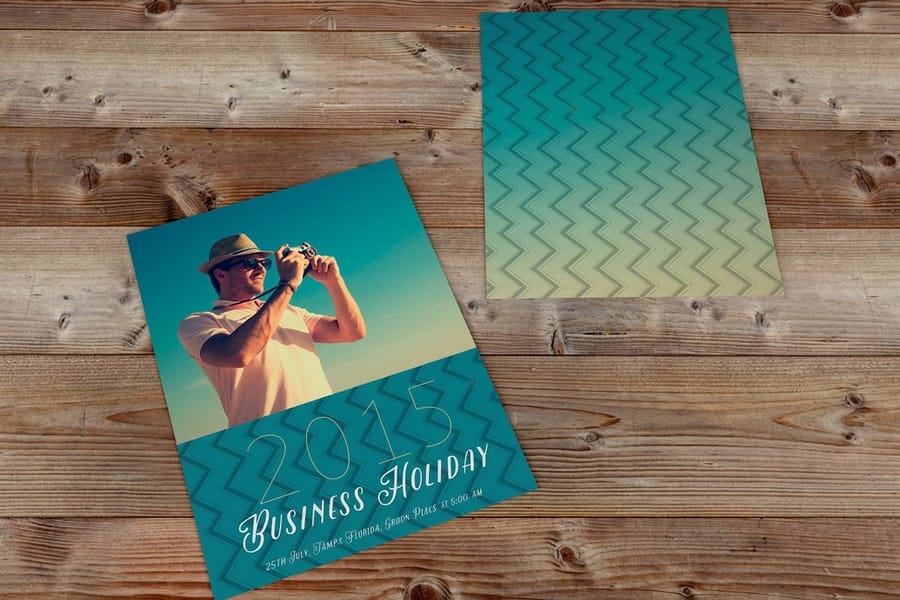
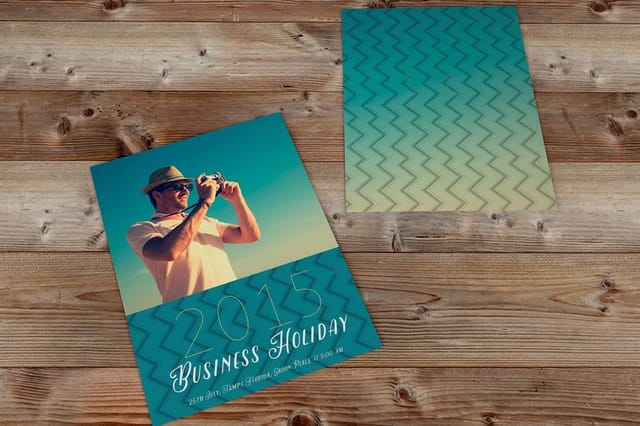
Print does one specific job at this stage that email cannot. It reaches the people who never open email, and it sits on a desk instead of disappearing on scroll. A short run of standard postcards starting at $16.48 sent to thirty people you have actually met is a different activity from a mailing to a purchased list, and it performs like one. Direct mail against digital goes into where each channel wins.
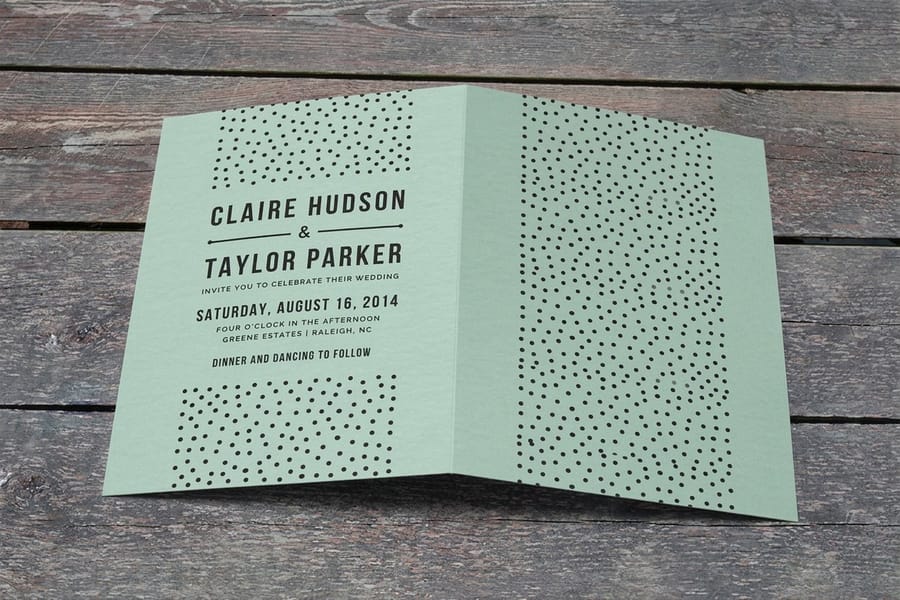
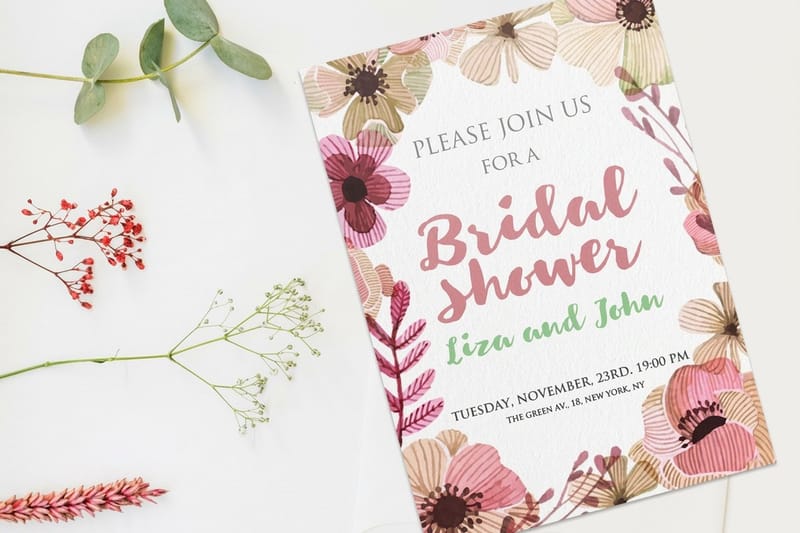
Hosting is the strongest version of stage five, because it puts your contacts in a room with each other and you get credit for all of it. It does not have to be large. Twelve people, an hour, a real reason to gather. Folded invitations start at $38.22 and a mailed invitation gets a materially higher yes than a calendar invite, because it costs something visible to send. The whole marketing materials range is built for this stage of the work.
Running the Code Without It Becoming a Second Job
The honest limit of this system is capacity. Nobody keeps forty relationships warm, and pretending otherwise is how people end up doing all of it badly and then quitting. Pick twelve names for the quarter. Run all five stages properly on those twelve. Everyone else stays at stage one, which is fine, because stage one is where they can still find you.
A workable cadence for the twelve: capture on the day, follow up inside two days, then one contact with a reason roughly every six weeks, plus one hosted thing a year. That is around ten deliberate actions per person per year. It fits in a Friday hour if you keep the list in front of you.
Two things to watch. First, do not automate stage four. A templated follow up with a merge field where the detail should be is worse than no follow up, because it proves you were not listening. Second, keep the printed pieces consistent with each other. A card, a note card and a postcard that share one look are read as one business; three different looks are read as three vendors. Ordering them together as a branded stationery set is the simplest way to get that right, and the small business printing tips guide covers how to keep the cost of it sensible.
Wally explains the Connection Code
The twenty seconds that decide everything after
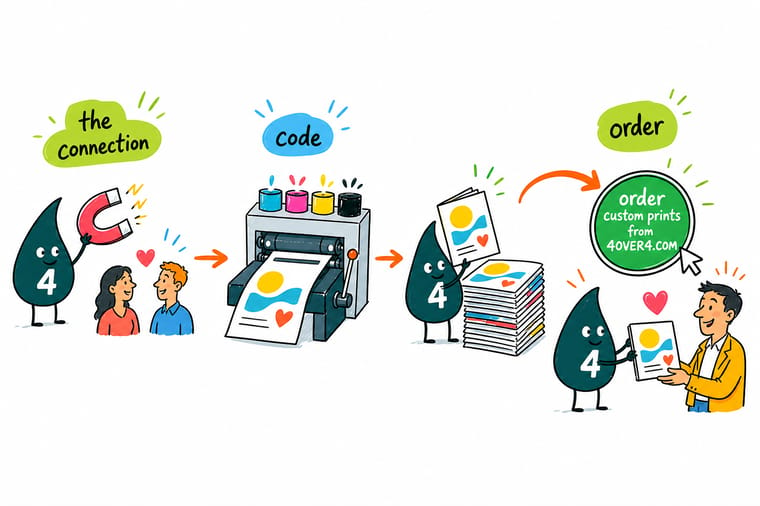
Wally shakes a hand, hears about the September deadline, and does the one thing most people skip. He writes it on the back of the card before he talks to anyone else. Two days later his note says the deadline out loud, so it reads like a person instead of a form. Then he contacts them again only when he has a reason. Five stages, twelve names, one Friday hour.
Order standard business cards →Specs and pricing
The three pieces the sequence actually needs
A card to capture with, a note card for the follow up that matters, and a postcard to stay in view. Live sizes, stocks and starting prices from the 4OVER4.COM configurator.



Print it
Equip the sequence, stage by stage
Explore more
Where to go next


By the numbers
The print behind the sequence, from 4OVER4
Common Questions
Your connection questions, answered
How soon should I follow up after meeting someone?
Inside two days, and sooner if you promised something specific. The value of a follow up is that it carries a detail from the conversation, and that detail fades fast on both sides. A three line message on the next morning that says "you mentioned the September deadline, here is the supplier I was thinking of" lands better than a polished paragraph nine days later that says you enjoyed meeting. If you genuinely cannot write it that week, send it anyway and open by naming the gap rather than pretending there was not one.
What do I say in a follow up when I have nothing to sell?
Say the thing you would have said if you had bumped into them again. Name one specific point from the conversation, add one piece of information they can use, and stop. No pitch, no attachment, no calendar link. The purpose of the fourth stage is only to prove you were listening, which is what makes the fifth stage welcome. A message that tries to sell at stage four usually kills stage five.
How many touches are too many?
There is no fixed number, because the count is not what people react to. They react to whether each contact had a reason. Four messages in a month that each carry something useful feel like attention. Two messages in a year that both say "just checking in" feel like a chore. Use the reason test before you send: if you cannot name what this message gives the other person, do not send it yet.
Does a handwritten note still work, or is it a gimmick?
It works, and its power comes from cost rather than charm. A written note takes minutes, a stamp, and the willingness to go find a mailbox, and everyone who receives one knows that. That is also its limit. It does not scale, it arrives days late, and it cannot carry a link or a file. Use it for the handful of relationships that justify the effort, on printed thank you cards rather than a sheet torn from a pad, and use email for the rest.
What actually belongs on a card so people can reach me?
A name they can read at arm length, what you do in plain words, one phone number, one email address, and one web address. Anything more competes with itself. Leave the back blank or nearly blank so it can be written on, because the person who writes "met at the Queens expo, wants pricing on 5,000" on the back of your card is the person who will remember you. Standard business cards start at $17.57 at 4OVER4.COM, which makes a legible card the cheapest part of the whole sequence.
How do I ask for a referral without it being awkward?
Be specific enough that the answer is easy. "Do you know anyone who needs us" asks the other person to search their whole memory and usually returns nothing. "Do you know a restaurant owner opening a second location this year" gives them one shelf to look on. Ask after you have delivered something, not before, and ask for one introduction rather than a list. If they say no, take it as no and keep the relationship at stage five.
Get Started
Folded thank you cards run 25 for $38.22, or $1.53 each
A card people can write on, a note card for the follow up that counts, and postcards for the ones who never open email. Printed to match each other, shipped from Queens.
Legal Disclaimer
Gold Standard guarantees apply to all standard orders placed through 4over4.com. Price match requires verifiable proof of a competitor's published price for an equivalent product with matching specifications and turnaround time. Satisfaction guarantee covers manufacturing defects and print quality issues. Contact support with order number and documentation. On-time delivery rate based on tracked orders 1999 to 2026. Individual results may vary based on shipping carrier performance.
