
How to Build a Business Stationery Set That Matches on Every Piece


Emma is our prepress and print production voice, built from the knowledge of our production team, with over 20 years in printing.
A business stationery set is four pieces, sized so they fit each other, printed so one brand color holds across stocks that behave differently. Here is the order to buy them in and the traps that break a set. The cheapest way into letterhead is 50 sheets for $99.95 on 70# uncoated text, and the price per sheet falls to about 29 cents at 500 sheets for $147.18.
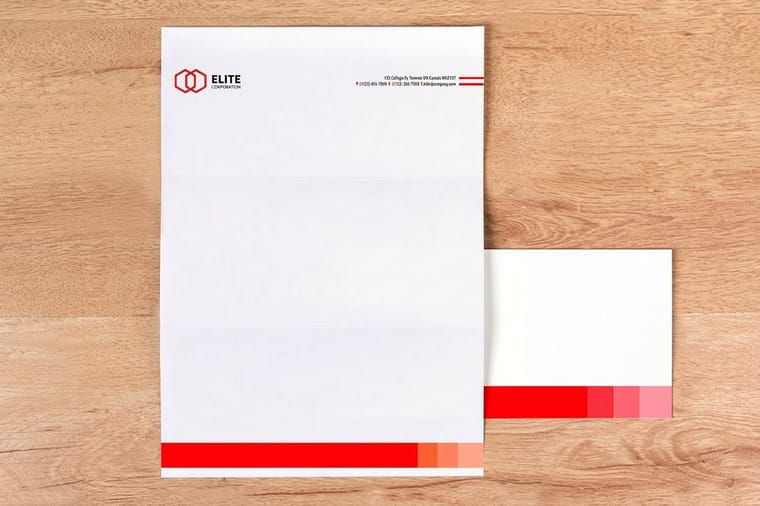
A business stationery set is a business card, a letterhead, a No. 10 envelope and a presentation folder, printed from one color and type system, with a notepad as the useful fifth piece. Build it by choosing the letterhead size first, because an 8.5 by 11 sheet folded in thirds fits a No. 10 and lies flat in a 9 by 12 folder. Then buy in order of handling: cards deep, letterhead and envelopes shallow, folders in short runs.
Quick answer
Start with the sheet, then buy in order of handling
The letterhead size sets the whole system. A US letter sheet folds in thirds to 3.67 inch panels, which clears a No. 10 envelope by about a quarter inch top and bottom, and the same sheet lies flat in a 9 by 12 folder with a 4 inch pocket. Once the sizes agree, the only real work left is holding one color across an uncoated letterhead and a coated card, which behave differently no matter what the file says.
What Belongs in the Set, and What to Buy First
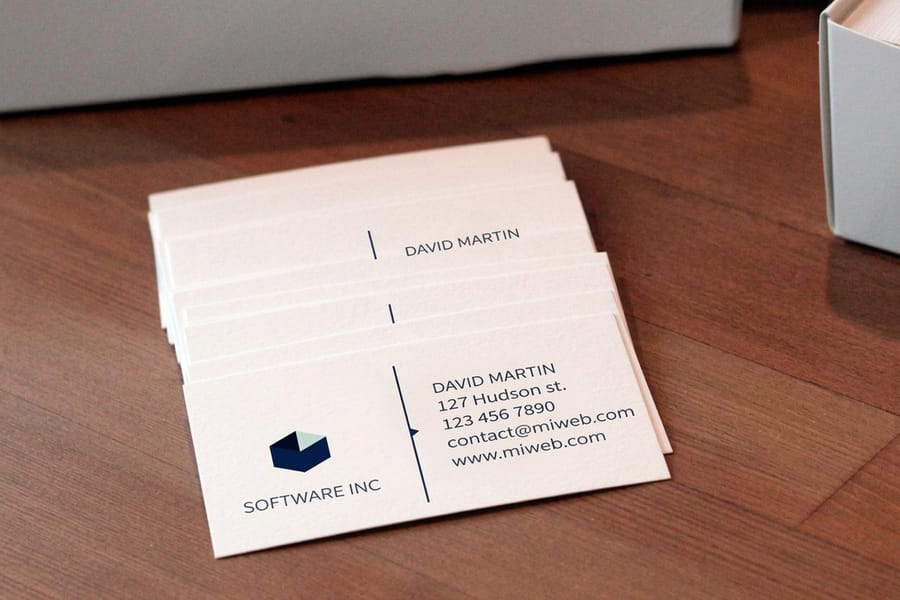
Four pieces do the work: the business card, the letterhead, the No. 10 envelope, and the presentation folder. A notepad makes a useful fifth because it leaves the building with every quote and site visit. Everything past that, compliment slips, second envelope sizes, printed mailing labels, is optional and should wait until the core is consistent.
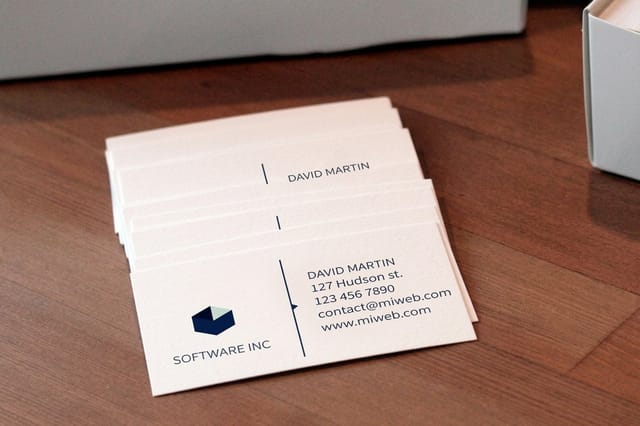
Buy in the order the pieces get handled. The card is passed over in person, kept, and looked at twice, so it carries more of your brand per dollar than anything else on the list. Standard business cards start at $17.57, which makes it the cheapest way to test a design in the real world before you commit it to four other pieces.
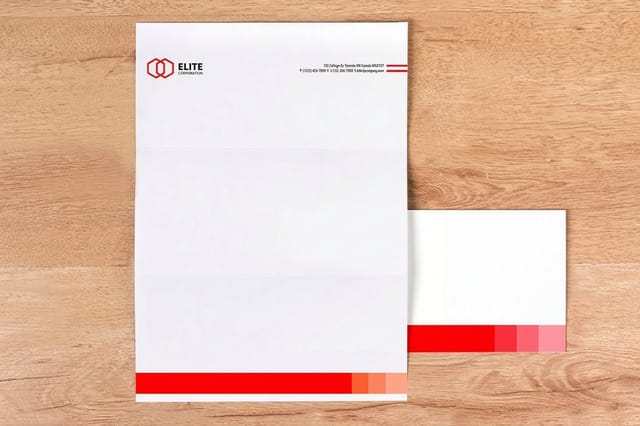
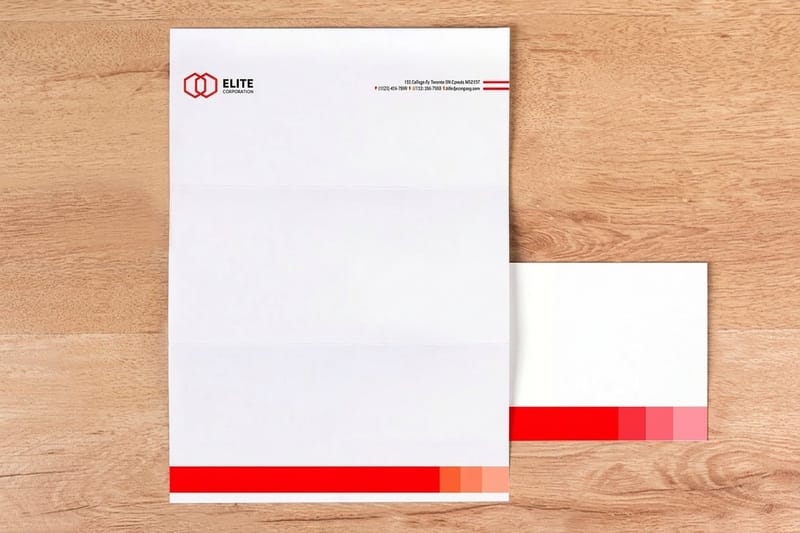
Letterhead comes second, because it carries contracts, quotes and anything with a signature on it. Standard letterheads start at $99.95. Envelopes are third: printed envelopes start at $142.99 and they do a job the letterhead cannot, which is looking like you before the recipient has opened anything.
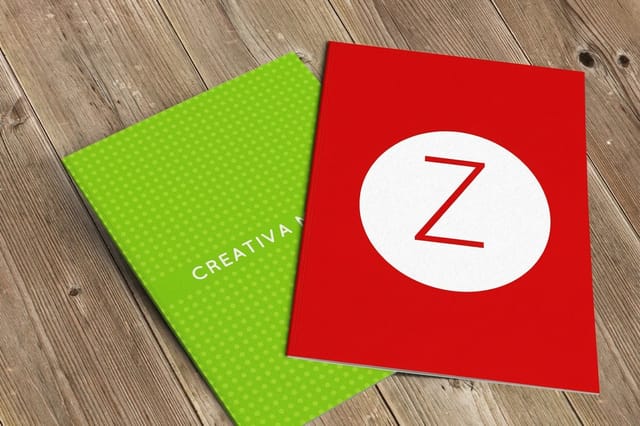
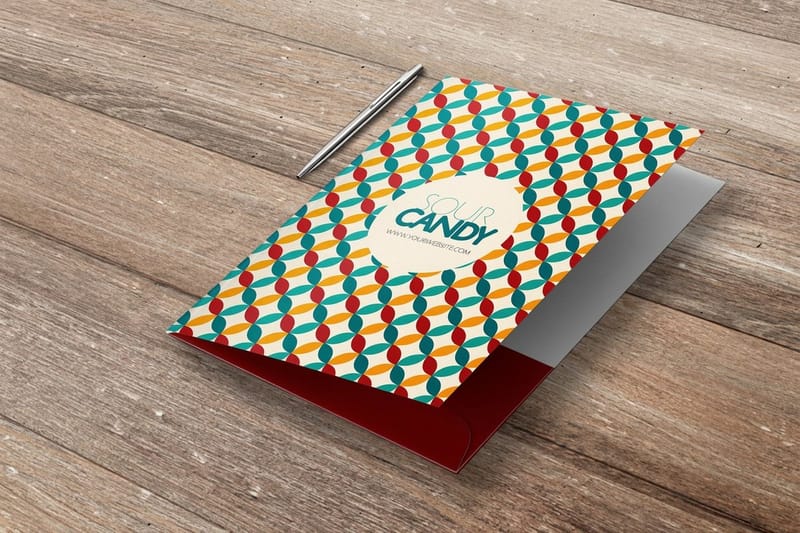
The folder is last and it is the piece most often bought too early. It only earns its place if you present in person or exhibit. Short run presentation folders start at $108.75, which is the sensible way in, because a short run lets you find out whether you use them at all before ordering a pallet. If you already know you do, the full presentation folder range covers heavier stocks and specialty finishes.
The Sizes Lock Together, So Pick the Sheet First
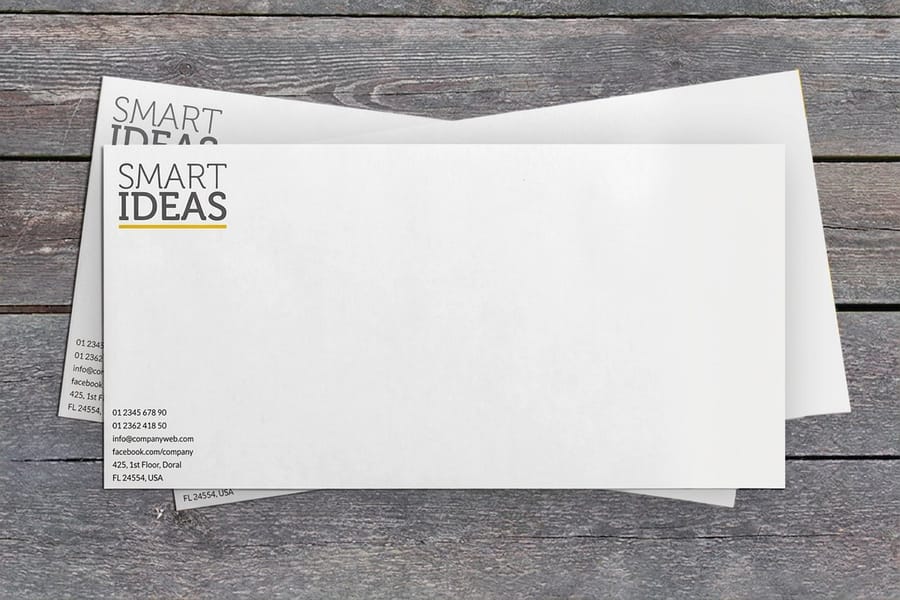
A stationery set is a geometry problem before it is a design problem. Choose the letterhead size and the rest of the set falls out of it.
A US letter sheet is 8.5 by 11 inches. Folded in thirds, each panel is 3.67 inches tall, and the inside of a No. 10 envelope is 9.5 by 4.125 inches. That leaves about half an inch of total side clearance and a shade under a quarter inch top and bottom, which is what makes the fold drop in without fighting. The same sheet lies flat in a 9 by 12 inch presentation folder, whose pocket is usually 4 inches deep with a 3.5 by 2 inch slit for the card.
| Piece | Standard size | Typical stock | What it has to survive |
|---|---|---|---|
| Business card | 3.5 x 2 in | 14pt or 16pt cardstock | A wallet, a pocket, and being bent by a thumb. |
| Letterhead | 8.5 x 11 in | 70 lb or 80 lb uncoated text | An office laser printer, a pen, and a fold in thirds. |
| No. 10 envelope | 9.5 x 4.125 in | 24 lb wove | Sorting machinery, seams under the print area. |
| Presentation folder | 9 x 12 in closed | 14pt to 16pt coated cover | Being packed, carried and opened repeatedly. |
| Notepad | 5.5 x 8.5 or 8.5 x 11 in | 60 lb uncoated text | Ballpoint pressure and a glued head that has to tear clean. |
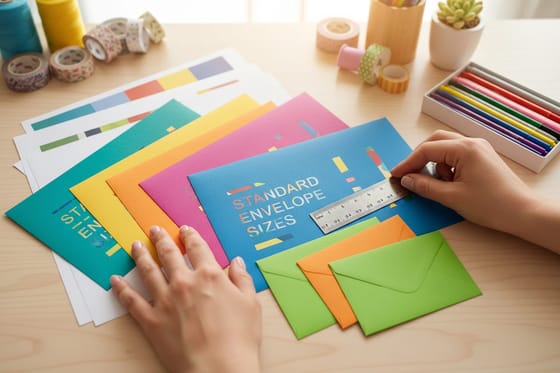
The trade-off arrives if you work internationally. A4 is 8.27 by 11.69 inches, so it folds to 3.9 inch panels and needs a DL envelope rather than a No. 10, and a folder cut for letter will not hold it flat. Pick one standard and stay on it. Running both means two of every file and two of every stock, for a benefit almost nobody can point to. The envelope size guide lists what pairs with what, and the business card size guide covers bleed and safe margins on the smallest piece.
Holding One Brand Color Across Four Different Stocks
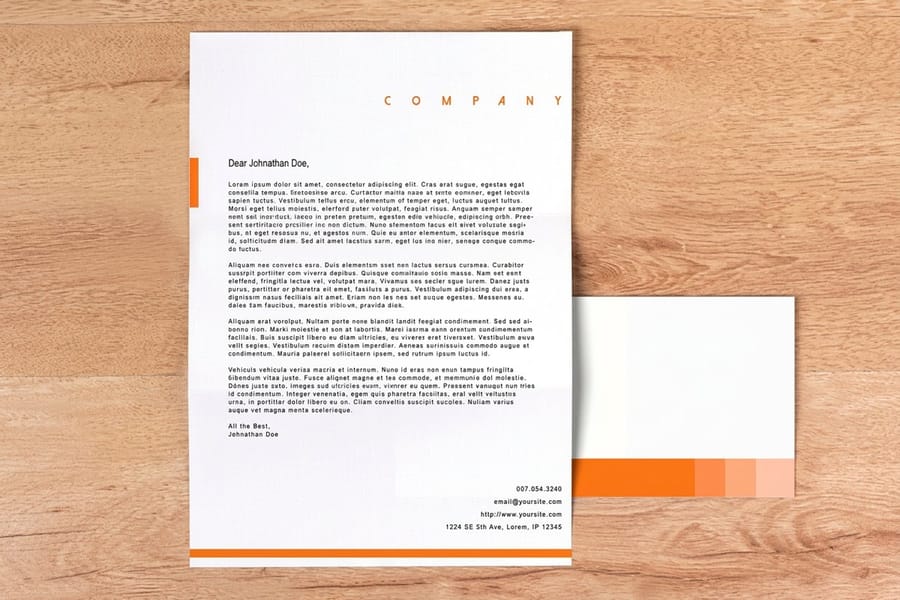
This is the part that catches people out, and it is worth understanding before you approve a single file. The same CMYK build does not look the same on every piece of the set.
Uncoated letterhead soaks ink into the fiber and scatters light off a rough surface, so a color prints lighter, softer and slightly greyer than the identical values on a coated business card, where the ink sits up on a sealed surface. Nothing is wrong when this happens. It is what the two stocks do.
Two ways to handle it, and they are genuinely different choices. Nominate a Pantone as the reference and have each stock matched to it, which costs more and is the right call when the color is the brand, think of a single strong corporate red. Or accept the shift and choose a color that survives it: deep saturated colors travel between stocks far better than pale tints, light grays and pastel blues, which is why so many stationery systems end up as one strong color plus black. Our Pantone to CMYK guide covers what converts cleanly and what does not, and two-color spot printing is often cheaper than full color on a simple letterhead.
Keep the finish family consistent too. A gloss laminated card sitting next to a soft uncoated letterhead reads as two unrelated jobs, while matte across the set reads as one decision. The paper weight chart is the quickest way to translate between the pt, lb text and lb cover numbers you will see on each product page, since the set spans all three.
Quantities, Costs, and Where the Money Is Wasted
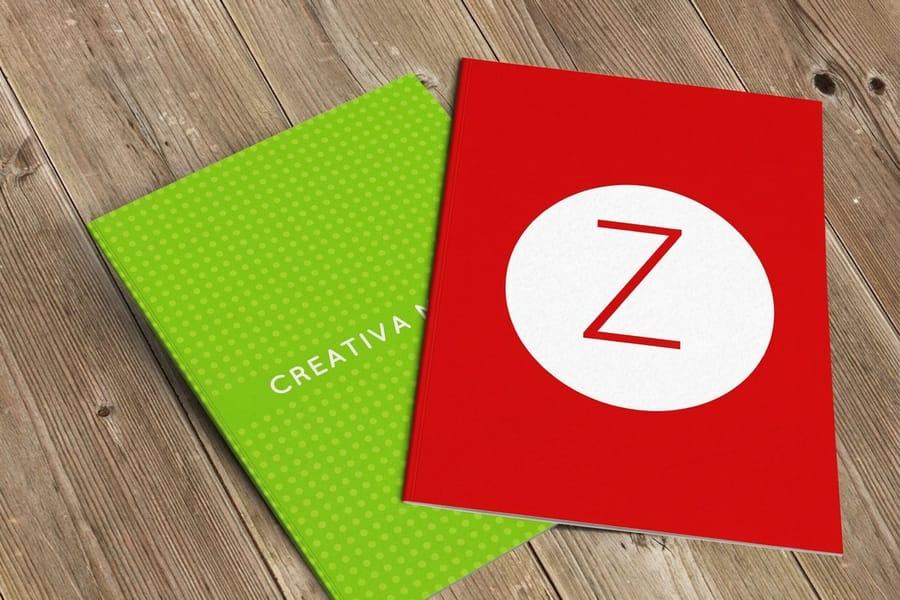
Order the cards deep and everything else shallow. That single rule saves more money than any other decision in this list.
Cards leave one at a time, the per-piece price falls fastest with quantity, and the information on them changes less than you think. Letterheads and envelopes are the opposite. Addresses move, phone numbers get replaced, someone gets a new title, and a two-year supply of letterhead becomes a two-year supply of a wrong address. Buy what you will realistically use inside twelve months.
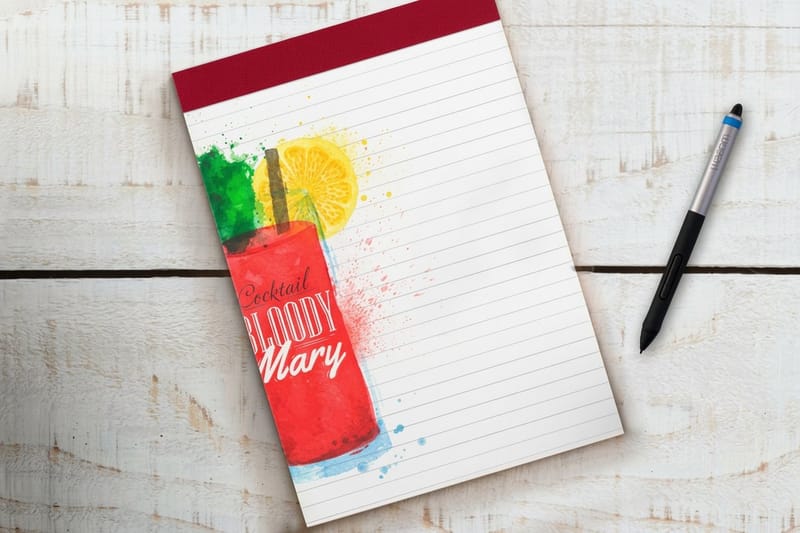
Folders sit in their own category. They are used at proposals and events, not daily, so a short run for the next two events beats a bulk run for a schedule you have not booked yet. The same logic covers notepads at $93.37: useful, and easy to over-order.
Three places the money genuinely goes to waste. Printing full color on a letterhead that carries a one-color logo, when envelope and letterhead printing in one or two colors would have done it. Ordering coated letterhead that then jams the workflow because nobody can run it through the office printer. And laying out five pieces at slightly different margins so the set never quite looks like a set. Start each file from a correctly sized layout in the blank template library, and check the whole set on a single screen before anything goes to press. If you want to see the pieces priced side by side, business card printing and letterhead printing both configure live.
Wally builds the set
One sheet size, four pieces that fit each other
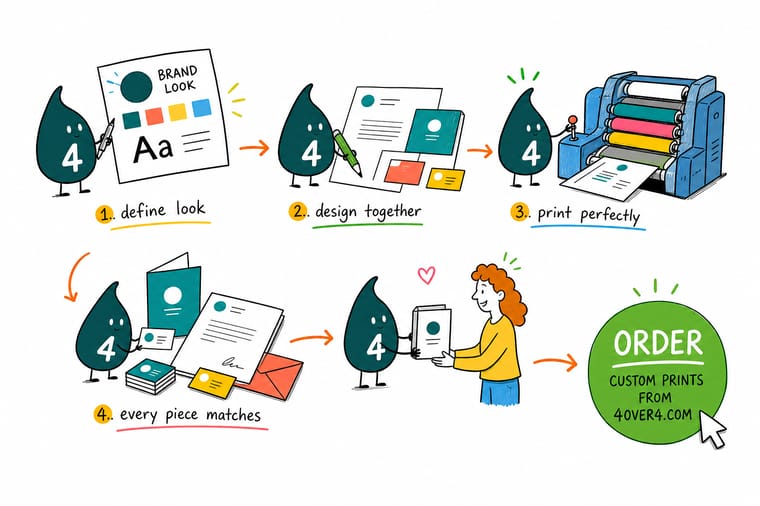
Wally picks the letterhead first, folds it in thirds, and drops it into a No. 10 to prove the fold clears. The same sheet goes flat into the 9 by 12 folder, and the card slides into the pocket slit. Then he checks the color on the uncoated letterhead against the coated card, because the same file prints softer on the sheet that drinks ink. Cards he orders deep. Letterhead and envelopes he orders shallow, because phone numbers change faster than paper runs out.
Configure letterheads →%22%2F%3E%3Ccircle%20cx%3D%2242%22%20cy%3D%2249%22%20r%3D%2227%22%20fill%3D%22%23f59e0b%22%20opacity%3D%220.15%22%2F%3E%3Ccircle%20cx%3D%2278%22%20cy%3D%2258%22%20r%3D%2214%22%20fill%3D%22%23f59e0b%22%20opacity%3D%220.1%22%2F%3E%3Crect%20x%3D%2272%22%20y%3D%2229%22%20width%3D%2227%22%20height%3D%2234%22%20rx%3D%224%22%20fill%3D%22%23f59e0b%22%20opacity%3D%220.08%22%20transform%3D%22rotate(37%2080%2030)%22%2F%3E%3C%2Fsvg%3E)
Specs and pricing
The core three, sized and priced side by side
Letterhead, envelope and business card configure live below, with the stock and quantity choices that change the price. Letterheads run 8.5 by 11 inches on 70# uncoated text, 24# Royal Laid or 28# Royal Linen; printed envelopes come as a No. 10 regular or window on white wove, Royal Laid or Royal Linen, from 250; cards run 3.5 by 2 inches on 14pt to 24pt cover from 100.
Print it
Order the set, one piece at a time
Business cards print in 3 business days, letterheads in 5 and envelopes in 7. Order the letterhead and the envelope on the same Royal Laid or Royal Linen stock so the paper matches in the hand, and add short run folders from 10 once you know you use them.

Explore more
Where to go next
Lay out letterhead margins, match each sheet to its envelope size, check card bleed and safe margins, plan folder pockets and the card slit, then shop letterheads and notepads.


By the numbers
Letterheads, envelopes and cards on matching stock
Common Questions
Your stationery set questions, answered
What should be in a business stationery set?
Four pieces cover almost every business: a business card at 3.5 by 2 inches, a letterhead at 8.5 by 11, a No. 10 envelope at 9.5 by 4.125, and a 9 by 12 presentation folder. A notepad is the practical fifth piece because it goes out with quotes and site visits. Compliment slips, second envelope sizes and mailing labels are worth adding only when you can name the job they do, because each extra item is another stock and another color check to keep in line.
Should every piece use the same paper?
No, and trying to force it usually makes the set worse. A letterhead needs to feed through an office printer and take a pen, so it lands on uncoated text weight, commonly 70 lb or 80 lb. A business card needs rigidity, so it lands on 14pt or 16pt cardstock. What ties the set together is the color, the typography and the margin structure, not the sheet. Keep the finish family consistent instead: all matte or uncoated across the set reads far more deliberate than a gloss card next to a soft uncoated letterhead.
Can I print onto my letterhead in the office?
Yes, if you order it uncoated and keep the printable area clear. Toner fuses onto uncoated paper reliably, while a gloss or silk coating gives it very little to hold and can release under heat. Leave a clean zone for the body of the letter, keep the printed elements out of the roughly quarter inch that most office printers cannot reach, and run a test sheet through your own machine before you approve a large quantity.
How many of each piece should I order first?
Order the cards deep and everything else shallow. Cards go out one at a time and the per-piece cost drops fastest with quantity, so a large box makes sense. Letterheads and envelopes are usually best ordered at the smallest run you will use inside a year, because addresses, phone numbers and job titles change more often than anyone expects. Presentation folders are the piece people over-order most often: they are used at proposals and trade shows, not daily, so buy for the next two events rather than the next two years.
Will my brand color look the same on the card and the letterhead?
Not by default. The same CMYK values print noticeably lighter and duller on an uncoated letterhead than on a coated card, because uncoated fiber absorbs ink and scatters light. Two ways to handle it: nominate a Pantone as the reference and let each stock be matched to it, or accept the shift and pick a color that survives it. Deep, saturated colors travel better between stocks than pale tints and light grays, which is why so many stationery systems settle on one strong color plus black.
Can the envelope printing bleed to the edge?
On a converted envelope, usually not. A converted envelope has already been folded and glued, so the printing runs across seams and a flap edge, and most presses need a margin back from those edges. If you want ink running off the edge, the envelope has to be printed flat and converted afterward, which is a longer and more expensive route. For most stationery sets a return address block and a logo set in from the corner is the right call.
What files do I need to supply?
A press-ready PDF per piece at the exact trim size, with fonts outlined, images at 300 dpi, and 0.125 inch bleed on anything that runs off the edge. Build each piece from the same master color swatches so a later edit does not quietly drift. Starting from a correctly sized layout removes most of the risk, and the blank template library has one for every size in the set.
Get Started
Order 50 letterheads from $99.95 and build out from there
Pick the letterhead stock first, match the card to it, and we print a set where every piece fits the next one. Free file check on every order.
Legal Disclaimer
Gold Standard guarantees apply to all standard orders placed through 4over4.com. Price match requires verifiable proof of a competitor's published price for an equivalent product with matching specifications and turnaround time. Satisfaction guarantee covers manufacturing defects and print quality issues. Contact support with order number and documentation.
