
Small Business Printing Tips That Stretch Every Marketing Dollar


The decisions that move a print bill are quantity, the number of designs, and how fast you need it. Here is how each one behaves, and where cutting costs starts costing you customers.
The fastest way to cut a small business print bill is to run fewer designs in longer runs, because setup is charged once per order and quantity is what divides it. After that, the savings come from ordering at standard turnaround instead of rush, and from reusing one artwork file across cards, stickers and labels rather than paying to design each one. The place not to save is stock weight on anything a customer holds.
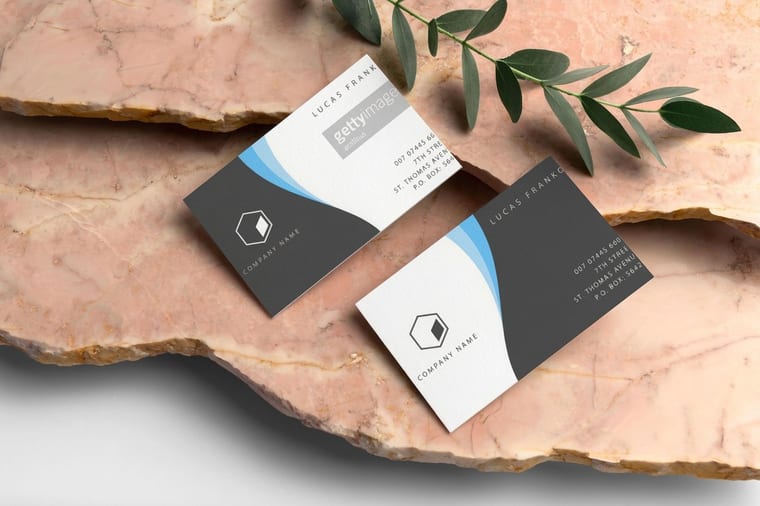
Quick answer
Fewer designs, longer runs, ordinary turnaround
Setup is a fixed charge on every print order, so the number of separate orders you place matters more than the paper you pick. Combine what you know is coming, order to the point where the unit price stops falling, and leave enough calendar that you never buy rush. Then let one artwork file run across a card, a sticker and a label, so the design work is paid for once and printed three times. Save on quantity, not on the stock of anything a customer will hold.
Where a Small Print Budget Actually Leaks
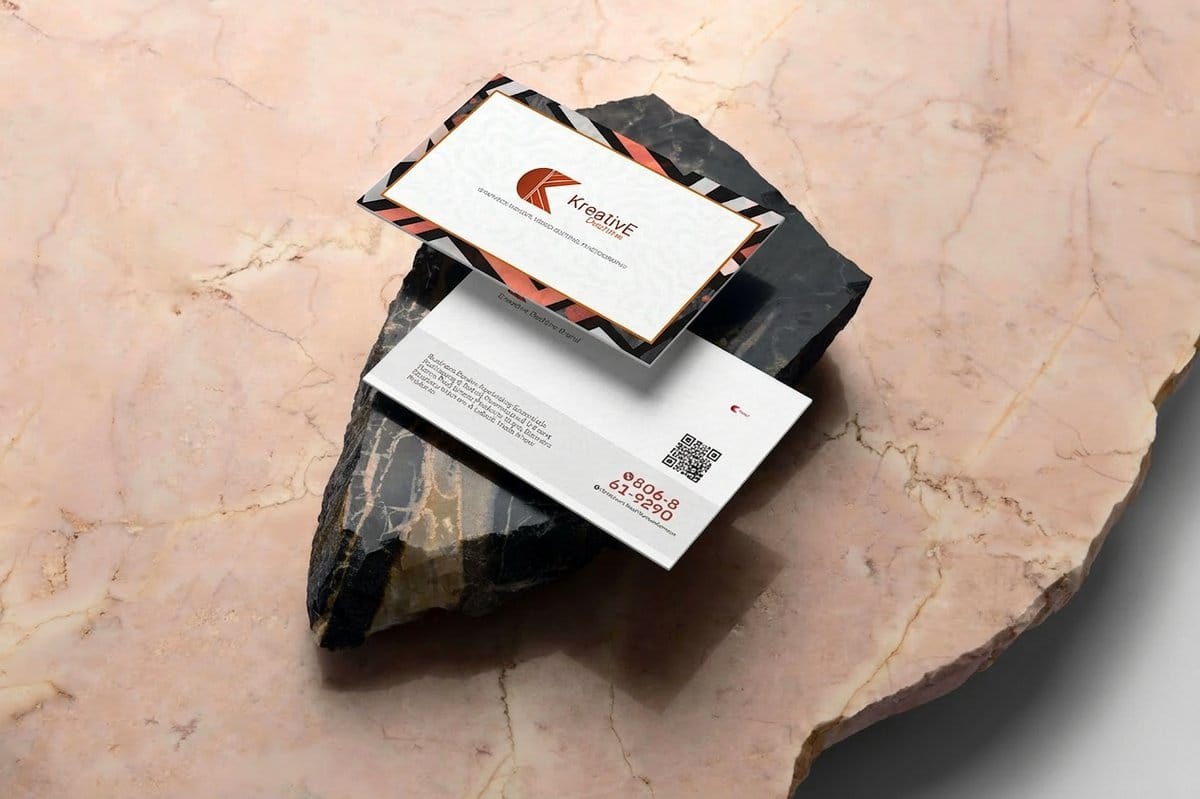
Almost nobody overspends on printing by choosing the wrong paper. They overspend on five decisions made without thinking, and four of them happen before a file is uploaded.
| Decision | What it does to the bill | Worth paying for when | Skip it when |
|---|---|---|---|
| Quantity | The single biggest lever. Setup is charged per order, so the run length divides it. | You have a real plan to hand the pieces out over the next few months. | The details on the piece could change, or the artwork carries a date. |
| Number of designs | Every extra design is another setup, even if the quantity stays the same. | Two audiences genuinely need different copy on the back. | You are printing one card per employee just to change a name line. |
| Turnaround | Rush is a surcharge on the whole job, not a small add-on. | A missed event date costs more than the surcharge. | You had three weeks and used two of them deciding on a font. |
| Stock and finish | Moderate cost, high effect on how the piece feels in the hand. | The piece gets handled: cards, invitations, anything handed over in person. | The piece gets skimmed and binned, like a bulk flyer drop. |
| Proofing | Free to do carefully, expensive to skip. | Always. Read the phone number out loud before you approve. | Never. |
Read the last row twice. A reprint caused by a wrong digit is a full second order at full price, and it is the one mistake we see most often on first orders. Everything else on this page is optimization. That one is just discipline.
If you are still shaping the wider plan around the print, our guide to building a small business marketing plan sets the order of operations, and the business basics printing collection gathers the pieces most owners need in their first year.
Order to the Bend in the Curve, Not to the Discount

Printing has a fixed cost and a variable cost. The fixed part covers setting the job up, and it is charged whether you print one hundred pieces or five thousand. The variable part is paper and ink. That is the whole reason quantity discounts exist, and it explains exactly where they stop mattering.
The unit price falls fast at the start because the setup is being divided across more and more sheets. Somewhere around a thousand pieces, the setup has been spread so thin that it barely registers, and from there the price per card is close to the cost of the material. Doubling the order after that point does not halve anything. It buys another box.
So order to the bend, not to the biggest number on the price grid. For most owners that means 500 or 1,000 classic business cards at $17.57 rather than a five-figure count. Then take the money you did not spend on cards nobody will ever receive and put it into a second piece: a sticker, a label, an envelope. Two pieces working together beat one piece sitting in a cupboard.
There is one honest counterweight. If a piece has no expiry built into it, such as a card with only a name, a role and a website, a longer run genuinely does keep costing less per year. The trouble is that most cards carry a mobile number, an address or a title, and those are the exact lines that change. Print the long run only for the artwork that has nothing on it that can go out of date.
Digital, offset and the setup charge behind both
The bend in the curve above has a mechanical cause, and it is worth knowing which press your order runs on.
Digital. The press images straight from your file, so there is nothing to make before it runs. Setup is small, which is why a short run is affordable and why the unit price flattens early. Almost every small business order lands here.
Offset. Plates are made first, one per ink, then ink transfers to a blanket and onto the sheet. That setup costs real money, so the per piece price starts higher and keeps falling much further. It only wins on long runs.
Screen and large format. Their own families, for garments and promotional items on one side and signs, banners and posters on the other, each with a setup of its own.
The practical takeaway is the same either way. You are dividing a fixed charge, so the number of separate orders you place matters more than the paper you pick.
One Artwork File Should Feed Several Printed Pieces
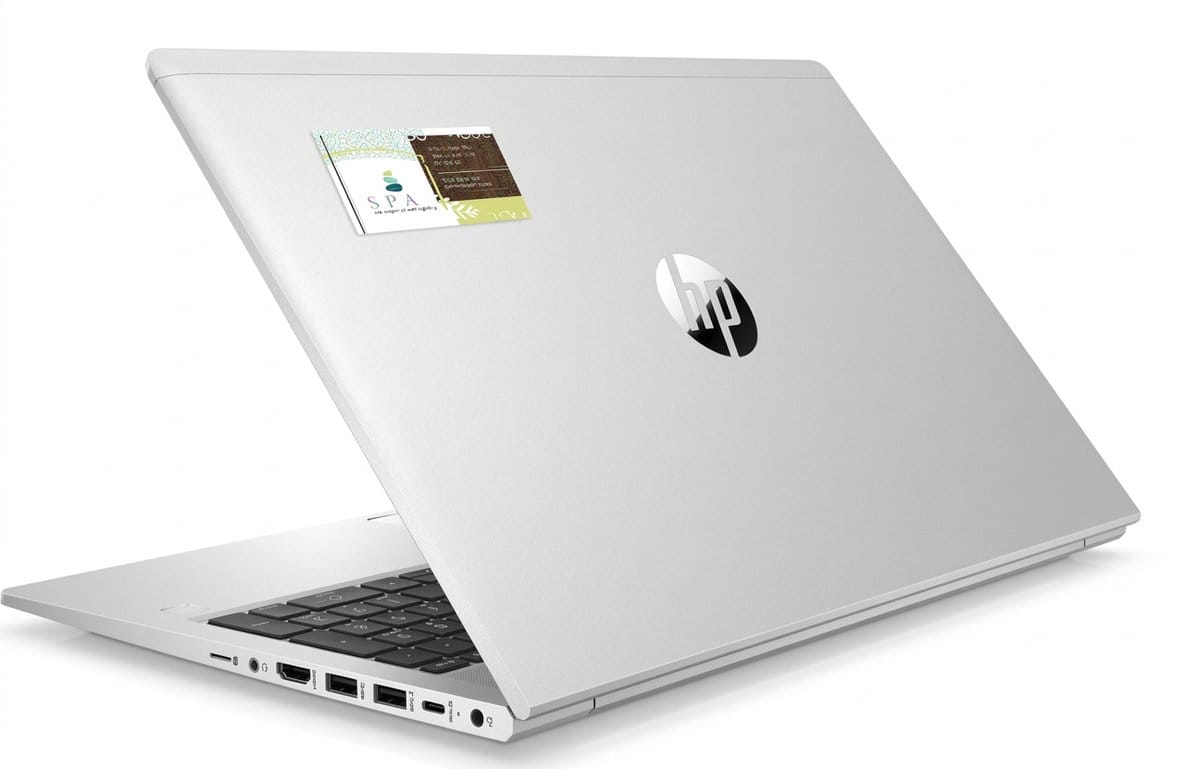
The expensive part of a design is not the printing. It is the deciding: which logo lockup, which two colors, which typeface, how much white space. Once those are settled, running the same decisions onto a second product costs almost nothing beyond that product's own price.
The natural chain for a small business looks like this:
- The card carries the design first, because it is the piece you hand over during a conversation.
- The sticker takes the same logo onto packaging, invoices, tool cases and van doors. Business card stickers start at $10.76 and reach the customer after the sale, which is when repeat business is decided.
- The label does the same job on product and shipping, and lives in the business labels printing range.
- The envelope carries it into the mailbox. Choose the size before you design, because postage follows the envelope, not the letter, and our guide to full color envelope sizes covers the five worth knowing.
Keep one master file with fonts converted to outlines, artwork built at full size, and a quarter inch of bleed on every edge. Every printed piece after the first one becomes a resize rather than a project. That single habit saves more over a year than any quantity break on this page.
Where it stops working is copy. The same logo travels everywhere, but the words should not. A sticker with a full service list on it is unreadable, and a card with nothing but a logo is useless. Reuse the design, rewrite the message.
Prove the Layout Cheap Before You Print It Deep

A design that looks correct at 400 percent zoom on a laptop often fails at actual size in a hand. Type that was elegant becomes unreadable. A logo that looked balanced is sitting too close to the trim. The cheapest way to catch that is to hold the thing.
Free business cards are listed at $0.00, which makes them the least painful way to put a draft layout into the real world. Order the layout, carry it for a week, and notice what you keep having to explain to people because the card does not say it. Then fix the file and print the run you actually want.
The other cheap shortcut is starting from a layout built for your trade instead of a blank rectangle. Cleaning services business cards at $17.57 already put a service list where a service list belongs, and artist business cards at the same $17.57 give the work the front of the card and push the contact details to the back, which is the right way round for anyone selling something visual. Pay a designer for the logo, because that asset earns for years. Do not pay one to redraw a card grid that already exists.
Where saving money turns into losing it is stock weight on pieces that get handled hard. A thin card in a jacket pocket for a week looks worse than no card at all. If the piece is going to be carried, spend there and save on quantity instead. For the wider question of whether to print in-house or send it out, outsourced printing for business runs the numbers, and 13 small business lead generation strategies covers where these pieces fit in the rest of the funnel.
Wally stretches the print budget
One setup, one design file, three printed pieces
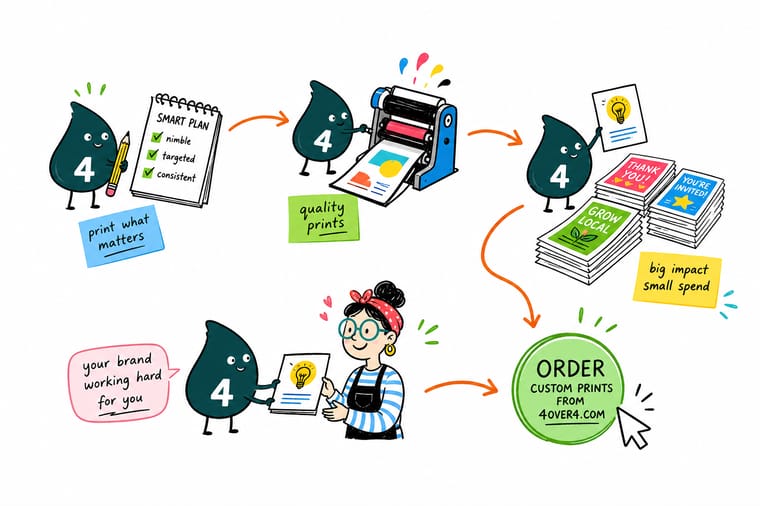
Wally pays the setup charge once, so he puts everything he needs into a single order instead of dribbling out four small ones. He orders to the point where the price per card stops dropping and no further, because a box in the cupboard is not marketing. Then he takes the same logo file onto stickers and labels, so the design decisions are paid for once. The one place he refuses to economize is the stock on anything a customer actually holds.
Price classic business cards →Specs and pricing
Sizes, stocks and starting prices
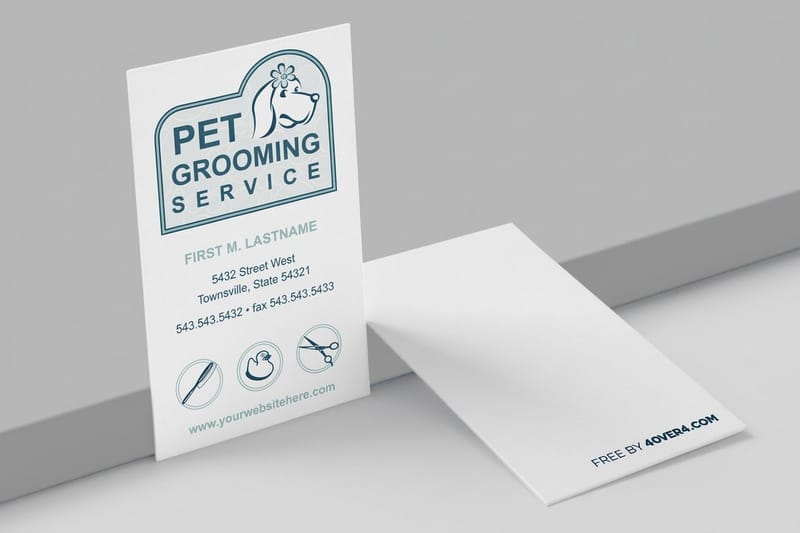
The three pieces most small businesses order first, with live configuration options and starting prices straight from the 4OVER4.COM configurator.



Print it
Start with the pieces that pay for themselves
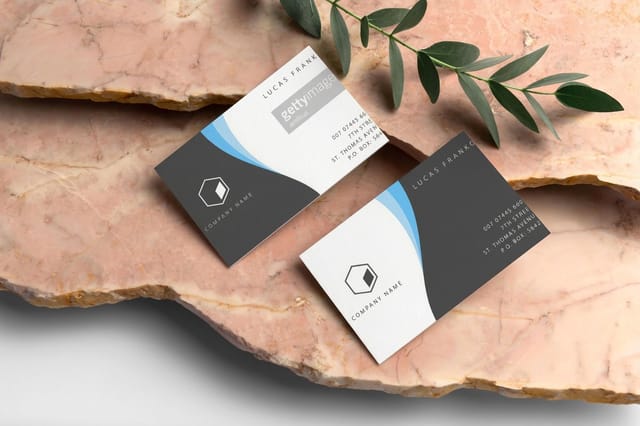
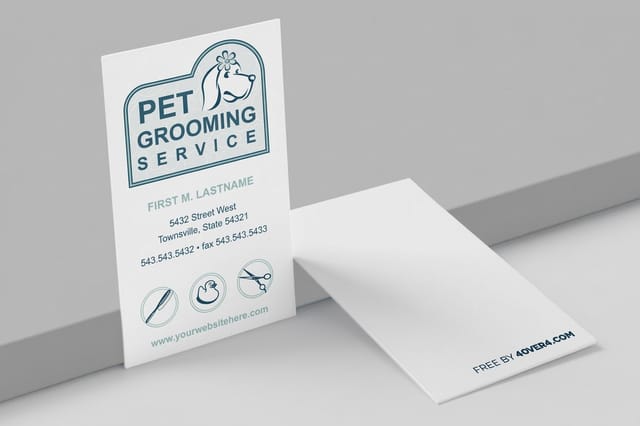
Explore more
Where to go next

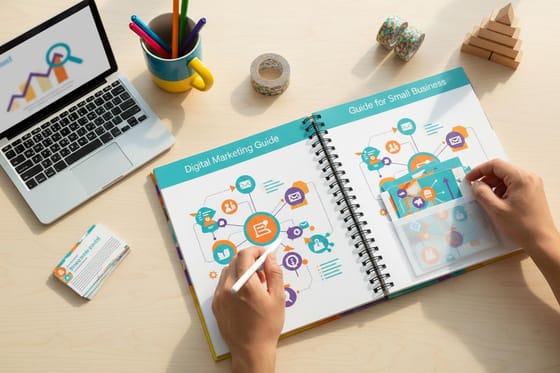
By the numbers
Printing small businesses come back to
Common Questions
Your small business printing questions, answered
What are the four main types of printing?
Offset lithography, digital, screen printing and large format. Offset makes a plate for each ink and suits long runs. Digital images straight from the file with almost no setup, which is what most small business orders run on. Screen printing pushes ink through a stencil and is the standard for garments and promotional items. Large format covers the wide presses behind posters, banners and rigid signs. Flexography is a fifth you meet on packaging and labels.
Which type of printing is cheapest for a small run?
Digital, because there is no plate to make. The fixed setup is small, so a hundred pieces does not have to carry the cost of a process built for a hundred thousand. Offset only overtakes it on long runs, once the plate cost has been divided far enough to matter. That crossover is the same mechanism as the bend in the quantity curve, which is why ordering to the bend rather than to the biggest number saves money.
How do I keep one design consistent across cards, stickers and labels?
Keep one master artwork file, with the fonts converted to outlines, the artwork built at full size and a quarter inch of bleed on every edge. Every piece after the first becomes a resize rather than a new project. Reuse the logo, the colors and the typeface everywhere, but rewrite the words for each piece, because a service list that works on a card is unreadable on a sticker.
How many business cards should a small business actually order?
Count the hands you will genuinely put a card into over the next six months, then order that number rounded up to the next price break. For most owners that lands between 500 and 1,000. The number people regret is 5,000, ordered because the unit price looked good, and then abandoned when a phone number, an address or a job title changed. Cards are cheap. Reprinting a full year of them because one line went stale is not.
Is it cheaper to print one big order or several small reorders?
One larger order almost always wins, because each separate order carries its own setup and its own shipping. If you already know you need cards in March and stickers in April, and both use the same artwork, place them together rather than a month apart. The exception is anything with information that is likely to change, or seasonal artwork with a date on it. Then a shorter run you use up is cheaper than a long run you throw away.
Do free business cards look cheap?
They print on standard stock with standard cutting, so they look like ordinary cards, not premium ones. That is exactly what makes them useful early. Order free business cards at $0.00 to hold your layout in your hand, check that the type is readable at actual size and the logo is not crowding the trim, then move the approved file onto classic business cards at $17.57 for the version you hand to a customer who is deciding whether to trust you.
What printed piece gives a small business the most for the money?
A business card, then a sticker or label. The card works because it is handed over during a conversation that is already going well, so it costs nothing to deliver. Business card stickers start at $10.76 and go on packaging, invoices, van doors and thank-you notes, which puts your name in front of a customer after the sale rather than before it. Both run off the same artwork file.
How far ahead should I order print for an event?
Work backwards from the event date and give yourself a week of slack on top of the production and shipping estimate. That slack is the actual saving, because it means an artwork mistake found at the proof stage can be fixed at normal turnaround instead of paid for at rush turnaround. Owners who order three days out are not buying printing, they are buying speed, and speed is the most expensive line on any print invoice.
Should I pay a designer or start from a ready-made layout?
Pay a designer for the logo, because you will use it on everything for years. For the card itself, an industry layout is usually enough to start. Cleaning services business cards and artist business cards both start at $17.57 and come with layouts built for those trades, which means a service list on the back or a work sample on the front already sits where it belongs. Spend the design budget where it compounds.
Get Started
Ready to spend the print budget where it works?
Set your quantity, pick the stock, and get cards, stickers and labels off one artwork file at a price that does not need a rush surcharge to arrive on time.
Legal Disclaimer
Gold Standard guarantees apply to all standard orders placed through 4over4.com. Price match requires verifiable proof of a competitor's published price for an equivalent product with matching specifications and turnaround time. Satisfaction guarantee covers manufacturing defects and print quality issues. Contact support with order number and documentation. On-time delivery rate based on tracked orders 1999 to 2026. Individual results may vary based on shipping carrier performance.
