
Meta Ads Made Affordable, How Small Budgets Still Win the Auction


A working budget of a few hundred dollars a month is enough on Meta, but only with one structure and one set of habits. The auction has its own math, the account layout decides whether it learns, and small budgets leak in five places.
Meta ads become affordable when your cost per result falls, and cost per result is your CPM divided by your conversion rate, so the cheap lever is the offer and the creative rather than the bid. The second lever is structure: one campaign, one broad ad set, three to five different creative concepts, so the ad set reaches the roughly 50 optimization events in 7 days that Meta needs to leave the learning phase. Splitting a small budget across several ad sets is what actually makes it expensive.

Quick answer
Cheap comes from the conversion rate, not the bid
You do not buy results on Meta, you buy impressions, and the price of a result is what those impressions cost divided by how many viewers act. That makes the offer, the hook and the landing page the affordable levers, while the bid field mostly decides how often you show up at all. Structure carries the rest of the weight: one campaign and one broad ad set can gather the roughly 50 optimization events in 7 days that end the learning phase, where the same money split four ways never will.
Where Your Money Actually Goes in the Meta Auction

Meta runs an auction for every impression, and it does not simply hand the slot to the highest bidder. It ranks each eligible ad on total value: your bid, the estimated rate at which the person will take the action you optimized for, and quality signals drawn from feedback and engagement. An ad people respond to wins impressions against advertisers bidding more. That is the only reason a business spending $300 a month can sit in the same feed as one spending $300,000.
Most objectives charge you by impression, which turns your economics into one line of arithmetic:
Cost per result = CPM divided by 1,000, divided by your conversion rate.
Put your own numbers into it. At a $12 CPM, a thousand people see the ad for $12. If 20 of them click and 1 buys, that sale cost $12. If the landing page is tightened and 2 buy, the same $12 buys two sales and your cost per result halved without touching a bid. This is why bid caps rarely rescue a campaign. Cutting the bid lowers how often you win the auction, not what the traffic is worth once it arrives.
It also explains where the affordable levers really sit: the offer, the first three seconds of the creative, and the page the click lands on. Advertising copywriting and the psychology of conversions move that denominator. The bid field does not.
Build the Simplest Structure That Can Still Learn

Delivery gets accurate by watching what happens after impressions. Meta describes the learning phase as ending at roughly 50 optimization events in a 7 day window, and until an ad set reaches that pace its results swing wildly. A small budget divided across several ad sets guarantees that none of them ever gets there.
So on a starter budget, run one campaign, one ad set, broad targeting, and three to five creative concepts inside it. Put the budget at campaign level so Meta can move it toward whatever is working. Then leave it alone. Every meaningful edit, a large budget jump, a new optimization event, a targeting change, restarts learning and you pay for the relearning.
The optimization event you pick decides how fast that 50 arrives, which on a small budget matters more than which event you would prefer to buy.
| Optimization event | What Meta buys | Pace toward 50 events a week | When it is the right pick |
|---|---|---|---|
| Engagement | Reactions, comments, shares. | Fast, often within days. | Almost never for revenue. Cheap events that rarely correlate with buying. |
| Traffic | Link clicks or landing page views. | Fast on a modest budget. | A brand new pixel with no conversion history, as a way to seed data. |
| Leads | Form submissions, on-site or in-feed. | Reachable on a small daily budget. | Service businesses, and any offer where the sale happens in a conversation. |
| Sales | Purchases, tracked through the pixel and the Conversions API. | Slow until volume exists. | Once you can afford about 50 purchases a week, and not before. |
Read the third column, not the second. Optimizing for purchases with a budget that produces six purchases a week is the most common way a small account stays permanently in learning while the owner blames the creative. Start one step higher in the funnel, gather signal, then move down. The advertising funnel blueprint lays out what to ask for at each stage.
Feed the System With Data You Own, Including Offline

Since App Tracking Transparency, the browser pixel sees less than it used to and Meta fills the gap with modeling. Two things narrow that gap. Run the Conversions API alongside the pixel so conversions are sent server to server, and build audiences from lists you own rather than from behavior Meta has to guess at.
A customer list is the strongest asset a small advertiser has. Upload it as a Custom Audience, which needs at least 100 matched people before Meta will deliver to it, then seed a Lookalike from it. The list also does something an ad account cannot: it survives. If the account is ever restricted, the names, emails and mailing addresses are still yours.
That is where print stops being a separate budget and becomes the same campaign. Mail the same list a standard postcard, from $16.48, in the week the ads run, and the household sees the offer in the mailbox and in the feed. Recall is far better than either channel manages alone, and the postcard reaches the person whose feed you failed to win. Our five steps for sending direct mail postcards covers the list, the layout and the postage.
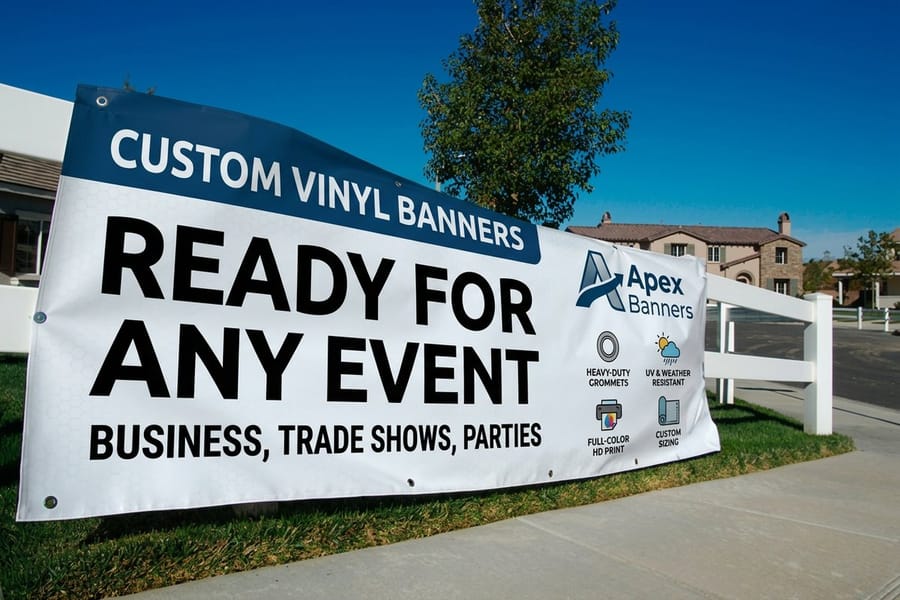
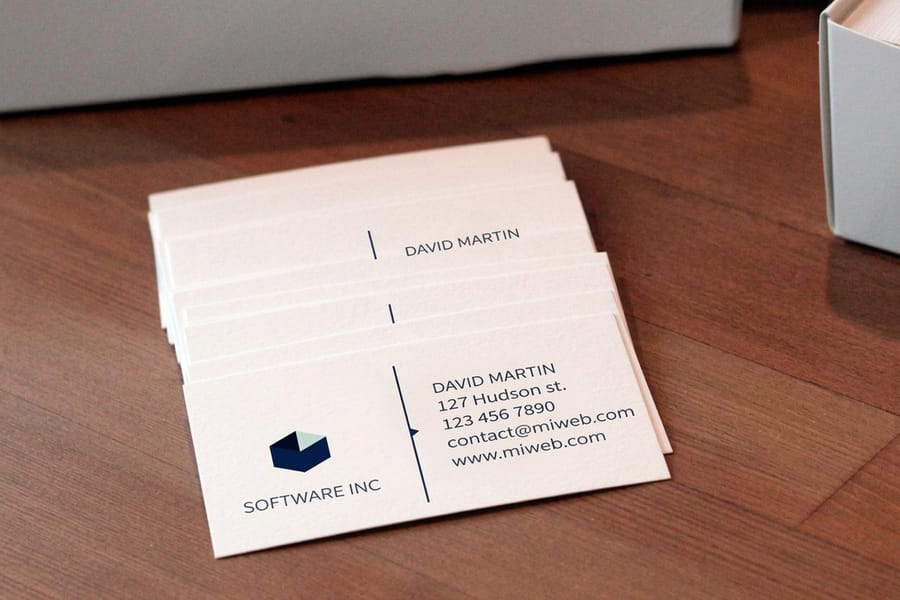
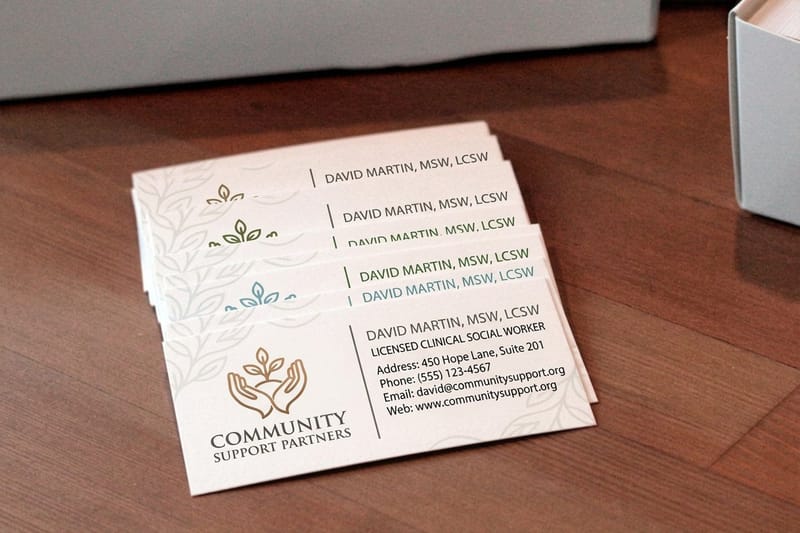
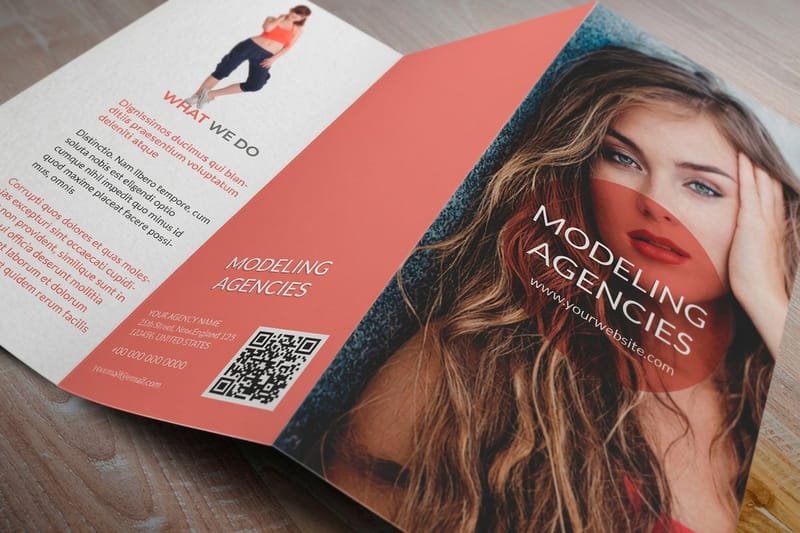
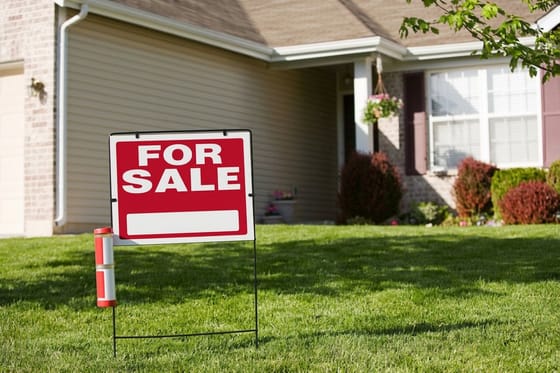
Print also fills the pixel from the other direction. Put a QR code and a short vanity URL on standard flyers, from $39.54, on a vinyl banner, from $79, at a market stall, or on yard signs, from $25, near the shop, and every scan lands on a tracked page. Those visitors enter the retargeting pool without you paying for a cold click first, which is the cheapest traffic a small account can get. Hand out standard business cards, from $17.57, with the same URL and the effect continues after the conversation ends. Set the files up from a correctly sized layout in the blank template library, and browse the full range in marketing materials.
The Five Ways a Small Meta Budget Leaks
Almost every account under $1,000 a month leaks in the same five places, and none of them are fixed by spending more.
- Too many ad sets. Four audiences on a small budget is four permanent beginners. Collapse them into one and let the delivery system do the segmenting it was built to do.
- Daily editing. Judging results at 24 hours and reacting restarts learning before the ad set has produced enough events to mean anything. Set a review day and hold to it.
- Retargeting a pool that is too small. Below a few thousand people the same audience sees the ad again and again, frequency climbs, cost per result follows it up, and the money would have bought new people instead.
- One creative in twenty shades. Different colors are not different concepts. Give the system a demonstration, a customer result and a plain offer, and it will find which angle the buyer responds to.
- Chasing CPM. A low CPM buys cheap attention from people who will never buy. Track cost per result and leave CPM as a diagnostic.
Name the honest limit as well. Meta ads are rented attention. Reach stops the day the card declines, and nothing accumulates. That is not a reason to skip them. It is the reason to spend part of the budget on things that outlast the campaign: an email list, a customer list you can upload again next quarter, and printed pieces that sit on a desk long after the ad stopped running. Organic social growth and lead generation strategies that do not rely on ad spend are the natural counterweight.
A Thirty Day Plan for Ten Dollars a Day
Three hundred dollars is a real budget if it is spent in one direction. A month of it runs this way when the goal is data first and sales second.
| Week | Where the $10 a day goes | What you are reading | What you change |
|---|---|---|---|
| Week 1 | One campaign, one broad ad set, three different creative concepts, optimized for the cheapest useful event. | Which concept holds attention. Hook rate and cost per landing page view. | Nothing. Editing now buys you a second week of learning. |
| Week 2 | Same ad set. Pause the weakest concept and add one new angle in its place. | Cost per result against the number the offer can actually carry. | One creative swap, no structural change. |
| Week 3 | Same ad set, plus the offline drop: mail the customer list and put a QR code on anything handed out. | Scans and direct visits, and whether ad results steady as the audience warms. | Upload the refreshed customer list as a Custom Audience. |
| Week 4 | Hold the budget. Add a Lookalike only if the source list clears 100 matched people comfortably. | Meta reported results checked against your own order records. | Decide the next month from the gap between those two numbers. |
Two rules make the plan work. Change one thing a week, and compare Meta's reported conversions to your own sales records before any budget decision, because attribution defaults to 7-day click and 1-day view and the two will not match. If the month ends with a list that grew, a creative that clearly beat the others and a cost per result you can live with, the budget did its job even if the sales figure was modest.
Wally explains cheap Meta ads
One budget, one ad set, and something the customer keeps
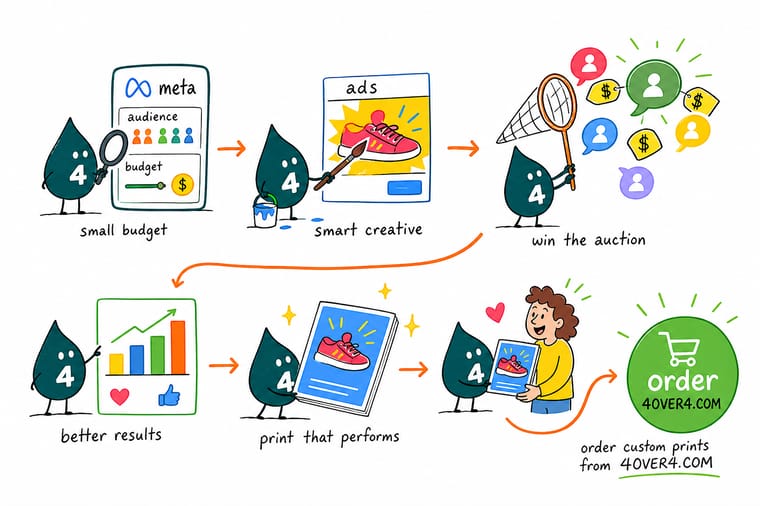
Wally stopped splitting his ten dollars a day across four audiences. One broad ad set collected enough events in a week to leave the learning phase, and delivery steadied. Then he mailed the same customer list a postcard while the ads ran, so the offer arrived twice. The ad stops the day he stops paying. The postcard is still on the fridge.
Order marketing postcards →Specs and pricing
The print side of the campaign, sizes and starting prices
Configure the pieces that carry the same offer offline, with live options and starting prices straight from the 4OVER4.COM configurator.



Print it
Give the campaign something the customer keeps


Explore more
Where to go next


By the numbers
The print partner behind the campaign
Common Questions
Your small budget Meta ads questions, answered
How much do you need to spend per day on Meta ads?
Enough that one ad set can gather about 50 optimization events in 7 days, which is Meta's own threshold for leaving the learning phase. Work backwards from your own numbers rather than from a round figure: if a purchase costs you $8 to buy, 50 purchases in a week means roughly $57 a day. If that is out of reach, optimize for a cheaper event higher in the funnel, such as a lead form submission or an add to cart, so the same money produces enough signal to steady delivery. The mistake is not spending too little. It is spending a small amount across four ad sets so none of them ever gets out of learning.
Should I boost posts or build campaigns in Ads Manager?
Use Ads Manager. Boosting is a shortcut with a narrow set of objectives and almost no control over placement, optimization event, or exclusion audiences, and it usually optimizes for engagement rather than for anything that pays you. The boost button is useful for one job: pushing extra reach behind a post that is already performing organically, when the goal genuinely is reach. For anything measured in leads or sales, build the campaign properly.
Why did my cost per result jump after I edited the ad set?
Because a significant edit restarts the learning phase. Changing the budget by a large step, swapping the optimization event, editing targeting, or adding creative resets what the delivery system had figured out, and it starts paying to relearn it. Meta flags this as Learning Limited when the ad set cannot recover. Make changes in small steps, wait for the ad set to gather its events before you judge anything, and resist checking results at 9am on day one.
Is retargeting worth it for a small business?
Only once you have traffic to retarget. A Custom Audience needs at least 100 matched people before Meta will deliver to it, and a site with a few hundred monthly visitors produces a pool so small that frequency climbs fast and you end up paying to show the same person the same ad repeatedly. Spend on reaching new people first, capture emails and mailing addresses while you do, and turn on retargeting when the pool is big enough to rotate.
Do Meta ads still work now that tracking is limited?
They work, but the reporting is modelled rather than counted. App Tracking Transparency cut the browser-side signal, so the pixel alone under-reports. The practical fix is to send server-side events through the Conversions API alongside the pixel so Meta receives the conversions it can no longer observe in the browser, and to check what Meta reports against your own order data before you make a budget decision on it. Default attribution is 7-day click and 1-day view, which is why Meta and your shop dashboard rarely agree.
Can printed mail and Meta ads work off the same list?
Yes, and this is the cheapest use of a customer list most small businesses never make. Upload the list to Meta as a Custom Audience, seed a Lookalike from it, and mail the same names a postcard in the same week. The people on the list see the card in their hands and the ad in the feed, which is far better recall than either channel buys alone, and the list stays yours if the ad account is ever restricted.
Get Started
50 postcards cost $16.48 and ship in three business days
Print the postcards, flyers and cards that carry the same offer into a mailbox and a pocket, so the campaign leaves something behind when the ads stop.
Legal Disclaimer
Gold Standard guarantees apply to all standard orders placed through 4over4.com. Price match requires verifiable proof of a competitor's published price for an equivalent product with matching specifications and turnaround time. Satisfaction guarantee covers manufacturing defects and print quality issues. Contact support with order number and documentation. On-time delivery rate based on tracked orders 1999 to 2026. Individual results may vary based on shipping carrier performance.
