
13 Small Business Lead Generation Strategies That Bring In Real Customers

Marcus is our print marketing voice, built from the knowledge of our production team, with over 20 years in printing.
How Small Business Lead Generation Actually Works
The small business lead generation strategies that bring in real customers are referrals, reviews, networking, partner swaps and posts of finished work, which cost nothing but time and are the free leads a home based business can start on this week, plus direct mail, door hangers and business cards, which cost a little print. The cheapest printed piece behind all of them is a business card at 100 for $17.57, followed by door hangers and postcards. Most small businesses have a channel problem rather than a lead problem. They spread a small budget across eight places, get a trickle from each, and never learn which one deserves more. The owners who fill their calendar do the opposite. They pick two or three channels, run them hard for a season, and let the numbers tell them where the next dollar goes.
Lead generation is only three moving parts. You put an offer in front of the right people, you make responding easy, and you follow up before the interest cools. Every tactic below is a variation on those three parts, and the ones that work for a local business are rarely the ones that trend online.
Plenty of local demand is still won on paper. A card handed over at the right moment, a mailer that lands on a kitchen counter, a door hanger left after a job in the neighborhood. These are cheap, they are yours, and no platform can switch them off or raise your cost per click overnight.
Step 1: pick two channels and commit for ninety days
A channel needs enough repetitions before it tells you anything honest. Two channels run for ninety days beats six run for three weeks. Choose one you control outright, such as direct mail or in person handoffs, and one that scales, such as referrals or search.
Step 2: put a real offer in front of them
A name and a phone number is not an offer. A free estimate, a first visit discount, a sample, or a specific outcome with a deadline is. Say exactly what the person gets and exactly what they have to do next.
Step 3: make the follow up automatic
A lead that hears nothing after the first contact goes cold. Write down what happens on day one, day three, and day ten, then make that sequence run whether or not you remember it. A calendar reminder counts as automation when you are small.
Step 4: price every lead you get
Divide what you spent on a channel by the number of leads it produced. That single number ends every argument about where the budget goes and tells you which of your thirteen strategies deserves a bigger slice next quarter.
Start here
The card that carries every other tactic
One printed piece sits behind referrals, networking, drops, and follow ups.

Strategies 1 to 4 Referrals, Reviews, Networking and Word of Mouth
The cheapest leads you will ever get come from people who already paid you. They arrive pre sold, they negotiate less, and they close faster. The mistake is treating word of mouth as something that happens to you rather than something you run on purpose, with a request, a reason, and a reminder attached to it.
Every one of these four tactics has a physical handoff at its center. A card in the customer's hand, a card in a partner's stack, a card on a community board. Print picks below cover the formats small businesses reach for most, with live prices you can configure in a couple of minutes.
- 1. Ask for the referral at the peak moment. Not in an email a month later. Ask when the customer is visibly happy, and name the kind of person you want sent your way.
- 2. Build a review habit into the job. Same visit, same conversation, with the link or QR code printed on a leave behind so nobody has to search for you.
- 3. Trade leads with three non competing businesses. The plumber, the electrician, and the flooring installer who serve the same houses can each keep a small stack of your cards near the register.
- 4. Show up where your buyers already gather. Chamber breakfasts, trade nights, and supplier events pay off when you leave with names and leave behind something they will still have on Friday.
- Make the handoff memorable. A card that feels different in the hand gets kept, and a kept card is a lead that can still convert six months from now.
If you are rebuilding how you introduce yourself at the same time, the sequencing matters. Work through the identity first, then print, so you are not reordering in a month. Our walkthrough on affordable small business branding strategies covers the order to do it in.
Print picks
Three card formats built for lead generation
Live prices, ready to configure with your quantity and stock.
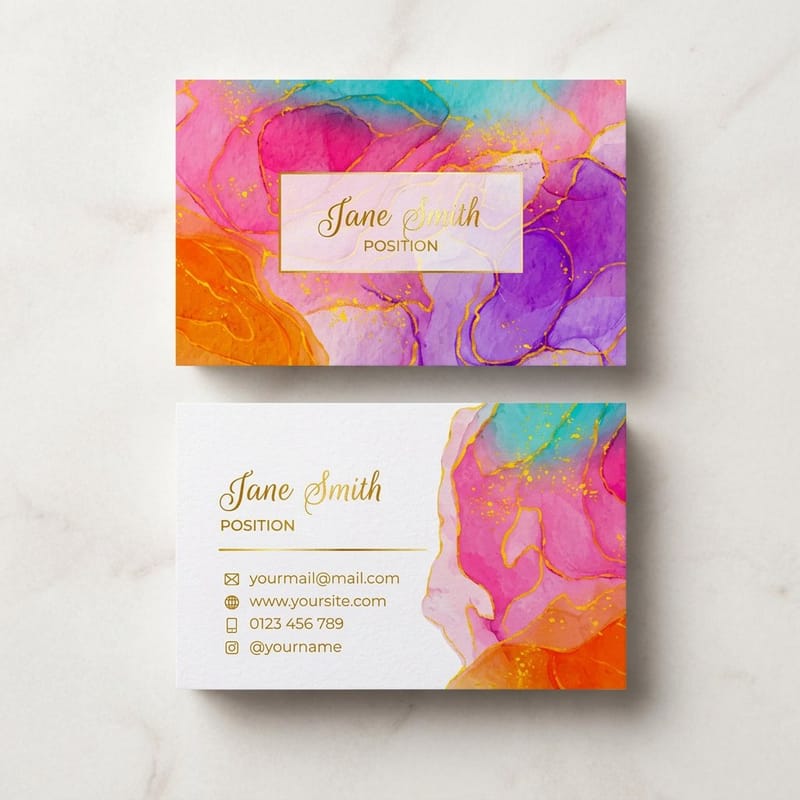
 Artist Business Cards 100 for $17.57 A creative-forward card for the handoff that starts the conversation.
 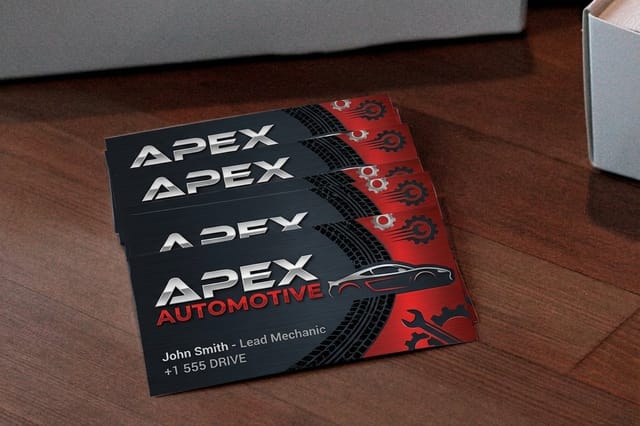 Automotive Business Cards 100 for $17.57 Built for shops, detailers, and mobile techs who sell on the spot.
  3D Lenticular Business Cards 500 for $690.88 A card that flips between images as it tilts, for the prospects you most want to remember you.
 Strategies 5 and 6 Direct Mail and Neighborhood Saturation
Direct mail works again for a plain reason: inboxes are full, mailboxes are not, and a postcard on the counter has no competing tabs. For a service business with a defined radius, mail is the most controllable channel there is. You choose the streets, the message, and the week it lands, and nothing gets throttled between you and the household.
Two versions are worth running. Targeted mail goes to a list you built, past customers, quote requests that went cold, or homes matching a specific profile. Saturation mail goes to every address on chosen routes and trades precision for a much lower cost per piece. Most small businesses should test both before deciding which one earns the budget.
- 5. Targeted mail to a list you own. Old quotes and lapsed customers respond better than strangers, because the relationship already exists and the piece only has to restart it.
- 6. Saturation mail to a tight radius. Pick the routes closest to the jobs you already do well, so your travel time stays low and your reputation is already in the area.
- Put one offer on the piece. A second offer splits the reader's attention. One deadline, one action, one phone number in a size a person can read across the kitchen.
- Mail the same list three times. One piece is easy to miss, and printing all three drops in one run keeps the cost per piece low.
- Track it with a dedicated number or code. Without a tracking mechanism you will be guessing about the only channel where guessing is easy to avoid.
Strategy 7 Door Hangers, Flyers and the Post Job Drop
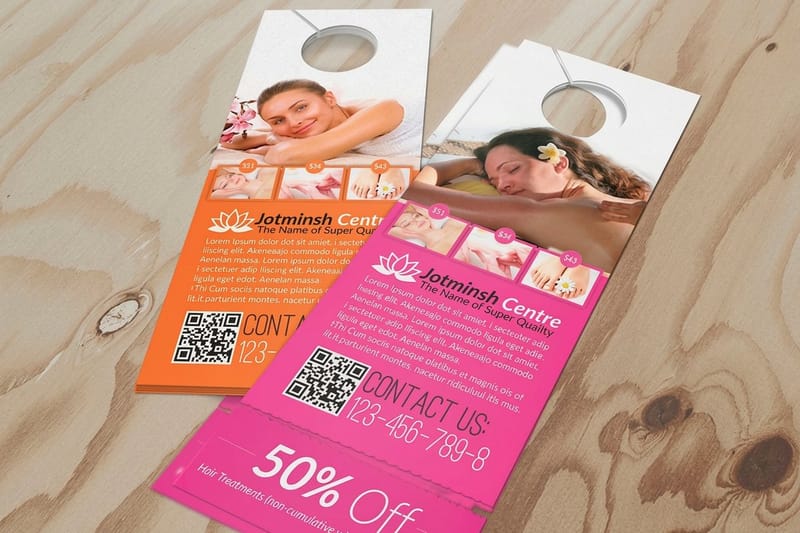
A strong flyer drop in local business is the one you do on the street where you just finished a job. Your van was there. The neighbors saw the work. A piece that says we just finished a project two doors down turns proximity into proof, with no postage on a door hanger.
Door hangers beat mailers on a per piece basis for anyone with feet on the ground already. There is no postage, the piece sits at eye level on the handle rather than in a stack, and you can drop a hundred doors in the time it takes to write one social post. The trade is labor, so keep the routes tight.
- 7. Drop the block you just worked. Same day or next day, while the truck and the finished job are still fresh in the neighbors' minds.
- Lead with the neighborhood, not with your logo. A street name or a landmark in the headline tells the reader the piece is about their block.
- Make the action one step. A phone number and a QR code to a booking page, nothing that requires a form and a password.
- Print heavier stock than feels necessary. A flimsy piece signals a flimsy operator, and the upgrade costs very little at outreach quantities.
- Keep a stack in every vehicle. The best drops are opportunistic, made while you are waiting on a part or a customer.
Three quick rules that keep drops legal and welcome in most areas:
- Never put anything inside a mailbox, that is federal property and it will cost you.
- Skip any door with a posted no soliciting notice, the goodwill is worth more than the lead.
- Daylight hours only, and never leave a piece at a house that is obviously unoccupied.
Strategies 8 and 9 Business Cards and the In Person Handoff
A business card is the cheapest lead capture device you can buy: 100 cost $17.57, and each one works with no signal, no battery, and no app. The reason most cards fail is that they are treated as contact details rather than as a small ad with a job to do, which is to make the person remember one specific thing about you. When the card has to carry a first meeting on its own, premium business cards give that one thing a heavier stock and a finish people notice.
Price is rarely the constraint. Artist Business Cards and Automotive Business Cards both start at $17.57 for 100, so a year of handoffs costs a few runs of cards. Configure quantity and stock below and watch how quickly the unit price falls once you move past a starter run.
- 8. Give two cards, not one. The second one is the referral, and asking for it costs you a sentence.
- 9. Put the offer on the back. Blank backs waste half the surface you paid for. A guarantee, a service list, or a first visit discount belongs there.
- Say what you do, not what you are called. Someone finding your card in a drawer next spring needs the category before the name.
- Choose a stock people notice. Texture, thickness, and finish are the difference between kept and tossed, and they are the cheapest upgrades on the page.
- Reorder before you run out. The month you run dry is the month you stop handing them out, and the habit is hard to restart.
Quantity and price
Business card pricing and specs for outreach runs
Real configurator numbers. The more you print, the lower each card costs.
| Quantity | Price Per Unit | Total |
|---|---|---|
| 100 | 17.6¢ | $17.57 |
| 200 | 11.5¢ | $23.07 |
| 300 | 9.15¢ | $27.46 |
| 400 | 7.96¢ | $31.86 |
| 500 | 7.25¢ | $36.26 |
| 600 | 6.77¢ | $40.64 |
Strategies 10 and 11 Email and Cold Outreach That Gets Replies
Cold outreach fails for one reason more than any other. It is about the sender. The message opens with a company history, lists services nobody asked about, and closes with a request for a meeting. Flip it. Open with something specific and true about the recipient, name one outcome they would want, and ask a question that takes ten seconds to answer.
Email and print work far better together than either does alone. A mailed piece followed three days later by a short email that references it lands as continuity rather than as an interruption. The physical piece does the remembering, the email does the replying, and neither has to carry the whole campaign.
- 10. Warm the list before you email it. A mailed card or postcard first turns a cold address into a recognized name, which lifts every metric that follows.
- 11. Send fewer, better messages. Twenty researched emails beat two thousand blasted ones, and they will not damage your sending reputation.
- Write a subject line that is a fact, not a pitch. Specific beats clever, and clever reads as marketing before it reads as useful.
- Ask one question per message. Two questions gives the reader a reason to postpone the reply until later, which means never.
- Stop at four touches. After the fourth message, park the contact for a quarter rather than burning the relationship.
Field ready
Automotive business cards
Specs for the card that follows a mailer or an email into someone's hand.

Strategies 12 and 13 Social Proof and Local Partnerships
High value introductions
3D lenticular business cards
For the partners and prospects whose memory of you is worth a premium format, printed on lenticular lens stock.
Social media rarely generates local leads by itself, but it validates every other channel you run. Someone gets your door hanger, searches your name, and decides fast whether you look like a real operation. Recent photos of finished work do more of that job than any posting schedule ever will.
Partnerships are the most underused tactic on this list. Another business that already has your customers, and that does not compete with you, is a distribution channel you can activate this week for the cost of printing. Split a mailer, share a booth, or simply keep each other's cards visible at the counter.
- 12. Post the work, not the brand. Before and after shots of real jobs show a searcher the work you would do for them.
- 13. Co market with a neighbor business. Two names on one mailer split the cost, and each business vouches for the other.
- Make one partner your priority. One referral relationship you actually follow up on is worth more than ten casual ones.
- Give before you ask. Send a partner a lead first, and the reciprocity takes care of itself without a formal agreement.
- Bring something premium to the introduction. When you want a partner to take you seriously, hand them a card that signals you invest in your own business.
Response Rates by Channel and What a Lead Really Costs
Ignore the response rate numbers you see quoted online. They are averages across industries that have nothing to do with yours, and they will lead you to abandon a channel that was working or double down on one that was not. The only response rate that matters is the one your own campaign produces, and it takes one spreadsheet column to capture it.
Here is the arithmetic. If you mail two thousand postcards and twenty four people call, your response rate is 1.2 percent. If the print and postage came to eleven hundred dollars, each lead cost about forty six dollars. If six of those calls became jobs, each customer cost about a hundred and eighty three dollars to acquire. Compare that to your average job value and you know whether to mail again.
- Use a unique tracking number per channel. A second phone line costs a few dollars a month and ends every attribution debate you will ever have.
- Ask every caller how they found you. Write the answer down in the same place every time, even when the answer is not clean.
- Measure over a full quarter. Print has a long tail, and calls from a card handed out in March genuinely arrive in June.
- Compare cost per customer, not cost per lead. A channel with expensive leads that close often beats a cheap channel that never converts.
Trade specific benchmarks are more useful than generic ones. If you run a home services business, the channel mix and the seasonality in our breakdown of proven HVAC marketing strategies maps closely to plumbing, electrical, and roofing too.
Compare formats
Popular business cards, side by side
The card options priced together: 100 standard for $17.57, 500 metallic foil for $222.13.
 free business cards |  Standard Business Cards | 3D Lenticular Business Cards |  Metallic Foil Business Cards | |
|---|---|---|---|---|
| Min price | Free | $17.57 | $690.88 | $222.13 |
| Paper / stock | 14pt Gloss Cover | 14pt Gloss Cover | 31pt Lenticular Lens | 16 Point Silk Laminated |
| Finish | - | Standard Finish | - | - |
| Size | 2" x 3.5" | 2" x 3.5" | 2" x 3.5" - Vertical | 2" x 3.5" |
| Default qty | 200 | 100 | 500 | 500 |
| Turnaround | 5 business days | 3 business days | 22 business days | 7 business days |
| Rating | ||||
| View & customize | View & customize | View & customize | View & customize |
Building the Print Side of Your Lead Engine
Once you know which channels earn their place, the print side becomes a simple supply question. Decide the quantity you will actually distribute in a quarter, order that amount, and set a reorder point at the halfway mark so you never lose a month to an empty box in the truck.
Start from a print ready layout rather than an empty canvas. Exact size blanks and templates keep your bleed, margins, and safe area correct the first time, which matters more than design talent when you are printing thousands of pieces you cannot take back. Set the file up once and every reorder after that takes about four minutes.
Match the format to the moment
- Face to face handoffs. Business cards on a stock with real weight, because the hand judges before the eye does.
- Mailed campaigns. Postcard formats with one offer, one deadline, and a phone number readable at arm's length.
- Neighborhood drops. Door hangers on heavier stock so they survive weather and stay on the handle.
- High value introductions. A premium finish for the twenty people a year whose memory of you is worth the upgrade.
Start fast
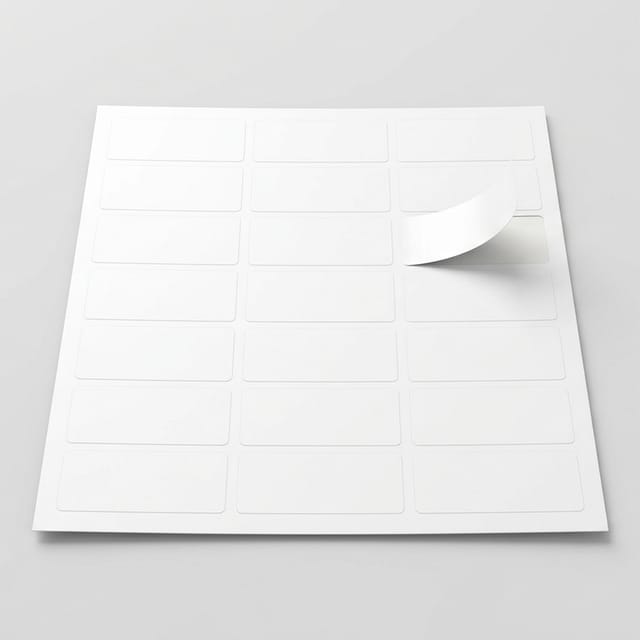
Card templates and print-ready blanks
Free layouts plus exact-size blanks so your bleed and safe area are right the first time.





By the numbers
What sits behind the print side of your lead engine
Scale, price floors, and delivery reliability for outreach campaigns.
- 10B+ Pieces printed, since 1999.
- 150,000+ Businesses served, across every industry.
- $17.57 Business cards from, artist and automotive lines.
- 99.8% On-time delivery, tracked orders.
Wally sorts the thirteen strategies for you
Two channels, one offer, and a printed piece that keeps working
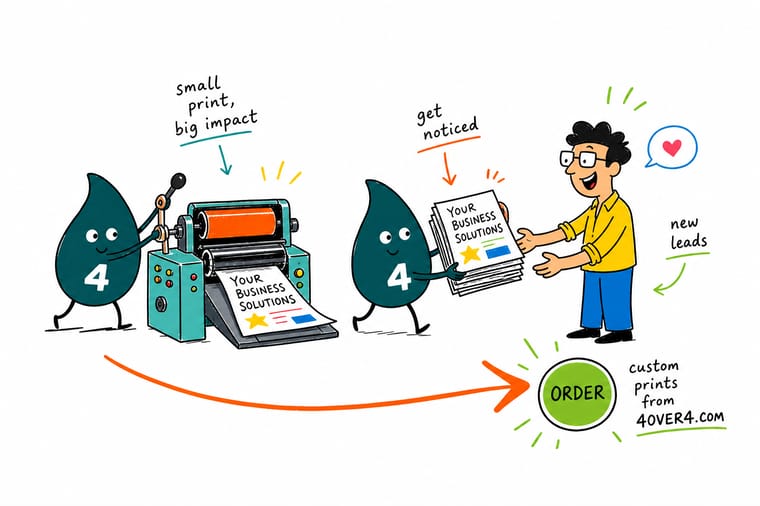
Do not run all thirteen. Pick the channel you fully control, usually direct mail, drops, or in person handoffs, and pair it with the one that compounds, usually referrals. Put a single offer on the piece, give every channel its own tracking number, and hold both for ninety days before you judge anything. Then print the quantity you will genuinely distribute, because bulk pricing is what turns a good tactic into a habit.
Configure your outreach cards →Lead Generation Takeaways Worth Keeping
Keep reading
More marketing playbooks for small operators
Branding on a small budget, tutoring and HVAC lead playbooks, and 100 business name ideas, with standard cards at 100 for $17.57 in 3 business days.
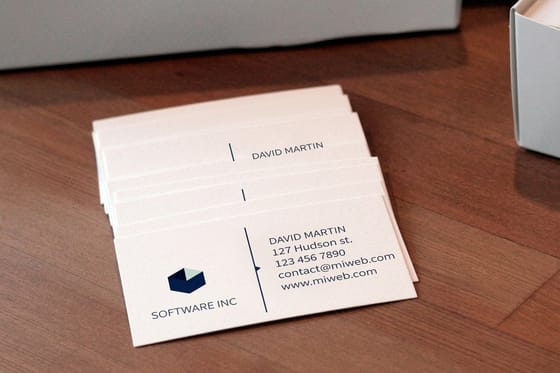 Article Affordable Branding Strategies Get the identity right before you print at volume.
 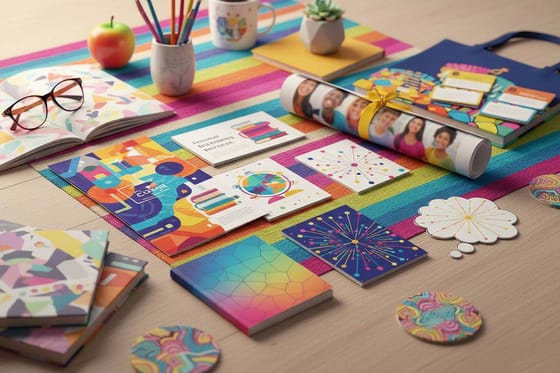 Article Tutoring Marketing Strategies A service business playbook that transfers to most trades. Article HVAC Marketing Strategies Channel mix and seasonality for home service businesses.
  Article 100 Small Business Name Ideas Name it well and every lead source works harder.
 Explore more
Cards, sign ideas and small business reading
Artist, automotive and lenticular cards, outdoor sign ideas, small business hacks, and rebranding tips.
Product Artist Business Cards Creative-forward cards from $17.57 for 100, for the handoff that starts a conversation. 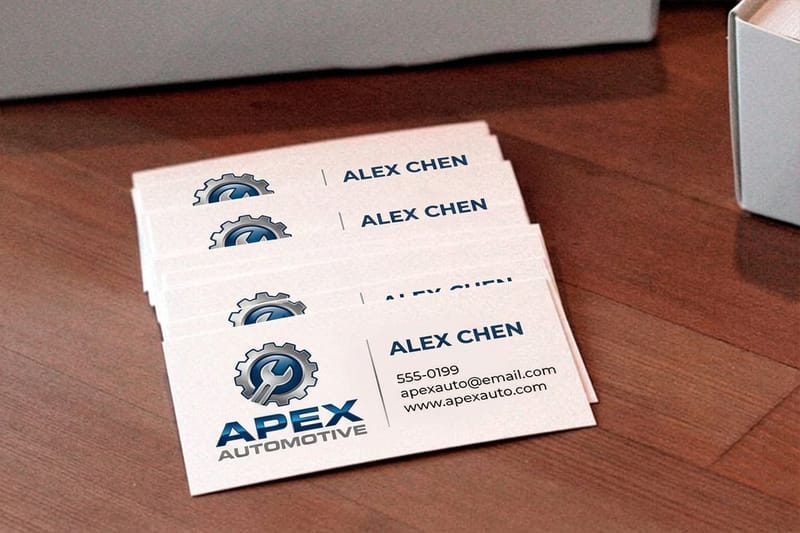 Product Automotive Business Cards Shop and mobile tech cards from $17.57 for 100, built to sell on the spot. Product 3D Lenticular Business Cards A card that flips between images, from $690.88 for 500, for high value introductions. Article Outdoor Business Sign Ideas Turn foot traffic and drive-by attention into inbound leads.
  Article 20 Small Business Hacks Operating shortcuts from founders who already scaled past this stage. Article 30 Small Business Quotes Lines worth printing for the wall, the card, or the campaign. Article 5 Rebranding Tips What to change, what to keep, and when to reprint everything.
 Ready to put a lead generating card in every hand you shake?
Pick the format, set the quantity you will actually distribute this quarter, and let bulk pricing do the rest. 100 cards start at $17.57 and ship fast enough for next week's campaign.
Small Business Lead Generation FAQ
How do I get more customers for my business without a big budget?
Start with the two channels that cost time rather than money, referrals and in person handoffs, then add one paid channel you fully control. Direct mail and door hangers are the usual choice because the price per piece is fixed and nobody can bid it up. Ask every happy customer for a referral and track which source produced each call so your next dollar has evidence behind it. For the identity work that makes all of it land harder, see our affordable branding strategies.
What are the traditional ways to get customers that still work?
Referrals, networking, direct mail, door to door and neighborhood drops, printed business cards, local partnerships, community sponsorship, and plain outbound calling all still produce leads, and several of them are less crowded now than they were a decade ago. The reason is simple. Attention moved online, competition followed it, and the physical channels quietly got cheaper and quieter at the same time. For a local service business, the traditional list is often the higher return list.
How do I choose the right lead generation strategy for my business?
Match the channel to how your customers actually decide. If they buy after meeting you, weight the in person channels and print that supports them. If they buy after comparing options at home, weight mail and search where the offer can sit in front of them. Then compare cost per customer rather than cost per lead. Whichever number is lower gets the next quarter of budget.
What does lead generation print cost and how are prices set?
Prices are set by quantity, size, stock, and finish, and quantity moves the number the most. Artist Business Cards or Automotive Business Cards start at $17.57 for 100, while 500 3D Lenticular Business Cards start at $690.88 because of the specialty lens material and the process behind it. Because pricing is tiered, a campaign quantity almost always lands at a far lower unit cost than a starter run, so configure the real number you plan to distribute before you judge the price.
What sizes, stocks, and finishes work best for outreach printing?
Business cards come in 4 sizes from 2 x 3.5 in to a 2 x 2 in square, on 74 stocks from 14pt gloss up to 80pt, so a handoff card can be as thick as you like. Postcards run from 4 x 6 in up to 6 x 11 in, and the larger sizes give one offer room to read across a kitchen. Door hangers print 4.25 x 11 in or 3.5 x 8.5 in on 14pt or 16pt gloss cover. Configure size, stock, and finish on any product page and the price updates as you go.
