
How to Write Advertising Copy People Actually Click


Four lines, one idea, and a test that tells you which version won. The structure behind ad copy that gets read, whether it runs on a screen or gets handed across a counter.
Click-worthy ad copy has one job per line: the headline earns the second line, the subhead makes the promise believable, the offer states a real number or deadline, and the call to action names what happens next. Build every ad on one idea, written specifically enough that a competitor's name could not be swapped into it. Then test one element at a time, starting with the offer, because the offer moves results further than any rewrite of the wording.
Quick answer
One idea, four lines, one variable per test
An ad is read in a chain, and every link only has to earn the next one. The headline buys a second line, the second line buys belief, the offer buys interest, and the call to action converts it into an action a person can picture. Write the whole ad around a single idea, use a number or a named situation instead of an adjective, and never write a sentence a competitor could sign. When results need improving, change one element and leave the rest alone, and start with the offer rather than the wording.
What Actually Earns the Click
A click is a small decision made in about a second, with almost no information. The reader is not weighing your company against another one. They are deciding whether the next line is worth two more seconds, and the headline is the only evidence they have.
That reframes the whole job. Your headline does not need to explain what you sell. It needs to earn the second line. The second line earns the offer. The offer earns the button. Copy fails when one link in that chain tries to do the whole job at once, which is what a headline like "Quality printing solutions for your business" is doing: closing a sale to someone who has not agreed to read yet.
Three habits separate copy that gets read from copy that gets skipped.
- Name the reader's situation, not your category. "For dentists who still mail a reminder card" beats "marketing for healthcare practices" because a dentist recognises themselves in it and everyone else stops reading, which is exactly what you want.
- Use one idea. An ad that argues price and quality and speed argues nothing. Choose the one your customers actually mention when they explain why they picked you.
- Make it swappable-proof. Put a competitor's name into your headline. If the sentence still reads fine, it is not about you and it will not be remembered.
None of this is about being clever. Clever headlines win awards and lose readers, because the reader has to decode them before deciding whether to continue, and decoding costs the second you needed. Plain and specific is faster to read, which is the only speed that matters here.
The Four Lines Every Ad Needs, and How Each One Fails
Almost every advertisement, on a screen or on paper, is four elements in a fixed order. Naming them makes an ad diagnosable instead of a matter of taste, so when a campaign underperforms you can point at which line broke rather than rewriting all of it.
| Element | Its only job | How it usually fails | Working length |
|---|---|---|---|
| Headline | Make the next line worth reading. | Tries to close the sale, or hides the subject to force curiosity. | 5 to 12 words on paper, 30 characters in a search ad. |
| Subhead | Make the headline's promise believable. | Repeats the headline in different words instead of adding proof. | One sentence, roughly 15 to 25 words. |
| Offer | State the concrete thing on the table. | Stays vague. "Great rates" instead of a number or a deadline. | Two or three short lines. |
| Call to action | Say what happens next, in a verb. | "Learn more", which describes thinking rather than doing. | 2 to 5 words. |
Read the third column before you write anything. Most weak ads are not badly written, they are structurally confused: the offer has been promoted into the headline, the proof has been left out entirely, and the call to action asks for a state of mind rather than an action. Fix the order and the wording gets easier.
The offer row is where the largest gains sit, and it is the row people skip. A rewritten headline moves results a little. A better offer moves them a lot, because it changes what the reader is being asked to trade. Before polishing a sentence, ask whether the offer itself is worth a stranger's attention. Our guide to building a marketing offer walks through how to construct one that pays for itself.
The Format Changes the Copy, Not Just the Layout
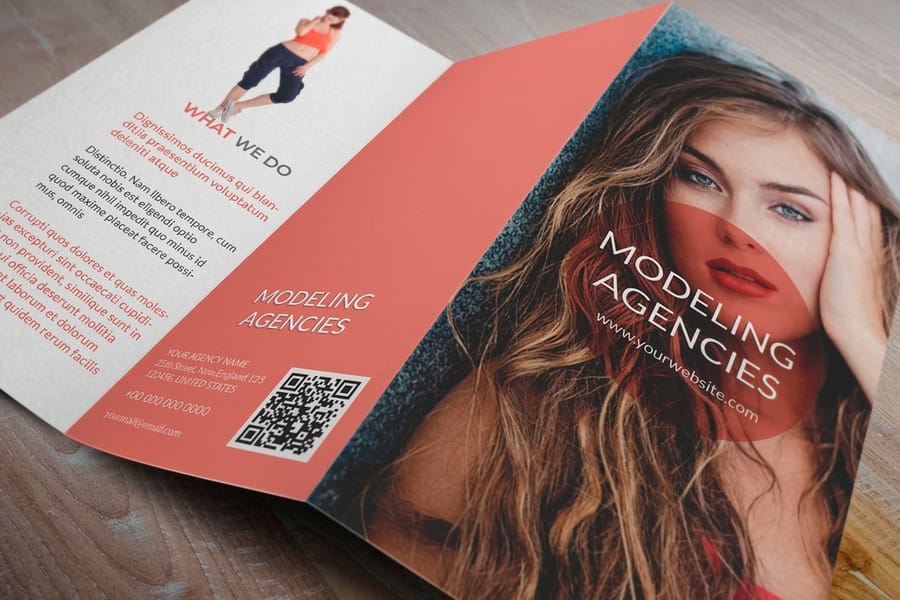
The same message needs different copy in a search result, on a postcard and inside a brochure, because the reader is doing something different in each case. Writing one version and pouring it into every format is the most common reason a campaign reads well in one channel and dies in another.
On a screen, you are interrupting. Character counts are hard limits and the reader is mid task. Front-load the specific word, cut every article you can spare, and never rely on a second line being seen. On paper, you are being held. A person picked the piece up, which is a commitment a scroll never makes, so you get a few seconds more and the physical format itself carries meaning before a word is read.
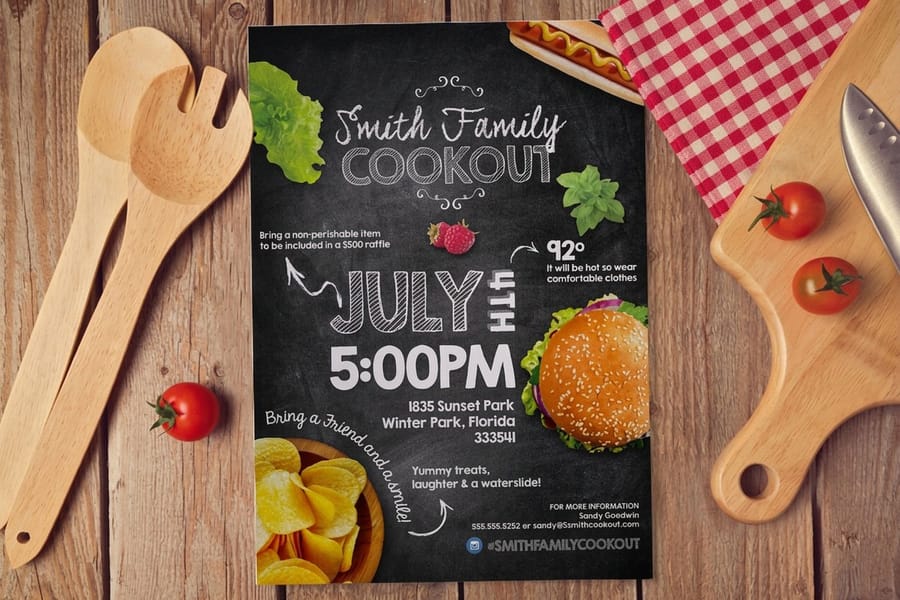
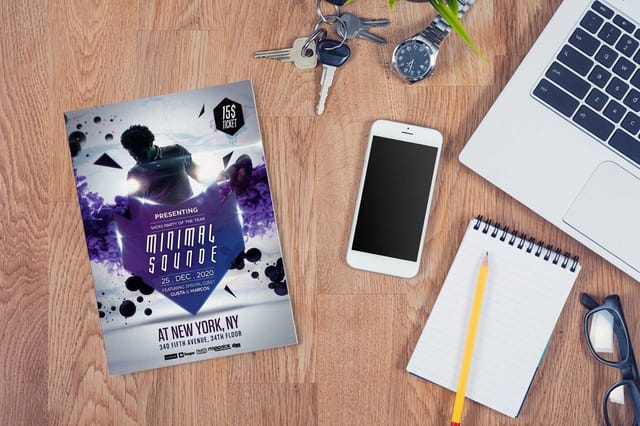
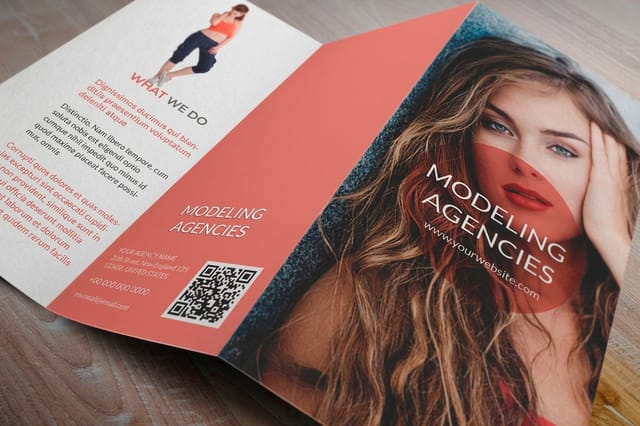
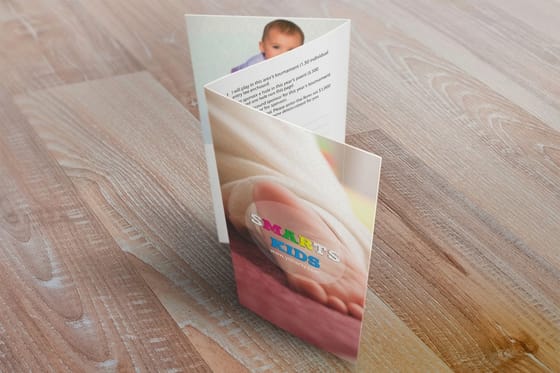
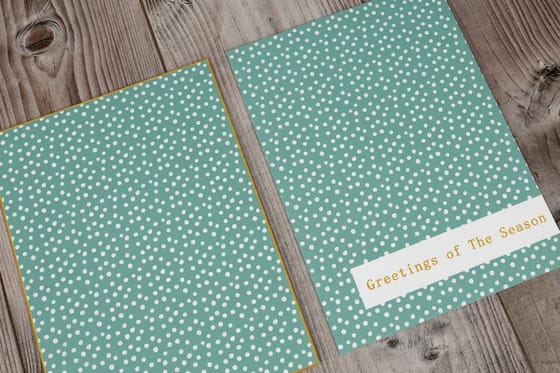
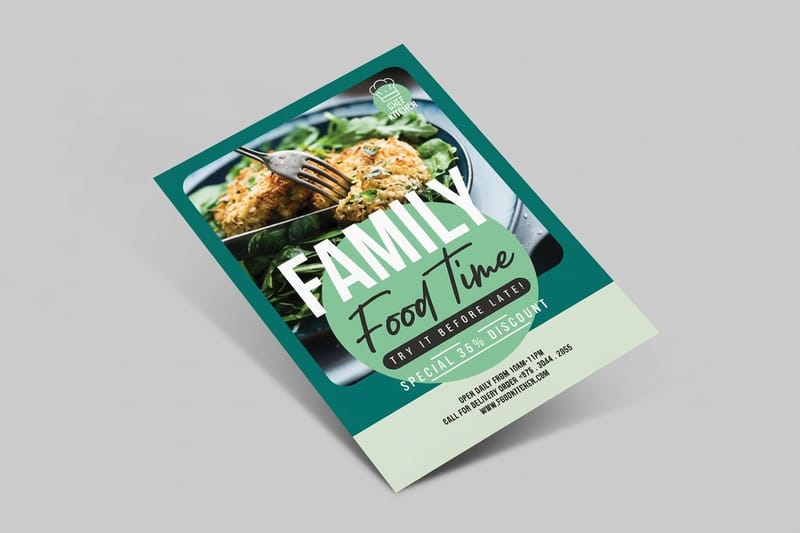
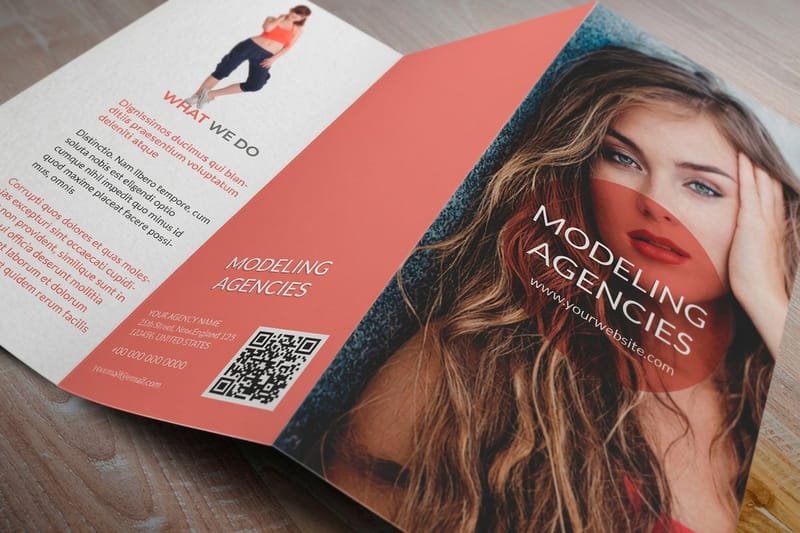
That extra attention is why printed pieces stay in the mix for local and high-value offers. A printed postcard starts at $16.48 and arrives without needing to win an auction first, so a small list of the right addresses can be reached for the price of a few clicks. Standard flyers start at $39.54 and are built for volume handout, which is why the copy on one should carry a single offer and nothing else. Brochures start at $57.11 and buy you panels, which changes the writing job completely: a brochure reader has already said yes to a conversation, so the copy can slow down, answer objections and use the panel breaks as chapters.
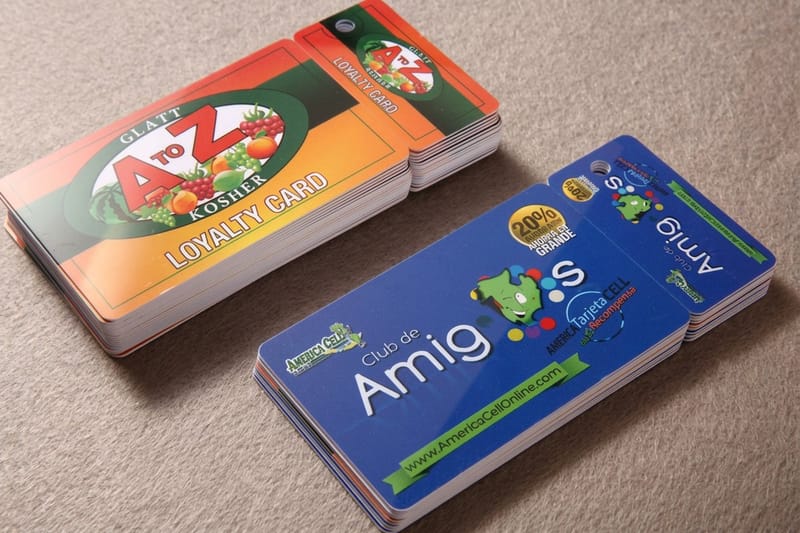
Then there is the piece that follows the ad. Standard business cards start at $17.57 and do the quietest copywriting job of all, because the only line on one that people actually read is the one that explains what you do for them. If you want the full mapping of message to format, the print advertising and design guide lays it out piece by piece, and the marketing materials range shows what each format costs to produce.
Test One Line at a Time and Be Willing to Lose
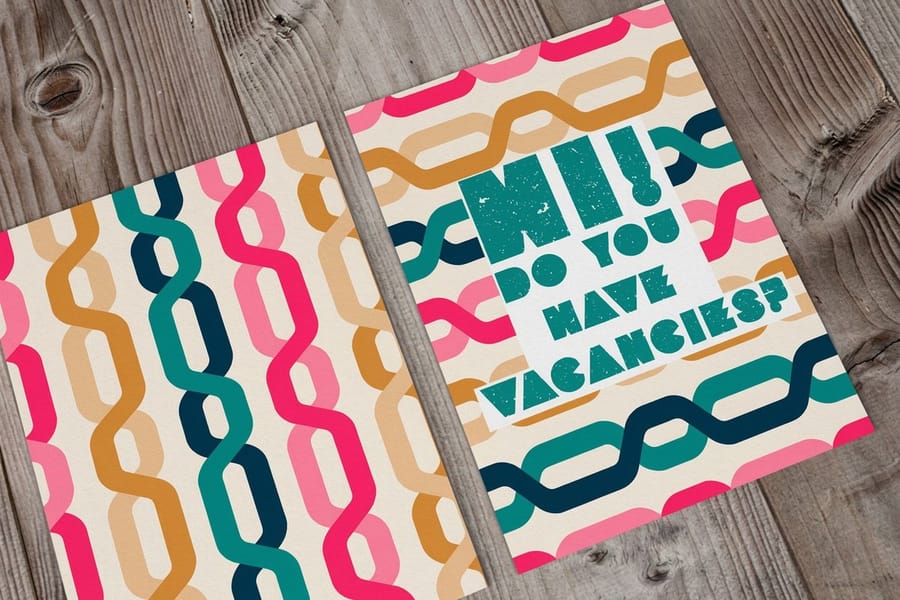
Copywriting stops being an opinion the moment you run two versions. It only stops being an opinion, though, if the two versions differ in one place. Change the headline and the image together and a winner tells you nothing you can reuse.
Work in this order, because it puts the biggest lever first:
- The offer. What is being given, and what it costs the reader in effort. Moves results more than any other change.
- The headline. One idea against a different idea, not one adjective against another.
- The call to action. The verb and what follows it.
- The image. Test last, and against the same copy every time.
Two honest limits are worth naming. First, small volumes cannot resolve small differences. If a campaign produces a handful of responses a week, a test between two similar headlines will read as noise for a long time, and the sensible move is to test two genuinely different offers instead of two phrasings. Second, print tests are slower and less granular than digital ones, but they are still worth running: split a mailing list in half, change one line, and use a different phone extension or landing URL on each version so the responses can be told apart.
The hardest part is discarding the version you wrote and liked. Do it anyway. Keep a file of the losing lines with a note on why they lost, because a pattern shows up after a dozen tests that no single result reveals. For the page the winning ad points at, landing page frameworks covers keeping the promise the ad made, and social proof covers turning customer evidence into a line strong enough to test.
Wally explains click-worthy copy
One idea, one offer, one verb
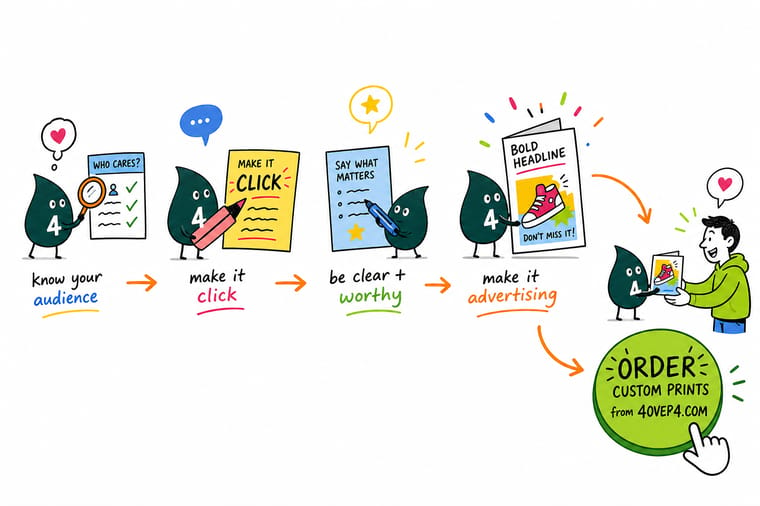
Wally writes the headline first, then reads it back and asks one question: does this make anyone read the next line? If the answer is no, he cuts it, no matter how good it sounded. He puts a real number in the offer instead of a compliment, ends with a verb that says what happens after the click, and only ever changes one line between two versions so he knows which change did the work.
Print flyers for your campaign →Specs and pricing
The formats your copy will run on
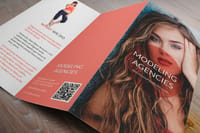
Sizes, stocks and starting prices for the three printed formats that carry most ad copy, straight from the 4OVER4.COM configurator.


Print it
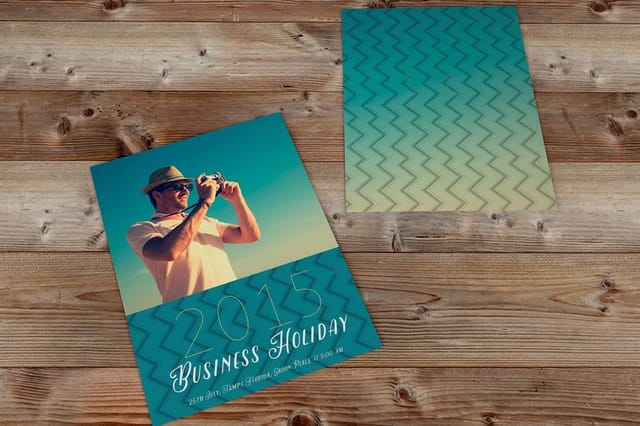
Put the winning line on something people hold
Explore more
Where to go next
By the numbers
The print partner behind the campaign
Common Questions
Your ad copy questions, answered
How long should an advertising headline be?
Long enough to carry one specific idea, which in practice lands between five and twelve words. The real constraint is where the ad runs. A paid search headline is capped at 30 characters per field, so you get a fragment. A flyer headline is read from three feet away and can run to a full line. The length that fails everywhere is the middle one: fourteen words of general praise that says nothing a reader can picture.
Should ad copy ask a question?
Only when the honest answer is yes and the reader knows it. "Tired of chasing invoices?" works for a bookkeeper because the reader has lived it. "Want better marketing?" fails because it is a question nobody answers no to, which makes it a wasted line. A question that a reader can answer no to is worse than a statement, because it gives them a reason to stop reading in the first two seconds.
What is the difference between a feature and a benefit in ad copy?
A feature is what the thing is. A benefit is what changes for the reader. "16pt cardstock with a soft touch coating" is a feature. "A card people keep handling instead of filing" is the benefit. The strongest ad copy does not choose between them. It states the benefit, then puts the feature immediately after as the proof, because a benefit with no mechanism behind it reads as a claim rather than a fact.
How many words belong on a printed flyer?
Fewer than most first drafts carry. A flyer gets read at arm's length in a few seconds, so plan on a headline, two or three short lines of body, one offer and one instruction. Everything else is competing with the offer for the same attention. If you have more to say than that, the format is wrong and a brochure gives you the panels to say it properly.
Does urgency actually work in an ad?
Real urgency works. Manufactured urgency works once and then trains people to wait for the next fake deadline. The difference is whether the constraint exists: a class with sixteen seats, a menu that changes in October, a price that goes up when the current print run sells out. Write the reason next to the deadline. "Ends Friday" is weak on its own and strong when the sentence explains why Friday.
How do I write a call to action that is not "Learn More"?
Name the action and what the reader gets for it. "Learn more" describes the reader's brain, not their hand. "Book the 15 minute call", "Download the price sheet", "Claim the sample pack" all tell a person exactly what happens after the click, which removes the small hesitation that kills a click. Use one verb, keep it under five words, and make sure the page behind it does the thing the button promised.
Get Started
Got the line. Now print it.
Upload the artwork, pick your stock and quantity, and we print the flyers, postcards and brochures that carry the offer you just wrote.
Legal Disclaimer
Gold Standard guarantees apply to all standard orders placed through 4over4.com. Price match requires verifiable proof of a competitor's published price for an equivalent product with matching specifications and turnaround time. Satisfaction guarantee covers manufacturing defects and print quality issues. Contact support with order number and documentation. On-time delivery rate based on tracked orders 1999 to 2026. Individual results may vary based on shipping carrier performance.
