
How to Order Custom Packaging Without Paying for a Reprint


Five decisions, taken in order: box style, size, board, proof, run size. Here is what each one does to your artwork, your schedule and your per box price.
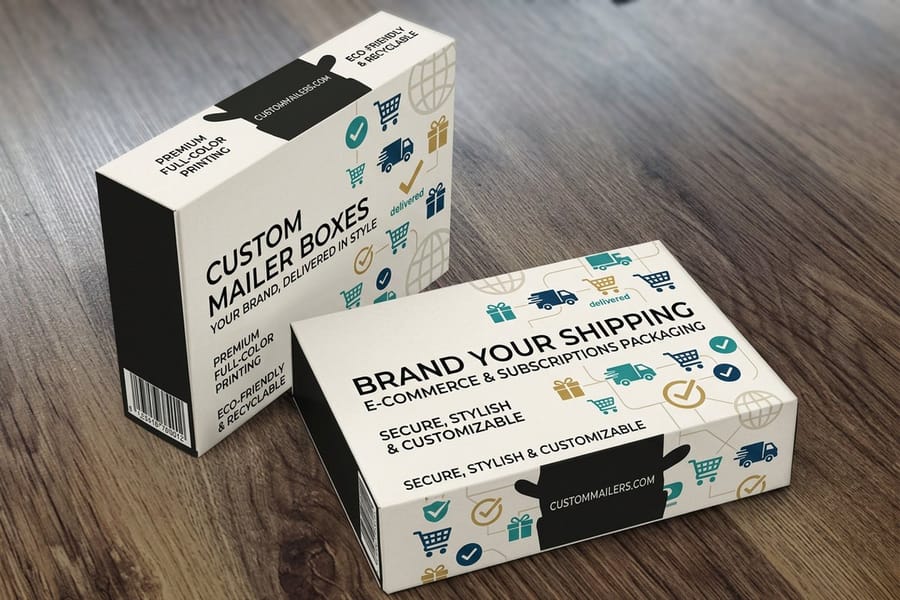
To order custom packaging, choose the box style first, then the size, then the board, then the proof, then the quantity. The style fixes the dieline your artwork has to fit, the size sets the flat sheet you are actually paying for, and the run size moves the per box price further than any other choice. At 4OVER4.COM a folding carton such as custom mailer boxes starts at $711.78 for 250 boxes, and smaller dies like pillow boxes and cube boxes start at 50.
Quick answer
Style, size, board, proof, quantity
Order in that sequence and nothing has to be redone. The style decides the dieline and the smallest run you can place. The size decides the flat blank, which is what the press is priced on. The board is a choice between 14pt Uncoated Cover and 18pt Cover with gloss on one side. The Free Online Proof is the last free chance to catch a panel in the wrong place, and the quantity slider is where the per box price actually lives.
Step 1: Pick the Box Style Before You Pick a Size
Every packaging order starts with a die, and the die is the thing you cannot change later without starting over. Size is a dropdown. Style is the structure.
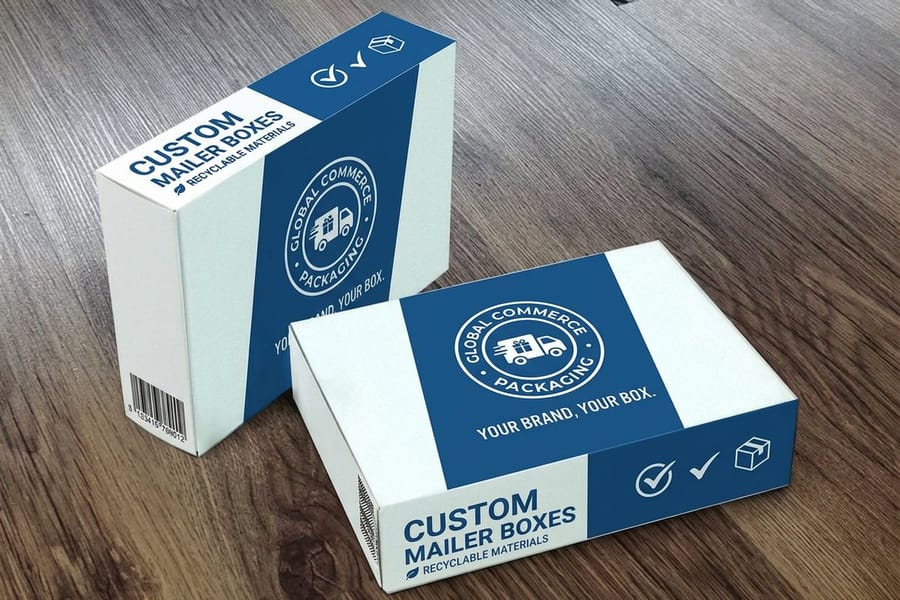
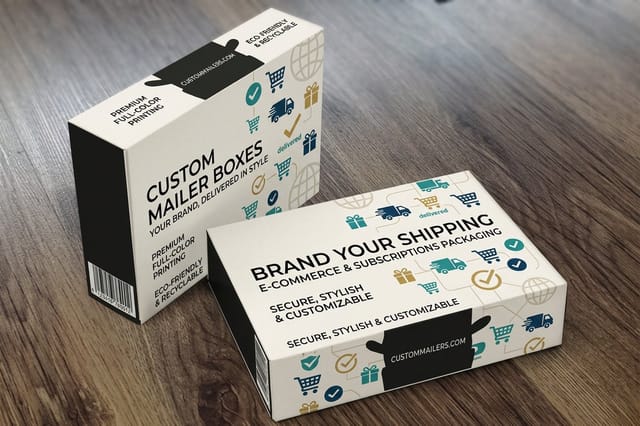
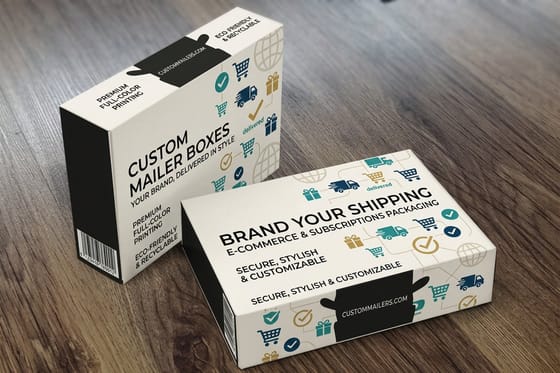
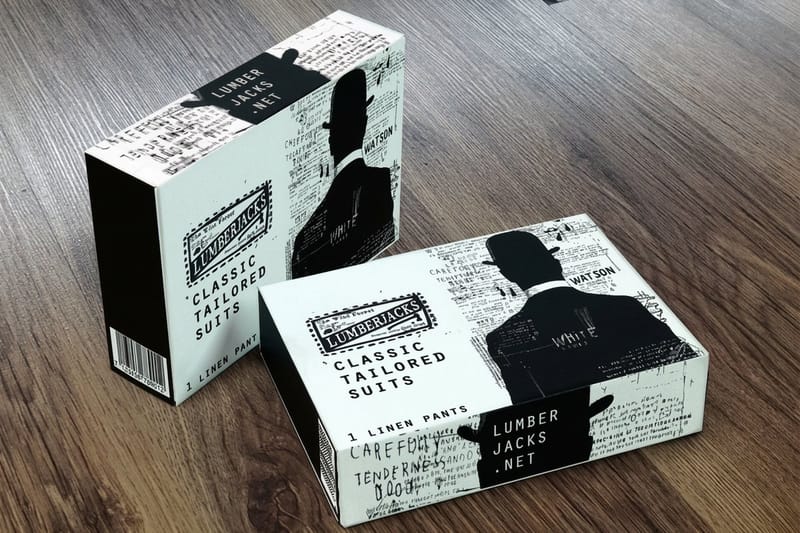
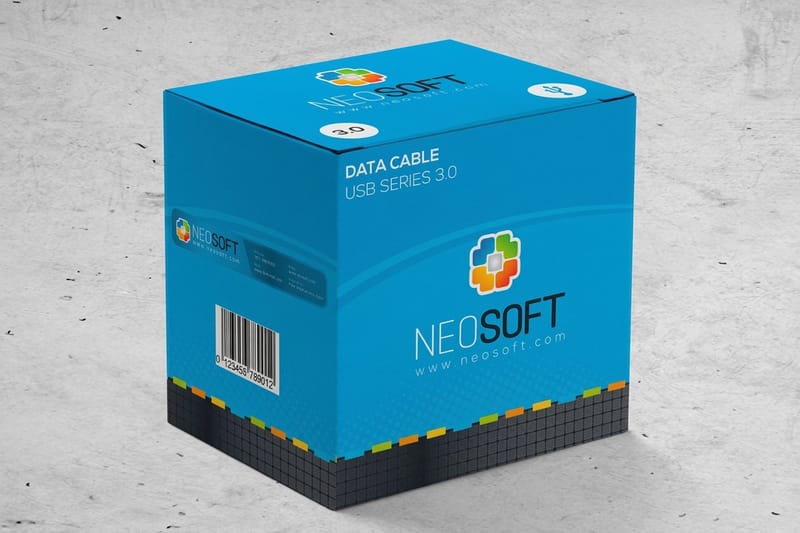
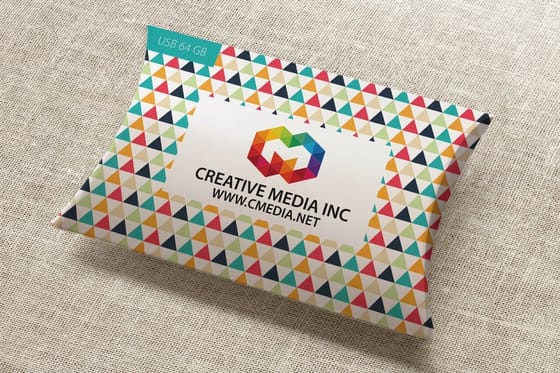
Four styles cover most of what small brands order. A roll end tuck top, sold here as custom mailer boxes and as roll end tuck top boxes, has a hinged lid and side wings that lock, so it survives a courier without tape across the front. A pillow box is a single curved blank with tucked ends, cheap and fast, but it holds almost no weight. A cube is a display shape for something square. A sleeve wraps an existing tray or box and lets you rebrand without retooling.
| Style | How it closes | Best for | Starts at |
|---|---|---|---|
| Mailer (roll end tuck top) | Hinged lid, tuck flap, locking side wings. | Ecommerce shipments that go out unboxed by the customer. | $711.78 per 250 |
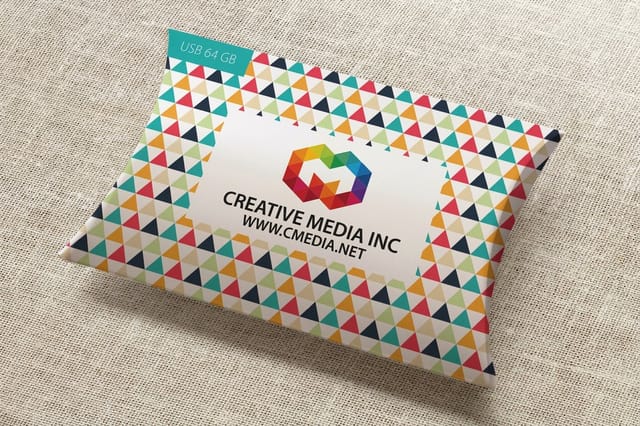
| Pillow box | Curved blank with two tucked ends. | Jewelry, soap, gift cards, small light retail items. | $284.49 per 50 |
| Cube box | Tuck top over a square base. | Candles, mugs, favors, anything that reads well square. | $213.09 per 50 |
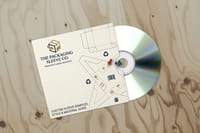
| Packaging sleeve | Open band that slides over an existing box. | Rebranding a stock tray, seasonal runs, kit inserts. | $438.25 per 100 |
Notice the run sizes in the last column. The folding carton dies start at 250 and the small dies start at 50, so the style you choose also sets the smallest order you can place. If you are deciding between two structures, our guide on choosing the best box style for your product works through the fit and weight questions in more detail.
Step 2: Read the Dieline, Because It Is Your Real Canvas
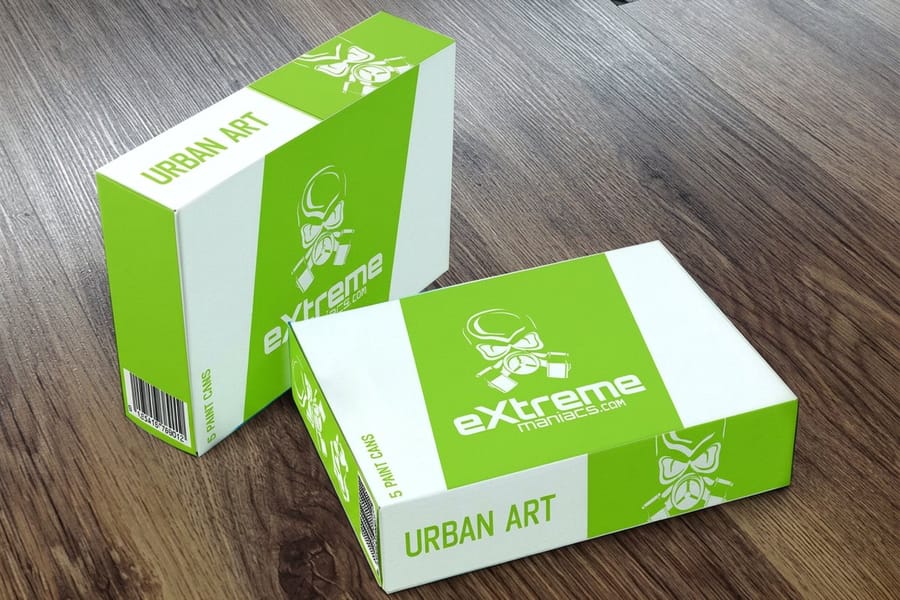
A dieline is the flat map of the box: solid lines where the knife cuts, dashed lines where the board folds. Pick your size on the product page and the matching template arrives with the panels already drawn, so your job is placing artwork on them rather than measuring anything.
The number that surprises people is the flat size. A 5 by 7 by 1.7 inch mailer, the default on custom mailer boxes, lays out as a blank of roughly 10.4 by 15.4 inches, because the 1.7 inch depth is added twice across the width and twice down the height. That is why box printing is quoted by sheet area rather than by finished box size, and why a slightly deeper box costs more than its dimensions suggest.
Three habits keep artwork off the reject pile. Extend every background 0.125 inches past the cut line, because board shifts a little as it feeds. Hold logos and legal copy at least 0.25 inches back from any dashed fold, since a crease running through type looks like a mistake even when it is dead on spec. And keep the dieline on its own layer in the upload, so we can confirm your panels sit where the die expects them.
Start from a correctly built file rather than a blank canvas. The blank template library carries the packaging dielines, including the cube box template, and our packaging file preparation guide covers bleed, color mode and outlines end to end. If you would rather not open design software at all, the free online designer lets you build the panels in the browser.
Step 3: Choose the Board, and Know What Each One Costs You
Packaging on the 4OVER4.COM configurator runs on two paper choices: 14pt Uncoated Cover and 18pt Cover with gloss on one side. That is a smaller menu than a packaging broker will read you, and it is deliberate, because these two cover the great majority of retail and ecommerce work.
14pt Uncoated takes ink into the fiber rather than sitting on top of it, so colors read softer and the surface has grip. It suits a natural or minimal brand, and it takes a handwritten thank you note without beading. 18pt Cover with gloss on one side is thicker and holds saturated color with far more punch, and the coated face wipes clean, which matters for anything handled in a store or shipped in bad weather. The trade is honest: gloss shows fingerprints and scuffs from courier handling that uncoated hides.
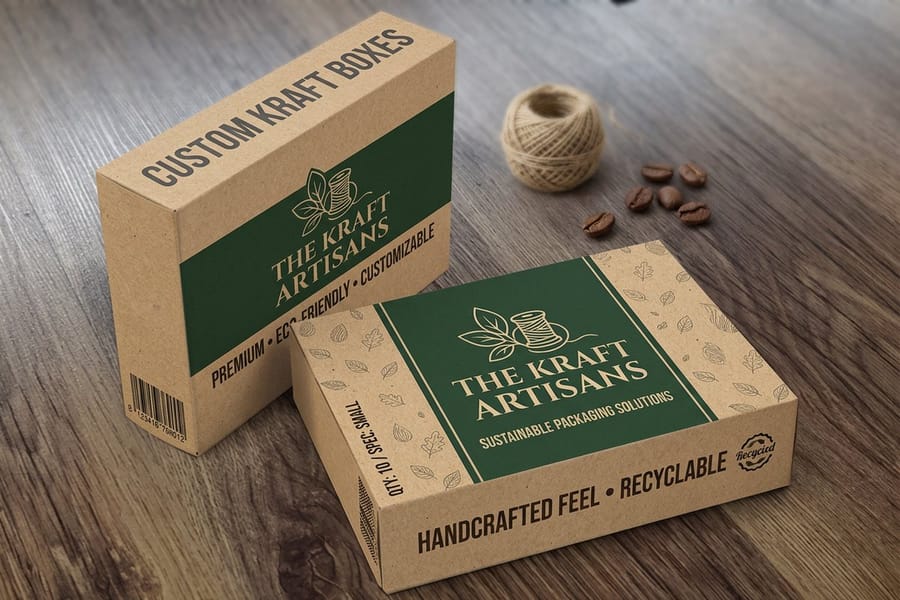
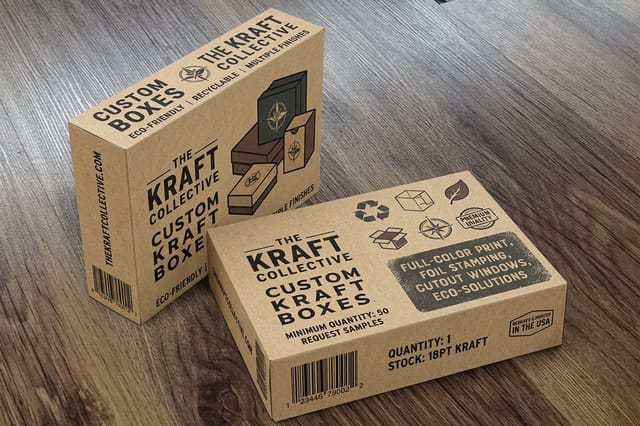
Where board thickness stops being enough is weight and stacking. A folding carton at 18pt protects a candle or a t-shirt. It does not protect a ceramic mug through a hub sort, and it will crush under a pallet. That job needs flute, and our comparison of cardstock versus corrugated board draws the line by product weight. For a brown natural look without paying for a specialty coating, custom kraft boxes start at $711.78 for 250 units, the same entry as the standard mailer.
Step 4: The Proof and the Run Size Decide What You Pay
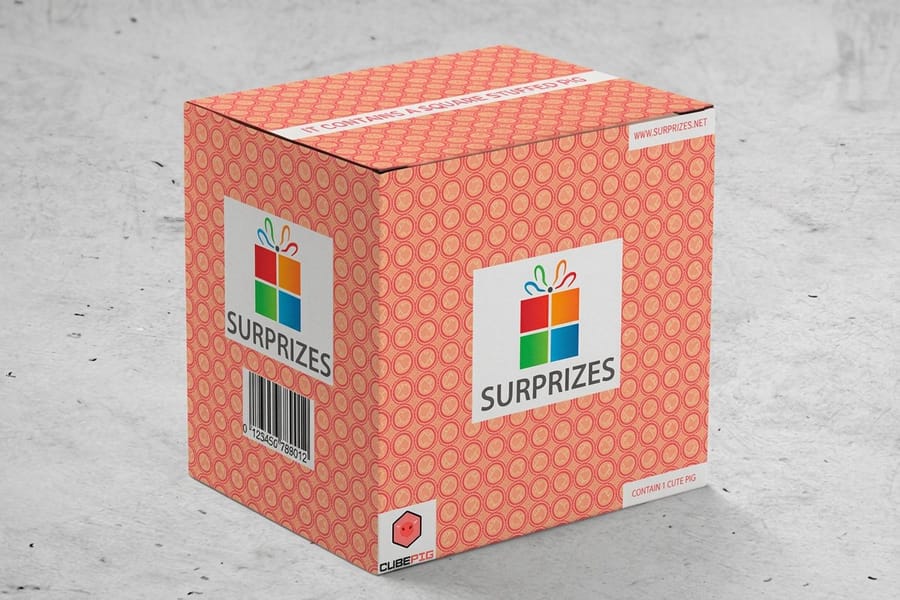
Two settings at the end of the configurator move more money than anything you chose before them. One is the proof. The other is the quantity slider.
Every box product offers Straight To Production or a Free Online Proof. Straight To Production is the right call only when the file came off a template you have already printed from. Otherwise take the proof: it costs nothing, it shows the artwork mapped onto the actual panels, and it is the last point at which a mirrored back panel or a logo sitting on a fold can still be fixed for free. It does move the schedule, since the 7 business day turnaround on custom mailer boxes is measured from your approval, not from your upload. Our guide on checking a packaging proof before approval lists what to look at panel by panel.
Then the quantity. Setup cost is the same whether the press runs 50 boxes or 5,000, so the curve is steep at the bottom and flattens fast. Custom mailer boxes are $711.78 for 250, about $2.85 each, and slide toward roughly $0.37 each as the run reaches 25,000. Pillow boxes go from $5.69 a box at 50 down to roughly $0.28 at the top of the range. Retail boxes step down across nine quantity tiers on the way to 25,000.
| Product | Smallest run | Price at that run | Per unit at the smallest run |
|---|---|---|---|
| Custom mailer boxes | 250 boxes | $711.78 | About $2.85 |
| Cube boxes | 50 boxes | $213.09 | About $4.26 |
| Pillow boxes | 50 boxes | $284.49 | $5.69 |
| Packaging sleeves | 100 units | $438.25 | About $4.38 |
The practical rule is to order what you will genuinely ship within a year and no more. Board yellows slowly, storage costs real money, and a brand that changes its logo six months in has just paid to recycle 20,000 boxes. If you are sizing a first run, work out the box first with our guide on measuring a box and calculating cubic inches, then check it against the box size chart by product type. Browse the full range in the custom box printing category or across the wider packaging collection.
Wally explains the box order
Flat first, folded second, printed once
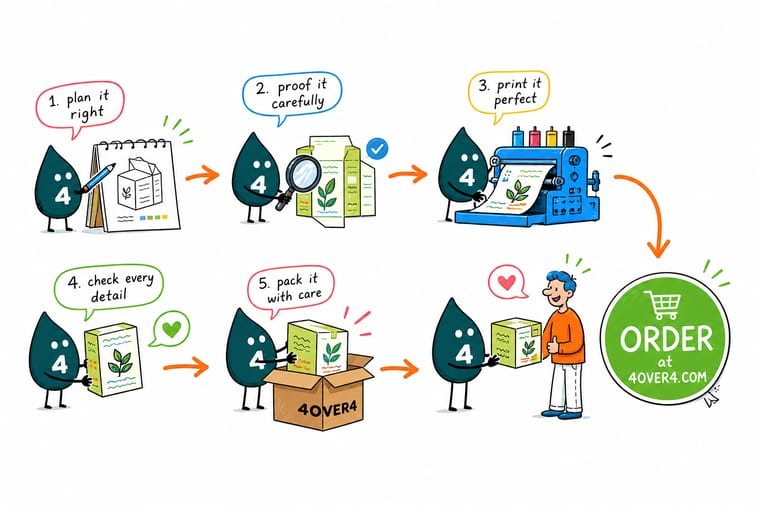
Wally never designs a box on the box. He starts on the flat blank, drops the artwork onto the panels the dieline already drew, pushes every background a little past the cut line, and keeps type clear of the creases. Then he takes the free proof and turns it over in his head panel by panel. Only after that does he touch the quantity slider, because that is the number that decides what the run costs. Style, size, board, proof, quantity. In that order, nothing gets reprinted.
Configure custom mailer boxes →Specs and pricing
Box sizes, options and starting prices
Default sizes, option groups and starting prices pulled straight from the 4OVER4.COM configurator, so you can size a run before you open the product page.
Print it
Order the box style your product actually needs
Explore more
Where to go next
By the numbers
Packaging runs you can plan a launch around
Common Questions
Your custom packaging questions, answered
What is the minimum order for custom packaging?
It depends on the box style, not on a single site-wide rule. Folding carton styles such as custom mailer boxes, roll end tuck top boxes and retail boxes start at 250 units. Smaller formats start much lower: pillow boxes begin at a set of 50 and cube boxes at 50, and packaging sleeves start at 100 units. If 250 boxes is more than you need this quarter, a smaller die like the pillow box or the cube is usually the better entry point rather than trying to shrink a mailer run.
Do I need a dieline before I place the order?
No. Pick the size on the product page and the matching dieline template comes to you, so you place artwork onto panels that already exist. You only need to supply your own dieline if you want a shape we do not stock, which is a custom die and a separate conversation. For everything in the standard range, start from our template library and keep the template layer in the file when you upload.
How long does custom packaging take to print?
Custom mailer boxes list a 7 business day turnaround, and that clock starts at proof approval rather than at upload. If you choose the Free Online Proof and then take two days to review it, your box lands two days later. Rush options are selected at checkout and change the delivery estimate on screen. Plan a launch backwards from the date you need boxes in hand, and add shipping transit on top of the production window.
Can I see a physical box before committing to the full run?
The proof we provide is a digital one, and it is free. There is no per-unit sample of a custom printed box, because making one means running the die and the press once for a single piece. Two practical routes exist: approve the online proof carefully with the dieline template visible, or place the smallest run in the style you want and treat it as the prototype. Our explainer on packaging sample kits and prototypes covers how brands usually handle that step.
What file should I upload for a box?
A press-ready PDF at 300 dpi, CMYK, with fonts outlined and artwork extended 0.125 inches past every cut line. Keep the supplied dieline on its own layer so we can confirm registration, and keep logos and legal text at least 0.25 inches away from any fold. A design that sits right on a score will look crooked once the board is creased, and that is not a press fault we can correct after the fact.
Why is the per box price so different at 50 versus 250?
Because most of what you pay on a short run is setup, not board. The die has to be mounted and the press has to be made ready whether you print 50 boxes or 5,000, so the fixed cost is spread across fewer units at the bottom of the range. Pillow boxes show it plainly: $284.49 for a set of 50 works out to $5.69 a box, and the same product falls toward roughly $0.28 a box at the top of its quantity range.
Get Started
Ready to put your brand on the box?
Pick the die, drop your artwork onto the template, take the free online proof, and set the run size that matches what you will ship this year.
Legal Disclaimer
Gold Standard guarantees apply to all standard orders placed through 4over4.com. Price match requires verifiable proof of a competitor's published price for an equivalent product with matching specifications and turnaround time. Satisfaction guarantee covers manufacturing defects and print quality issues. Contact support with order number and documentation. On-time delivery rate based on tracked orders 1999 to 2026. Individual results may vary based on shipping carrier performance.
