
How to Design Custom Coffee Packaging That Protects the Roast


Buy barrier on the bag and buy print on everything around it. Here is how the valve, the label and the outer pieces fit together, and what each one costs to start.
Design coffee packaging in two layers: a sealed foil lined bag with a one way valve does the preserving, and a printed label, box, tissue and tag do the branding. Keep every label and adhesive clear of the valve so roast gas can vent, size the label to the flat panel between the heat seals, and start with labels and tags rather than printed boxes. Custom Labels start at $25 and Custom Mailer Boxes at $711.78, so the cheap pieces are the ones you get to change often.
Quick answer
Barrier on the bag, brand on everything else
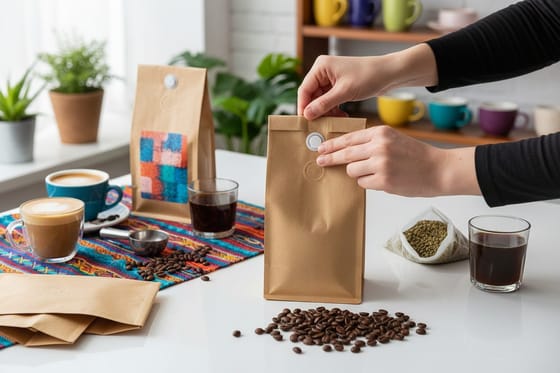
The bag is the only piece with a job to do, so spend there and print everywhere else. A foil lined bag with a one way valve keeps oxygen out and lets roast gas escape. A printed label names the coffee and carries the legal copy, and it has to sit on the flat panel with clearance around the valve. The outer box, the tissue and the hang tag carry the brand, cost less to change, and are where a subscription shipment earns its second order.
The Four Pieces of a Coffee Packaging Set
A coffee order is four printed decisions, and mixing them up is where budgets go sideways. Sort them by job before you sort them by design.
The bag is the only piece that touches coffee and the only one that has to perform. The label turns a stock bag into your bag and carries everything a regulator or a customer needs to read. The outer box protects the shipment and sets the first impression on a doorstep. Tissue, sleeves and tags fill the gap between opening the box and lifting the bag out.
| Piece | Its actual job | What to buy | Starts at |
|---|---|---|---|
| Sealed bag | Blocks oxygen, holds aroma, vents roast gas. | Stock foil lined bag with a valve. Buy barrier, not print. | Sourced with your green |
| Custom Labels | Names the coffee and carries the legal copy. | Matte or coated paper face, sized to the flat panel. | $25 |
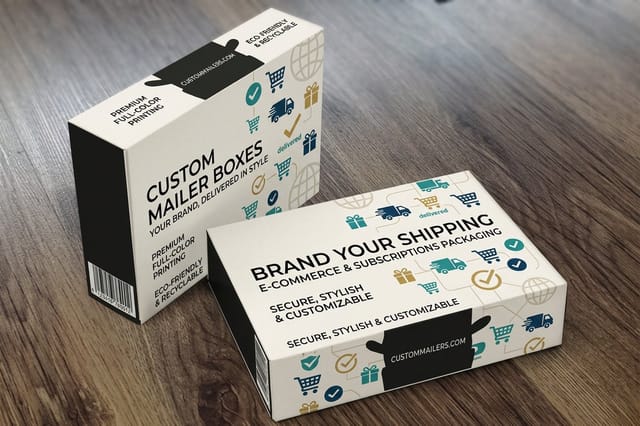
| Custom Mailer Boxes | Survives the carrier and stages the opening. | Corrugated mailer, print outside and inside. | $711.78 |
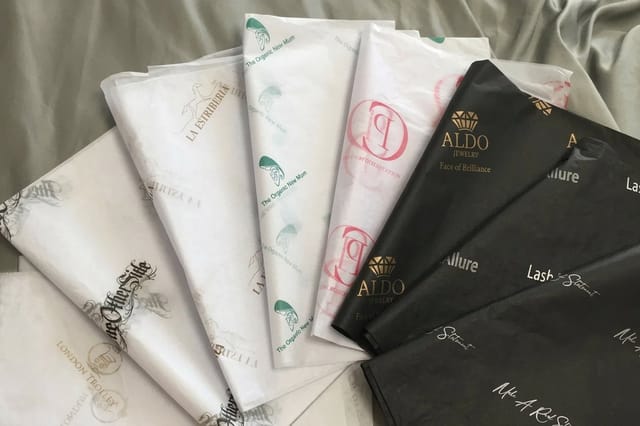
| Tissue Paper | Wraps the bag and fills dead space. | One or two colors. Thin stock shows ink through. | $126.32 |
| Standard Hang Tags | Brew ratio, roast date, reorder prompt. | Heavy stock, drilled and tied at the bag neck. | $25.27 |
Read the last column and the strategy writes itself. Labels and tags are cheap enough to change per lot, boxes are a volume commitment. Roasters who buy them in the wrong order end up with a stack of beautiful boxes for a blend they stopped making. If you are still choosing the outer box, cardstock against corrugated settles the material question first.
Barrier, Valve, and What Actually Keeps Coffee Fresh
Two things stale coffee: oxygen getting in, and aroma getting out. Everything in a bag specification exists to slow one or the other, and a fresh roast complicates it by pushing gas the other way.
Roasted beans release carbon dioxide for days after they leave the drum. Seal them in something airtight with no way out and the bag inflates, strains its seams, and sometimes bursts in a shipping box. The one way valve solves it: gas escapes, air does not come back in. That is why you can seal a bag on the day of roast rather than waiting for the coffee to settle, and why nothing should ever be stuck over that valve. Our guide on why coffee bags have vents covers the cases where you can skip one.
The barrier itself is a laminate, not a single material. A typical structure puts a printable outer web over a foil or metallized layer, with a sealant layer inside that welds to itself under heat. The middle layer does the work. This is where the kraft trap catches people: a bag that is genuinely bare kraft with no liner will let bean oils wick through and show as a dark translucent patch within weeks, and it will not hold aroma at all. Kraft laminated to foil looks identical on the shelf and behaves completely differently. Ask the supplier for the structure, not the look.
Grease and oil are the same question one layer out. Boxes and tissue are not food contact packaging, so nothing goes in them loose. If you are shipping brewed drinks, pastries or open goods alongside coffee, that job belongs to a grease resistant liner inside the box, and the packaging materials guide lays out which substrate handles which contents.
Designing a Label That Sticks to a Coffee Bag
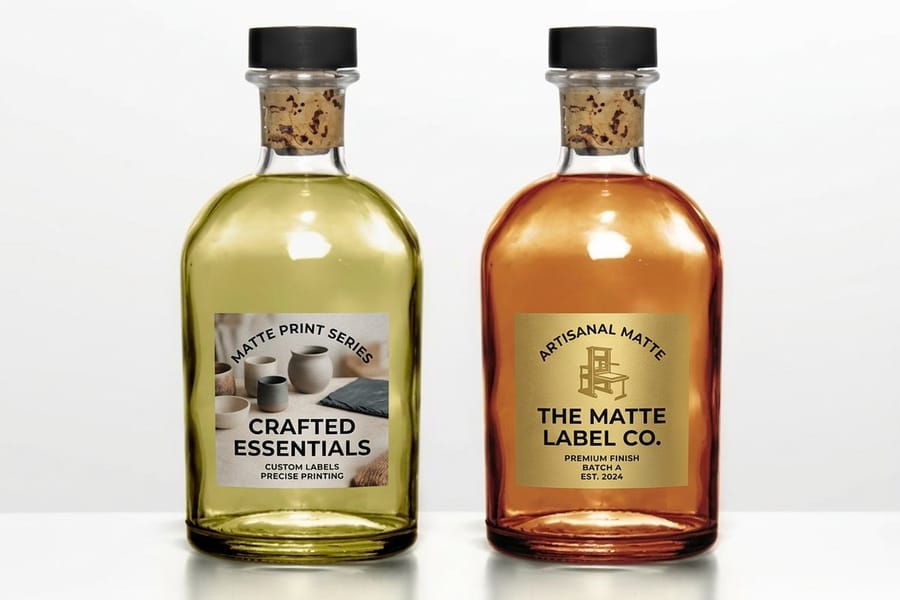
Bag surfaces are unfriendly to adhesive in ways flat paper is not. Matte and soft touch finishes reduce contact area, textured kraft finishes reduce it more, and the whole face flexes every time someone squeezes the bag to smell the coffee. Design for that.
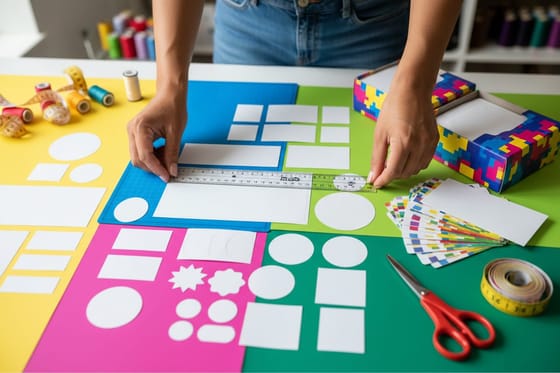
Size the label to the flat front panel only. Measure between the heat seals, subtract about an inch from the height and the width, and you have a shape that will not run onto a gusset or a seam. Rounded corners matter more here than on a flat sheet, because a square corner on a flexible face is the first thing a thumb catches. Press the label with a roller or a firm sweep from the center out rather than dropping it flat, which traps air and starts a lift.
On content, work from the top of the label down: the coffee name large enough to read at arm's length, then origin and process, then roast level, then net weight, then the roaster name and place of business. Leave a clean rectangle for a roast date stamp so you never reprint a label because a lot changed. For sizing decisions across a range of bag formats, choosing the correct label size goes deeper, and optimizing food labels for shelf appeal covers the hierarchy question on a crowded shelf.
Build the file the way you would any print job: artwork at full size, fonts converted to outlines, bleed carried past the trim, and a proof read by someone who did not design it. Start from a correctly sized layout in the blank template library, and run the file through the packaging file prep steps before you upload.
Branding the Unbox Without Touching the Coffee
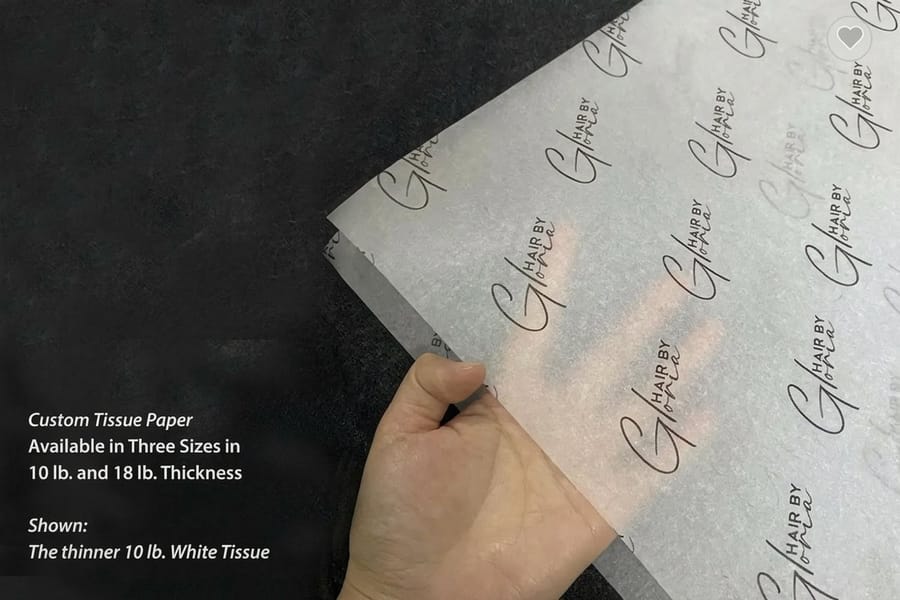
The pieces that carry no barrier duty are the ones you can be free with, and they are what a subscriber actually remembers. A box that opens to printed tissue, a wrapped bag, and a tag with a brew ratio reads as considered. The same bag dropped into a plain carton with a packing slip does not, at almost the same cost.
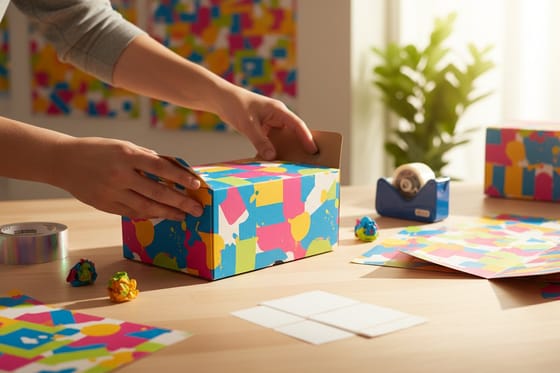
Print the inside of the box, not only the outside. The exterior takes carrier scuffs and lives in a truck. The interior panel is clean, it is the first thing seen when the flaps open, and it is the cheapest advertising space in the shipment. A short line about the roast, a brew method, or a code for the next order does more work there than a logo repeated on the outside. Packaging inserts that drive repeat sales covers what to say and what to skip.
Match the box to the bag count so nothing rattles. A twelve ounce bag is soft and irregular, so a mailer sized close to two or three bags with tissue filling the rest holds better than a bigger box with void fill. For multi bag gift sets, a packaging sleeve around a bundle is often enough on its own, and it prints in a fraction of the box lead time.
One process rule saves the whole effort: proof the outer pieces together, not separately. Kraft shifts color against white stock, and a brand teal that looks right on a label can read grey on a kraft box. Checking a packaging proof before approval lists what to compare, and the full packaging printing collection shows which pieces share a stock.
Wally packs a coffee order
Barrier on the bag, print on everything else
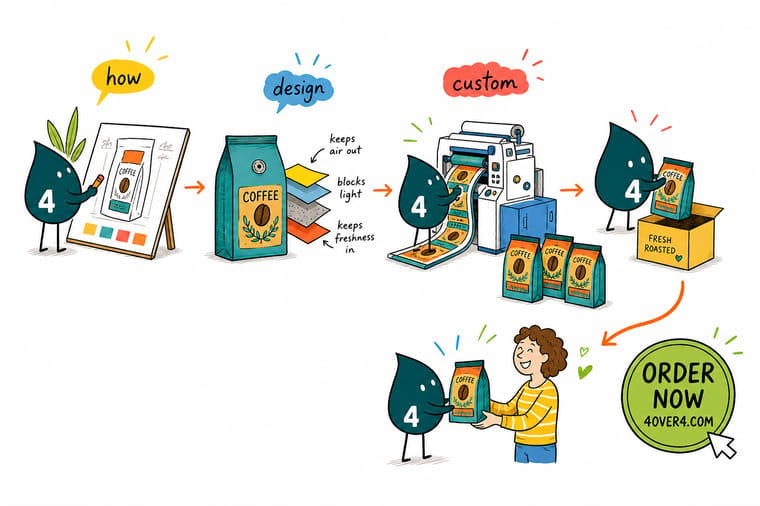
Wally seals the beans in a foil lined bag with a valve, because roast gas has to get out and oxygen has to stay away. The label goes on the flat front panel, well clear of the valve, never across a gusset fold. Then he wraps the bag in printed tissue, ties on a tag with the brew ratio, and drops it in a mailer box printed on the inside where the customer will actually see it. Labels and tags he reprints whenever a roast changes. The boxes he orders once the blend stops moving.
Order custom labels →Specs and pricing
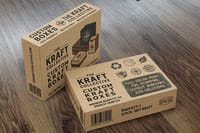
Boxes, labels and tissue, with live starting prices
Configure the three pieces most roasters order together and see sizes, stocks and starting prices straight from the 4OVER4.COM configurator.
Print it
Order the pieces around your bag
Explore more
Where to go next
By the numbers
Packaging printing you can count on at 4OVER4
Common Questions
Your coffee packaging questions, answered
Do I need custom printed bags, or is a printed label enough?
For almost every roaster under a few thousand bags a year, a stock foil lined bag with a printed label is the better buy. A custom printed bag means plates, a long lead time and a minimum you have to store, and the artwork is locked until you use it up. A label costs little, arrives fast, and lets you run a single origin for one lot without rebuying packaging. Custom Labels start at $25 at 4OVER4.COM, which is why most roasters run labels first and only move to fully printed bags when one blend is stable enough to justify the run.
Where does the label go on a bag that has a degassing valve?
On the flat front panel, below the valve, with clear space around the valve on every side. The valve has to breathe, so nothing sticks over it and nothing sticks close enough that the adhesive creeps into the vent. Stay off the side gussets too. A label that straddles a gusset fold looks fine on the bench and lifts at the corner once the bag is filled and the gusset opens. Measure the flat face between the seals, take about an inch off each dimension, and size the label to what is left.
What has to appear on a coffee label in the United States?
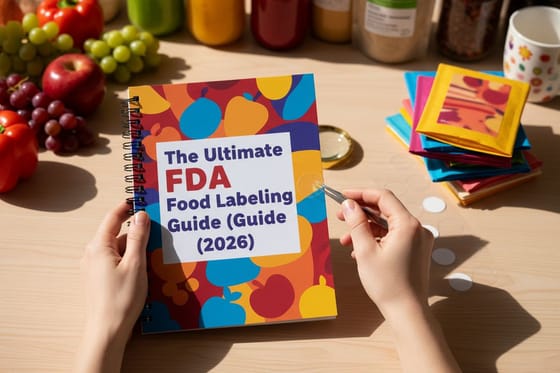
The basics on the principal display panel are the statement of identity (what it is), the net quantity of contents by weight, and the name and place of business of the roaster, packer or distributor. Whole bean and ground coffee with nothing added is generally exempt from a Nutrition Facts panel because it contributes insignificant amounts of nutrients, but the moment you add flavoring, sugar or dairy that exemption stops applying. Our FDA food labeling guide walks the panels in order, and anything close to the line is worth a check against current FDA guidance before you print a full run.
Will a printed box or printed tissue change how the coffee tastes?
It can, if you pack it too soon. Coffee picks up odors from whatever shares its space, which is the same property that ruins beans stored next to spices. Freshly printed and coated stock carries a smell for a day or two. Let the boxes and tissue breathe before they go anywhere near sealed bags, and never put loose beans directly into a printed box. The box is outer packaging, not food contact packaging.
What is the cheapest way to look like a real brand on a small budget?
Buy one stock bag, one label, and one printed outer piece. Standard Hang Tags start at $25.27 and Tissue Paper at $126.32, so a tied on tag with your brew ratio, plus tissue in a plain shipper, gets you a branded unbox for far less than a printed mailer box at $711.78. Spend the difference on a better bag. Customers notice a bag that keeps coffee fresh longer than they notice a two color box.
How do I get the roast date on the bag if the label is preprinted?
Leave a blank area for it. The cleanest approach is a plain white or knocked out box on the label, sized for a hand stamp or a small thermal date sticker, placed where it will not fight the design. Roasters who print roast dates directly need variable data on every label, which means reprinting the moment a lot changes. A stamp box costs nothing and survives every schedule change.
Get Started
Ready to put your name on the coffee?
Pick a label stock that grips a matte bag, add printed tissue and a hang tag, and scale up to printed mailer boxes when the blend earns it.
Legal Disclaimer
Gold Standard guarantees apply to all standard orders placed through 4over4.com. Price match requires verifiable proof of a competitor's published price for an equivalent product with matching specifications and turnaround time. Satisfaction guarantee covers manufacturing defects and print quality issues. Contact support with order number and documentation. On-time delivery rate based on tracked orders 1999 to 2026. Individual results may vary based on shipping carrier performance.
