
How to Design Custom Cosmetic Boxes That Sell on the Shelf


Beauty buyers judge a formula by the carton it arrives in. This guide walks the full design path for custom cosmetic boxes, from measuring the filled product to choosing board and finish, placing the required copy, and ordering at wholesale quantities without locking in a mistake.
To design custom cosmetic boxes, measure the filled product and build a dieline around it, then choose a board weight and box style that match the product weight. Assign each panel a job, keep one focal point on the front, and reserve space for ingredients, net weight, batch coding, and the barcode. Add a single finish such as soft touch or spot gloss, export a print ready CMYK file with bleed, and proof a folded mock up before scaling to a wholesale run.
Start here
The whole process in one paragraph
A custom cosmetic box is designed from the inside out. You measure the filled product and add clearance, turn those dimensions into a dieline, and pick a board weight and box style that suit the weight and fragility of what goes inside. Artwork is then laid out panel by panel with one focal point on the front, a narrow color system repeated across the range, and reserved space for ingredients, net weight, batch coding, and the barcode. A single finish adds the tactile signal of quality, and a folded proof confirms it all before the run.
Why the box is the first product test a beauty shopper runs
A shopper meets your formula through cardboard. Before anyone smells a cream or reads an ingredient deck, they pick up a carton, register its weight, run a thumb across the coating, and decide in about a second whether the brand looks like it charges what it charges. That judgment happens on a shelf, in a photo on a phone screen, and again at the moment a subscription order is opened at a kitchen table.
That is why custom cosmetic boxes are worth designing rather than ordering. A stock carton forces the product to fit the packaging. A custom dieline does the opposite, so a 30ml dropper bottle sits snug, a palette lies flat, and a three-piece routine set stays in the order you arranged it. The broader material and format choices are covered in our custom cosmetic packaging guide, and this page focuses on the design work that turns those materials into a box people keep.
Start with the dieline, not the artwork
Measure the filled product, not the empty one. A pump bottle grows when the actuator is locked down, a tube thickens when it is full, and a shrink band adds real millimeters around a cap. Take length, width, and height at the widest points, then add clearance for whatever holds the product still: a folded insert, a foam pad, tissue, or a printed sleeve.
Those three numbers produce the dieline, the flat cutting and creasing map that every panel of your artwork lives on. Design directly on it. Panels are not equal in importance, and a layout drawn on a blank rectangle usually loses its logo into a fold or pushes the ingredient block onto a glue flap.
Keep a quarter inch of breathing room between important artwork and any crease, extend backgrounds an eighth of an inch past every cut edge for bleed, and mark the panels by name in your file so the front, back, sides, and tuck flaps never get rotated during setup. The same discipline applies to custom cardboard boxes of any kind, and to custom bags when your retail packaging includes one.
Match the board and the box style to the formula inside
Board weight is doing two jobs at once. Structurally it decides whether a carton keeps a crisp edge after a month in a warehouse. Visually it decides whether the box feels substantial when someone lifts it. For most small beauty cartons, a mid weight paperboard around 14pt to 18pt holds shape without feeling stiff or wasteful.
Then choose the style. A straight tuck end carton is the default for tubes, tubs, and single bottles because it is fast to fold and cheap to ship flat. A mailer style protects heavier or multi-item orders and gives you a printable interior for the unboxing moment. Rigid or two-piece boxes suit launch kits and gifting, where the lid lift is part of the experience.
Glass changes the answer. If a serum bottle or a heavy jar is going through a parcel network, move to corrugated walls with an insert rather than a thin folding carton, as explained in the custom corrugated boxes guide. Candle and diffuser lines in the same brand family have their own structural quirks, which the custom candle boxes guide covers in detail.
Build a panel system that still reads on a crowded shelf
Treat the six panels as a system with assigned roles. The front carries the brand mark, the product name, and one benefit line. The back carries the description and the usage direction. One side panel takes the ingredient list, the other takes the net weight, the batch and expiry area, and the origin line. The tuck flaps stay quiet, or carry a short brand phrase that rewards a second look.
On the front, pick one element to dominate. If the product name is the hero, the logo shrinks. If the logo is the hero, the name sits calm underneath it. Two competing focal points at similar size make a carton look busy from four feet away, which is exactly the distance where the buying decision starts.
Keep the color system narrow and repeat it across every SKU so a range reads as a range. One brand color, one neutral, one accent used sparingly is enough for most lines, and shade variants can be signaled with a single colored band rather than a full redesign. If the brand mark itself is still unsettled, fix that first with our notes on custom logo design, because a logo that is redrawn after a print run is an expensive edit.
Choose the finishes that make a carton feel expensive
Finishing is where cosmetic packaging separates itself from general retail cartons. Soft touch lamination gives a velvet drag under the fingers that people associate with premium skincare. Matte lamination keeps deep colors from looking plasticky. Gloss lamination makes bright colors and product photography snap, which suits color cosmetics more than it suits clinical skincare.
Layer a second effect on top of the first for contrast rather than volume. Spot gloss over a matte surface makes a logo or a single word catch light as the box turns. Foil adds a metallic edge that photographs well for launch content. Embossing raises a mark so the brand can be felt with the box closed. One accent effect per carton is usually stronger than three.
Remember that every finish changes the print. Laminate slightly deepens ink, foil cannot sit on top of fine hairline type without filling in, and soft touch coatings can scuff if a very dark solid covers the whole panel. Order free paper samples before you commit so you can judge the coating on real stock instead of a screen.
Give the required copy a planned home on the layout
Beauty packaging carries more mandatory copy than most printed products, and it is the part designers leave until last. Plan panel space for the ingredient list in descending order, the net contents, the responsible company name and address, the batch identifier, the period after opening or expiry mark, and any warning statements that apply to your formula.
Set that copy at a size a person can actually read. Very small type on a coated stock loses legibility fast, so keep legal text above six point, keep the leading generous, and avoid reversing tiny white type out of a dark solid where ink spread will close up the letterforms.
The barcode deserves its own protected zone. Print it solid dark on a light background, leave the quiet zone clear on both sides, and never lay it across a crease or a foil area. Confirm the exact requirements for the markets you sell into with your own regulatory advisor, because these rules differ by country and by product class.
Set up print-ready artwork and proof it once, properly
Build the file in CMYK from the start. Bright brand colors selected on a screen in RGB can shift noticeably once converted, and the shift is most obvious in the electric blues, vivid oranges, and deep purples that beauty branding loves. If a shade is non negotiable, ask about matching it as a spot color rather than hoping the conversion lands.
Place images at 300 dpi at final size, outline your fonts, keep the dieline on a separate non printing layer, and export a single flattened PDF with bleed included. Name the file with the SKU so nothing is confused when a range goes to press together.
Then proof deliberately. Read the panels in the order a customer would, check the ingredient list against the current formula sheet rather than the last carton, fold a paper mock up to confirm nothing important sits on a crease, and have someone outside the project read the copy fresh. Our design templates are a fast starting point when you want a structured layout to work against.
Wholesale quantities, real costs, and what to order first
Custom packaging rewards volume because the die, the setup, and the make ready are fixed costs spread across the run. That is the whole logic behind buying custom cosmetic boxes wholesale: the same carton at a higher quantity carries a much lower unit cost. The trade off is commitment, so the right moment to scale up is after the formula, the fill size, and the shade lineup have stopped changing.
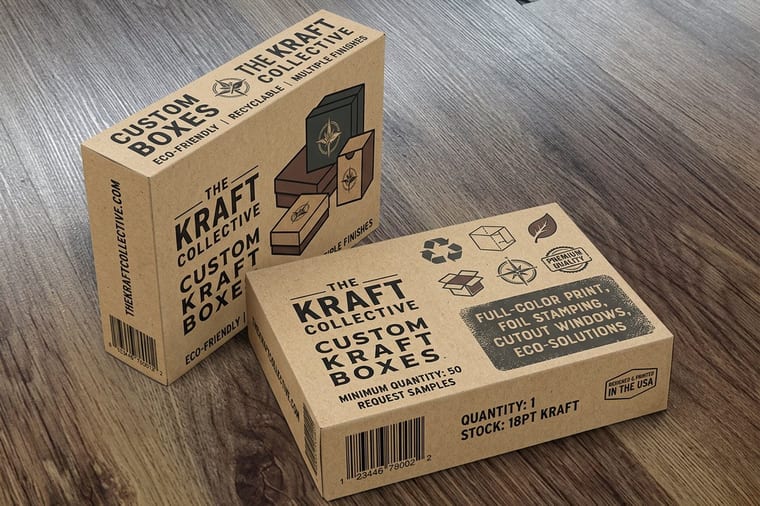
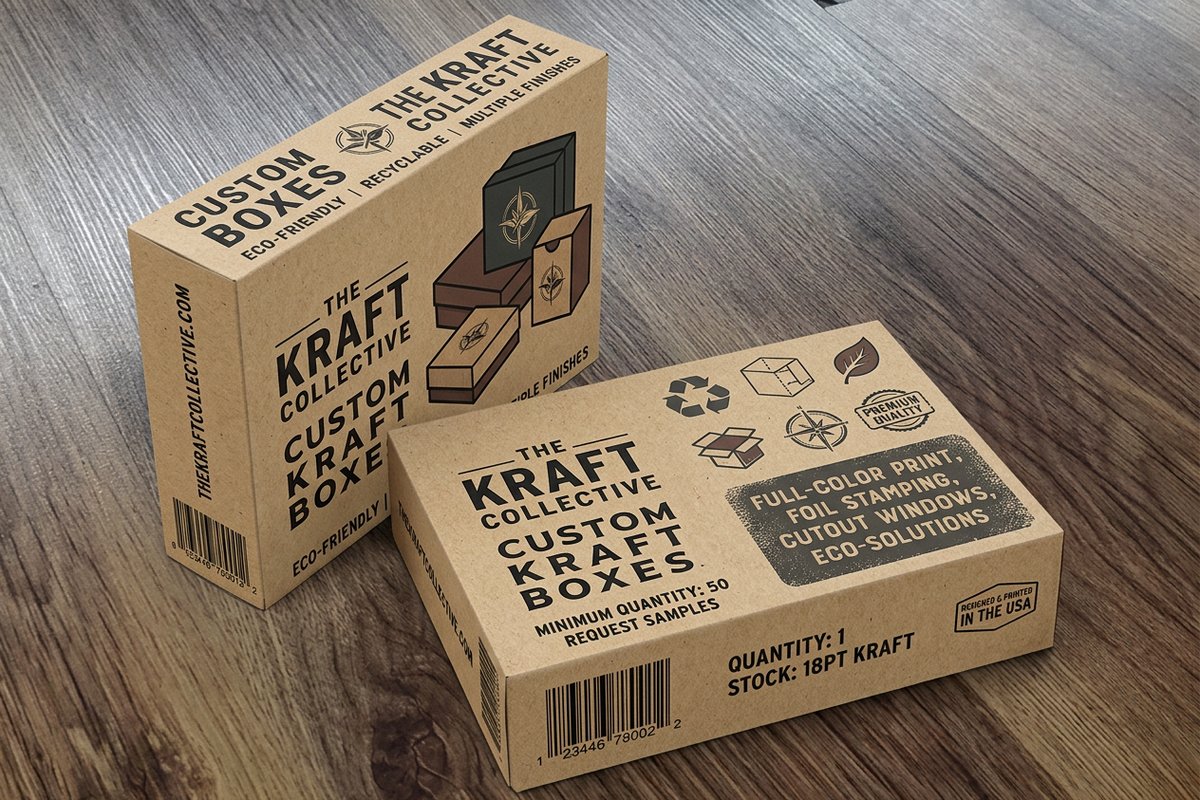
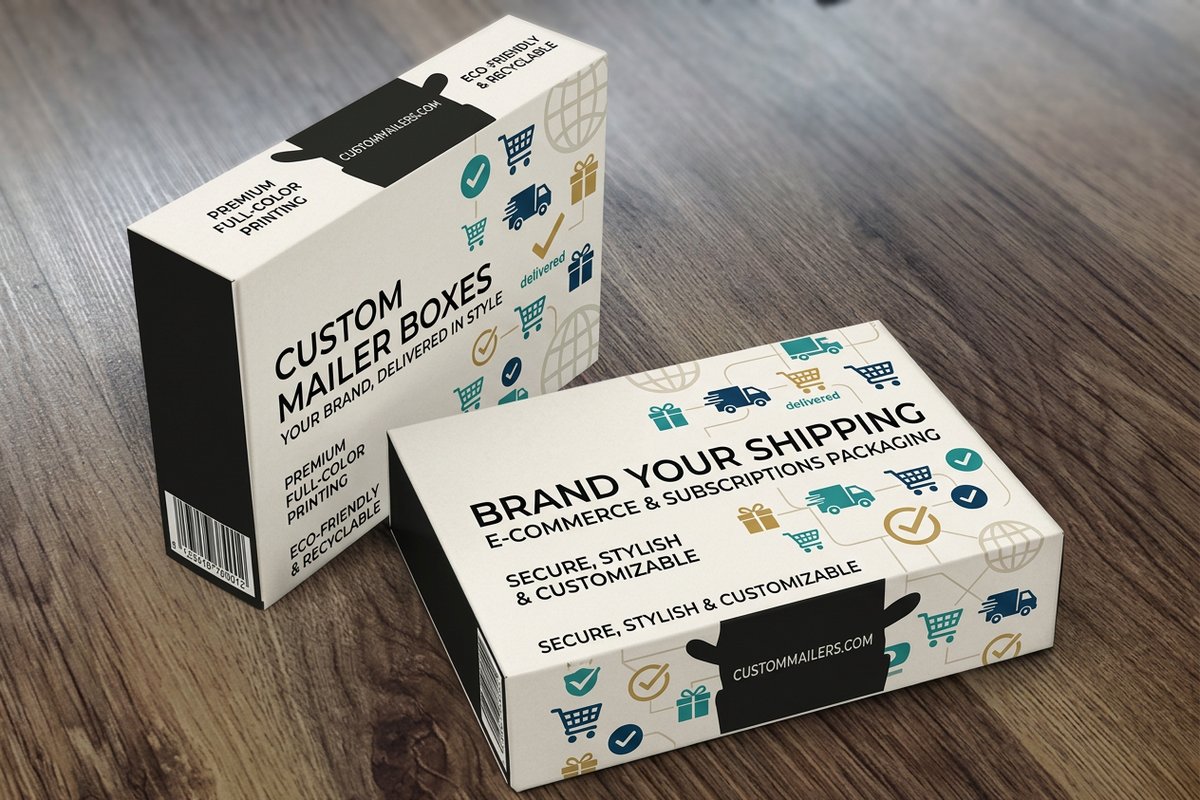
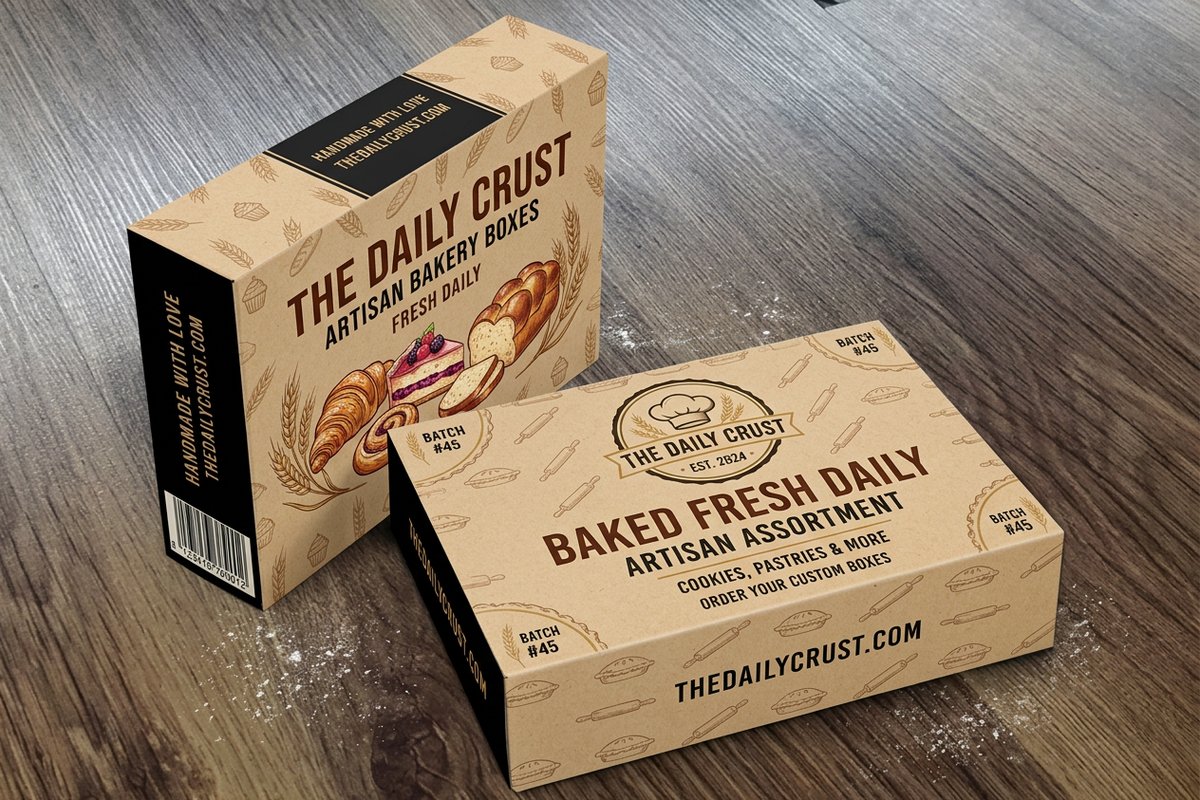
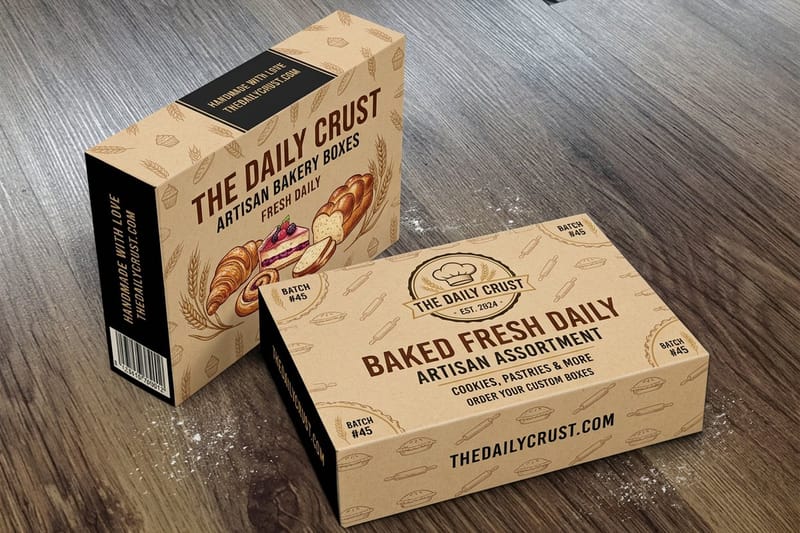
Before that point, protect yourself with design decisions rather than smaller orders. Lock one carton size across several products and change only the printed panel, keep shade names in a single repeatable position, and avoid embedding a promotion or a date into the artwork. At 4OVER4, custom kraft boxes start at $711.78, and custom mailer boxes start at $711.78 for shipping ready outer packaging, with the live price table showing exactly how quantity and turnaround move the number. Sturdy bakery boxes start at $711.78 and are a practical choice for gift sets and bundled kits. Browse the full custom printing collection when the box is only one part of a branded unboxing, and see how the same thinking applies to smaller printed extras in our pieces on a custom notepad and a custom bookmark insert.
Wally explains cosmetic boxes
Measure the product first, decorate it second
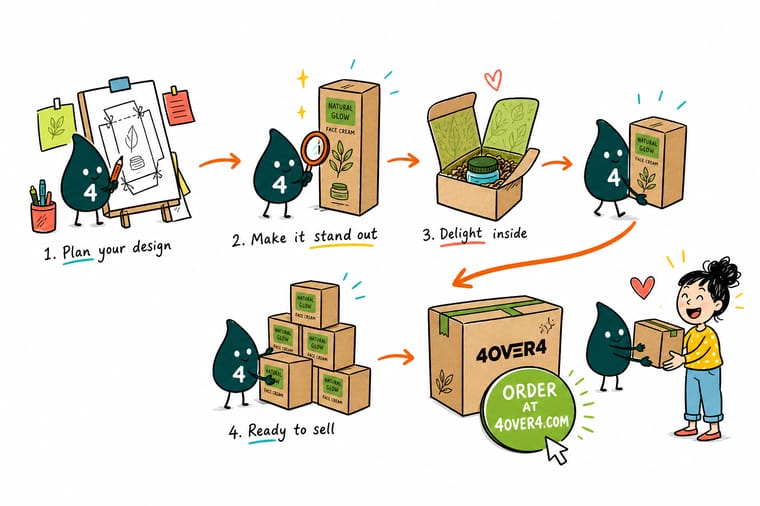
Wally has watched a lot of beautiful artwork get rebuilt because the bottle was measured with the cap off. His rule is simple: fill the product, measure it at its widest point, add clearance for the insert, and only then start drawing. Every panel gets one job, the front gets one focal point, and the legal copy gets its space before the pretty parts claim it.
Design and print your boxes →Infographic
The 7 steps to a finished cosmetic box
One frame, seven steps. Keep it beside you while you build the dieline, lay out the panels, and get the file ready for press.
The steps overlap in practice. Board choice affects finish, finish affects ink, and the legal copy quietly shapes the layout, so revisit earlier steps as the design settles.
Specs and pricing
Custom kraft box specs and live pricing
Once the dieline and artwork are settled, the numbers decide the rest. Check the stock and size specifications, then move the quantity and turnaround to see the unit cost fall.
| Quantity | Price Per Unit | Total |
|---|---|---|
| 250 | $2.85 | $711.78 |
| 500 | $1.42 | $711.78 |
| 1,000 | 79.7¢ | $797.02 |
| 2,500 | 53.5¢ | $1,338.30 |
| 5,000 | 44.6¢ | $2,231.42 |
| 10,000 | 40.4¢ | $4,044.70 |
| 15,000 | 39.0¢ | $5,844.45 |
| 20,000 | 38.3¢ | $7,657.73 |
Print it
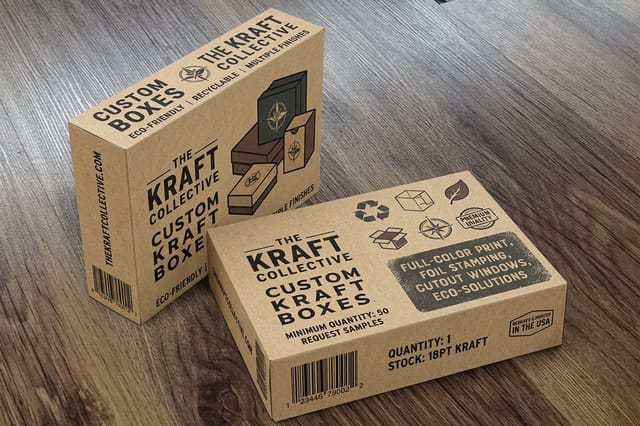
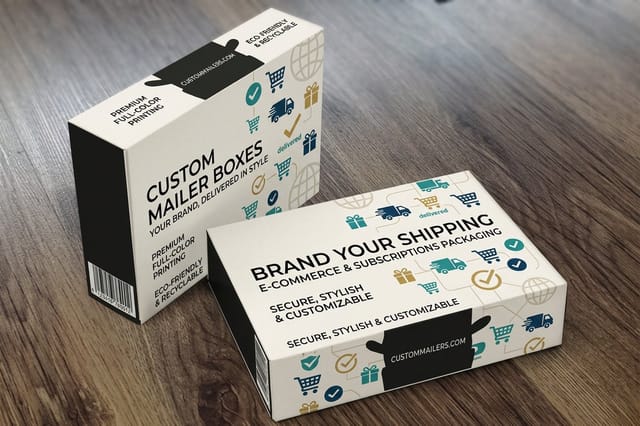
Boxes built for beauty brands at 4OVER4
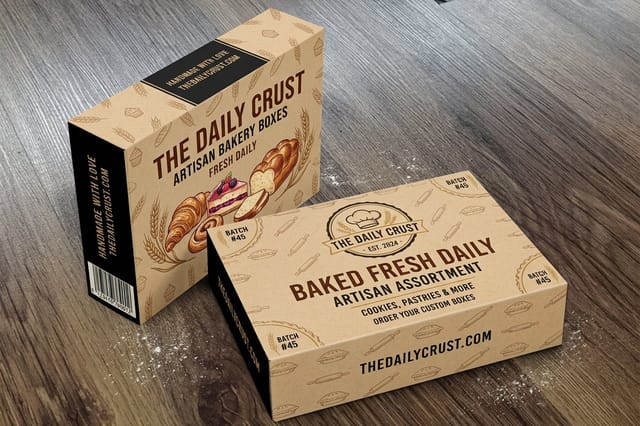
See it in use
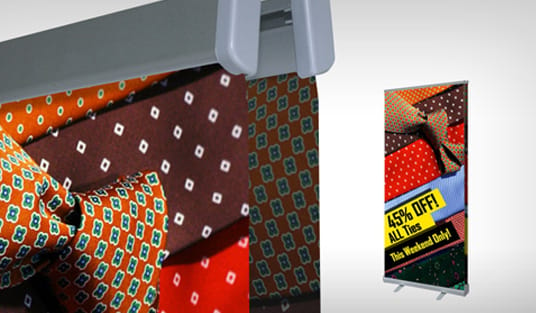
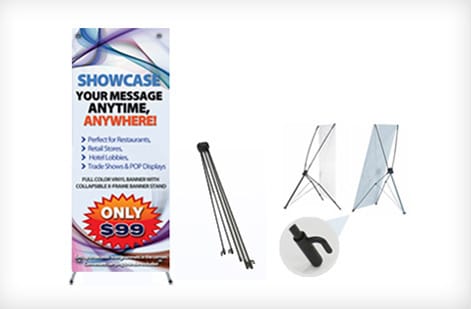
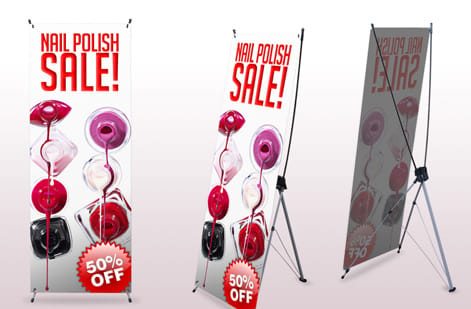
Custom box work, printed in-house

Explore more
Where to go next
By the numbers
Packaging you can count on at 4OVER4.COM
Common Questions
Common questions about custom cosmetic boxes
What are custom cosmetic boxes?
Custom cosmetic boxes are printed paperboard or corrugated cartons built to hold a specific beauty product, from a serum bottle to a lipstick tube to a full skincare set. Unlike a stock carton, the dieline is cut to your product dimensions and the panels carry your own artwork, ingredient copy, batch coding, and barcode. The result is packaging that protects the formula in transit and does the branding work on a retail shelf or inside a subscription box.
How do I choose the right custom cosmetic boxes for my product?
Start with weight and fragility. Lightweight tubes, palettes, and sachets sit well in a folding carton on 14pt to 18pt board. Glass droppers, heavy jars, and multi-item gift sets need corrugated walls or an inner insert so nothing rattles. Then match the surface to the brand. Kraft board reads natural and refillable, coated white board reads clinical and colorful, and a rigid or mailer style reads premium for launches and influencer kits.
What do custom cosmetic boxes cost and how are prices set?
Price is set by quantity, box size, board choice, print coverage, and finishing. Larger runs lower the unit cost sharply because the die and setup are spread across more pieces. At 4OVER4, custom kraft boxes start at $711.78 for a full custom run, and the live price table on the product page updates as you change size, quantity, and turnaround so you can compare options before ordering.
What sizes, stocks, and finishes are available for custom cosmetic boxes?
Sizes are built to your dieline rather than picked from a short list, so a 1.5 inch square tube carton and a 9 inch gift box are equally possible. Stocks run from natural kraft to bright coated board and corrugated for shipping strength. Finishing options include matte and gloss lamination, soft touch coating, spot gloss on a logo or product name, foil accents, and embossing for a raised brand mark.
How long do custom cosmetic boxes take to print and ship?
Custom packaging runs longer than flat printing because the sheet has to be printed, laminated, die cut, and glued. Plan for a proofing round on the dieline first, then production, then transit. The turnaround selector on the product page shows the current options and their effect on price, and ordering samples of your chosen stock in advance keeps the proofing round from turning into a second one.
Should I order custom cosmetic boxes wholesale or in small batches?
Order small when the formula, the fill volume, or the shade range is still moving, because a dieline change is cheap before a large run and expensive after it. Move to wholesale quantities once the lineup is locked and reorder velocity is predictable. Many brands split the difference by locking one carton size across several SKUs and changing only the printed panel.
What files do I need to send for a custom cosmetic box?
Send print-ready artwork built on the supplied dieline, in CMYK, at 300 dpi, with fonts outlined and bleed extended past every cut and fold line. Keep the barcode in solid black on a light background, keep small legal type above 6pt, and place nothing critical within an eighth of an inch of a crease. Layer the dieline separately so it can be removed before plating.
Get Started
Ready to put your brand on the box?
Bring your dieline and artwork to 4OVER4.COM and print custom cosmetic boxes on the board, size, and finish your product actually needs, with live pricing at every quantity.
Legal Disclaimer
Gold Standard guarantees apply to all standard orders placed through 4over4.com. Price match requires verifiable proof of a competitor's published price for an equivalent product with matching specifications and turnaround time. Satisfaction guarantee covers manufacturing defects and print quality issues. Contact support with order number and documentation. On-time delivery rate based on tracked orders 1999 to 2026. Individual results may vary based on shipping carrier performance.
