
Gloss Cardstock Cover Explained, Weight, Coating and Best Uses


Emma is our prepress and print production voice, built from the knowledge of our production team, with over 20 years in printing.
Gloss cardstock cover is the stock behind most business cards, postcards and bookmarks, and a 100# gloss cover sheet lands near 12pt, about 0.012 inches, one step below 14pt. What the coating does, how to read the weight, and the three jobs where gloss is the wrong answer.
Gloss cardstock cover is a heavy paper coated on both faces at the mill, most often ordered at 14pt or 16pt, which is 0.014 or 0.016 inches thick. The coating keeps ink on the surface instead of letting it soak in, so photographs stay sharp and colors stay saturated, which is why it is the default stock for postcards, bookmarks and everyday business cards. It will not take a pen, it glares under overhead light, and it cracks along a fold unless the sheet is scored first.

Quick answer
Coated at the mill, measured in points, sold by the thousandth of an inch
Gloss cover is stock that arrives shiny, not stock that is made shiny on press. A clay coating on both faces holds ink on the surface, which keeps a fine screen crisp and a solid dark. Thickness is quoted in points rather than pounds because a pound figure only compares paper within one grade: 100 lb gloss text and 100 lb gloss cover are weighed on different sheet sizes, and the cover sheet ends up roughly twice as thick. At 4OVER4.COM, 14pt Gloss Cover is the default on postcards and bookmarks, with 16pt for pieces that need to stay flat in a hand.
In one look
What gloss cardstock cover is, and where 100# gloss cover sits against 12pt
Gloss cardstock cover is the stiff cover grade of paper, clay coated on both sides at the mill, and sold by thickness: 14pt is 0.014 inches and 16pt is 0.016 inches. We print postcards and bookmarks on 14pt gloss cover by default, from $16.48 for 50, and business cards from $17.57 for 100, with 16pt and 24pt ultra thick gloss as heavier choices.
A 100# gloss cover sheet is about twice as thick as 100# gloss text at 0.006 inches, so it lands near 0.012 inches, which is the same caliper as 12pt cardstock. That makes 100# cover and 12pt close to interchangeable in the hand, a step up from 80# gloss cover at 0.009 inches and a step below the 14pt most cards print on.
What Gloss Cardstock Cover Actually Is
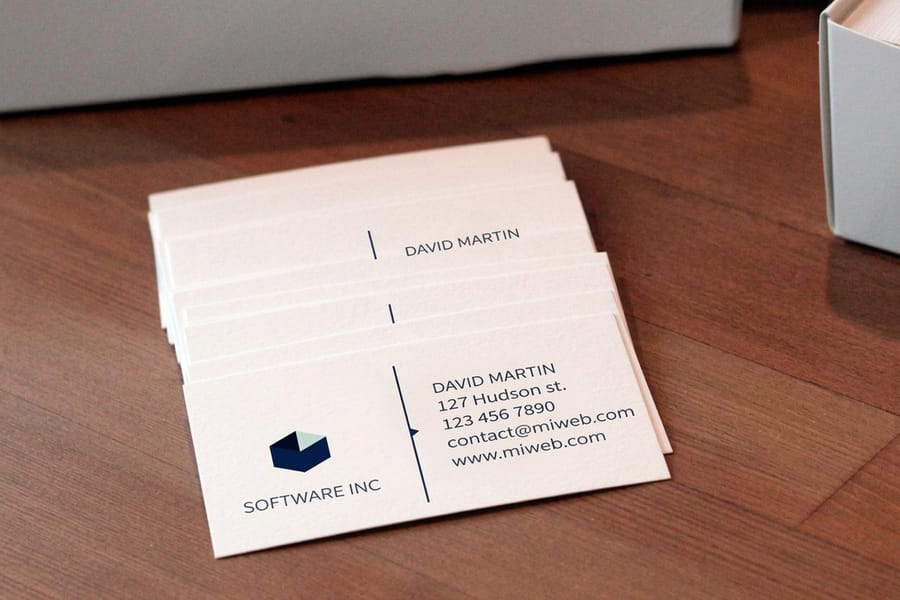
Gloss cover is a heavy paper that leaves the mill already coated. A thin clay and binder layer is applied to both faces and calendered smooth, which is what printers mean by C2S, coated two sides. Nothing is added at the press. The shine is in the paper.
That matters because it changes how ink behaves. On an uncoated sheet the ink soaks into the fibers, the dot spreads, and a dark photo goes muddy. On gloss cover the ink stays on the surface and dries there, so a fine screen holds, blacks stay dense, and a red stays red instead of drifting brick. This is the whole reason gloss cover became the default for anything with a photograph on it.
The word cover is doing real work in the name. Paper is sold in grades, and cover is the stiff grade meant to be the outside of something: a card, a folder, the front of a booklet. Text and book grades are the flexible ones meant to be pages. Gloss cover is the coated version of the stiff grade, and gloss text is the coated version of the flexible one. Our guide to cover stock versus cardstock untangles the terms printers use interchangeably in quotes.
One confusion worth killing early. Gloss cover is not the same thing as a High-Gloss UV coating. UV is a liquid poured onto the printed sheet and cured under lamps as an extra pass, and you can add it on top of gloss cover for a harder, wetter shine. The UV coating guide covers what that pass buys you and what it costs.
Reading the Weight Without Getting Fooled
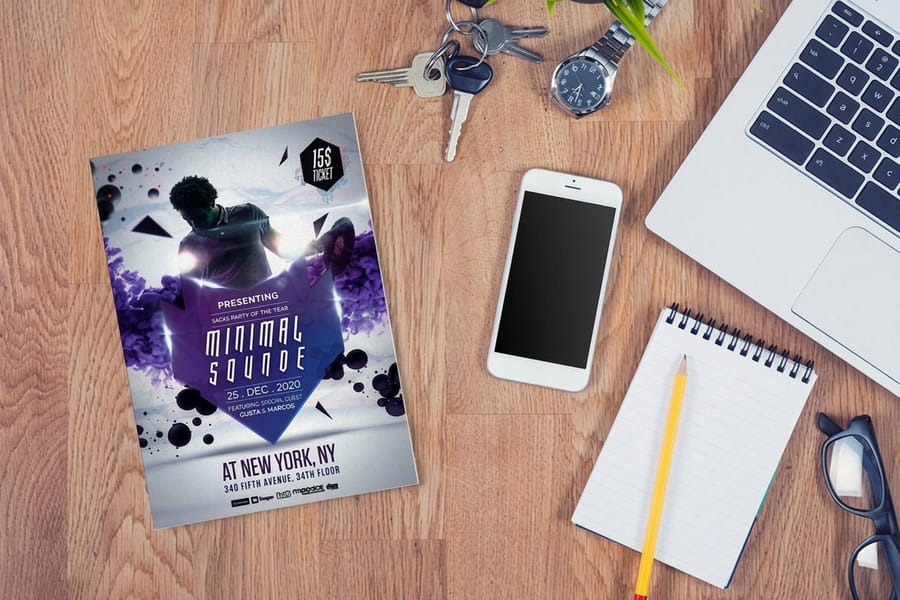
Here is the trap. A 100 lb gloss text sheet and a 100 lb gloss cover sheet share a number and are nowhere near the same paper. Cover runs about twice as thick.
Paper weight is the weight of 500 sheets cut to that grade's basis size, and the basis sizes differ. Text and book grades are weighed at 25 by 38 inches. Cover grades are weighed at 20 by 26 inches, a much smaller sheet. Spread the same 100 pounds over less area and each sheet has to be thicker. So the pound figure only compares paper inside its own grade, never across grades.
Points sidestep the whole problem by measuring the sheet directly. One point is one thousandth of an inch, so 14pt gloss cover is 0.014 in thick and 16pt is 0.016 in. When a spec says points, you know exactly what you are holding.
| Stock | Approx. caliper | How it behaves | Typical job |
|---|---|---|---|
| 100# Gloss Text | 0.006 in | Folds and stacks easily, flexes in the hand. | Brochures, promo sheets, anything that folds. |
| 80# Gloss Cover | 0.009 in | Holds its shape standing on a counter. | Flyers that double as a leave behind. |
| 14pt Gloss Cover | 0.014 in | Rigid at card size, slight flex at postcard size. | Business cards, postcards, bookmarks. |
| 16pt Gloss Cover | 0.016 in | Noticeably stiffer, stays flat when held at one edge. | Large postcards and cards that get handled a lot. |
| 24pt Ultra Thick Gloss | 0.024 in | Reads as a chip rather than a card. | Premium bookmarks and statement cards. |
Practical rule from the counter: pick points for anything held in a hand, pick pounds for anything that folds. Full conversion tables, including gsm, are in the paper weight guide, and the same numbers applied to cards are in business card stock explained.
How It Feels, and the Three Places It Fails
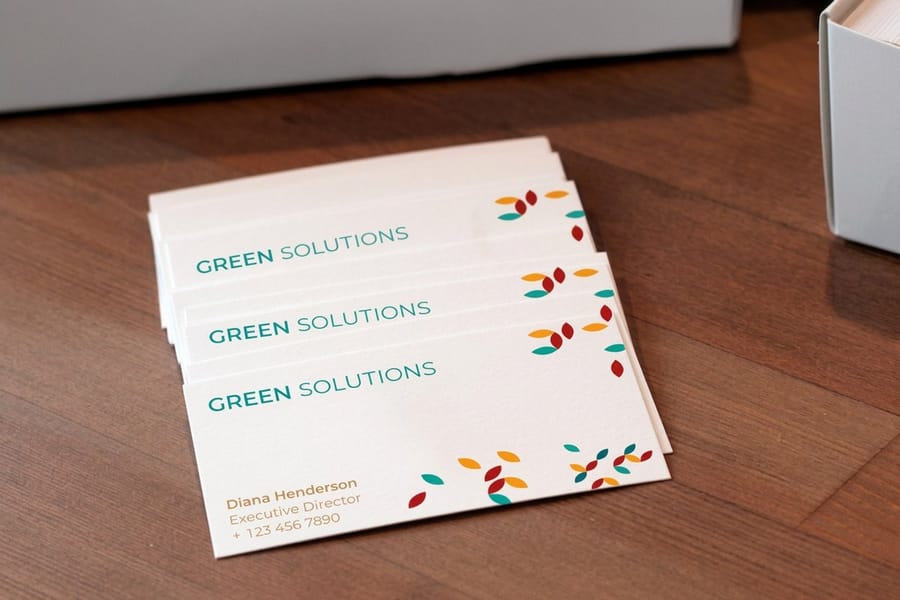
Gloss cover feels slick and cool, close to a photo print, and it is dense for its thickness because the coating adds weight without bulk. Held at an angle it throws a hard highlight. That is the effect people buy it for, and it is also where the problems start.
It cannot take a pen. Ballpoint skips across the coating and gel ink sits wet long enough to smear. Any piece with a blank a customer fills in by hand, an appointment date, a loyalty punch, a name badge line, wants matte or uncoated. Printers see this mistake on appointment cards constantly and the fix is always a reprint.
It glares, and glare eats text. Under a showroom spot or an overhead fluorescent tube, a full page of body copy on gloss becomes hard to read at certain angles. This is why flyers meant to be read under store lighting are usually ordered on silk or matte, while flyers meant to sell a photograph stay on gloss. Weigh it against the alternatives in glossy versus matte cardstock.
It shows fingerprints and scuffs. A dark solid on gloss cover picks up oil from hands and shows every mark, and a stack rubbing in a box can scuff. A High-Gloss UV coating hardens the surface and helps here. A matte stock hides it in the first place.
One more, less obvious. Fold gloss cover without scoring it and the coating splits into a white line along the fold, because the clay layer has no give. Any cover weight above about 12pt gets scored first. That is also why a folded piece often runs better on gloss book stock than on cover weight.
Which Products Gloss Cover Suits Best
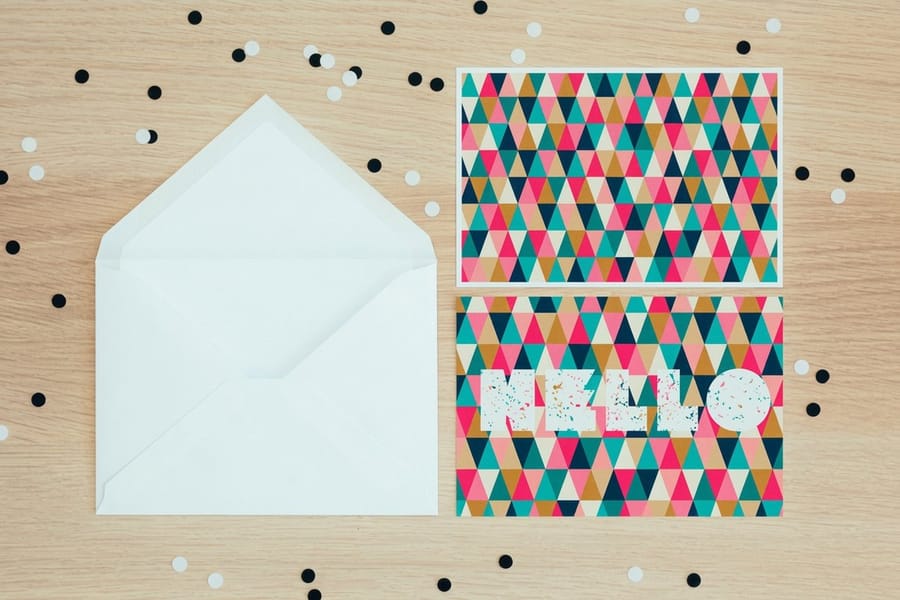
Gloss cover earns its place wherever a piece is small, handled, photographic, and not written on. That describes most of the everyday print run.
Postcards. 14pt Gloss Cover is the default stock on Standard Postcards, from $16.48, and it is the right call for volume mail: stiff enough to survive a sorting machine, cheap enough to send thousands, glossy enough that the photo carries across a room. Add a High-Gloss UV coating for a 6 by 9 that has to sit on a wet doormat. Move up to 16pt when the card is large and you want it to arrive flat. The whole size range sits under postcard printing.
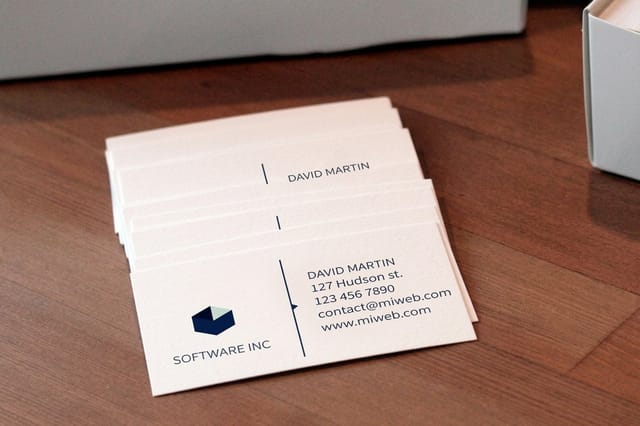
Business cards. Standard Business Cards start at $17.57 on 14pt, and the stock list climbs to 80pt for people who want the card to land on a table with a sound. Gloss is the safe choice when the card carries a logo with photographic color or a full bleed image. It is the wrong choice if anyone writes a mobile number on the back, which happens more than designers expect. Browse the full range at business card printing, and watch the custom business cards with logo video before you pick the stock.
Bookmarks. 14pt Gloss Cover is the default on Standard Bookmarks, from $16.48, and the grade runs up to a 24pt Ultra Thick Gloss that feels like a chip. A bookmark lives in a bag and gets pushed between pages for months, so the coating is protection as much as shine.
Flyers and brochures, with care. Standard Flyers start at $39.54 and default to 100# Gloss Text, with 80# Gloss Cover available when the sheet has to stand up on a counter. Standard Brochures start at $57.11 on 100# Gloss Text and offer 14pt Gloss Cover as the heavy option, which needs scoring before it folds. Text weight for folding, cover weight for standing. Compare the sheet options across flyer printing and brochure printing, and if you want to set up files at the right trim, start from a blank template.
Wally explains gloss cover
Shiny before it reaches the press, and it will not take a pen
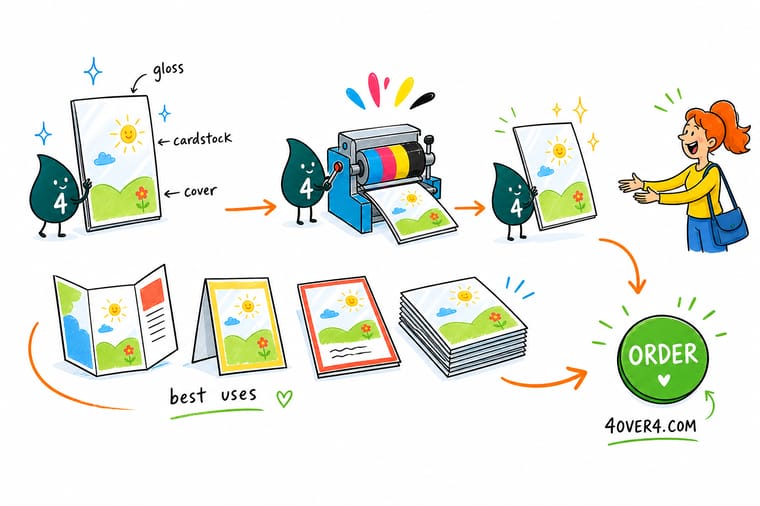
Wally holds two sheets that both say 100 lb on the wrapper. One is text stock, thin enough to fold. The other is cover, twice as thick, because cover is weighed on a smaller sheet. The gloss comes from a clay coating the mill puts on both faces, so ink sits on top and photos stay sharp. Then he tries to write a phone number on it and the pen skips. That is the trade: brilliant color, no handwriting, and score it before you fold it.
Order postcards on 14pt gloss cover →%22%2F%3E%3Ccircle%20cx%3D%2240%22%20cy%3D%2249%22%20r%3D%2225%22%20fill%3D%22%232dd4bf%22%20opacity%3D%220.15%22%2F%3E%3Ccircle%20cx%3D%2278%22%20cy%3D%2258%22%20r%3D%2214%22%20fill%3D%22%232dd4bf%22%20opacity%3D%220.1%22%2F%3E%3Crect%20x%3D%2270%22%20y%3D%2228%22%20width%3D%2225%22%20height%3D%2234%22%20rx%3D%224%22%20fill%3D%22%232dd4bf%22%20opacity%3D%220.08%22%20transform%3D%22rotate(35%2080%2030)%22%2F%3E%3C%2Fsvg%3E)
Specs and pricing
Gloss cover products, sizes and starting prices
The three products that ship on 14pt Gloss Cover by default. Postcards come in 14 sizes from 2.5 by 2.5 to 6 by 11 inches from 50 for $16.48, business cards in four sizes from 100 for $17.57, and bookmarks at 2 by 6 or 2 by 8 inches from 50 for $16.48, all with 3 business days of standard production.


Print it
Order a job on gloss cover stock
Postcards run on 14pt to 26pt cover and business cards on 14pt to 80pt, with a high gloss UV option. Brochures print on 100# gloss text with 14pt gloss cover as the heavy choice, scored before folding, from 50 for $57.11.

Explore more
Where to go next
Separate cover stock from cardstock, convert pounds, points and gsm, see what a UV pass adds, and compare the matte cover grade. The category card prices every postcard size on 14pt gloss.


By the numbers
Gloss stock in a lineup of 1,000+ products
Common Questions
Your gloss cover questions, answered
Is gloss cardstock cover the same as UV coating?
No, and the two often sit on the same job. Gloss cover arrives at the press already coated on both faces with a clay layer applied at the paper mill, which is what C2S means. A High-Gloss UV coating is a liquid poured onto the printed sheet and cured under ultraviolet lamps as a separate finishing pass. Gloss cover gives you an even sheen across the whole piece. UV on top of it gives a harder, wetter looking shine and a little more scuff protection. You can order a postcard on 14pt gloss cover with no coating at all, and it still looks glossy.
What is the difference between 14pt and 16pt gloss cover?
Two thousandths of an inch, which sounds like nothing and reads as a lot in the hand. On a 3.5 by 2 inch business card most people cannot pick the two apart blind. On a 6 by 9 postcard or a bookmark the difference is obvious, because 14pt starts to flex under its own weight at that size and 16pt holds a straight edge. Order 14pt for volume mailers and everyday cards, 16pt when the piece is large, when it will be handled repeatedly, or when the extra rigidity is the message.
Can you write on gloss cardstock with a pen?
Not reliably. The coating gives ballpoint nothing to bite into, so the line skips, and gel or rollerball ink sits wet on the surface long enough to smudge against a thumb. A permanent marker works and a pencil does not. If part of your piece needs handwriting, the usual fix is a card printed gloss on the front and uncoated or matte on the back, or a matte stock throughout. Compare the two side by side in our guide to glossy versus matte cardstock.
Does gloss cover crack when you fold it?
It can, and the coating is what cracks first. Any cover stock at 12pt or heavier should be scored before folding, which means pressing a channel into the sheet so the fibers bend along a line instead of tearing across one. A scored 14pt gloss cover folds cleanly. The same sheet folded cold shows a white line along the spine where the coating split. This is why folded pieces such as brochures default to 100# Gloss Text and only offer 14pt Gloss Cover as the heavier alternative.
Will gloss cardstock run through an office laser printer?
Sometimes, and it is not worth the gamble on a full box. Toner fuses by melting onto the sheet, and a coated surface holds it less securely than uncoated paper, so heavy solids can flake off at a fold or under a thumbnail. Desktop printers also struggle to pull a 14pt sheet through a paper path built for 20 lb bond. If you need overprintable stock, choose uncoated. If you need gloss, have everything printed at once on press.
Does gloss cover cost more than uncoated stock?
Usually not, because gloss cover is the volume stock most commercial presses run. At 4OVER4.COM, 14pt Gloss Cover is the default on Standard Postcards from $16.48 and on Standard Bookmarks from $16.48, and Standard Business Cards start at $17.57. Specialty stocks are where the price moves: soft touch, linen, metallic pearl and synthetic plastic all sit above the coated default. Coating choice costs less than stock choice almost every time.
Get Started
50 bookmarks cost $16.48 on 14pt gloss cover
Pick 14pt for volume and 16pt when the piece has to stay flat in a hand, add a High-Gloss UV coating if it will get wet, and we print it with the color sitting right on top of the sheet.
Legal Disclaimer
Gold Standard guarantees apply to all standard orders placed through 4over4.com. Price match requires verifiable proof of a competitor's published price for an equivalent product with matching specifications and turnaround time. Satisfaction guarantee covers manufacturing defects and print quality issues. Contact support with order number and documentation.
