
UV Coating in Printing, Pros, Cons and When to Use It


Emma is our prepress and print production voice, built from the knowledge of our production team, with over 20 years in printing.
Spot UV counts as a premium choice for direct mail because the gloss sits raised on the logo or headline alone, so a recipient feels the contrast before reading a word, and the cured shell keeps the card clean through the mail stream. UV coating is the high-gloss, protective finish that makes cards, postcards, and covers look richer and last longer, a liquid cured under lamps in seconds, which is why it resists scuffs a press varnish cannot.
UV coating is a clear liquid gloss applied over a printed sheet and cured instantly under ultraviolet light. It deepens color and adds a hard, scuff-resistant shell. Full flood UV coats the whole face for all-over shine, while spot UV glosses only chosen areas for contrast. Use it on business cards, postcards, folders, and covers. Skip it when the piece needs to be written on or a soft, matte look fits the brand better.
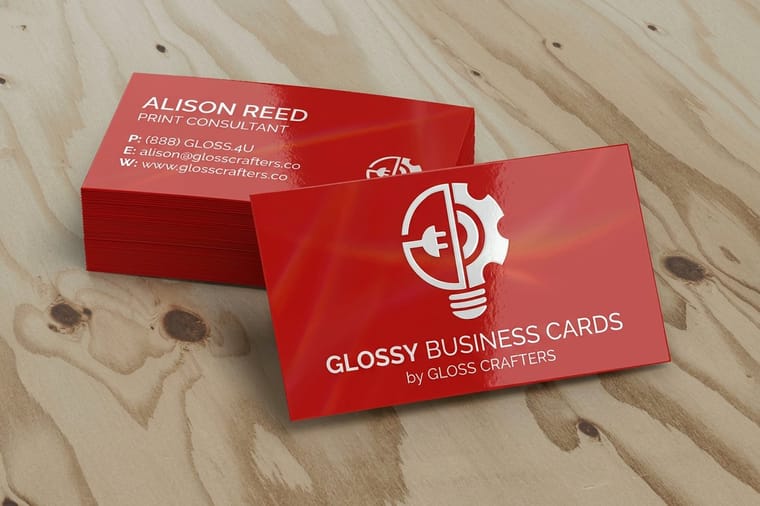
Spot UV on direct mail
Why spot UV reads as premium on a mailer
Spot UV reads as premium on a mailer because you choose exactly where the gloss lands, and that raised, reflective patch pulls the eye to one logo, offer or photo while the rest of the card stays quiet. A plain postcard gets one look on the way to the recycling bin. A card with a glossy mark that catches the light and changes under the thumb gets picked up and turned over. At 4OVER4.COM, spot UV postcards print on 16pt Gloss Cover in 27 sizes, from 2" x 6" up to 9" x 12", with five placements: spot UV on the front only, on the back only, on both sides, or spot on one side with full UV on the other. They start at 1,000 for $190.02. The one extra step is the mask, a separate layer in your artwork that marks where the gloss goes, and it should stay off any fold line.
Quick tips
Quick tips for choosing UV coating
Reach for UV coating when your piece needs shine, richer color, and real scuff resistance. Use full flood UV for all-over gloss on business cards, postcards, and covers, and use spot UV to highlight a logo or headline against a matte background. On business cards that comes down to three builds: glossy business cards on 16 Point Gloss Laminated in 2" x 3.5", 2" x 2" or 1.5" x 3.5"; spot UV business cards on 14pt Gloss, 16pt Gloss or 16pt Silk Laminated Cover; or standard business cards with High Gloss UV Coating picked in the Finish menu. Skip UV on any surface people need to write on, and choose lamination for pieces that fold hard. At 4OVER4.COM the coating is built into each product, so your live price already includes it.
What is UV coating in printing, and what does UV coated mean
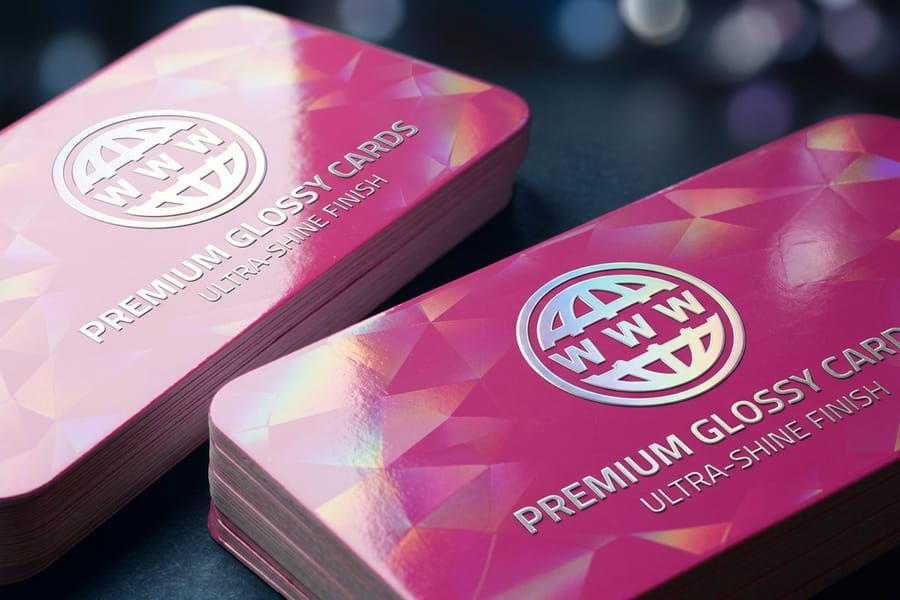
UV coating is a clear liquid gloss applied over a printed sheet and cured instantly under ultraviolet light. It adds a hard, high-shine layer that deepens color and resists scuffs and moisture, and it can be applied as full flood coverage or as spot UV on selected artwork.
The lamps set the coating almost instantly, leaving a smooth, hard shell over your ink. That shell does two jobs at once: it makes color look richer and sharper, and it protects the printed surface from scuffs, fingerprints, and light moisture.
| What you gain | What you give up |
|---|---|
| Deeper color and a hard high shine that lifts photography | Fingerprints show on large dark solid areas |
| Scuff and moisture resistance on a surface that gets handled | You cannot write on it, so a pen will not take |
| Cures in a flash under the lamps, so it does not slow the job down | It can crack along a scored fold if the stock is heavy |
| Low cost per sheet next to lamination | Wrong for anything that will be signed, dated or filled in by hand |
| Full flood coverage for shine across the whole face | Spot control needs a second mask file built in your artwork |
| Makes dark colors and rich blacks read as expensive | Adds glare under bright light, so copy-heavy pieces get harder to read |
People search for this under a lot of names, including UV coat, UV gloss coating, high gloss UV coating, and UV coated paper. They all point to the same idea, a glossy sealed layer added after printing. It is one of the most popular finishing options at 4OVER4.COM because it turns an ordinary card into something that feels premium the moment you pick it up.
If you want to see the effect in your hands before you commit, our high-gloss business cards are the clearest example of full UV coating, and the Finish hub lets you compare every finish we offer side by side.
How UV coating is applied and cured
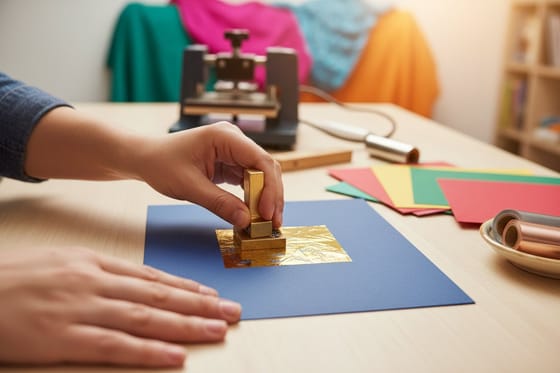
The process is fast and clean. After your piece is printed, the clear UV coating is rolled or sprayed evenly across the sheet. The sheet then passes under a bank of ultraviolet lamps, and the coating hardens on contact with the light. There is no long drying time and no heat needed to set it.
That instant cure is a big part of why UV coating is so common in high-volume printing. Because the coating sets the moment it meets the light, sheets can move straight to cutting and finishing without waiting to dry. It also means the gloss is locked in evenly, with none of the streaking that a slow air-dry finish can leave behind.
Curious how this compares with a softer surface? Our guide to matte vs gloss finishes walks through how each one changes the look and feel of a printed piece.
UV coating vs lamination and aqueous coating
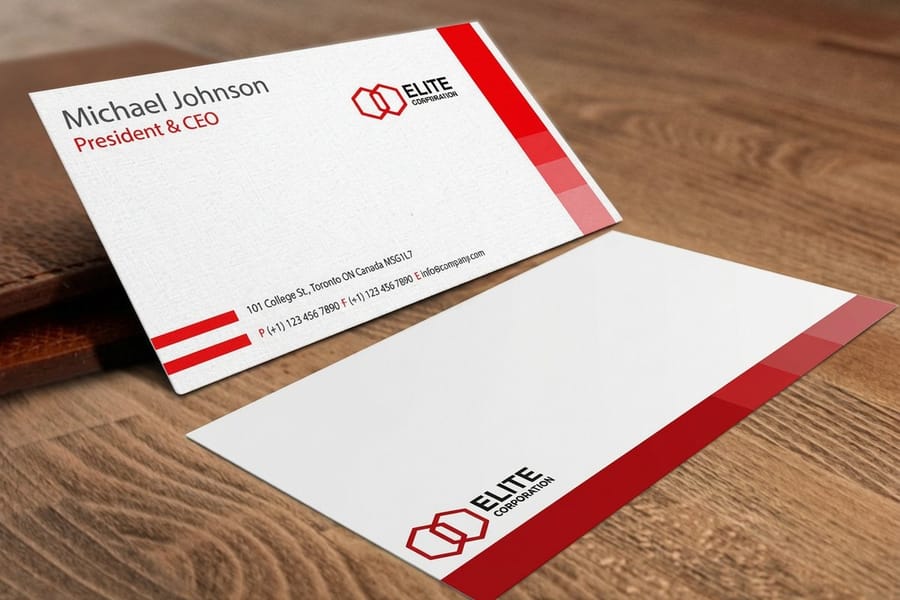
Three clear finishes compete for the same card, and the product you open decides which ones you can pick. Standard business cards list High Gloss UV Coating as a Finish choice, glossy business cards come on 16 Point Gloss Laminated, and spot UV business cards offer 16pt Silk Laminated Cover alongside two gloss cover stocks.
- UV coating gives the highest gloss and a very hard surface. It is thin, cures instantly, and makes color pop the most. You can run it as a full flood or as spot UV on the front, the back or both sides.
- Lamination bonds a thin plastic film over the sheet. It is thicker and more flexible, which resists cracking on folds, but it usually costs more and feels less glassy than UV.
- Aqueous coating is a water-based finish that offers light protection and a subtle sheen. It is gentler and easier to write on, but it will not deliver the mirror shine of UV.
For a card that needs maximum shine and scuff resistance, UV wins. For a piece that will be folded hard or written on, lamination or an uncoated panel often makes more sense. The right choice always comes back to how the piece will be used, and the paper it is printed on matters too, which our guide to paper weight explains in plain terms.
The pros of UV coating
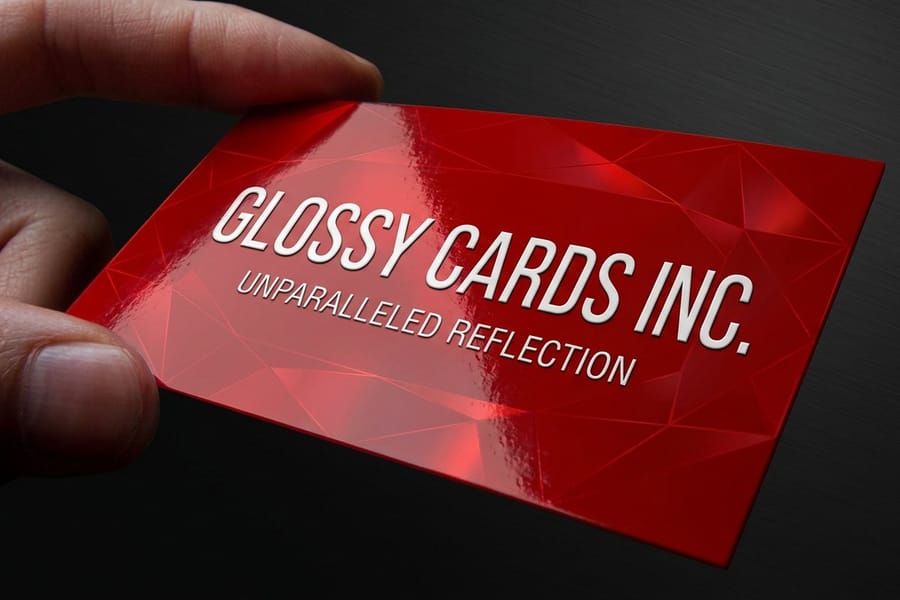
Hold a UV coated card next to an uncoated 14pt card and four differences show up in the first minute.
Good abrasion resistance. The cured layer is hard and tight, so it shrugs off the scuffs and scratches that dull an uncoated card. A UV-coated business card stays crisp at the bottom of a bag or wallet far longer than a bare sheet.
High clarity and color pop. The glossy surface reflects light evenly and deepens ink density, so photos look sharper and brand colors look bolder. Dark blues, blacks, and reds gain a real richness under UV.
Environmentally friendly. UV coatings cure with light rather than heat and give off very low solvent levels compared with older finishes, which makes them a cleaner option in the print shop. Paired with recycled stock, a UV-coated card can still be a responsible choice.
Fast to produce. Because it cures on contact with the lamps, UV coating adds shine and protection without adding drying days to your timeline. In the configurator, glossy business cards list 4 business days and spot UV business cards 5 business days as their standard production time. See the shine in person across our business cards printing range.
The cons and when UV coating is not the best option
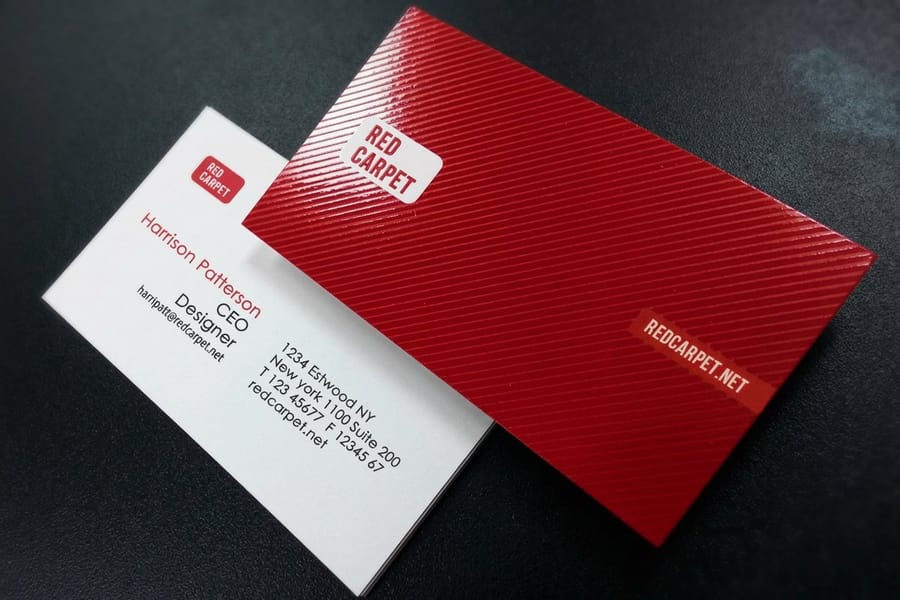
UV coating is excellent, but it is not right for every job. Knowing the limits keeps you from finishing a piece the wrong way.
You cannot easily write on it. The sealed gloss repels most pen ink and can smear stamps or toner. For appointment cards, forms, or anything people fill in by hand, leave that side uncoated or matte.
It shows fingerprints and marks on dark solids. A heavy black or deep navy card with full gloss can pick up visible smudges. A matte or soft-touch finish hides handling better on those designs.
It can crack on heavy folds. The hard coating is thin and rigid, so a strong score or fold line can show a fine crack. For folded pieces, lamination flexes better, or the fold line can be left free of coating.
It fights a soft or minimal brand. If your look is quiet, natural, or matte by design, a mirror gloss can feel off-brand. Compare the moods in our matte vs gloss guide before you decide.
Spot UV vs full flood UV coating
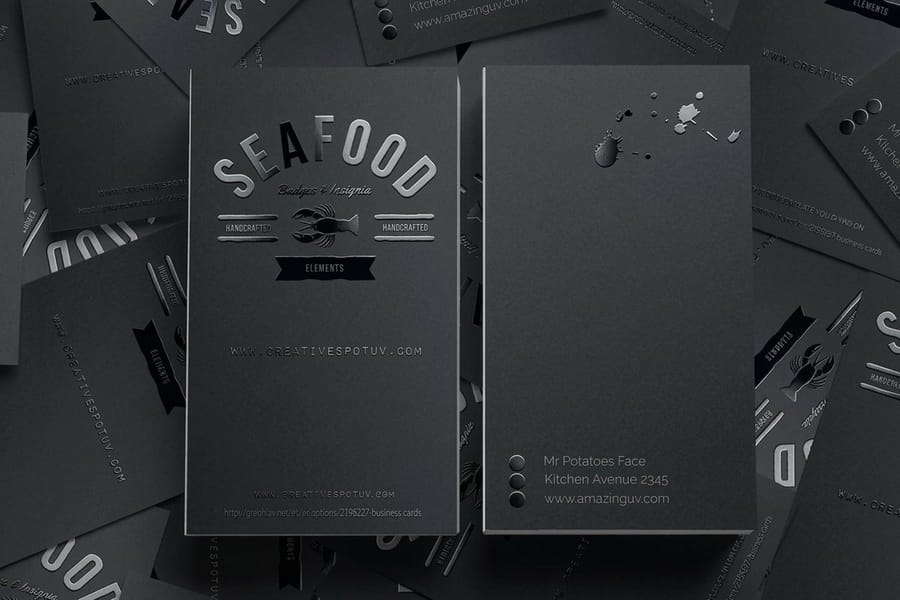
There are two main ways to use UV, and they create very different effects.
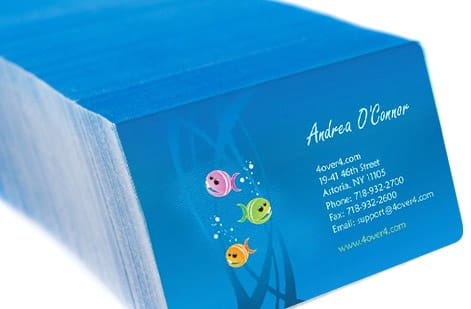
Full flood UV covers the entire face of the sheet in gloss. This is the classic high-gloss look you get on our glossy business cards, where the whole card shines and every color is amplified.
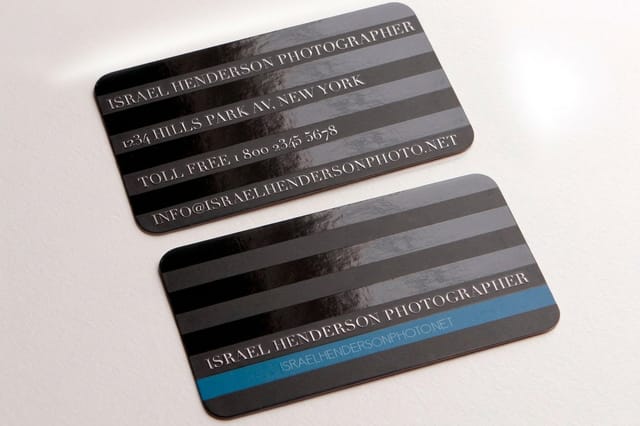
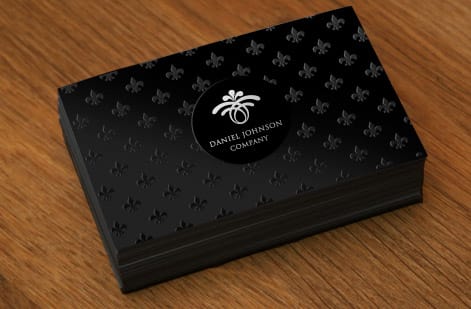
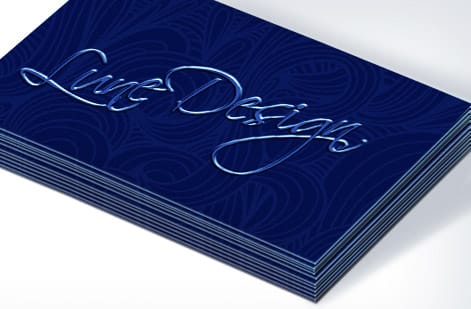
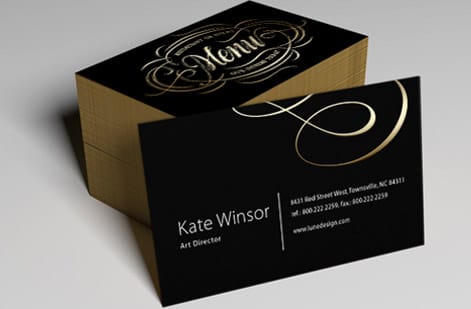
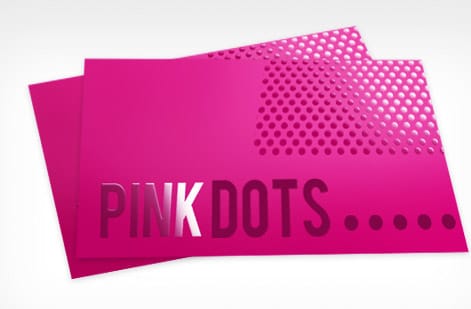
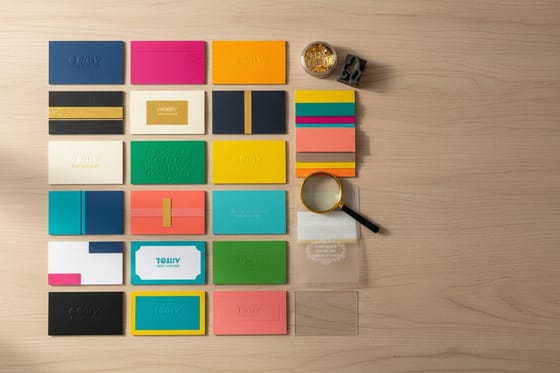
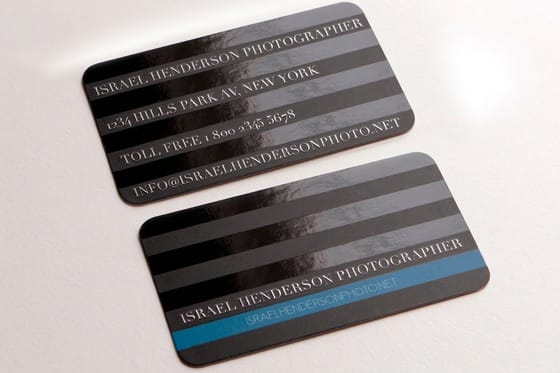
Spot UV applies gloss only to selected areas, usually over a matte or soft-touch background. The contrast between the shiny logo and the flat surface around it feels tactile and premium, and it draws the eye exactly where you want it. Our spot UV business cards show this off, with the gloss reserved for a name, logo, or pattern.
Choose full flood when you want overall shine and protection. Choose spot UV when you want a designed, high-contrast highlight. The same choice runs across other products, so spot UV business cards and UV coated postcards both let you place the gloss rather than flood it. Both effects are on display in the business card finishes gallery.
When to use UV coating
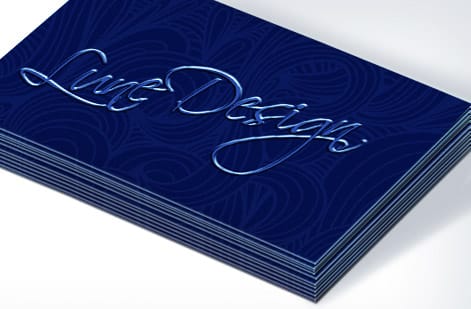
UV coating pays off most on pieces that are handled often and need to look sharp under any light. The strongest candidates are:
- Business cards that need to feel premium and survive a wallet or bag, in the 2" x 3.5" standard size or the 2" x 2" square.
- Postcards and mailers that pass through the mail stream and still need to arrive clean, from a 4" x 6" card to a 9" x 12" jumbo on 16pt Gloss Cover.
- Presentation folders and covers that get opened and closed repeatedly.
- Catalog and booklet covers where a glossy front lifts the whole piece.
- Retail hang tags and packaging that should read as high quality on the shelf.
In short, if the piece is a first impression and it will be touched a lot, UV coating is usually the right call. If it is a working document people write on, it is usually not. For business card projects specifically, our guide on where to print business cards covers how to get the finish right the first time.
What UV coating means on business cards
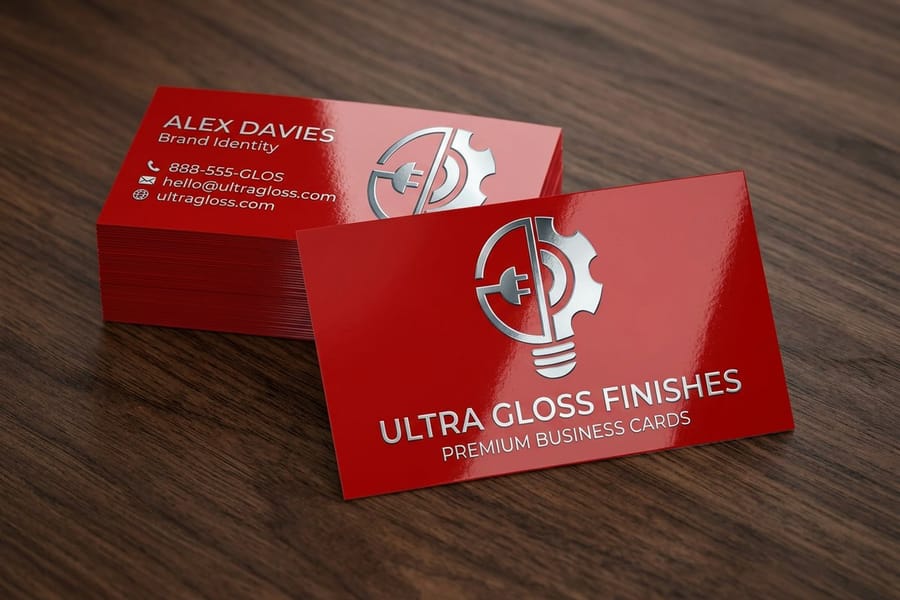
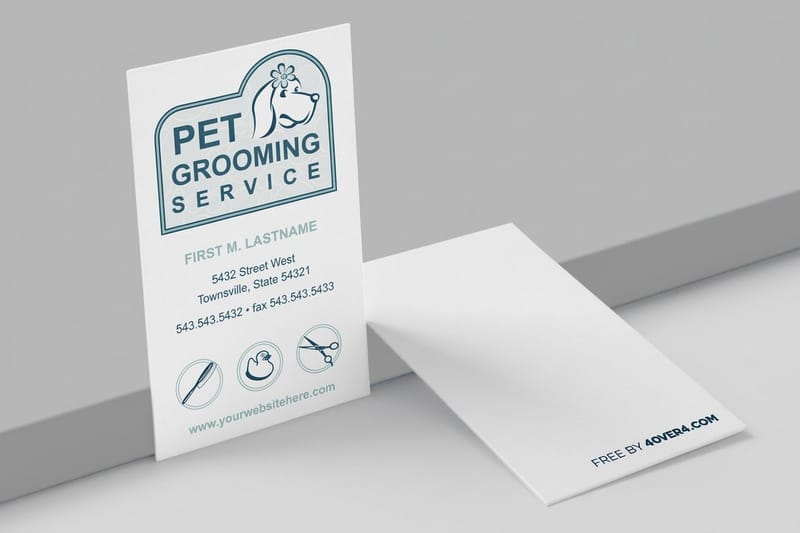
Business cards are where most people first meet UV coating, so it is worth a closer look. On a card, UV coating usually means a full flood gloss across both faces, giving that reflective, glassy surface and punchy color. It is the finish that makes a card feel solid and modern the second someone takes it.
You have room to tailor it. A full flood on our glossy business cards delivers all-over shine, while spot UV business cards keep a matte base and add gloss only where it counts. Many designers pair a soft-touch back with a spot-glossed logo on the front for the best of both worlds.
If your cards need a writable back, for notes or appointment details, keep that side uncoated and gloss only the front. That single choice avoids the most common UV frustration on cards while keeping the front looking sharp. Browse the full lineup in business cards printing.
How to set up files for UV coating
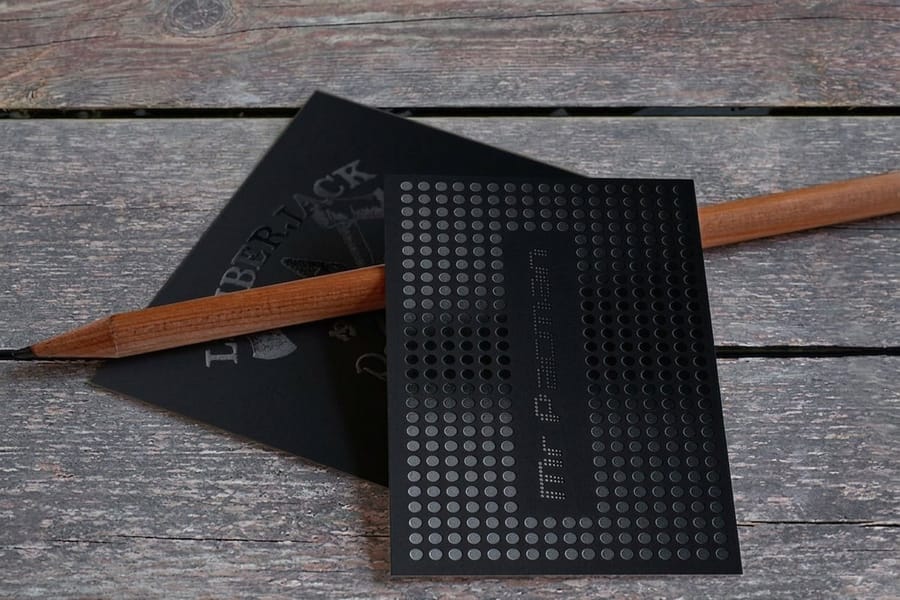
Full flood UV needs no special file work, just a print-ready design with the correct bleed. Spot UV takes one extra step, and getting it right saves a round of proofs.
- Keep your bleed and safe margins correct so the coating and the trim line up cleanly on every card.
- For spot UV, add a separate mask layer that marks exactly where the gloss should land, usually in a solid spot color set to overprint.
- Avoid very fine details in the spot mask, since hairline text or tiny gaps can be hard to register precisely.
- Do not place spot gloss across a fold line, where the hard coating is most likely to crack.
If you would rather not wrestle with layers, our Online Designer lets you build card art in the browser, and our team checks every file before it prints. For sharper output overall, the tips in how to improve print quality apply to any finish you pick.
Wally explains UV coating
A glossy shell that makes color pop and shrugs off scuffs
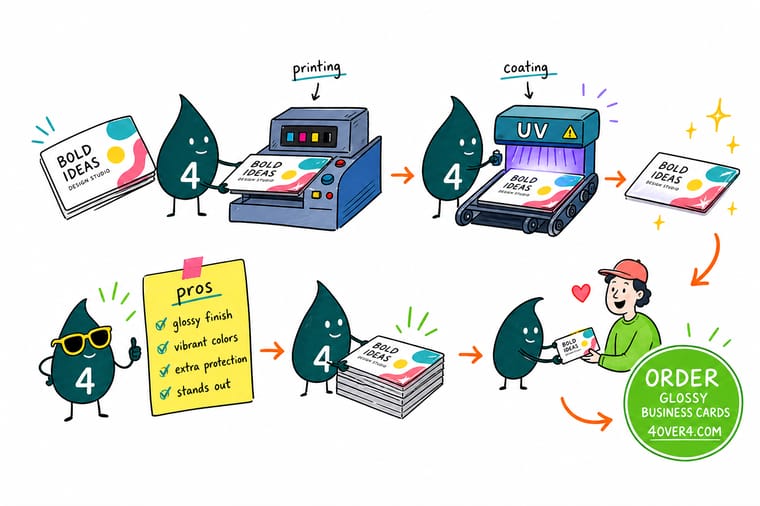
Wally treats UV coating like a clear suit of armor for your print: roll it on, flash it under the lamp, and the ink underneath turns richer while the surface turns tough. Full flood for all-over shine, spot UV to spotlight a logo, and matte or uncoated when someone needs to write on it. Pick the finish to fit the job and your card looks premium the second it lands in a hand. Ready for the glossy look? Order high-gloss business cards at 4OVER4.
Order glossy business cards →
Specs and pricing
High-gloss UV business card specs and pricing
Glossy laminated cards run 50 for $37.24 on 16 Point Gloss Laminated, in 2" x 3.5", 2" x 2" or 1.5" x 3.5", printed on the front only or on both sides, with square corners or a 1/8" or 3/8" radius. The live specs and price per unit sit below. Change the quantity or stock and the numbers update in real time.

| Quantity | Price Per Unit | Total |
|---|---|---|
| 50 | 74.5¢ | $37.24 |
| 100 | 63.1¢ | $63.15 |
| 200 | 44.2¢ | $88.40 |
| 300 | 33.7¢ | $101.04 |
| 400 | 28.4¢ | $113.67 |
| 500 | 25.3¢ | $126.30 |
| 600 | 22.3¢ | $133.88 |
| 700 | 20.2¢ | $141.46 |
Print it
Order UV-coated cards at 4OVER4
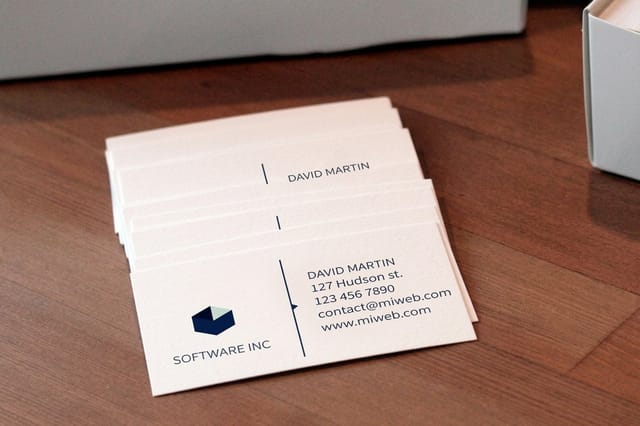
Pick the card by where you want the gloss. Glossy business cards flood the whole face on 16 Point Gloss Laminated. Spot UV business cards place it in one of five front and back layouts, from 500 for $76.88. Standard business cards take High Gloss UV Coating from the Finish menu on gloss cover stocks from 14pt Gloss Cover up to 72pt Gloss Cover.

See it in use
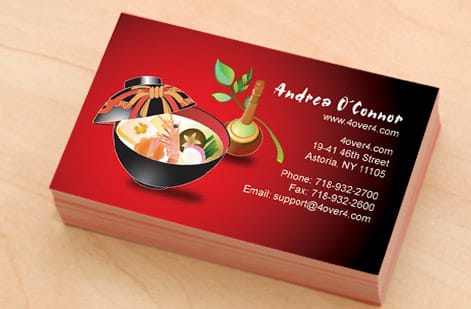
UV jobs we ran on customer cards
Explore more
Where to go next

By the numbers
Spot UV cards at $0.15 each in 500s
Common Questions
Common questions about UV coating in printing
What is UV coating in printing?
UV coating is a clear liquid finish spread across a printed sheet and cured instantly under ultraviolet light. It forms a smooth, glossy, protective layer over the ink. The finish makes colors look deeper and richer, and it guards the surface against scuffs, fingerprints, and moisture. On business cards it is what gives a high-gloss card that reflective, premium shine.
Flood UV or spot UV, which does my job need?
Start with the look and the use. Full flood UV coats the entire face for maximum gloss and protection, which suits business cards, postcards, and covers. Spot UV places gloss only on select areas like a logo or headline for contrast against a matte background. If you are unsure, our team can help you match a finish to your artwork, and you can compare finishes on the Glossy Business Cards and Spot UV Business Cards product pages.
What does UV coating cost and how is the price set?
There is no flat fee for UV coating at 4OVER4.COM. Price is built from the size, paper stock, quantity, and turnaround you select, and the coating is part of the product build rather than a separate line item. The live configurator on each product page shows your exact price per unit as you change options, so you always see the real number before you order. Larger quantities lower the per-unit cost.
What sizes, stocks, and finishes are available for UV-coated printing?
UV coating pairs with cover stocks from 14pt Gloss to 16pt Silk Laminated. Business cards run in standard and custom sizes on premium card stocks, and the same coating logic extends to postcards, presentation folders, and covers. You can combine UV with rounded corners, custom shapes, and double-sided printing. Browse the full range on the Business Cards Printing category and the Finish hub to see every option side by side.
How long does UV-coated printing take to print and ship?
Turnaround depends on the product and the option you pick at checkout, and UV coating cures instantly so it does not add drying days the way some finishes can. Standard production plus fast shipping options are shown live on each product page, and 4OVER4.COM ships from its Queens, New York facility with a strong on-time record. Pick your turnaround in the configurator to see the exact date.
What does UV coated mean on paper?
UV coated means a clear protective coating has been applied to the paper and hardened with ultraviolet light. The result is either a high-gloss sheen across the whole sheet or a raised gloss on chosen spots. UV coated paper resists scuffing and water better than an uncoated sheet, and the ink beneath it looks more vivid.
Can you write on UV coated paper?
Not easily. The glossy, sealed surface repels most ballpoint and gel ink, and stamps or toner can smear. If people need to write on the piece, such as an appointment card or a form, choose an uncoated or matte finish for that side, or ask for a writable panel. This is one of the main reasons to skip full flood UV on certain jobs.
Is UV coating waterproof?
It is water resistant, not waterproof. The cured layer sits over the ink and shrugs off splashes, damp hands, condensation on a bar top, and a quick wipe with a cloth, which is why UV coated menus and cards survive places a plain sheet would not. What it does not do is seal the edges. Paper takes water in through the cut edge, so a card left in a puddle or run through a wash will still swell and warp. For a piece that has to be genuinely waterproof, a plastic stock or a full laminate that wraps the edge is the right answer.
Can you write on a UV coated card?
No, and this is the most common regret with the finish. Ballpoint skids, gel and rollerball ink beads up and smears instead of drying, and pencil barely marks the surface. If people need to write on the card, whether that is an appointment date on the back, a name on a place card, or a signature line, leave that panel uncoated or run the whole piece in matte. A common fix is to flood UV the front and leave the back plain, which keeps the shine where it is seen and the writing surface where it is needed.
Is UV coating environmentally friendly?
UV coatings cure with light instead of heat and release very low levels of solvents compared with older finishes, which makes them a cleaner choice in modern printing. 4OVER4.COM pairs efficient finishing with recycled stock options and responsible production, so a glossy, protected print does not have to come at the environment's expense.
Get Started
Order 50 glossy laminated cards from $37.24
Pick your size and stock, upload your art, and we print high-gloss UV cards with deep color and a tough, scuff-resistant finish.
Legal Disclaimer
Gold Standard guarantees apply to all standard orders placed through 4over4.com. Price match requires verifiable proof of a competitor's published price for an equivalent product with matching specifications and turnaround time. Satisfaction guarantee covers manufacturing defects and print quality issues. Contact support with order number and documentation.
