
80 lb Gloss Book Paper, What It Is and When to Use It


Emma is our prepress and print production voice, built from the knowledge of our production team, with over 20 years in printing.
80 lb gloss book paper is a light, foldable text stock of about 118 gsm, since book weight means text weight, and the gloss is a smooth coating that makes color pop. It folds without scoring, which is the property the heavier coated sheets give up.
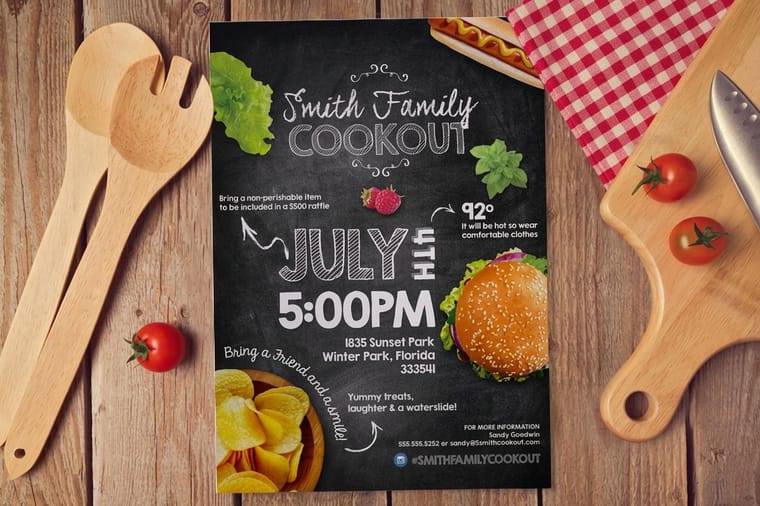
80 lb gloss book paper (also written 80# gloss text) is a lightweight coated text stock, roughly 118 gsm, with a smooth glossy surface. It is light enough to fold and mail affordably yet coated enough to make photos and color look sharp, which is why printers use it for flyers, brochure interiors, catalog and booklet pages, newsletters and sales sheets. On our menus the nearest sheet is 100# Gloss Text. Choose a heavier cover weight when a piece needs to stand on its own, like a postcard or business card. The same text weight family fills the inside of color booklet printing jobs, saddle stitched from 8 pages.
Quick tips
Quick tips for using 80 lb gloss book paper
Reach for 80 lb gloss book when a piece needs to fold, travel and look sharp, like flyers, brochures, catalog pages, newsletters and sales sheets. Pick a matte finish for anything that gets written on, step up to 100 lb book when you want more heft, and order free samples so you can feel the sheen before a full run.
So what exactly is 80 lb gloss book paper?
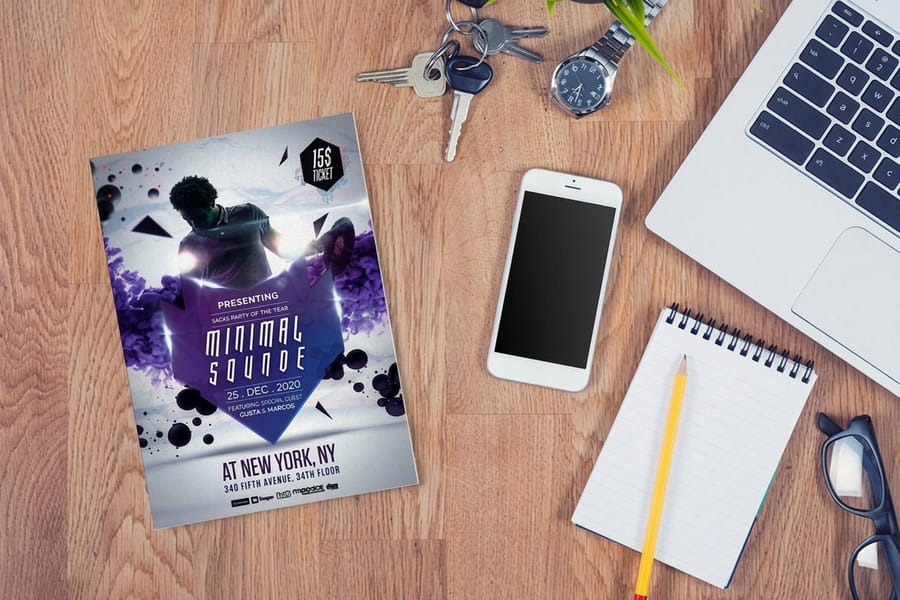
Two words in that name do all the work. Book is the printing trade's term for text weight, a thin sheet meant to be folded, stacked and turned like the page of a magazine. Gloss is the finish, a smooth coating that lies on top of the fibers and bounces light back at your eye. Put them together and 80 lb gloss book is a light, coated sheet that reads as premium without feeling heavy.
The 80 refers to basis weight, and in metric terms it lands around 118 gsm. That is meaningfully more substantial than the 20 lb bond in your office printer, yet still flexible enough to fold without a crease tool. If the weight math feels fuzzy, our paper weight guide for printing projects untangles gsm, basis weight and points in one place.
The coating is the reason people reach for gloss in the first place. It seals the surface so ink sits on top instead of soaking in, which keeps edges sharp and makes reds, blues and photographic skin tones look saturated rather than washed out. If you are weighing that shine against a softer look, the matte vs gloss finish comparison shows both side by side.
Book weight vs cover weight: same number, different sheet
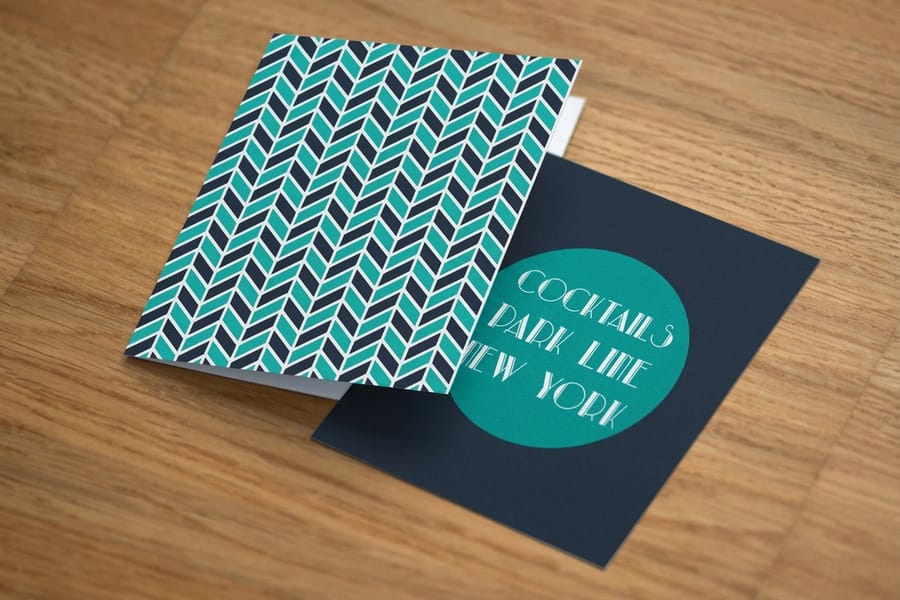
An 80 lb text sheet and an 80 lb cover sheet share a number but are nowhere near the same thickness. The reason is that each paper family is weighed on a different parent sheet before being cut down, so the pound figure only makes sense inside its own category.
Text and book weights are measured on a large 25 by 38 inch parent sheet, while cover weights use a smaller sheet. The upshot: 80 lb cover is roughly twice as stiff as 80 lb text. One folds like a brochure, the other behaves like a thin card. Always confirm which family you are ordering, because a flyer accidentally printed on cover will not fold, and a card accidentally printed on text will feel flimsy.
If you want the full vocabulary before you order, the stock selection guide and the 100 lb gloss cover guide spell out where each weight earns its place.
How 80 lb gloss book feels and prints
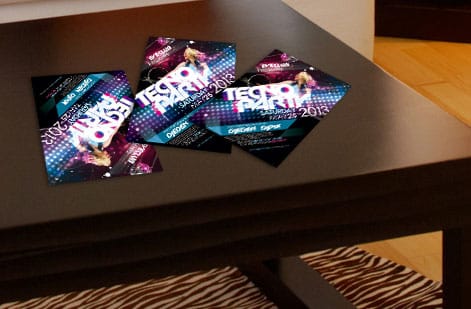
Pick up a sheet and the first thing you notice is the sheen. Light glides across the surface instead of scattering, so the paper feels smooth and a little slick. It has real presence in the hand, more than a copy-machine sheet, but it still bends and springs back rather than staying flat like a card.
On press, the coating is what pays off. Because ink does not wick into the fibers, halftone dots stay tight and photographs hold their contrast. Fine type keeps clean edges. That coating also adds opacity, which matters for double-sided pieces: a flyer printed front and back shows far less bleed-through than an uncoated sheet of the same weight. If you want to understand how that surface is built, our explainer on aqueous coating covers the water-based layer that many gloss sheets carry.
The one trade-off is fingerprints and glare. High-gloss surfaces can pick up smudges and throw reflections under harsh light, which is why some designers prefer a softer touch for text-heavy pages. The stocks explained guide walks through gloss, matte, linen and kraft so you can weigh the look against the reading experience.
When 80 lb gloss book is the right call
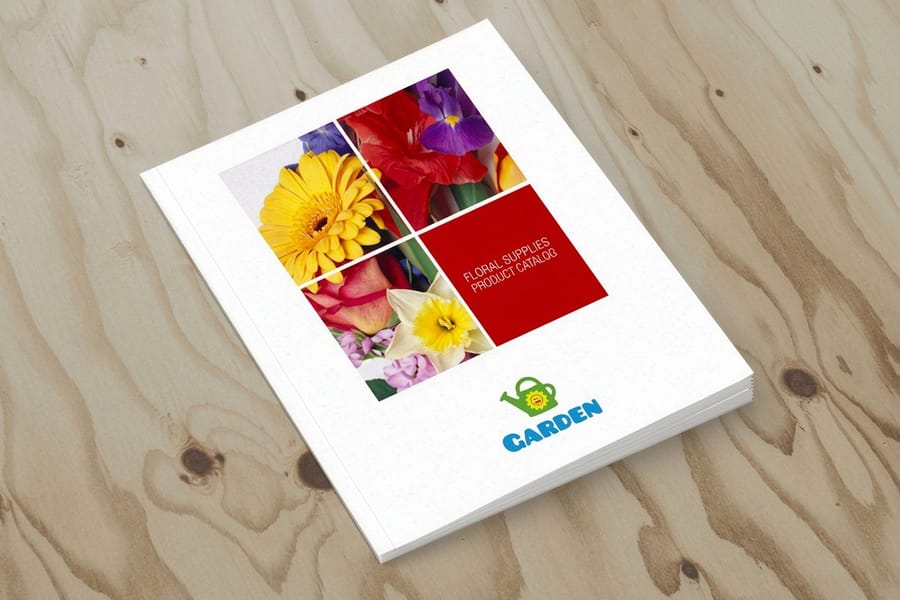
This stock has a natural home, and it is the marketing pile on a busy desk: an 8.5 by 11 flyer, a tri-fold brochure, the inside pages of a catalog. Whenever a piece needs to look sharp, travel cheaply and get handled, 80 lb gloss book earns its keep, a step lighter than 100 lb gloss book.
- Flyers and handouts. Bright, foldable and inexpensive at volume, though our flyer menu starts at 100# Gloss Text rather than 80 lb. Configure a run on flyer printing.
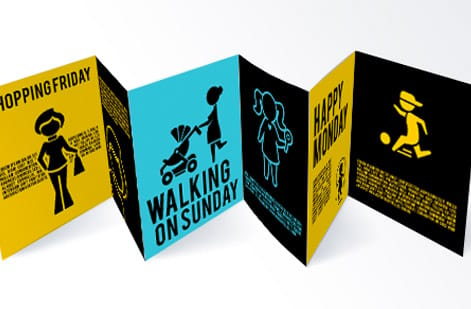
- Brochure interiors and folded brochures. Text weight folds clean, so a half fold brochure lies flat. See brochure printing for layouts.
- Catalog and booklet pages. The interior sheets of most catalogs and booklets are text weight to keep page count manageable and mailing costs down. Explore booklets and catalogs.
- Newsletters and sales sheets. Enough polish for a client-facing update without the cost of a card. Start with newsletters or sales sheets.
The common thread is volume and handling. If you are printing hundreds or thousands of a piece that gets mailed, stacked at a counter or slipped into a folder, this is the sheet built for the job.
When to reach for something heavier instead
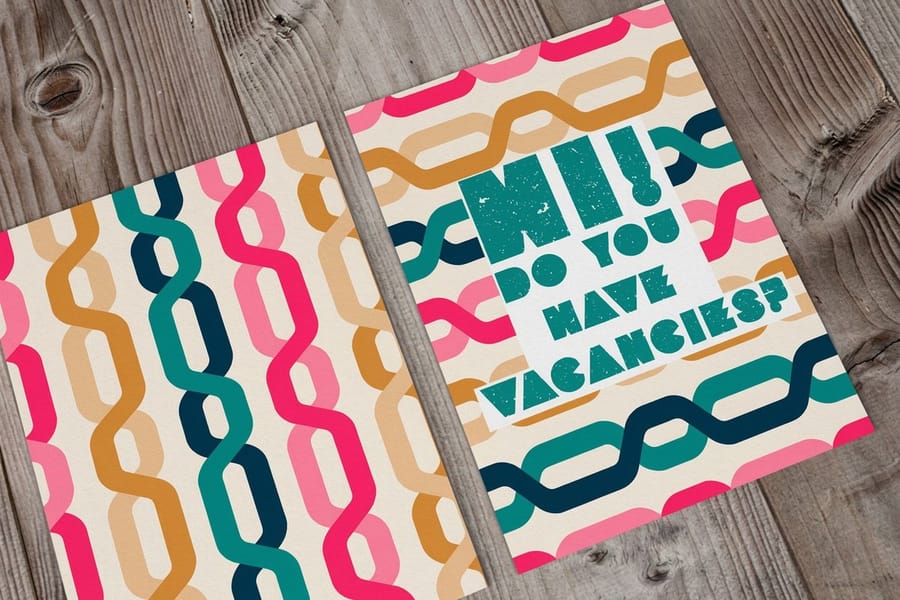
Gloss book is not the answer for everything, and knowing when to walk past it is half the skill. The moment a piece has to hold its own shape or survive rough handling, weight becomes the priority over foldability.
Anything that mails on its own wants a cover weight. A postcard sent naked through the mail stream needs the rigidity that only a card can give, which is why postcard printing defaults to cover stock. The same goes for business cards and any piece that lives in a wallet or on a desk.
Covers and folders need to protect the pages inside them, so the outer sheet steps up to cover weight while the interior stays on text. Presentation pieces follow the same logic, which you can see across presentation folders.
When you simply want more heft, 100 lb gloss book keeps the same glossy look with extra substance in the hand, ideal for upscale catalogs and retail brochures. Our 100 lb gloss book guide covers exactly where that jump pays off.
How to choose the right 80 lb gloss book paper
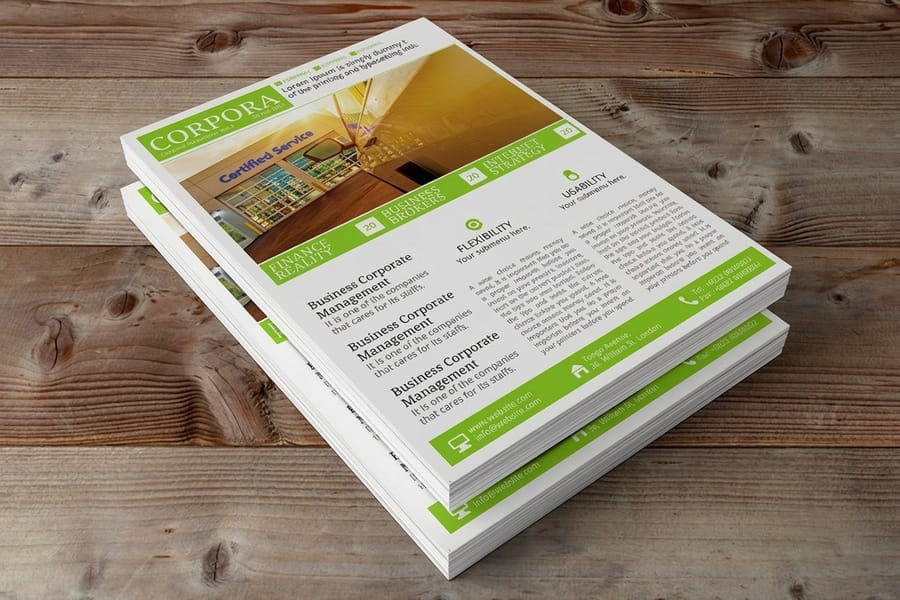
Choosing well takes about a minute once you know the questions to ask. Run through these in order and the right spec falls out on its own.
- Will it be folded? If yes, text weight like 80 lb gloss book is your friend. If it must stay rigid, jump to cover.
- Does anyone need to write on it? Gloss resists pen ink. If a panel needs a signature or a fill-in field, pick matte or an uncoated stock for that piece.
- How is it delivered? Mailed on its own means cover. Handed out, stacked or bound means text is perfect.
- How premium should it feel? 80 lb is polished and economical. Step to 100 lb book when the piece needs to signal quality in the hand.
- Have you touched it yet? Order free samples so you can feel the sheen and weight before committing to a full run.
When you are close but not certain, a physical proof settles it. 4OVER4.COM offers a free online proof and a Next Day Hardcopy Proof on flyers so you can check color and layout, and you can build the artwork itself in the browser with the online designer. Prefer to feel the paper first? Request a batch from free samples.
What 80 lb gloss book printing costs and how prices are set
There is no single price for 80 lb gloss book, because the stock is only one input. Our Standard Flyers list 100# Gloss Text, the next weight up, and start at $39.54 for 50 on a 3 business day standard turnaround. What you actually pay moves on four levers, and once you understand them the configurator stops feeling like a black box.
Quantity is the biggest lever. Setup, plates and press make-ready are fixed costs, so printing 5,000 flyers instead of 500 spreads that overhead across far more pieces and drops the cost per unit dramatically. Size is next: a 5.5 by 8.5 flyer uses half the sheet that an 8.5 by 11 flyer does. Sides matter too, since printing both faces adds a pass. And turnaround rounds it out, because a rush job jumps the queue.
Every 4OVER4.COM product page prices all of this live as you click, with no hidden setup or plate fees layered on at checkout. For a deeper look at how quantity breaks work, see bulk discounts, browse the running deals on the daily deals page, or read how our pricing is structured.
Sizes, finishes and stock options available
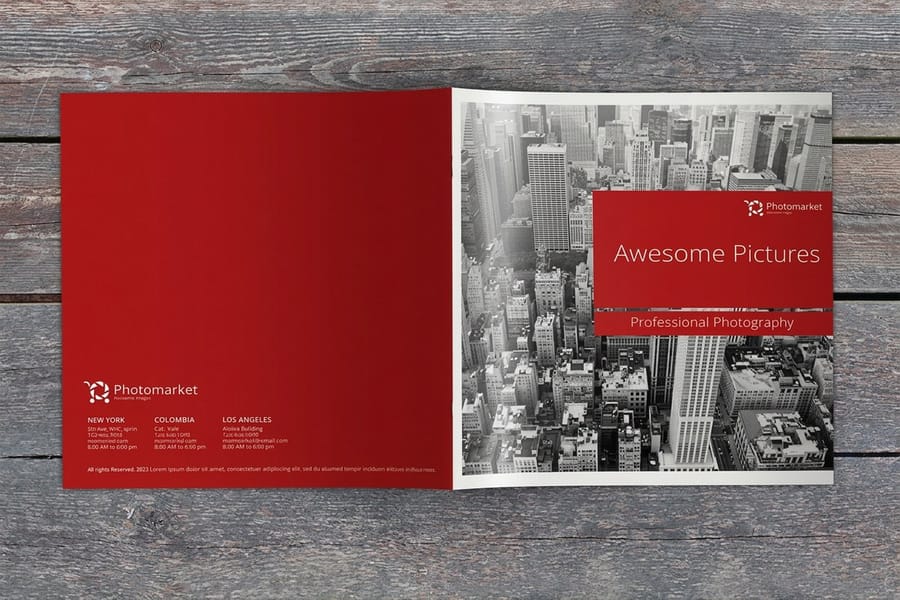
Once you have settled on 80 lb gloss book, you still have room to shape the final piece. The stock is a starting point, not a straitjacket.
Sizes on Standard Flyers run from 4.25 by 5.5 and 5.5 by 8.5 handouts up to 8.5 by 11, 11 by 17 and 11 by 25.5 inches, and folded brochures add a half fold. Finishes are Standard or High Gloss UV Coating, and 100# Silk/Matte Text is the low-glare choice when readability matters.
And if the weight is not quite right, the stock ladder is easy to climb. Bump to 100 lb book for more heft, move to a cover weight for cards, or explore texture with the matte collection and gloss laminated collection. Still comparing options? The best paper weight for flyers guide and our printing terms glossary keep the vocabulary straight.
Turnaround: how fast 80 lb gloss book prints and ships
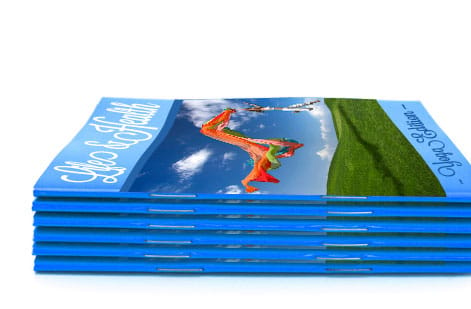
Speed depends less on the paper and more on your file. 80 lb gloss book is a common, in-stock text weight, so it rarely adds any wait of its own. Most flyers, brochures and sales sheets move through production in a few business days: Standard Flyers, folded brochures and postcards run on a 3 business day standard turnaround, and the configurator offers 2 day, 1 day and same day choices on each.
The clock starts when your artwork clears preflight. A print-ready file with correct bleed, safe margins and CMYK color sails straight through, while a file that needs fixes waits for your approval. Upload clean and you keep the whole timeline tight. When a deadline is unforgiving, many products offer same-day printing and rush delivery to compress the schedule.
Your live turnaround estimate always appears in the configurator right next to the price, so you never have to guess. If you want to see the whole path from upload to doorstep, how it works lays out every step.
Wally explains gloss book
Light enough to fold, coated enough to shine
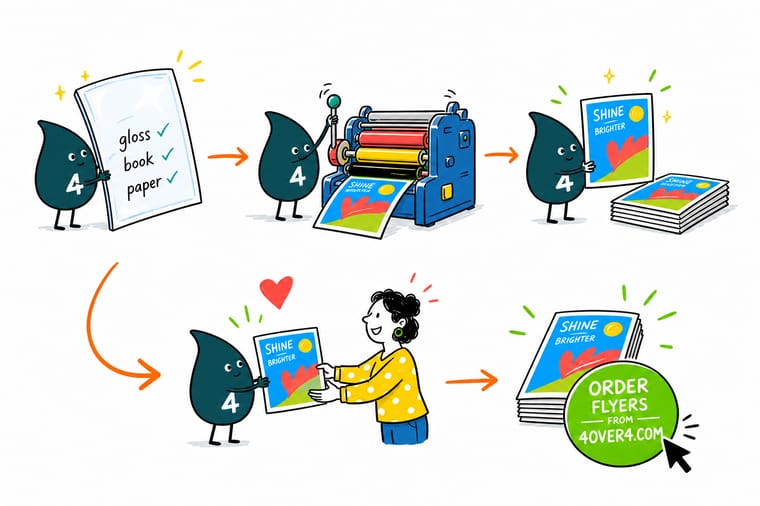
Wally thinks of 80 lb gloss book as the marketing stock that punches above its weight. It is thin enough to fold into a brochure and cheap enough to mail by the thousand, yet the glossy coating makes your color look like it cost far more. Just remember book means text weight, not the stiff cover stock, so if the piece has to fold or stack, this is your sheet. When you want more heft, Wally waves you up to 100 lb book.
Order flyers on 100# Gloss Text →%22%2F%3E%3Ccircle%20cx%3D%2240%22%20cy%3D%2249%22%20r%3D%2225%22%20fill%3D%22%232dd4bf%22%20opacity%3D%220.15%22%2F%3E%3Ccircle%20cx%3D%2278%22%20cy%3D%2258%22%20r%3D%2214%22%20fill%3D%22%232dd4bf%22%20opacity%3D%220.1%22%2F%3E%3Crect%20x%3D%2270%22%20y%3D%2228%22%20width%3D%2225%22%20height%3D%2234%22%20rx%3D%224%22%20fill%3D%22%232dd4bf%22%20opacity%3D%220.08%22%20transform%3D%22rotate(35%2080%2030)%22%2F%3E%3C%2Fsvg%3E)
Specs and pricing
Flyer specs and pricing on gloss book stock
Our Standard Flyers do not list 80 lb gloss text: the closest sheet is 100# Gloss Text, and the 80# on the menu is 80# Gloss Cover, a card. Here are the live specs and price-per-unit from the configurator. Standard Flyers run from 4.25 x 5.5 up to 11 x 17 and 11 x 25.5 inches, on text stocks such as 100# Gloss Text, 100# Silk/Matte Text and 70# Uncoated Text, from 50 copies.

| Quantity | Price Per Unit | Total |
|---|---|---|
| 50 | 79.1¢ | $39.54 |
| 100 | 57.1¢ | $57.11 |
| 200 | 37.3¢ | $74.69 |
| 300 | 28.6¢ | $85.68 |
| 400 | 24.4¢ | $97.76 |
| 500 | 21.8¢ | $108.75 |
| 600 | 18.7¢ | $112.03 |
| 700 | 16.5¢ | $115.33 |
Print it
Order marketing print on book-weight stock
Postcards step up to 14pt and 16pt cover for pieces that mail on their own, newsletters print from 8.5 x 11 upward on text stock, and folded brochures take a half fold on 100# Gloss Text or 100# Silk/Matte Text.
See it in use
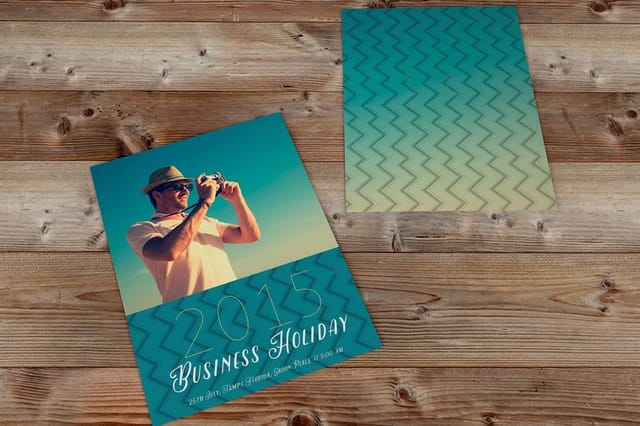
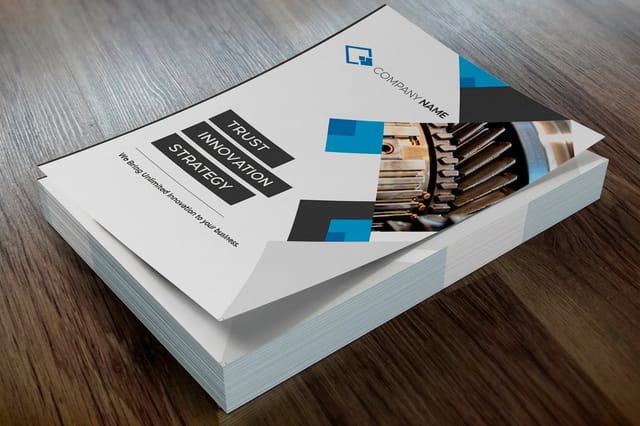
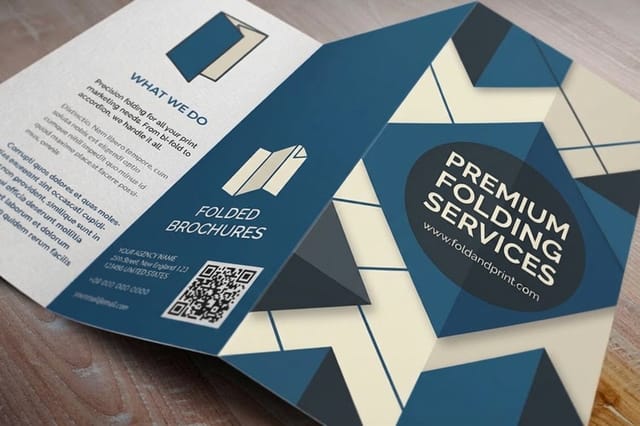
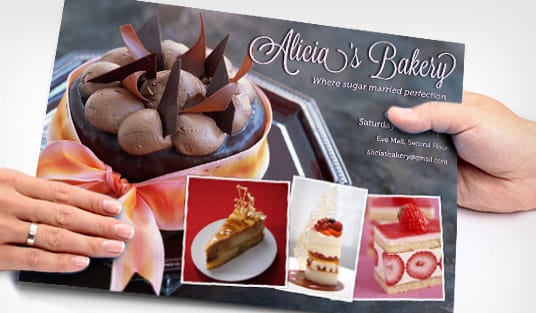
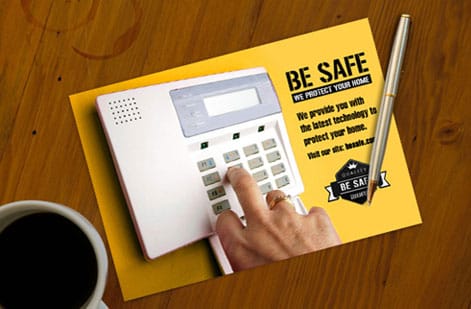
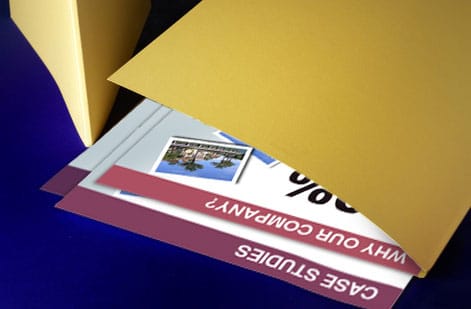
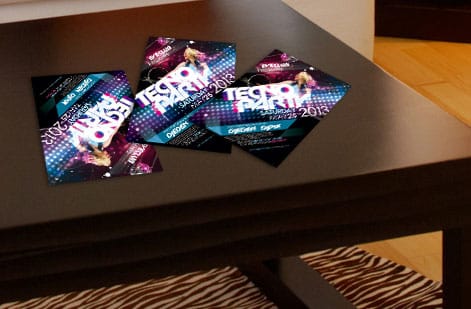
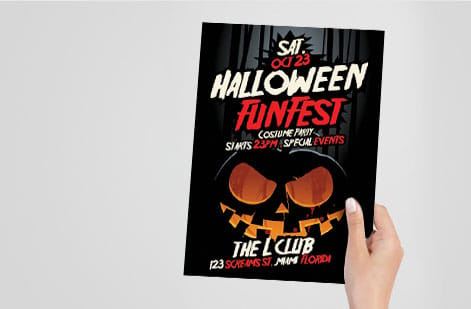
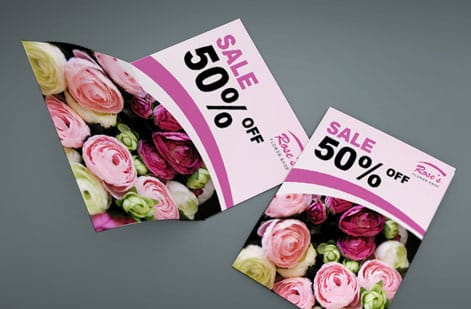
Light-stock runs we printed and folded

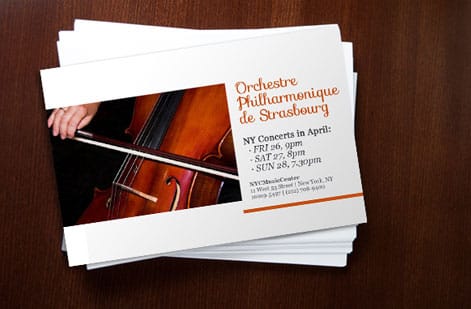
%22%2F%3E%3Ccircle%20cx%3D%2243%22%20cy%3D%2245%22%20r%3D%2228%22%20fill%3D%22%23a78bfa%22%20opacity%3D%220.15%22%2F%3E%3Ccircle%20cx%3D%2280%22%20cy%3D%2262%22%20r%3D%2226%22%20fill%3D%22%23a78bfa%22%20opacity%3D%220.1%22%2F%3E%3Crect%20x%3D%2273%22%20y%3D%2221%22%20width%3D%2228%22%20height%3D%2232%22%20rx%3D%224%22%20fill%3D%22%23a78bfa%22%20opacity%3D%220.08%22%20transform%3D%22rotate(8%2080%2030)%22%2F%3E%3C%2Fsvg%3E)
Explore more
Where to go next
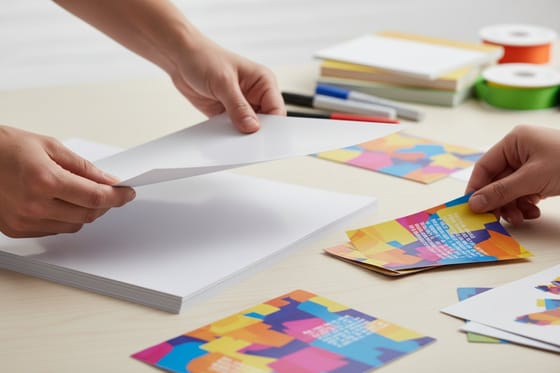
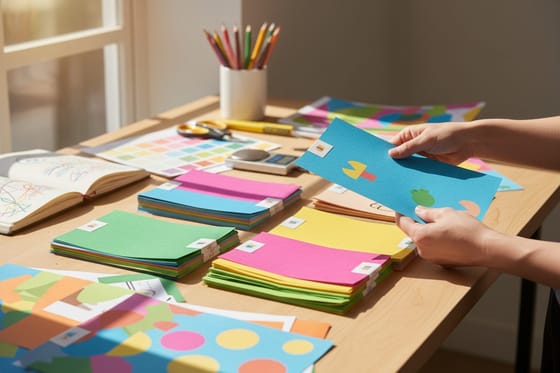
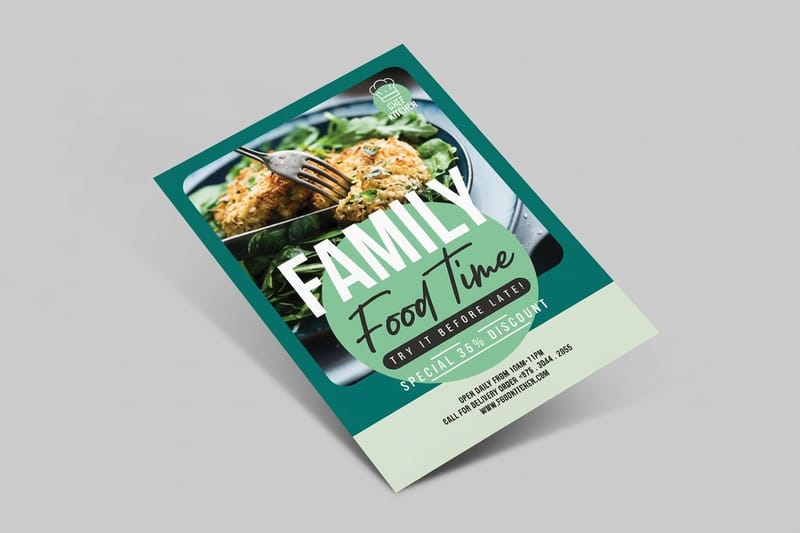

By the numbers
The press behind the paper
Common Questions
Common questions about 80 lb gloss book paper
What is 80 lb gloss paper?
80 lb gloss paper, written 80# gloss book or 80 lb gloss text, is a lightweight coated text stock of roughly 118 gsm. The word book simply means text weight, a thin foldable sheet rather than a card. The gloss is a smooth clay coating that reflects light, deepens color and sharpens ink, so a printed flyer or brochure page looks noticeably richer than the same art on plain uncoated paper.
Is 80 lb gloss book the same as 80 lb gloss cover?
No, and this is an easy one to get wrong. On our flyer menu, 80# Gloss Cover sits beside 100# Gloss Text, and picking the cover sheet gets you a card. The text vs cover section above explains why the same number gives two different sheets.
When is 80 lb too light for what I am printing?
Start with the job. If the piece is a single sheet or a folded brochure that gets handled, mailed or stacked, 80 lb gloss book is a strong default. If it needs to survive a mailbox on its own, stand upright, or take a pen, move to a cover weight or an uncoated stock. Ordering free samples first lets you feel the sheen and thickness before you commit to a full run.
What does 80 lb gloss book paper cost and how are prices set?
Price is driven by four things: how many you print, the flat or folded size, whether you print one side or both, and how fast you need it. Larger quantities lower the cost per piece sharply because setup is spread across more sheets. The configurator on each 4OVER4.COM product page shows live, all-in pricing the moment you pick your options, with no hidden plate or setup fees.
What sizes, stocks and finishes can I get on 80 lb gloss book?
Our flyer menu does not list 80 lb gloss text; its closest sheet is 100# Gloss Text, with 100# Silk/Matte Text and 70# Uncoated Text beside it, in nine sizes from 4.25 by 5.5 to 11 by 25.5 inches or a custom size. The finish choice is Standard or High Gloss UV Coating. If you are unsure, the paper weight guides linked below compare the common stocks side by side.
How long does 80 lb gloss book paper take to print and ship?
Most flyers, brochures and sales sheets on 80 lb gloss book move through production in a few business days, and rush and same-day options are available on many products for tight deadlines. Turnaround starts once your file passes preflight, so uploading a print-ready, correctly bled file keeps everything on schedule. Your live turnaround estimate appears in the configurator alongside the price.
Can you write on or fold 80 lb gloss book paper?
Folding is easy. At text weight the sheet creases cleanly without scoring for most single folds, which is exactly why brochures and folded flyers use it. Writing is where gloss shows its limits. The coating resists ballpoint and gel ink and can smear, so if a piece needs a fill-in field or a signature line, choose an uncoated stock or a matte finish for that panel.
80 lb gloss book vs 100 lb gloss book, which should I pick?
Both are coated text stocks, so they share the same glossy look. 100 lb book is heavier and feels more premium in the hand, which suits upscale catalogs, retail brochures and pieces you want to signal quality. 80 lb book is lighter and more economical, ideal for high-volume flyers, direct mail and catalog interiors where postage and budget matter. When in doubt, order a sample of each and feel the difference.
Get Started
Order standard flyers from $39.54 for 50
Pick your size, upload your art, and we print bright, foldable flyers and brochures on coated book stock that looks like it cost more than it did.
Legal Disclaimer
Gold Standard guarantees apply to all standard orders placed through 4over4.com. Price match requires verifiable proof of a competitor's published price for an equivalent product with matching specifications and turnaround time. Satisfaction guarantee covers manufacturing defects and print quality issues. Contact support with order number and documentation.
