
100 lb Matte Cover Paper Stock Explained: Weight, Feel, and Best Uses


Emma is our prepress and print production voice, built from the knowledge of our production team, with over 20 years in printing.
The pound number on a paper stock means little until you know which scale it was weighed on. This guide takes 100 lb matte cover apart piece by piece, shows how it compares with text weight and with gloss, and points you to the products that actually use it.
100 lb matte cover is a stiff, card-like coated paper: roughly 270 gsm, about 12 pt thick, with a non-reflective finish. The weight is measured on the cover scale, so it is far thicker than 100 lb text, which uses a larger parent sheet. The matte coating keeps ink sharp while scattering light, so there is no glare and fingerprints do not show.
Start here
The short version of the paper weight question
Paper is described by two numbers that answer different questions. Basis weight is how much 500 sheets weigh at a set parent size, and caliper is how thick one sheet measures, in thousandths of an inch. Once you know which scale a number belongs to, choosing a stock becomes a decision about handling rather than a guess.
What 100 lb matte cover stock actually means
The name packs three separate facts into five words. Cover tells you which weighing scale is being used. 100 lb is the weight of 500 sheets of that paper at its untrimmed parent size. Matte describes the coating on the surface. Read the three parts separately and the stock stops being a mystery.
Cover papers are weighed as 500 sheets measured at 20 by 26 inches. Text papers use a bigger parent sheet, 25 by 38 inches, so a text sheet has to be much thinner to hit the same 100 pound total. That single difference in measuring convention is why a 100 lb cover card feels like a postcard while a 100 lb text sheet feels like a good magazine page. If that distinction is new to you, the comparison in cover stock vs cardstock is worth five minutes.
The matte coating is a thin clay-based layer applied to the sheet before it ever reaches a press. It seals the fibers so ink stays sharp on the surface instead of soaking in and spreading, then it is finished without the high calendering that produces gloss. You get the ink crispness of a coated sheet with a quiet, non-reflective face. Our wider breakdown of matte, gloss, linen, and kraft stocks puts all four side by side.
Weight, thickness, and how it feels in the hand

Basis weight tells you mass, not thickness. Two sheets can weigh the same and measure differently depending on how tightly the fibers are pressed, which is why printers also quote caliper in points. One point equals one thousandth of an inch. A 100 lb cover sheet typically measures around 12 pt, and converted to the metric scale most paper mills publish, it sits close to 270 gsm.
What that means at your desk: the sheet stays flat when held from one corner, it does not ripple in an envelope, and it will not fold cleanly by hand without a score line first. Standing a piece upright in a countertop rack works. Tucking it in a wallet does not, which is why business cards usually climb to 14 pt or 16 pt instead. The full range and where each weight lands is mapped in business card stock explained.
Weight also changes how ink behaves. A heavier coated sheet absorbs less moisture, so solid dark coverage dries flatter and shows less show-through from the reverse side. That matters the moment you print two-sided, which is nearly always the case on cards, covers, and menus. A single-sided flyer can drop a weight class without anyone noticing. A double-sided piece cannot.
That makes 100 lb matte cover a cardstock by any practical measure. On the chart further down this page it sits between 80 lb cover at about 216 gsm, the postcard weight, and 14 pt cover, the standard business card thickness. You get a sheet stiff enough for covers, menus, and tags, a step lighter than the card in your wallet.
Matte or gloss: pick by how the piece is used

Gloss coating reflects light in a single direction, which is what makes photographs look deep and colors look saturated. Matte scatters the same light in every direction, so the surface never mirrors a lamp or a window back at the reader. That one physical difference drives every practical choice between the two.
Choose matte when the piece carries a lot of reading, when it will be handled repeatedly, or when it lives under fluorescent office lighting. Price lists, service menus, information cards and appointment reminders all belong on matte. Fingerprints and small scuffs disappear on a matte face where they would sit visibly on gloss.
Choose gloss when photography is the message and the piece has to compete for attention on a shelf or a wall. Restaurant menus with plated food, real estate cards, retail signage, and event promos usually earn their gloss. The same weight in the opposite finish is covered in the guide to 100 lb gloss cover paper, and both are variations on the same underlying question explored in cardstock vs paper stock.
Where cover-weight matte earns its place at 4OVER4
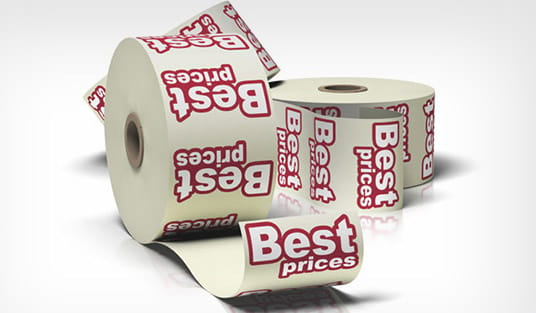
Matte Labels are the clearest example of the finish doing real work. A label with a matte face takes a handwritten date, a batch number, or a signature without the ink beading up, and it will not glare under a shelf light in a store or a stockroom. Corners can be rounded at a 1/8 or 3/8 inch radius, and a run of 25 labels costs $25, so testing a design before a large order costs very little. The short matte labels video shows the finished product before you pick a size.
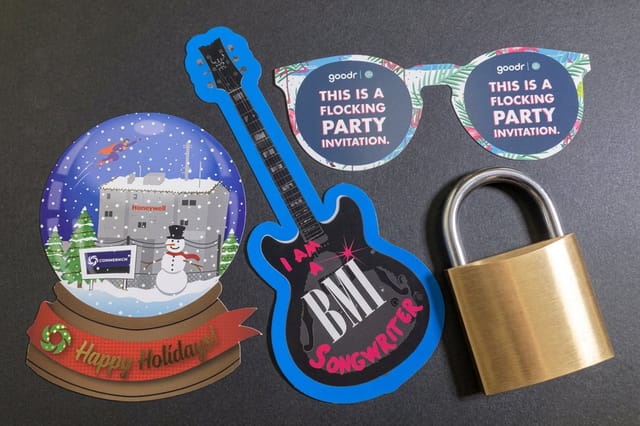
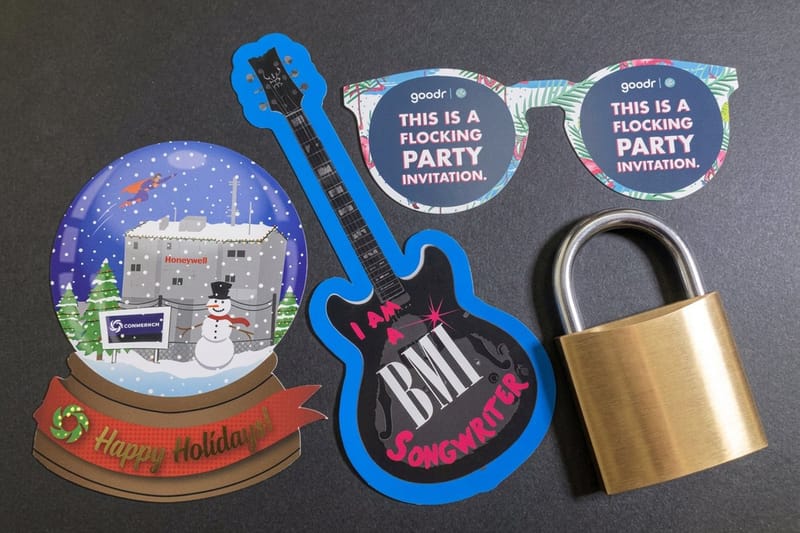
Any Shape Size Paper Die-Cut pieces rely on the stiffness that cover weight brings. A die cuts a clean outline only when the sheet holds its shape as the blade passes through, and a thin text-weight sheet tends to drag or tear at tight curves. Watch the any shape size paper die-cut video before you settle on an outline.
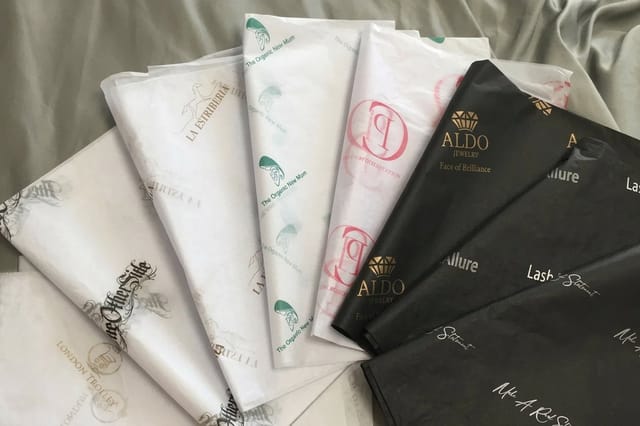
Custom Tissue Paper sits at the opposite end of the same conversation, which makes it a useful reference point. It is deliberately feather-light because it wraps and cushions rather than stands upright, and it starts at $126.32 for 100 sheets. Seeing both ends of the weight range in one place makes the middle far easier to judge. The wider print materials and paper overview covers the rest of the substrate family.
How to pick the right paper weight in four questions
1. How long does the piece live? A handout read once and recycled that afternoon does not need cover weight. A card that sits in a wallet, a folder that gets reopened, or a leave-behind that stays on a desk for months does.
2. Does it get folded? Anything above roughly 80 lb cover should be scored before folding, or the coating will crack along the crease and show a white line. Plan the fold before the file is built, not after.
3. Does anyone write on it? Ballpoint and pencil need tooth. Matte and uncoated give it, gloss does not. This single question settles more stock decisions than any other.
4. Is it printed on both sides? Two-sided work needs enough opacity that the back does not ghost through the front. Cover weight solves that problem outright, which is why cards and covers rarely go lighter. The library at stock and substrate selection works through the rest of these trade-offs, and the 4OVER4 and Vistaprint comparison shows how the two stock ranges line up.
Choosing this stock when you place the order

Stock, weight, and coating are selected inside the product configurator, and the price updates as you change them. In the die-cut paper configurator this stock appears as 100# Silk/Matte Cover, listed beside 80# Gloss Cover, 14pt and 16pt Gloss Cover, and 16pt and 18pt Uncoated Cover, so you can compare two weights against each other in seconds before deciding. Nothing is locked until checkout, which means the honest way to choose is to price both and see whether the heavier option is worth the difference on your quantity.
The rest of the order takes four choices. Pick a size from 2 x 2 up to 11 x 11 inches or enter your own, choose color on one side or both (4/0, 4/1 or 4/4), and set a basic or complex die shape. Turnaround is picked on the same screen.
Build the file at full trim size with bleed on every edge that carries color to the cut, keep type and logos safely inside the margin, and supply images at print resolution. Cover-weight sheets are trimmed in stacks, so a design with elements crowding the edge is the one most likely to look off after cutting.
If you are still torn between two stocks, hold them. Free paper samples ship free and settle the question faster than any description can, because weight and finish are things your hands judge better than your eyes.
Wally explains paper weight
Two numbers, two different rulers
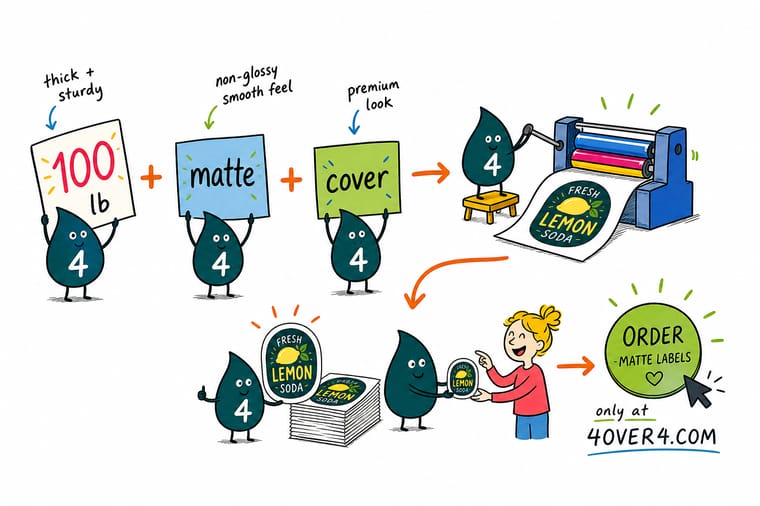
Wally keeps one rule taped above his desk: never compare a cover number with a text number. Cover paper is weighed on a smaller parent sheet, so 100 lb cover comes out stiff and card-like while 100 lb text stays foldable. When someone asks him which weight to order, he asks back how the piece will be handled. Long life and heavy handling mean cover weight, every time.
Print on matte stock →
Infographic
Paper weights at a glance, from text to heavy cover
One frame, from 70 lb text at about 104 gsm up to 16 pt cover, with 100 lb cover in the middle. Save it, print it, or keep it open the next time a configurator asks you to pick a stock.
Weights shown are the common industry equivalents. Exact gsm and caliper vary slightly by mill and by coating.
Specs and pricing
Matte label specs and live pricing
Once the stock decision is made, the rest is configuration. Matte Labels come in set sizes from 2 x 3.5 to 5 x 7 inches or any size you enter, on 23 label stocks from uncoated and semi-gloss paper to vinyl, clear and fluorescent, in quantities from 25 up to 25,000. Here are the live specs and price steps so you can see how quantity and size move the number before you order.

| Quantity | Price Per Unit | Total |
|---|---|---|
| 25 | $1.00 | $25.00 |
Print it
Products where matte stock does the most work
Three products span the weight range on this page: die-cut paper pieces on 100# Silk/Matte Cover, matte labels with square or rounded corners, and tissue paper at 10 lb or 18 lb for wrapping orders.

See it in use
Matte cover jobs off our press
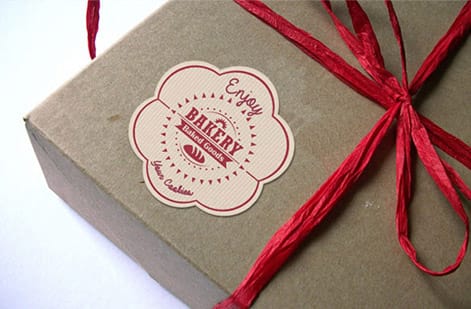
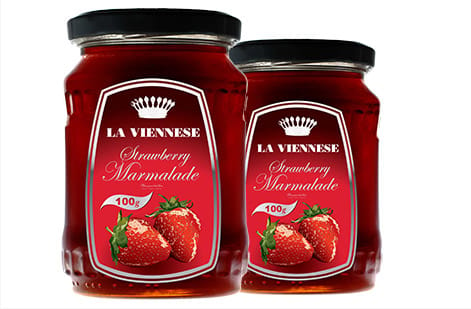
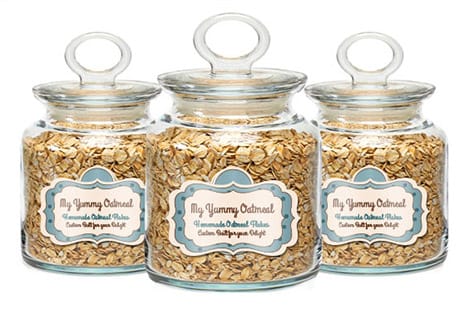
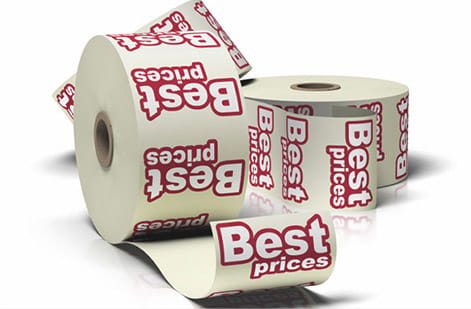
These are labels from the general 4OVER4 labels showcase, printed for customers, so you can see how a label face carries color and small type before you pick a size and a quantity.



%22%2F%3E%3Ccircle%20cx%3D%2242%22%20cy%3D%221%22%20r%3D%2217%22%20fill%3D%22%2314b8a6%22%20opacity%3D%220.15%22%2F%3E%3Ccircle%20cx%3D%2240%22%20cy%3D%2250%22%20r%3D%225%22%20fill%3D%22%2314b8a6%22%20opacity%3D%220.1%22%2F%3E%3Crect%20x%3D%2272%22%20y%3D%22-7%22%20width%3D%2227%22%20height%3D%2210%22%20rx%3D%224%22%20fill%3D%22%2314b8a6%22%20opacity%3D%220.08%22%20transform%3D%22rotate(7%2080%2030)%22%2F%3E%3C%2Fsvg%3E)
Explore more
Where to go next
Six reads that pick up where this guide stops: cardstock against paper stock, 100 lb gloss cover as the opposite finish, every stock side by side, and the full stock and substrate library.





By the numbers
Stock range and reliability you can plan around
Common Questions
Common questions about 100 lb matte cover stock
What is 100 lb matte cover paper?
It is a coated cover stock: 500 sheets at the cover parent size weigh 100 pounds, and the face carries a non-reflective matte coating. It lands near 270 gsm and about 12 points, or twelve thousandths of an inch, thick. The coating keeps ink crisp on top while the matte finish stops glare.
Is 100 lb cover thicker than 100 lb text?
Yes, and the gap is large. Text stock is weighed at a 25 by 38 inch basis size and cover stock at 20 by 26 inches, so the same number describes two very different sheets. A 100 lb text sheet feels like a heavy magazine page you can fold by hand. A 100 lb cover sheet feels like a postcard or a folder: rigid enough to stand on its edge and stiff enough that folding it cleanly usually calls for scoring first.
How do I choose between matte and gloss cover stock?
Decide by reading distance and by what the reader does with the piece. Gloss deepens photo contrast and makes color look saturated, which suits image-led menus, retail signage, and anything meant to catch the eye across a room. Matte suits long copy, price lists, forms, and pieces people hold for a while.
What does 100 lb matte cover cost and how are prices set?
Quantity, size, stock, ink sides, die shape and turnaround all move the price in the configurator. On the die-cut paper product, 500 pieces cost $133, so the unit price falls to about $0.27 as the run grows. Every change shows a live price before you commit.
What sizes, stocks, and finishes work with matte cover weight?
100# Silk/Matte Cover is one of 32 stocks on the die-cut paper product, beside uncoated, kraft, linen, pearl and soft touch options, so you can keep the size and shape and change only the surface. The finish menu holds Standard Finish or High Gloss UV Coating; for a true matte look, keep Standard Finish.
How long does printing on matte cover take to produce and ship?
Die-cut paper pieces print in 5 business days as standard, with faster production from 1 to 4 days, and Matte Labels can be produced the same day. Production starts once your file passes its check, and shipping time is added on top based on destination.
What is the thickness of 100lb gloss cover paper?
About 12 points, or twelve thousandths of an inch, which puts it close to 270 gsm, the same class as 100 lb matte cover. Gloss and matte cover share the same cover scale, so the coating changes the shine, not the stiffness. Exact caliper varies slightly by mill and coating, so compare free samples of both finishes before you order.
Will matte cover stock make my photos look flat?
It softens them rather than flattening them. A matte surface scatters reflected light, which lowers apparent contrast slightly and mutes the deepest blacks compared with gloss. Designers compensate by adding a little contrast and saturation in the file before sending it, or by asking for a printed proof. If photography is the whole point of the piece, gloss or a satin finish will hold more punch.
Get Started
50 die-cut pieces cost $87.00, or $1.74 each
Configure the size, quantity, and finish, watch the price update as you go, and let our press team handle the rest from file check to delivery.
Legal Disclaimer
Gold Standard guarantees apply to all standard orders placed through 4over4.com. Price match requires verifiable proof of a competitor's published price for an equivalent product with matching specifications and turnaround time. Satisfaction guarantee covers manufacturing defects and print quality issues. Contact support with order number and documentation.
