
Custom Bubble Mailers, Kraft Options and the Size Numbers Explained


Sizes that fit the first time, the kraft versus poly trade-off nobody spells out, and the branded parcel you can actually afford at low volume.
A bubble mailer is a padded envelope sized by number, from #000 at 4 by 8 inches of usable space up to #7 at 14.25 by 20, and that number describes the inside rather than the outer envelope. Kraft has a brown paper outer that takes tape well and absorbs water, poly has a plastic outer that is waterproof and roughly half the weight, and neither is curbside recyclable because both are bonded to a polyethylene bubble film. Printing directly on stock mailers runs in the thousands per size, so most sellers brand the label and the tape instead.
Quick answer
Size by the inside, choose the outer by the weather
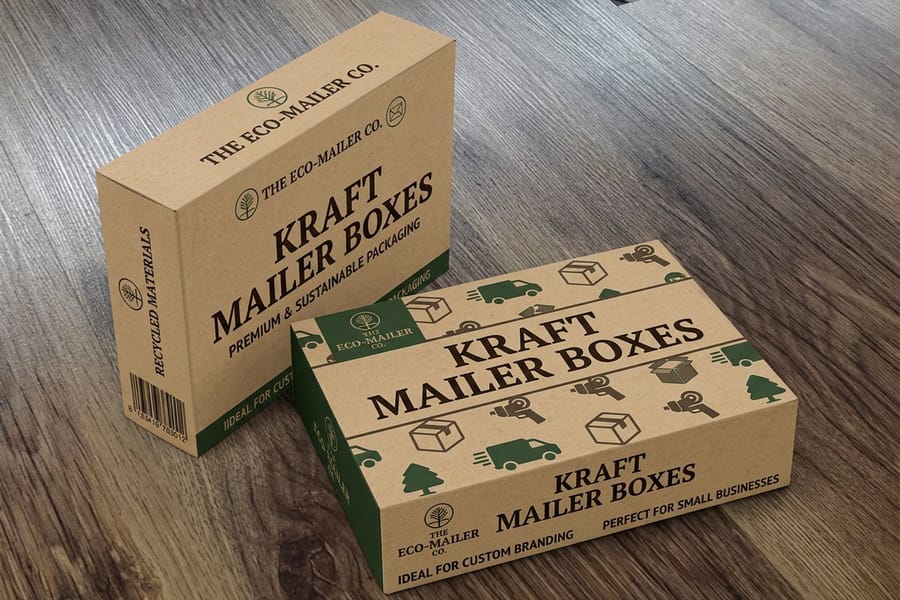
Pick the number by usable inside space plus half an inch of clearance, then pick the material by where the parcel ends up. Kraft looks better in hand and holds printed tape properly, but it absorbs rain and weighs about double. Poly is waterproof and lighter, and tape slides on it. Neither one recycles curbside, because the bubble film is bonded to the outer layer, and only a honeycomb paper padded mailer goes into the paper stream as a single material.
What a Bubble Mailer Does Well, and Where It Quietly Fails
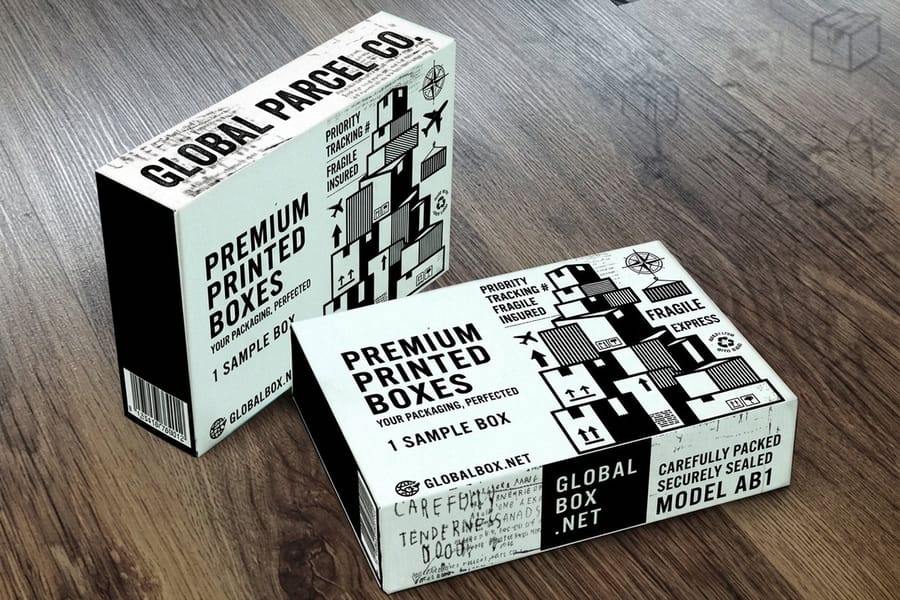
A bubble mailer earns its place on light, flat, non-fragile goods: a folded tee, a print in a sleeve, a paperback, a phone case, a set of samples. It weighs a fraction of a box, it takes almost no storage space flat, and because it conforms to the contents it usually costs less to ship than the smallest box that would hold the same item.
The failure mode is crushing. The bubble layer inside a standard mailer is about an eighth of an inch of air film, sometimes three sixteenths on heavier grades. That is enough to absorb abrasion in a sorting machine and a short drop onto a concrete floor. It is not enough to resist a point load, which is what happens when a 30 pound tote is set down on your parcel in the back of a van. Anything with glass, a screen, a ceramic edge, or a hinge should be in corrugated.
There is a rate rule worth knowing before you standardize on mailers. USPS treats a mailpiece as a flat only if it stays under three quarters of an inch thick, fits inside 12 by 15 inches, and is uniformly thick and bendable across its whole surface. A mailer holding a flat item passes. A mailer holding a lumpy item fails and gets rated as a package, which is the moment the cost advantage over a small box mostly disappears. Our mailer box versus shipping box guide works through that comparison in detail, and shipping boxes cover the jobs where padding is not the answer.
Kraft, Poly, or Paper Padded, and the Honest Recycling Answer
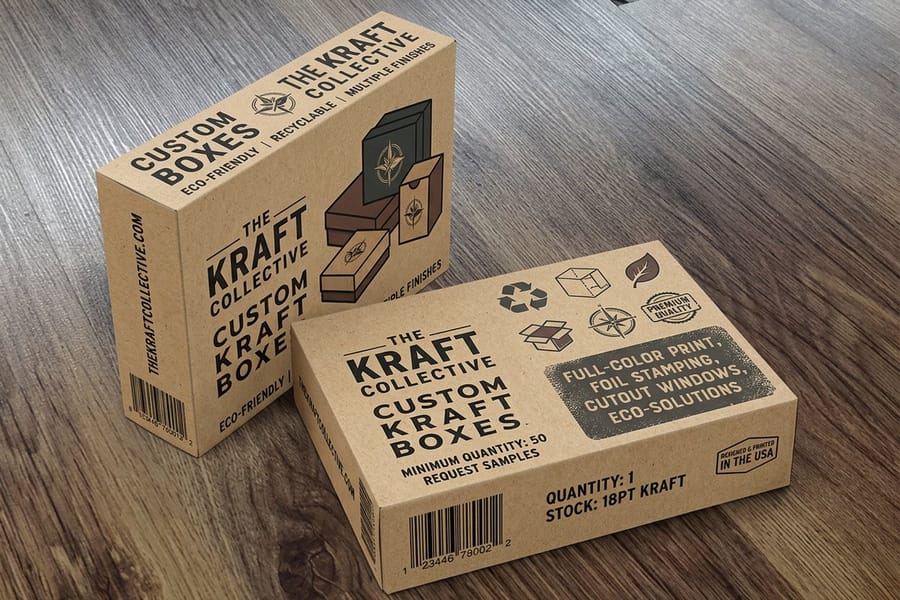
Three materials cover almost every padded mailer on the market, and they behave differently enough that picking on looks alone costs money later.
| Type | Outer material | Water | Weight | Recycling reality |
|---|---|---|---|---|
| Kraft bubble | Brown paper laminated to a polyethylene bubble film. | Absorbs and softens, label ink can run. | Heaviest of the three at the same size. | Rejected by paper streams and by film streams, because the two layers are bonded. |
| Poly bubble | Polyethylene film outer, same bubble lining. | Waterproof at the material level. | Lightest, roughly half a kraft mailer. | Recyclable at store film drop-off points, not curbside. |
| Paper padded | Kraft outer with a honeycomb or macerated paper cushion, no plastic. | Absorbs, same as kraft bubble. | Similar to kraft bubble, sometimes heavier. | Goes into the paper stream as one material. The only genuinely curbside option. |
Read the last column twice, because brown packaging has been sold as the green choice for years and a kraft bubble mailer is not one. It is paper glued to plastic film, and a mixed laminate is the hardest thing in the parcel stream to process. If a recyclable outer is the actual requirement, the honeycomb paper padded mailer is the product that delivers it, and it costs more per unit for exactly that reason.
Weight decides the rest. Kraft weighs roughly double poly at the same size, which sounds trivial until a light order sits right on a postage ounce boundary and every unit tips over. Poly wins on rain and on cost per shipment. Kraft wins on how it feels in a customer's hands and on tape adhesion, which matters more than it sounds. For the wider material comparison, the paper stocks guide covers how kraft behaves under ink, and the eco friendly printing collection lists the packaging we run on recycled and uncoated board.
Standard Bubble Mailer Sizes and How the Numbering Works
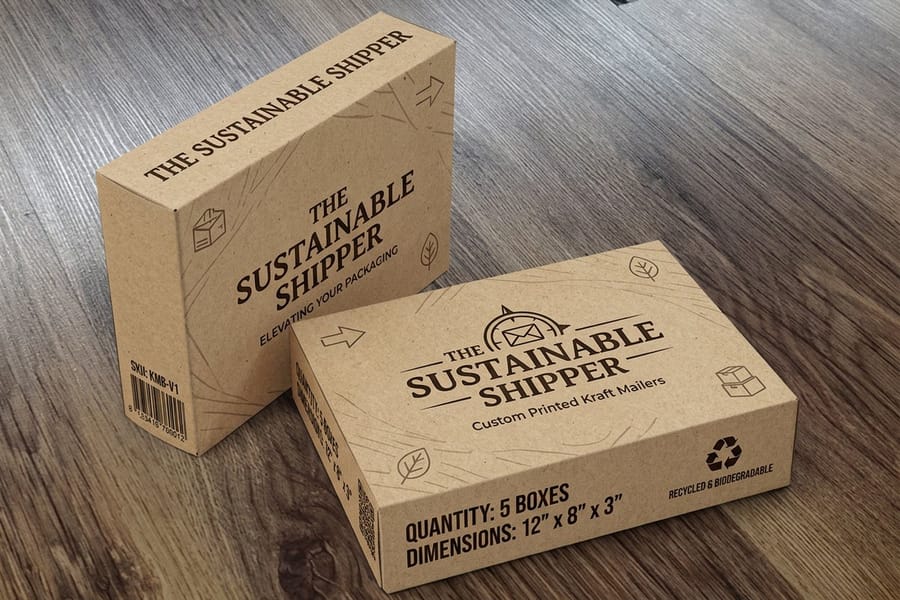
Padded mailers are sold by number rather than by dimension, and the numbers run from #000 up to #7. Almost every brand prints the usable inside area on the pack, and the envelope itself is roughly an inch longer to allow for the flap and the seal strip. That single detail causes most of the ordering mistakes, because a designer measures the artwork, matches the number, and finds the piece will not slide in.
| Number | Usable inside | Typical contents |
|---|---|---|
| #000 | 4 x 8 in | Jewelry, keys, USB drives, sample cards. |
| #00 | 5 x 10 in | Phone cases, cosmetics, small parts. |
| #0 | 6 x 10 in | Trade paperbacks, single folded garment. |
| #1 | 7.25 x 12 in | Hardcovers, folded tees, A5 print runs. |
| #2 | 8.5 x 12 in | Letter documents, tablets, catalogues. |
| #3 | 8.5 x 14.5 in | Legal documents, textbooks, larger prints. |
| #4 | 9.5 x 14.5 in | Two or three garments, boxed accessories. |
| #5 | 10.5 x 16 in | Bulk apparel, oversized books. |
| #6 | 12.5 x 19 in | Hoodies, bedding, bulky soft goods. |
| #7 | 14.25 x 20 in | The largest standard size before a box is cheaper. |
Two habits stop the returns. Add half an inch of clearance in each direction, because a mailer stuffed tight cannot compress, and a bubble layer that cannot compress is doing nothing. And measure a physical sample before committing to a full carton, since a small number of importers print the outer dimension instead of the inside one and the mismatch only shows up at scale.
If you are sizing the product rather than the envelope, the box size chart by product type gives starting dimensions by category, and how to measure a box for shipping covers the length, width and depth convention carriers expect on a manifest.
Branding a Padded Mailer Without a Five Thousand Unit Minimum
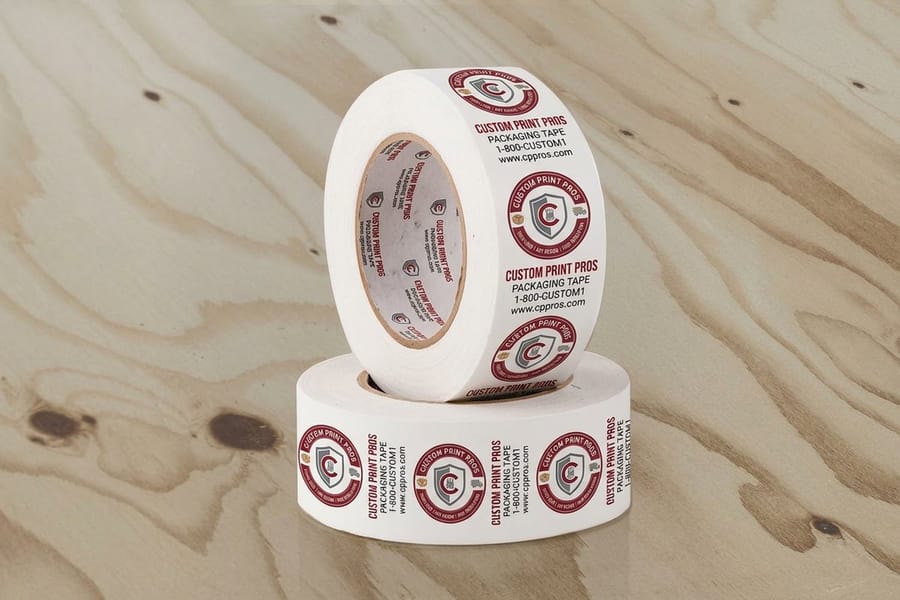
Most people searching for custom bubble mailers do not want a custom envelope. They want the parcel to look like it came from a real brand, and there are three ways to buy that, at wildly different price points.
Printing on the mailer itself is the expensive one. Stock mailer converters print flexographically, which means one or two spot colors rather than full color, thousands of units per size and per color, and a plate charge on each. White ink is rarely on the menu, so a pale logo on brown kraft prints as a muddy tint rather than a clean mark. Design for a single dark color or a solid knocked-out shape and it works. Send a four color logo with a gradient and it will not.
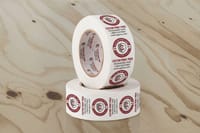
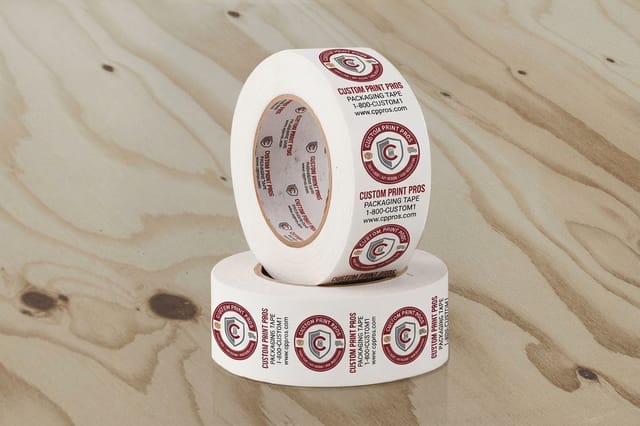
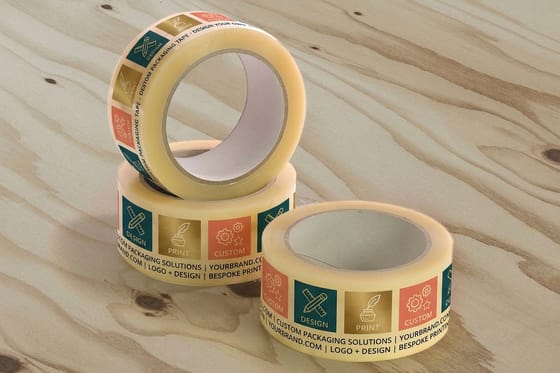
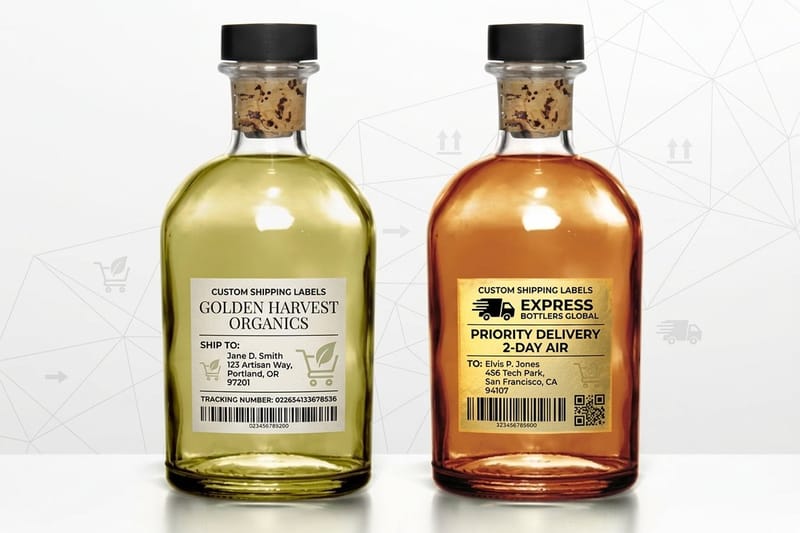
A printed shipping label is the cheap route, from $25, and it carries full color artwork at real resolution. It is the surface the customer looks at first anyway, because it is where their own name is. Printed packaging tape from $347.11 is the second layer, and it has a material catch worth planning around: tape adhesive grips kraft paper and struggles on the slick polyethylene surface of a poly mailer. If your branding plan is tape, buy kraft mailers. If you have already standardized on poly, put the money into the label and an insert instead.
The third route is inside. A printed card or a folded insert costs almost nothing per shipment and does the job the outside of a mailer cannot, which is to say something after the parcel is open. Packaging inserts that drive repeat sales covers what to put on one, and the custom kraft tape guide goes deeper on tape and surface pairing.
Packing Fragile Items So the Padding Actually Helps
Padding works by giving an impact somewhere to go. That only happens if the item can move a little inside the envelope, and only if the impact hits the padded face rather than a corner. Both conditions get broken by the same habit: buying the smallest mailer the item fits into.
Centre the item and leave a margin. A piece pressed against the seam has bubble on one side and a glue line on the other, and the glue line is where drops land. If the item has its own retail box, tape that box shut before it goes in, because a box that pops open inside a mailer turns its own contents into the thing that punctures the lining.
Printed goods have a specific failure worth naming. A stack of business cards or postcards has four sharp corners under load, and those corners abrade through a kraft outer during a long transit far more often than people expect. Band the stack, slip it into a poly sleeve, or ship it in a rigid mailer. The same goes for anything with a metal edge.
The honest cutoff: if the item would not survive an adult standing on the parcel, it needs corrugated rather than padding. That is where kraft mailer boxes and the cardstock versus corrugated comparison pick up, and the custom box printing range covers the structural end of the same shipment.
Ordering Custom Mailers, and What We Actually Print
4OVER4.COM does not print bubble mailers. That is a converting operation on stock envelope blanks, and pretending otherwise would waste your time. What we print is everything around one, plus the rigid mailer that replaces it when the item deserves structure.
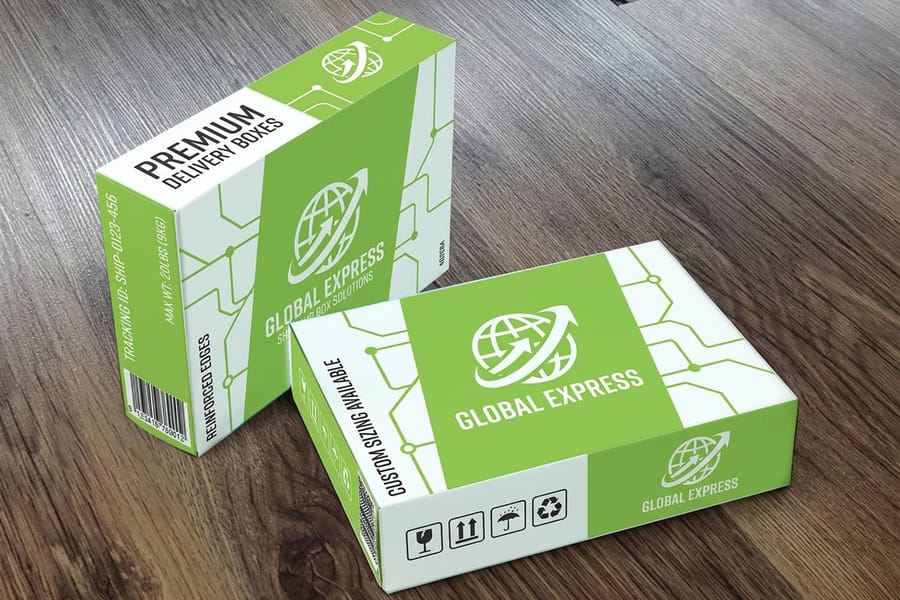
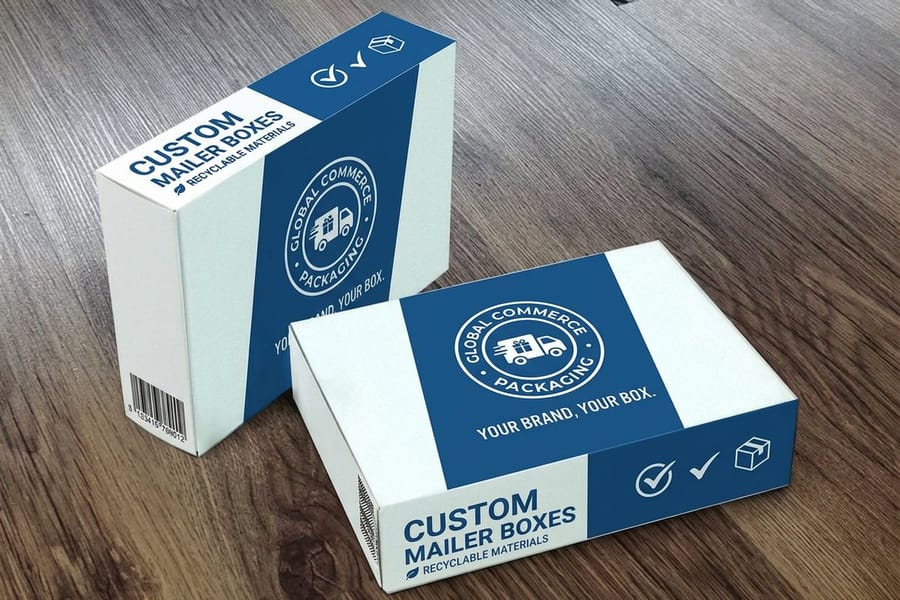
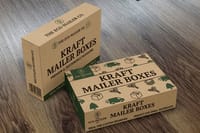
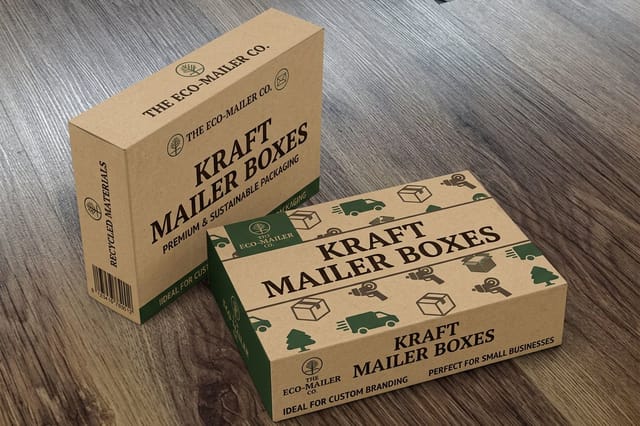
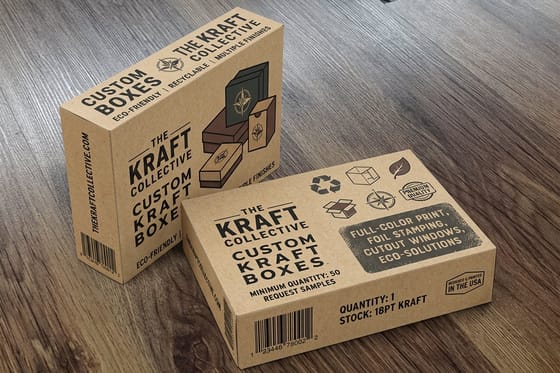
The sensible order of spend, if you are building branded shipping from nothing, follows the cost per branded touch. Start with the label, because shipping labels start at $25 and go on every single parcel regardless of what it is packed in. Add printed packaging tape at $347.11 once volume justifies it, since one roll seals a lot of parcels and it brands stock mailers and stock boxes alike. Move to printed kraft mailer boxes or custom mailer boxes from $711.78 when the unboxing itself is part of the product, which is the point at which a padded envelope was already the wrong choice.
Artwork goes in the same way as any packaging job: full size, with bleed, fonts outlined, and dielines respected. How to prepare files for packaging products covers the setup, and the packaging printing collection lists every structural format we run. If you sell online and want the whole parcel to match, the ecommerce printing collection groups labels, tape, boxes and inserts in one place.
Wally sizes a bubble mailer
The number on the pack is the inside, and half an inch of slack is the difference
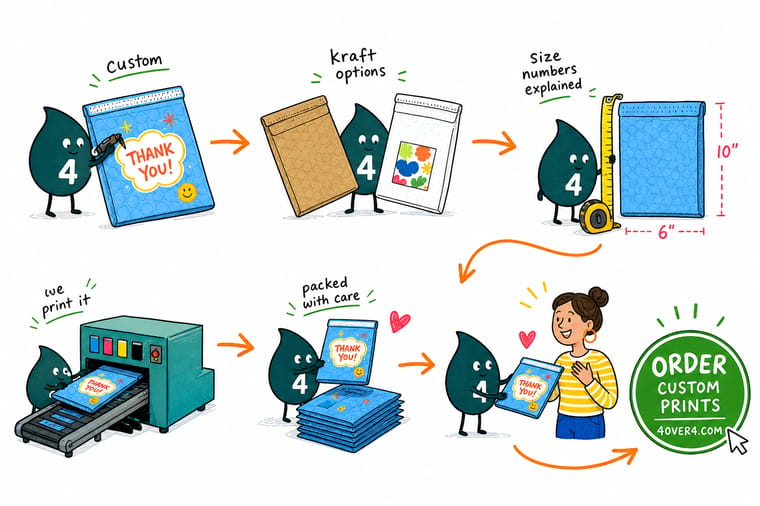
Wally measures the item, adds half an inch each way, and only then picks the number, because a mailer stuffed tight has nowhere for the bubble to squash. Then he checks the forecast. Kraft for lobbies and offices, poly for porches in the rain. When someone asks him for a printed logo on the envelope itself, he shows them the price of a flexo run against a full color shipping label and they usually pick the label.
Print your shipping labels →Specs and pricing
Branded shipping, sizes and starting prices
The three surfaces that make a parcel look like it came from a brand, with live configuration choices and starting prices from the 4OVER4.COM configurator.

Print it
Brand the parcel, not just the product

Explore more
Where to go next
By the numbers
Packaging and shipping print you can count on at 4OVER4
Common Questions
Your bubble mailer questions, answered
What size bubble mailer do I need for a book?
Work from the usable inside dimension, then add half an inch each way. A trade paperback fits a #0 at 6 by 10 inches. A standard hardcover wants a #1 at 7.25 by 12. A textbook or an art book usually needs a #3 at 8.5 by 14.5, and at that weight the bubble is doing very little, so a corrugated book wrap or a small box protects the corners better than padding does.
Are kraft bubble mailers recyclable?
Not as sold, and this is the single most common misunderstanding about them. A kraft bubble mailer is brown paper laminated to a polyethylene bubble film. Paper recyclers reject the mixed material, and plastic film recyclers reject the paper. Two options actually recycle: a poly bubble mailer taken to a store film drop-off, or a honeycomb paper padded mailer with no plastic layer at all, which goes straight into the paper stream. If sustainability is the point of the purchase, the brown color is not the thing to buy for.
Can I print my logo directly onto bubble mailers?
Yes, through flexographic printing, and the catch is volume. Stock mailer converters typically want thousands of units per size and per color, they run one or two spot colors rather than full color, and white ink is rarely offered, so a light logo on brown kraft prints muddy. Most sellers who ask for custom bubble mailers get what they wanted from a printed shipping label or a run of printed packaging tape, both of which carry full color artwork and start far lower.
Do bubble mailers really ship cheaper than boxes?
Usually, for two reasons. They weigh less than corrugated, and they take up less dimensional volume, which is what most carrier rate tables charge on for anything light and bulky. There is also a rate threshold worth knowing: USPS rates a mailpiece as a flat only if it stays under three quarters of an inch thick, fits within 12 by 15 inches, and stays uniformly thick and bendable. A mailer with a lumpy item inside fails the uniform thickness test and gets rated as a package instead, so the savings disappear the moment the contents are chunky.
Kraft or poly for deliveries left outside?
Poly. Polyethylene is waterproof at the material level, so an afternoon of rain on a doorstep does nothing to it. Kraft paper absorbs, softens, and starts delaminating from the bubble layer, and the printed label on the outside goes with it. If your customers are mostly apartment lobbies and offices, kraft is fine and looks better. If they are suburban porches, buy poly and put the branding on the label.
What is the difference between a bubble mailer and a mailer box?
Structure. A bubble mailer is a flexible envelope with an air film lining, so it protects against scuffing and short drops while conforming to whatever is inside. A mailer box is rigid corrugated with a tuck-in lid, so it resists crushing, holds a shape on a shelf, and takes full color printing across the whole surface. The practical dividing line is whether the item can survive being pressed. Apparel, prints, and paperbacks go in a mailer. Anything with glass, a screen, a rigid corner, or an unboxing moment goes in a box.
Get Started
Ready to make the parcel look like the brand?
Start with a full color shipping label, add printed tape when the volume is there, and move to printed mailer boxes when the unboxing is part of the product.
Legal Disclaimer
Gold Standard guarantees apply to all standard orders placed through 4over4.com. Price match requires verifiable proof of a competitor's published price for an equivalent product with matching specifications and turnaround time. Satisfaction guarantee covers manufacturing defects and print quality issues. Contact support with order number and documentation. On-time delivery rate based on tracked orders 1999 to 2026. Individual results may vary based on shipping carrier performance.
